
50 Years of The Institute
The Institute, IEEE’s member‑focused publication, marks its 50th anniversary in 2024. Launched in 1976 as a four‑page insert in IEEE Spectrum, it evolved into a separate newspaper, then a monthly magazine, and now delivers all content online with a curated 16‑page quarterly print edition. The Institute also runs the bimonthly Institute Alert newsletter and active social‑media channels. Its long‑running “IEEE People” profiles continue to spotlight engineers worldwide.
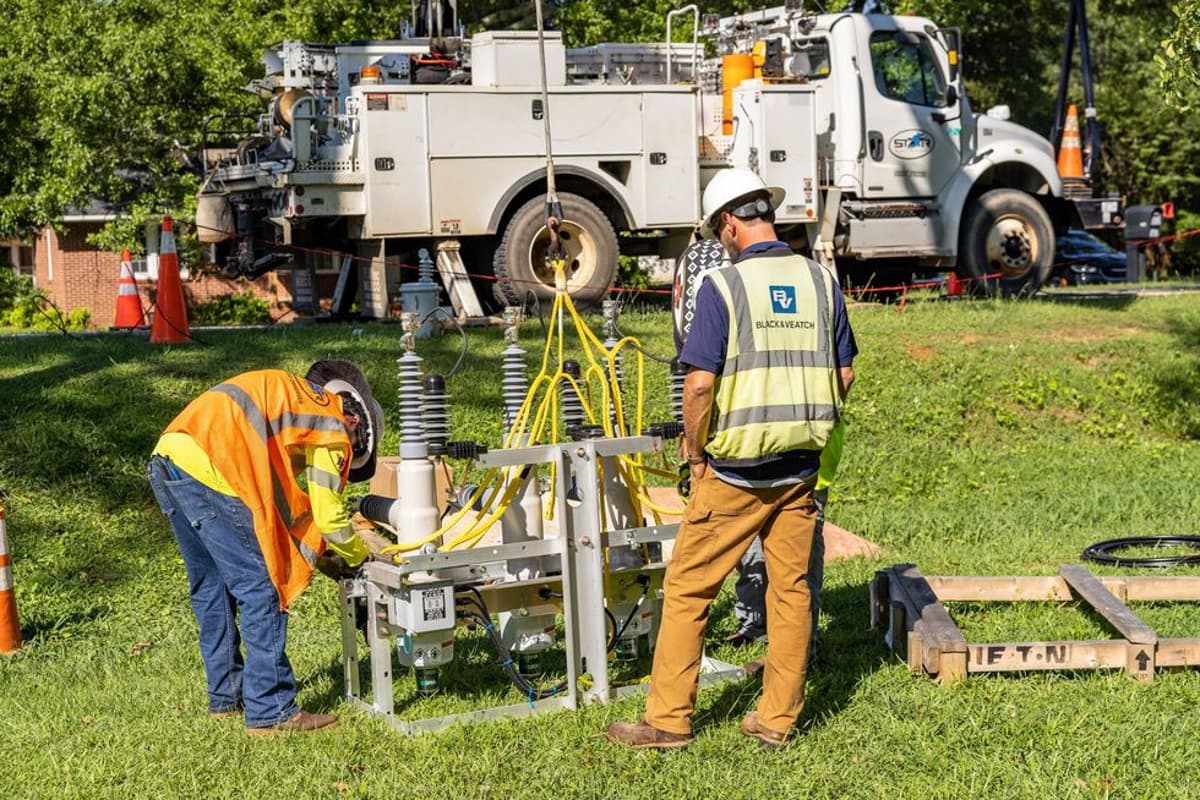
What It Takes for Future-Ready Power Distribution
Utilities are confronting a distribution system built for a bygone era, where predictable demand and one‑way power flow no longer apply. Black & Veatch highlights three imperatives: moving from reactive outage response to upstream hardening and automation, scaling distributed energy resources...
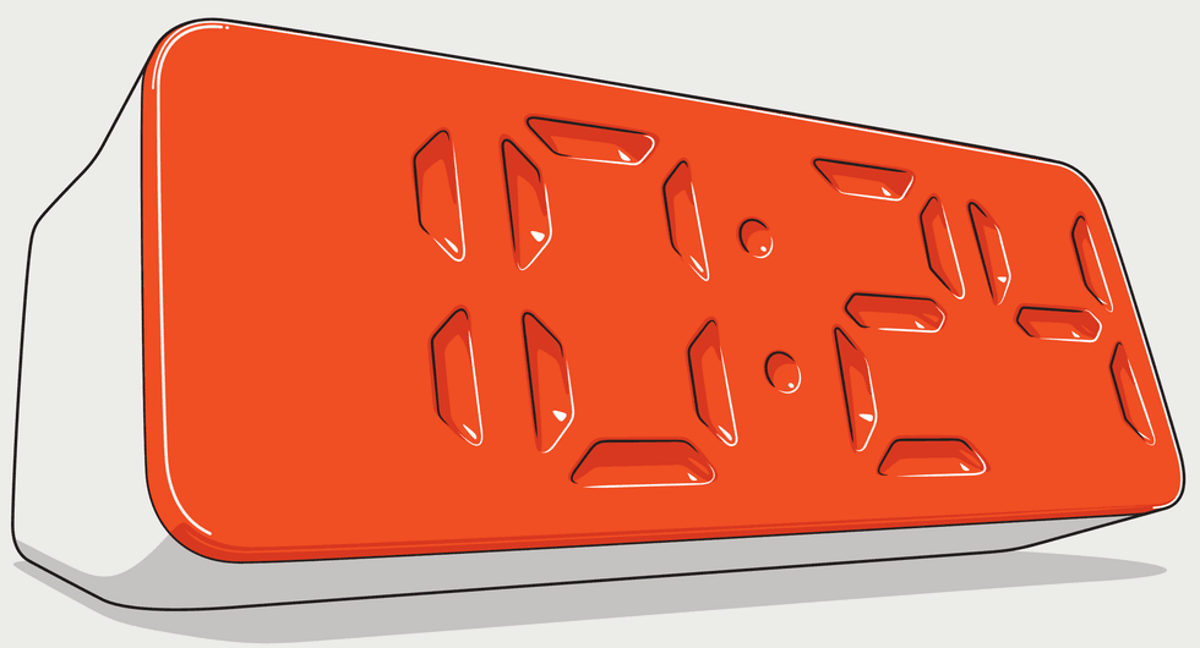
Make a Soft Digital Clock Tick With Millifluidics
James Provost’s Soiboi Studio has built a soft, four‑digit, seven‑segment clock that uses millifluidic logic instead of traditional electronics. By exploiting pressure differentials between atmospheric pressure and a –60 kPa vacuum, the device’s silicone membrane creates and retains segment states, acting...
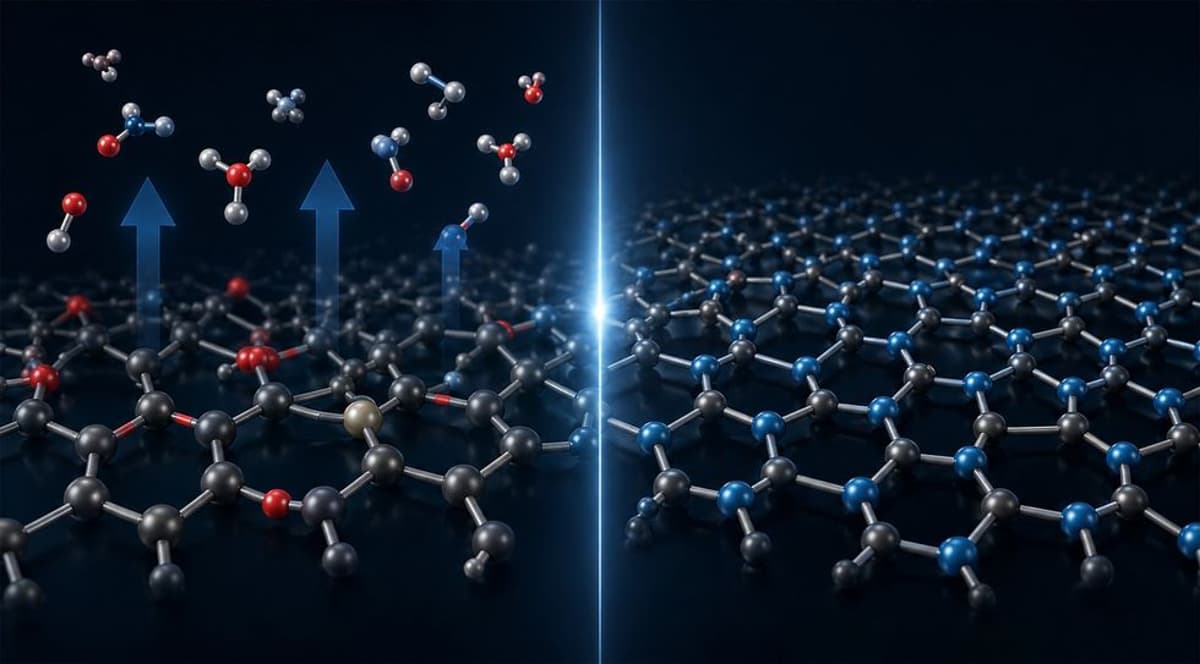
Meet NASA Low Outgassing Standards With Adhesives for Aerospace and Optical Systems
Master Bond highlights its adhesive lineup that complies with NASA’s low‑outgassing criteria defined in ASTM E595. The standard caps total mass loss at 1 % and collected volatile condensable material at 0.1 % after a 24‑hour, 125 °C vacuum bake. Products such as EP30‑2,...
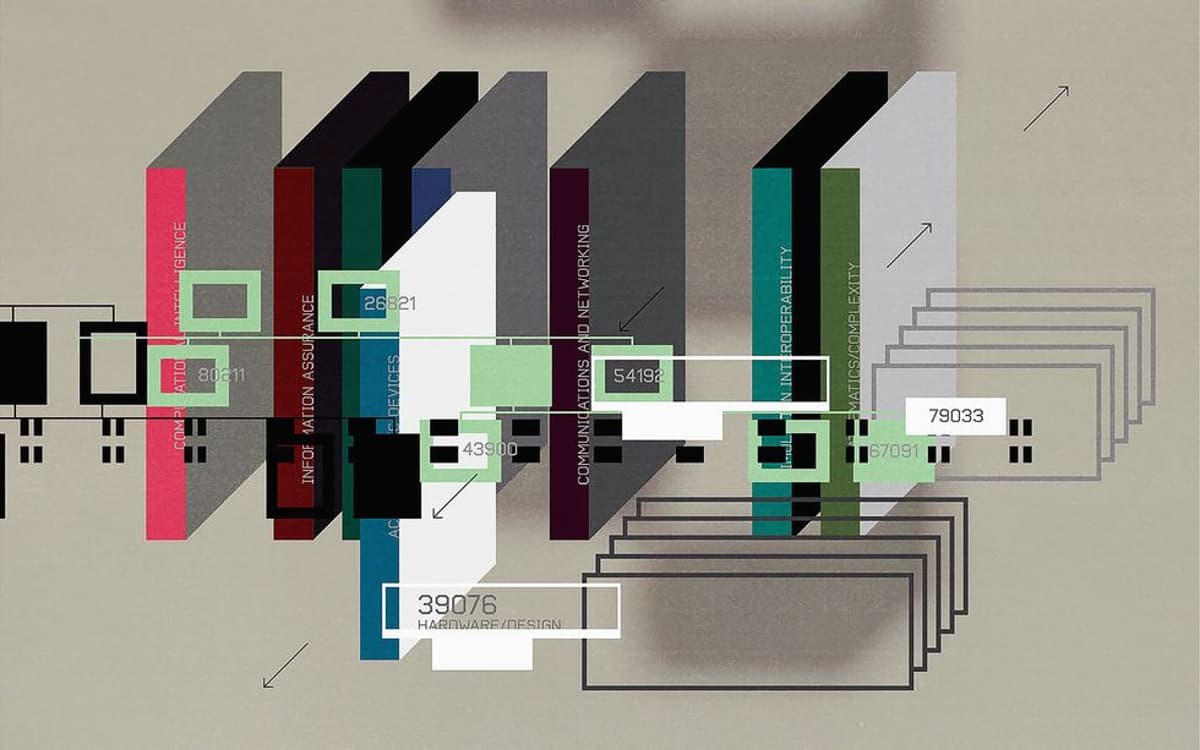
Developers: Get Your Medical Mobile App Verified By IEEE
More than 55,000 medical‑grade mobile apps that claim to diagnose or treat conditions have never been evaluated by a neutral body. To address this gap, the IEEE Standards Association introduced the Global Medical Mobile App Assessment and Registry, a publicly...

Manchester Code Made Bits Behave
In the late 1940s engineers at the University of Manchester invented the Manchester code, a self‑clocking line code that embeds a timing transition in the middle of each bit. By encoding data with a guaranteed mid‑bit transition, the technique eliminated...
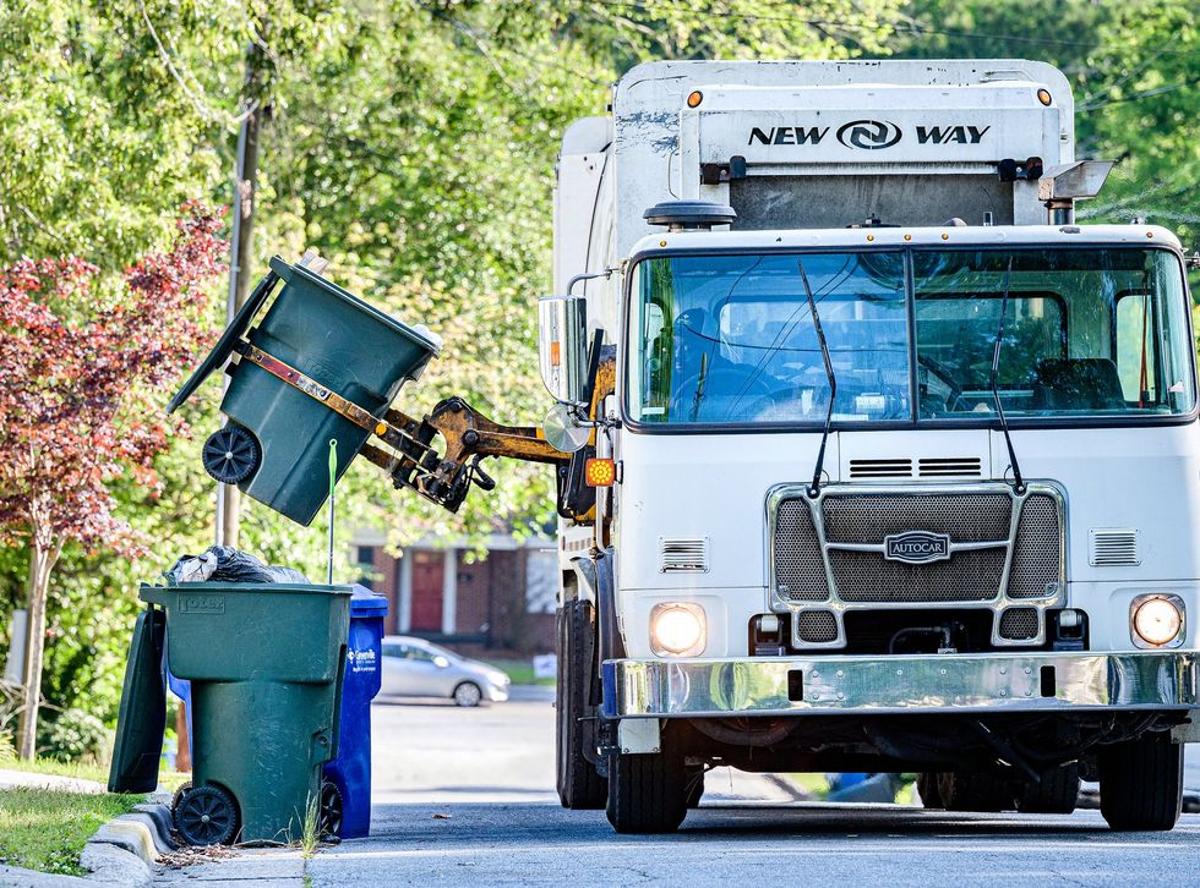
What Makes a Job Dull, Dirty, or Dangerous?
The IEEE Spectrum article examines the long‑used robotics mantra “dull, dirty, dangerous” (DDD) and reveals that only 2.7% of papers define the terms while 8.7% provide concrete examples. By reviewing both robotics and social‑science literature, the authors propose a nuanced...
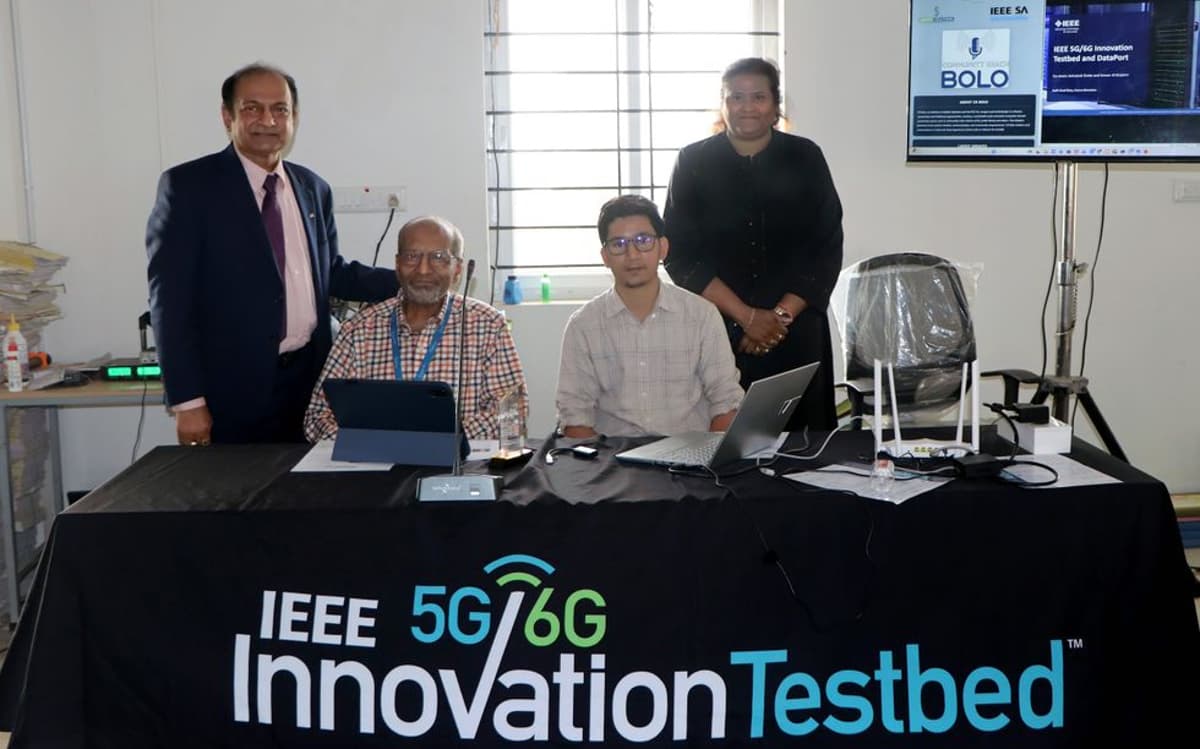
IEEE Program Aims to Connect the Billions Who Are Still Offline
Nearly 30% of the world—over 2 billion people—remain offline, prompting IEEE Future Networks’ Connecting the Unconnected (CTU) program to accelerate 5G/6G‑based connectivity solutions. In 2025 the CTU challenge attracted 245 submissions from 52 countries, selecting 20 winners, of which 14 earned...

Ana Inês Inácio Designs the Future of Wireless
Ana Inês Inácio, a senior IEEE member and scientist at the Netherlands Organization for Applied Scientific Research (TNO), designs integrated RF front‑end circuits that power next‑generation wireless systems, including 6G, satellite links, and IoT sensor networks. Her work focuses on...
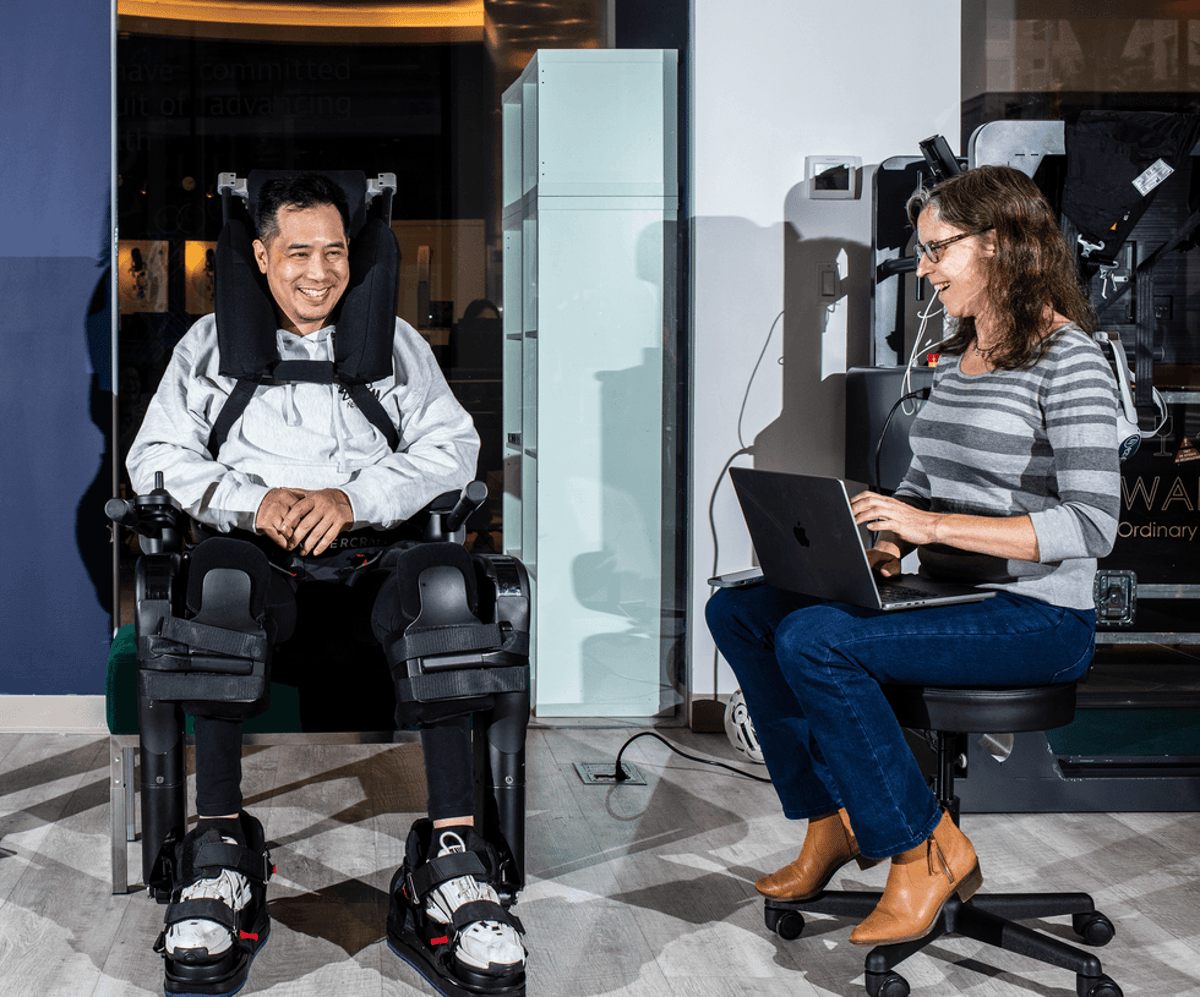
Bionic Tech Must Prove Itself Beyond the Lab
IEEE Spectrum’s special report examines bionic assistive tech through the eyes of users, not just lab demos. It follows exoskeleton pioneer Robert Woo, who after 15 years of testing highlights real‑world glitches such as safety sensors stopping on a slight...

IEEE Smart Village Is Helping to Electrify Rural Cameroon
IEEE Smart Village awarded a seed grant to Renewable Energy Innovators Cameroon (REI), enabling the company to scale solar mini‑grids and develop an open‑source smart‑metering platform for rural electrification. Since its 2006 founding, REI has grown from solar lantern rentals...
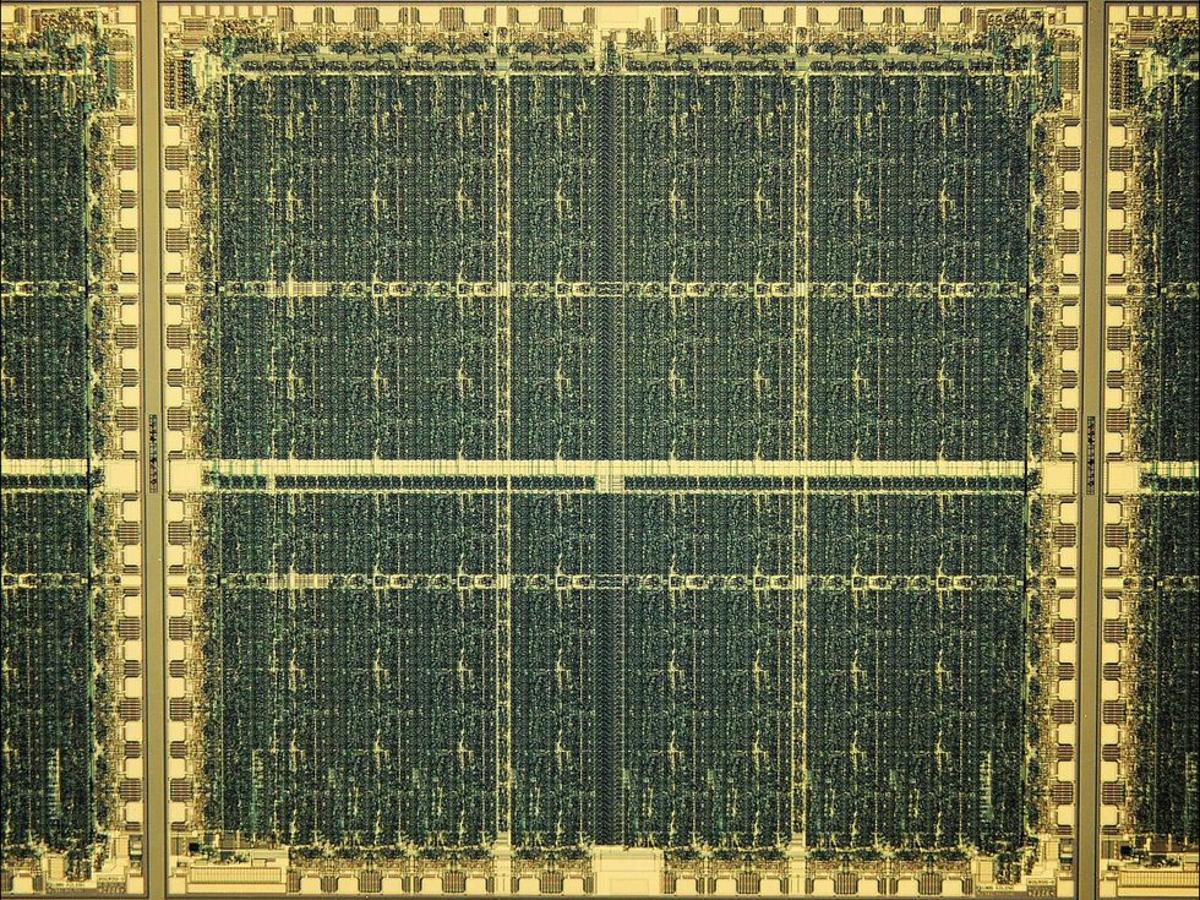
The Chip That Made Hardware Rewriteable
The IEEE honored the first field‑programmable gate array (FPGA) with a Milestone plaque at AMD’s former Xilinx campus on March 12, recognizing the 1985 XC2064 as the origin of reconfigurable silicon. That chip introduced 64 programmable logic blocks and configurable routing,...
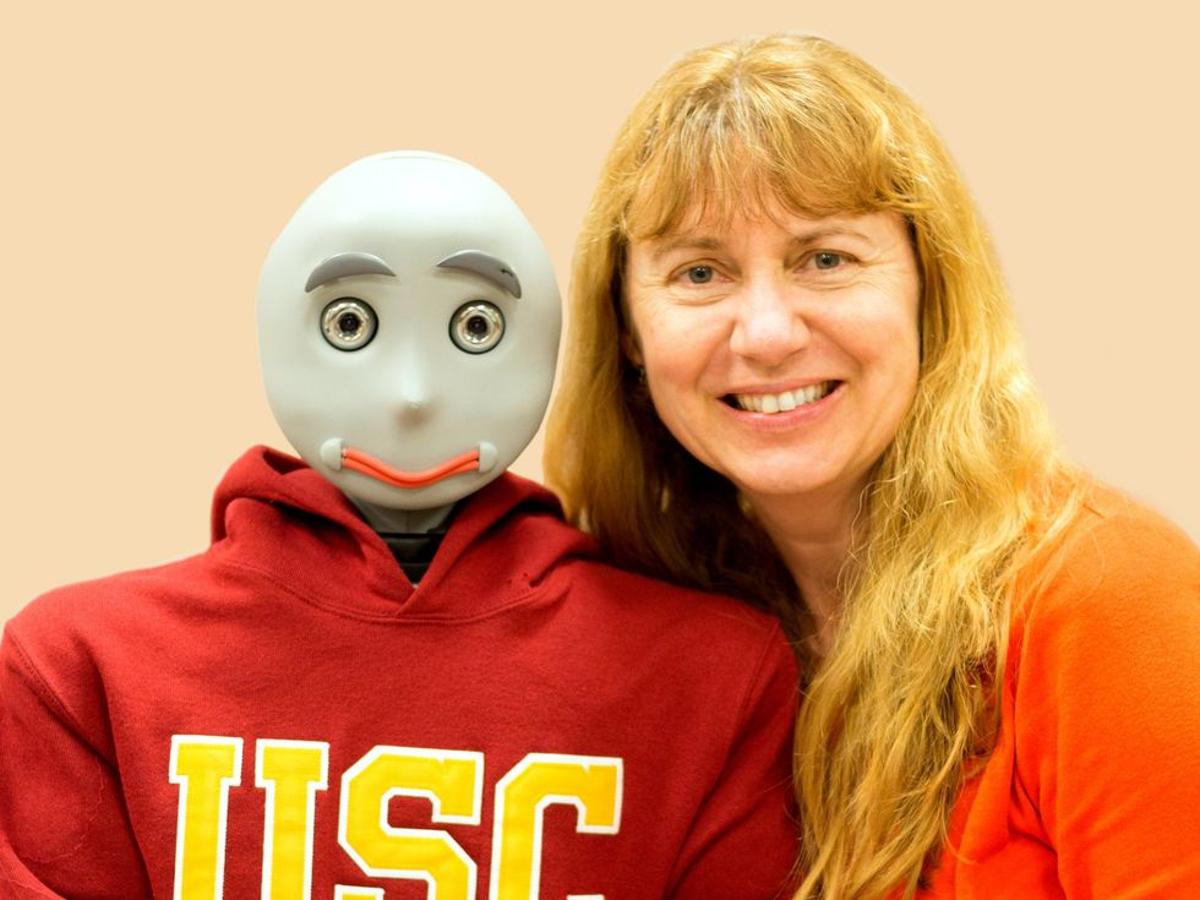
The USC Professor Who Pioneered Socially Assistive Robotics
Maja Matarić, a USC professor of computer science, neuroscience and pediatrics, helped define socially assistive robotics in 2005 and has since built robots that provide therapeutic social interaction. Her work includes the Bandit, Kiwi and Blossom platforms, which support children...

How Engineers Kick-Started the Scientific Method
The article traces how 17th‑century engineers Cornelis Drebbel and Salomon de Caus inspired Francis Bacon’s vision of a systematic, experiment‑driven science, later dramatized in his utopian novel *New Atlantis*. Drebbel’s submersible and iterative testing, and de Caus’s hydraulic spectacles, demonstrated that hands‑on...

Squishy Photonic Switches Promise Fast Low Power Logic
Researchers at the University of Ljubljana have created a liquid‑crystal photonic switch that controls light with light using two sub‑nanosecond laser pulses. The device exploits whispering‑gallery resonances and stimulated emission depletion to suppress the first pulse while amplifying the second,...