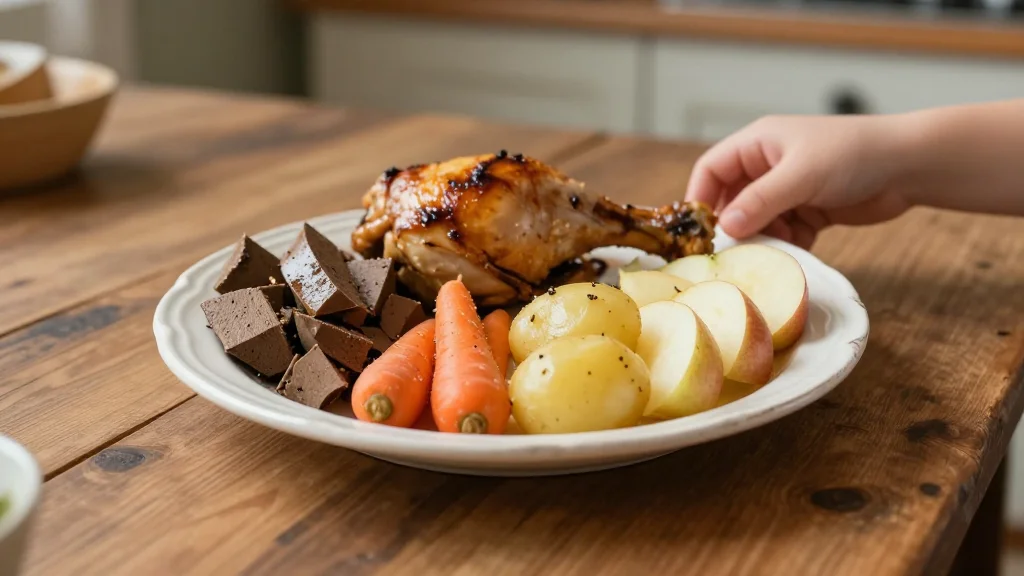
Picky Eaters: A Modern American Phenomenon
Food historian Helen Zoe Veit’s new book reveals that American children were once omnivorous eaters, consuming a wide variety of meats, organs, and vegetables in the 19th century. In the early 20th century, medical advice shifted toward bland, limited diets, and mid‑century parenting guidance unintentionally amplified picky eating. This cultural shift created a lucrative market for processed, kid‑focused foods, while modern parents grapple with balancing nutrition, dietary restrictions, and family meals.

Friday Five 605
The latest Friday Five roundup highlights that nearly one in four U.S. adults are part of the sandwich generation, juggling care for both children and aging parents. A Pew Research study reveals a nuanced American view of artificial intelligence, with...

Learning From Section 230: No Immunity for AI
Brad Carson, president of Americans for Responsible Innovation, testified before the Senate Committee on Commerce, Science, and Transportation, warning that Congress should not grant AI the same broad immunity that Section 230 gave to social‑media platforms. He argues that Section...

Stay-at-Home Parents Need Real Support, Not Platitudes
Capita’s new report, based on focus groups, interviews and a survey of 1,000 stay‑at‑home parents, reveals that these caregivers face significant financial and emotional strain. Over half (55%) cite monthly income as their biggest stressor, while 70% say affordable childcare...

Don't Forget the Fathers: How Pregnancy Centers Champion Family Formation
Care Net’s fatherhood initiative has expanded rapidly, with services for expectant fathers now present in 78% of its 1,300+ pregnancy centers, up from 56% in 2023. Surveys show men are the strongest influence on abortion decisions, prompting centers to offer...

Rethinking 'the One': How the Soulmate Script Distorts Romance
The article challenges the pervasive "soulmate" script, showing that belief in a perfect "one" distorts expectations and undermines relationship effort. Research cited—including a YouGov poll where 60% of Americans endorse soulmates and longitudinal studies on destiny versus growth beliefs—demonstrates that...

No Spouse, No House: Marriage Decline and Homeownership Among Young Adults
The share of 25‑34‑year‑olds who own homes fell from about 54% in 1980 to roughly 35% today, while marriage rates for the same cohort dropped from 67% to 37%. Despite the housing affordability narrative, most young newlyweds remain renters, and...

To Boost Family Formation, Increase Stability for Men and Flexibility for Mothers
The article argues that declining family formation in the U.S. stems less from cultural rejection and more from shrinking economic stability for men and limited workplace flexibility for mothers. Data show that stable, predictable jobs now dominate the prerequisites for...