

Podcast Episode: The Mounting Disruptions in Oil Markets
The IEA’s latest oil market report highlights the seismic shock to global oil flows after the Strait of Hormuz was effectively shut in late February. The narrow 54‑km passage, which normally carries about 20 million barrels a day of crude, condensate, refined products and LPG, saw transit plunge by roughly 90%, leaving only 2.3 million barrels per day moving through the waterway. Analysts estimate the March supply disruption amounted to a historic 10.1 million barrels per day, the largest single‑month shortfall on record. Bypass routes, chiefly Saudi Arabia’s east‑west pipeline and the UAE’s Haban Fuja port, lifted to 7.2 million barrels per day but remain far short of pre‑conflict levels. Refining in the Gulf is down about 6 million barrels per day, tightening product markets and pushing crude benchmarks up two‑thirds, while gasoline, diesel and jet fuel prices have surged 50‑95%. The episode also underscores logistical bottlenecks: roughly 200 fully‑laden tankers and 150 empty vessels are stranded, Iraq’s southern ports hold only three days of storage, and India reported a 12.5% drop in LPG consumption in March. Prices for crude have jumped dramatically, and downstream fuels have followed, amplifying consumer cost pressures worldwide. If the strait remains closed into May, the IEA projects a 1.5 million barrel‑per‑day reduction in 2026 supply, with longer‑term risks if attacks on infrastructure persist. The disruption forces refiners to seek alternative crude sources, strains petrochemical feedstocks, and heightens volatility across energy markets, underscoring the strategic vulnerability of a single chokepoint.
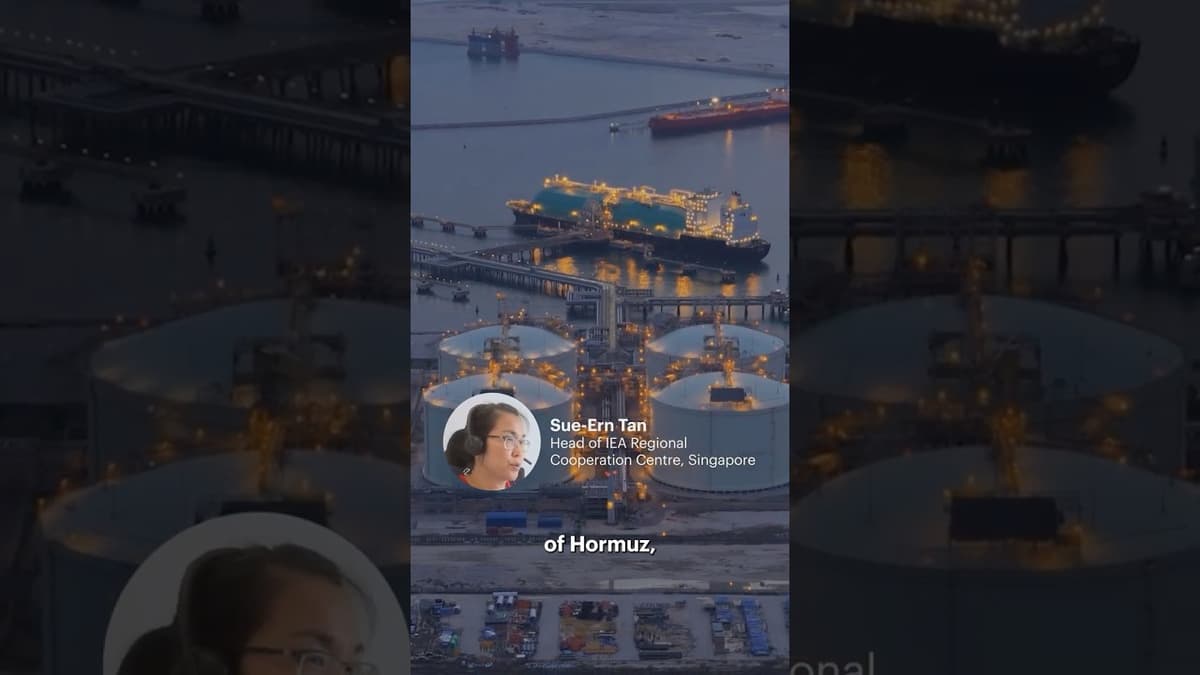
Why the Energy Crisis Is Impacting Asia
The video explains that Asia’s exposure to the ongoing energy crisis is amplified by its reliance on maritime routes through the Strait of Hormuz, the world’s most critical chokepoint for oil and liquefied natural gas (LNG). Roughly 80 % of oil and...

Financing CCUS at Scale: How to Mobilise Private Capital
The International Energy Agency unveiled a new report, “Financing CCUS at Scale: How to Mobilise Private Capital,” highlighting the urgent need to bridge the financing gap that has kept carbon capture, utilization and storage (CCUS) projects from scaling. While the...

Energy Technology Perspectives 2026
The International Energy Agency unveiled its 2026 Energy Technology Perspectives report, a flagship analysis of clean‑energy technology supply chains and market dynamics. The launch highlighted a shift from climate‑driven adoption to pure market opportunity, with the global clean‑energy technology market...

Working From Home Could Save an Average of 20% on Fuel Bills
The video highlights how a three‑day‑a‑week remote‑work schedule can slash an employee’s fuel expenses by roughly twenty percent, offering a tangible financial cushion amid soaring gasoline prices. It notes that the exact savings hinge on factors such as commute length, vehicle...

10 Ways to Ease Oil Price Pressures on Consumers
The International Energy Agency’s podcast "Everything Energy" highlighted a new 10‑point demand‑side plan aimed at easing oil‑price pressures on consumers amid a Middle‑East shipping disruption. While the agency is coordinating the release of 400 million barrels and urging the swift reopening...

10 Key Actions to Reduce Oil Use
The war in the Middle East has sparked the biggest supply shock ever seen in the global oil market, pushing gasoline, diesel, jet fuel and LPG to record highs. Prices are now straining household budgets and squeezing corporate profit margins....

Helping Countries Tackle Oil Market Challenges
The video announces that the coalition of Aya countries has unanimously approved the largest emergency oil stock release in its history, making 400 million barrels available to the global market to compensate for the abrupt loss of supply caused by...

Statement by IEA Executive Director on IEA Oil Stock Release
The International Energy Agency’s Executive Director Dr. Fatih Bir addressed the unprecedented oil market shock triggered by the Middle‑East conflict, outlining the agency’s emergency response and its implications for global energy security. Bir warned that the war has taken offline more oil...
Podcast Episode: The Future of Energy Security
The IEA’s "Everything Energy" podcast spotlights a shifting definition of energy security, expanding the focus from traditional oil reliance to encompass natural gas, electricity resilience, and the strategic importance of critical minerals. At the recent ministerial meeting in Paris, officials...
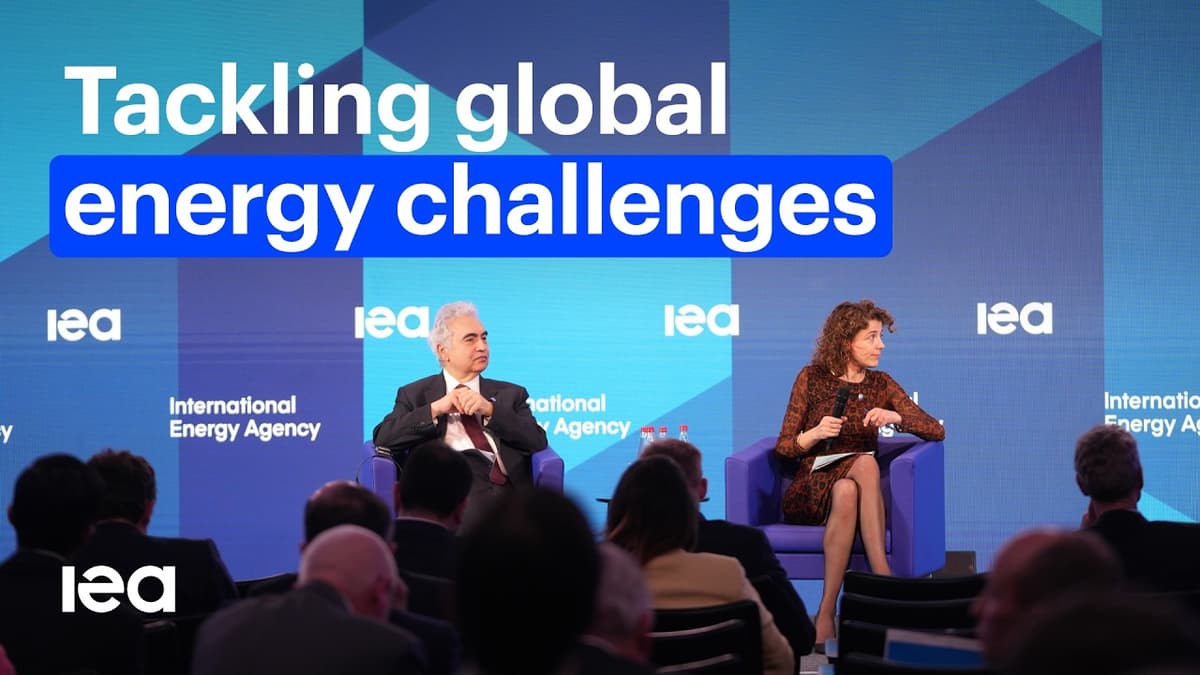
Tackling Global Energy Challenges at the IEA's 2026 Ministerial
The International Energy Agency convened its 2026 Ministerial, described as its most consequential gathering, drawing nearly 60 governments to discuss the accelerating global energy transition. The meeting announced the accession of Brazil as a full member, welcomed Colombia as a new...
What's Needed to Power Innovation?
The video argues that powering innovation in the energy sector is now a strategic imperative, as the global clean‑energy market has swelled to roughly $1 trillion. It highlights how rapid technology deployment—rather than mere invention—will determine whether countries can meet rising...

Reporting Back From High Level Dialogues
At a high-level IEA dialogue, UK Energy Secretary Ed Miliband and other ministers reported consensus that the ‘age of electricity’ is irreversible, with structural demand growth driven by digitalisation, transport electrification and cooling, requiring grid expansion, smarter flexible systems, cyber...

Technology Innovation and Supply Chains at the Heart of National Competitiveness Strategies
European officials highlighted a €175 billion multi‑annual framework aimed at doubling research and innovation spending, noting solar power’s ten‑fold cost decline and its record generation share in 2024. Japan’s Ministry of Economy, Trade and Industry unveiled a "big carrot, big stick"...

IEA Innovation Forum: Welcome and Keynote Speeches
At the IEA Energy Innovation Forum opening, Bloomberg’s Akshat Ratti framed the event as a focused dialogue to feed into the concurrent ministerial meeting. Dutch Deputy Prime Minister Sophie Ehrmanns outlined the Netherlands’ innovation strategy—prioritizing energy efficiency, grid optimization, renewable...