
Can WEE1 Inhibitors Finally Make Replication Stress Druggable?
Targeting replication stress through WEE1 inhibition is re‑emerging after early setbacks. First‑generation inhibitor adavosertib demonstrated tumor responses in ovarian and uterine cancers but was limited by dose‑limiting toxicity. Newer agents such as APR‑1051, azenosertib and zedoresertib are being tested in biomarker‑selected populations—especially tumors with CCNE1 amplification, FBXW7 or PPP2R1A alterations—and combined with DNA‑damaging therapies. The focus on selectivity and precise patient selection aims to widen the therapeutic window and make WEE1 a viable component of precision oncology.

World MS Day Special: Immunic Reveals New Hope for Progressive MS
Immunic Therapeutics CEO Dr. Daniel Vitt used World MS Day to spotlight the company’s lead candidate, IMU‑838, an oral therapy for progressive multiple sclerosis. He detailed his personal biotech journey, explained how IMU‑838 differs from injectable disease‑modifying drugs, and presented...

Are We Ready for the Next Wave of Proximity Degraders?
Molecular glue degraders are emerging as the most advanced induced‑proximity modality, allowing tiny molecules to tether disease‑causing proteins to E3 ubiquitin ligases for rapid proteasomal destruction. Industry giants have poured billions into the space, with deals ranging from AbbVie’s $1.64 billion...

Blockbuster Sales, Lawsuits, and Approvals: Is There a Recovery in Sight for Bayer in 2026?
Bayer’s 2026 outlook mixes strong Crop Science sales with a mixed pharma portfolio. Crop Science generated $15.6 billion in Q1, while blockbuster drugs Nubeqa and Kerendia posted double‑digit growth, but Xarelto and Eylea revenues fell sharply after patent expirations. The company...

LSX Nordic Congress 2026: What Came Out of the Biotech Partnering Event
At the LSX Nordic Congress 2026 in Copenhagen, life‑science leaders emphasized that Nordic biotech firms must look beyond their small domestic markets to achieve growth. Executives highlighted a scarcity of risk‑willing capital, especially for Series A and B rounds, prompting...
The Problem at the Heart of Drug Discovery: Lexogen & Ochre Bio on the Power of AI on Human Data
Lexogen, an RNA transcriptomics and NGS service provider, teamed up with Ochre Bio, a biotech developing AI‑driven RNA therapies for chronic liver disease. The partnership leverages Lexogen’s high‑throughput sequencing to generate human‑first data that trains Ochre’s predictive models. Together they...

Treating Pattern Hair Loss: How Close Are We?
VeraDermics’ oral minoxidil pill VDPHL01 cleared a pivotal phase 2/3 trial, showing a 30‑33 hairs/cm² increase in non‑vellus hair count versus 7.3 for placebo and coverage improvement in over 79% of participants. The extended‑release formulation reduces peak blood levels that have...

Eight Swedish Companies Spearheading the Country’s Biotech Scene in 2026
Sweden’s life‑science sector, now worth roughly $42 billion in turnover and employing over 52,000 people, is being propelled by eight standout biotech firms. Annexin Pharmaceuticals reported safety and early efficacy in a phase 2a ophthalmology trial, while Anocca raised $46 million to advance...

RAS Inhibition Enters Its Second Wave
RAS inhibition has moved into a second wave of drug development that goes beyond the KRAS G12C breakthrough. After sotorasib and adagrasib secured accelerated approvals for non‑small cell lung cancer and later for KRAS G12C‑mutated colorectal cancer, companies are targeting more prevalent...

Reducing Cell Culture Contamination: Why Sterilisation Validation Matters in CO₂ Shaking Workflows
Cell culture contamination in CO₂ incubator shakers often goes unnoticed until experiments fail, costing labs time and resources. Traditional UV decontamination and HEPA filtration address only exposed surfaces or airborne particles, leaving hidden niches vulnerable. Eppendorf's CellXpert® CS220 introduces a...

New Antidepressants: Tackling Treatment Resistant Depression
New rapid‑acting antidepressants are reshaping treatment for the roughly one‑third of patients with treatment‑resistant depression who do not benefit from SSRIs or SNRIs. FDA‑approved agents such as esketamine and the newer oral combo Auvelity provide relief within minutes to weeks,...

CAR-T Therapy for Stiff Person Syndrome Nears Approval
Kyverna Therapeutics is close to securing regulatory approval for its CAR‑T cell therapy aimed at treating stiff person syndrome (SPS), a rare autoimmune neurological disorder with no approved drugs. The therapy uses engineered T cells to eliminate the B‑cell populations...

TIL Therapies: The Impact on Cancer Research
In 2024 the FDA cleared Iovance Biotherapeutics’ TIL therapy Amtagvi (lifileucel), the first autologous, non‑CAR‑T cell treatment approved for a solid tumor—advanced melanoma. The therapy expands a patient’s own tumor‑infiltrating lymphocytes in the lab and reinfuses them, often with high‑dose...
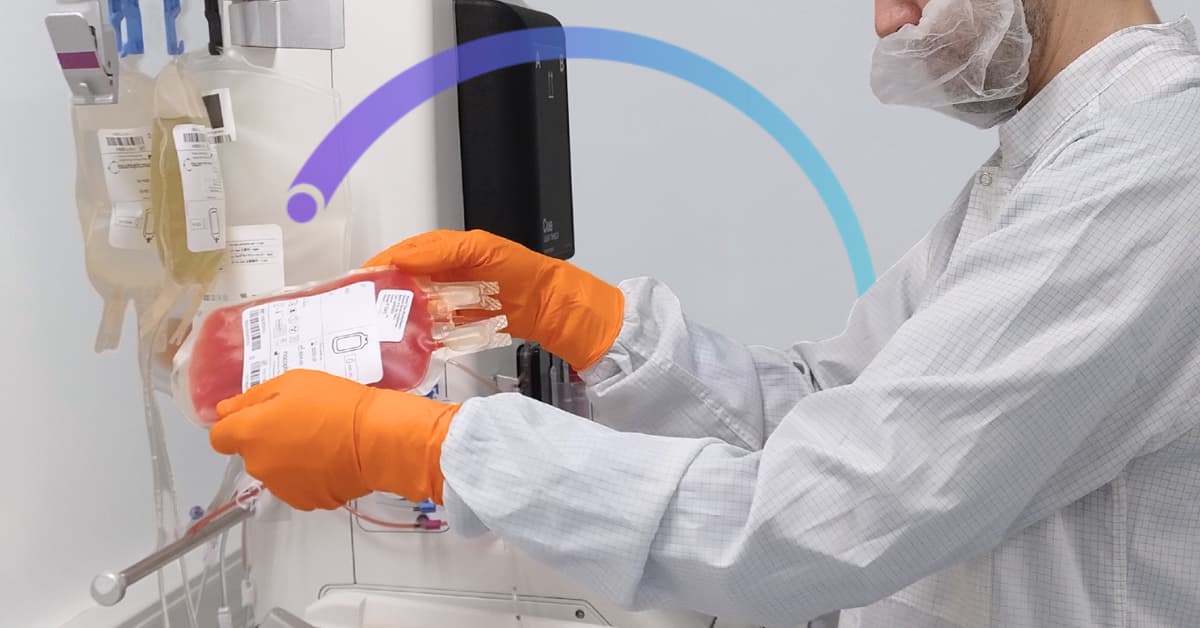
The Real Reason CGT Programs Struggle to Scale
Cell and gene therapy (CGT) programs often start with fresh leukapheresis material because it speeds early feasibility work. As patient cohorts and sites expand, the tight timing and manual handling of fresh workflows create operational variability and strain manufacturing capacity....

Inside CSL’s Strategy to Simplify a Biotech Giant
CSL Limited is entering a strategic simplification phase, announced in August 2025, that will see its vaccine arm Seqirus spun off as a separate ASX‑listed company by the end of 2026 and a restructuring program that could cut up to 15% of...