
When Following “Best Practices” Is the Real Mistake: What Lean Practitioners Can Learn From Eric Ries
Eric Ries’s new book *Incorruptible* argues that many so‑called best practices erode Lean transformations by substituting static plans for real learning loops. He shows how a detailed business plan is not a strategy, and how leaders’ reactions to failure shape a culture of psychological safety. The book contrasts Whole Foods’ stock‑price‑driven demise with Costco’s resilient, customer‑first model, and highlights industrial‑foundation structures that boost long‑term survival. For Lean practitioners, the message is clear: protect kaizen with the right governance, not just better tactics.
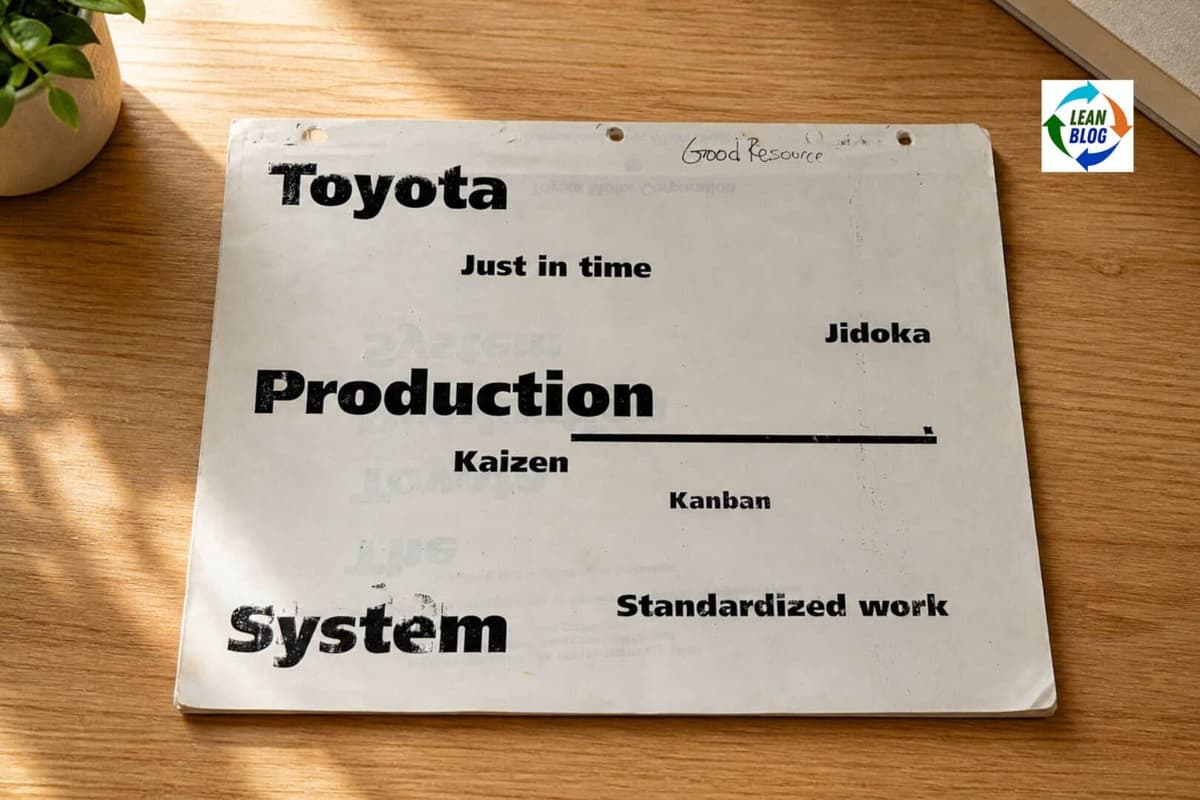
What Toyota Said About Their Own Production System in 1992
In April 1992 Toyota published an internal booklet that explained its Production System before the wave of Western Lean books. The document stresses employee judgment, creativity, and a "creative tension" that can be both stimulating and stressful, rather than focusing solely...

What Ingvar Kamprad’s Challengers Meant, and Why IKEA Displays Its Mistakes
IKEA’s Oslo exhibit highlights founder Ingvar Kamprad’s concept of “challengers” – employees who stretch rules rather than break them – and the company’s practice of publicly displaying its mistakes at the Älmhult museum. The display links challenger safety with a culture...

What a “Perfect” Process Map Missed: A Lesson From Third Shift
A food producer boasted a flawless HACCP flowchart, yet a cross‑contamination incident erupted when third‑shift janitors improvised around missing tools. Deborah Coviello highlighted that the documented process captured only the ideal steps, not the reality of night‑shift workarounds. The episode...
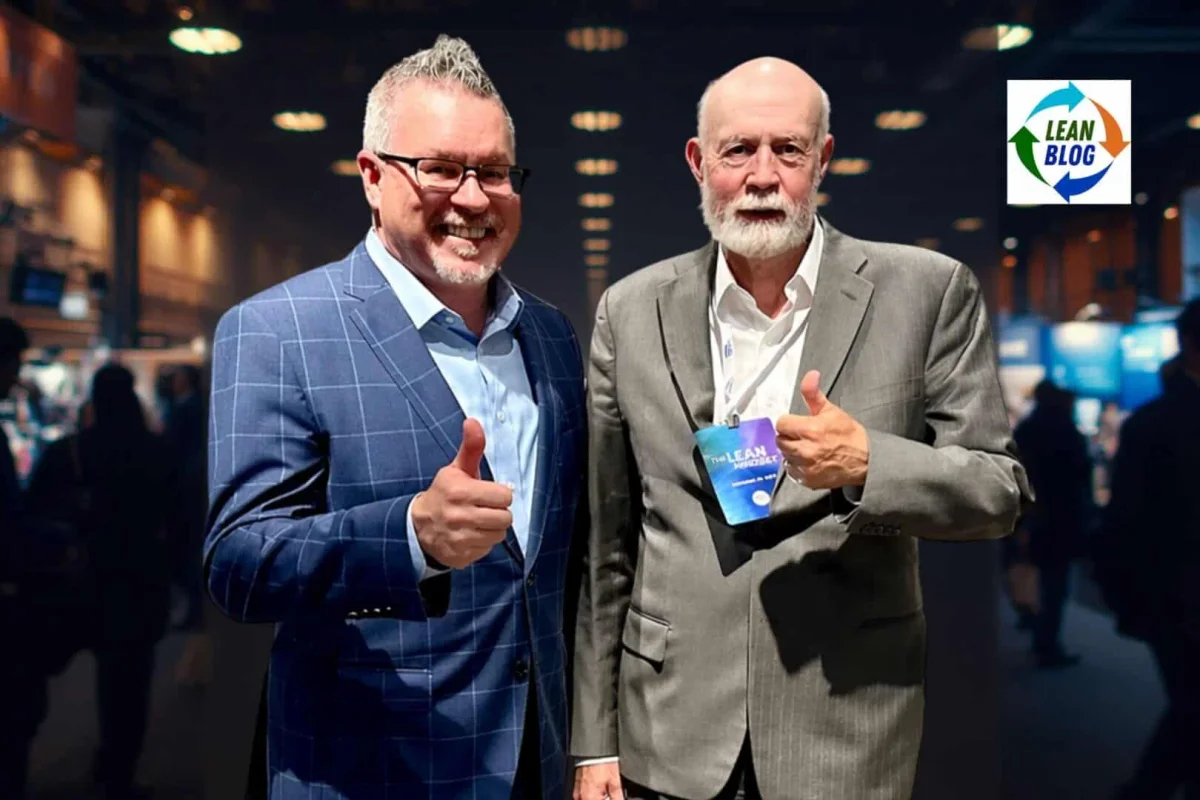
What Jim Womack Kept Telling Us
In 2007 Jim Womack lamented that his bestseller *The Machine That Changed the World* was being read only as a factory book, despite its broader focus on a complete business system. He warned that Toyota’s rapid global expansion could cause it...

Belief Vs. Compliance: Why Lean Still Struggles to Take Root
Lean initiatives often stall not because employees resist change, but because firms rely on compliance rather than belief. Don Ephlin’s insight—that behavior shifts only when people truly believe—remains a litmus test for sustainable transformation. Organizations that embed trust, transparent problem‑solving, and...

The Most Expensive Person on Your Unit Is the One You Just Eliminated
Hospitals are replacing dedicated charge nurses with "working" charge nurses to trim the roughly $110,000 annual salary per unit, presenting a tidy line‑item saving to finance teams. The move, however, triggers higher turnover, longer lengths of stay, more readmissions, lower...

Remembering Norm Bodek, 20 Years After Episode #1
In July 2006 Norm Bodek partnered with Lean Blog founder to record the first episode of what became a landmark lean‑focused podcast. Over the next seven years Bodek produced fourteen episodes, sharing insights from Toyota, Henry Gantt and frontline plants, while championing...
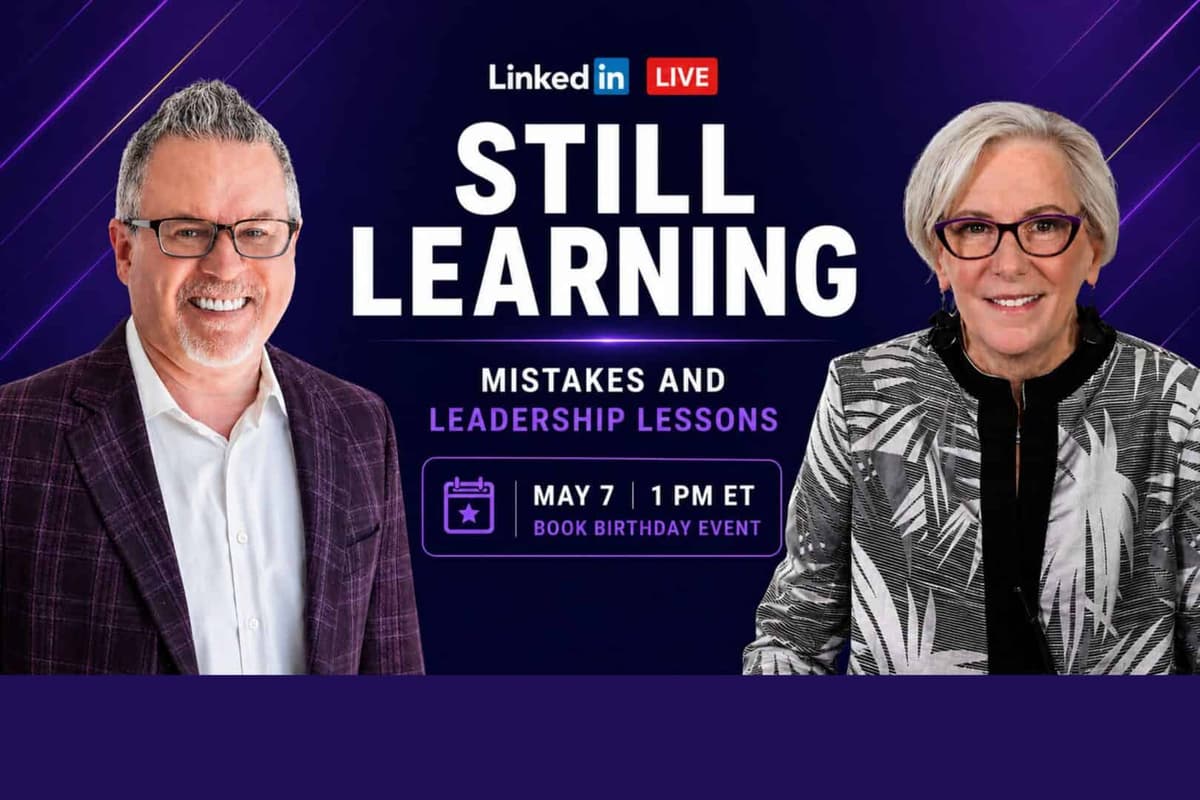
Still Learning: A Live Event with Elisabeth Swan on May 7
On May 7 at 1 PM ET, Mark Graban and author Elisabeth Swan will co‑host a live LinkedIn event titled “Still Learning: Mistakes and Leadership Lessons.” The session marks the third anniversary of Swan’s “Picture Yourself a Leader” and Graban’s “The Mistakes That...

Why Most People Don’t Think — and What to Do About It, with Scott Burgmeyer
Scott Burgmeyer, founder and CEO of Become More Group, discusses his new book Think: The Road Less Traveled, which argues that most professionals operate on autopilot, trapped by cognitive biases he personifies as characters. He introduces the ROAD thinking methodology—Reflect, Options,...

Ford Pays Process Coaches Six Figures. They Quit Within Eighteen Months.
Ford spends roughly $100,000 per year on each first‑line Process Coach, yet the average tenure is only six to eighteen months. Glassdoor and Indeed reviews cite poor work‑life balance, constant pressure from management, and a lack of genuine coaching time....

A Free Red Bead Game Simulator: Try Dr. Deming’s Experiment Online
Mark Graban has launched a free browser‑based Red Bead Game simulator that recreates Dr. W. Edwards Deming’s classic experiment on statistical noise. The tool lets users drag a paddle through a bead box, records 24 draws, and automatically produces a...

Did Ford’s Andon Cord Problem Ever Get Fixed? Help Me Find Out.
In 2007 a BBC report highlighted a stark contrast: Toyota workers in Georgetown, Kentucky pulled the andon cord about 2,000 times a week, while Ford’s new Dearborn truck plant did it only twice. The article sparked a debate about Ford’s...

New Book Announcement: Psychological Safety for Lean Leaders — Vote on the Title
A new practical guide for Lean leaders, titled *Psychological Safety for Lean Leaders*, is being written to address why problem‑solving initiatives often stall. The author argues that silence, not methodology, is the primary barrier and that specific leadership behaviors can...

Why You Can’t Think Your Way to a Root Cause
The article warns that root‑cause tools like fishbone diagrams and the five‑whys often produce only hypotheses, not verified knowledge. It urges teams to treat identified causes as testable assumptions and to run small, inexpensive experiments before committing to large‑scale changes....