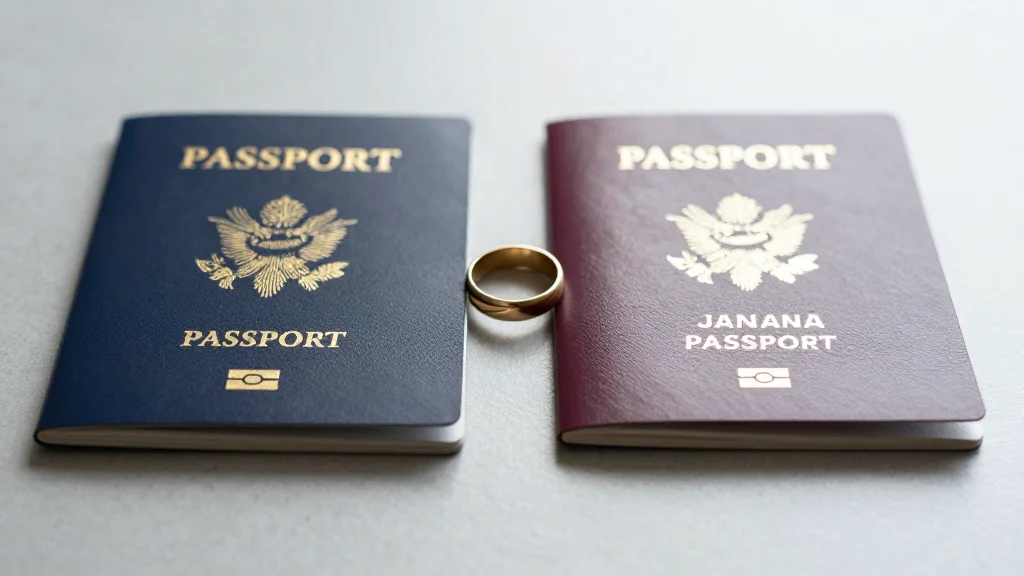
Strange Guidance From the US Embassy in Tokyo on Affidavits of Civil Status
The U.S. Embassy in Tokyo announced it will no longer notarize “affidavits of competency to marry” for Americans seeking to marry in Japan. The decision cites the federal government’s lack of a centralized registry or authority to verify a citizen’s marital status, making the embassy unable to confirm the accuracy of sworn declarations. While consular notaries can include waivers of responsibility, the embassy chose to discontinue the service entirely. The move has raised concerns among expatriates and legal observers about the practical impact on cross‑border marriages.
Case of the Day: Whoop V. Serinity Group
Whoop, Inc., a Boston fitness‑band maker, sued France‑based Serinity Group (doing business as Aurora) for trade‑dress infringement. After a French huissier could not locate Aurora’s registered address, Whoop petitioned the District of Massachusetts for permission to serve process by email....

Chapter of the Day: Recognition of Foreign Judgments and Arbitral Awards
MCLE has released the fourth edition of *Federal Civil Litigation in the First Circuit*, edited by Francis D. Dibble Jr. The volume adds a new chapter on the recognition and enforcement of foreign judgments and arbitral awards. The chapter draws...

Case of the Day: Wepard Corp. V. Diaz, Reus & Targ
The Florida appellate court allowed service of process by email to Malta‑based Wepard Corp., despite Malta’s objection under Article 10 of the Hague Service Convention. Wepard appealed, arguing that the Convention, as a U.S. treaty, preempts state law and does not...

The HCCH Website Now Features E-Country Profiles
The Hague Conference on Private International Law (HCCH) has added an e‑country profile section to its website, allowing states to publish practical guidance on its conventions. To date, only the United States and Latvia have posted profiles for the Service...

Case of the Day: BMW V. Onesta
The Texas district court granted BMW an anti‑suit injunction against Onesta’s German infringement suit, but the Federal Circuit stayed the order. The dispute centers on whether a US patent can be enforced in a foreign court, echoing the EU’s BSH...