
Advice for Getting Through Grief
The article shares a personal journey of grieving a teenage son’s death, highlighting how long‑standing Buddhist practices of impermanence and loving‑kindness helped the author navigate intense sorrow. It outlines concrete coping tools—mindful breathing, movement, nature, journaling, and setting social boundaries—to stabilize the body and mind. The piece argues that grief, while uniquely painful, can be transformed into deeper appreciation for life through compassionate meditation. Ultimately, it frames grief as both a universal human experience and a catalyst for personal growth and resilience.

Overwhelmed by Emotions?
Meditation often brings intense emotions like sadness or anger to the surface, challenging practitioners. Susan Moon advises shifting attention from thoughts to bodily sensations—feeling heat, placing a hand on the heart—to anchor awareness and calm overwhelm. She also notes that...
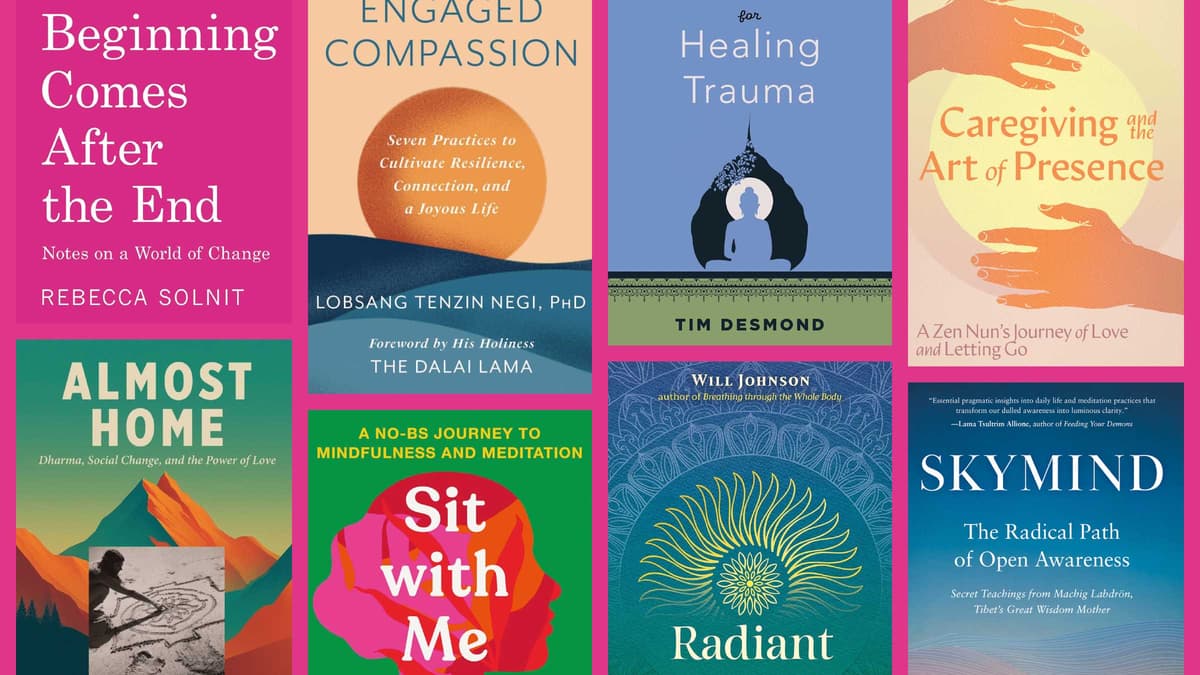
Books in Brief: July 2026
July’s “Books in Brief” roundup spotlights a wave of new titles that argue positive societal change is rooted in mindfulness, compassion, and Buddhist practice. Rebecca Solnit’s “The Beginning Comes After the End” frames recent social victories as long‑term seeds, while...
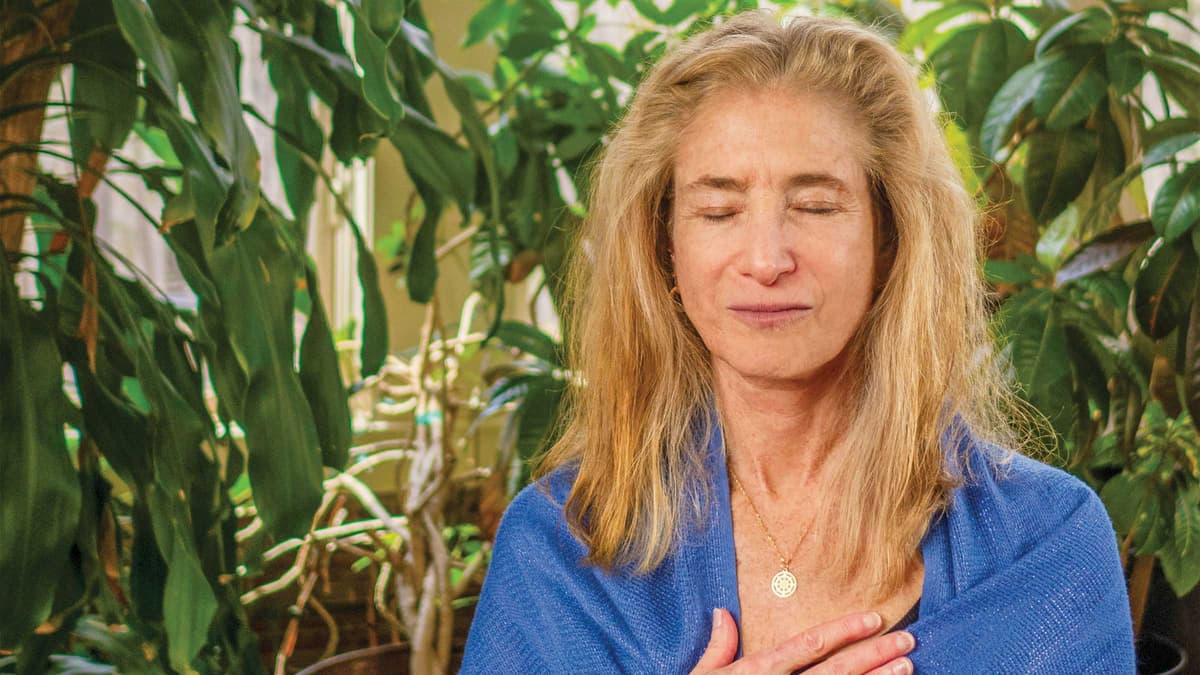
Tara Brach’s Loving-Kindness Practice for Others
Tara Brach’s loving‑kindness meditation guides practitioners from caring for close loved ones to neutral acquaintances and finally to difficult relationships, expanding compassion to all beings. The exercise combines a gentle smile, heart‑centered visualization, and personalized blessings to cultivate unconditional goodwill....

Tara Brach’s Love & Courage
Tara Brach, renowned mindfulness teacher, released a new workbook titled *The Courageous Heart* to help people navigate the anxiety and division following the 2024 U.S. election. The guide integrates Buddhist bodhisattva principles, her signature RAIN method, and practical exercises for...

Reveal the Mystery
The article explains how shamatha (calm‑abiding) meditation creates observable gaps between thoughts, a practice dubbed “mind the gap.” By repeatedly widening these gaps, meditators transition to vipashyana insight meditation, which reveals the empty, non‑self nature of thoughts. It argues that...

A Loving-Kindness Meditation to Heal Your Inner Child
The article outlines a loving‑kindness meditation inspired by Thich Nhat Hanh that targets the "inner child" to foster self‑compassion. It explains how adverse childhood experiences (ACEs) embed stress in the body, limiting self‑love, and how neuroplasticity enables healing through mindful...

Chop Wood, Carry Water, Care for Your Mother
The author recounts caring for a mother dying of Lewy‑body dementia while grappling with personal loss and job instability. He describes how persistent frustration threatened his ability to be present, turning caregiving into a draining routine. By applying three decades...

Where Compassion Becomes Action
The essay, written amid missile sirens in Gaza, blends personal trauma with Buddhist mindfulness to illustrate how compassion can become concrete action. It explains that intergenerational war trauma leaves measurable physiological scars, and that meditation offers a way to sit...

Take Your Seat, Wherever You Are
Cabin Cushion, a sustainable textile brand, creates waterproof meditation cushions from upcycled clothing and recycled denim, produced in New York and Nepal. Its sister venture, Centered Life, is a nature‑inspired sanctuary offering sensory‑immersion rooms, workshops, and a seed library. Both...

How to Step Out of Your Stories and Into the Present
The article explains how repetitive mental narratives—"if only" stories—trap us in dissatisfaction and isolation. By recognizing these stories as fleeting mental events, we can shift attention to the present moment, where inner peace and abundance already exist. The author advocates...

The Sunlight of Awareness
Thich Nhat Hanh’s essay "The Sunlight of Awareness" reframes mindfulness as a gentle illumination rather than a battle against thoughts. He advises practitioners to shine non‑judgmental awareness on restlessness, emotions, and habits, allowing them to merge with the observing mind....

Wisdom for Caregivers
The author recounts becoming the primary caregiver for her husband after multiple foot surgeries, drawing on her own experience caring for her mother decades earlier. She applies Shin Buddhist teachings—such as the poisoned‑arrow parable, the harp analogy, and the Four...

Lion’s Roar Is Hiring a Copy & Story Editor
Lion’s Roar, a Buddhist media outlet, is hiring a full‑time Copy & Story Editor to strengthen storytelling and integrate Asian American perspectives across its platforms. The role will oversee the Bodhi Leaves initiative, which showcases Asian American Buddhist writers and...

You Are Already a Buddha
In a personal essay, Mingyur Rinpoche recounts how his father taught him the principle of buddhanature—that all beings share the same awakened nature. He describes his initial skepticism, rooted in anxiety and panic attacks, and explains how Vajrayana Buddhism offers...