
Recent Posts
News•Feb 28, 2026
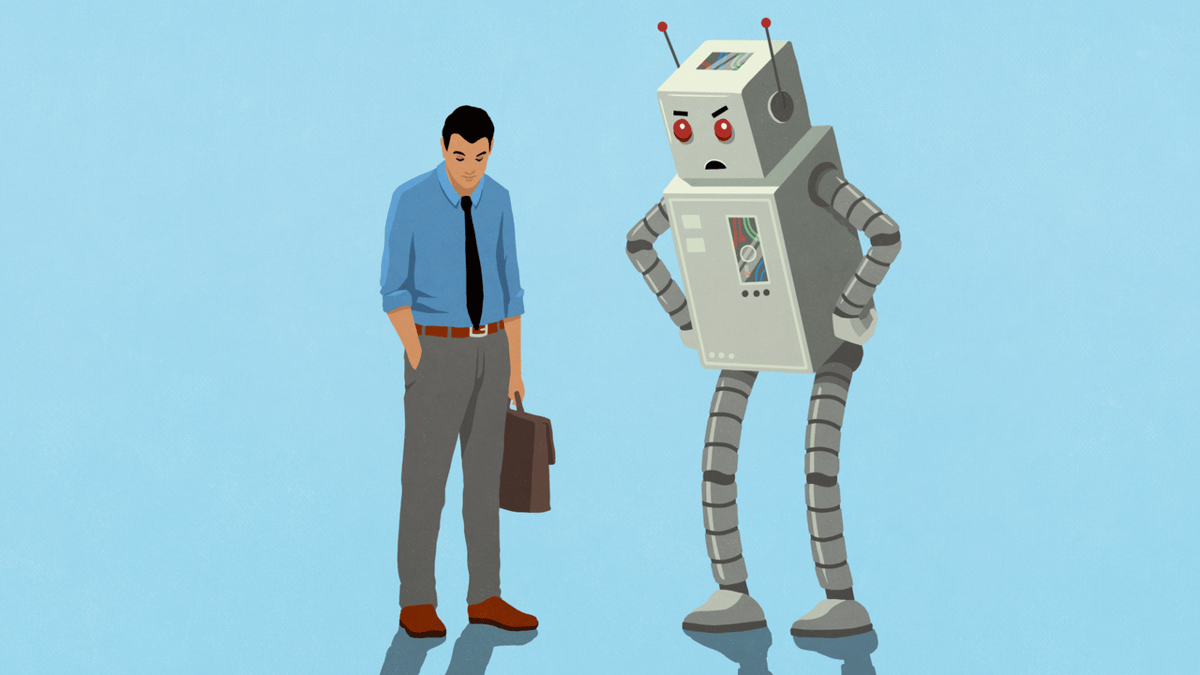
Scientists Made AI Agents Ruder — and They Performed Better at Complex Reasoning Tasks
Researchers at Tokyo's University of Electro‑Communications introduced personality traits and interruption capabilities into large language model agents, allowing them to speak out of turn and react in real time. By comparing fixed, dynamic, and interruption‑enabled conversation flows on the MMLU benchmark, they found accuracy improvements from 68.7% to 79.2% on single‑error tasks and from 37.2% to 49.5% on double‑error tasks. The study shows that more human‑like, messy dialogue can enhance collective AI reasoning. The team plans to apply these "digital personalities" to collaborative domains.
By Live Science AI
News•Feb 27, 2026
Acing This New AI Exam — Which Its Creators Say Is the Toughest in the World — Might Point to...
Humanity’s Last Exam, a PhD‑level benchmark launched in Jan 2025, tests AI models on 2,500 unambiguous, non‑searchable questions across 100+ subjects. Google’s Gemini 3 Deep Think currently leads with a 48.4% score, while OpenAI’s o1 lagged at 8.3% and human experts average around...
By Live Science AI

News•Feb 20, 2026
Your Own Voice Could Be Your Biggest Privacy Threat. How Can We Stop AI Technologies Exploiting It?
Researchers at Aalto University warn that AI-driven voice analysis can extract sensitive personal data—from political views to health conditions—simply from speech patterns. Their study, published in IEEE Proceedings, highlights risks such as price‑gouging, discriminatory profiling, and stalking if corporations or...
By Live Science AI
News•Feb 20, 2026
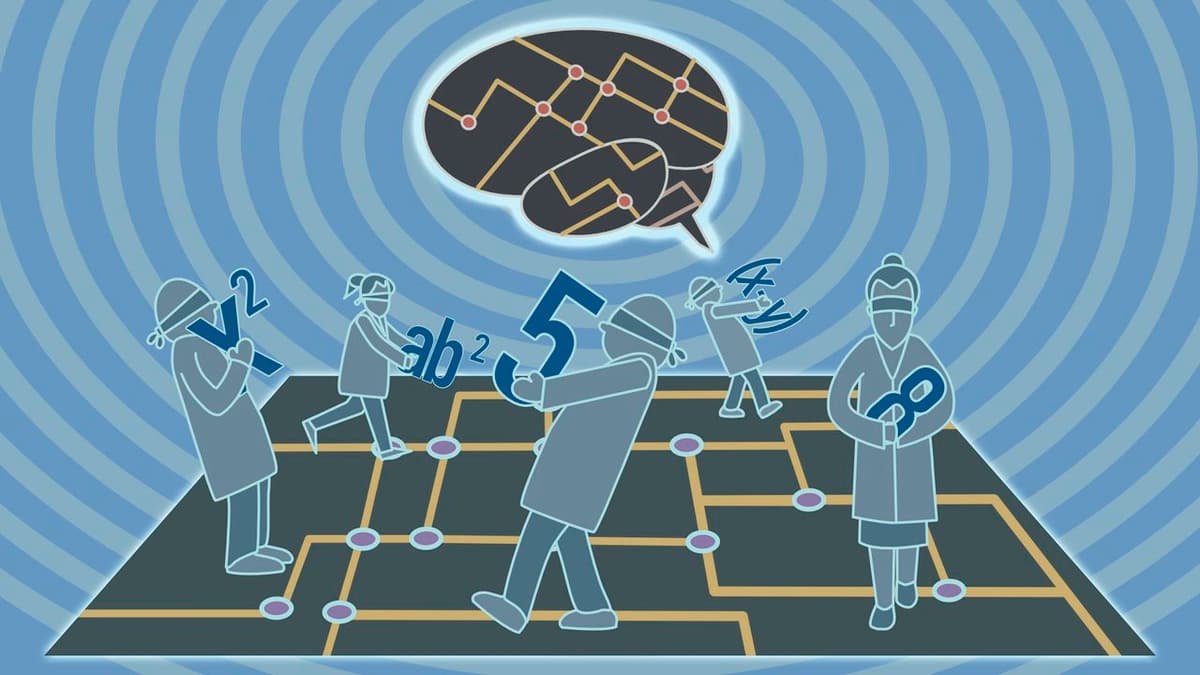
'Proof by Intimidation': AI Is Confidently Solving 'Impossible' Math Problems. But Can It Convince the World's Top Mathematicians?
A secret 2025 meeting of leading mathematicians tested OpenAI’s new o4‑mini model, which delivered proofs that sounded convincingly rigorous. Experts, including Terry Tao, warned that the AI often appears correct while containing subtle errors that are hard for humans to...
By Live Science AI
News•Feb 14, 2026
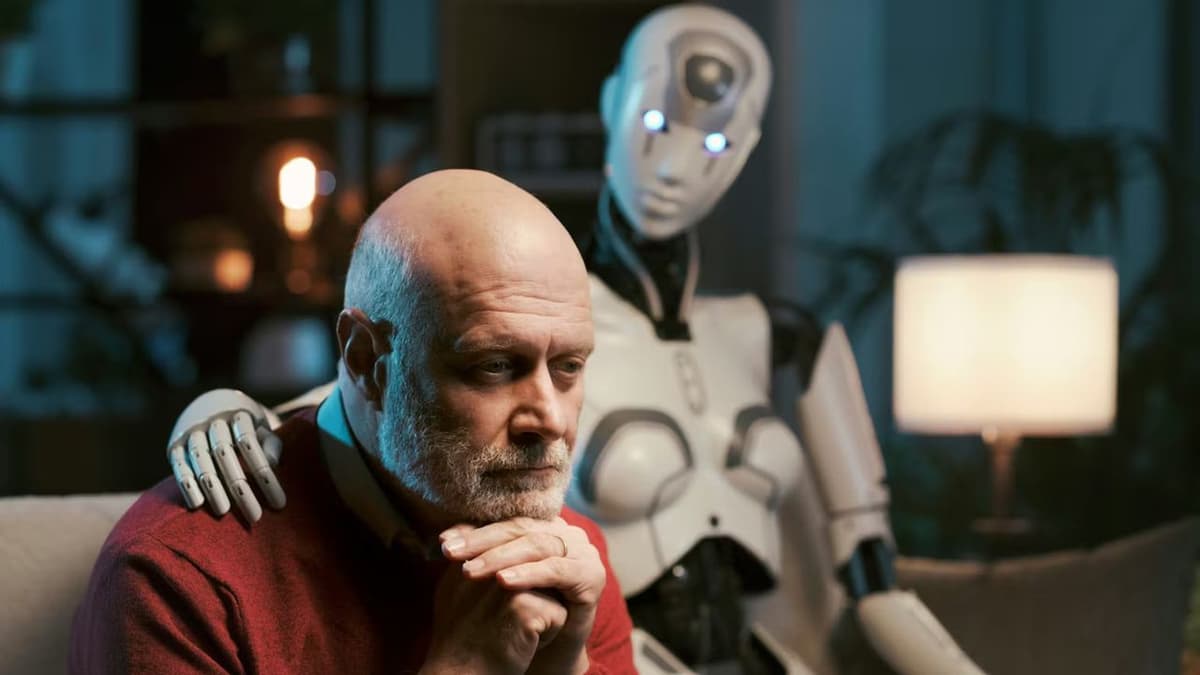
AI Griefbots Could Change How We Mourn — but There Are Serious Risks Ahead
AI-powered griefbots, or "deathbots," let users recreate deceased loved ones by training large language models on personal communications. A Chinese content creator, Roro, built a chatbot of her mother that helped her process loss and attracted followers on Xiaohongshu. Companies...
By Live Science AI

News•Feb 7, 2026
'A Second Set of Eyes': AI-Supported Breast Cancer Screening Spots More Cancers Earlier, Landmark Trial Finds
A prospective, population‑based MASAI trial in Sweden screened over 100,000 women using a commercially available AI system alongside radiologists. The AI‑assisted workflow identified more clinically relevant breast cancers and cut interval‑cancer rates without raising false‑positive alerts. Radiologists read AI‑flagged cases...
By Live Science AI
News•Jan 28, 2026
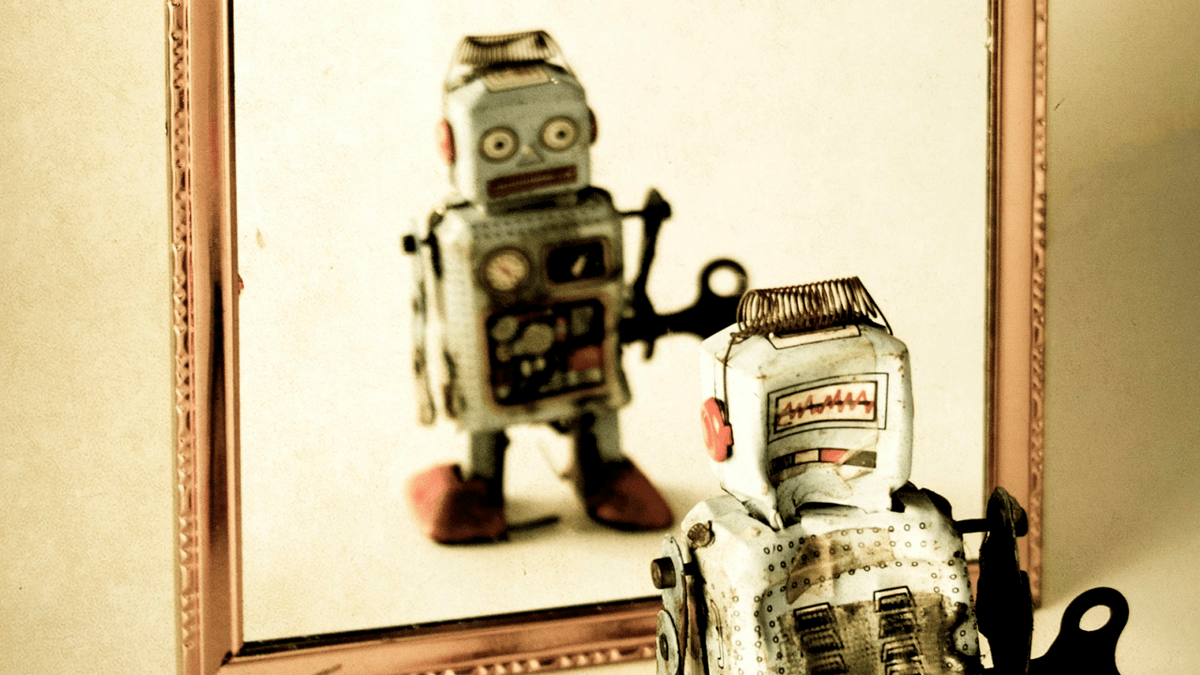
Giving AI the Ability to Monitor Its Own Thought Process Could Help It Think Like Humans
Researchers led by Ricky J. Sethi have introduced a mathematical framework that gives large language models a metacognitive state vector, enabling them to monitor and regulate their own reasoning. The vector captures five dimensions—emotional awareness, correctness evaluation, experience matching, conflict...
By Live Science AI
News•Jan 27, 2026
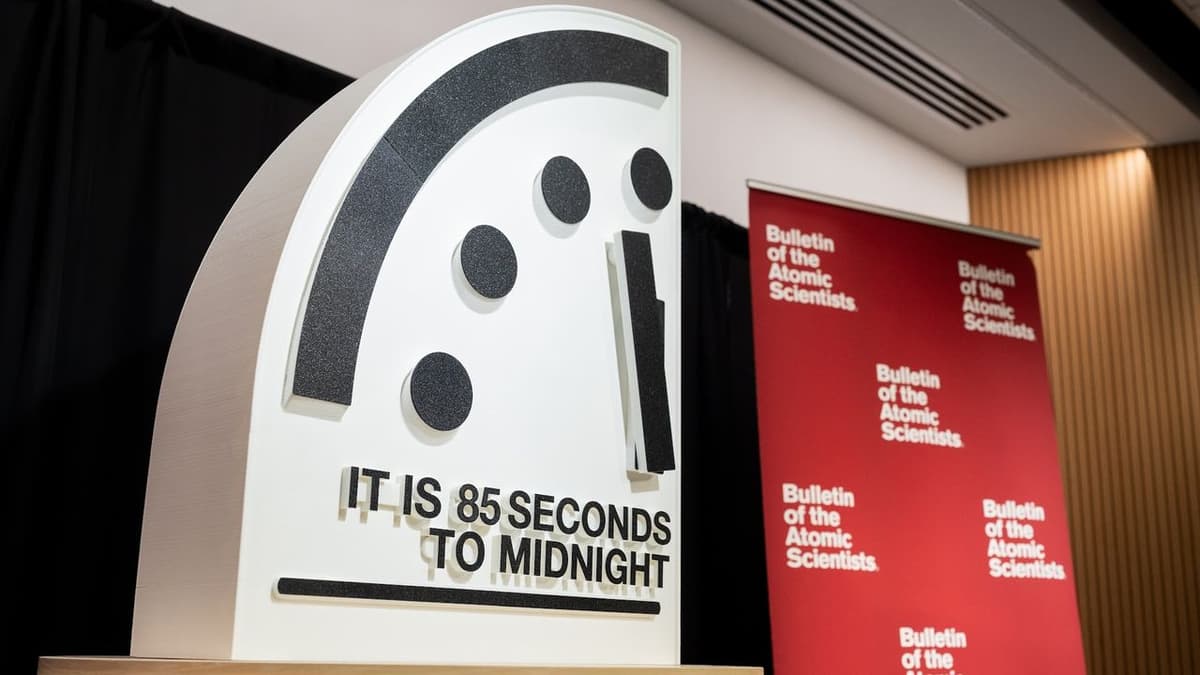
'Doomsday Clock' Ticks 4 Seconds Closer to Midnight as Unregulated AI and 'Mirror Life' Threaten Humanity
The Bulletin of the Atomic Scientists moved the Doomsday Clock to 85 seconds before midnight, the closest point ever, citing escalating nuclear tensions, stalled climate action, and unregulated AI and synthetic “mirror life.” The report warns that the United States,...
By Live Science AI
News•Jan 24, 2026
AI Can Develop 'Personality' Spontaneously with Minimal Prompting, Research Shows. What Does that Mean for How We Use It?
Researchers at Japan's University of Electro‑Communications found that large language model chatbots can spontaneously develop distinct personalities after minimal prompting. By exposing AI to varied conversation topics, the models exhibited social tendencies that aligned with Maslow’s hierarchy of needs, storing...
By Live Science AI
News•Jan 3, 2026
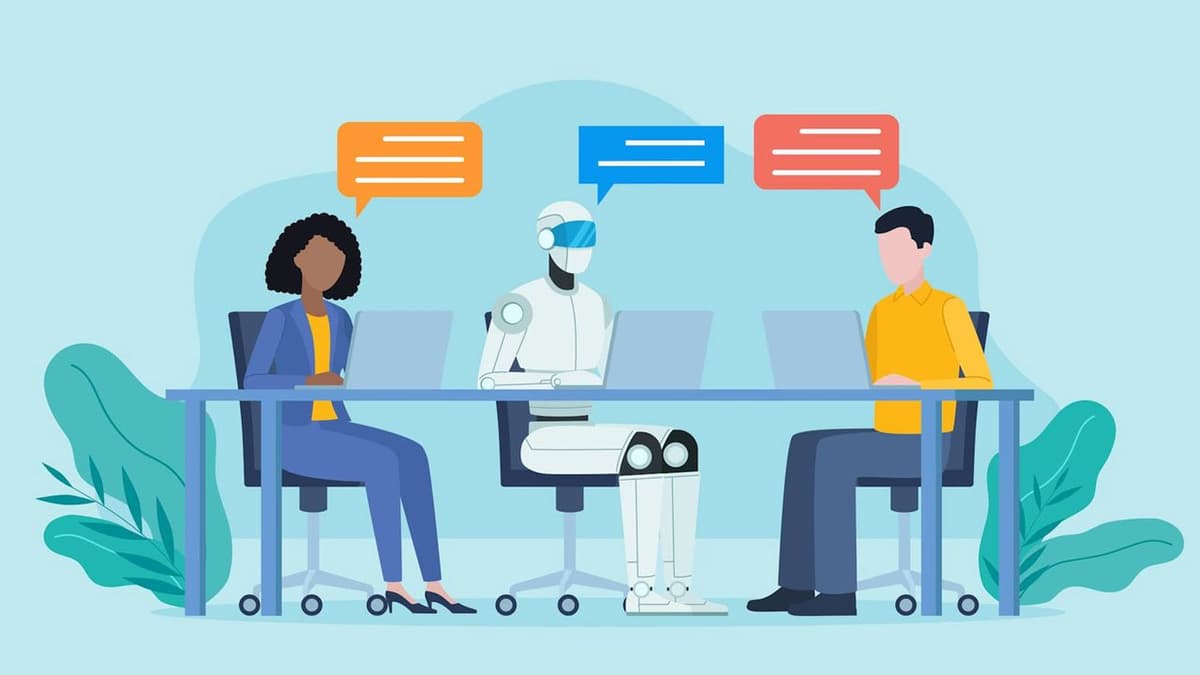
Even AI Has Trouble Figuring Out if Text Was Written by AI — Here's Why
AI‑generated text is spreading across education, advertising and other sectors, prompting a surge in detection tools. The article outlines three main approaches—learning‑based classifiers, statistical probability tests, and vendor‑provided watermarks—each with distinct trade‑offs. It highlights that detectors quickly become outdated as...
By Live Science AI

News•Jan 2, 2026
Will AI Ever Be More Creative than Humans?
A recent study in the Journal of Creative Behavior argues that AI’s creative capacity is capped at the level of an average human, never reaching professional standards. The research, led by University of South Australia professor David Cropley, applies a...
By Live Science AI

News•Dec 29, 2025
'Putting the Servers in Orbit Is a Stupid Idea': Could Data Centers in Space Help Avoid an AI Energy Crisis?...
Google Research has unveiled Project Suncatcher, a study exploring satellite constellations equipped with AI accelerators powered by solar energy as a potential off‑world data‑center solution. The proposal arises as global data‑center electricity use already reaches about 415 TWh in 2024, representing...
By Live Science AI
News•Dec 27, 2025
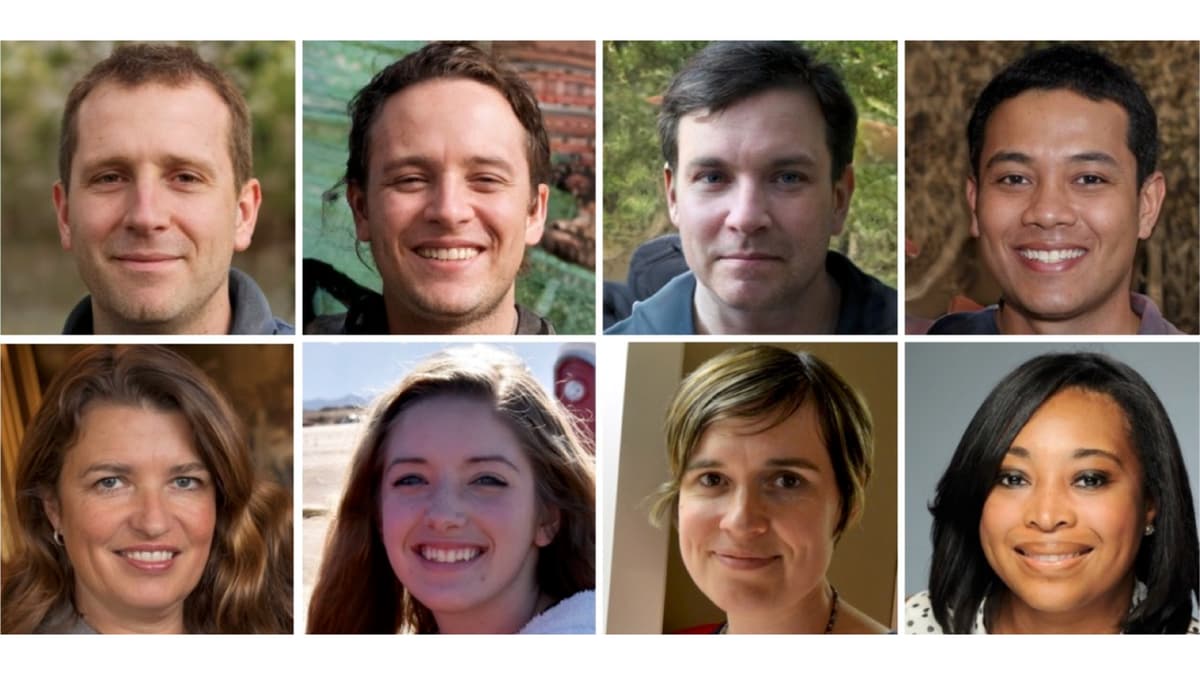
AI Is Getting Better and Better at Generating Faces — but You Can Train to Spot the Fakes
A recent Royal Society Open Science study shows that AI‑generated faces are indistinguishable from real ones, even for super recognizers, who performed no better than chance. Typical observers performed worse than chance, routinely mistaking fakes for genuine photos. A brief...
By Live Science AI