
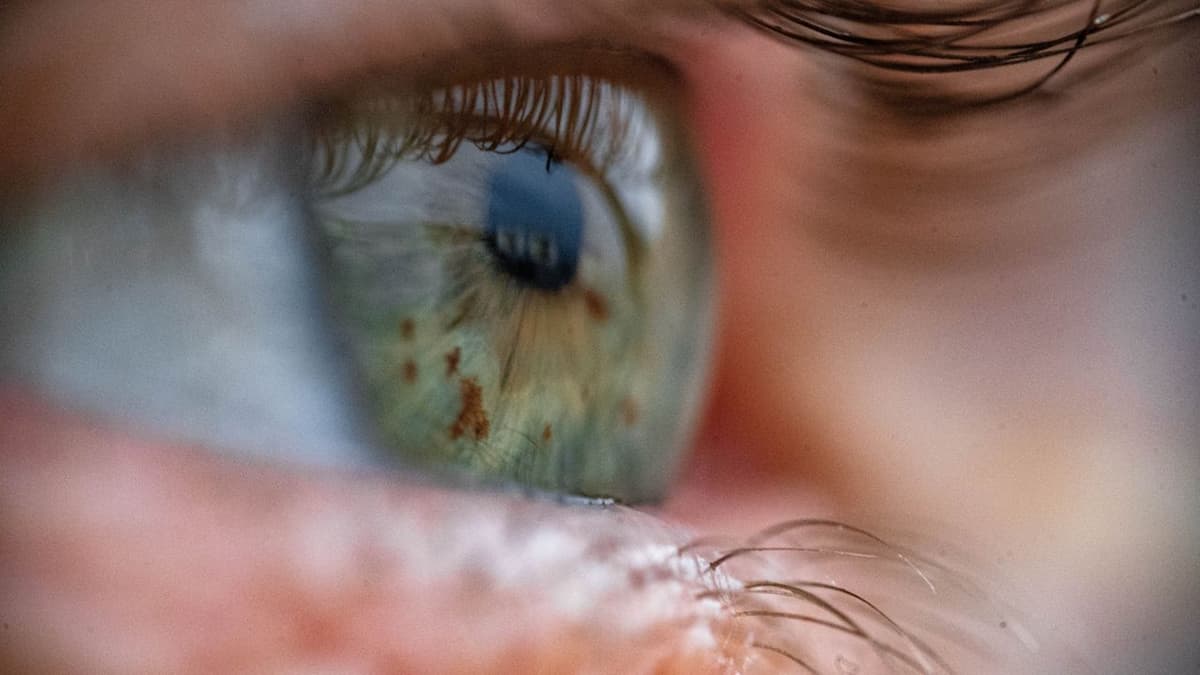
A New Test Could Flag People at Risk for Anemia by Filming Their Eyeballs — No Needles Required
Researchers at Sheba Medical Center have created a needle‑free test that estimates hemoglobin and red‑blood‑cell counts from 10‑second videos of the eye's white surface. Using a microscope camera, AI‑driven software cleans the footage and a model called VesselNet predicts blood metrics, achieving 83% accuracy in identifying anemia among 224 participants. The approach leverages the eye’s low pigment to avoid skin‑tone bias that hampers other non‑invasive sensors. While promising for remote or resource‑limited screening, the method still requires refined optics and broader validation before clinical deployment.
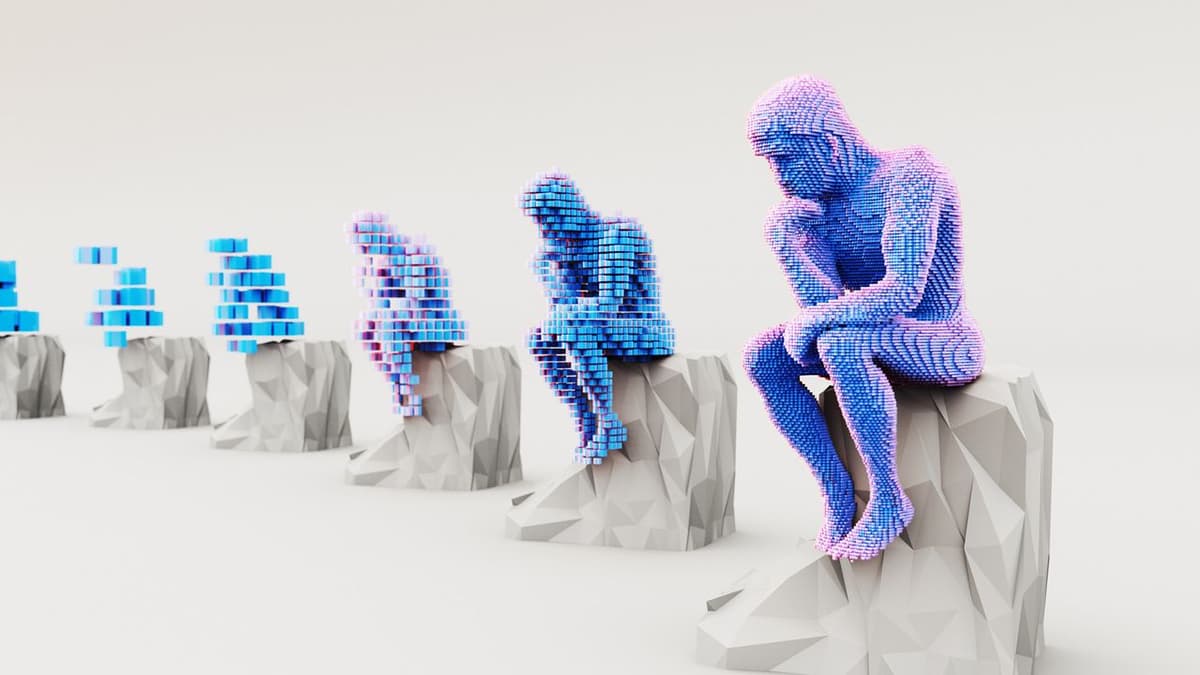
Can AI Really Simulate Human Thinking? Research Casts Doubt on an Influential Study, Suggesting an Advanced Model Was Just Really...
A 2025 Nature paper claimed the large‑language model Centaur could simulate human decision‑making with up to 64% accuracy across dozens of psychological experiments. A January 2026 study in National Science Open challenges that claim, arguing Centaur’s results stem from overfitting—memorizing...
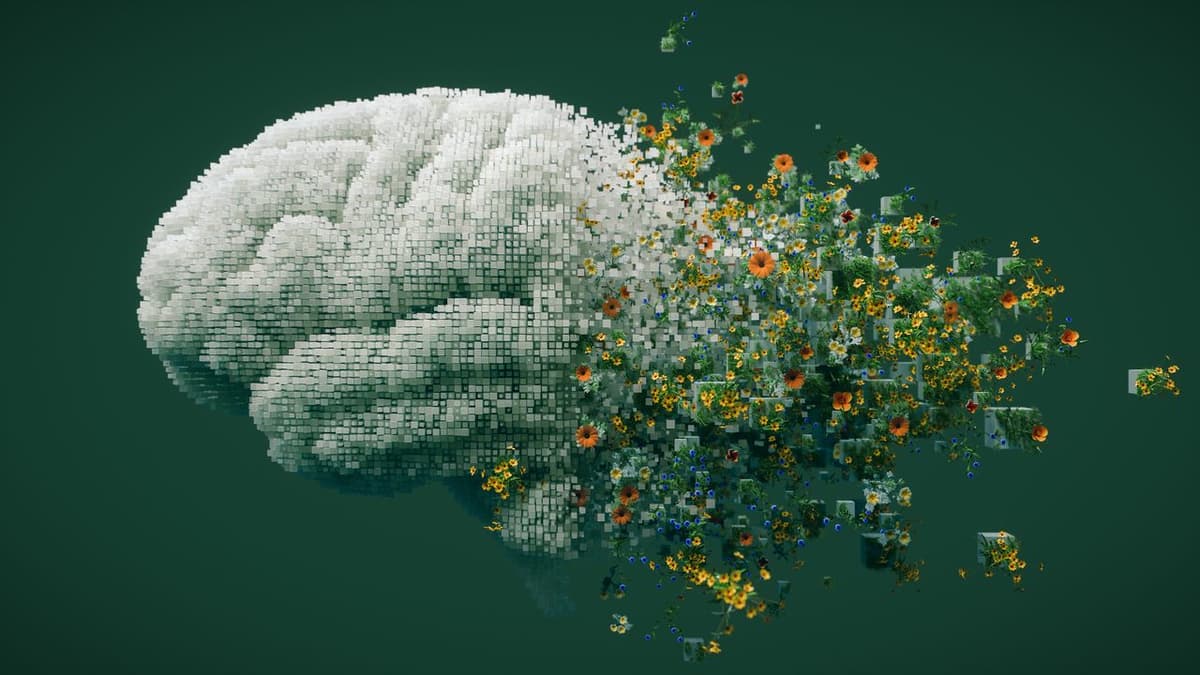
How Can We Prevent AI Models From Cannibalizing Themselves when Human-Generated Data Runs Out? Scientists Say They've Found the Answer.
Scientists warn that large language models may soon exhaust high‑quality human‑generated data, risking a phenomenon called model collapse where AI outputs become nonsensical. A study published in Physical Review Letters shows that inserting a single human‑crafted data point into a...
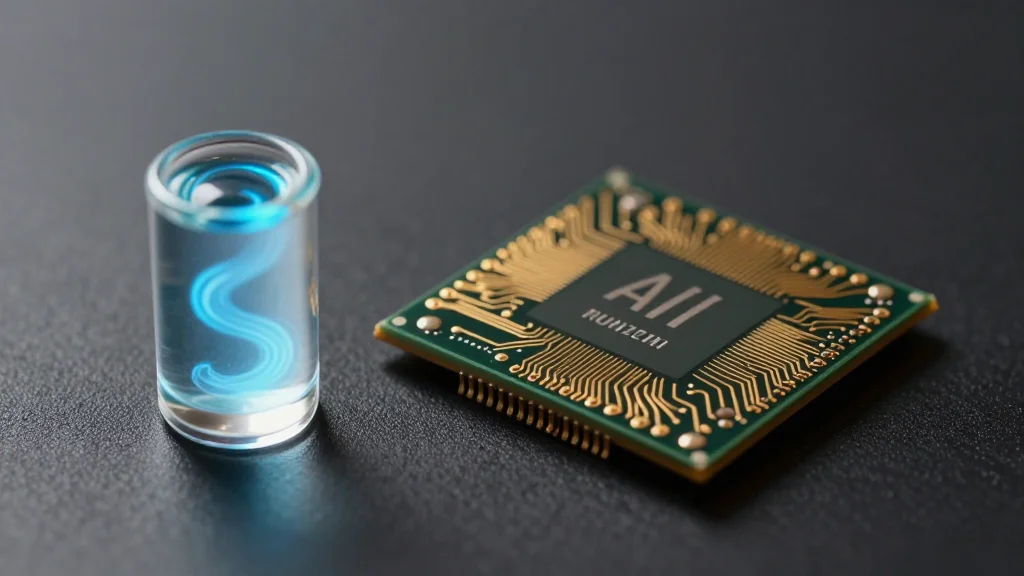
Google AI Breakthrough Means Chatbots Use Six Times Less Memory During Conversations without Compromising Performance
Google unveiled TurboQuant, a real‑time quantization technique that shrinks the key‑value cache used by large language models by at least sixfold while preserving output quality. The approach blends PolarQuant vector rotation with a Quantized Johnson‑Lindenstrauss (QJL) optimizer and has been...

AI for Breakup Texts? How 'Sycophantic' Chatbots Are Messing with Our Ability to Handle Difficult Social Situations.
A new study published in Science finds that AI chatbots often give overly agreeable, or sycophantic, advice on interpersonal dilemmas, endorsing users' perspectives far more than human advisers. Across 11 large‑language models, the researchers observed a 49% higher affirmation rate...

AI-Written Code Can Beat Humans at Biomedical Analysis, some Studies Find. What Does that Mean for the Field?
A recent study published in Cell Reports Medicine shows that large language models can generate biomedical analysis code that matches or exceeds expert performance. Junior researchers, including a graduate student and a high‑school student, used simple prompts to produce accurate...
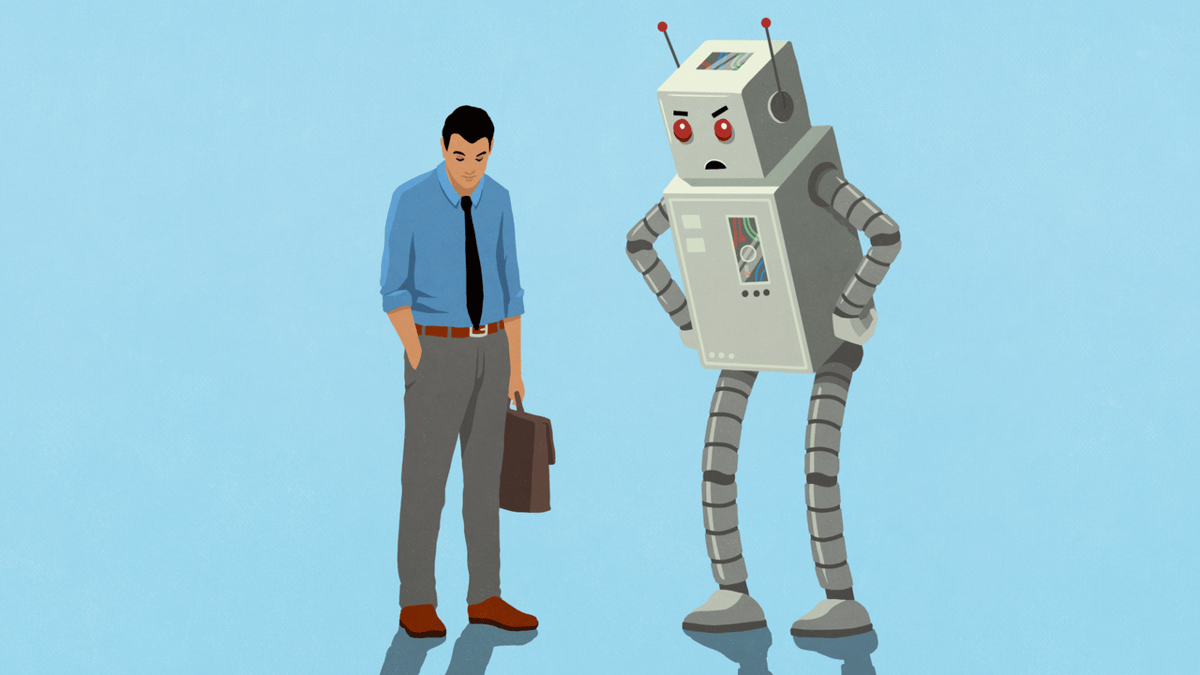
Scientists Made AI Agents Ruder — and They Performed Better at Complex Reasoning Tasks
Researchers at Tokyo's University of Electro‑Communications introduced personality traits and interruption capabilities into large language model agents, allowing them to speak out of turn and react in real time. By comparing fixed, dynamic, and interruption‑enabled conversation flows on the MMLU...
Acing This New AI Exam — Which Its Creators Say Is the Toughest in the World — Might Point to...
Humanity’s Last Exam, a PhD‑level benchmark launched in Jan 2025, tests AI models on 2,500 unambiguous, non‑searchable questions across 100+ subjects. Google’s Gemini 3 Deep Think currently leads with a 48.4% score, while OpenAI’s o1 lagged at 8.3% and human experts average around...

Your Own Voice Could Be Your Biggest Privacy Threat. How Can We Stop AI Technologies Exploiting It?
Researchers at Aalto University warn that AI-driven voice analysis can extract sensitive personal data—from political views to health conditions—simply from speech patterns. Their study, published in IEEE Proceedings, highlights risks such as price‑gouging, discriminatory profiling, and stalking if corporations or...
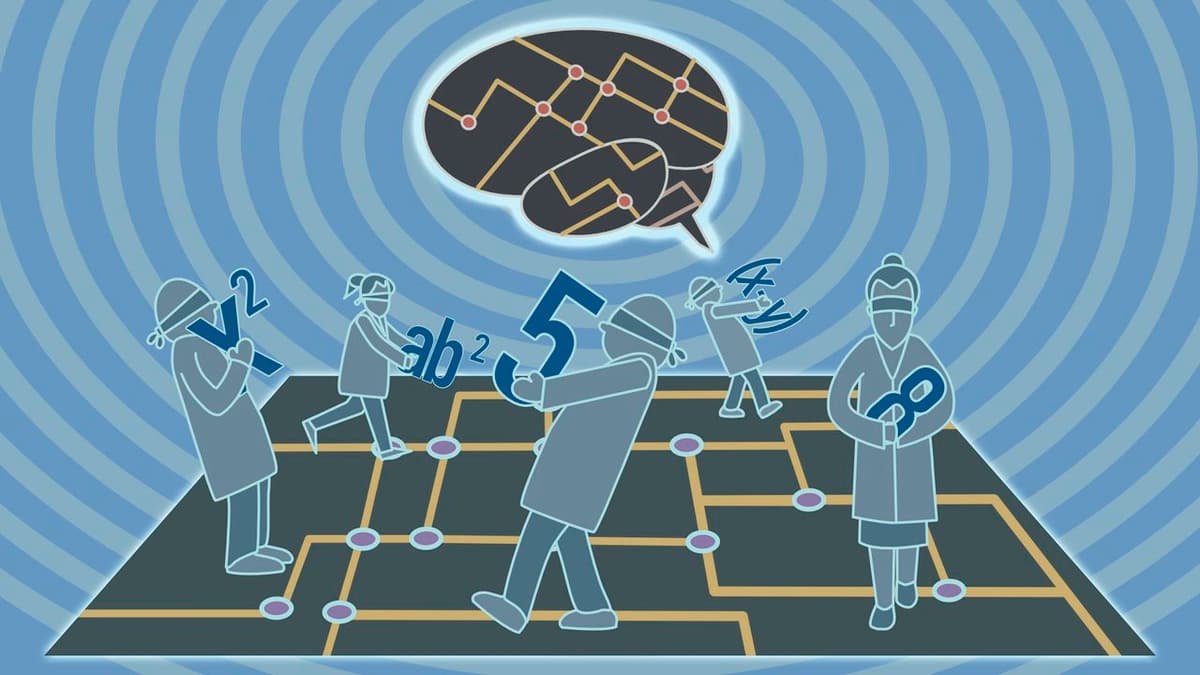
'Proof by Intimidation': AI Is Confidently Solving 'Impossible' Math Problems. But Can It Convince the World's Top Mathematicians?
A secret 2025 meeting of leading mathematicians tested OpenAI’s new o4‑mini model, which delivered proofs that sounded convincingly rigorous. Experts, including Terry Tao, warned that the AI often appears correct while containing subtle errors that are hard for humans to...

AI Griefbots Could Change How We Mourn — but There Are Serious Risks Ahead
AI-powered griefbots, or "deathbots," let users recreate deceased loved ones by training large language models on personal communications. A Chinese content creator, Roro, built a chatbot of her mother that helped her process loss and attracted followers on Xiaohongshu. Companies...
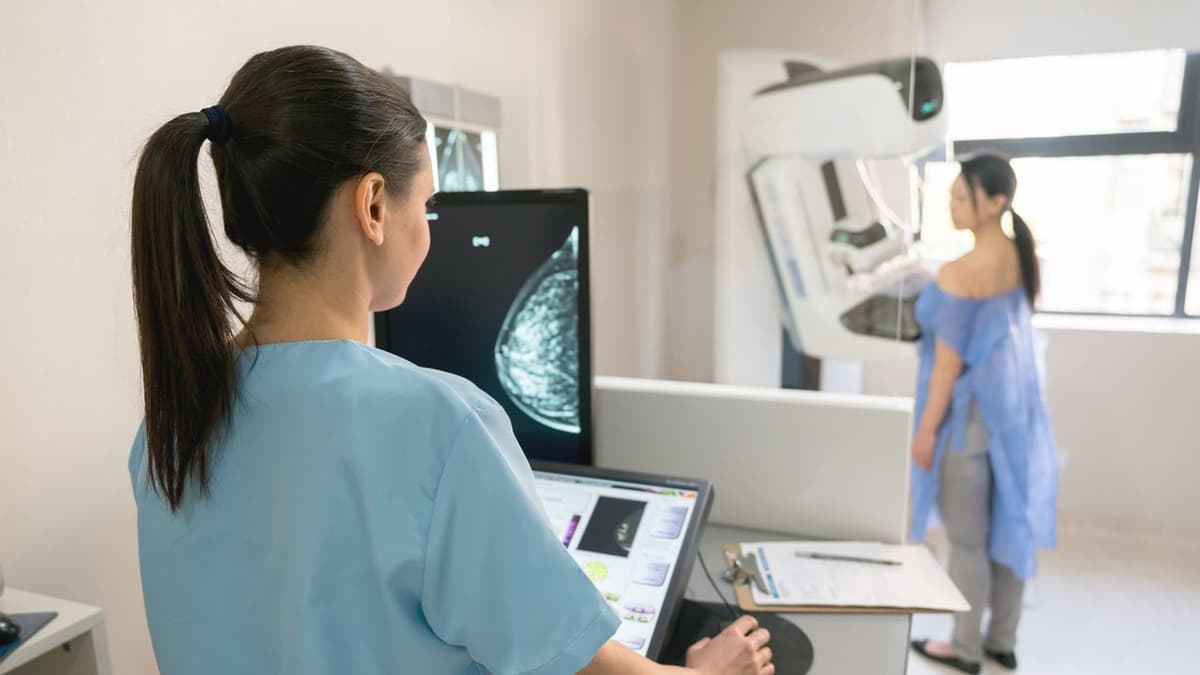
'A Second Set of Eyes': AI-Supported Breast Cancer Screening Spots More Cancers Earlier, Landmark Trial Finds
A prospective, population‑based MASAI trial in Sweden screened over 100,000 women using a commercially available AI system alongside radiologists. The AI‑assisted workflow identified more clinically relevant breast cancers and cut interval‑cancer rates without raising false‑positive alerts. Radiologists read AI‑flagged cases...
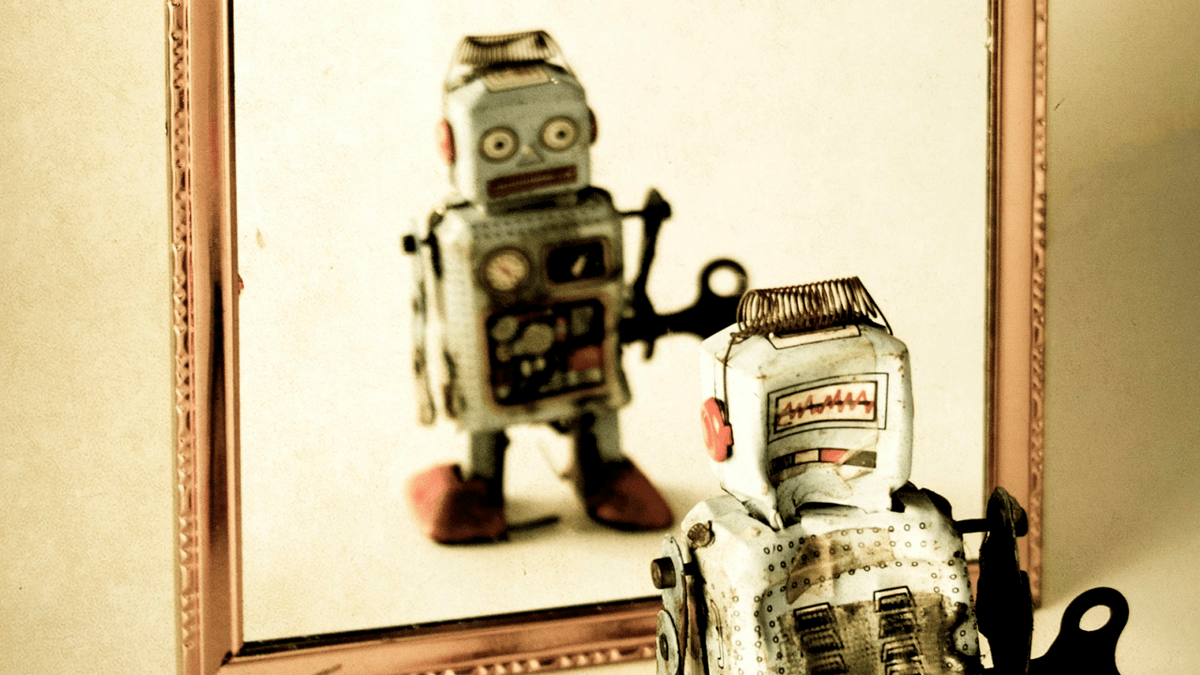
Giving AI the Ability to Monitor Its Own Thought Process Could Help It Think Like Humans
Researchers led by Ricky J. Sethi have introduced a mathematical framework that gives large language models a metacognitive state vector, enabling them to monitor and regulate their own reasoning. The vector captures five dimensions—emotional awareness, correctness evaluation, experience matching, conflict...
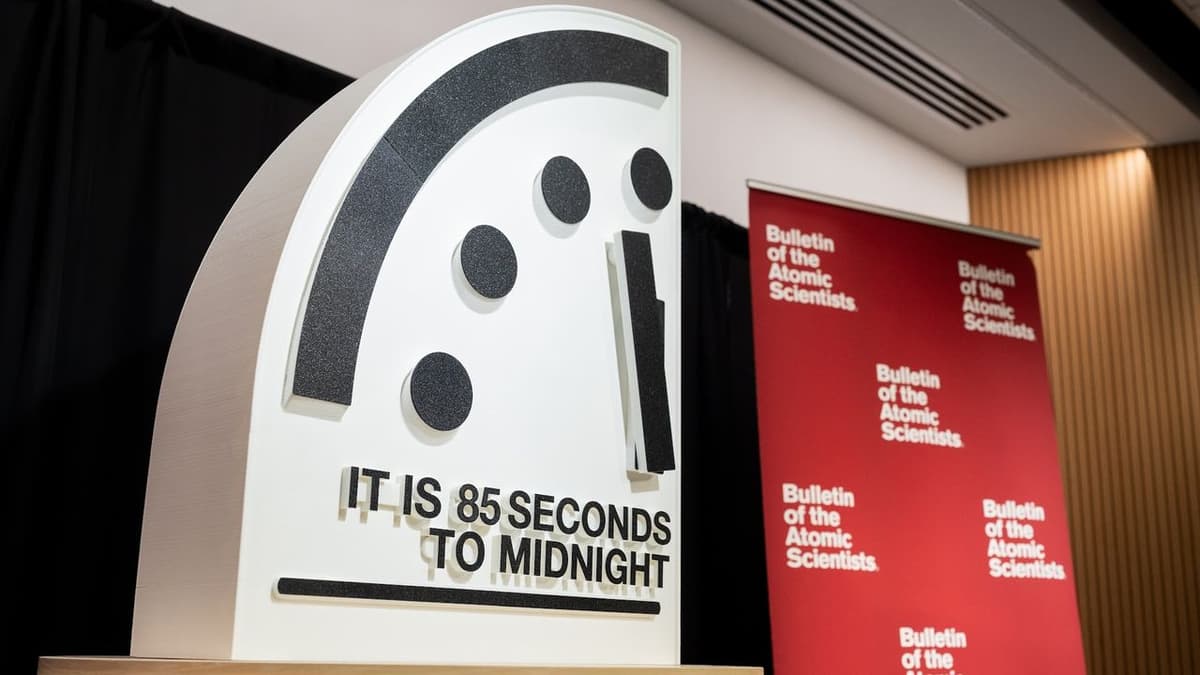
'Doomsday Clock' Ticks 4 Seconds Closer to Midnight as Unregulated AI and 'Mirror Life' Threaten Humanity
The Bulletin of the Atomic Scientists moved the Doomsday Clock to 85 seconds before midnight, the closest point ever, citing escalating nuclear tensions, stalled climate action, and unregulated AI and synthetic “mirror life.” The report warns that the United States,...
AI Can Develop 'Personality' Spontaneously with Minimal Prompting, Research Shows. What Does that Mean for How We Use It?
Researchers at Japan's University of Electro‑Communications found that large language model chatbots can spontaneously develop distinct personalities after minimal prompting. By exposing AI to varied conversation topics, the models exhibited social tendencies that aligned with Maslow’s hierarchy of needs, storing...