
Two Exercise Types Help Reduce Blood Pressure in Those with Hypertension
A new pooled analysis of 31 randomized trials involving 1,345 participants shows aerobic exercise remains the most reliable method for lowering 24‑hour ambulatory blood pressure in hypertensive adults. Combined aerobic‑resistance training produced the largest systolic reduction (~6.2 mm Hg), while high‑intensity interval training achieved similar benefits (~5.7 mm Hg) with less time commitment. Aerobic exercise lowered systolic pressure by about 4.7 mm Hg consistently across day and night, whereas other modalities such as Pilates and recreational sports offered modest gains. The authors recommend prioritizing aerobic and combined training, with HIIT as a viable alternative, while noting the need for larger trials.

Eating After 9 Pm? Stress and Late-Night Snacking May Multiply Gut Health Risks
Researchers presented at Digestive Disease Week 2026 a study linking late‑night snacking with chronic stress to a 39.3% rise in abnormal bowel habits and a 1.7‑2.5‑fold increase in gut issues. Analyzing NHANES and the American Gut Project, the team identified...
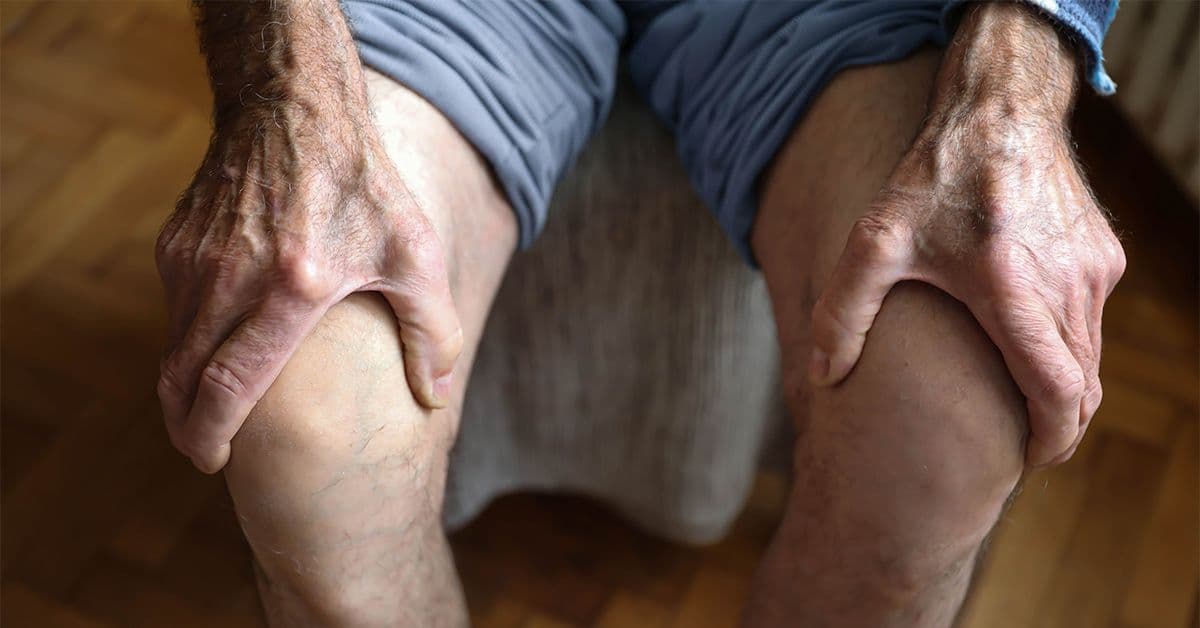
Surgery May Worsen Knee Osteoarthritis, Study Says, so What Could Help?
A Finnish study published in The New England Journal of Medicine found that arthroscopic partial meniscectomy, a common surgery for knee osteoarthritis, leads to worse outcomes over a decade compared with sham procedures. Patients who underwent the meniscus‑removing surgery experienced...

FDA Approves First AI Test to Guide Breast Cancer Chemotherapy Decisions
The U.S. Food and Drug Administration has cleared ArteraAI Breast, the first artificial‑intelligence test designed to guide chemotherapy decisions for early‑stage, hormone‑receptor‑positive, HER2‑negative breast cancer. The digital‑pathology platform scans resection slides, combines them with clinical variables, and uses a multimodal...

Increasing Daily Steps May Boost Recovery After Surgery
Researchers analyzing data from the All of Us Research Program found that postoperative patients who added 1,000 daily steps experienced 18% fewer complications, 16% lower readmission risk, and a 6% reduction in hospital length of stay. The association held across...

Treatment-Resistant IBD May Benefit From New Combo Antibody Therapy
Phase 2b DUET‑Crohn’s and DUET‑UC trials, funded by Johnson & Johnson, tested the fixed‑dose co‑antibody JNJ‑4804 (guselkumab + golimumab) in patients whose IBD had failed prior advanced therapies. In ulcerative colitis, JNJ‑4804 matched guselkumab’s efficacy and outperformed golimumab, while in Crohn’s disease the highest dose...

How to Know You're in Perimenopause and How to Manage It: OB-GYN Tips
Perimenopause, the hormonal transition that precedes menopause, typically begins in a woman's 40s and can last about four years. OB‑GYN Dr. Sheryl Ross explains that irregular periods, hot flashes, mood swings, and memory lapses often signal its onset, but definitive...
Even a Little Alcohol Here and There Damages Brain Health, Study Shows
A Stanford-led MRI study of 45 healthy adults found that even low‑level, "low‑risk" alcohol consumption is associated with reduced cerebral blood flow, especially in the frontal and temporal lobes. The effect intensifies with age, with older participants showing broader perfusion...

Can 36 Minutes of Specially Tuned Music 'Reset' An Anxious Brain?
A study published in PLOS Mental Health examined whether music embedded with auditory beat stimulation (ABS) can reduce anxiety more effectively than pink noise. 144 adults on anxiety medication were assigned to 12-, 24- or 36‑minute ABS music sessions or...
Omega-3s May Affect Brain Repair: Should You Avoid Them?
A new study indicates that eicosapentaenoic acid (EPA), a common component of fish‑oil supplements, can impair brain‑vascular repair after repeated mild traumatic brain injuries. In mouse models and human brain‑cell cultures, EPA reduced endothelial wound‑healing and promoted tau protein buildup...

Does Serotonin Play a Role in Tinnitus? Mouse Study Raises Question
Researchers at OHSU and Anhui University used optogenetics in mice to show that heightened serotonin activity amplifies tinnitus‑like responses, making the animals more startled by sounds. The findings raise questions about whether serotonin‑boosting antidepressants, such as SSRIs, could worsen tinnitus...
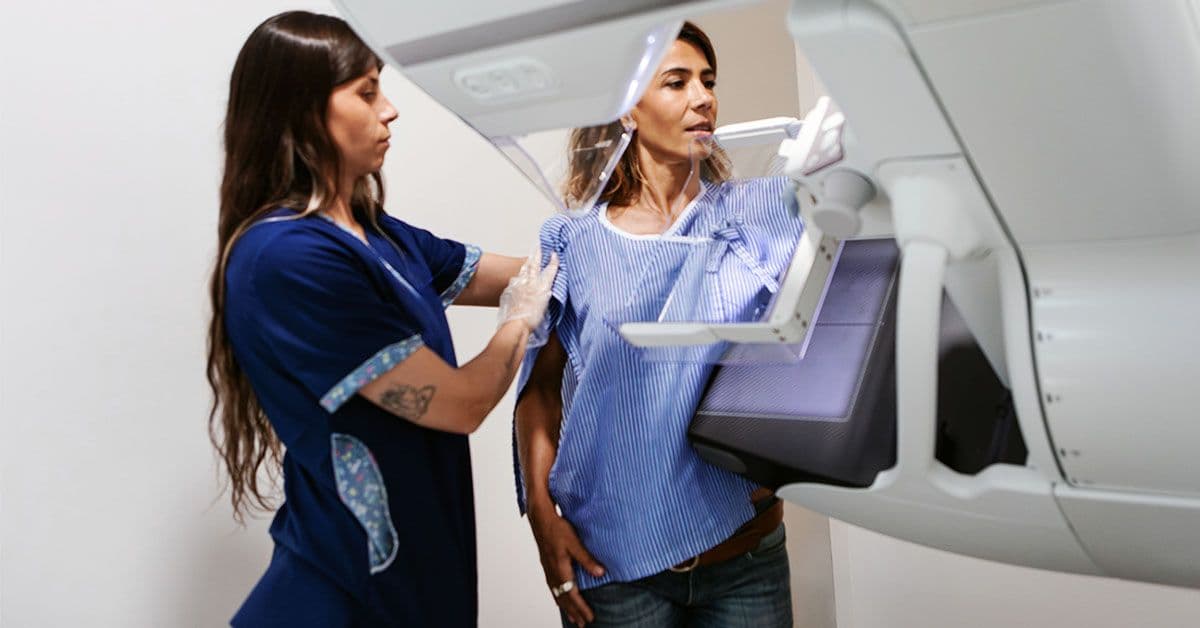
New Guidelines Recommend Mammograms Every 2 Years for Older Women
The American College of Physicians (ACP) issued new guidance urging biennial mammography for average‑risk women aged 50 to 74, shifting away from annual screening. For women 40‑49, the ACP advises shared‑decision making rather than routine exams, and it recommends discontinuing...

Pesticide Exposure May Relate to Colorectal Cancer in Younger Adults
Researchers at the Vall d’Hebron Institute of Oncology identified epigenetic signatures linking diet, smoking and the herbicide picloram to early‑onset colorectal cancer. By analyzing DNA methylation patterns, they created exposure risk scores that correlated higher picloram use in U.S. counties...

Frequent or Longer Naps in Older Age May Signal Declining Health, Study Suggests
A long‑term JAMA Network Open study of 1,338 older adults found that longer and more frequent daytime naps, especially in the morning, are linked to higher mortality. Each additional hour of napping raised death risk by 13%, and each extra...

Keto May Work Best for Sending Diabetes Into Remission: Here's Why
A recent 12‑week study published in the Journal of the Endocrine Society compared a ketogenic (high‑fat, low‑carb) diet with a low‑fat diet in 51 adults aged 55‑62 with type 2 diabetes. Both groups lost weight, but the keto group exhibited a...
Could Anemia Increase the Risk of Developing Dementia?
A Swedish cohort of 2,282 adults aged 60+ was followed for up to 16 years to examine anemia’s link to dementia. Researchers found that baseline anemia raised the risk of developing dementia by 66 % compared with normal hemoglobin levels. The...

Anti-Amyloid Drugs May Not Work Against Alzheimer's but if so, What Will?
A Cochrane systematic review of 17 clinical trials involving over 20,000 patients with early Alzheimer’s found that anti‑amyloid drugs produce little to no clinically meaningful improvement in cognition or daily function. The analysis also highlighted an increased risk of brain...
Natural GLP-1 Discovery Hidden in Joints Could Revolutionize Arthritis Treatment
A study published in The Lancet Rheumatology found trace amounts of the body’s natural GLP‑1 hormone in the synovial fluid of patients with rheumatoid arthritis and spondyloarthritis. Researchers compared joint‑fluid and blood samples from the INART biobank and observed a...

Urine Biomarker May Predict Bladder Cancer Treatment Response, Study Finds
Stanford researchers have created a urine‑based liquid biopsy that detects tumor DNA to predict which non‑muscle invasive bladder cancer (NMIBC) patients will benefit from BCG immunotherapy. In a Cell‑published study, patients with detectable tumor DNA after BCG had a high...

What a Dietitian Would Eat in a Day to Help with ADHD
A preventive cardiology dietitian recommends a plant‑forward, Mediterranean‑style diet to help adults with ADHD manage focus, anxiety, and energy levels. She emphasizes stable blood‑sugar through balanced carbs, protein, fiber, and healthy fats, while warning against ultra‑processed foods and low‑carb keto...
Blood Test May Be More Effective and Cost-Efficient than Standard Cholesterol Tests
A recent JAMA study led by Northwestern researchers finds that measuring apolipoprotein B (apoB) offers a more accurate assessment of cardiovascular risk than traditional LDL or non‑HDL cholesterol tests. Using a simulation of 250,000 adults eligible for cholesterol‑lowering therapy, the apoB‑guided...

Too Busy or Tired to Exercise? Here's How to Stay on Track
Exercise is essential for health, yet busy schedules and fatigue often derail routines. The World Health Organization advises at least 150 minutes of moderate activity weekly, but aligning workouts with an individual’s chronotype—whether a morning or evening person—can boost cardiometabolic...

Brain Health: Staying More Active During the Day Helps Retain Brain Volume
A new Johns Hopkins study using wrist accelerometers and MRI scans found that older adults with less fragmented daily rest‑activity rhythms retain larger volumes in the hippocampus, parahippocampus and amygdala, while highly fragmented rhythms accelerate brain atrophy and ventricular expansion....

GLP-1s Don't Work for Everyone: Why, and What to Do?
GLP‑1 receptor agonists have become a cornerstone of modern weight‑loss therapy, yet roughly 20% of patients fail to achieve meaningful reductions. A recent review proposes pairing a GLP‑1 drug with the naltrexone‑bupropion combo (Contrave) to address this gap, leveraging complementary...

Single Blood Sample Could Soon Screen for Several Cancers, Study Suggests
UCLA researchers unveiled MethylScan, a low‑cost blood test that reads DNA methylation patterns in cell‑free DNA to flag multiple cancers and liver diseases from a single draw. By stripping out 80‑90% of background DNA, the assay slashes sequencing needs, driving...

AI Tool Analyzes CT Scans to Help Boost Early Lung Cancer Detection
A team at Kaunas University of Technology has created a dual‑scale AI system that simultaneously evaluates detailed and contextual information in CT scans, mimicking radiologists’ workflow. Trained on scans from healthy and cancer patients, the model distinguishes normal tissue, benign...

Flu Vaccine May Slash Alzheimer's Risk: Here's What Dose to Get
A new Neurology study of about 200,000 U.S. adults 65 and older found that receiving a high‑dose influenza vaccine cut Alzheimer’s disease risk by roughly 55 percent, compared with a 40 percent reduction for the standard‑dose shot. The analysis adjusted for health‑care...

AI-Supported Scans Measuring Heart Fat Could Better Predict Cardiovascular Risk
Researchers used artificial intelligence to automatically quantify pericardial fat on routine coronary artery calcium (CAC) scans in a cohort of nearly 12,000 adults followed for about 16 years. The AI‑derived fat volume was independently associated with higher long‑term cardiovascular disease...

Dermatologists Show Highest Melanoma Diagnostic Performance with AI Support
A systematic review of 11 prospective studies involving over 2,500 patients found that AI algorithms detect melanoma with sensitivity (80.9%) and specificity (75.6%) comparable to dermatologists (78.6% and 75.2%). When dermatologists used AI assistance, performance jumped to 91.9% sensitivity and...
Is Vitamin D Associated with Lower Levels of Alzheimer’s Biomarkers?
A longitudinal study of 793 adults tracked vitamin D levels at an average age of 39 and brain‑scan biomarkers 16 years later. Participants with serum vitamin D above 30 ng/mL showed significantly lower tau protein accumulation, a key Alzheimer’s marker, while no link...

Heart Attack, Stroke Risk Can Double From Irregular Bedtimes, Sleeping Less than 8 Hours
A Finnish cohort study of 3,231 middle‑aged adults found that people who keep irregular bedtimes and sleep fewer than eight hours a night face nearly double the risk of major cardiovascular events over the next decade. Researchers used a week...

How Old Is Your Brain, Exactly? Brain Age May Impact Dementia Risk
Researchers applied a machine‑learning model to sleep‑EEG recordings from more than 7,000 participants, generating a “brain age” index that reflects how fast the brain appears to age. The analysis showed that a brain age ten years older than a person’s...

AI-Powered Stroke Tool Linked to Improved Patient Outcomes in Large Clinical Trial
A large cluster‑randomized trial of more than 21,000 acute ischemic‑stroke patients across 77 Chinese hospitals tested an AI‑powered clinical decision support system (CDSS). The tool, which combines AI‑assisted imaging with guideline‑based treatment prompts, lowered the 3‑month composite vascular‑event rate from...

System-Wide Algorithm Boosts Blood Pressure Control Across 90,000 Patients
A UC Health‑wide hypertension algorithm was embedded in electronic health records for roughly 90,000 patients, raising the proportion of controlled blood pressure from 68.5% to nearly 74% by mid‑2025. The stepwise, clinician‑guided tool, called the UC Way Hypertension Medication Algorithm,...

Are Gut-Friendly Foods Like Kimchi, Kombucha Affecting Your Heart Health?
The British Heart Foundation warned that popular gut‑friendly foods such as kimchi, sauerkraut, kombucha and fruit smoothies can pose hidden cardiovascular risks due to added salt, sugar, and low fiber. Cardiology dietitian Michelle Routhenstein clarified that while probiotic strains may...

New Resistance Training Guidelines Debunk 3 Myths for Stronger Muscles
The American College of Sports Medicine released its first resistance‑training update in 17 years, issuing a 2026 Position Stand grounded in 137 systematic reviews and over 30,000 participants. The new guidelines discard long‑standing myths—such as training to failure, the necessity...

Extra Virgin Olive Oil May Help Better Preserve Cognitive Function than Refined
A two‑year analysis of 656 overweight adults aged 55‑75 in the PREDIMED‑Plus trial found that participants who regularly consumed virgin olive oil exhibited better preservation of cognitive function and greater gut‑microbiome diversity than those who used refined olive oil. The...

Does Lithium Work for Memory Loss? Experts Answer 4 Key Questions
A two‑year pilot trial published in JAMA Neurology found that low‑dose oral lithium (150‑300 mg daily) slowed verbal memory decline in older adults with mild cognitive impairment. The neuroprotective benefit was most pronounced in participants who tested positive for amyloid‑beta, a...

Type 1 Diabetes Linked to Significantly Higher Dementia Risk, Large U.S. Study Finds
A large U.S. cohort study using the All of Us Research Program found that people with type 1 diabetes are nearly three times as likely to develop dementia, while those with type 2 diabetes face about double the risk compared with non‑diabetics....

Just 20 Minutes of Physical Activity May Benefit Your Memory
Researchers using intracranial EEG recorded a surge in hippocampal ripple activity after participants completed a 20‑minute moderate cycling session. The increase in high‑frequency ripples, which are linked to memory consolidation, was stronger in participants with higher heart rates, indicating intensity‑dependent...

AI Tool Predicts Alzheimer’s Disease with Nearly 93% Accuracy Using Brain Scans
Researchers at Worcester Polytechnic Institute created a machine‑learning model that scans MRI images and achieved 92.87% accuracy in distinguishing Alzheimer’s disease or mild cognitive impairment from healthy brains. The algorithm highlighted volume loss in the hippocampus, amygdala and entorhinal cortex...

Lifestyle Choices, Early Intervention Key to Alzheimer's Prevention, Experts Say
The Spring 2025 Alzheimer’s Association Research Roundtable highlighted a shift toward early detection and prevention of Alzheimer’s disease, emphasizing new biomarkers that can identify pathology years before symptoms appear. The meeting underscored the U.S. POINTER trial’s evidence that multi‑domain lifestyle interventions...

Can Hormone Therapy for Menopause Improve Weight Loss, Bone Health?
Recent research indicates hormone replacement therapy (HRT) can enhance weight loss when combined with tirzepatide and lower osteoporosis risk when started early in menopause. A meta‑review of over one million women found no safety signals, prompting the FDA to drop...

Japan Becomes First to Approve Stem Cell Therapies for Parkinson’s and Heart Failure
Japan has become the first country to grant conditional approval for two regenerative medicines that use induced pluripotent stem cells—AMCHEPRY for Parkinson’s disease and RiHEART for severe heart failure. The Parkinson’s therapy implants dopamine‑producing neurons into the brain, while the...

Wegovy Users May Have 5 Times Risk of Vision Loss than Those on Ozempic
Researchers analyzing over 30 million adverse‑event reports found that patients using Wegovy, the high‑dose semaglutide injection for obesity, have about five times the odds of developing ischemic optic neuropathy (ION) compared with those on Ozempic, the lower‑dose diabetes formulation. The association...

Water Sources May Affect Parkinson's Disease Risk: What to Know
A new population‑based case‑control study of 12,370 Parkinson’s patients and over 1.2 million controls links groundwater characteristics to disease risk. Participants drinking from carbonate aquifers faced a 24% higher odds of Parkinson’s, while older, Pleistocene‑aged water lowered risk by about 6.5%...

Closing Biological Age Gap Could Reduce Stroke Risk, Support Brain Health
A large observational study of over 258,000 adults linked improvements in the biological‑chronological age gap to a 23% lower risk of stroke and a 13% reduction in white‑matter hyperintensity volume. Researchers estimated biological age from routine blood biomarkers and tracked...

How Might Estrogen Affect Hypertension Risk at Menopause?
Women entering perimenopause and postmenopause face a heightened hypertension risk, with roughly 41% developing high blood pressure after menopause. A new study in Mathematical Biosciences uses a mathematical model to show estrogen’s vasodilatory effect as the primary mechanism protecting premenopausal...
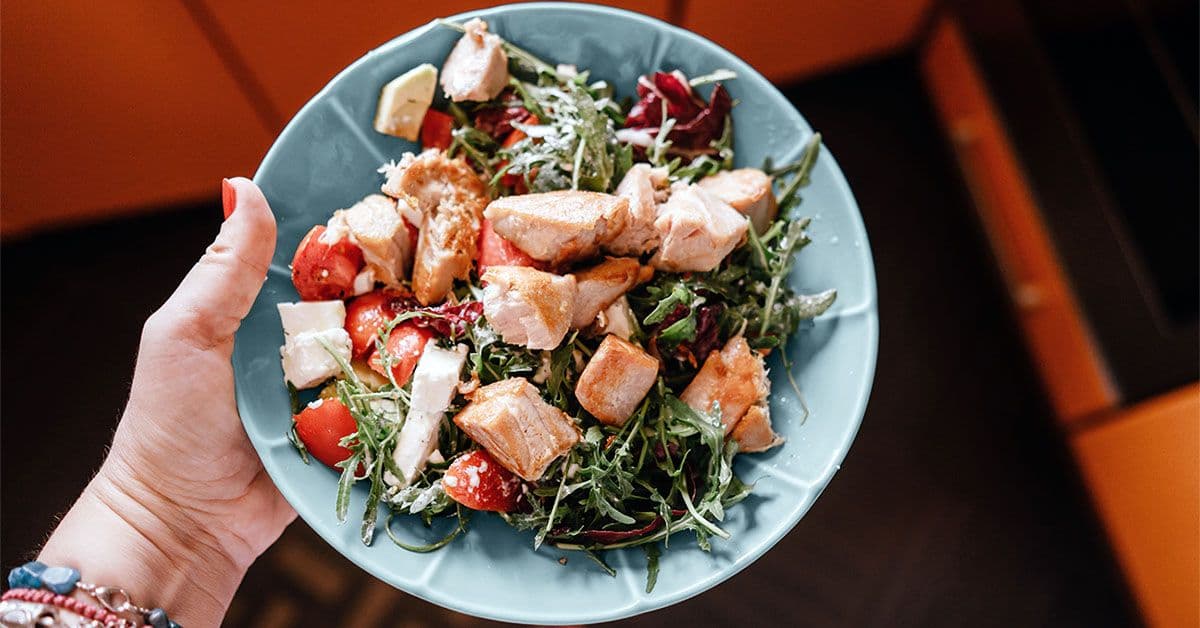
Is Everything We Know About Fat Wrong? Experts Debunk 4 Myths
Recent research and expert commentary overturn the long‑standing low‑fat dogma, emphasizing that total fat intake of 20‑35% of calories is acceptable and that the type of fat matters more than the amount. Saturated fats can remain in the diet for...
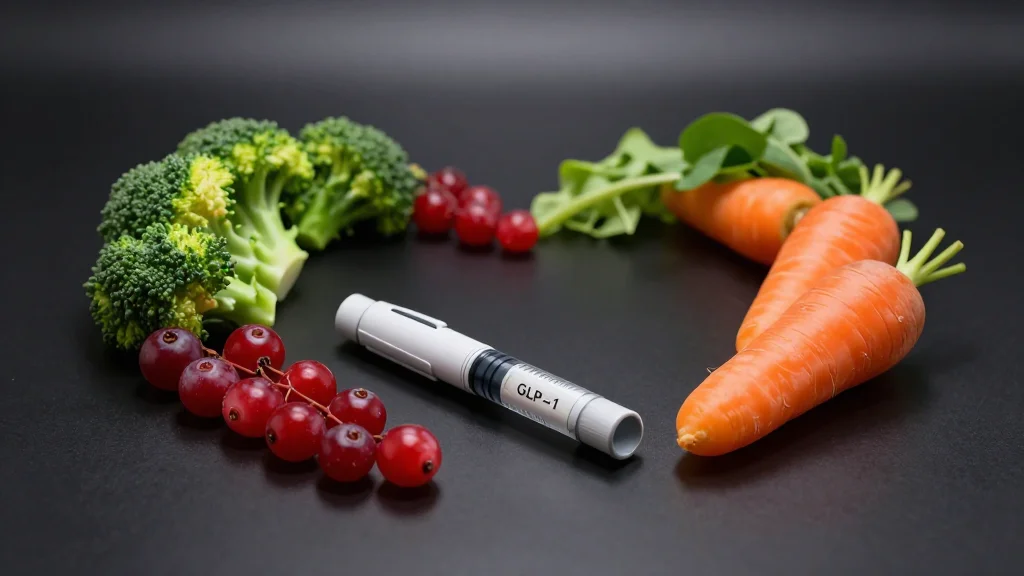
GLP-1 Drugs and 8 Healthy Lifestyle Habits May Lower Cardiovascular Risk
A large observational study of 98,261 U.S. veterans with type 2 diabetes found that using GLP‑1 receptor agonists together with six to eight healthy lifestyle habits lowered major adverse cardiovascular events (MACE) by 43% compared with low‑habit, non‑GLP‑1 users. Both the...