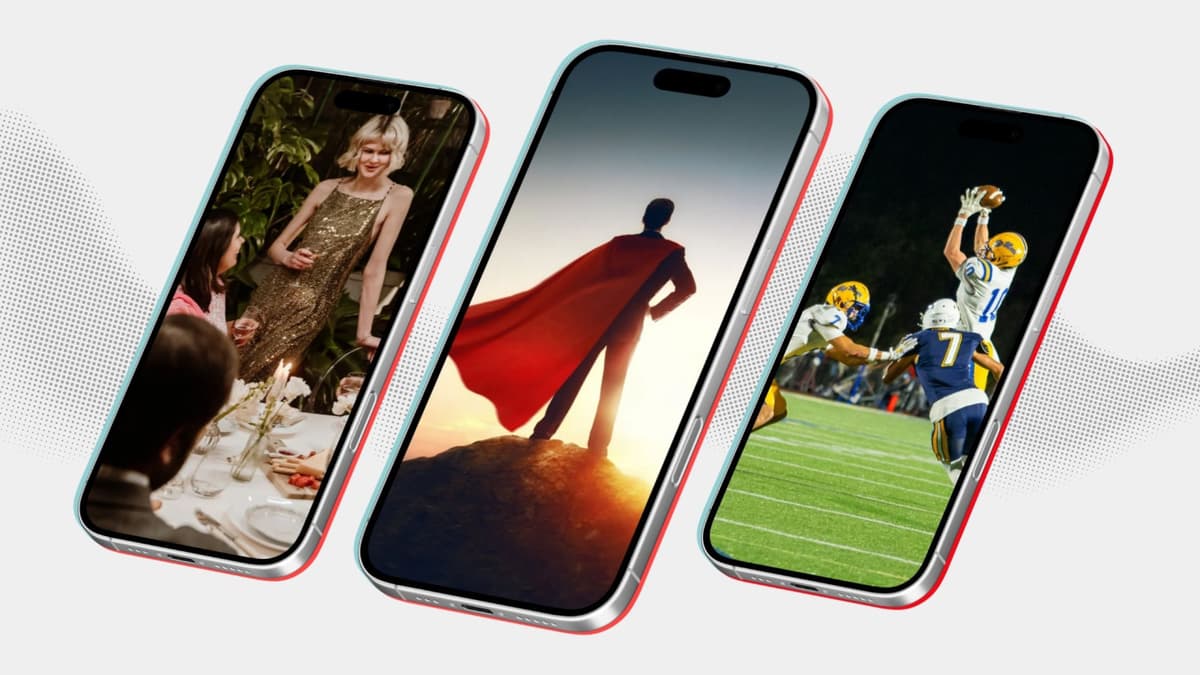
Vertical TV Is More than Streaming’s TikTok Moment
Streaming services are adding vertical video feeds to their mobile apps, turning short clips into a discovery engine for long‑form content. Netflix, Tubi and Peacock have each introduced features that mimic TikTok‑style scrolling, blending trailers, highlights and micro‑dramas into a single feed. This shift moves the focus from title‑led browsing to moment‑led engagement, creating new ad inventory and creator pathways. While the approach promises higher mobile retention, it also raises questions about preserving premium storytelling in a portrait format.

The Renewed Value of Maximalism in the Era of AI
The article argues that AI‑driven efficiency has turned minimalist content into a commodity, eroding its competitive edge. As generative tools flood platforms with passable material, audiences now crave works that resist optimization and showcase human imperfection. This shift revives maximalism—long‑form,...
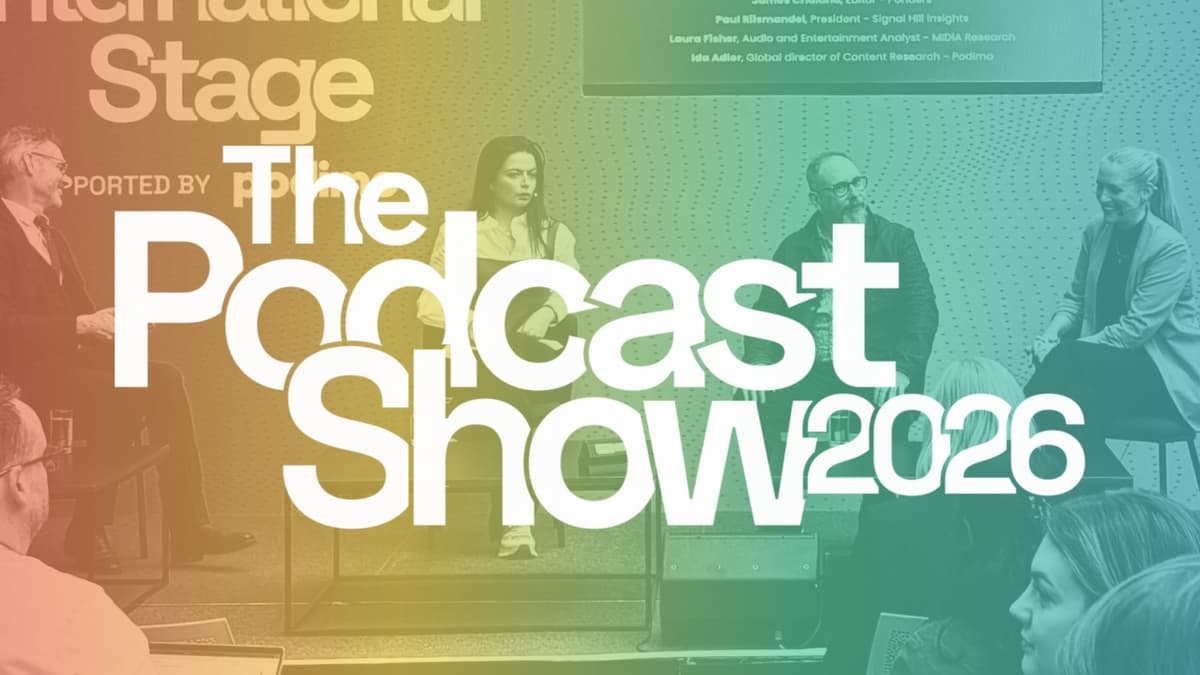
The Podcast Show 2026: The Signals Worth Paying Attention To
The Podcast Show 2026 marked a turning point as the industry moved into a mature, commercially sophisticated phase. Organizers highlighted a shift from pure audio to a multi‑format ecosystem, with video podcasts gaining traction alongside traditional audio‑only shows. Discussions emphasized...
The Music Industry’s Personalisation Paradox
Spotify’s Investor Day unveiled a shift from algorithmic recommendation toward AI‑driven generation, letting users create personal podcasts and hinting at future music‑creation tools. While personalization fuels record‑breaking streaming hours, a MIDiA survey shows Gen Z and Alpha listeners discuss music far...
Clipping Campaigns: Marketing’s Next Move in a Fragmented Attention Economy
Clipping campaigns have emerged as a low‑cost tactic where networks of accounts flood social platforms with short video clips to trick algorithms into treating the content as a viral moment. Companies like Floodify and informal Discord groups coordinate these mass...
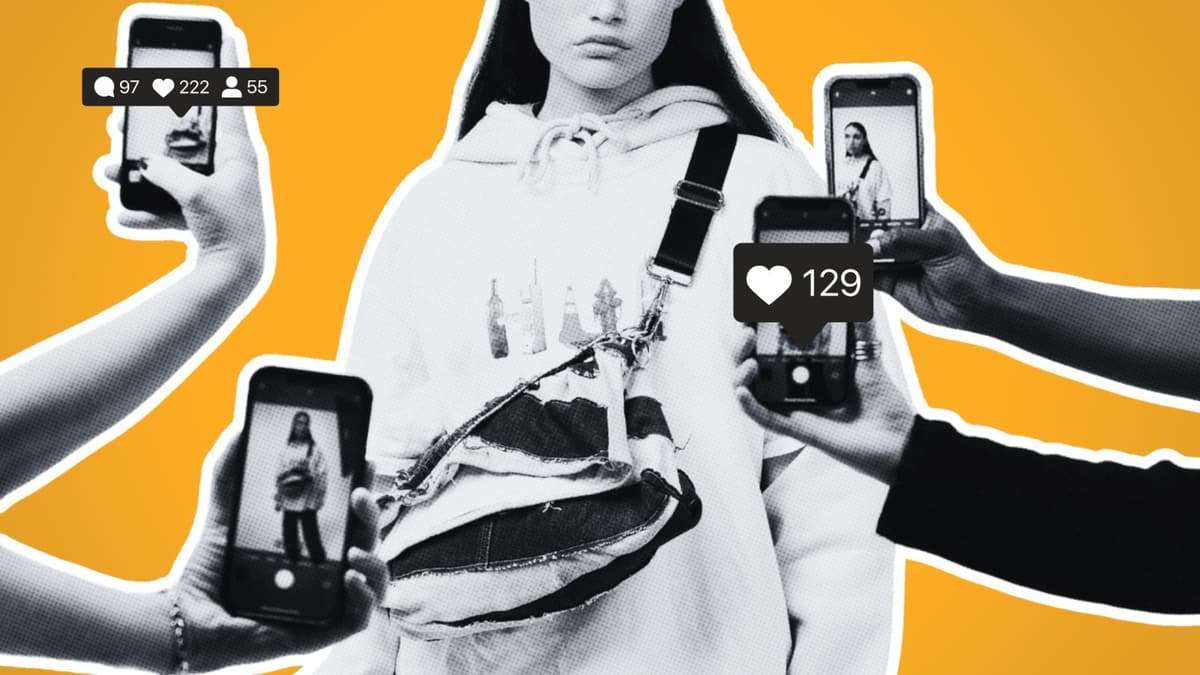
The Attention Trap: Why Social Engagement Does Not Always Create Fandom
Social video platforms like YouTube and TikTok excel at generating massive disposable and habitual attention, but that engagement often strengthens loyalty to the platform rather than to individual creators or entertainment IP. MIDiA’s new framework categorises attention into disposable, habitual...
Is AI the Biggest Threat to Social Platforms?
The article argues that generative AI is emerging as the biggest threat to social platforms, as users increasingly turn to AI for entertainment and companionship instead of human interaction. Platforms such as TikTok, Instagram, Meta, and Snapchat are shifting toward...
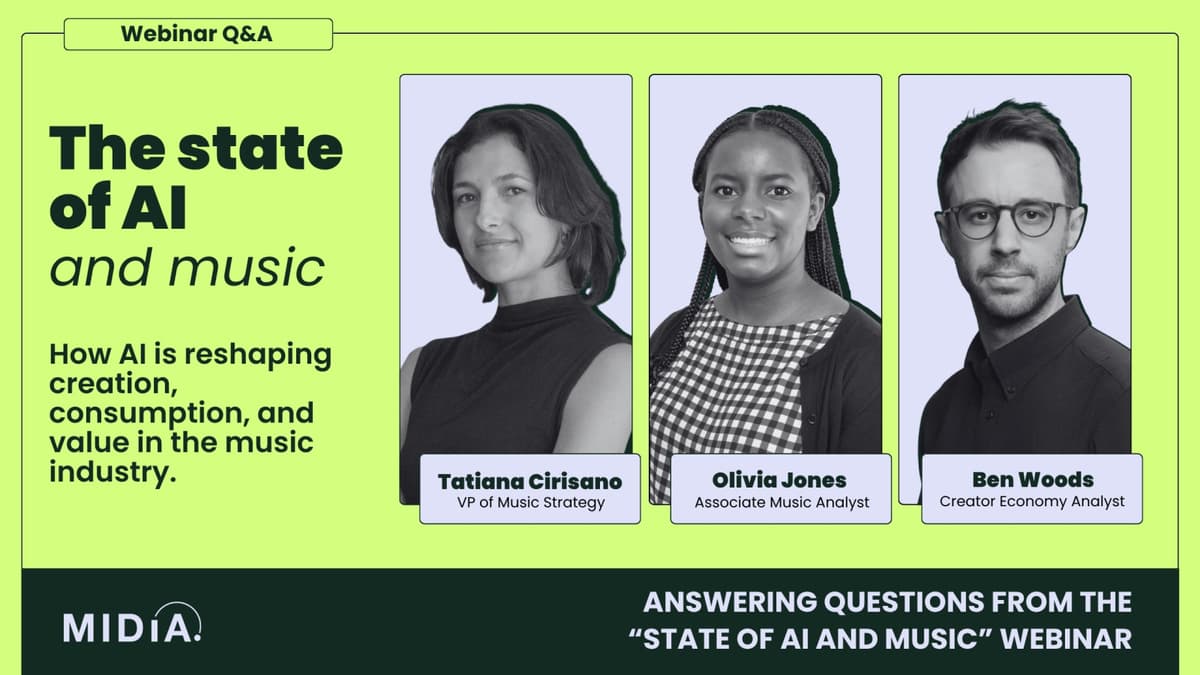
Answering Questions From MIDiA’s "The State of AI and Music" Webinar
MIDiA’s recent webinar on AI and music sparked 57 attendee questions, prompting a follow‑up Q&A that tackles fake‑artist recommendations, the rise of the consumer‑creator, and geographic differences in AI adoption. The firm warns that platforms like Spotify must prioritize artist...
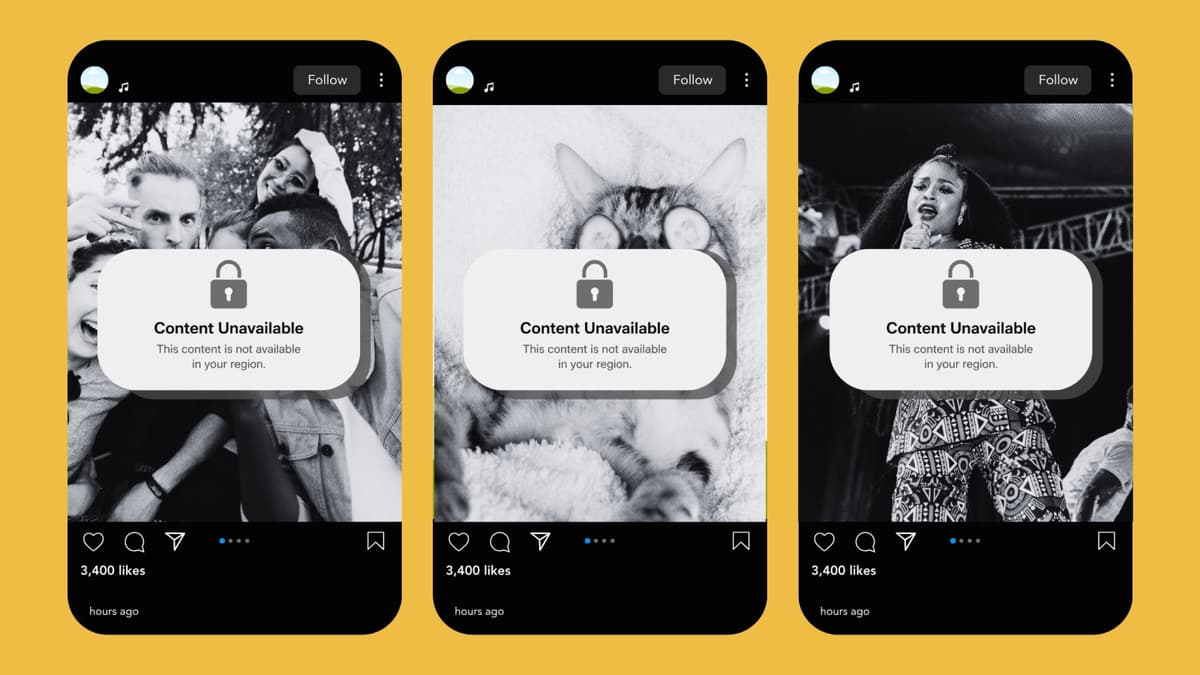
Social Media Bans: Boom or Bust?
Australia’s new law banning under‑16s from social media took effect in December 2025. Early compliance data shows roughly 70% of children still use the biggest platforms, with little change in app‑store rankings. Enforcement is hampered by unreliable age‑verification tech, privacy concerns,...

From Answers to Influence: How AI Is Reshaping Social Platforms’ Role in Search
AI is fundamentally reshaping how social platforms serve as search gateways, moving from simple answer delivery to influence‑driven discovery. MIDiA’s Q3 2025 consumer survey shows 52% of generative‑AI users rely on these tools to locate information. Platforms are embedding large language...
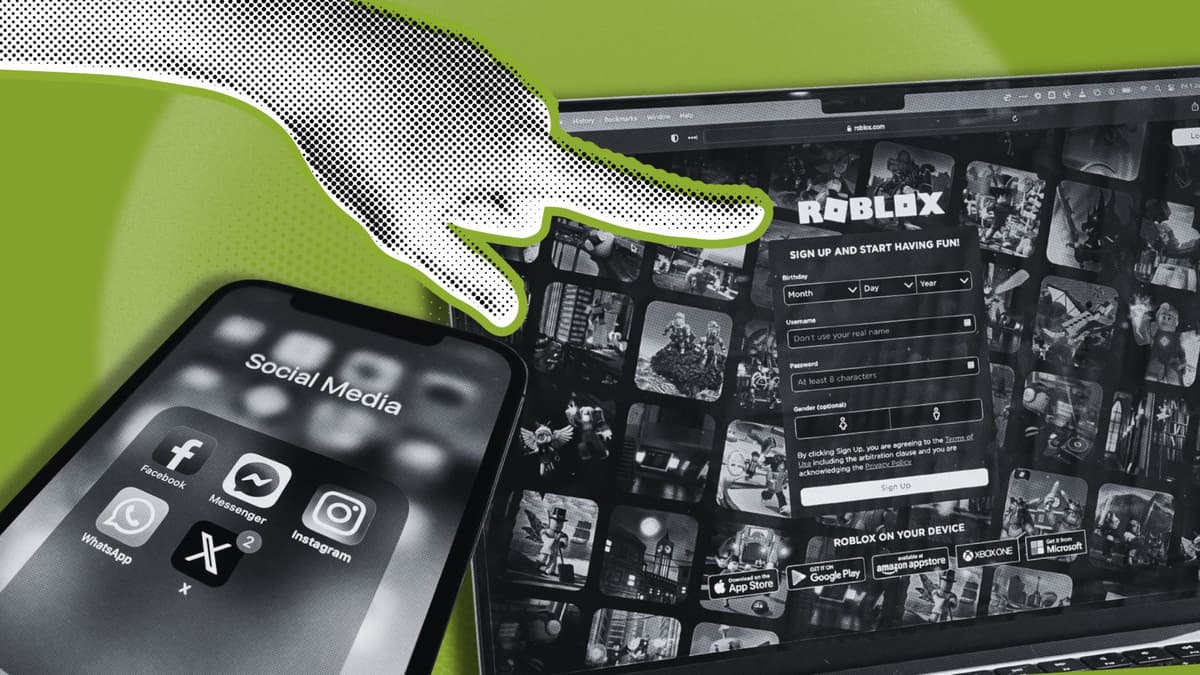
Roblox, Social Media, and the Future of AI Integration
Social media giants are pouring billions into generative AI, from Meta’s satellite‑solar server project and Instagram video edits to Snap’s AI‑driven interactive ads and X’s Grok integration. While these add flashy layers, overreliance risks eroding feed authenticity and user trust....

Teens Are Skipping Release Week – Here’s Why the Music Industry Can’t Ignore It
MIDiA’s Q4 2025 survey shows only 24 % of teens listen to new music during its release week, while catalogue streaming continues to dominate consumption. Gen Z and Gen Alpha listeners prefer algorithm‑curated playlists and on‑demand discovery over traditional hype cycles. The trend signals...

How the Creator Economy Is Changing Traditional Entertainment's Discovery, Distribution, and Supply
The creator economy has moved from a peripheral niche to a core pillar of traditional entertainment. Studios and streaming platforms are hiring fan creators as in‑house editors, acquiring creator‑led YouTube networks, and treating creators as equal distribution partners. This three‑pronged...

Podcasting’s Next Growth Frontier: Tackling the Unconverted
MIDiA’s 2025 audio consumer profile shows a sizable share of the global population—about 25% in the U.S.—still never listens to podcasts. The industry has focused on engaged listeners, but growth may hinge on converting the “unconverted” audience. MIDiA plans to...

Beyond the Song: Why Artists Need Transmedia Storytelling
Artists are turning to transmedia storytelling to turn music into multi‑platform brands, as shown by BTS’s ARIRANG campaign that linked Spotify, Instagram and Google fan activities. Record labels are backing the trend, with Warner Music striking an exclusive Netflix documentary...