
Addiction, Recovery, and How Mindfulness Can Support Emotional Sobriety
Recovery coach Stephanie Hazard argues that lasting sobriety requires emotional sobriety—a state of mental balance that goes beyond merely avoiding substances. She illustrates how unresolved trauma can surface as anxiety when a loved one leaves, triggering a cycle of distraction and emotional hijacking. By adopting mindfulness tools such as breathwork, body‑scan meditation, and the “notice and name” technique, Hazard helps clients cultivate self‑awareness and replace escape habits with calm. Her upcoming book, Making Sobriety Stick, expands these practices for a broader audience.

A Meditation to Bring Comfort and Kindness to Pain and Illness
Juliana Sloane, a Buddhist teacher and hypnotherapist, offers a guided meditation designed to bring softness and self‑compassion to chronic pain and illness. The practice walks listeners through progressive muscle relaxation, then uses color visualization to reframe uncomfortable sensations. By inviting...

A Meditation on the Art of Stopping (Extended)
Shalini Bahl’s May 22, 2026 article introduces an extended mindfulness meditation centered on the "art of stopping." The practice guides readers through breath‑focused micro‑moments that interrupt habitual thought patterns. Bahl also offers a condensed version for busy days and links to a...
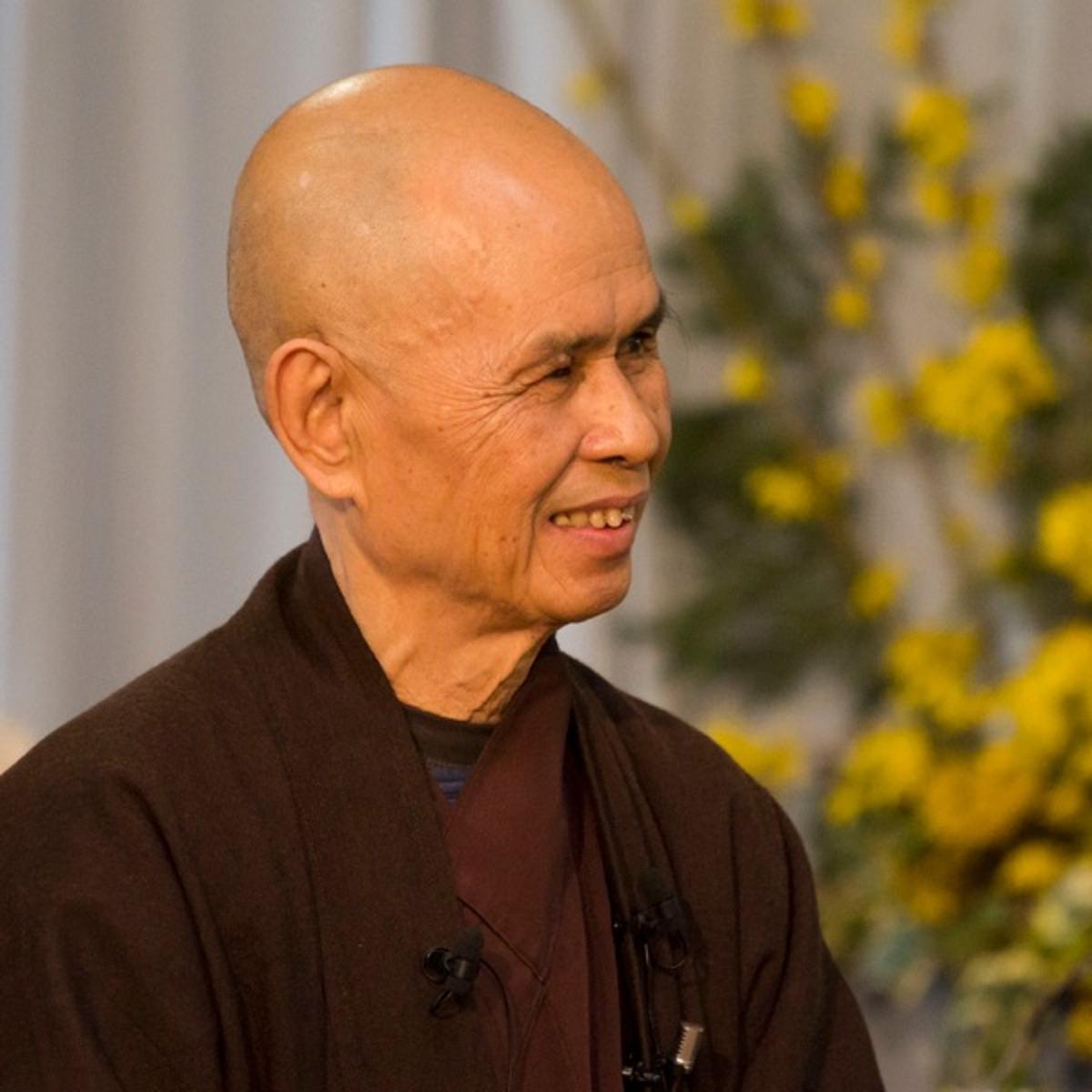
How Micro-Practices Can Be the Bridge Between Your Meditation and Your Choices
The article argues that micro‑practices—tiny, intentional pauses—can extend meditation’s benefits into everyday decision‑making. It cites research where a brief “active noticing” induction reduced 19 of 22 common cognitive biases, and the author’s own shift from Amazon to alternatives after a...
A 12-Minute Meditation to Rest Your Body in Gratitude
Rashid Hughes, a meditation teacher and writer, offers a 12‑minute guided practice that invites participants to rest their bodies in gratitude. The session walks listeners through posture selection, breath awareness, and a body‑space visualization that deepens relaxation. By focusing on...

Elisha Goldstein on the Power of Tiny Shifts
Psychologist Dr. Elisha Goldstein’s new book *Tiny Shifts* proposes a four‑step “Four R” method—Recognize, Release, Refocus, Reinforce—to break habitual emotional loops with micro‑adjustments. The approach blends mindfulness, somatic awareness, and neuroscience, showing how brief breath‑based releases can shift the brain’s...

When Insight Isn’t Enough: An Interview with Juliana Sloane on Imagination, Hypnotherapy, and Deeper Transformation
Juliana Sloane, a meditation teacher and hypnotherapist, explains why mere insight often fails to shift deeply ingrained habits. She argues that long‑standing neural pathways keep anxiety, self‑criticism, and relationship patterns intact despite conscious awareness. By entering natural trance states and...
Building Self-Compassion for Failure in the Creative Process
The episode introduces the self‑compassion break, a simple practice for managing stress, disappointment, or creative setbacks. Listeners are guided to recall a modestly challenging situation, acknowledge the suffering, recognize that struggle is a universal human experience, and then extend kindness...

A Light, Slow, Deep (LSD) Breathing Meditation
Shamash Alidina introduces a Light, Slow, Deep (LSD) breathing meditation that emphasizes gentle, prolonged inhalations and longer exhalations to engage the parasympathetic nervous system. The guided practice uses a four‑second inhale, a brief pause, and a six‑second exhale, focusing on...
Feel Like You Need Support “Adulting” These Days? Meditation Can Help.
How to Adult, a YouTube channel focused on life‑skill guidance, has launched a five‑minute seated meditation tutorial. The short video walks viewers through a basic mindfulness practice that can be done in a chair with no special equipment. The guide...

5 Lessons on Vanity: An Invitation to Awareness and Letting Go
The essay recounts a personal journey from teenage modeling to senior adulthood, extracting five lessons about vanity, aging, and self‑acceptance. It illustrates how early beauty training imposed physical pain and emotional cost, leading to a realization that external validation is...
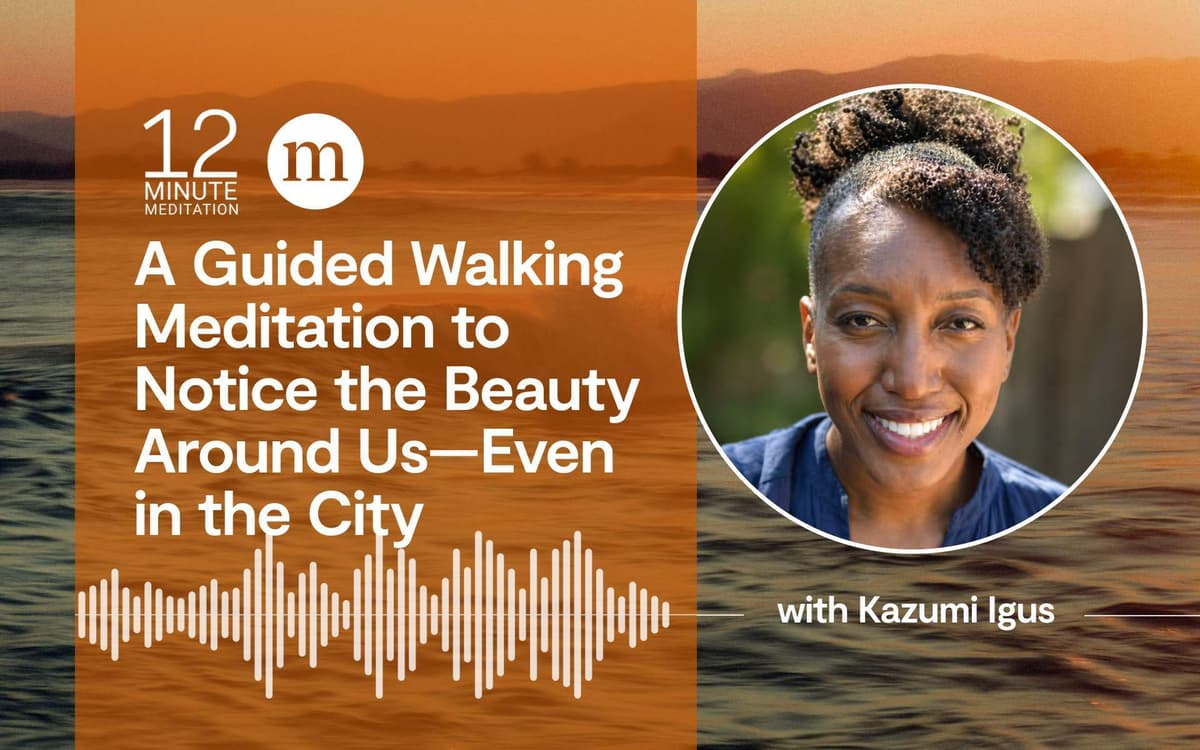
A Guided Walking Meditation to Notice the Beauty Around Us—Even in the City
Kazumi Igus, a science teacher and mindfulness facilitator, released a guided walking meditation designed for city environments. The practice blends deep breathing, sensory awareness of sounds, smells, colors, and wildlife, and gratitude to help participants slow down amid urban bustle....
A Meditation to Meet Yourself Where You Are—No Matter What
Mindfulness instructor Cheryl Jones offers a ten‑step guided meditation designed to foster self‑acceptance regardless of circumstance. The practice walks participants through posture, breath awareness, and neutral observation of thoughts, feelings, and bodily sensations. Jones, a two‑book author and award‑winning corporate...
Raising Happy Children In Challenging Times: Practices that Build Essential Skills For Well-Being
Raising happy children is framed as teaching well‑being skills rather than chasing fleeting emotions. Research shows gratitude, mindfulness, and empathy are learnable practices that boost resilience and mental health. The article offers three hands‑on activities—a Glimmer Wand, a Gratitude Sandwich,...
What Green Spaces Can Do For Your Body, Your Mind & Your Practice
Spending just 20‑30 minutes in green spaces can lower cortisol by about 21% and reduce salivary amylase, a stress marker, according to recent studies. The experience also triggers awe, which research links to increased generosity and a softened sense of...