
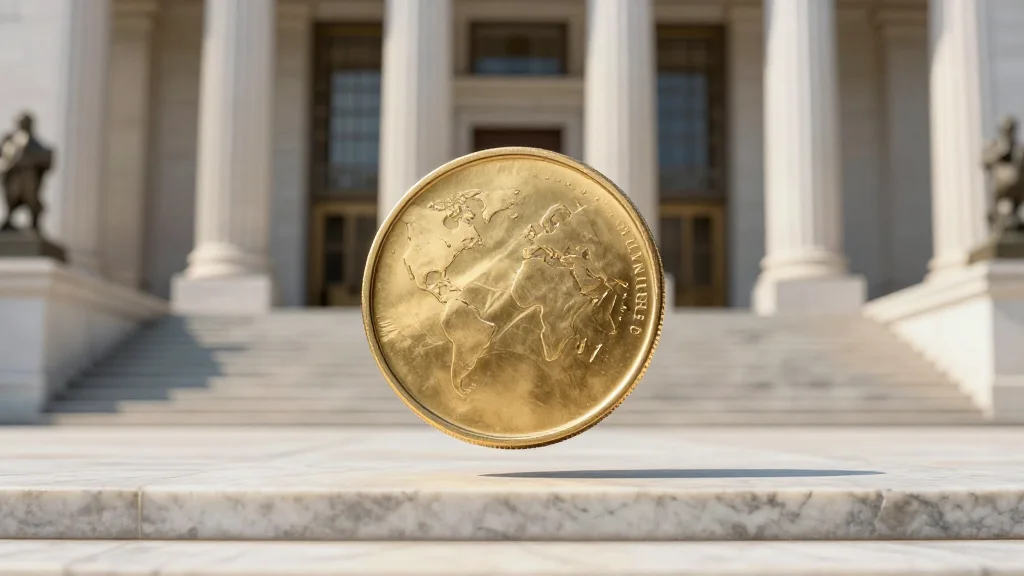
Sovereign Money Is Not Debt: Why Central Bank Accounting Must Change
Central banks currently list reserves and currency as liabilities, implying the money they issue is a debt owed to banks and the public. Economists Biagio Bossone and Massimo Costa argue this view is conceptually wrong, proposing that sovereign money should be recorded as equity rather than debt. Their Accounting View of Money (AVM) reframes banknotes, reserves, and future CBDCs as sovereign equity for issuers and custodial assets for holders. The authors contend that updating accounting standards would improve transparency and better reflect the true nature of fiat money in the digital era.
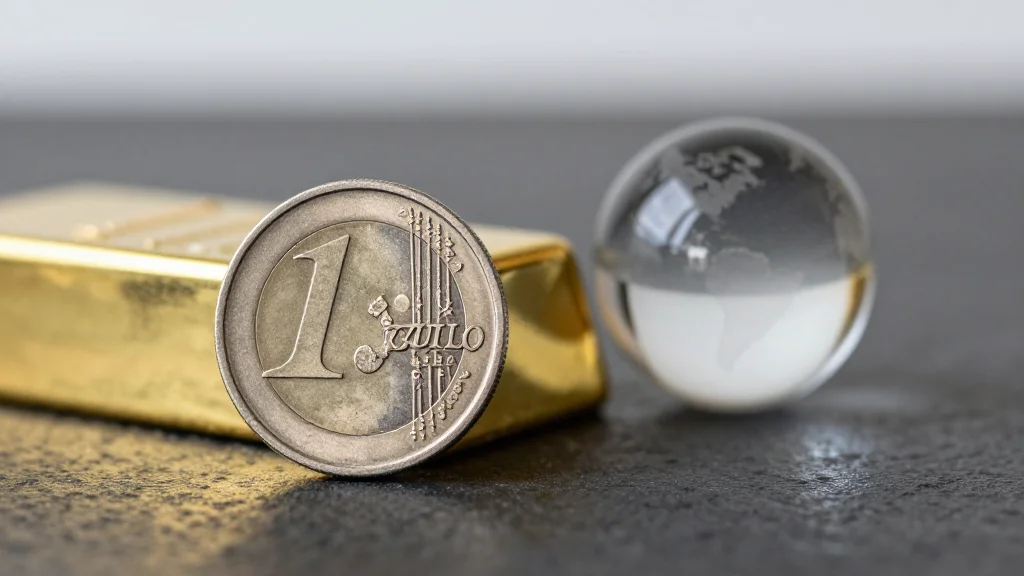
The Euro as a Safe-Haven Currency Amid Geopolitical Tensions and Policy Uncertainty
A new ECB focus paper finds the euro has begun to act like a safe‑haven currency during recent risk‑off episodes in 2025‑2026. While historically the euro’s effective exchange rate rose only about 0.1% in stress periods, it showed notable appreciation...

China’s Mercantilist Squeeze on Developing Countries
Researchers Shoumitro Chatterjee and Arvind Subramanian at PIIE find that China’s expanding trade surplus is crowding out low‑skill export sectors in developing economies. Despite its own shift to higher‑tech products, China still dominates apparel, footwear, and other labor‑intensive markets, limiting the traditional...

How U.S. Bank Stock Prices Respond to Geopolitical Risk
A new research note finds that U.S. bank stock prices react unevenly to geopolitical risk, with sharp equity declines tied to specific bank characteristics. Banks that post weaker earnings, hold smaller liquidity buffers, and maintain larger operations in geopolitically stressed...

The Razor’s Edge of Progress: How King Gillette Built an Abundance Revolution
King C. Gillette transformed personal grooming in the early 1900s by inventing a safety razor that used disposable blades. The design eliminated the need for sharpening, offering a cheap, convenient alternative to straight razors. Gillette patented the blade‑replacement system and...

Velocity of Money: A US-India Comparison
The Federal Reserve Economic Data (FRED) blog compares money velocity in the United States and India from 2004 to 2019. In 2004 the U.S. dollar circulated about 2.6 times per period, roughly twice the 1.3 times for the Indian rupee....

District-Level Satellite Measures of the Indian Economy
A new open dataset released by XKDR provides district‑level satellite measures of India’s economy, combining annual building‑volume data (2016‑2023) from Google’s Open Buildings 2.5D Temporal with monthly VIIRS nighttime‑lights observations (2014‑present) cleaned via the PSTT2021 pipeline. The two layers give...

A Tale of Two Countries – The Real Estate Crises in 1990s Japan and Contemporary China
A new Brookings paper by Kenneth Rogoff and Yuanchen Yang compares China’s current real‑estate slowdown with Japan’s 1990s property bust. The authors note that real estate now accounts for roughly one‑third of China’s aggregate demand and that housing represents about...
Measurement of “Computer Software and Accessories” Inflation
A sharp rise in the Personal Consumption Expenditures (PCE) price index’s “Computer Software and Accessories” category has drawn attention to structural market shifts and statistical quirks. Researchers estimate that a mismatch between the CPI and PCE baskets accounts for about...
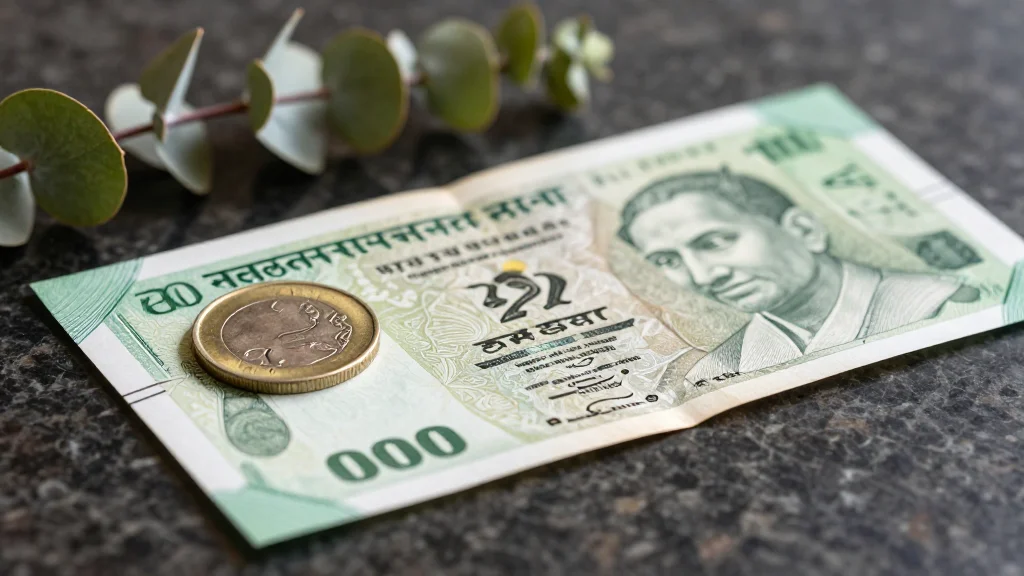
Frontrunner to Backburner – Status Update on Indian Sovereign Green Bonds
India entered the sovereign green bond market three years ago with strong macro credibility and climate ambition, but the initial enthusiasm has faded. Primary auctions have struggled to attract demand, secondary trading remains thin, and the expected greenium is virtually...
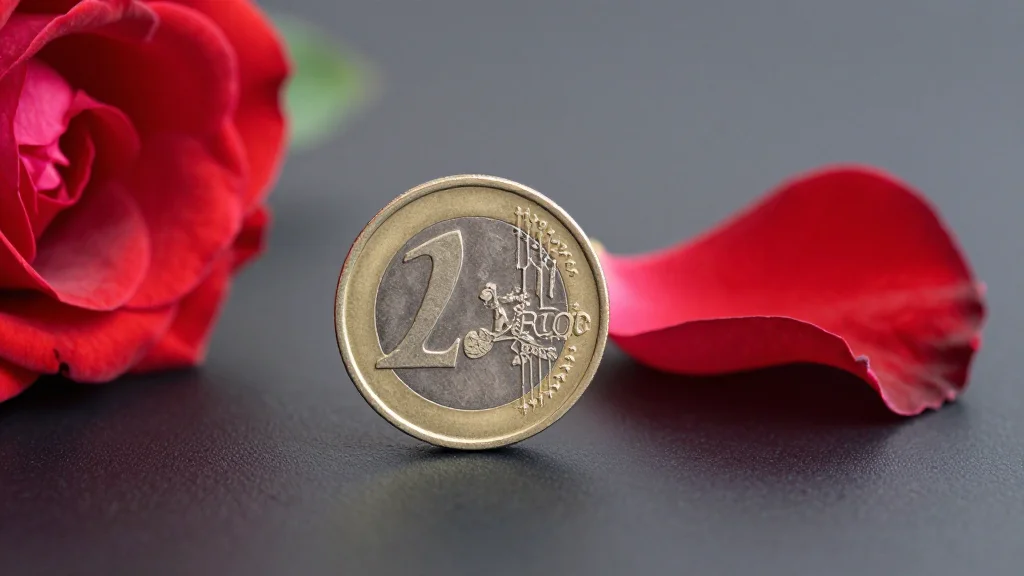
Euro Adoption and Price Increases in Bulgaria: Separating Myths From Facts
Bulgaria officially adopted the euro in January 2026, ending the lev era. Early data from the European Central Bank show only a modest, one‑off uptick in consumer prices, concentrated in services, while overall inflation remained stable. Authorities mitigated price‑rise fears through...
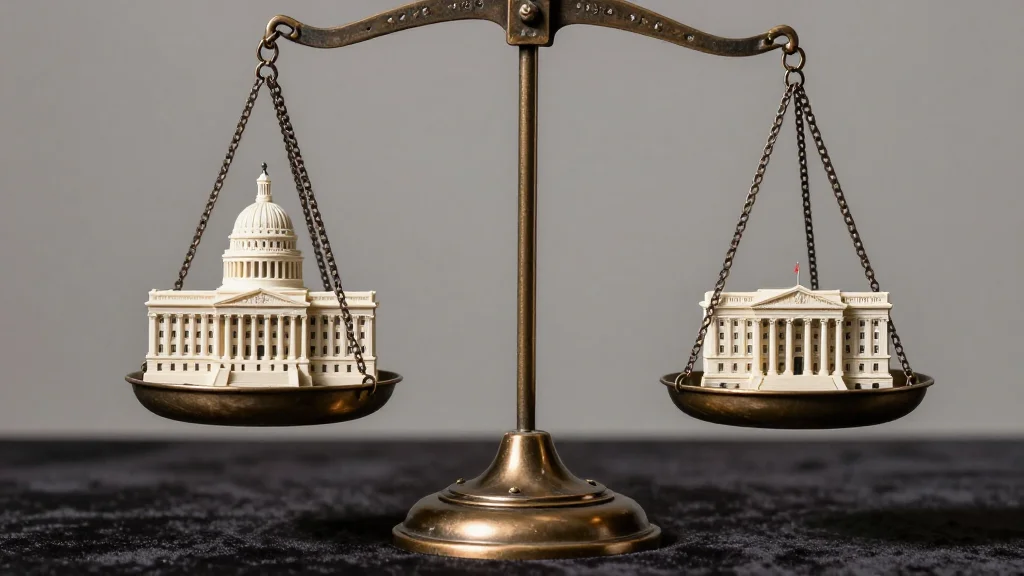
The Quiet Erosion of Central Bank Independence
In a recent speech, ECB Vice‑President Isabel Schnabel warned that central‑bank independence is quietly eroding, echoing remarks by Federal Reserve Chair Jerome Powell about “legal attacks” on the Fed. She highlighted two structural forces accelerating the risk: soaring government debt...
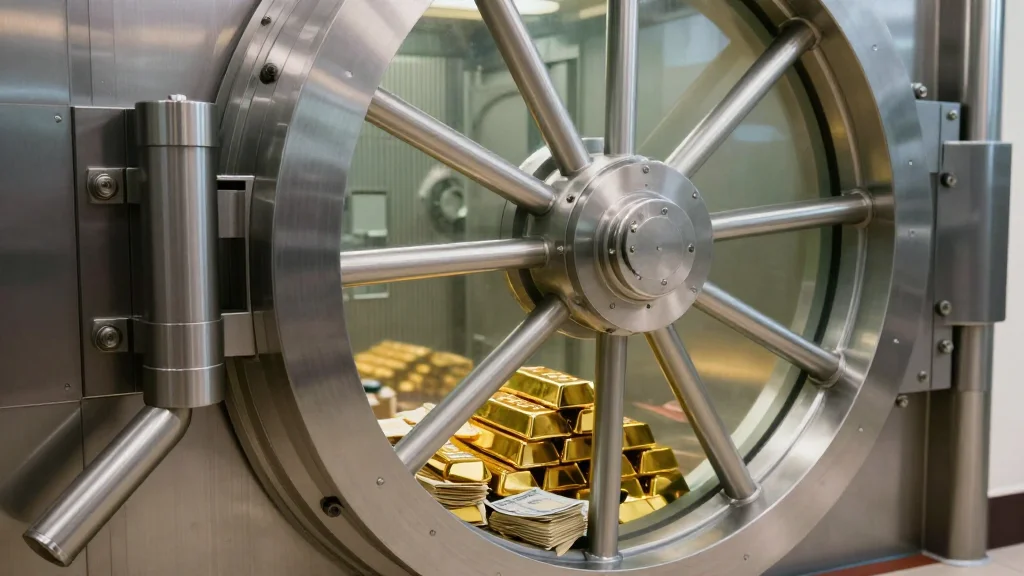
Why Banks Need ‘Sleepy’ Customers
Harvard Business School researchers document that U.S. depositors are remarkably inert, with only 5‑15% opening a new account each year. Their working paper shows that this “sleepy” behavior accounts for roughly 58% of a bank’s deposit franchise value, dampening competition...
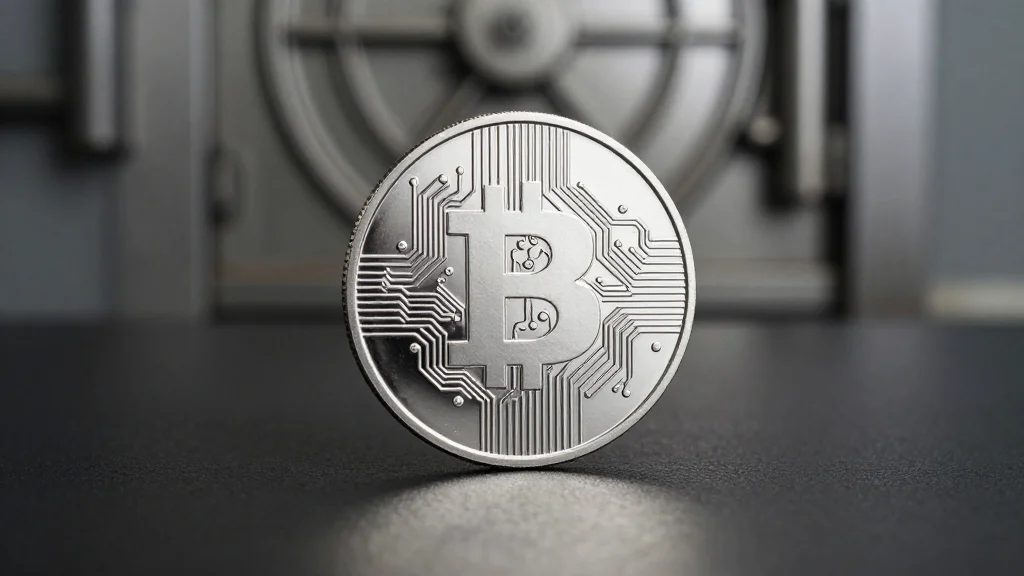
Banks in the Age of Stablecoins: Lessons From Their Historical Responses to Financial Innovations
Stablecoins now command a market cap of roughly $200‑$300 billion and settle trillions of dollars annually, prompting the GENIUS Act to treat them alongside money‑market funds for Treasury demand. While analysts warn of deposit substitution and credit‑supply shocks, the note argues...

William Stanley Jevons as Polymath
William Stanley Jevons, famed 19th‑century economist, also built the Logical Abacus in the 1860s, an early mechanical computer that executed Boolean operations. He explicitly connected his invention to Charles Babbage’s ideas, suggesting machines could rival top mathematicians. Jevons also explored...