National Space Society Blog
Non-profit advocacy blog highlighting space development news, space settlement concepts, and policy commentary.
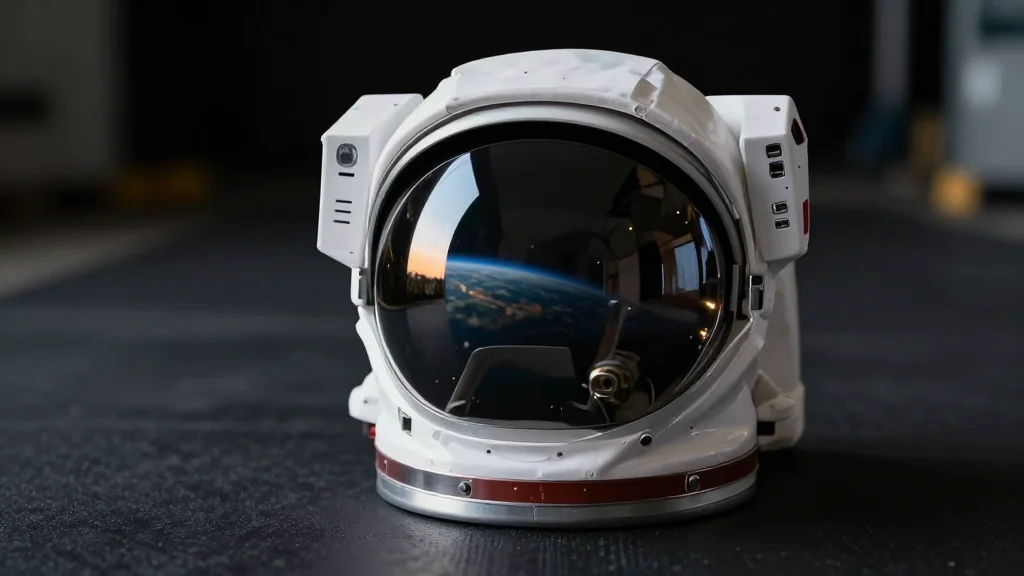
Astronauts and Space Leaders to Appear at the 2026 International Space Development Conference
The National Space Society will host the 44th International Space Development Conference (ISDC) in McLean, Virginia, from June 4‑7, 2026. The agenda features high‑profile NASA astronauts and industry leaders, including former shuttle commander Michael López‑Alegria, planetary scientist Lindy Elkins‑Tanton of the Psyche mission, and NanoRacks founder Jeff Manber. Additional speakers span the United Nations, Blue Origin, and noted science‑fiction author David Brin, underscoring the event’s cross‑sector appeal. ISDC remains the world’s oldest citizen‑focused space conference and welcomes the public with special discounts.
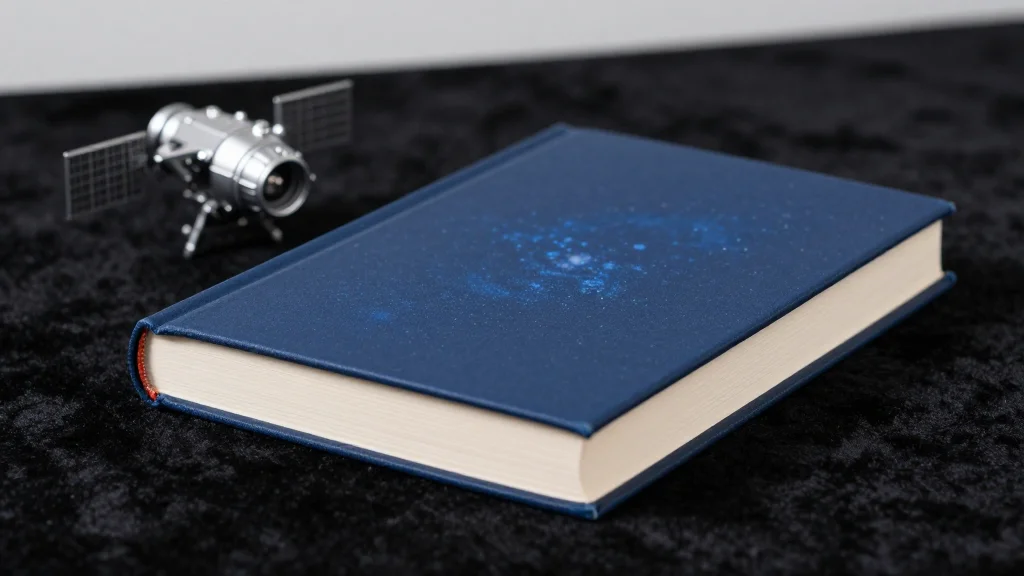
Book Review: Reality Check
*Reality Check* applies the Delphi method to fifty‑plus future questions, offering expert dates and averaged forecasts. The reviewer praises its accuracy for most technology predictions but finds the space‑related forecasts mixed: the ISS came online earlier than expected, Mars landing...
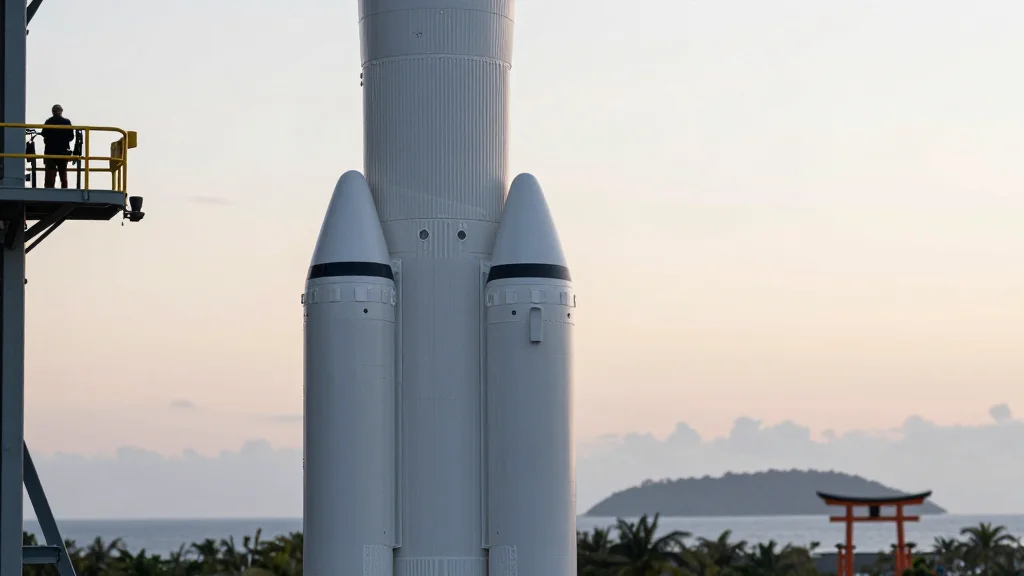
Book Review: The Islands and the Stars: A History of Japan’s Space Programs
Subodhana Wijeyeratne’s "The Islands and the Stars" offers the first comprehensive English‑language chronicle of Japan’s space program, tracing its evolution from 1920s wartime rocketry to the 2003 creation of JAXA. The book highlights Japan’s early emphasis on unmanned missions, the...
Policy Choices That Will Shape Our Lunar Future
The Beyond Earth Symposium highlighted a strategic shift from viewing lunar exploration as a symbolic race to focusing on durable infrastructure. Keynote speaker Bhavya Lal argued that lasting impact depends on power systems, logistics, governance, and commercial frameworks rather than...
Book Review: Space Shock
The review of *Space Shock: 18 Threats That Will Define Space Power* examines China’s surge in space capabilities in 2025, from asteroid sampling to lunar lander tests, and frames them as strategic challenges for the United States. The authors, Garretson...
Book Review: Beyond Earth, the Soviet Drive Into Space
Beyond Earth, The Soviet Drive into Space is a posthumous diary by aerospace engineer Saunders B. Kramer that chronicles every Soviet launch from 1957 to 1975. The 398‑page softcover blends exhaustive technical specifications—orbital inclinations, payload masses, apogees—with personal anecdotes and...

NSS Space Business Competition Closes on February 15 with $32,000 in Prizes
The National Space Society’s Martine Rothblatt Space Settlement Business Plan Competition closes on February 15, 2026, offering a $32,000 prize pool across three tiers ($16,000, $10,000, $6,000). Open to students, entrepreneurs, academics and anyone worldwide, the contest seeks innovative plans...
Call for Abstracts for the NSS 2026 International Space Development Conference
The National Space Society is accepting abstract proposals for its International Space Development Conference (ISDC) from now until April 15, 2026. The event will take place June 4‑7, 2026 in McLean, Virginia, near Washington, D.C., under the theme “Space for...
Space Forum January 22: Cape Canaveral, World’s Premier Gateway to Space
The National Space Society’s Space Forum on Jan. 22 will feature James Draper, director of the Cape Canaveral Space Force Museum, who will trace the site’s evolution from post‑World War II missile tests to the launchpad of Mercury, Gemini and Apollo missions....
Essay and Book Chapter Review: 2025
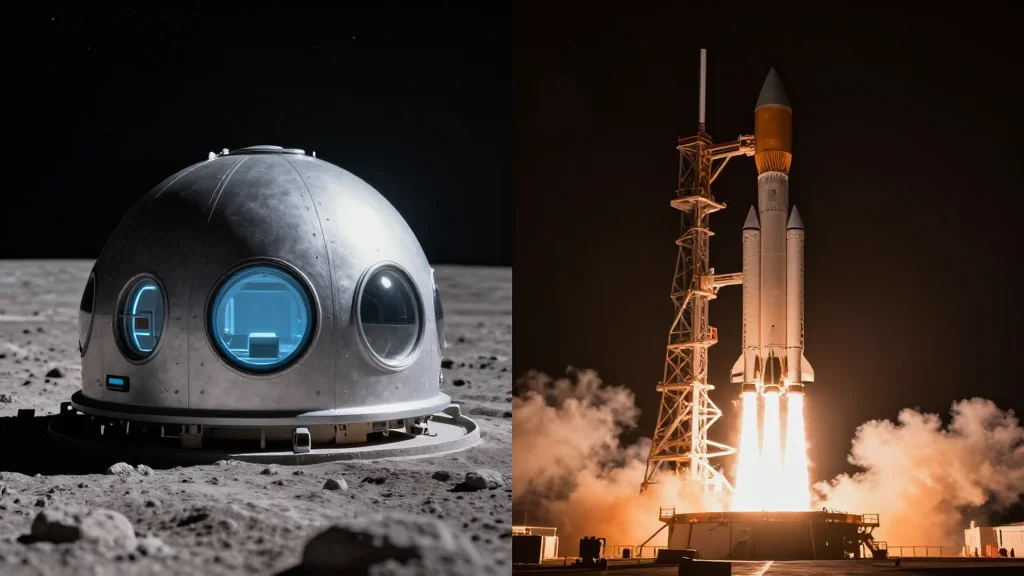
The 1996 foresight book *2025* imagined a space landscape dominated by strong UN cooperation, early moon bases, and a steady rise in government‑run programs. By the end of 2025, those predictions proved largely inaccurate: international institutions remain weak, commercial players...
NSS Applauds New Executive Order Advancing American Space Leadership
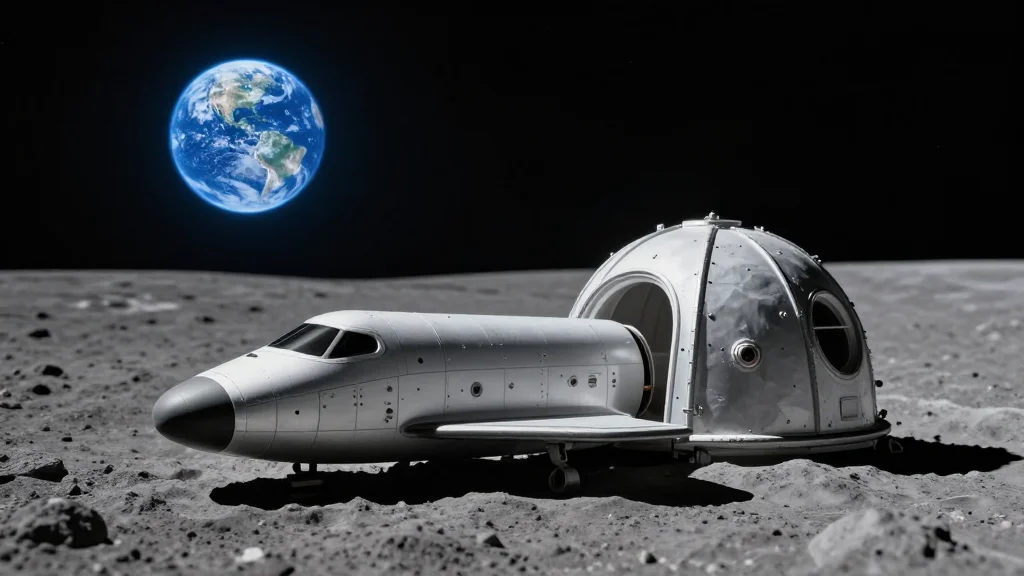
The White House issued the *Ensuring American Space Superiority* executive order, reaffirming U.S. leadership across exploration, science, commercial development, and sustainability. It sets a timeline to return humans to the Moon by 2028, build a permanent lunar outpost by 2030,...
Apollo in December: How Apollo 8 and Apollo 17 Still Shape Us
Apollo 8’s December 1968 launch became humanity’s first crewed mission beyond low‑Earth orbit, proving the Saturn V rocket and deep‑space navigation. Its Earthrise photograph reshaped public perception and helped spark the environmental movement. Apollo 17 in December 1972 delivered the most scientifically ambitious...