
US Navy Conducts Autonomous Minehunting Operations in the Strait of Hormuz
The U.S. Navy has begun autonomous mine‑hunting operations in the Strait of Hormuz after intelligence indicated Iranian mines. The effort employs Textron’s Common Uncrewed Surface Vessel with AQS‑20 sonar and General Dynamics’ Mk 18 Mod 2 Kingfish UUVs, supplementing a limited return of Avenger‑class minesweepers. The goal is to locate and neutralize mines, reopen the channel for commercial traffic, and prove unmanned mine‑countermeasure capability in a contested environment. Simultaneously, U.S. forces have engaged Iranian vessels, seizing the MV Touska and directing dozens of ships away from the waterway.
Prime Minister Says UK and France to Lead Mission to Restore Shipping Movement in Strait of Hormuz
Prime Minister Keir Starmer announced that the United Kingdom and France will co‑lead a multinational mission to restore safe commercial shipping through the Strait of Hormuz after Iran declared the waterway open. The effort will focus on peaceful mine‑clearance operations,...

Royal Navy Strengthens Mine Countermeasures Posture for Possible Return to the Gulf
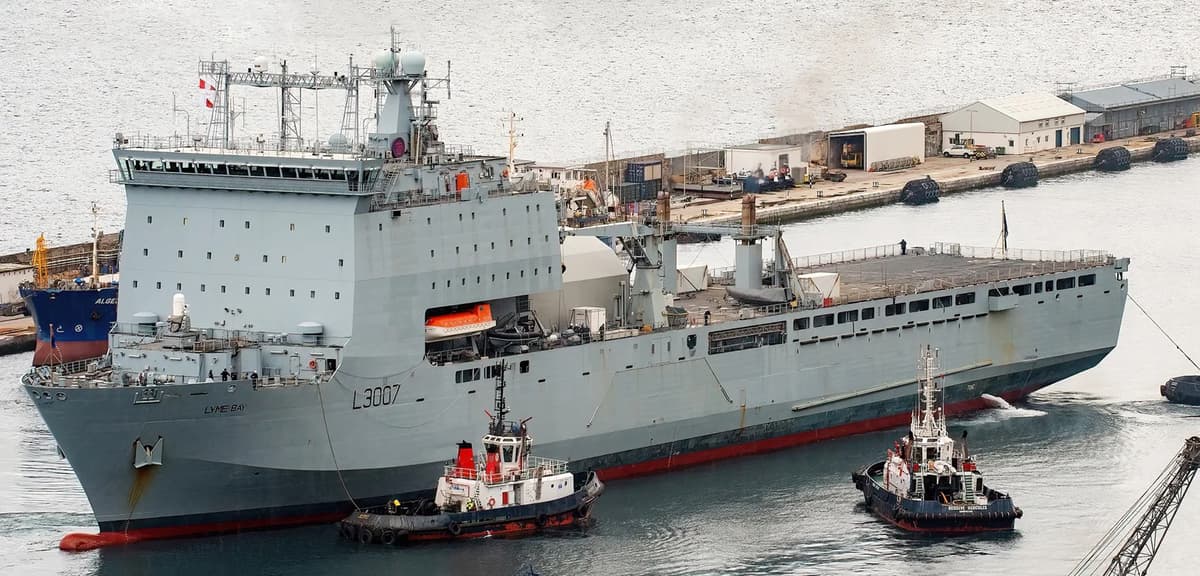
RFA Lyme Bay was reactivated and sent to the Eastern Mediterranean, then returned to Gibraltar to be fitted with autonomous mine‑countermeasure systems. The ship will carry uncrewed surface and underwater vehicles, sonars and a modular Portable Operations Centre, turning her into a...

Royal Navy in Talks to Sell Batch I Offshore Patrol Vessels to Uruguay
The United Kingdom has offered Uruguay three River‑class Batch I offshore patrol vessels—HMS Tyne, HMS Mersey and HMS Severn—once they are decommissioned in 2028. Uruguay is pursuing the purchase after cancelling a €1.5‑billion contract with Spain’s Cardama shipyard over alleged irregularities. The ex‑Royal Navy...

Canadian Navy Reveals Latest Modifications to River-Class Destroyer
The Royal Canadian Navy unveiled an updated River‑class Destroyer model, aligning the design more closely with NATO standards. The Italian‑made 127 mm gun has been swapped for the lighter BAE Mk 45, and the missile layout now features 24 Mk 41 cells with...

Royal Navy Gibraltar Squadron Supports French Seizure of Russian Shadow Fleet Tanker
The Royal Navy’s HMS Cutlass supported French forces in boarding the Russian‑linked tanker MV Deyna in the western Mediterranean on March 20, 2026. The vessel, sailing under a false Mozambican flag, was suspected of evading UK and EU sanctions as part of Russia’s shadow‑fleet...

HMS Mersey Tracks Successive Russian Warship Transits Through the Channel
HMS Mersey, supported by a Wildcat helicopter, spent 48 hours shadowing the Steregushchiy‑class corvette RFS Soobrazitelny and the sanctioned oil tanker MV Anatoly Kolodkin as they transited the English Channel. After separating at the western approaches, Soobrazitelny turned back east while the tanker continued into...

Royal Navy Crowsnest Airborne Surveillance Helicopters Deployed to Cyprus
Royal Navy Merlin HM2 helicopters fitted with the Crowsnest airborne surveillance and control system have departed RNAS Culdrose for a self‑deployed deployment to Cyprus. The Thales Searchwater pulse‑Doppler radar can detect low‑flying UAVs such as Shahed drones at ranges up...
Royal Navy’s Last Gulf Minehunter HMS Middleton Has Returned to UK
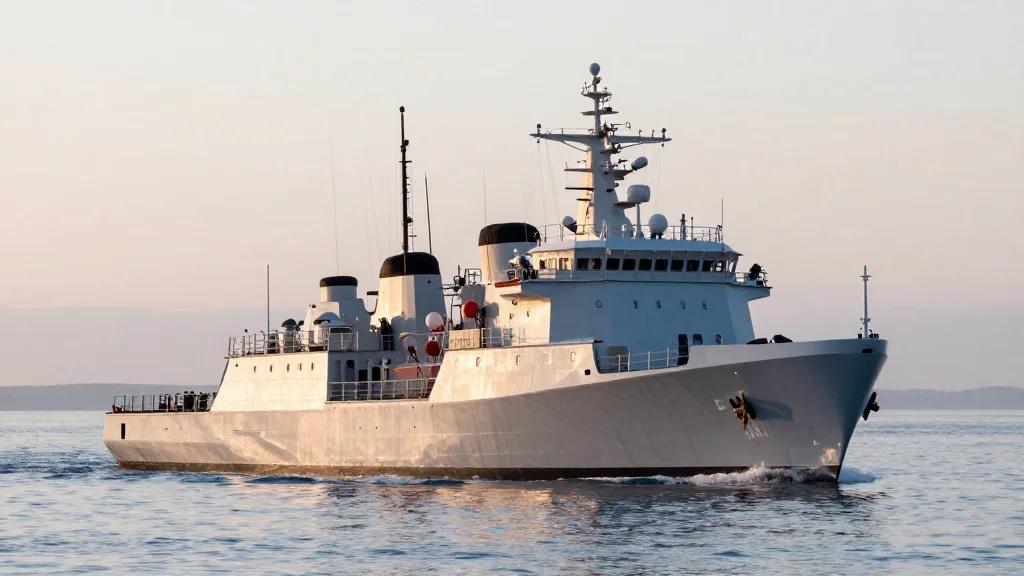
HMS Middleton, the Royal Navy’s last Gulf‑based minehunter, arrived in Southampton aboard the semi‑submersible heavy‑lift vessel MV Rolldock Storm after a 6,200‑nautical‑mile transit from Bahrain. The ship was transported rather than sailing under her own power because she no longer holds certification...

Middle East in Flames – Where Is the Royal Navy?
The Royal Navy entered the escalating Middle‑East crisis with virtually no combat‑ready warships deployed in the Mediterranean or Gulf. Only HMS Duncan, freshly worked‑up, is immediately available, while the rest of the fleet is tied up in refits, maintenance periods, or...
Stability over Speed: Pioneer – a Different Approach to Uncrewed Surface Vessels
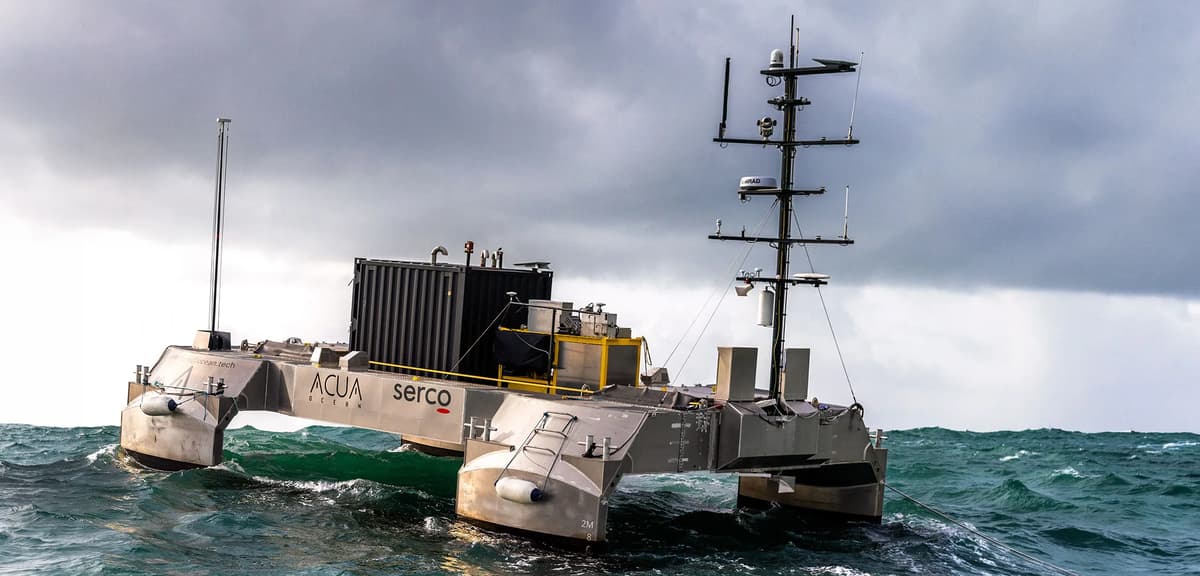
ACUA Ocean’s Pioneer is a 14.2‑metre SWATH‑based uncrewed surface vessel that prioritises stability and endurance over speed. Certified by Lloyd’s Register within 16 months, it can operate in sea state 5, carry up to 7 tonnes of payload through a central moonpool,...

BMT Opens Advanced Maritime Simulation Centre
British engineering firm BMT has opened the Digital Innovation & Simulation Centre (DISC) in Fareham, consolidating its maritime simulation, digital twin, and autonomy capabilities. The centre features the DNV‑accredited REMBRANDT navigation simulator, two 360‑degree pod simulators, a Remote Operations Centre,...

HMS Anson Arrives in Australia
HMS Anson sailed from Gibraltar on 23 January and completed an 8,200‑nautical‑mile nonstop transit to Western Australia, where it began the first-ever maintenance period for a Royal Navy nuclear‑powered attack submarine outside the United Kingdom. The Submarine Maintenance Period involves about...

Building the Royal Navy’s General Purpose Frigates: Type 31 Programme Update
Britain’s Type 31 frigate programme has entered serial production, with multiple hulls now being built in parallel at Rosyth. The first ship, HMS Venturer, serves as a prototype, while HMS Active and HMS Formidable represent pre‑production and reference models, incorporating process improvements such as...
UK Faces Rising Undersea Threat, MPs Warned in Stark Evidence Session
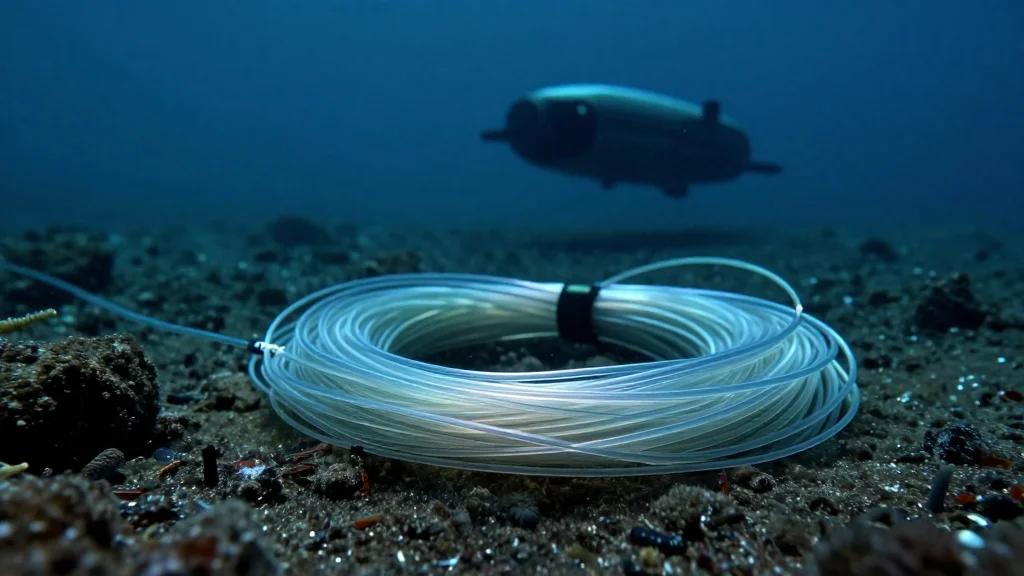
The UK Defence Select Committee highlighted a growing under‑sea threat, chiefly from Russia’s deep‑sea capabilities and expanding Chinese activity. Around 120 international cables and extensive subsea infrastructure make the seabed a critical vulnerability for communications, energy and finance. Witnesses warned...