
Can a Puppet Win Best Supporting Actor?
James Ortiz, the puppeteer behind Rocky in "Project Hail Mary," has been ruled eligible for the Academy Award and SAG Award in the Best Supporting Actor category. The film’s hybrid approach, favoring practical puppetry over pure CGI, resonated with audiences and critics alike. Academy rules now recognize performances where an actor’s physical and vocal work drive a puppet character, opening the door for non‑human roles. This eligibility marks a potential shift in how the industry defines award‑worthy acting.

From YouTube to the Big Screen: Influencers Are Directing Big Movies Now
Influencers are breaking into Hollywood as directors, with YouTube veterans like RackaRacka, Kane Pixels and Curry Barker moving from viral content to feature films. Markiplier’s self‑funded horror adaptation "Iron Lung" was made on a $3 million budget and pulled $36 million worldwide,...
A Path to Profitability in an Industry Built on Fear?
The No Film School podcast featured Kino co‑founders Brit MacRae and Daril Fannin discussing how insecure screeners, fragmented feedback, and fear‑driven distribution hinder independent film profitability. They explained Kino’s shift from an interactive streaming concept to a B2B platform that...

Sandra Bullock Wants You to Make AI Your "Friend"
Sandra Bullock told industry insiders at CinemaCon and the CNBC Changemakers Summit that Hollywood should stop fearing AI and start treating it as a creative ally. Confronted with fan‑made AI trailers for "Practical Magic 2," she joked about her digital...
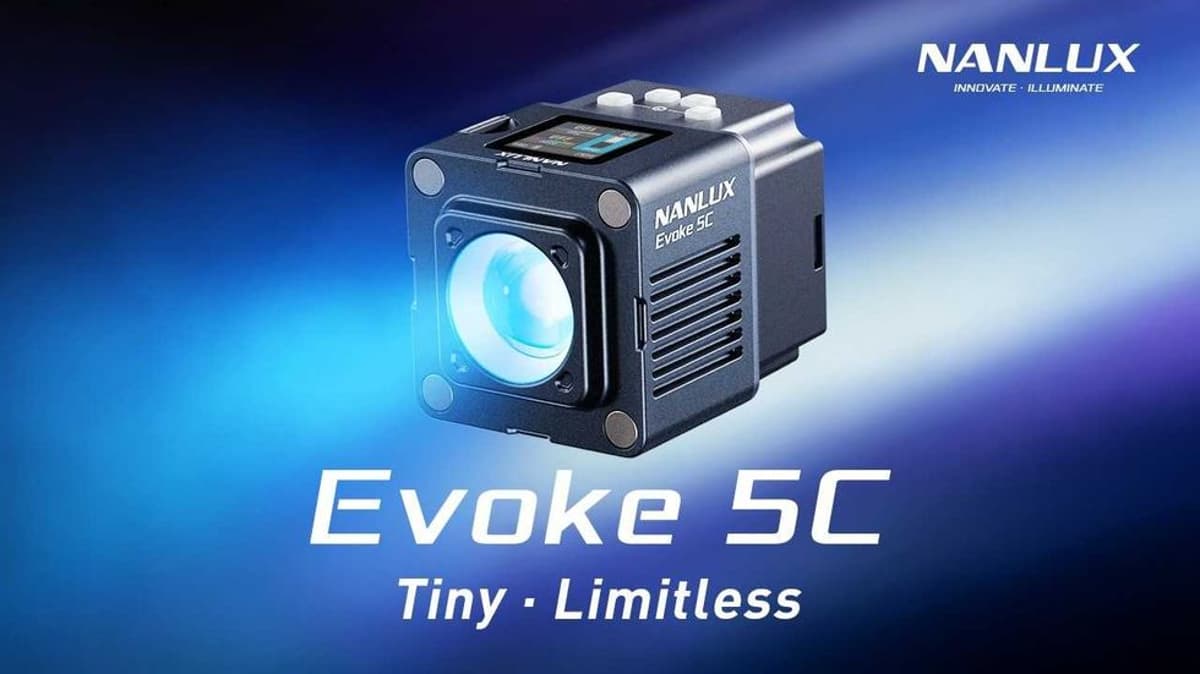
Meet the World’s Smallest Professional 8-Color Spotlight, the New Nanlux Evoke 5C
Nanlux unveiled the Evoke 5C, the world’s smallest professional 8‑color RGB LED spotlight, at NAB 2026 in Las Vegas. The 6‑watt fixture packs a 1000‑20,000 K color‑temperature range, +/-200 nm green‑magenta tint shift, and Nebula C8 engine into a 2.2 × 1.7 × 1.7‑inch, 5.6‑oz body. It offers IP67...
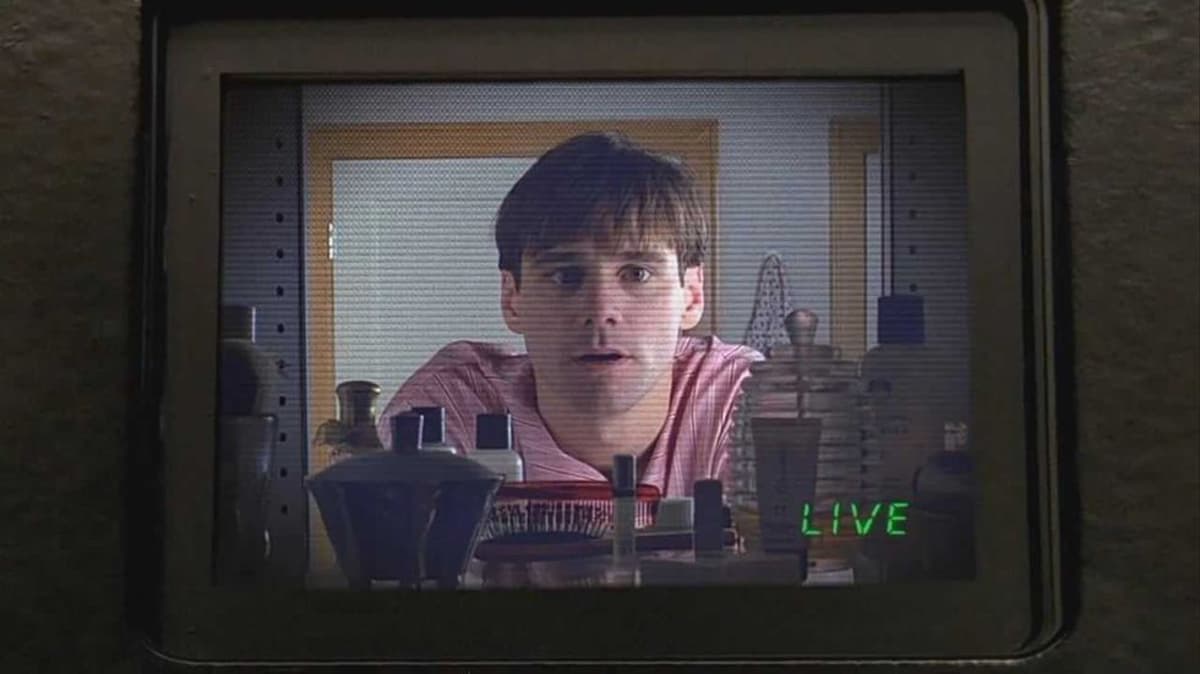
The 8 Best Philosophical Movies of All Time
The article curates eight films that use narrative to explore deep philosophical questions, ranging from classic moral tales like It’s a Wonderful Life to modern sci‑fi meditations such as Blade Runner and The Truman Show. Each entry highlights the core idea the movie tackles—self‑worth, truth,...
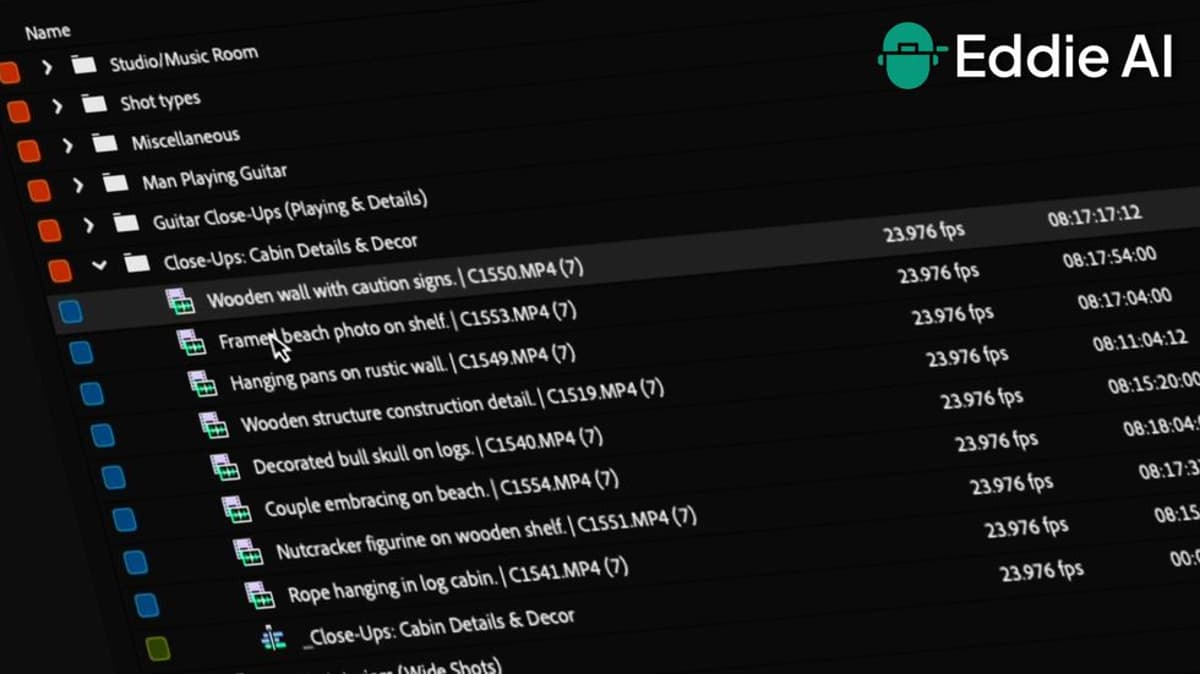
Reimagining Post: AI-Powered Rough Cuts Editing Overnight
Eddie AI unveiled version 3 on April 14, 2026, introducing the Night Shift workflow that automatically logs, syncs, and assembles a rough cut while footage renders overnight. The AI assistant organizes interviews, B‑roll, and multicam sequences, then exports a ready‑to‑edit project for Adobe...

Eddie AI Introduces Night Shift to Let AI Help Process Footage Overnight After a Shoot Day
Video‑editing platform Eddie AI launched its V3 Night Shift feature, allowing editors to offload footage processing to overnight runs. By texting a link to cloud storage, Eddie automatically ingests, sorts, syncs, logs, and assembles a rough cut, delivering a ready‑to‑edit...

Why Steven Spielberg Fought to Keep 'E.T.' A Standalone Film
Steven Spielberg refused to greenlight a sequel to his 1982 classic "E.T.: The Extra‑Terrestrial," using a contractual clause known as “the freeze” that he earned after the film’s massive box‑office success. He and screenwriter Melissa Mathison even drafted a dark...

How Lord & Miller Are Bringing the Director’s Commentary Back to the Big Screen
TheaterEars has launched "Director's Ears," a mobile platform that lets moviegoers listen to synchronized director commentary while watching a film in the theater. Phil Lord and Christopher Miller recorded the first such track for the sci‑fi release Project Hail Mary,...

The Doorway to Nowhere: Why the Final Shot of ‘The Searchers’ Still Haunts Us
John Ford’s 1956 Western “The Searchers” ends with Ethan Edwards (John Wayne) walking away from his family, a shot that has become iconic for its stark portrayal of isolation. The film subverts traditional Western conclusions by refusing to grant its hero...

Find Some Awesome Savings on These Popular Sony Mirrorless Cameras
No Film School’s latest “Deals of the Week” highlights three Sony Alpha mirrorless cameras at reduced prices: the a7 III for $1,698, the a7 IV for $1,998, and the a7R V for $3,298. All three models are praised for their reliability and hybrid...
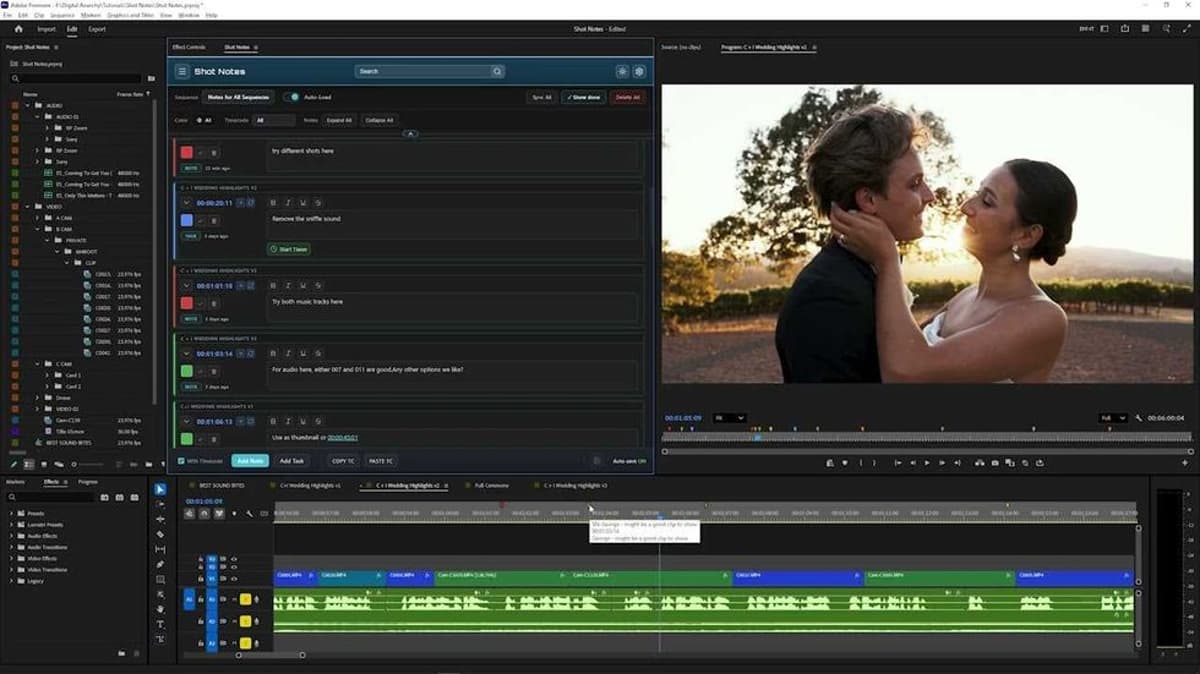
Digital Anarchy Has a New Organization Solution for Task Tracking in Adobe Premiere
Digital Anarchy has launched ShotNotes, a native Adobe Premiere panel that combines note‑taking and task tracking within the NLE. The tool lets editors attach time‑coded notes, link to other sequences or web pages, and generate clickable markers that jump to...

A First Look at Adobe’s Experimental New AI Video Technology MotionStream
Adobe has unveiled MotionStream, an experimental AI video tool that lets creators steer generated footage in real time. The system uses cursors and sliders to adjust object movement, camera angles, and secondary effects as the video renders. Adobe claims the...
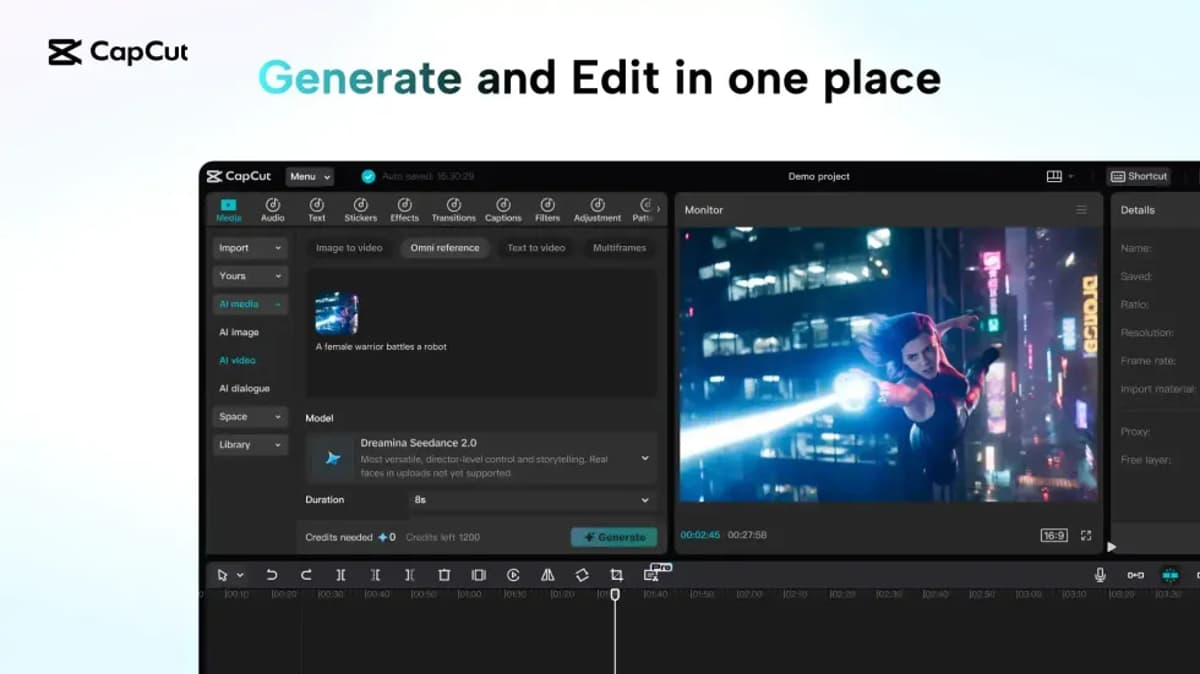
Seedance 2.0: The Most Controversial AI Video Model in the World Just Landed in the US
ByteDance's Dreamina Seedance 2.0 AI video model, once paused amid controversy, is now live for U.S. users through CapCut. The rollout follows a brief global pause and promises integration across CapCut's Video Studio. CapCut emphasizes safeguards, including limits on real‑face...

ARRI and SmallHD Just Teamed Up to Fix One of Focus Pullers’ Biggest On-Set Headaches
ARRI and SmallHD have launched a new Monitor Overlay License for the ARRI Hi‑5 and Hi‑5 SX hand units, enabling on‑screen lens data overlays directly on SmallHD monitors. The license displays focus, iris, focal length, and FocusBug CineRT information in customizable...

Two Worlds, One Truth: ‘Pan’s Labyrinth’ Ending Explained
Guillermo del Toro’s 2006 fantasy‑war drama Pan’s Labyrinth ends on an ambiguous note, offering two plausible outcomes: a triumphant escape to an underworld kingdom or a tragic death in fascist‑ridden Spain. The film juxtaposes Ofelia’s three magical tests with Captain Vidal’s brutal...

The Legal Fallout: 9 Movie Scenes That Sparked Lawsuits
A recent roundup highlights nine film cases where studios faced lawsuits over alleged plagiarism, unauthorized likenesses, defamation, and unsafe set practices. Notable settlements include a $760,000 payout to Crispin Glover after his likeness was replicated in *Back to the Future...

The ‘Coach Carter’ Speech: Unpacking “Our Deepest Fear”
The climactic moment in Coach Carter (2005) finds Timo Cruz reciting a passage that has become iconic: “Our deepest fear is not that we are inadequate…”. Though many assume the line was written for the screenplay, it actually originates from...

Top 7 Highest-Grossing Disaster Movies Of All Time
The article ranks the seven highest‑grossing disaster films, highlighting James Cameron’s Titanic as the genre leader with $2.22 billion worldwide. It lists Independence Day, Gravity, War of the Worlds, Armageddon, World Z and Twister, each surpassing $490 million in box‑office receipts. The piece...

9 Movies With the Most Oscar Nominations Ever: The All-Time Leaders
The article lists the nine films that hold the record for the most Academy Award nominations, highlighting Ryan Coogler’s horror‑blaxploitation Sinners (2025) with a new high of 16 nods. Four classic titles—All About Eve, Titanic, La La Land, and Gone with the Wind—each...

How a $30K Animated Indie Scored a Theatrical Run — Then Landed on HBO
Animator Julian Glander produced the feature-length indie animation "Boys Go to Jupiter" on a shoestring $30,000 budget, leveraging Blender and a small team. The film debuted at the Tribeca Film Festival, then toured over 50 festivals, earning screening fees and...

7 Highest-Grossing Animated Movies of All Time
Animated cinema has broken past the kids‑only stereotype, delivering blockbuster revenues that rival live‑action releases. The 2025 Chinese sequel Ne Zha 2 leads the list with over $2.21 billion, followed by Disney’s Zootopia 2 and Pixar’s Inside Out 2, each surpassing $1.6 billion. Sequels dominate...

You Can Now Get a 1-Year Standalone Subscription to Adobe Firefly for Just $99
Adobe has launched a standalone Firefly Standard subscription priced at $99 for one year. The plan grants users access to a suite of generative AI models from Adobe, Google, OpenAI, Runway and others, plus 2,000 monthly generative credits for creating...

Camera Rumors: Is Sony About to Announce a Full-Frame Sensor Capable of 10K Video?
Sony is reportedly developing a new 67‑megapixel full‑frame sensor that could record video at up to 10K resolution, with 60 fps readout and support for 8K60p and 4K120p. The sensor may employ a partially stacked architecture, 3.6 µm pixel size, and a...

27 Oscar-Nominated Films That Used DaVinci Resolve for Editing, Grading, and VFX
Blackmagic Design released a list of 27 Oscar‑nominated films that used DaVinci Resolve for editing, color grading, visual effects, or audio post‑production. The titles span blockbusters, documentaries, and short films, illustrating Resolve’s reach across diverse genres. Colorists from leading post houses...

This New DaVinci Resolve Tool Aims to Help Editors Avoid the “B-Roll Time Sink”
The B‑Roll Fade & Finish PRO System is a new DaVinci Resolve add‑on that streamlines cropping, styling, and animating b‑roll footage. Created by Alejandro Urman, the tool bundles a redesigned crop interface, preset starter pack, bulk preset manager, and comprehensive...

10 Highest-Grossing Sports Movies of All Time: A New Champion
The 2025 film F1, starring Brad Pitt, has claimed the top spot as the highest‑grossing sports movie of all time, pushing the genre’s box‑office ceiling higher than ever. The list’s other entries range from Hollywood classics like Rocky IV and the Cars...

Director Amy Wang Reveals the Job That Keeps Filmmakers Working After Film School
Director Amy Wang discusses her debut feature Slanted, which premiered at SXSW 2025, won the Grand Jury Prize, and secured a theatrical release for 2026. She credits her AFI education and the Los Angeles creative community for providing the discipline and...

New Hollywood Study Finds a Surprising Box Office ‘Sweet Spot’ for Diverse Casts
UCLA’s 2026 Hollywood Diversity Report examined 109 English‑language releases from 2025 and identified a clear financial sweet spot for on‑screen diversity. Films whose casts were 41 %‑50 % BIPOC achieved the highest median global ($117.1 M) and domestic ($52.6 M) box‑office receipts, widest theatrical...

Transform Your Script Into a Living Universe With This New Production OS
Asteria’s Research & Technology Division unveiled Continuum Suite, an operating system that turns scripts into fully coordinated productions. The platform automatically breaks down scripts, builds production databases, generates schedules, storyboards, and call sheets, and syncs updates across cast and crew....

TTArtisan’s Popular 17mm F/4 Tilt-Shift Lens Is Finally Getting More Mount Options
TTArtisan has expanded its 17mm f/4 tilt‑shift lens to include Nikon Z, Canon RF and L‑mount versions, joining the existing Sony E and Fujifilm X mounts. The ultra‑wide prime offers ±8° of tilt and ±8mm of shift, full‑frame coverage, and...
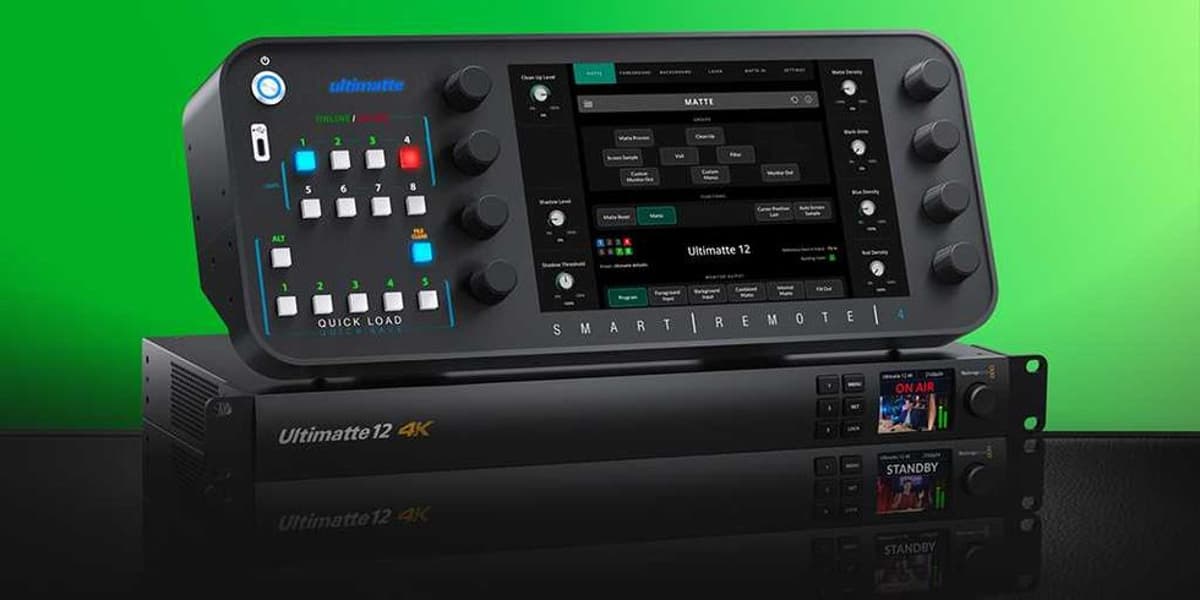
Blackmagic Design Introduces a New, Lower-Cost Ultimatte Smart Remote
Blackmagic Design has launched the Ultimatte Smart Remote 4 G2, a lower‑cost controller that retains the full feature set of its predecessor while dropping the price to $2,579. The device can manage up to eight Ultimatte 12 processors over 10/100/1000 Mb/s Ethernet and now...

Reclaiming Distribution: A Modern Indie Release Strategy
Gille Klabin, after a traditional distributor release of his debut, chose self‑distribution for his $296,000 horror‑comedy “Weekend at the End of the World.” He partnered with aggregator Bitmax for technical delivery, kept full rights, and used data‑driven micro‑ads, tiered pricing,...

What Is a First-Look Deal?
The article defines a first‑look deal as a contract where a creator gives a studio the right of first refusal on any new project, in exchange for a holding fee, office space, and development support. It outlines the step‑by‑step process—pitch,...

‘The Blair Witch Project’ Campaign That Convinced People the Movie Was Real
The Blair Witch Project’s 1999 launch hinged on a guerrilla marketing campaign that presented the fictional disappearance of three student filmmakers as a real event. Directors Daniel Myrick and Eduardo Sanchez built a faux‑documentary narrative, complete with missing‑person posters, a...

‘Send Help’ Producer Zainab Azizi’s Studio Filmmaking Playbook
Producer Zainab Azizi recounts her rise from a WME mailroom clerk to president of Raimi Productions, detailing how she shepherded the original comedy Send Help from a 2019 logline to a theatrical release. She explains moving the project from Columbia...

The Bus Flip: How ‘The Dark Knight’ Used Action to Reveal an Antagonist
Christopher Nolan’s *The Dark Knight* introduces the Joker through a high‑octane bank heist rather than dialogue, using the bus‑flip sequence to expose the villain’s chaotic genius. The opening action reveals the Joker’s meticulous planning, ruthless manipulation of his crew, and...

The Blue Box in ‘Mulholland Drive’ Isn’t What You Think
The blue box and accompanying blue key in David Lynch’s “Mulholland Drive” serve not as literal plot devices but as symbolic thresholds between the protagonist’s dream world and her grim reality. When Rita opens the box, the camera plunges into...
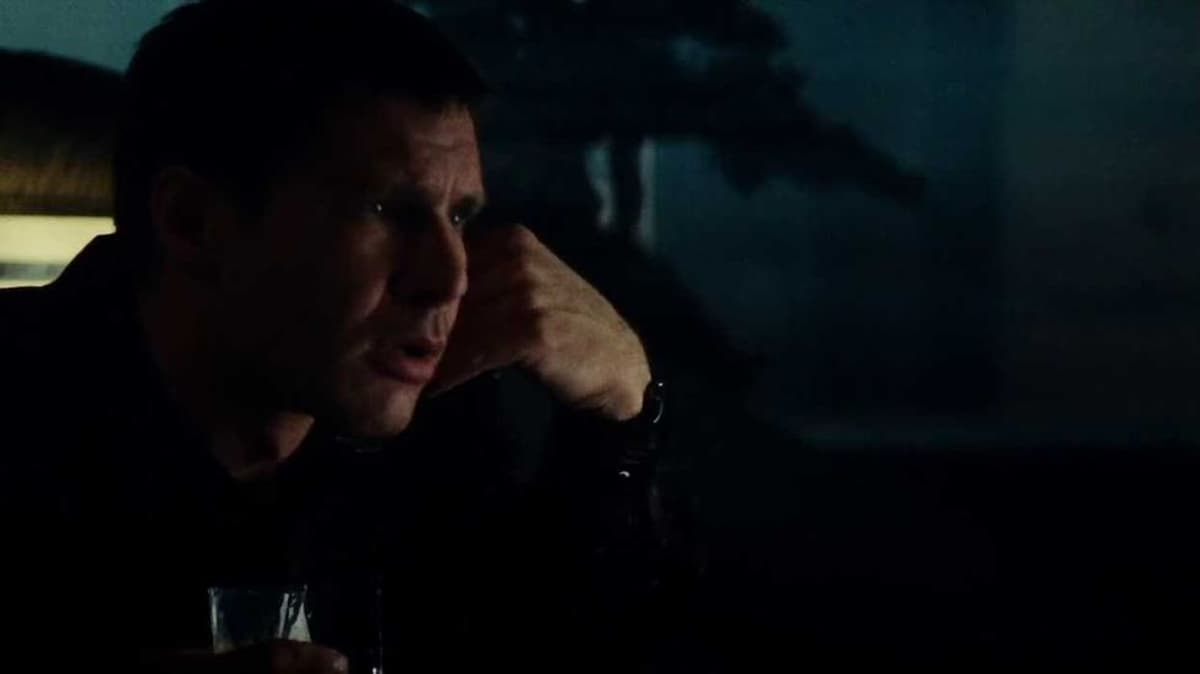
Photo Reveal: The Most Misunderstood Scene in ‘Blade Runner’
The article reexamines Blade Runner’s Esper scene, arguing that its purpose is not to showcase futuristic tech but to explore how belief shapes memory. While the visual effect appears to let Deckard extract hidden depth from a photograph, the film...
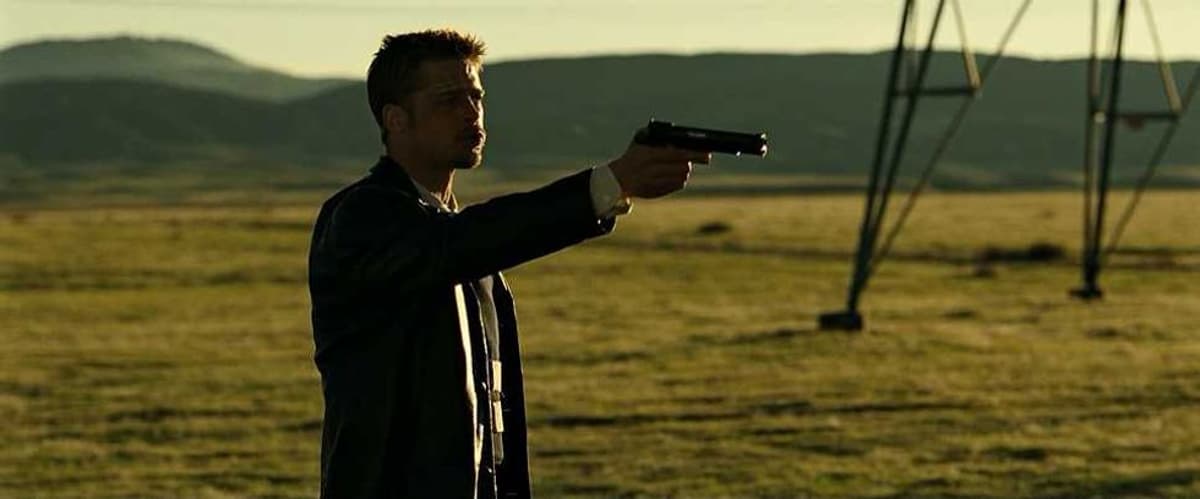
How a Clerical Error Saved 'Se7en' Its Iconic Twist Ending
David Fincher’s 1995 thriller *Se7en* survived a near‑fatal script mishap when his agent sent him the original, un‑sanitized draft instead of a studio‑approved version. The draft contained the now‑iconic climax where Detective Mills discovers his wife’s head in a box,...
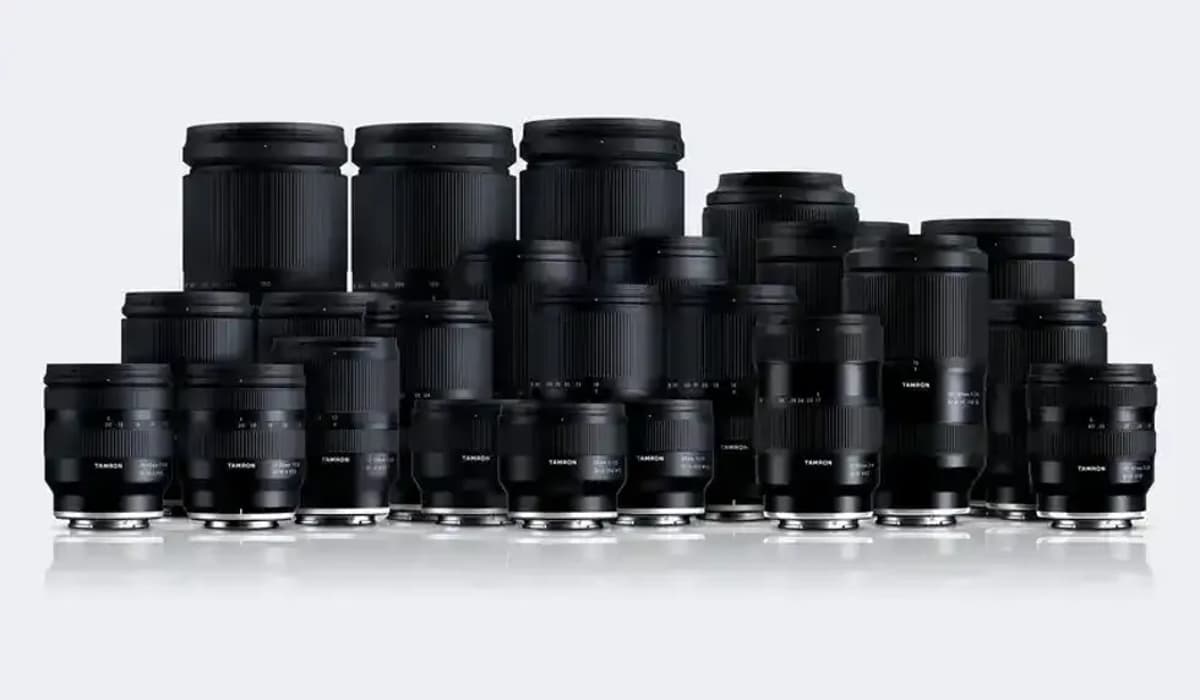
Up to 10 New Tamron Lenses Could Be Coming in 2026
Tamron’s latest Japanese financial report hints at a rollout of up to ten new interchangeable lenses in 2026, building on a busy 2025 that introduced the 16‑30mm f/2.8 and 25‑200mm f/2.8‑5.6 models. The prospective lineup would span Sony E‑mount, Nikon Z‑mount, Canon...

Roger Deakins Pulls Back the Curtain on How He Actually Thinks About Shots
Renowned cinematographer Roger Deakins released his new book, *Reflections: On Cinematography*, co‑authored with his wife James Ellis Deakins. The memoir pulls back the curtain on his creative process, from deciphering story emotions to choosing light and composition. Deakins also warns...
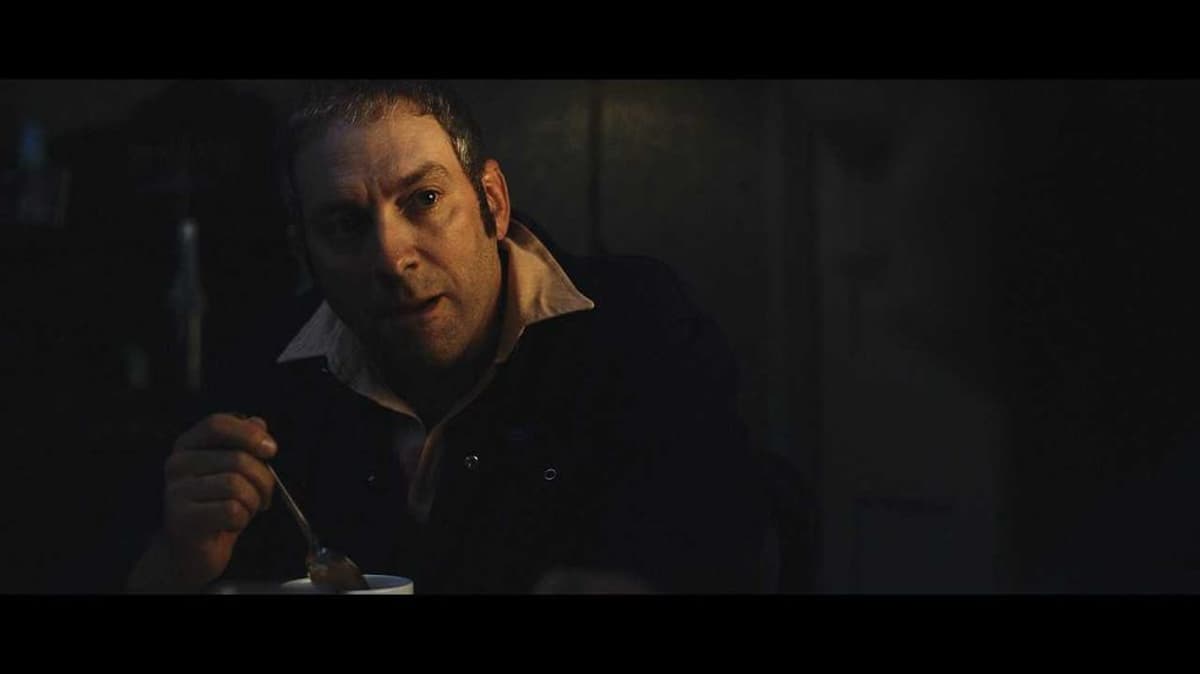
What Does 17K Really Look Like? Blackmagic Shares Raw URSA Cine 17K 65 Footage
Blackmagic Design released raw footage from the URSA Cine 17K 65, captured in the period short film “To Fly or Float.” The film, shot by cinematographer Ben Saffer with Cooke Panchro 65/i lenses, showcases the camera’s 65 mm RGBW sensor and 17,520 × 8,040...

How to Find a Screenwriting Partner
Screenwriters increasingly turn to collaborators to break creative blocks and broaden perspective. Industry experts stress that partnerships should stem from complementary strengths, not a desire to offload work, and require clear ground rules for feedback and revisions. Effective avenues for...

Paul Thomas Anderson Breaking Down a 'Battle of Algiers' Clip Is Basically a Full Film School Curriculum
Paul Thomas Anderson sat down with TCM’s Ben Mankiewicz to dissect two cinematic touchstones—Gillo Pontecorvo’s *The Battle of Algiers* and John Ford’s *The Searchers*—and explain how they inform his latest film, *One Battle after Another*. He highlighted the guerrilla‑training reputation of *Algiers*...

Take a Look at the First Viltrox L-Mount Lens With This Ultra-Fast, Full-Frame Prime
Viltrox has released its first native L‑mount lens, the AF 16mm f/1.8 FE, marking the brand’s full entry into the Leica‑compatible ecosystem. The ultra‑wide, full‑frame prime features a fast STM autofocus motor, silent aperture ring, all‑metal weather‑sealed construction, and a built‑in...
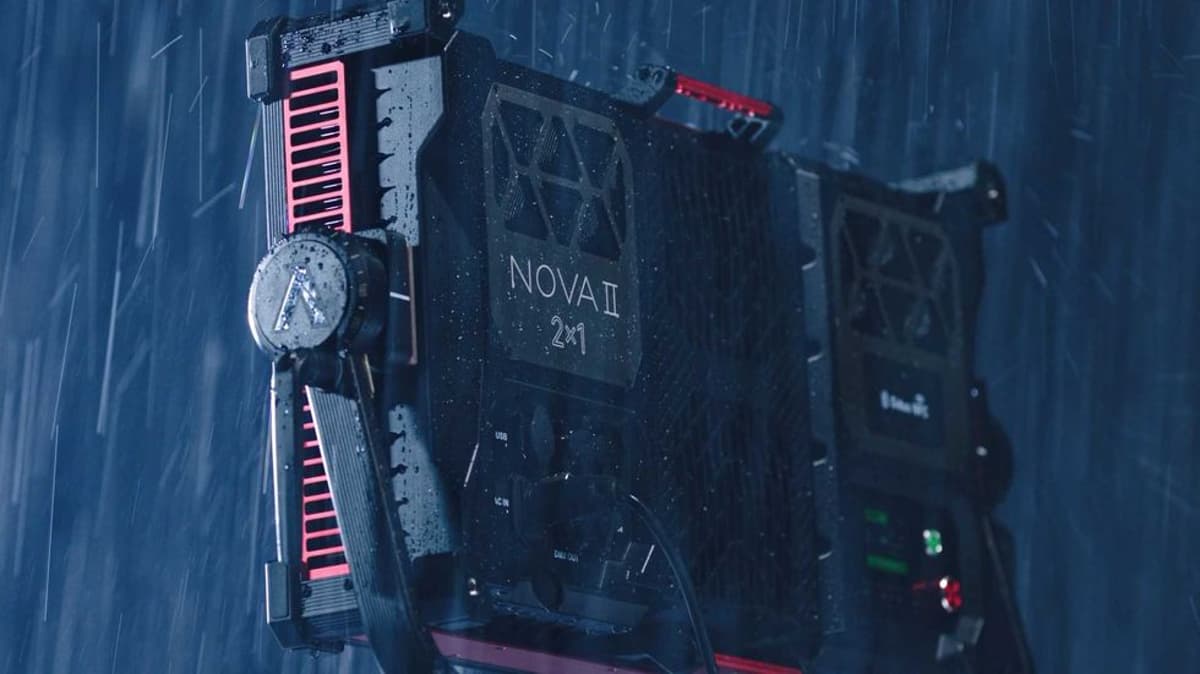
Don’t Wait, Get These Major Firmware Updates Installed for These Aputure Lighting Fixtures
Aputure has rolled out a batch of firmware updates covering its entire STORM, NOVA II, and NOVA 9° lighting families. The updates introduce major features such as improved NFC performance, new manual fan control modes, HSIC+ coarse/fine adjustments, and enhanced...

More Than Just a Party: Decoding the Symbolism of Bad Bunny’s Super Bowl LX Halftime Show
Bad Bunny turned the Super Bowl LV halftime show into a cultural showcase, becoming the first solo Spanish‑language headliner in the event’s history. He infused the performance with Puerto Rican symbols—jíbaro hats, exploding power poles, and a miniature "casita"—to highlight...
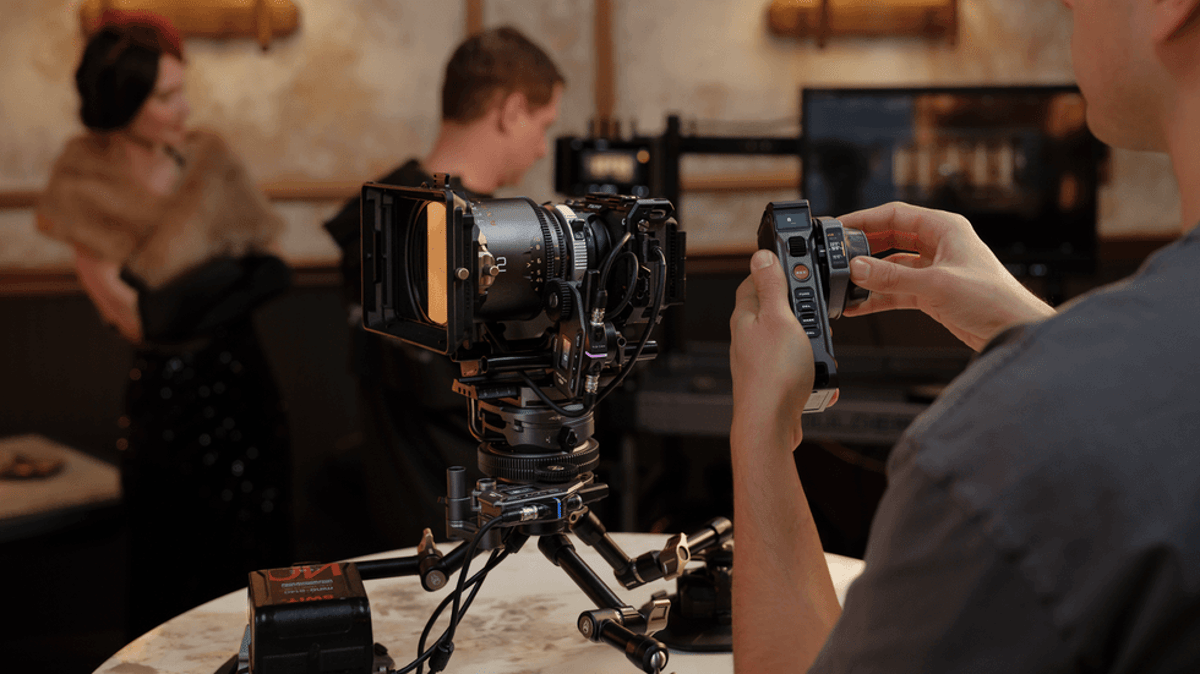
Bring Modern Autofocus Performance to Your Classic Manual Cinema Lenses With This New AF Adapter
Tilta has launched the Nucleus Autofocus Adapter, a device that adds modern phase‑detect autofocus to classic manual PL cinema lenses when used on Sony E‑mount cameras. The adapter translates the camera’s native AF data to external Nucleus‑M II or Nano II focus...