
Recent Posts
News•Mar 1, 2026
Space Station Experiment Shows Microbes Can Mine Valuable Metals In Orbit
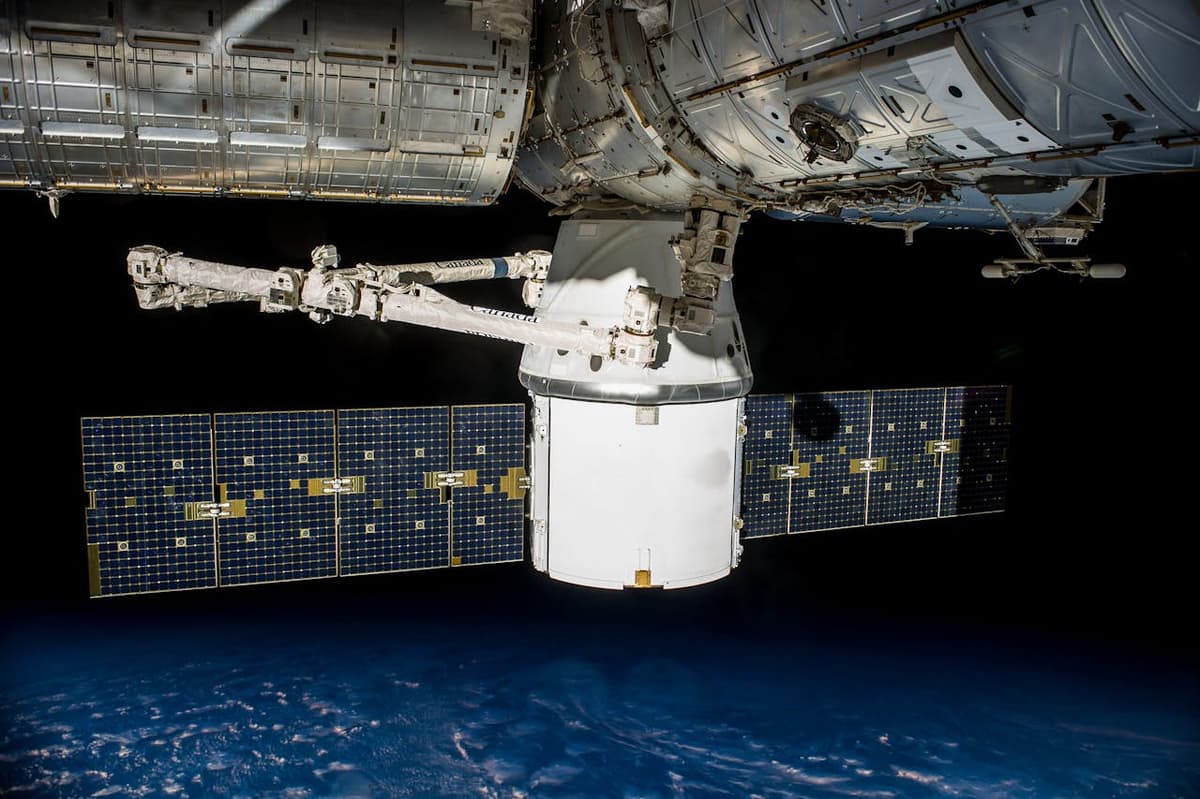
Researchers aboard the International Space Station grew the fungus Penicillium simplicissimum with powdered meteorite and recovered measurable palladium, marking the first successful orbital biomining of a precious metal. The fungal cultures outperformed a bacterial counterpart, extracting 18 of 44 measured elements from the rock. Microgravity altered fluid dynamics and fungal metabolism, boosting organic‑acid production that facilitated metal leaching. The findings demonstrate that living systems can actively process extraterrestrial resources, a key step toward in‑situ resource utilization for deep‑space missions.
By Orbital Today
News•Mar 1, 2026
New ESA Contract Targets Small, Fast-Moving Space Junk Beyond Ground Radar Reach
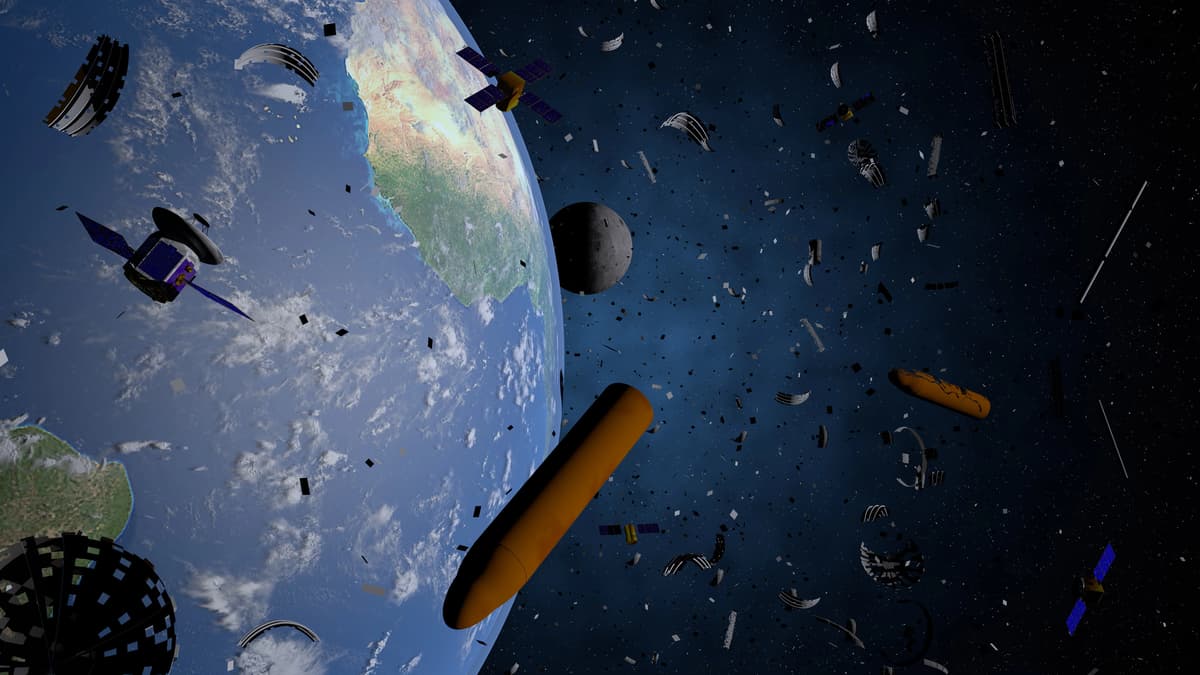
The European Space Agency has signed a data‑procurement contract with Munich‑based Vyoma to receive space‑based observations of small, fast‑moving debris. Vyoma’s Flamingo‑1 satellite, orbiting at 510 km, will deliver bulk traffic data that ESA will use to validate and enhance its...
By Orbital Today

News•Mar 1, 2026
Rebecca Evernden Takes Helm Of New UK Space Agency Ahead Of April Launch
Rebecca Evernden has been appointed Director of the newly restructured UK Space Agency, which will merge into the Department of Science, Innovation and Technology (DSIT) in April. A decade‑long space policy specialist, she previously led legislation for vertical launches, helped...
By Orbital Today
News•Feb 28, 2026
SpaceX Sets A New Reuse Record With The Falcon 9 Rocket
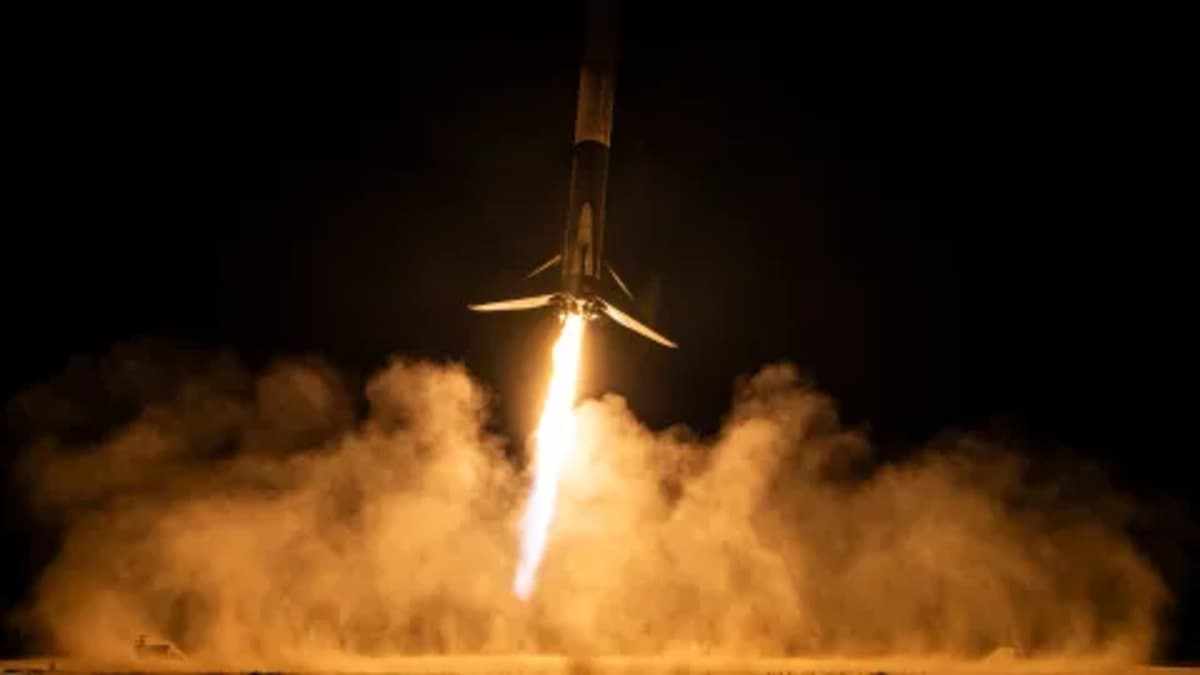
SpaceX on 21 February 2026 set a new reuse milestone as a Falcon 9 first‑stage booster completed its 33rd successful flight, surpassing its own previous record. The dual launch from California and Florida deployed 53 new Starlink satellites, expanding the broadband constellation. Reusing...
By Orbital Today
![[VIDEO] ESA Unveils OMLET System That Fires High-Power Lasers To Stop Orbital Collisions](/cdn-cgi/image/width=1200,quality=75,format=auto,fit=cover/https://orbitaltoday.com/wp-content/uploads/2026/02/Geostationary_orbit_pillars.jpg)
News•Feb 27, 2026
[VIDEO] ESA Unveils OMLET System That Fires High-Power Lasers To Stop Orbital Collisions
The European Space Agency unveiled OMLET – Orbit Maintenance via Laser Momentum Transfer – a ground‑based laser system designed to nudge low‑Earth‑orbit debris instead of burning satellite fuel. The project has moved from feasibility to Phase A/B1 design, where engineers are...
By Orbital Today

News•Feb 27, 2026
Hackers Tricked by Fake Satellite in Groundbreaking Cybersecurity Sting
Researchers unveiled HoneySat at NDSS 2026, the first high‑interaction satellite honeypot that mimics an entire CubeSat mission, including ground‑segment software and orbital dynamics. In three public deployments, attackers issued 22 authentic flight‑software commands, attempting to access ground systems, extract telemetry,...
By Orbital Today

News•Feb 27, 2026
The UAE Successfully Launched Its First Hybrid Rocket
The United Arab Emirates successfully launched its first domestically built hybrid sounding rocket on 13 February 2026, achieving a 3 km altitude and safe recovery. Developed by the Technology Innovation Institute, the vehicle uses a nitrous‑oxide and solid polyethylene propulsion system...
By Orbital Today

News•Feb 25, 2026
Aitech and Teledyne Power Next-Gen Space Missions with AI-Ready SP1 Computer
AI‑ready Aitech SP1 single‑board computer now incorporates Teledyne e2v’s QLS1046 space‑qualified SoC. The chip features four 64‑bit Arm Cortex‑A72 cores, DDR4 memory with error correction, and radiation tolerance up to 100 krad, enabling reliable operation in LEO, GEO, lunar and deep‑space...
By Orbital Today

News•Feb 25, 2026
Ukraine Eyes Starlink Replacement, Files for Satellite Constellation
Ukraine has begun the international regulatory process for its own low‑Earth‑orbit communications network, UASAT‑NANO, filing with the ITU in December 2025. The first satellite is scheduled for an October 2026 launch on a SpaceX vehicle, with full deployment starting in...
By Orbital Today

News•Feb 25, 2026
China’a Ispace Breaks Records As It Raises $730m To Develop Reusable Rocket
Chinese private aerospace firm Ispace announced a $730 million financing round, the largest ever raised by a Chinese aerospace startup. The capital will fund the development of its reusable methalox Hyperbola‑3 launch vehicle and expand launch, sea‑recovery, and testing capabilities. Ispace...
By Orbital Today
Deals•Feb 25, 2026
Ispace Raises $730M in Record-Breaking Funding Round to Develop Reusable Rocket
Ispace, a Chinese private aerospace firm, announced a record $730 million fundraising round, the largest in China’s private aerospace sector. The round was led by Cowin Capital and Jingming Capital, with participation from Spring Partners, Chengdu Industry Group and Qianlima Capital,...
Orbital Today

News•Feb 23, 2026
Britain To Fire Solar Power From Orbit To Antarctica In Energy First
Britain’s Space Solar is preparing to beam electricity from orbit to the British Antarctic Survey’s Rothera Research Station, replacing diesel generators with space‑based solar power. The project will use satellites that convert sunlight into microwave beams received by a rectenna...
By Orbital Today

News•Feb 22, 2026
Europe Plans ‘Space Shield’ to Defend Satellites and Counter Drone Threats
The European Commission announced a European Space Shield slated for launch in mid‑2026, aiming to protect EU satellites and space services from emerging threats. The plan couples civilian and military space assets into a coordinated network and tackles the surge...
By Orbital Today

News•Feb 22, 2026
China’s AI War Machine Exposed: 9,000 PLA RFPs Reveal Space And Undersea Ambitions
A CSET report analyzing over 9,000 PLA procurement notices from 2023‑24 shows China actively seeking artificial‑intelligence tools for space domain awareness, under‑sea surveillance, data‑fusion decision support, and synthetic media operations. The RFPs call for algorithms that determine satellite orbits, recognize...
By Orbital Today

Deals•Feb 9, 2026
The Exploration Company (TEC) in Advanced Talks to Acquire UK Rocket Maker Orbex
German‑French space startup The Exploration Company (TEC) is in advanced negotiations to acquire British rocket manufacturer Orbex, a move that would consolidate Europe’s small‑launch market. The potential acquisition has drawn scrutiny due to TEC’s leadership ties to Russian space entities,...
Orbital Today

Deals•Feb 1, 2026
IN-SPACe Provides ₹350 Crore Loan to PixxelSpace India-Led EOS Consortium
The Indian space regulator IN‑SPACe signed a PPP agreement with a consortium led by PixxelSpace India, providing a ₹350 crore loan to fund the development of a 12‑satellite Earth Observation constellation. The deal, announced on Wednesday, marks a major public‑private partnership...
Orbital Today

Deals•Jan 19, 2026
Mitsubishi Corporation Invests in Starlab Space, Becoming Key Customer and Board Member
Mitsubishi Corporation announced it will pre-purchase capacity on Starlab Space’s upcoming commercial space station and increase its equity investment in the company, joining Starlab’s board of directors. The partnership gives Mitsubishi rights to payload space and laboratory access, supporting Japanese...
Orbital Today