
Malpractice Insurance Is Not Built for the New Healthcare Order | Out-Of-Pocket
Malpractice insurance in the U.S. remains largely unchanged, but rising AI use and the growth of concierge and longevity clinics are reshaping risk. Premiums already vary dramatically—up to five times higher for surgeons or OB/GYNs in high‑claim states like Florida and New York. The article explains how the legal definition of "standard of care" is jury‑driven and increasingly ambiguous as doctors adopt continuous monitoring and experimental treatments. Future articles will examine how AI will force carriers to rethink underwriting.

Severe Mental Illness and the Firsthand Approach | Out-Of-Pocket
firsthand uses peer‑led teams, care navigators and data‑science tools to engage Medicaid members with severe mental illness. The company partners with Managed Medicaid plans, earning fees only when it successfully engages a member and generates medical savings, with some markets...

Some Sick Wearable Projects | Out-Of-Pocket
Out‑of‑Pocket Health showcased seven new healthcare wearables built in a 36‑hour hackathon, ranging from a child‑focused AI companion to an ambient delirium detector and a smart‑glass wound‑assessment tool. The projects leverage existing consumer devices such as Oura, WHOOP, and Meta...
How AI Will Change (Healthcare) Jobs | Out-Of-Pocket
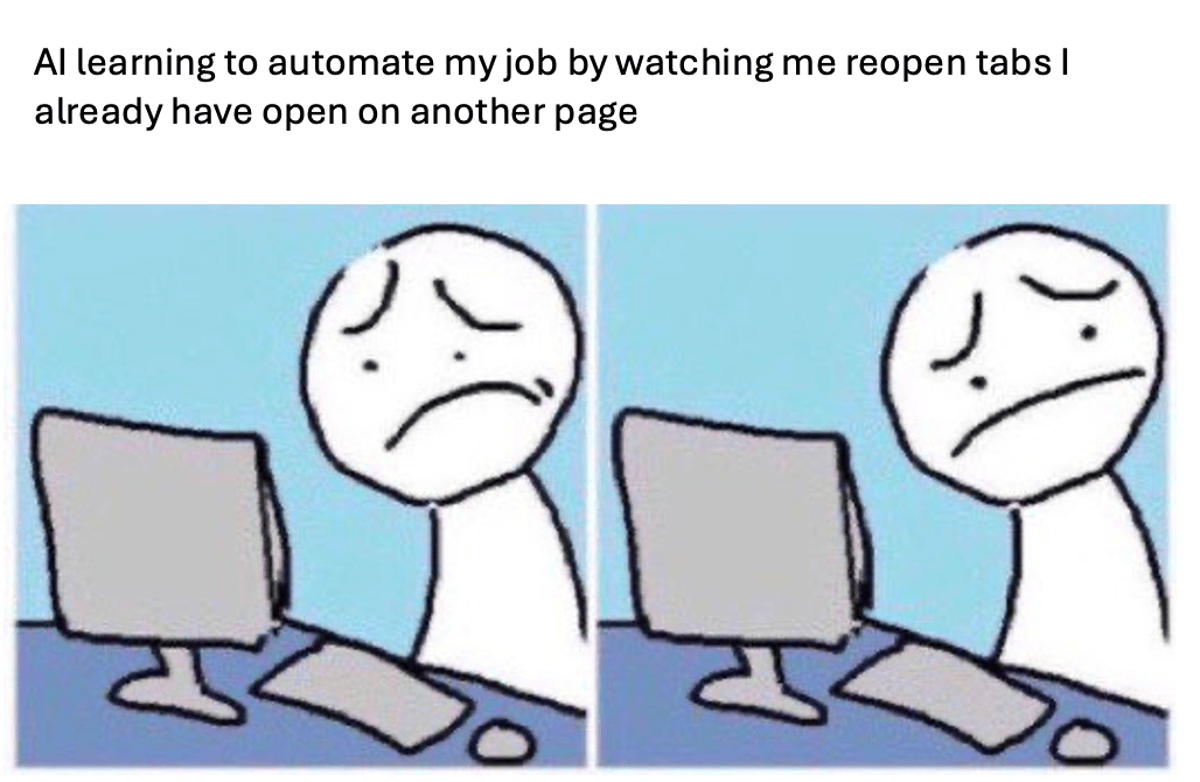
Basata secured a $21 million Series A to deploy AI agents that answer calls, schedule appointments, and process referrals for specialty practices, serving over 500,000 patients nationwide. The article argues that healthcare is ahead of other sectors in adopting AI‑driven work surveillance,...
Provider Data Management - A Niche but Important Problem | Out-Of-Pocket
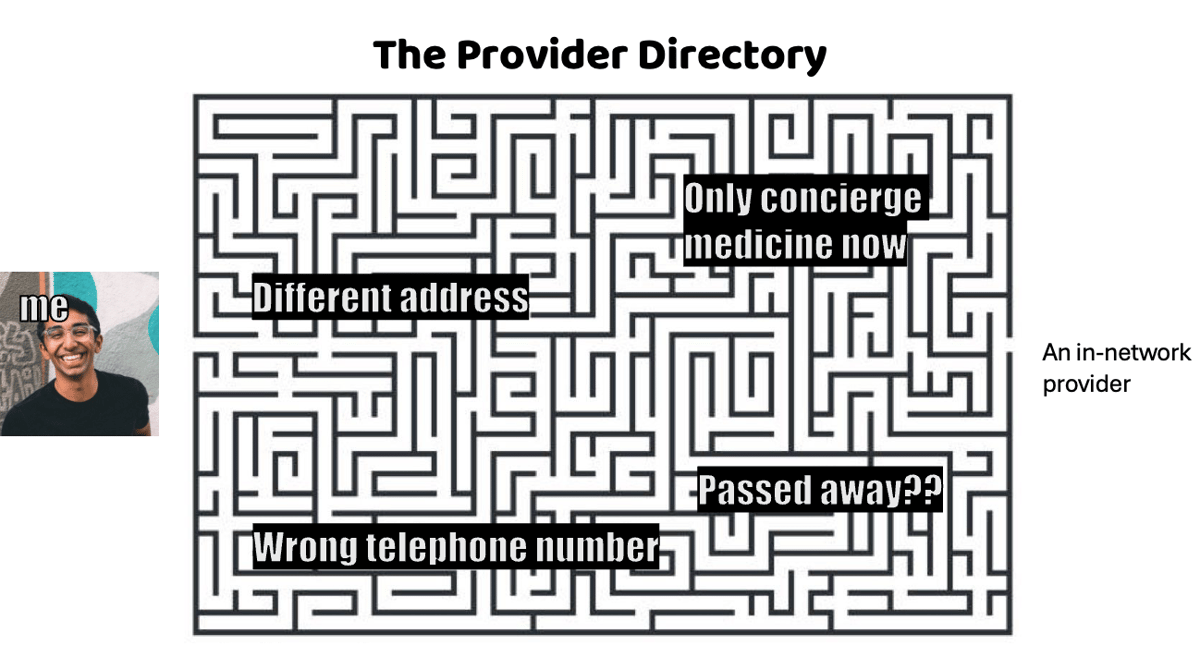
CertifyOS tackles the chronic problem of inaccurate provider directories by aggregating data from rosters, CAQH, NPPES, state boards and the providers themselves into a unified, AI‑enhanced golden record. The platform normalizes disparate feeds, tracks changes with audit logs, and offers...

Advertising to Doctors - Okay or Not? | Out-Of-Pocket
OpenEvidence and DoxGPT are offering free, AI‑driven literature‑review tools for physicians, funded by advertising. The model shifts costs from doctors to pharma, potentially lowering barriers compared with subscription services like UpToDate, which charge $550 per physician annually. Clear separation and...

The Curious Case of Professional Employer Organizations | Out-Of-Pocket
Professional Employer Organizations (PEOs) act as co‑employers, taking over payroll, HR, and benefits for small businesses. By aggregating thousands of workers, they secure large‑group health‑insurance rates that would be unavailable to individual firms. Clients pay a flat fee of roughly...

Licensing and Credentialing Nonsense with Assured | Out-Of-Pocket
Assured offers a software platform that combines AI‑driven automation with credentialing experts to streamline provider licensing, credentialing, and payer enrollment across multiple states. The service automates data collection, screen‑scrapes portals, and manages follow‑up, charging a base SaaS fee plus usage‑based...

Out-Of-Pocket’s 2025 Predictions | Out-Of-Pocket
Out‑Of‑Pocket’s 2025 outlook forecasts a turning point for several health‑care segments. Obesity drugs such as GLP‑1s are expected to become cost‑effective as pricing pressure and outcomes‑based contracts expand access. AI models will split, with healthcare‑specific versions emphasizing explainability, security and...

23andMe, a Healthcare Fund Idea, and the NHS | Out-Of-Pocket
Digital‑health founders struggle with traditional venture financing, prompting a proposed three‑stage fund that blends early equity with royalty‑based repayment to limit dilution. The author suggests 23andMe should merge with or create a biobank to leverage its high‑participation genetic data for...

Sleep Health Is Getting Interesting | Out-Of-Pocket
The sleep health market is merging consumer wearables with clinical diagnostics, creating a surge in demand for at‑home screening and management tools. New devices—from Oura rings to at‑home apnea kits—provide continuous biomarkers that flag issues before formal polysomnography. Telemedicine platforms...

Citizen Fraud Detection, Self-Experimentation, and OOP Updates | Out-Of-Pocket
The post announces three upcoming healthcare courses—payor contracting, LLM applications, and a US healthcare crash course—each with limited enrollment beginning in December and January. It critiques the stagnant fraud‑waste‑abuse detection market, citing data access barriers and weak incentives, and proposes...
Weird Health Insurance Concepts | Out-Of-Pocket
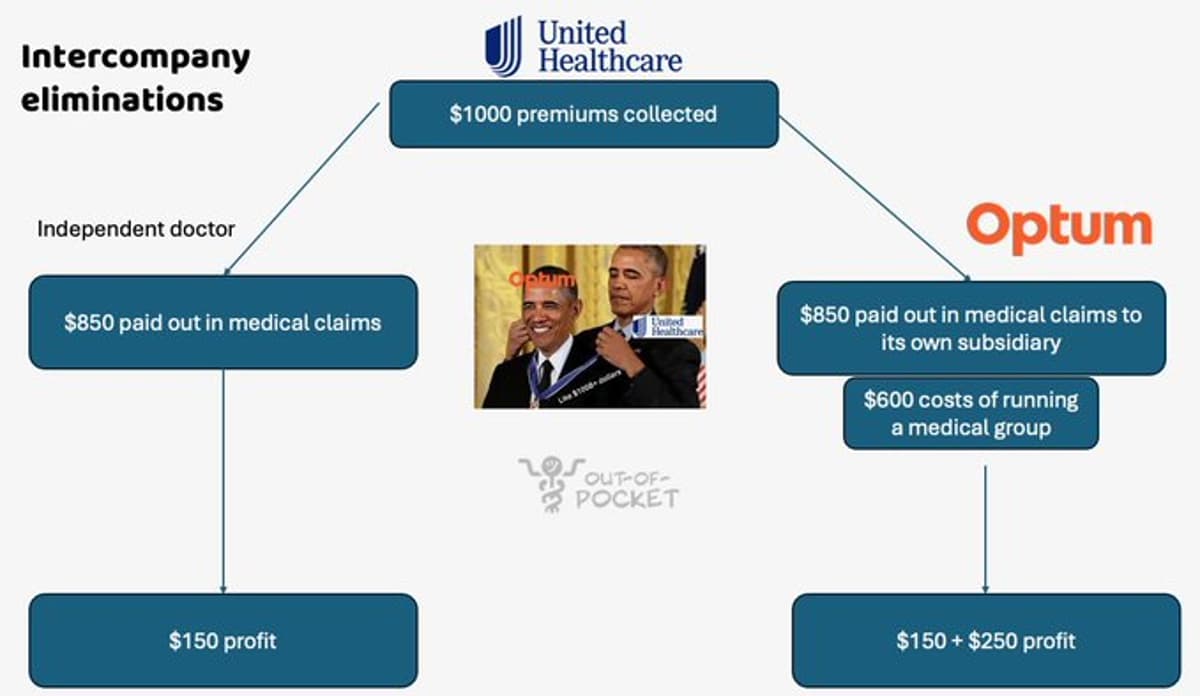
The article explains three emerging health‑insurance tactics—intercompany eliminations, copay accumulators/maximizers, and reference‑based pricing—that reshape cost flows and patient liabilities. Intercompany eliminations let insurers count payments to owned providers toward medical loss‑ratio requirements, effectively boosting margins. Copay accumulators prevent manufacturer coupons...
Open Source in Healthcare Is An Opportunity | Out-Of-Pocket
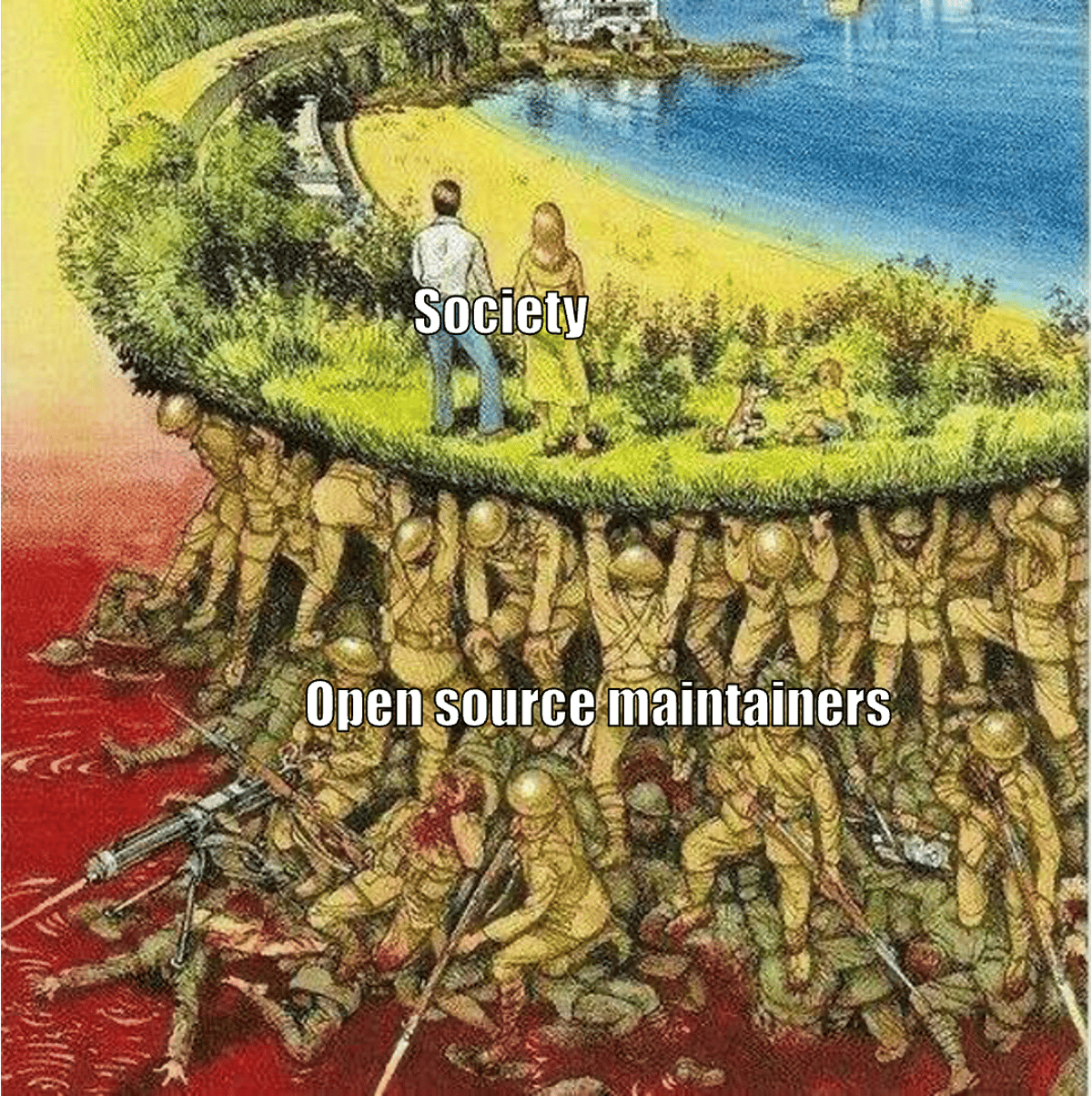
The author argues that open‑source software, a proven engine of innovation, is finally ready to disrupt the heavily proprietary healthcare IT landscape. By exposing code, licenses and community governance, open source can break the pay‑wall model that dominates clinical workflows...
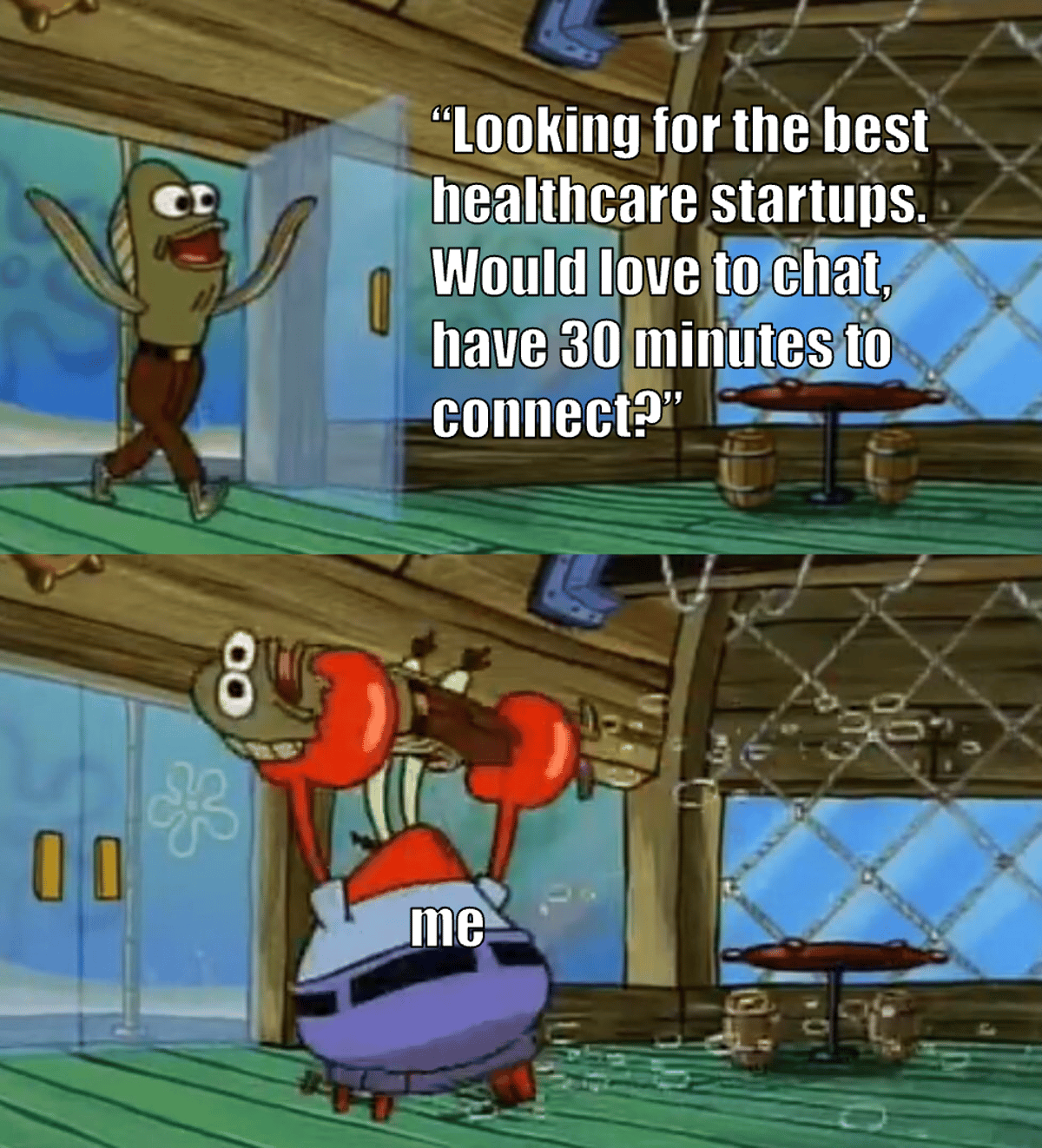
Real Talk if You’re Looking for a Job at a Health Tech Startup | Out-Of-Pocket
The article offers candid advice for professionals targeting health‑tech startup jobs, emphasizing the trade‑off between flashy titles and actual compensation. It stresses the need for candidates to be opinionated, self‑aware of their performance level, and to leverage AI tools for...