
Inside the Unconventional World of Goat Therapy, Where Talking Is Entirely Optional
Blue Sky Farms in the Pacific Northwest now offers goat‑therapy sessions at $50 an hour, where clients interact with baby goats under the guidance of owner Ellen Beaulieu. The farm also runs goat‑yoga classes that routinely sell out, drawing participants from across the Midwest. Beaulieu envisions expanding the property into a sober‑living residence for women, using the animals as therapeutic partners. The model blends non‑verbal animal interaction with traditional counseling to deliver immediate mood lifts and longer‑term self‑reflection.

New Research Finds That Being in Nature Makes You Feel Better About Your Body
A new study of more than 50,000 people in 58 countries links time spent outdoors with higher positive body image and overall life satisfaction. Researchers identified self‑compassion and perceived restoration as the psychological pathways driving this effect. Even a brief...
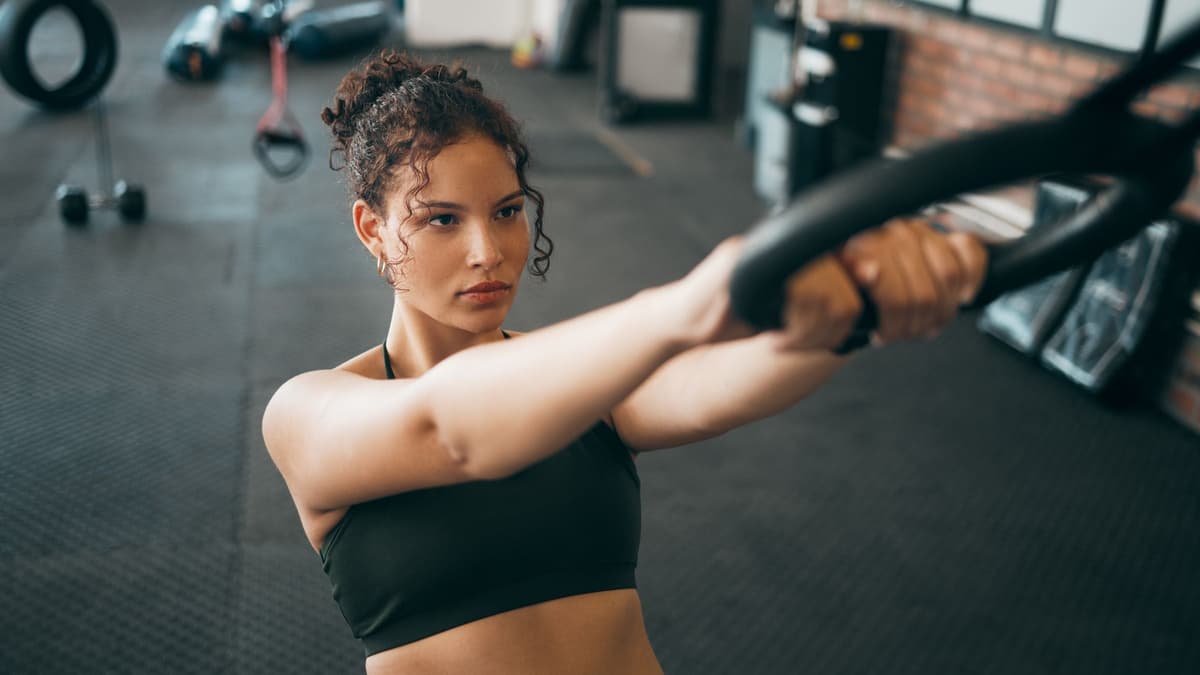
New Research Says the Standard 150 Minutes of Exercise Per Week May Not Be Enough to Substantially Improve Heart Health
A new British Journal of Sports Medicine study of 17,088 UK Biobank participants suggests the standard 150 minutes of moderate exercise per week is only a minimal threshold for heart health. To achieve a substantial (over 30%) reduction in cardiovascular...

7 Functional Fitness Exercises to Help You Move More Efficiently on Outdoor Adventures
Outside Online outlines seven functional‑fitness moves designed to translate gym strength into outdoor performance. The routine targets uphill and downhill hiking, rapid bursts, lateral jumps, balance, pack handling, and grip strength through exercises like dumbbell step‑ups, forward step‑downs, mountain climbers,...

How to Avoid Shin Pain When You Run
Shin pain affects roughly one in five runners and accounts for over half of lower‑leg injuries, disrupting training cycles and overall wellbeing. The article outlines three primary sources—medial tibial stress syndrome (shin splints), tibial stress fractures, and chronic exertional compartment...

Do Women Really Pace Marathons Better than Men?
A new study reexamines the widely‑cited 2015 analysis that claimed women pace marathons better than men. Using the same 91,929‑runner dataset, Tenan and Borg identify statistical quirks and argue that the original 12 % time‑adjustment inflates gender differences. Their revised analysis...
There Are Two GLP-1 Side Effects Your Doctor Doesn’t Know About, and They Can Affect Your Workouts
A new *Nature Health* study used AI to scan 400,000 Reddit posts, finding that roughly 70,000 users were taking GLP‑1 drugs such as Ozempic, Wegovy, or Zepbound. While nausea and fatigue remain the most common side effects, about 4% of...
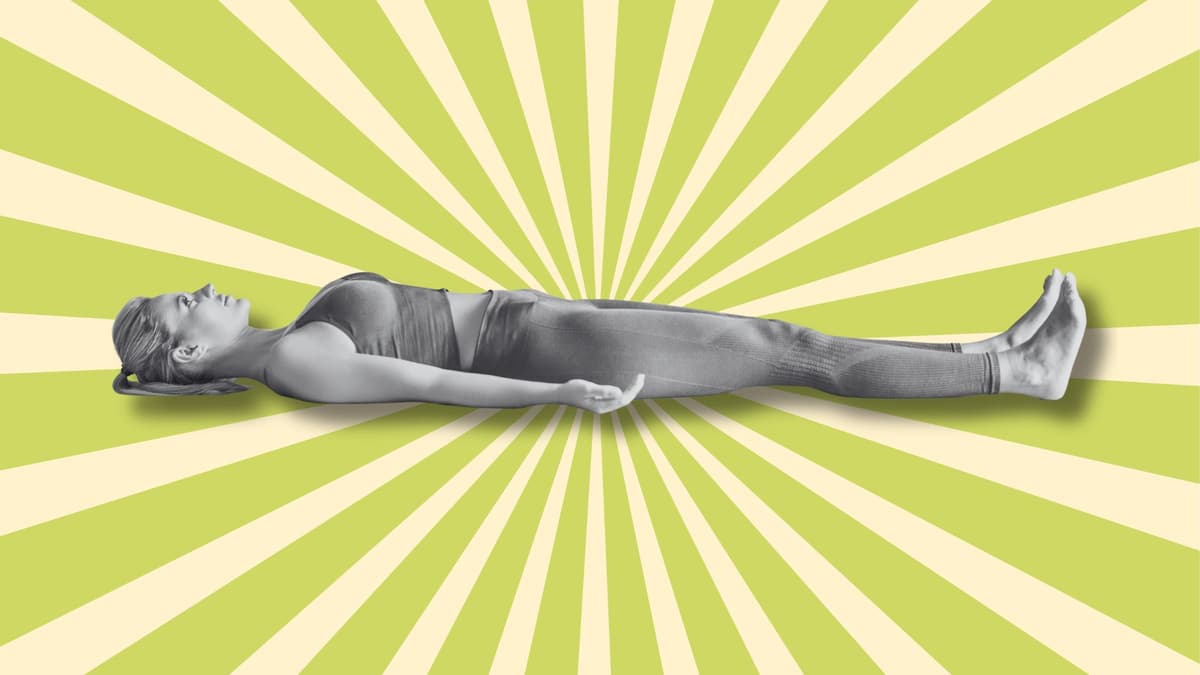
New Research Identifies 4 Exercises You Can Do On Your Back to Improve Posture and Balance
A new study published in PLOS One identifies four simple lying‑down exercises—abdominal contractions, glute bridges, heel pushes, and foot “rock, paper, scissors”—that can improve posture and balance. Participants performed a ten‑minute routine each day for two weeks, and researchers recorded measurable...

I’m a Registered Dietitian. These Are the Best Protein-Enhanced Foods That Are Worth Buying.
Registered dietitian Ruth Hoffman warns that the protein‑maxxing trend, fueled by social media, new USDA guidelines and GLP‑1 weight‑loss drugs, has flooded shelves with fortified snacks that often sacrifice overall nutrition for a protein claim. While the updated Dietary Guidelines now suggest...

The Rise of the “Menopause Retreat” And Why Midlife Women Are Flocking to Them
Menopause retreats are emerging as a niche segment of wellness tourism, offering midlife women immersive experiences that combine hormone education with adventure travel. Operators like Bryan Goldner’s Panama program guide small groups through remote, nature‑rich settings while providing workshops on...
Can a Healthier Gut Mean Better Fitness and Performance? New Research Suggests a Link That Only Appears in Men.
Researchers presented data at the American Physiological Society meeting showing that men with a more diverse gut microbiome tended to have higher VO2 max and aerobic performance, while the same link was absent in women. The study involved 27 cyclists...
New Research Highlights 10 Peptides You Shouldn’t Be Using
A new review in *Sports Medicine* examined ten peptides that are circulating on social media as performance‑enhancers. The authors found that most of these compounds have only animal or in‑vitro data, with little or no convincing human research. All but...

To Reap the Benefits of Cold Plunging, Avoid These 8 Mistakes
Cold plunging has surged into a $300 million wellness market, yet scientific consensus on its benefits remains fragmented. Experts from the University of Oregon and the University of Ottawa highlight mixed study results on recovery, metabolism, and cognitive gains. The article...

I Tested Allergy Supplements for a Whole Month. These Are the Ones That Helped Me Survive My Outdoor Runs.
A distance runner tested four popular allergy supplements over a month, tracking symptoms against daily pollen counts while continuing a standard nasal spray. The functional beverage Erha Herbal Rx eased symptoms on four of seven days, while Hilma Pollen Defense...

Health Tips for Active Women
Midi Health, a women‑focused supplement brand, launched a line of products targeting perimenopausal and menopausal symptoms such as brain fog, weight gain, stress, and digestive issues. The portfolio includes Berberine+, Creatine+, Daily GLP‑1 Support, Daily Cortisol Support, Daily Fiber+, and...