
Why Breakthrough Cell and Gene Therapies Still Fail at the Finish Line
Nearly half of cell and gene therapy submissions now receive FDA complete response letters, with 42% flagged for deficiencies. The analysis shows that most of these CRLs arise from manufacturing, chemistry, and controls (CMC) issues rather than safety concerns. Shifts in assay methods, late‑stage process changes, and overly broad quality specifications create regulatory gaps that are hard to bridge after pivotal trials. Addressing manufacturing discipline early—by generating bridging data, finalizing processes before Phase II, and aligning specifications with clinical batch performance—can reduce delays and costs.

Pharmaceutical Executive Daily: WHO Identifies Priority Treatment Candidates for Ebola
The World Health Organization has named three experimental therapies—from Mapp Biopharmaceutical, Regeneron and Gilead Sciences—as priority candidates for treating the Bundibugyo strain of Ebola amid a spreading outbreak in the Democratic Republic of the Congo and Uganda. In a separate...

WHO Prioritizes Three Experimental Treatments for Bundibugyo Ebola Strain
The World Health Organization has named three experimental therapies—Mapp Biopharmaceutical’s MBP134, Regeneron’s maftivimab, and Gilead’s remdesivir—as priority candidates for treating the Bundibugyo strain of Ebola. The agency urges immediate clinical trials as the outbreak spreads across the Democratic Republic of...
Pharmaceutical Executive Daily: CVS Health to Offer Zepbound and Foundayo
CVS Health announced it will reinstate insurance coverage for Eli Lilly’s GLP‑1 weight‑loss drug Zepbound and add the newly approved oral obesity medication Foundayo to its formulary. The move signals a shift in payer strategy as competition intensifies between injectable and...

FDA’s Advisory Panel Votes in Favor of Updating Covid-19 Vaccine Shots to Target XFG Variant
The FDA’s Vaccines and Related Biological Products Advisory Committee voted to update COVID‑19 vaccine compositions for the 2026‑2027 season to target the XFG variant, which now accounts for more than half of U.S. cases. The recommendation follows a WHO call...

The Evolving Biopharma Regulatory Landscape: Q&A with Harpreet Singh, MD
Harpreet Singh, former FDA oncology division director and now chief medical officer at Precision for Medicine, explains how the FDA is reshaping biopharma regulation through a shift to single pivotal trials for high‑risk cancers, the expanding but opaque National Priority...

How Do You Think Ai Can Improve FDA's Internal Process?
The FDA has deployed an internal artificial‑intelligence platform called Elsa to aid drug reviewers. Elsa is a closed system that only accesses FDA’s internal databases, limiting its ability to pull external clinical data for comparative assessments. Despite this restriction, the...
Pharmaceutical Executive Daily: FDA Approves Hepcludex
Eli Lilly announced three acquisitions valued at roughly $3 billion to broaden its pipeline beyond diabetes and obesity, targeting oncology, immunology and other growth areas. The FDA approved Hepcludex, the first U.S. therapy for chronic hepatitis delta virus infection, offering a new...

Do You Think the CNPV Program Has Delivered on It's Promises?
Harpreet Singh, MD, chief medical officer at Precision for Medicine, evaluates the FDA's Commissioner’s National Priority Voucher (CNPV) program, noting it speeds regulatory review after pivotal trials are completed. She highlights voucher use across oncology, antibiotics, pain management and psychedelics,...
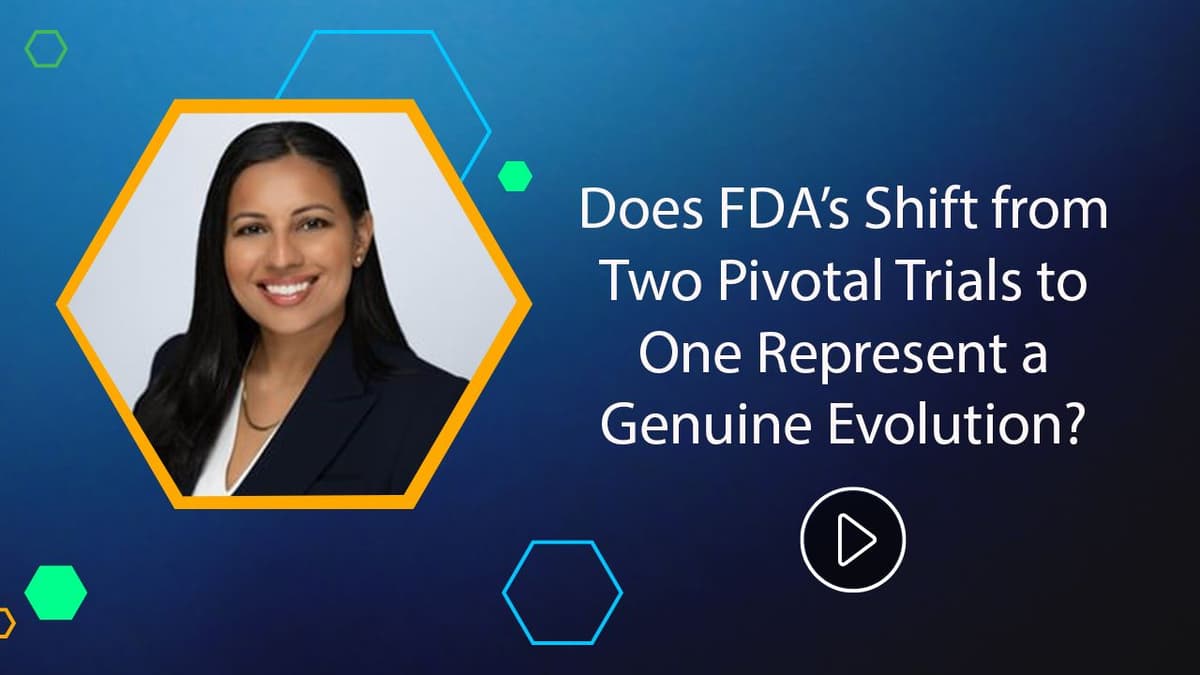
Does FDA's Shift From Two Pivotal Trials to One Represent a Genuine Evolution?
The FDA is increasingly willing to approve drugs based on a single pivotal trial, a shift described by former FDA Oncology Division Director Harpreet Singh as an evolution rather than a revolution. In oncology, especially for rare, life‑threatening cancers, a...
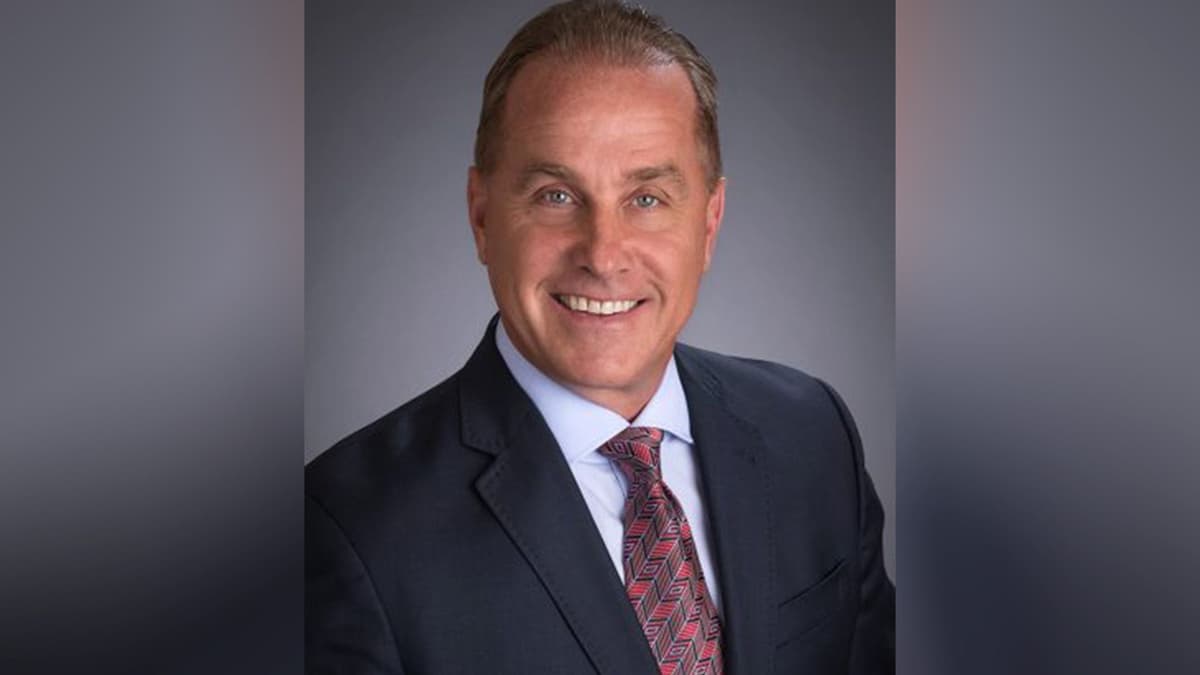
Modern Communication Between FDA, Biotech, and Investors: Q&A with David Crean
MedicNova’s chief business officer David Crean warned that rapid FDA staffing changes and policy shifts are widening variance in drug‑approval timelines, leaving biotech firms scrambling for predictability. Companies are moving regulatory discussions earlier, seeking written confirmations for INDs, type‑B/C protocols,...

Pharma M&A Roundup: Gilead Sciences Expands Collaboration with World Health Organization, Johnson & Johnson Enters Collaboration with Department of Health...
Gilead Sciences has renewed a five‑year partnership with the World Health Organization, pledging more than 400,000 vials of AmBisome and $9.2 million to accelerate visceral leishmaniasis elimination, especially in East Africa. The effort builds on a long‑standing collaboration that helped cut...
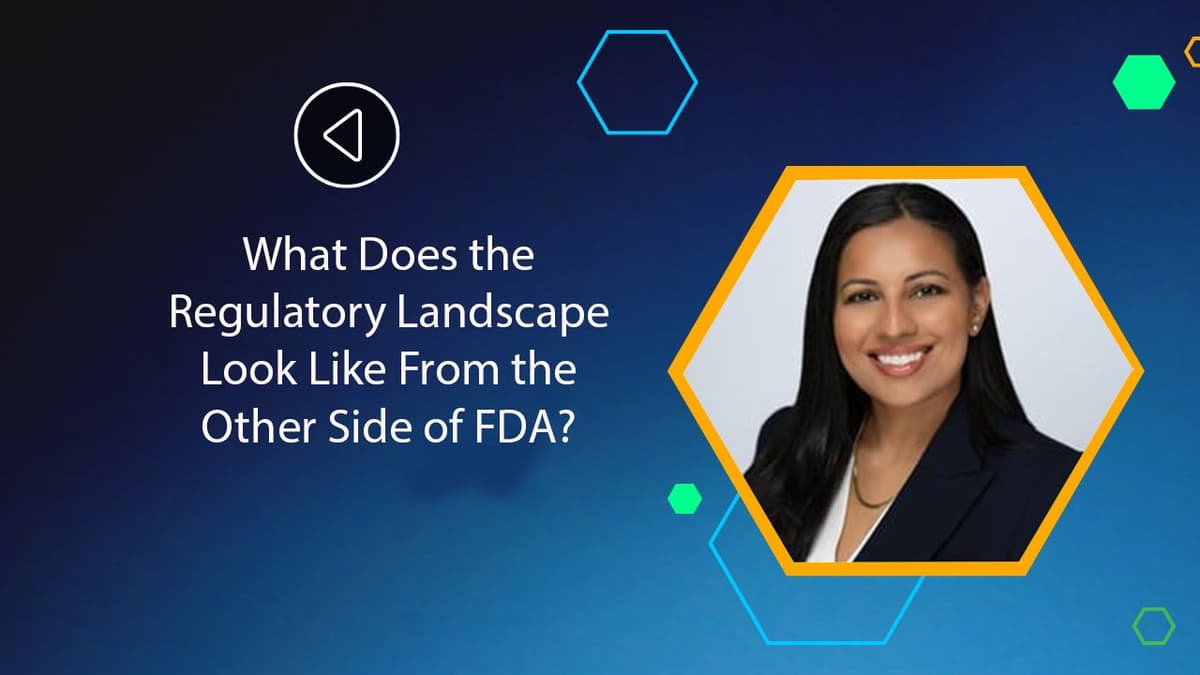
What Does the Regulatory Landscape Look Like From the Other Side of FDA?
Harpreet Singh, MD, former FDA Oncology Division Director and now chief medical officer at Precision for Medicine, explains that industry sponsors find the oncology regulatory landscape more navigable when they leverage insider experience. He stresses three pillars: early and frequent...

Pharma Roundup: Bristol Myers Squibb Enters Strategic Agreement with Anthropic, Incyte and Genesis Expand Strategic Collaboration
Bristol Myers Squibb (BMS) signed a strategic agreement with Anthropic to deploy its Claude agentic AI platform across the company's research, clinical, manufacturing and commercial functions, giving more than 30,000 employees access to the technology. The partnership will focus on...
Pharmaceutical Executive Daily: TrumpRx Expands to Offer Over 600 Generic Drugs
The Trump administration has broadened TrumpRx to include more than 600 generic drugs for chronic illnesses such as diabetes, hypertension and high cholesterol. The platform now integrates price‑comparison tools and links with Cost Plus Drugs, Amazon Pharmacy and GoodRx, letting cash‑pay patients...