
Achieving Detection of Tailless mRNA with Capillary Electrophoresis
Capillary gel electrophoresis (CGE) is being positioned as a high‑resolution, label‑free method for quality control of mRNA therapeutics. The article details how the SCIEX BioPhase™ 8800 system, paired with the RNA 9000 Purity & Integrity Kit, can resolve tailless mRNA species that lack the poly(A) tail. By fine‑tuning electric field strength, capillary temperature, and sample concentration, analysts achieve the sensitivity required to detect low‑level impurities. Accurate quantification of these tailless fragments supports both product efficacy and patient safety.

Traceability in Packaging
The article outlines how RFID technology is reshaping traceability for both retail and healthcare packaging. It details real‑time tracking, anti‑counterfeit safeguards, and compliance with serialization mandates. The piece highlights cost reductions as RFID components become more affordable. It also contrasts...

Securing Radiopharma and GLP-1 Supply Chains Through 2026 M&A
Bain & Company’s Global M&A Report 2026 reveals pharma’s pivot from pure IP hunting to vertical integration, especially in radiopharma, GLP‑1 obesity treatments, and antibody‑drug conjugates. Deal values rebounded to $4.9 trillion in 2025, with strategic transactions focusing on manufacturing capacity, isotope...

Vetter Announces Plan to Build Manufacturing Site in Germany with €1.5 Billion CDMO Investment
Vetter Pharma announced a €1.5 billion expansion to build a new commercial sterile‑injectable manufacturing plant in Saarlouis, Germany, slated to create up to 2,000 jobs and begin phased construction in Q2 2026. The investment also includes a clinical production facility in Des Plaines,...

ROSS Announces CDA-200 Dual Shaft Mixer for Processing Viscous Pharmaceuticals
ROSS introduced the CDA‑200 Dual Shaft Mixer, engineered for high‑viscosity pharmaceutical batches up to 500,000 cP and 200 gallons per run. The system pairs a 10‑hp anchor agitator with a high‑speed disperser, creating a vortex that rapidly wets dry ingredients and ensures...

Halo Pharma Becomes Dedicated North American Drug Product CDMO
Halo Pharma has spun off its API assets to become a standalone drug‑product CDMO in North America, concentrating on formulation, fill‑finish and scale‑up services. The divestiture follows SK Capital Partners' sale of Noramco’s API business to Siegfried, freeing resources for...

Rare Disease Therapies: From Niche Experiment to Strategic Growth Engine
Rare‑disease therapies have shifted from a niche experiment to a core growth engine for biopharma, driven by the 1983 Orphan Drug Act and subsequent incentives. Smaller, adaptive trials and surrogate endpoints have lowered development costs, with orphan drugs averaging about...
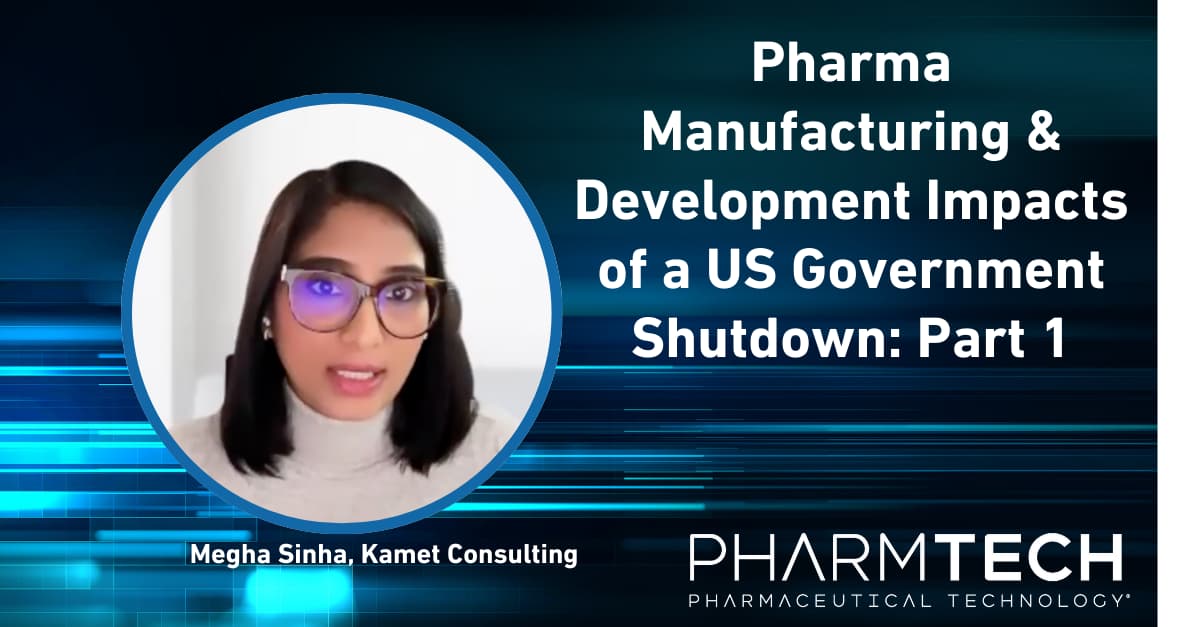
How a Government Shutdown Causes FDA Inspection Bottlenecks and Backlogs
A looming U.S. government shutdown could cripple FDA operational capacity, turning routine inspections into a bottleneck and creating a sizable backlog of pending reviews. While user‑fee‑funded core reviews may continue, the loss of predictability hampers agency responsiveness and administrative processing....

US Withdrawal From WHO Creates New Pharma Logistics Vulnerabilities
The United States formally withdrew from the World Health Organization on January 22, 2026, citing alleged failures and politicization. The exit threatens to fracture the global regulatory framework that pharmaceutical companies rely on for drug approval and quality standards. It also jeopardizes...
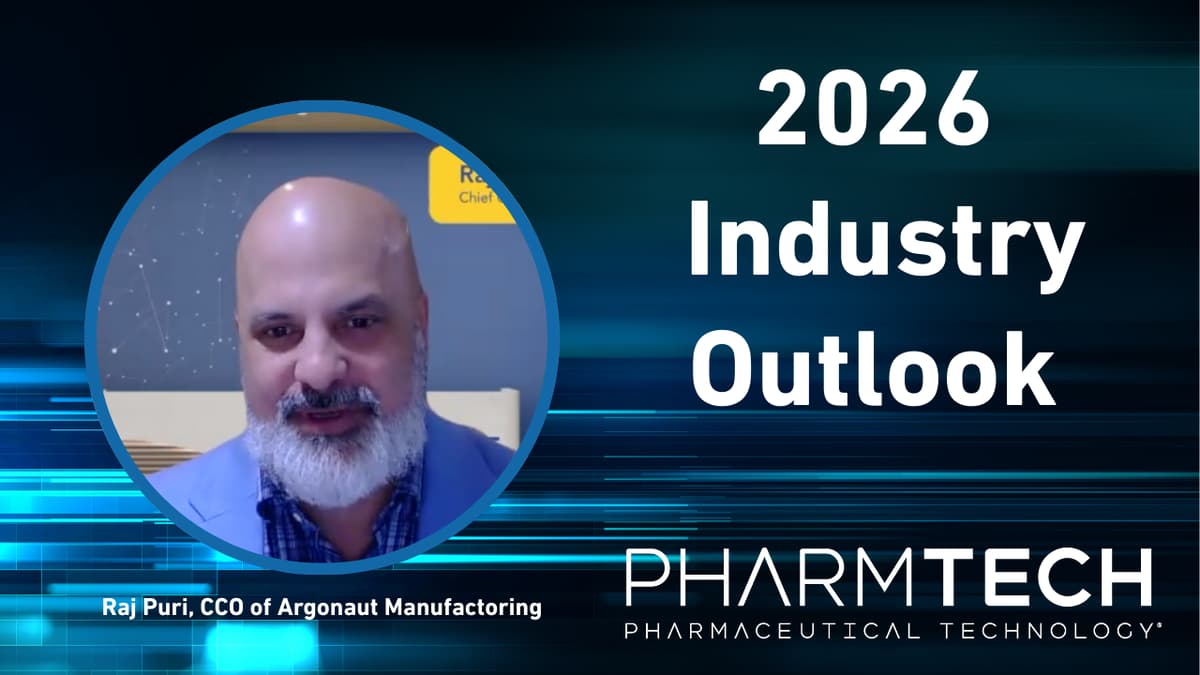
Navigating the Operational Tightrope in Pharmaceutical Manufacturing
Raj Puri, chief commercial officer of Argonaut Manufacturing, warns that tariffs, soaring U.S. investment and compressed product timelines are forcing CDMOs onto a tight operational rope. A seven‑figure tariff on key equipment illustrates how trade policy can cripple ROI calculations...

GSK’s RSV Vaccine Approved in Europe
GSK’s adjuvanted recombinant RSV vaccine Arexvy received European Commission approval on Jan. 26, 2026 for all adults 18 years and older, expanding beyond its prior indication for seniors and high‑risk 50‑59‑year‑olds. The EU estimates roughly 158,000 adult RSV‑related hospitalisations each year, underscoring the...

Mirum Acquires Bluejay, Adding Brelovitug Treatment for HDV
Mirum Pharmaceuticals completed its acquisition of Bluejay Therapeutics, bringing the pan‑genotypic monoclonal antibody brelovitug into its rare‑disease portfolio. The drug is in the global AZURE Phase 3 program targeting chronic hepatitis delta virus (HDV), with topline data expected in the second...

Pharmaceutical Technology Is Now PharmTech: A Sharper Name for a Smarter Industry
PharmTech, formerly known as Pharmaceutical Technology for nearly five decades, has officially rebranded with a new name, logo, and digital experience. The company highlights a refreshed content strategy slated through 2025 aimed at scientists, innovators, and C‑suite leaders. It emphasizes...
FDA Releases Draft Guidance on Registering Pharmaceuticals for Human Use
The FDA has issued a draft of M4Q(R2), a globally harmonized framework that structures quality information for pharmaceutical registration applications. The guidance splits data into Module 2.3 (quality overview) and Module 3 (body of data) and introduces the DMCS model to standardize...
USP Develops Digital Quality Standards for Global Pharmaceutical Manufacturing
The United States Pharmacopeia (USP) is creating digital reference standards (dRS) and digitally structured compendial methods (dDS) to support digital‑first pharmaceutical workflows. These standards will be incorporated into the USP‑NF, allowing manufacturers to use machine‑readable data instead of physical materials....
Pharmapack Expands to Singapore Event; Presents Award Winners
Pharmapack announced that its flagship pharma packaging and drug‑delivery event will debut in Singapore in November 2026, extending the Europe‑based format to the Asian market. The expansion was revealed during the Pharmapack Europe 2026 awards ceremony held in Paris. The...

Leveraging Next-Gen Therapies, Advanced Purification, and Strategic Collaborations in Pharma Production
In a 2026 industry outlook interview, Laine Mello, director of Marketing at Ecolab Life Sciences, said the pharmaceutical sector is under margin pressure and is shifting toward next‑generation therapies such as biologics and advanced modalities. To support these complex products,...

Scaling RNA Therapeutics Sustainably Using the ECO Synthesis Manufacturing Platform
Codexis unveiled its ECO Synthesis™ Manufacturing Platform, a fully aqueous, enzymatic process for producing siRNA at scale. The platform demonstrated a 10‑gram laboratory synthesis and can deliver up to 100 grams of GLP‑grade RNA for toxicology studies, positioning it to surpass traditional...

ACG Introduces SuperPod for Drug Protection and Sustainability
At Pharmapack 2026, ACG Packing unveiled SuperPod™, a new cold‑form blister laminate that reduces cavity size by up to 39% and triples the number of blisters per shot. The multi‑layer construction enables deeper draws without compromising the aluminum barrier, cutting material...

Datwyler Collabs with Stevanato and LTS to Advance Home-Based Biologics
Datwyler, LTS Device Technologies, and Stevanato Group announced a strategic partnership to create an integrated platform for self‑administered large‑volume subcutaneous biologics. The solution combines Stevanato’s EZ‑fill® 10‑20 mL cartridges, Datwyler’s NeoFlex™ spray‑coated plungers, and LTS’s Sorrel wearable injector, targeting doses up...

Proteasomes: A Novel Approach to Target the Immune System
Proteolysis‑targeting chimeras (PROTACs) are leveraging the ubiquitin‑proteasome system to degrade disease‑causing proteins, opening treatment avenues for previously undruggable targets such as aggressive childhood cancers and resistant triple‑negative breast cancer. Major pharmaceutical companies—including Amgen, BMS, J&J, AbbVie, AstraZeneca and Novartis—have advanced...
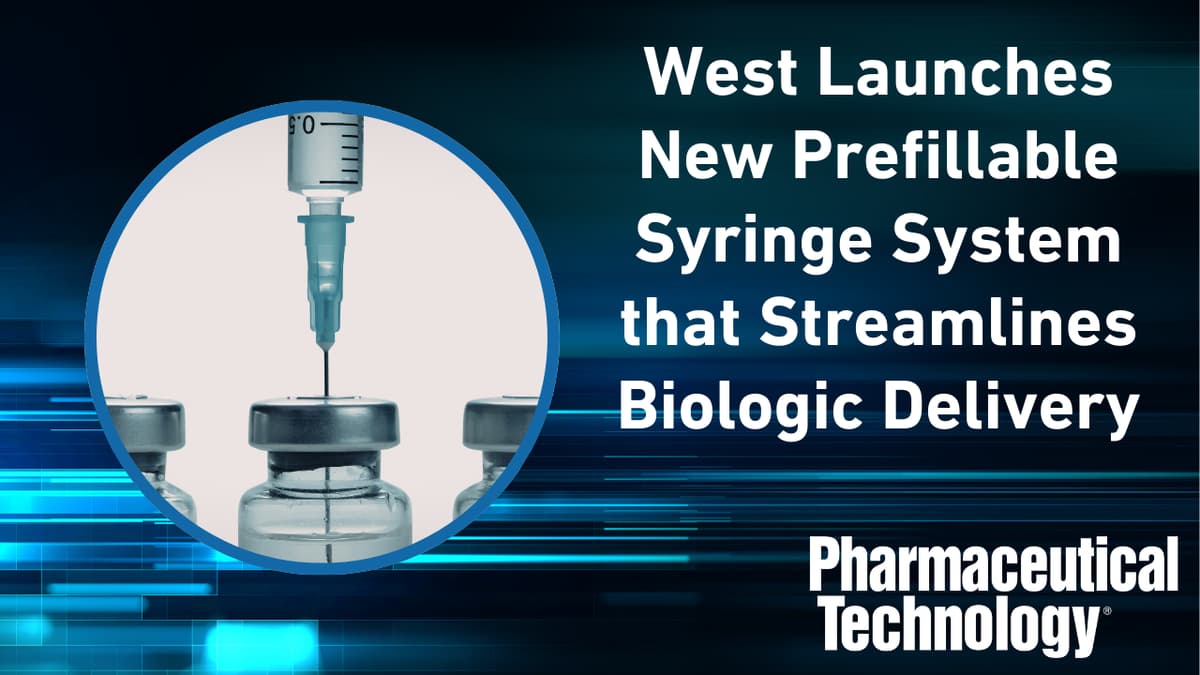
West Launches New Prefillable Syringe System that Streamlines Biologic Delivery
West Pharmaceutical Services introduced the Synchrony S1 prefillable syringe system at Pharmapack 2026, targeting biologics and combination products. The platform offers 1 ml and 2.25 ml staked‑needle options as well as Luer‑lock configurations, paired with NovaPure and FluroTec barrier‑film plungers. By delivering a single‑source,...

The Shift From Containment to Protection: Packaging Trends Impacting Pharma
In 2025 pharmaceutical packaging moved from simple containment to active protection, with functional materials that mitigate moisture, oxygen and impurity risks. Companies are embedding safety features such as child resistance directly into paperboard, while sustainability mandates drive mono‑material, recyclable designs....
Syngene Extends Major Research Collaboration with BMS
Syngene International has extended its strategic research partnership with Bristol Myers Squibb through 2035, adding a decade of collaborative planning for drug discovery, development, and manufacturing. The deal reinforces an integrated service model that spans chemistry, biology, DMPK and clinical...
Sharp Expands European Injectable Packaging Capacity With €20 Million Investment
Sharp announced a €20 million expansion of its European injectable packaging sites in Belgium and the Netherlands. The Dutch plant will launch two Grade D GMP packaging suites by 2026, while the Belgian location will quadruple cold‑chain storage, double ambient space, and...

The Impact of Patient-Centric Formulations on Service Providers
Patient‑centric drug development is reshaping the pharmaceutical landscape, prompting sponsors to turn to CDMOs for specialized formulation services. Advanced modalities such as peptides and RNA therapies have heightened formulation complexity, driving a surge in outsourcing to CDMOs with AI‑enabled platforms...

PharmTech Weekly News Roundup – Week of January 12, 2026
The PharmTech Weekly roundup underscores a rapid shift toward agentic AI, sustainability, and resilient supply chains across drug development. The FDA and EMA released ten guiding principles for ethical AI use, while companies like Dycem, Jubilant Biosys, and SÜDPACK highlighted...

Ensuring the Supply Chain Through Purchasing Controls
Establishing a secure supply chain now starts with early, cross‑functional purchasing controls. Development, quality, and procurement teams must collaborate to define requirements, qualify suppliers, and create quality agreements before scale‑up. The Parenteral Drug Association’s upcoming ANSI/PDA Standard 001‑2020 formalizes these expectations...

SÜDPACK Medica to Unveil Next-Generation Sustainable Packaging and Streamlined Services at Pharmapack Europe 2026
At Pharmapack Europe 2026, SÜDPACK Medica introduced its next‑generation PharmaGuard blister line, a mono‑material polypropylene solution that replaces multi‑layer composites with a recyclable, phthalate‑free film, now available in an opaque white version for better dosage readability. The company also launched...

EMA and FDA Collaborate on Framework for AI Use in Drug Development
The U.S. FDA and Europe’s EMA have jointly published ten guiding principles for the use of artificial intelligence across the drug development lifecycle. The framework covers human‑centric design, risk‑based validation, data governance, multidisciplinary expertise, and clear communication of model performance....

Dycem, a contamination‑control specialist, celebrates 60 years since its 1966 founding, tracing roots to a high‑friction polymer discovered in 1960. The company grew from niche non‑slip products to global cleanroom solutions, now present in more than 50 countries and 30,000...

Single-Use Systems Enable Commercial-Scale CGT Manufacturing
Single-use systems (SUS) are becoming integral to cell and gene therapy (CGT) manufacturing, offering pre‑sterilized, disposable components that eliminate cleaning validation and enable fast changeovers for low‑volume, high‑value products. Automation and modular platforms are now being paired with SUS to...

Industry Outlook 2026: Navigating AI, Sustainability, and Operational Resilience
Pharma leaders say 2026 will be defined by the rise of agentic AI, sustainable manufacturing, and resilient, regionalized supply chains. AI agents are moving from pilot projects to embedded decision‑making in drug discovery, process optimization and digital twins, slashing timelines...

Pharmaceutical Supply Chain Resilience in a Shifting Market
Pharma companies are curbing investment amid pricing pressure and growth anxiety, creating a self‑fulfilling slowdown. To protect against supply disruptions, firms are auditing entire supply chains, adding second and third sources, and holding safety stock, which ties up cash. Geographic...

Tjoapack Expands Bottle Packaging at Netherlands Facility
Contract packaging firm Tjoapack announced the addition of an oral solid‑dosage bottle packaging line at its Etten‑Leur, Netherlands site. The Cremer Uhlmann IBC 50 line can fill up to 50 bottles per minute, handling any bottle shape and integrating carton, leaflet and...

Jubilant Biosys Announces New Facility in India
Jubilant Biosys Limited announced the opening of a new discovery and pre‑clinical facility in Noida, India, that doubles its chemistry capacity and integrates early‑phase scale‑up with R&D labs. The 20,000‑sq‑ft campus adds fifteen reactors, two pilot‑plant blocks, and expands the...
Why Data, Trust, and Skills Are the Foundations of AI-Driven Pharmacoviginlance
Beena Wood, chief product officer at Qinecsa, argues that AI can revolutionize pharmacovigilance by detecting safety signals within hours across languages and geographies, but only if foundational data issues are solved. She highlights fragmented, non‑interoperable datasets as the primary barrier,...

Personalized Medicine Vs. Precision Medicine
Dr. Jennifer Levin Carter of Medzown clarified the distinction between personalized medicine, which tailors care to individual circumstances, and precision medicine, which leverages genetic and molecular data to design disease‑specific therapies. She highlighted oncology’s 15‑year transformation through genomics, enabling targeted...

The Benefits of an Immune-Directed ADC Strategy
Lifordi Immunotherapeutics is pursuing an immune‑directed antibody‑drug conjugate (ADC) strategy that uses the VISTA protein to deliver potent steroids directly to immune cells. VISTA’s rapid internalization allows the ADC to release its payload intracellularly, aiming to avoid the systemic toxicities...

Rapid Sterility Test Considerations
Rapid sterility testing (RST) is reshaping pharmaceutical quality control by cutting release times to roughly six days and providing objective, non‑visual detection methods. Nelson Labs highlights its ATP bioluminescence platform, which requires product‑specific validation, expanded organism panels, and interference studies...
The Critical Need for Digital Transformation in the Peptide and API Sectors
Saharsh Davuluri, Vice Chairman of Neuland Labs, warns that peptide and API manufacturing must undergo rapid digital transformation by 2026 to keep pace with modern biologics. He highlights the surge in peptide therapeutics across cardiovascular, dermatology, and CNS indications, creating...

Gene Therapy, Rare Diseases, and Transfer RNA
Tevard Biosciences showcased its suppressor tRNA platform at the J.P. Morgan Healthcare Conference, presenting pre‑clinical data that rescued full‑length dystrophin in Duchenne muscular dystrophy models and restored titin in dilated cardiomyopathy models. The technology corrects premature termination (nonsense) codons, enabling...

Medable Presents AI Agent for Automating Trial Master File Processes at JP Morgan Healthcare Conference
Medable unveiled its Trial Master File (TMF) AI agent, a new module of the Agent Studio platform, at the JP Morgan Healthcare Conference. The agent automates document intake, classification, and metadata extraction before a one‑click upload to eTMF systems such as...

Outsourcing Partnerships Fuel Global Biopharma Discovery and Scale-Up
Strategic outsourcing through CROs and CDMOs is reshaping biopharma pipelines, linking discovery, formulation, and early‑phase manufacturing into seamless workflows. By tapping external expertise, companies can accelerate complex modalities such as cell and gene therapies, RNA medicines, and next‑generation biologics. Integrated...

Behind the Headlines Episode 31: Optimism, Opportunity, Optimization of COGs & Organizational Streamlining
In the Behind the Headlines Episode 31, veteran pharma leader Deborah Dunsire declares a "golden era" for biological sciences, driven by targeted therapies such as GLP‑1s and emerging tools like AI and quantum computing. She stresses the need for fact‑based communication...

The New Subcutaneous (SC) Landscape: Adapting Drug Delivery for Biologics Administration at Home
The pharmaceutical sector is rapidly transitioning high‑value biologics from clinic‑based IV infusions to at‑home subcutaneous (SC) self‑administration. Datwyler’s upcoming event will dissect market forces behind this shift, emphasizing challenges such as drug viscosity, volume limits, and component compatibility. Speakers will...

Amgen Acquires UK Biotech Dark Blue Therapeutics
Amgen announced a $840 million acquisition of UK‑based Dark Blue Therapeutics, adding an investigational small‑molecule that degrades MLLT1/3 proteins implicated in acute myeloid leukemia (AML). The deal expands Amgen’s targeted‑protein‑degradation platform and strengthens its oncology pipeline with a novel mechanism to overcome...

Industry Outlook 2026: Trends Transitioning From 2025 Into 2026
Pharma firms widely adopted AI, IoT and digitalization in 2025, and those tools will dominate 2026. Real‑time process monitoring and predictive analytics have become competitive necessities, according to Ecolab Bioprocessing’s Laine Mello. The surge in complex biologics, cell and gene...

Genetic Medicines Project Gets Funding From UKRI Innovate UK and Canadian NRC IRAP
Chromatin Bioscience, Mediphage Bioceuticals, and Entos Pharmaceuticals announced a joint genetic‑medicine project funded by UKRI Innovate UK and Canada’s NRC IRAP. The partnership merges Chromatin Bioscience’s chromatinLENS synthetic‑promoter platform, Mediphage’s msDNA linear DNA technology, and Entos’s Fusogenix PLV fusion‑based delivery system....

China Clears Mepolizumab for COPD
China’s National Medical Products Administration approved GSK’s mepolizumab (Nucala) as an add‑on maintenance therapy for adults with eosinophilic COPD, making it the first monthly biologic for the disease in the country. The decision rests on Phase III MATINEE and METREX trials...