
Former Ovid CEO Dr. Jeremy Levin’s Rallying Cry for Biotech
Former Ovid Therapeutics CEO Dr. Jeremy Levin is launching a new book, *Biotech in the Balance*, slated for May 19. The book outlines a roadmap for positioning biotech as a strategic U.S. industry, calling for tax incentives, stronger patient engagement, and a distinct identity separate from pharma. Levin warns that erosion of trust and funding could drive innovation overseas, particularly to China. He leverages his experience at Bristol‑Myers Squibb, Teva and Bio to rally CEOs, investors, and policymakers.
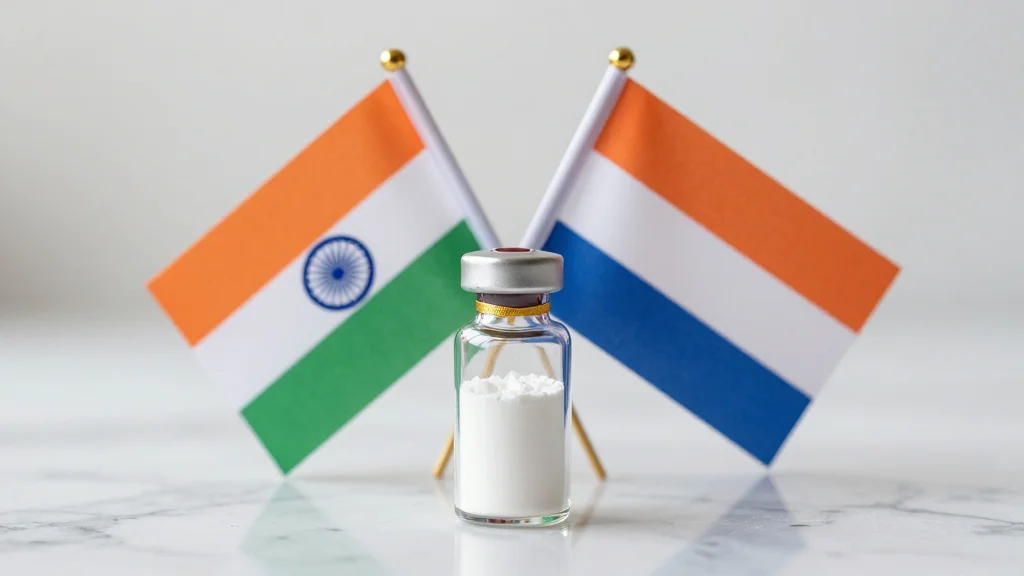
India’s Pharma Industry Is Going Global. But Can It Catch up to China?
Sun Pharma’s $11.75 billion purchase of Organon is designed to lift the Indian giant into the global top‑25 drugmakers, targeting combined revenues of about $12.5 billion and a footprint in 150 countries by early 2027. The deal underscores India’s broader push to...
When Reliability Becomes Patient Care in Nuclear Medicine
Nuclear medicine is evolving from a purely diagnostic tool to a therapeutic platform through radioligand therapy and theranostics, where the same molecular target guides both imaging and treatment. Because radiopharmaceuticals decay continuously, manufacturing, release, and distribution must function as a...

Biotech Layoffs Are Easing, but Is the Worst Over?
Biotech layoffs are decelerating in 2026, with 40 rounds announced by April 30 versus more than 50 in the final months of 2025. The slowdown follows a 16 % year‑over‑year rise in cuts driven by drug failures, strategic pivots and cost pressures...
Lilly, Gilead Lead Pharma’s M&A Boom
Pharma M&A activity surged in early 2026, with 24 deals announced by April and upfront payments topping $64 billion—almost triple the $24.5 billion recorded in the same period last year. The boom is driven by companies racing to refill pipelines before a...
Protein Degraders Gain Speed as Arvinas Scores Landmark Approval
Arvinas received FDA approval for Veppanu, the first PROTAC therapy, marking a milestone for protein degraders. The drug showed modest benefit in a phase 3 trial, with the clearest effect in patients carrying ESR1 mutations, prompting the company to lay off...

Revolution’s on a Pancreatic Cancer Winning Streak. What Comes Next for the Biotech?
Revolution Medicines announced that its oral RAS(ON) inhibitor daraxonrasib nearly doubled overall survival in previously treated metastatic pancreatic cancer, while its second candidate zoldonrasib showed tumor shrinkage in over half of KRAS‑driven lung cancer patients. The breakthrough data sent the...
As Biosimilars Gain US Traction, Patent Thickets Are Under More Scrutiny
Sun Pharma announced a $12 billion acquisition of Organon to accelerate its entry into the global biosimilar market. The FDA has now approved roughly 90 biosimilars, which account for about 23 % of the U.S. biologics market, reflecting growing competition. Patent thickets—large...

Why AI Maker Anthropic’s Deal with Coefficient Bio Could Be a Pharma Turning Point
Anthropic, the creator of the Claude AI model, agreed to acquire eight‑month‑old drug‑discovery startup Coefficient Bio for $400 million. The deal adds Genentech‑vetted talent and a nascent AI platform to Anthropic’s Claude for Life Sciences suite, which already serves AstraZeneca, Sanofi...

FDA’s Need for Speed Could Strain Small Biotechs. Here’s How They Can Keep Up.
The FDA is accelerating drug approvals through the National Priority Voucher pilot, which can shrink review timelines from ten months to as little as two, and a new plausible mechanism pathway for niche therapies lacking large trial data. While the...

Lilly’s CAR-T Devotion; CBER’s Next Top Dog?
Eli Lilly announced the acquisition of Kelonia Therapeutics, an in‑vivo CAR‑T biotech, extending its push into next‑generation cell therapies. The deal follows Lilly’s recent milestone of becoming the first drugmaker to hit a $1 trillion market value, underscoring a diversification strategy that...
Is Pharma Missing the Boat on Diagnostics?
Pharma giants are accelerating investments in diagnostics to support precision‑medicine strategies, highlighted by Roche's $595 million purchase of SAGA Diagnostics and Abbott's $21 billion acquisition of Exact Sciences. Venture capital for diagnostics lagged behind AI, with only $1.7 billion raised last year versus...
HHS, Industry Leaders Spar over Drug Pricing, TrumpRx and PBMs
At a Politico‑hosted summit, U.S. health officials and pharma leaders clashed over the most‑favored‑nation (MFN) drug‑pricing policy championed by the Trump administration. The MFN proposal would force manufacturers to price drugs in the United States at levels comparable to lower‑cost...

An ‘AI Scientist’ Can Tackle Drug R&D. What Does that Mean for Pharma?
AI agents are moving from analytical tools to autonomous coworkers in pharma, with Owkin’s K Pro platform acting as an “AI scientist” that can answer complex research questions in hours rather than weeks. The system pulls together literature, gene‑expression data, and...
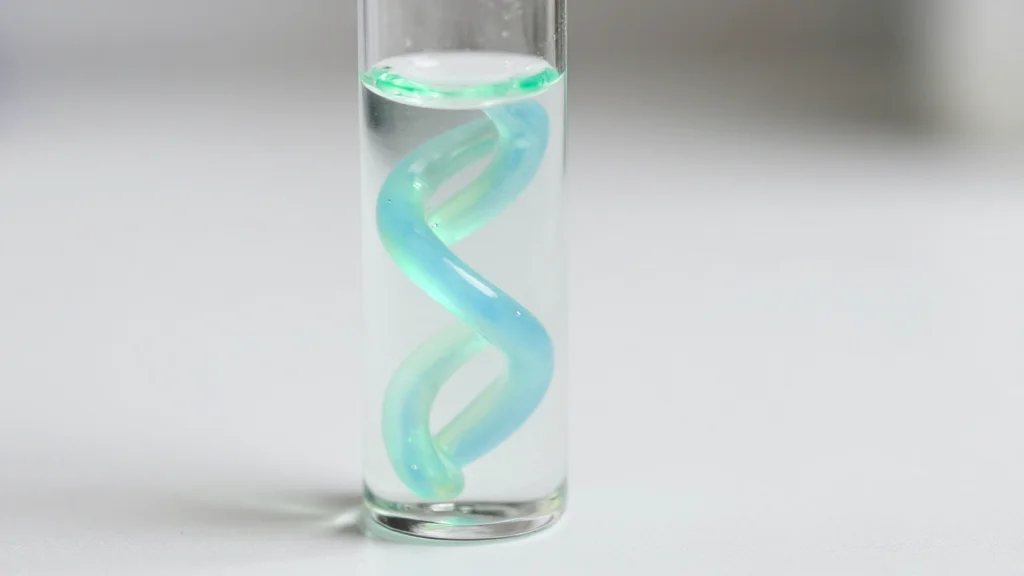
Serif, Flagship’s Latest Biotech, Aims to Make a New Kind of Genetic Medicine
Flagship Pioneering has launched Serif Biomedicines, a new biotech backed by $50 million, to develop what it calls “modified DNA” medicines. The platform merges gene‑therapy, mRNA and siRNA concepts into a two‑part construct delivered by lipid nanoparticles, aiming to express therapeutic...
Who Is Dr. Houman Hemmati, Potentially CBER’s Next Leader?
Dr. Houman Hemmati, a board‑certified ophthalmologist and biotech entrepreneur, is the leading candidate to replace Dr. Vinay Prasad as director of the FDA’s Center for Biologics Evaluation and Research (CBER). Hemmati co‑founded Optigo Biotherapeutics, held senior roles at companies such as...
Roche’s DAC Investment; Big Pharma’s Lavish CEO Bumps
Roche has pledged $20 million to deepen its partnership with C4 Therapeutics, targeting the emerging degrader‑antibody conjugate (DAC) platform that blends protein degradation with antibody‑drug conjugates. The move places Roche alongside Bristol Myers Squibb and Merck, which are also backing early‑stage...
Can an LSD Candidate Do for Anxiety What Spravato Did for Depression?
Johnson & Johnson’s 2019 Spravato approval unlocked the pharmaceutical market for psychedelics, proving they can become blockbuster drugs. Definium Therapeutics is now advancing DT120, an LSD‑based candidate for generalized anxiety disorder, after phase 2 data showed a 78% clinical response and...

Will Cancer Drugmakers Ever Conquer P53?
Elephants’ 20 copies of the TP53 gene give them a powerful p53‑driven cancer shield, while humans rely on a single copy that is frequently mutated. Restoring p53 function has long been labeled “undruggable,” leading to a string of high‑profile failures,...

5 Notable Pharma CEO Pay Hikes in 2025
Pharma CEOs saw compensation surge in 2025, with five executives joining the $30 million club. Eli Lilly’s David Ricks earned $36.7 million after a 45% revenue jump, while AbbVie’s Robert Michael’s pay leapt 75% despite losing Humira exclusivity. GSK’s Emma Walmsley received a 50%...

The Era of Big Pharma’s One-Size-Fits-All Pipeline Is Fading
Big Pharma’s pipeline volume remained steady in early 2026, but its composition is fragmenting. While the ten largest developers still dominate, the number of boutique firms with one or two candidates surged past 4,000, reflecting investor appetite for niche innovation....

Predictive Analytics in Pharma Turns Lab Data Into Launch Strategies
Pharmaceutical firms pour over $300 billion into R&D each year, yet only about 12% of clinical‑trial candidates secure FDA approval. As therapies become more precise, identifying eligible patients and the physicians who treat them grows increasingly complex. Quest Diagnostics highlights that...
Will RFK Jr.’s Peptide Push Bolster the Gray Market for Obesity Drugs?
Robert F. Kennedy Jr. is urging the FDA to reclassify more than a dozen synthetic peptides from the restricted Category 2 list to Category 1, allowing compounding by licensed pharmacies with a prescription. The move follows a high‑profile appearance on the Joe...

Biotech’s IPO Comeback; Trump’s Tariff Loophole for Pharma
Biotech IPO activity is resurging, highlighted by Evommune’s public listing and a panel at the BIO International Convention discussing renewed exit opportunities. AI-driven collaborations, such as Insilico Medicine and Aska Pharmaceutical, aim to tackle unmet needs in women’s health by...
One Doctor Helped Kickstart US Nuclear Medicine’s New Wave. Now He’s Refining It.
Dr. Ebrahim Delpassand, a pioneer of U.S. nuclear medicine, launched the first FDA‑approved lutetium‑based radioligand therapy (Lutathera) in 2010 and later helped bring Pluvicto to market, driving blockbuster sales in 2025. He founded Excel Diagnostics, where he ran the sole...

Women Have Awaited a Revolution in Menopause. It Hasn’t Arrived.
The menopause market has surged to roughly $17 billion, driven by celebrity awareness and telehealth startups, yet scientific backing lags behind demand. Only about 6 % of private healthcare funding is allocated to women’s health, leaving many treatments unproven and clinical guidance...
Boehringer Ingelheim’s Confident New Leap in the Obesity Market
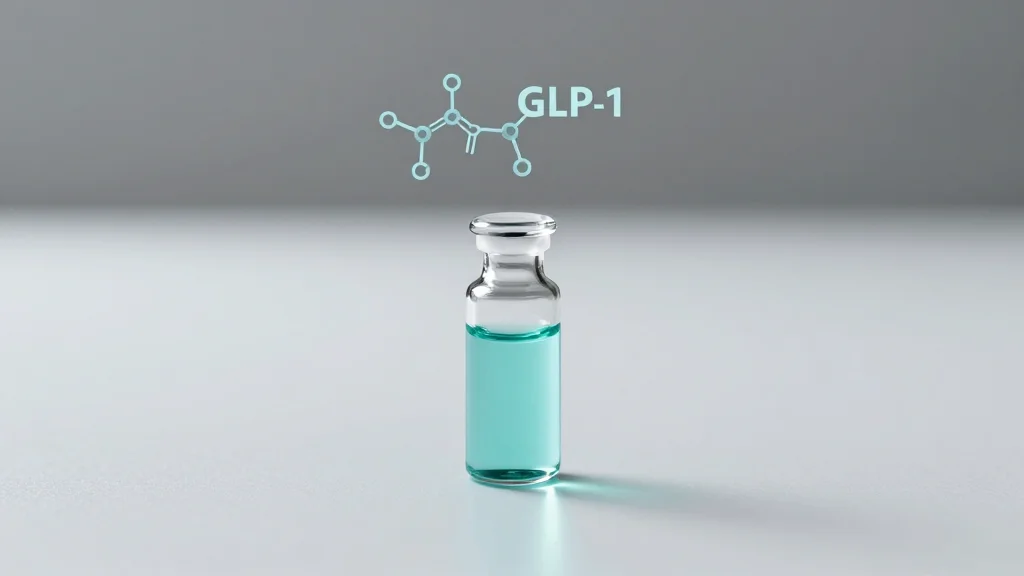
Boehringer Ingelheim has created a new obesity and liver health unit led by senior vice president Vani Manja, targeting a rapidly expanding GLP‑1 market that could reach 25 million U.S. patients by 2030. The company’s pipeline features the dual glucagon/GLP‑1 agonist...

Evommune Bucked Biotech IPO Drought and Is Focused on the Long Game
Evommune became one of only eleven biotech companies to go public in 2025, breaking a severe IPO drought that followed the 2021 funding boom. The firm’s phase 2a trial of its IL‑18 biologic EVO301 showed promising results in atopic dermatitis, sending...

How Trump’s War in Iran Is Scrambling Pharma’s Shipping Options
U.S. and Israeli strikes on Iran have tightened the Strait of Hormuz blockade, cutting off a key east‑west artery that handles roughly 10% of global pharmaceutical shipments. Temperature‑controlled ingredients, which make up about 20% of those flows, are especially vulnerable,...

Will Pfizer’s Lyme Disease Gamble Pay Off or Set the Space Back?
Pfizer and French partner Valneva are seeking FDA approval for a 6‑valent OspA Lyme disease vaccine after a late‑stage trial showed more than 70% efficacy, though the study missed its primary statistical endpoint due to low infection rates. The candidate...
MRNA Is Poised to Rise Beyond Infectious Diseases, if It’s Not Derailed by R&D Cuts
mRNA technology, once celebrated for COVID‑19 vaccines, now faces heightened political and regulatory scrutiny, including the cancellation of roughly $500 million in BARDA contracts. A new JAMA Network Open study shows NIH has invested $1.65 billion in 178 mRNA grants since 1997,...

Novartis Acquisition Spin-Off Pioneers RNA Therapeutics for the Heart
Novartis spun out Avidity Biosciences' RNA‑delivery platform into Atrium Therapeutics, a publicly traded company focused on precision RNA medicines for rare genetic cardiomyopathies. Atrium secured $270 million in funding and a licensing deal to use the validated siRNA‑antibody platform that targets...
As Chinese Biotechs Recognize Their Value, the Bargain Era May Be Over
Chinese biotech licensing activity surged in 2025, with 92 deals—a jump from 64 the prior year—and total deal value reaching a record $137.7 billion. The average upfront payment climbed from $102 million to $141 million, signaling that Chinese assets are no longer deep‑discount...

What’s at Stake for Bayer in Its Supreme Court Showdown?
Bayer’s 2018 acquisition of Monsanto brought a wave of glyphosate lawsuits, prompting a proposed $7.25 billion class settlement and an undisclosed additional pact. The company’s CEO, Bill Anderson, is steering a restructuring that includes 12,000 layoffs and a focus on pharma...

340B: When the Safest Move Can Feel Like No Move at All. Why ‘Waiting’ Is No Longer a Viable Strategy.
The article warns that passive waiting on 340B policy shifts is no longer safe, as it hands compliance risk and margin pressure to regulators and competitors. Manufacturers must shift from guesswork to data‑driven oversight, especially by capturing claims‑level utilization across...

New FDA Guidance Could Elevate Pharma’s Biosimilar Market
The FDA issued draft guidance that could lower biosimilar testing requirements by permitting foreign comparator data, potentially cutting development costs by about half. Over 80 biosimilars have been approved in the U.S. since the first approval 11 years ago, yet...
Keytruda and Padcev Could Become Cancer’s Power Couple
Oncology is moving toward combination regimens, and Merck's Keytruda paired with Pfizer/Astellas' Padcev has emerged as a leading duo. A phase 3 trial in muscle‑invasive bladder cancer showed the combo cut the risk of recurrence, progression and death roughly in half,...

Executives Want in, but Researchers Want Out — How Pharma’s US Job Picture Is Changing
U.S. pharmaceutical manufacturing is booming, with companies pledging over $370 billion in new facilities through 2030, prompting senior executives to relocate to the United States. At the same time, U.S. academic and research funding has been slashed, leading a majority of...

The First KRAS Drugs Have Been Sluggish on the Market. Will the Next Generation Fare Better?
Amgen’s Lumakras earned accelerated FDA approval in 2021 as the first KRAS‑targeted therapy, but sales have been modest, reaching $92 million in Q4 2025 with only an 8% year‑over‑year increase. A second G12C inhibitor, Krazati, entered the market in 2022, narrowing Amgen’s...
Biopharma’s Recent String of CEO Splits
Three biopharma firms—Bavarian Nordic, Sarepta Therapeutics, and Alkermes—announced the departures of long‑standing CEOs, prompting short‑term share declines. Bavarian Nordic’s Paul Chaplin steps down after a blocked $3 billion buyout, while Sarepta’s Doug Ingram leaves amid family health issues and recent product...
Inside the Race to Thwart the Dramatic Rise in Early-Onset Colorectal Cancer
Early‑onset colorectal cancer now accounts for about 13% of U.S. cases, with roughly 20,000 new diagnoses each year in patients under 50. The disease is more aggressive, often presenting at later stages because routine screening starts at age 45. Researchers...

Big Pharma’s Next Entrant Could Come From China
Chinese drugmakers, led by Jiangsu Hengrui Pharmaceuticals, are emerging as global biotech contenders. Hengrui topped 2024 trial sponsorship, boasts a pipeline of 100 investigational drugs and 400 trials, and secured a $500 million partnership with GSK that could yield $12 billion. Analysts...

How PBM Reforms Could Push Drugmakers Into the Pricing Spotlight
The Consolidated Appropriations Act of 2026 bans pharmacy benefit managers (PBMs) from receiving compensation tied to drug list prices and mandates 100% rebate pass‑through to plan sponsors by August 2028. The law also allocates roughly $190 million to the Centers for...

China’s Biopharma Advance Draws Financial Investment
Chinese biotech firms are moving beyond licensing deals as capital markets open, highlighted by a 64% rise in the Hang Seng Biotech Index in 2025. Reforms to listing rules since 2018 have unlocked public financing, enabling a record $138 billion in...

Operating a New Standard for Life-Saving Pharmaceutical Logistics
Pharmaceutical logistics faces $38 billion annual waste due to fragmented temperature‑controlled networks and customs delays. Frontier Scientific Solutions, based in Wilmington and Shannon, has built a purpose‑built, cGMP‑grade infrastructure that integrates storage, monitoring and direct airside access. By consolidating routes, the...
No One-Trick Pony in Oncology, Merck’s Cancer Footprint Is Expanding
Merck is expanding beyond its flagship Keytruda by investing in diverse oncology platforms. In 2024 it spent $700 million on a bispecific candidate from Curon and $680 million to acquire Harpoon Therapeutics, bolstering its T‑cell engager portfolio. The company is also advancing...
More Drugmakers Are Turning to Cancer Combos. Will It Help Patients Live Longer?
Pharmaceutical companies are accelerating the development of combination cancer therapies, moving away from single‑agent regimens. Recent phase‑III trials show that pairing immunotherapies with targeted drugs or chemotherapy can improve progression‑free survival across multiple tumor types. The FDA has granted approvals...
Ovid Takes Another Big Swing in Neuroscience Under a New CEO
Ovid Therapeutics, under new CEO Meg Alexander, is re‑orienting its neuroscience pipeline toward first‑in‑class KCC2 modulators while advancing a drug‑resistant epilepsy candidate toward Phase 2. The company’s earlier flagship, soticlestat, failed in Phase 3, eliminating $600 million in potential milestones, prompting a strategic...

New Diagnostics Define Drug Targets for Alzheimer’s, Parkinson’s and Beyond
Amprion Diagnostics has commercialized a seed‑amplification assay, SAAmplify‑αSYN, that detects misfolded alpha‑synuclein in cerebrospinal fluid, earning FDA breakthrough‑device status in 2019. The test can identify Parkinson’s, Lewy‑body dementia and up to half of Alzheimer’s cases years before clinical symptoms appear....