News•Mar 9, 2026
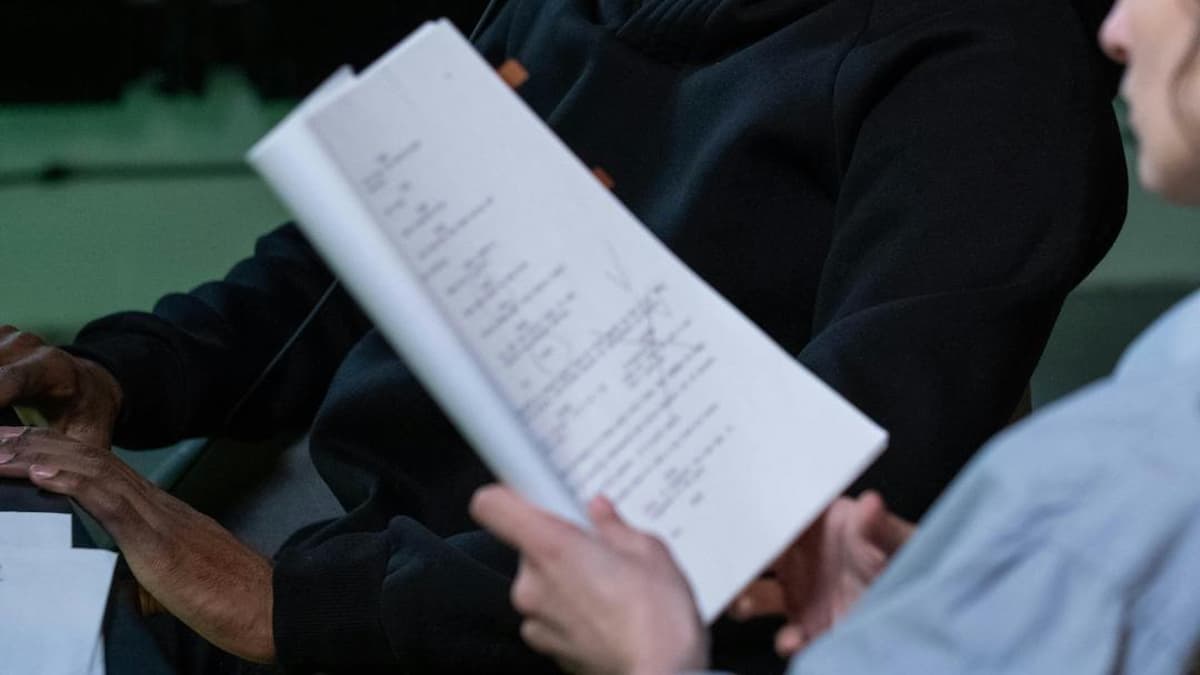
How AI Helped Me With Two Problems in Filmmaking: Self-Tapes and Table Reads
A filmmaker and developer created AI‑powered apps to solve two persistent bottlenecks in independent film production: self‑tape auditions and early script table reads. By using realistic synthetic voices, the tools let actors record auditions without a live scene partner and let writers hear draft scenes spoken aloud without costly, full‑cast sessions. The prototype, Table Read Studio, won the Uniquely Useful Tool award at the World’s Largest Hackathon and later split into two products—Table Read Studio for writers and Self‑Tape Studio for actors. The creator emphasizes AI as an efficiency enhancer, not a creative replacement.
By Raindance – Articles

News•Mar 7, 2026
Most Indie Films Don’t Miss Funding Because They’re Bad
Indie filmmakers often blame poor scripts for funding failures, but the real culprit is a broken financial structure. Investors evaluate risk, recoupment probability, liquidity timeline, and market position within minutes, discarding projects that lack realistic budgets, clear audience targeting, solid...
By Raindance – Articles
News•Mar 2, 2026
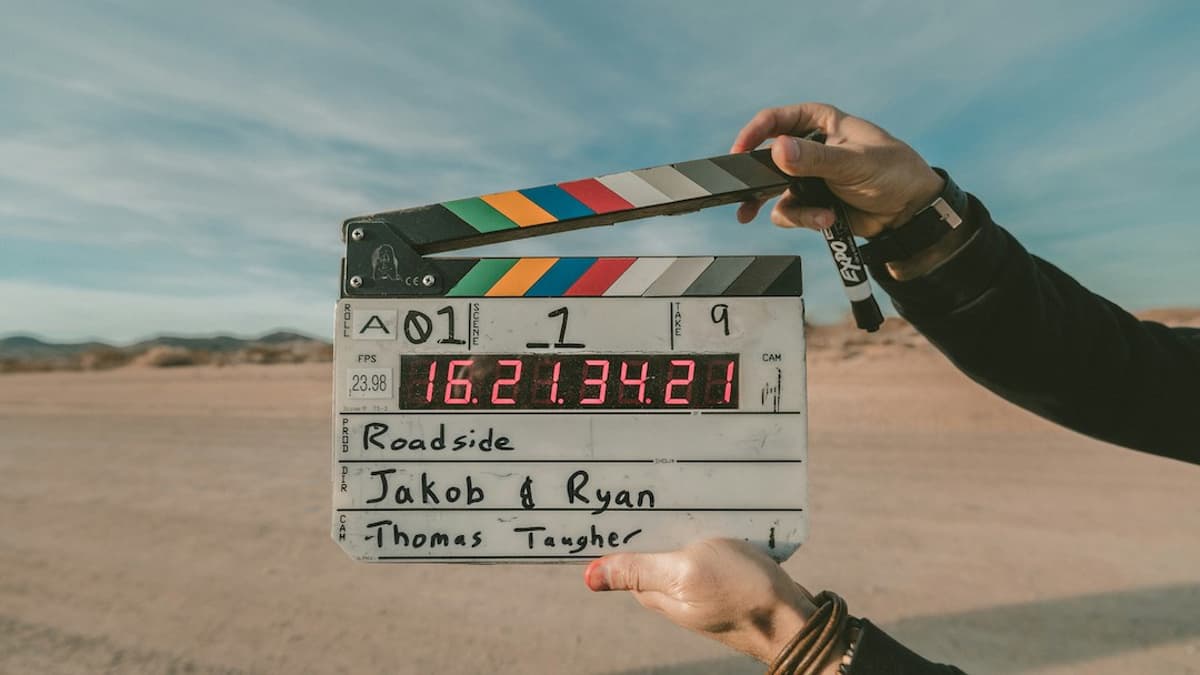
4 Documentary Filmmaking Skills That Apply to Journalism
The article highlights how documentary filmmaking techniques are reshaping modern journalism. It outlines four transferable skills—visual storytelling, three‑act narrative structure, rigorous pre‑production research, and treating interviews as character studies. By adopting the "show, don’t tell" mindset, journalists can turn dry...
By Raindance – Articles
News•Feb 25, 2026
What Does AI Mean for Filmmakers
The article frames artificial intelligence as the latest disruptive wave in filmmaking, comparable to the shifts from celluloid to video and then to digital. AI is portrayed not merely as a faster tool but as a structural change affecting creation,...
By Raindance – Articles