
Cannes Film Festival: What First-Timers Usually Get Wrong
The Cannes Film Festival functions primarily as a global film market where sales, financing and distribution deals eclipse the red‑carpet glamour. First‑time attendees often mistake the event for a festival, waste energy on parties, and arrive without clear objectives or a disciplined networking plan. This leads to physical exhaustion, ineffective pitches, and missed opportunities for lasting relationships. Success at Cannes hinges on targeted outreach, strategic conversations, and diligent post‑event follow‑up.

How Cinematic Thinking Elevates Brand Campaigns
Modern brands are battling fleeting attention spans, prompting a shift toward cinematic thinking—treating campaigns like films rather than traditional ads. By foregrounding story, visual cohesion, and emotional pacing, marketers create immersive experiences that feel premium without inflating budgets. The approach...

Conscientious Protectors: A Story of Rebellion Against Extinction
Leap Productions and Extinction Rebellion are premiering *Conscientious Protectors*, a feature documentary by award‑winning director Leigh Bloomfield, on YouTube around April 15, marking the seventh anniversary of the movement’s 2019 London shutdown. The film traces Extinction Rebellion’s origins in late 2018...

Cannes Survival Guide for Filmmakers
The guide frames Cannes as a high‑stakes marketplace where accreditation is the first gatekeeper, with the Marché du Film badge serving as the most accessible entry for filmmakers. It stresses booking budget‑friendly lodging in Antibes or Nice months in advance...

Overcoming Creative Blocks During the Filmmaking Process
Filmmakers often hit creative blocks caused by pressure, fatigue, and decision paralysis, which can stall story development, visual planning, or editing. The article outlines practical tactics such as changing work environments, leveraging fresh collaborative input, and using simple decision‑making tools...

Ten Questions with David Martinez — The Man Holding the Raindance Orchestra Together
David Martinez, Executive Director of the Raindance Film Festival, explains how his team functions like an orchestra, translating the founder’s vision into a sustainable operation. He highlights the distinct roles of programming, CEO, marketing, brand ambassador, programme coordination, and digital...

A Practical Guide to Outdoor Visibility for Film Events
Outdoor film screenings often lose attendees due to poor visibility. The guide outlines six practical tactics—tall landmarks, concise signage, strategic placement, visual consistency, layout focus, and weather‑ready lighting—to make events instantly recognizable and easy to navigate. By using a single...
How AI Helped Me With Two Problems in Filmmaking: Self-Tapes and Table Reads
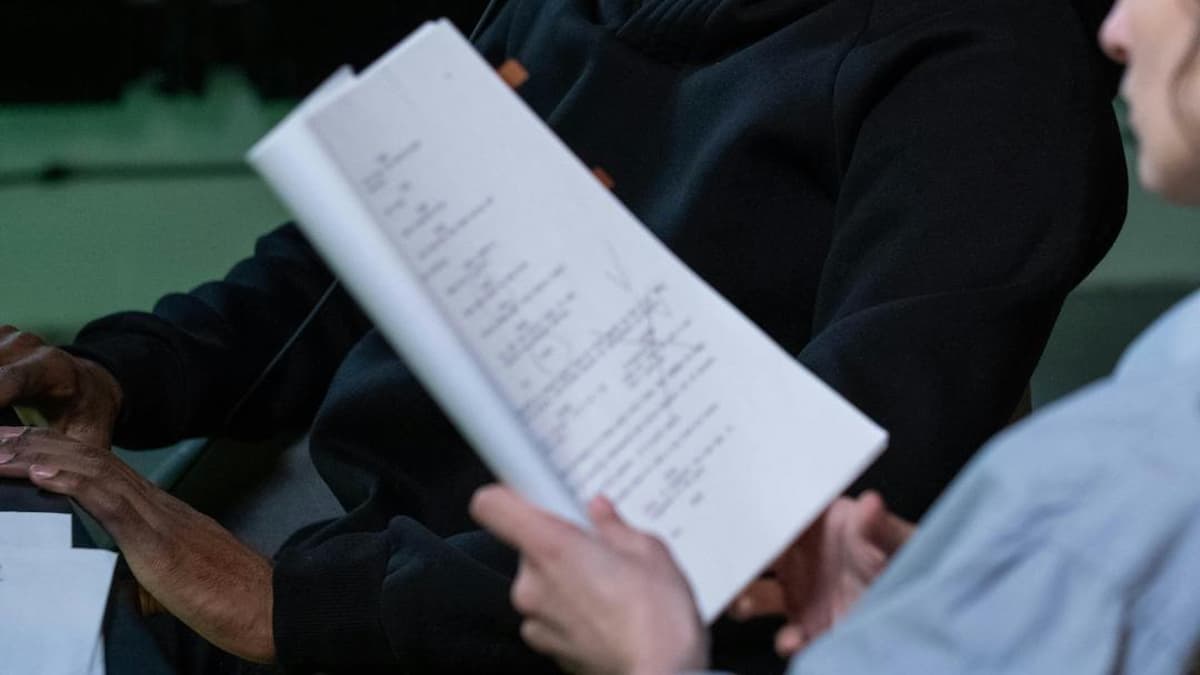
A filmmaker and developer created AI‑powered apps to solve two persistent bottlenecks in independent film production: self‑tape auditions and early script table reads. By using realistic synthetic voices, the tools let actors record auditions without a live scene partner and...

Most Indie Films Don’t Miss Funding Because They’re Bad
Indie filmmakers often blame poor scripts for funding failures, but the real culprit is a broken financial structure. Investors evaluate risk, recoupment probability, liquidity timeline, and market position within minutes, discarding projects that lack realistic budgets, clear audience targeting, solid...
4 Documentary Filmmaking Skills That Apply to Journalism
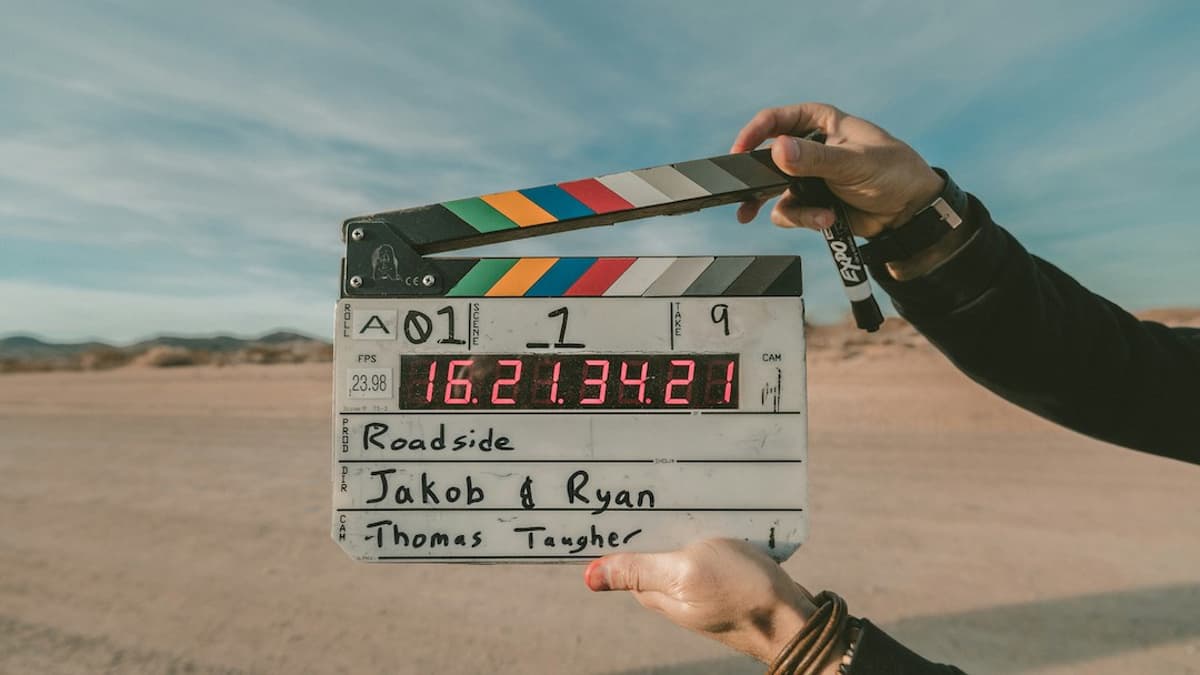
The article highlights how documentary filmmaking techniques are reshaping modern journalism. It outlines four transferable skills—visual storytelling, three‑act narrative structure, rigorous pre‑production research, and treating interviews as character studies. By adopting the "show, don’t tell" mindset, journalists can turn dry...

What Does AI Mean for Filmmakers
The article frames artificial intelligence as the latest disruptive wave in filmmaking, comparable to the shifts from celluloid to video and then to digital. AI is portrayed not merely as a faster tool but as a structural change affecting creation,...