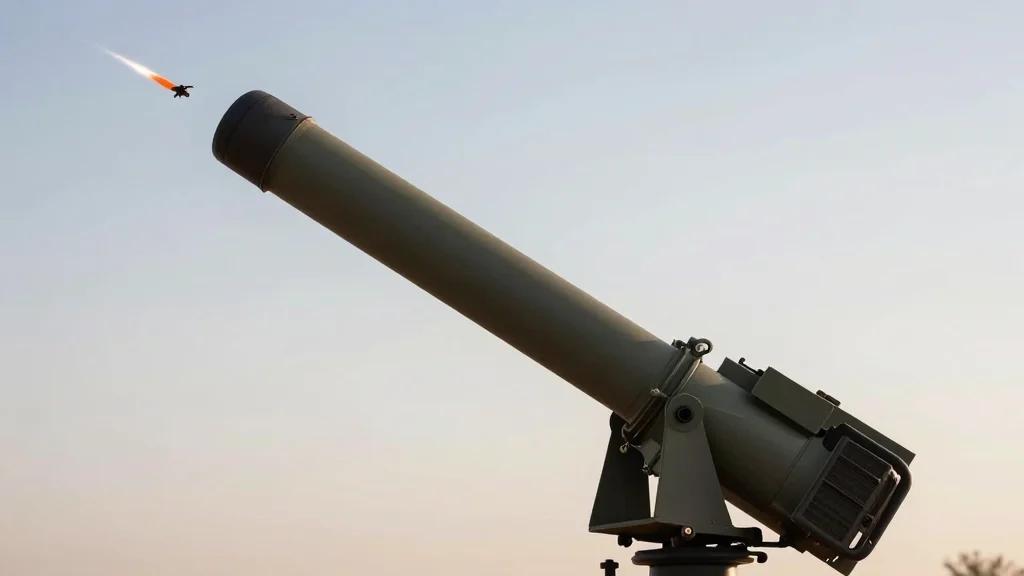
U.S. Marine Corps Destroys Drone Target With MADIS System
The U.S. Marine Corps recently employed its Marine Air Defense Integrated System (MADIS) to destroy a hostile drone during a live‑fire training exercise. The successful interception demonstrated MADIS’s ability to engage small, low‑observable aerial threats in real time. The test underscores the Corps’ push to modernize short‑range air defense amid a surge in unmanned systems on future battlefields. The exercise also highlighted coordination between C‑UAS sensors, command networks, and kinetic weapons.

Political Objectives, Nuclear Forces, and the Enduring Value of U.S. ICBMs
U.S. intercontinental ballistic missiles (ICBMs) remain the most responsive component of the nuclear triad, delivering rapid launch capability that underpins deterrence. They deter both nuclear and conventional threats while reassuring NATO and Pacific allies of American commitment. In an environment...

What Is Victory in War and When Is It Defeat?
The article questions whether the terms “victory” and “defeat” have concrete meanings in the context of a potential U.S.–Israel war against Iran. It argues that traditional notions of battlefield success are insufficient, urging analysts to consider political, economic, and legitimacy...
Getting Inside the Enemy's Mind
The United States and Israel have launched a series of precision strikes against Iranian targets, achieving notable early successes. Analysts attribute the rapid effectiveness to a shared pool of high‑quality intelligence that pinpointed critical nuclear and missile infrastructure. The operation...

How China's AI-Powered Robots Could Reshape the Global Order
China is accelerating a transition from cloud‑based AI to “embodied intelligence,” deploying physical robots that can operate autonomously in real‑world environments. State‑backed programs and private venture capital are funding massive production lines for AI‑driven manufacturing, logistics and defense platforms. The...
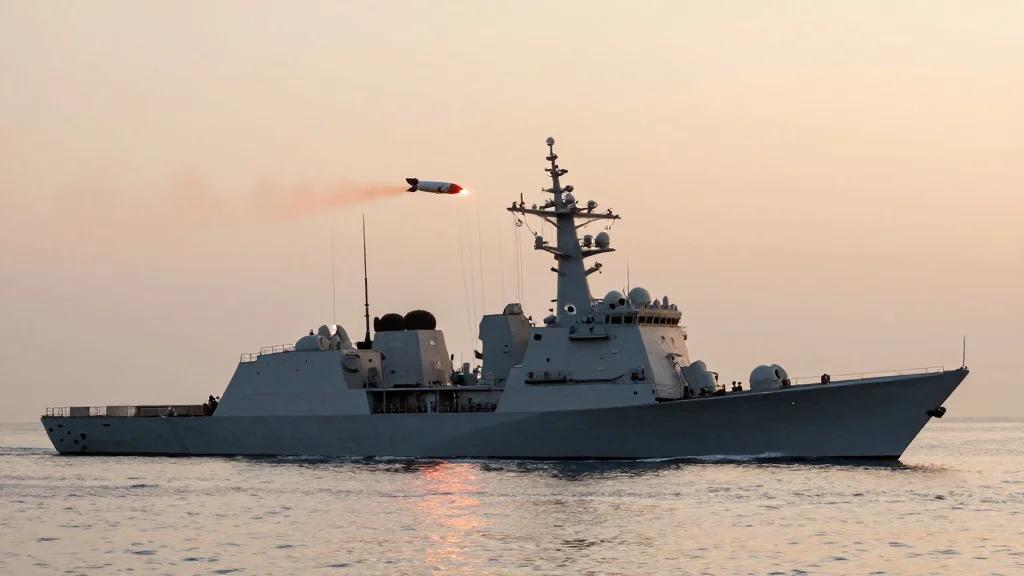
CENTCOM: U.S. Has Destroyed Entire Class of Iranian Warships
The U.S. Central Command announced that, since the joint U.S.-Israel offensive began on Feb. 28, American forces have destroyed more than 60 Iranian vessels, including an entire class of warships. The operation marks the most intensive maritime strike against Iran’s navy...
Iran's High-Risk Strategy for a No-Limits Middle East War
Iran has drafted a high‑risk, no‑limits war strategy that anticipates a multi‑front conflict across the Middle East. The plan, reportedly approved by Supreme Leader Ayatollah Khamenei, ensures the Iranian military can continue operations even if its top commanders are eliminated....
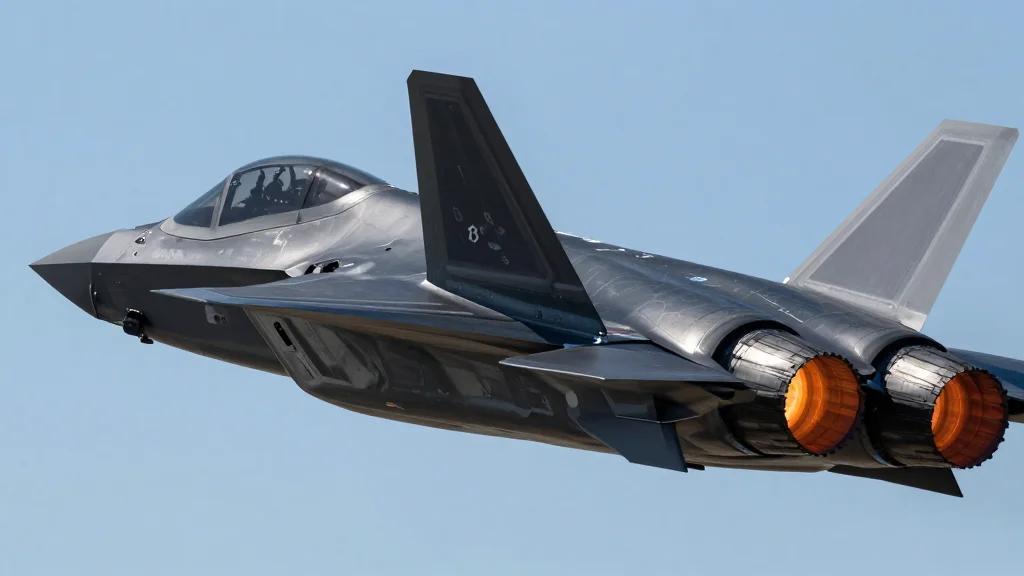
'Race of Attrition': U.S. Military's Finite Interceptor Stockpile
U.S. defense officials warn that the nation’s interceptor missile stockpile, estimated at roughly 1,200 units, is finite and could be depleted if Operation Epic Fury’s timeline expands. Production lines are unable to scale quickly enough to replace losses incurred in a high‑intensity...
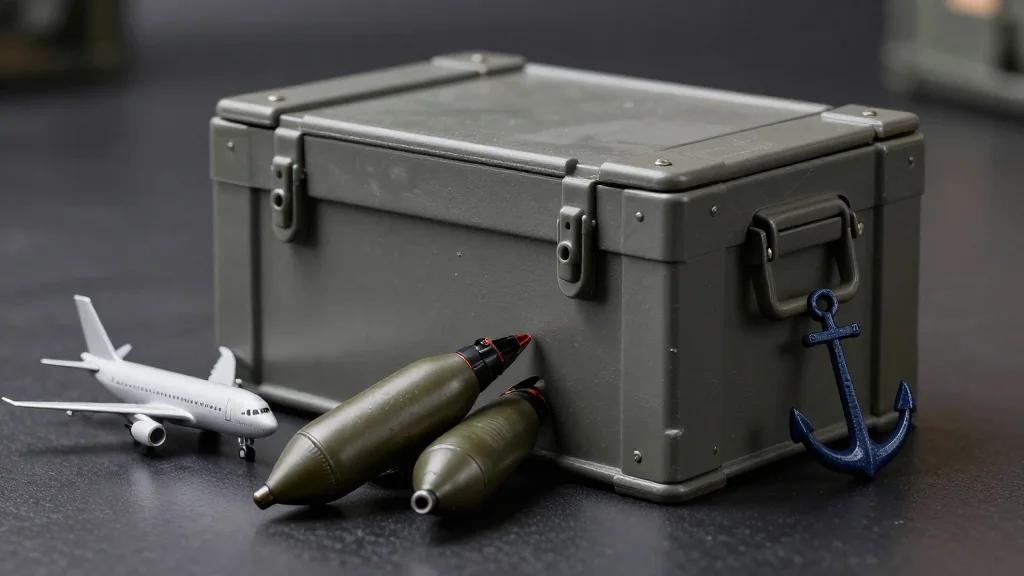
Iran Strike Exposes U.S. Capacity Vulnerabilities, Experts Say
Operation Epic Fury, the recent joint US‑Israel strike on Iran, has drawn attention to systemic capacity gaps within the United States military. Analysts note that shortages in precision munitions, strained air‑lift assets, and naval logistics bottlenecks could hamper rapid response...
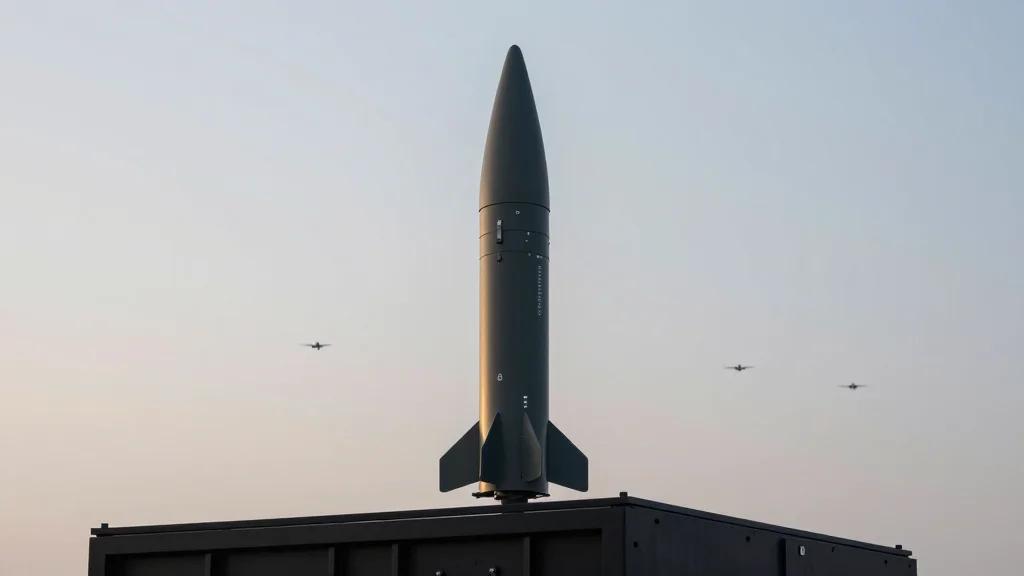
Gulf States in Race Against Time to Repel Iran's Onslaught
Iran has intensified its drone campaign targeting the Persian Gulf, prompting neighboring Gulf Cooperation Council (GCC) states to scramble limited air‑defence interceptors. Saudi Arabia, the United Arab Emirates, Qatar and Kuwait are accelerating purchases of Patriot, SAMP/T and other high‑altitude...

A Golden Fleet Starts with Maintenance and Modernization
The article argues that rebuilding U.S. sea power hinges on a disciplined maintenance and modernization agenda, not merely increasing ship counts. It highlights a $30 billion investment need to refurbish aging hulls and integrate electric propulsion, directed‑energy weapons, and advanced sensors....
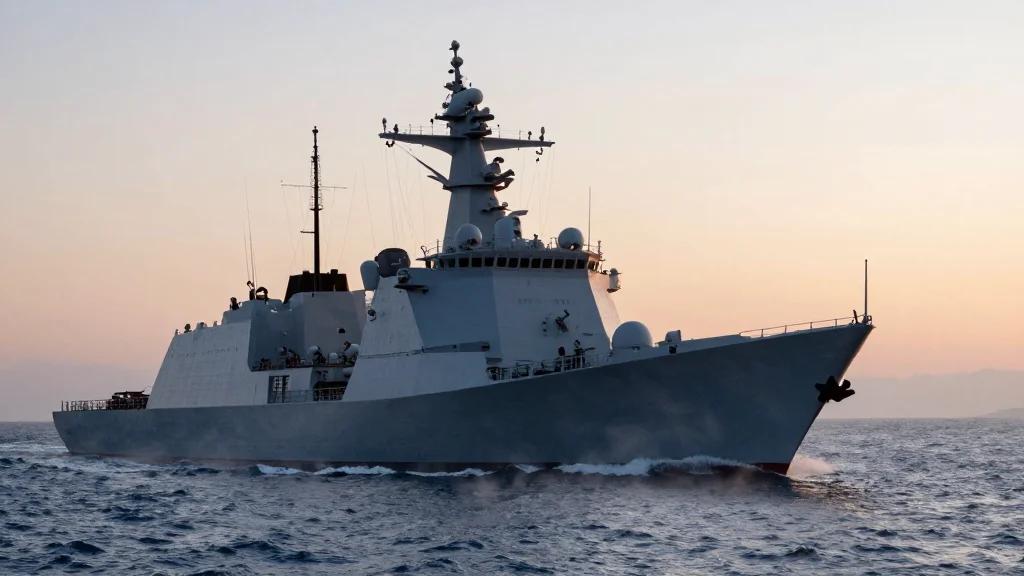
Do Not Sacrifice Marines and Sailors on the Altar of Expediency
In an op‑ed for RealClearDefense, retired Marine Corps General Charles Krulak, former Navy officer James Conway, and defense analyst Leonard Picotte warn that the U.S. Navy and Marine Corps are risking the safety of sailors and Marines by prioritizing rapid,...

Critical Minerals Need Reliable Financing Frameworks
The article argues that the rapid expansion of critical mineral supply chains is being hampered by inconsistent financing structures. It highlights China’s strategic advantage, where processing capacity is tightly coupled with manufacturing demand and backed by patient, large‑scale capital. The...

Reforming Army Processes for Continuous Transformation
The Modern War Institute argues that the Army’s traditional staff education, epitomized by a multihour “How the Army Runs” course and a 500‑page manual, no longer equips officers for modern conflict. It calls for a shift toward continuous transformation, embedding...
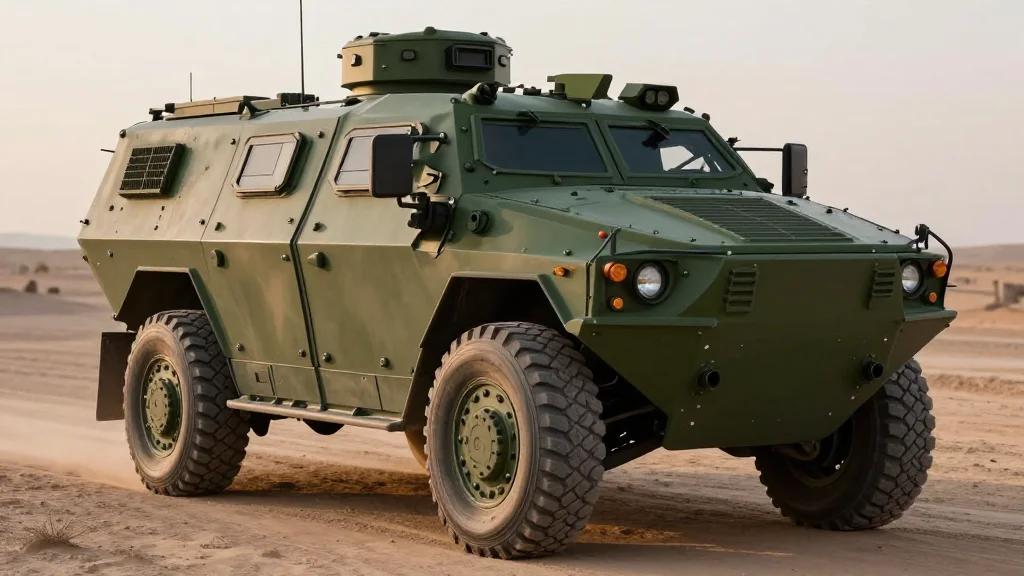
Marine Corps Reaffirms JLTV Acquisition in Wake of Army Stop
Nearly a year after the U.S. Army announced it would cease procurement of the Joint Light Tactical Vehicle (JLTV) as part of its transformation plan, the Marine Corps has reaffirmed its intent to continue acquiring the platform. The service plans...
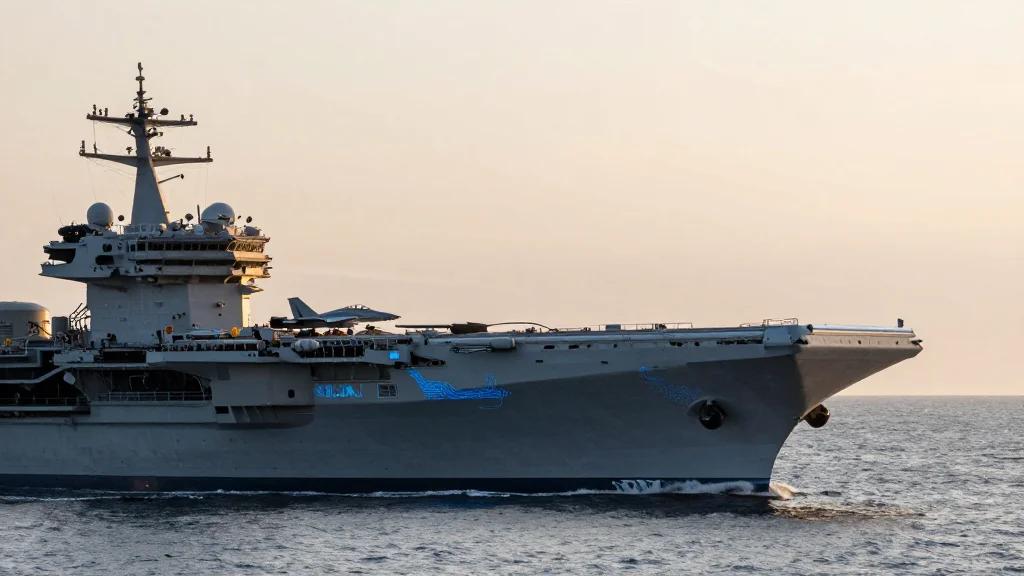
USS Kennedy Excels With Computer Automation Ot Sea Trials
The U.S. Navy’s next‑generation carrier USS Kennedy completed its inaugural sea trials, showcasing a suite of computer‑driven automation tools. Integrated flight‑deck, propulsion, and logistics software reduced manual inputs and accelerated mission‑ready timelines. Early data indicates a 15‑percent drop in crew workload...
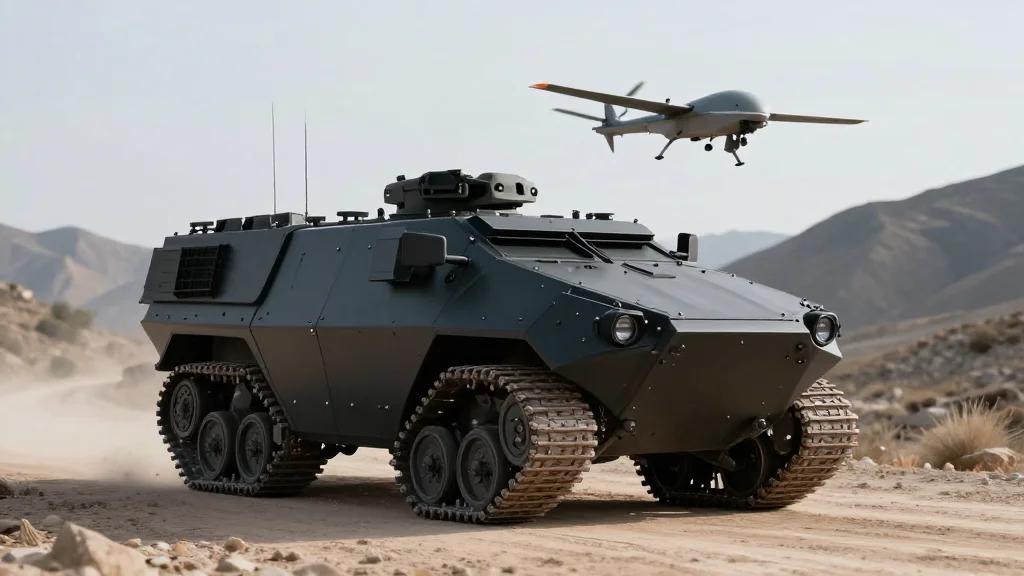
Mobility, the Combat Power Multiplier
The Modern War Institute paper argues that mobility is the decisive combat multiplier for the U.S. Army, linking historical setbacks to inadequate maneuverability and emphasizing lessons from past conflicts. It outlines how rapid movement expands firepower, accelerates decision cycles, and...
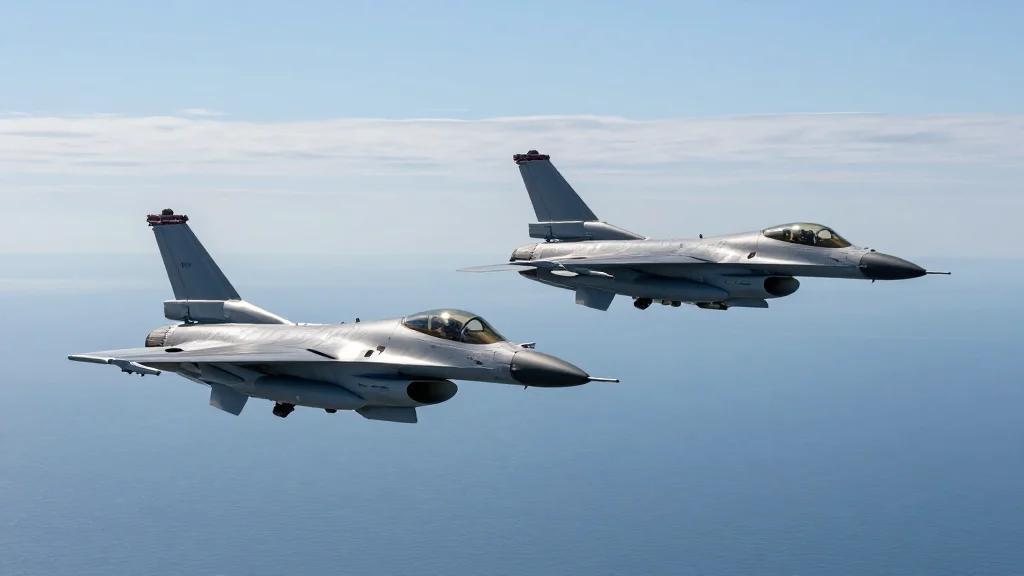
U.S. F-16s and Chinese Jets Engage in Rare Mid-Air Standoff
U.S. Forces Korea deployed F‑16 fighter jets for a rare training sortie over the Yellow Sea, prompting a rapid response from the People’s Liberation Army Air Force. Chinese pilots scrambled their own jets, resulting in a brief mid‑air standoff that...
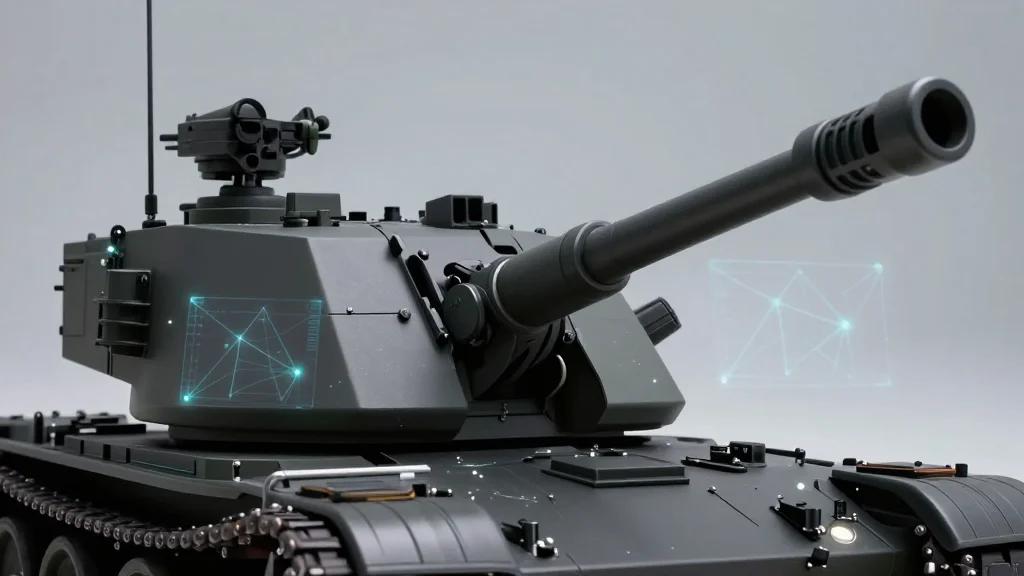
The Modern King of Battle
James Mingus, John Weissenborn & Peter Sulzona, MWI Creating the Army's Integrated Fires Complex

In Modern Conflict, Speed Wins. AI Will Help America Win That Race.
U.S. Defense Secretary Pete Hegseth’s recent memo declares that speed is the decisive factor in modern warfare, urging a rapid transformation of military AI capabilities. The Department of Defense is accelerating AI integration across command, control, and weapons systems to...
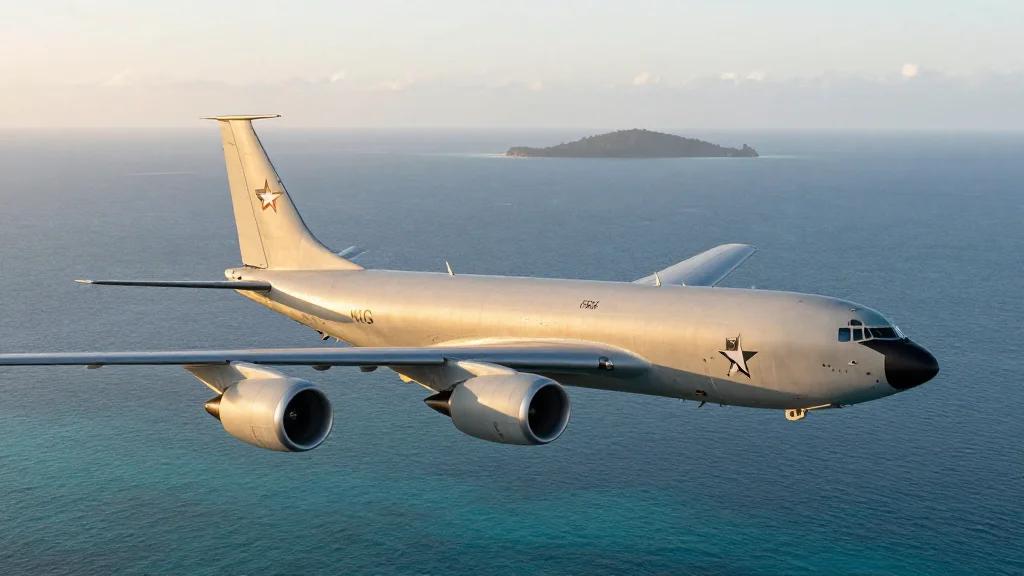
Don't Trust U.K. on Diego Garcia
The United Kingdom is considering transferring administrative control of the Diego Garcia military base to Mauritius following an International Court of Justice advisory opinion. The base, leased to the United States, is a critical hub for air‑refueling, surveillance, and rapid response...

Anchors Away: The Perils of Our Shipbuilding Imbalance
The article warns that the United States Navy faces a growing shipbuilding imbalance, with production capacity falling short of strategic demand. Historical lessons from World War II and Mahanian doctrine underscore the risk of a weakened fleet. Current procurement pipelines are...

Army Leaders Say Future European Fight Could Mean 1,500 Targets Daily
U.S. Army leaders warn that a future large‑scale conflict in Europe could involve engaging roughly 1,500 targets in a single day. The figure reflects the anticipated intensity of combined‑arms operations against a near‑peer adversary. To meet this demand, the Army...
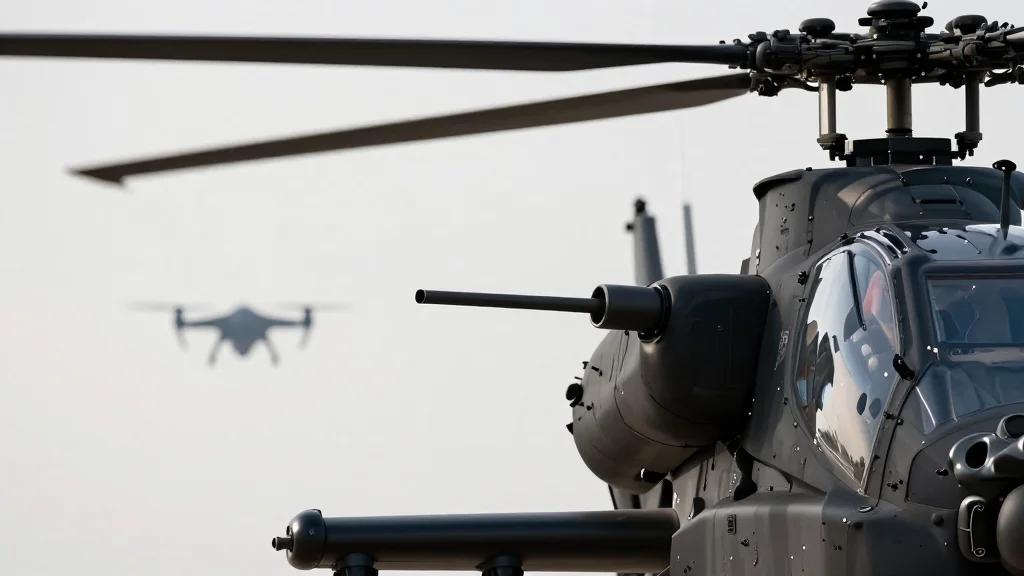
Apache Helicopters Downed Drones With 30mm Proximity Ammo
The U.S. Army’s AH‑64 Apache attack helicopter successfully employed 30 mm proximity‑fuzed ammunition to engage and destroy unmanned aerial vehicles during a December training exercise at Yuma Proving Ground. This marks the first documented air‑to‑air kill by an Apache using purpose‑built...
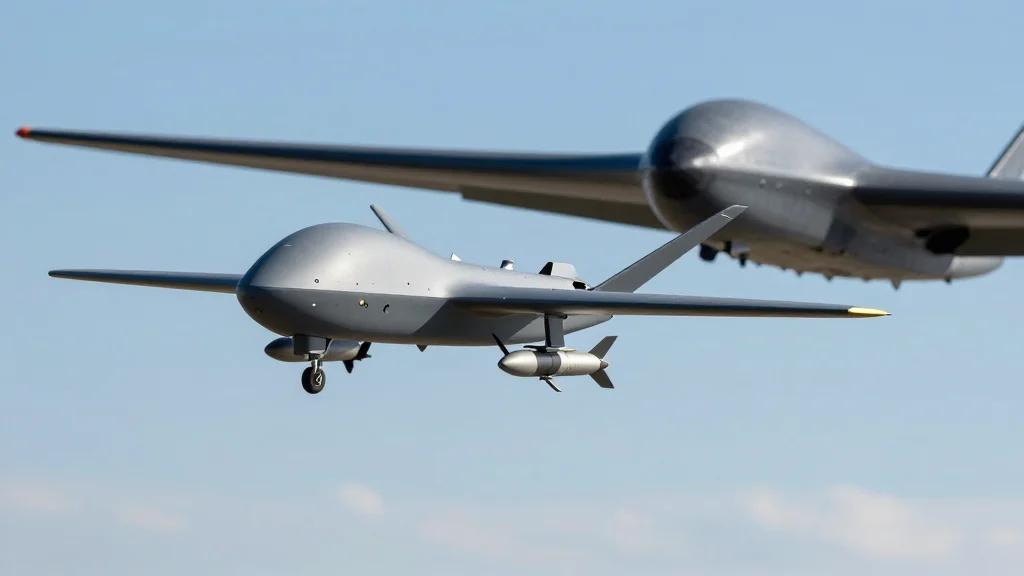
X-68A LongShot Air-To-Air Missile-Carrying Drone
The X‑68A LongShot is a drone‑based air‑to‑air missile system designed to extend the defensive reach of bombers and cargo aircraft. By mounting the missile‑carrying drone on larger platforms, the system enables engagement of hostile aircraft without exposing the host plane....
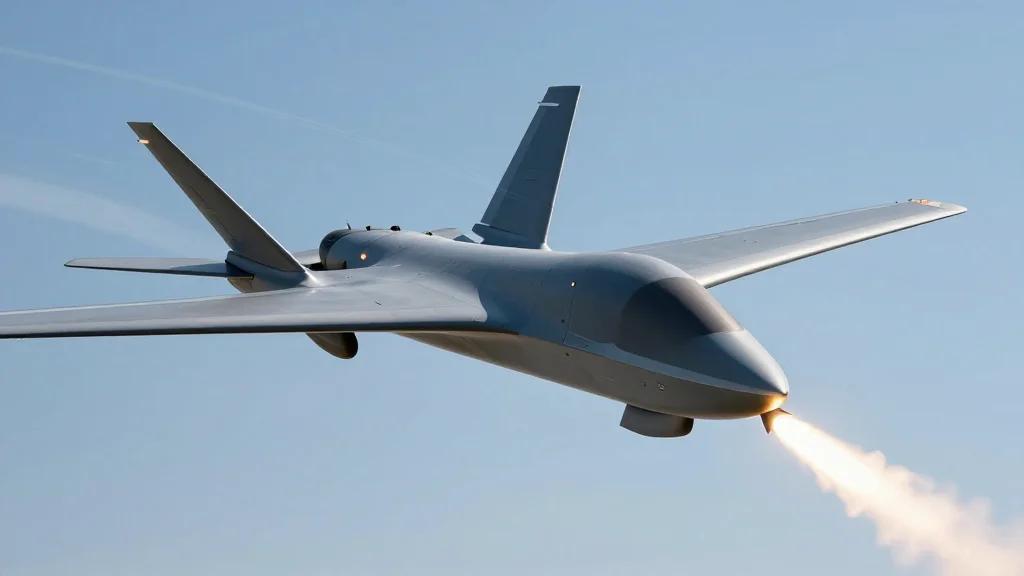
Fully Autonomous Air Combat Is Coming
Turkey’s Kızılelma unmanned combat aerial vehicle (UCAV) recently demonstrated the first successful air‑to‑air missile launch from a UAV, marking a milestone in autonomous air combat. The strike, conducted without a human pilot in the loop, showcases advances in artificial intelligence,...
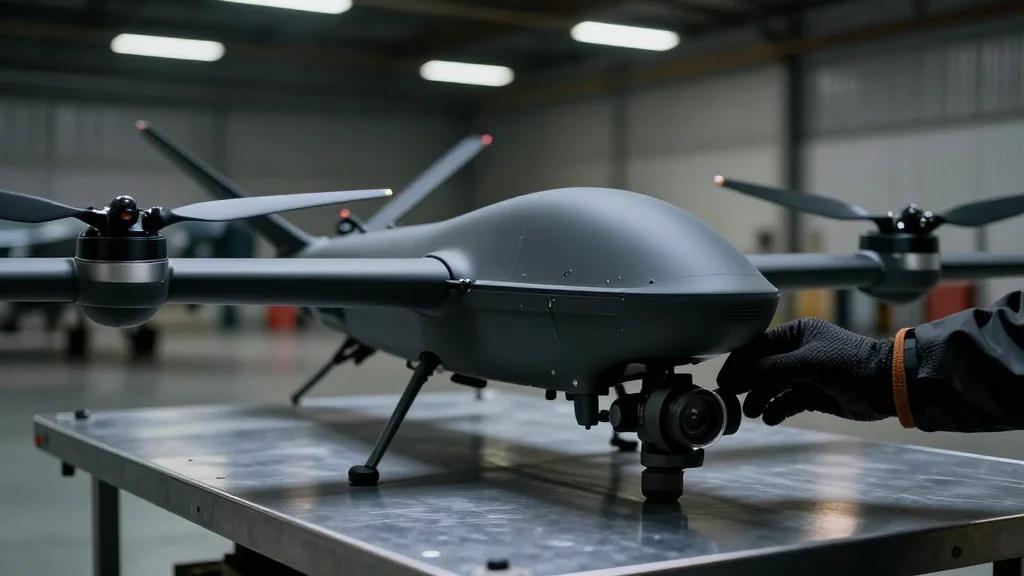
Iran Launches War Games In Straits Of Hormuz
Anoshito Banerjee, News18
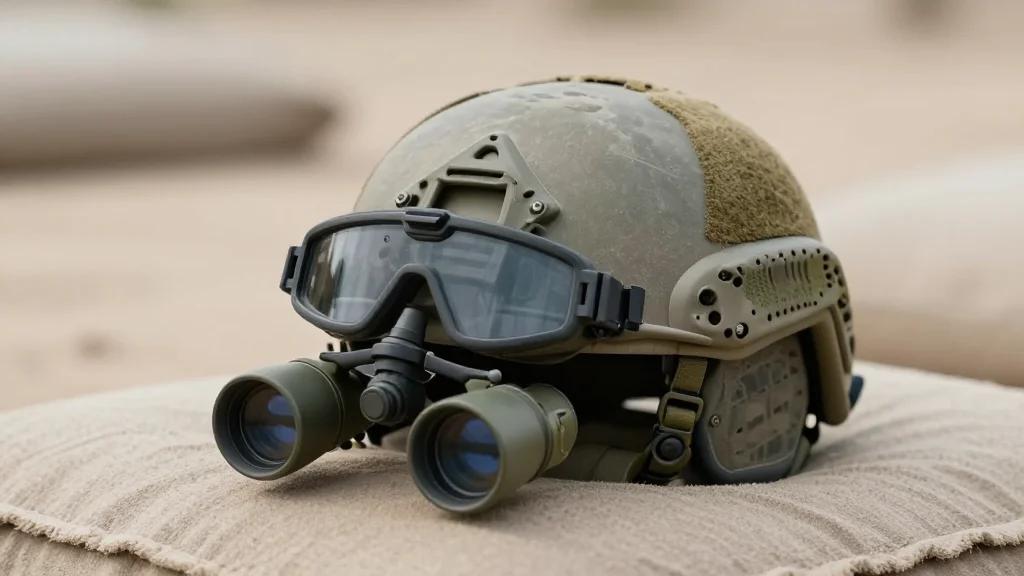
Nigeria Warns Against Enlisting Abroad After Deaths in Ukraine
M. Okafor, BBC
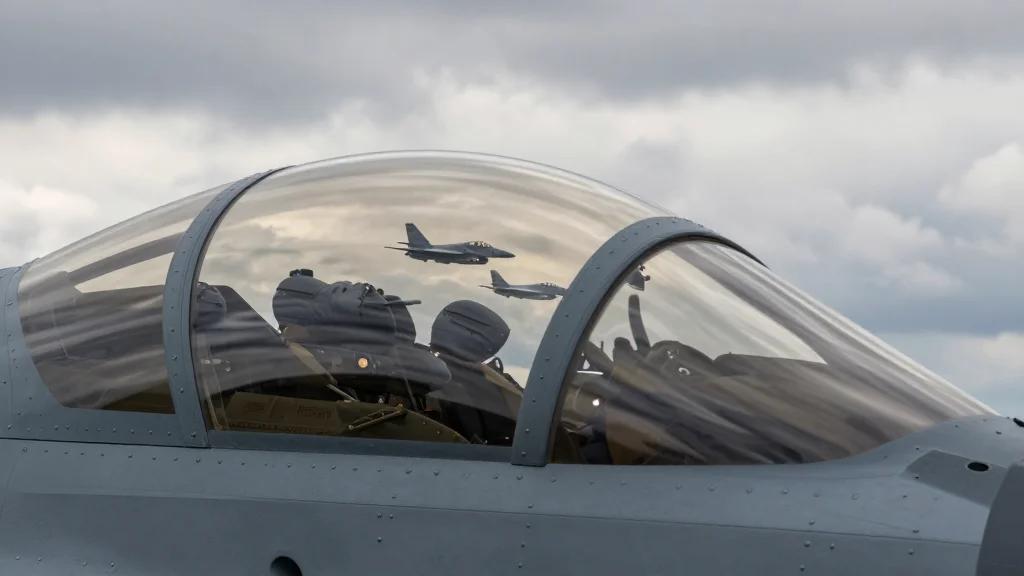
Poland Should Develop Its Own Nuclear Defense, President Says
Staff, Bloomberg

Canada Gives U.S. Firms the Cold Shoulder on Military Spending
I. Austen, NYT
Starmer: UK Needs to Go Faster on Defense Spending
Esther Webber, POLITICO
U.S. Conducts Strikes on More Than 30 ISIS Targets in Syria
The United States launched air strikes against more than 30 ISIS‑linked targets in Syria on February 16, 2026. The operation employed precision munitions to hit training camps, weapons depots, and command nodes across eastern Syria. It was coordinated with local...

U.S. Forces Board Oil Tanker in Indian Ocean That Fled Blockade
AFP, France24

Defenestration - It Is Time for the Window
The Marine Corps has publicly acknowledged flaws in its Force Design 2030 blueprint and is initiating revisions. The original plan emphasized a lighter, distributed force but cut back heavy armor and artillery, drawing criticism. Recent assessments have prompted a hybrid...
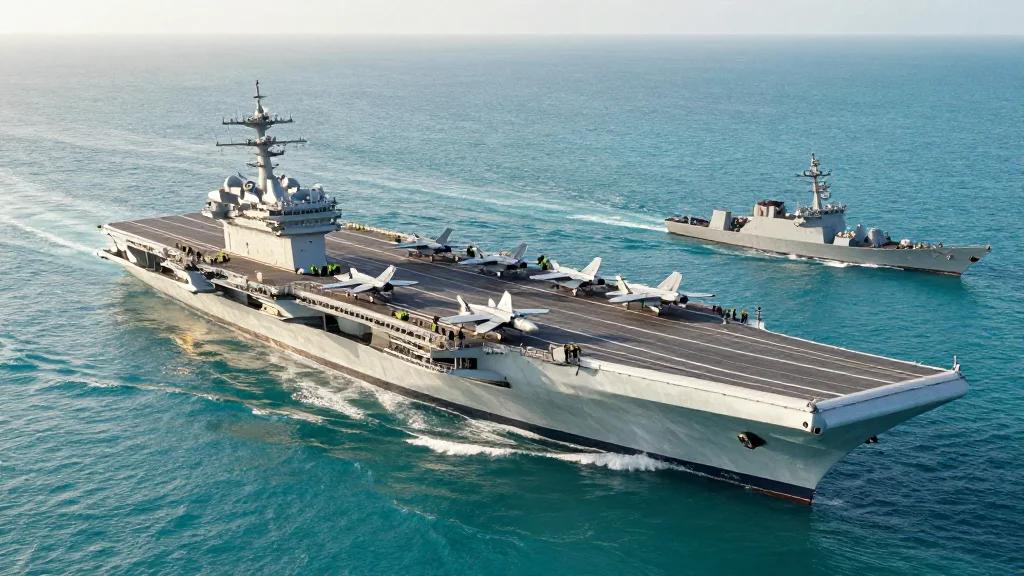
USS Ford's Extension to the Middle East
U.S. Navy’s flagship carrier USS Gerald R. Ford (CVN‑78) and its accompanying surface escorts and Carrier Air Wing 8 have been redirected from their Caribbean training area to the Middle East. The deployment, announced by Navy officials, will keep the...

C-17 Airlifts a Micro Nuclear Reactor for the First Time
The U.S. Air Force successfully used a C‑17 Globemaster to airlift a micro‑nuclear reactor, marking the first such operation. The transport demonstrates that small modular reactors can be rapidly deployed to remote locations. Military planners view the capability as a...
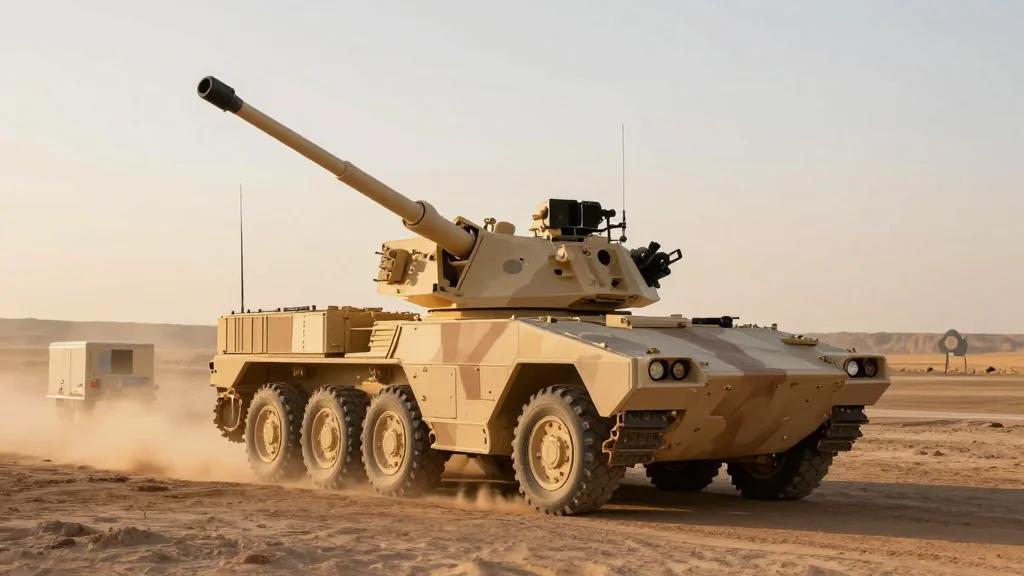
U.S. Army Pushes Artillery Limits With Next-Gen Rocket-Assisted Rounds
The U.S. Army is testing a new generation of rocket‑assisted artillery rounds at Yuma Proving Ground, aiming to dramatically increase range and precision. These projectiles promise distances beyond 70 km, far surpassing current howitzer capabilities. The Army plans to field the...

Rethinking the Role of the Marine Corps in National Security
The article argues that the Marine Corps’ strategic function in national security should not be left solely to legislative and naval authorities. It emphasizes the Corps’ unique expeditionary capabilities that demand independent strategic input. The piece warns that excessive reliance...

Our Network Can't Be the First Obstacle in the Fight
The Army’s command and control (C2) network has evolved through incremental add‑ons rather than a cohesive design strategy. This patchwork architecture limits real‑time decision making and exposes the force to cyber vulnerabilities. Defense leaders now argue that a purpose‑built, integrated...
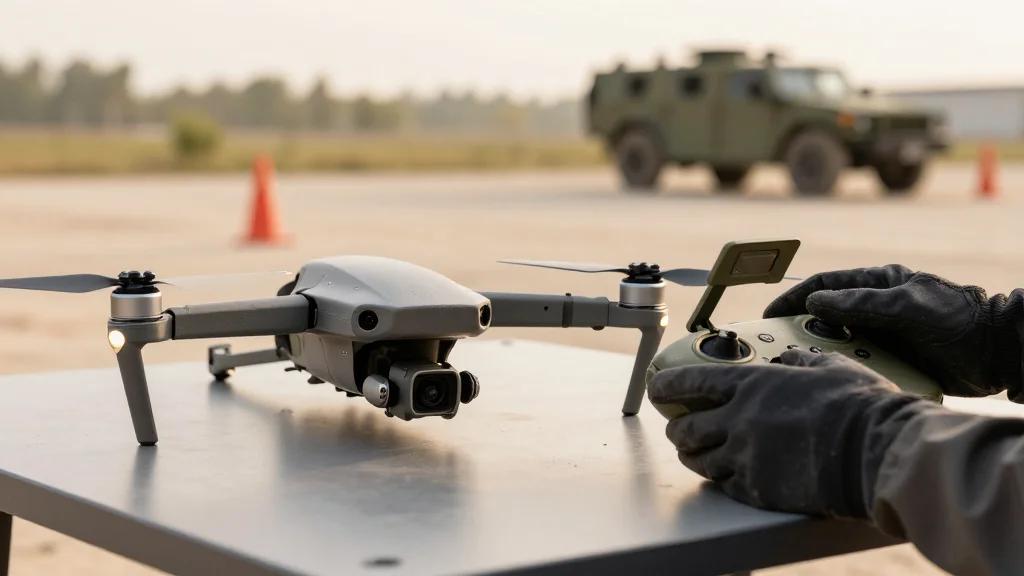
Every Marine a Rifleman and Now, a Drone Operator
The U.S. Marine Corps has unveiled a new training initiative that equips hundreds of Marines with small‑drone operating skills. The program builds on the Corps’ long‑standing “every Marine a rifleman” doctrine, adding a second specialty as unmanned‑aircraft operators. Training combines...
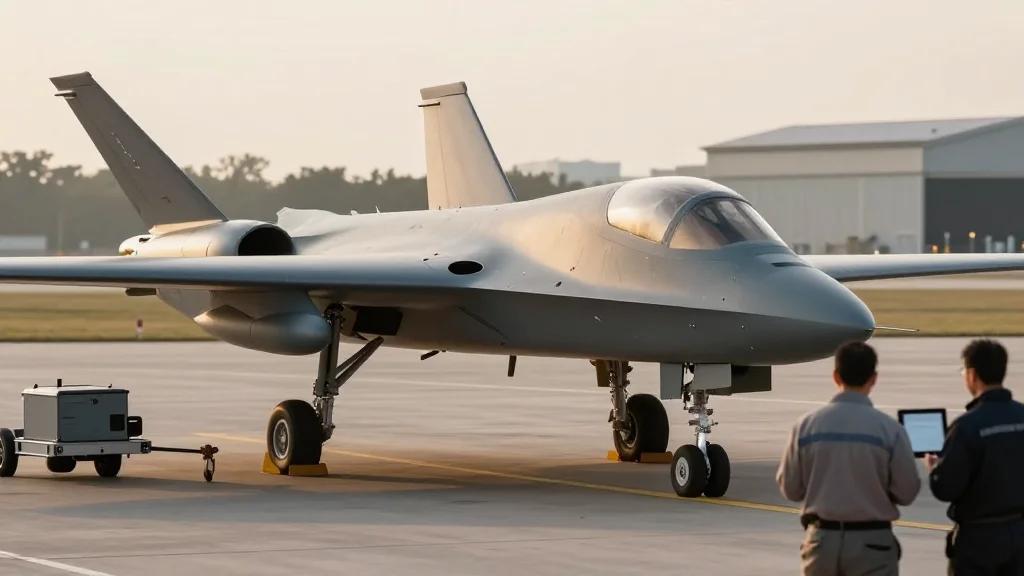
USAF Integrates Open-Architecture for Mission Autonomy on CCAs
The U.S. Air Force announced that its Collaborative Combat Aircraft (CCA) program has incorporated an open‑architecture framework to support mission‑autonomous capabilities. The new architecture allows software modules to be added, updated, or replaced without redesigning the airframe, accelerating the deployment...
U.S. Troops to Nigeria Will Avoid Combat, Focus on Training
C. Eboh, US News

UK Will Bolster Troops in Norway to Counter Russian Threat
J. Rawnsley, BBC

Iran Unwilling to Compromise on Missile Capabilities
Iran has dismissed U.S. requests to cease uranium enrichment, reaffirming its nuclear trajectory. While refusing a complete halt, Tehran signaled willingness to negotiate the specific level and purity of enrichment, or to join a regional consortium overseeing nuclear activities. The...
Mexican Cartel's Seized Ammo Is Traced to U.S. Army Plant
E. Mega, NYT
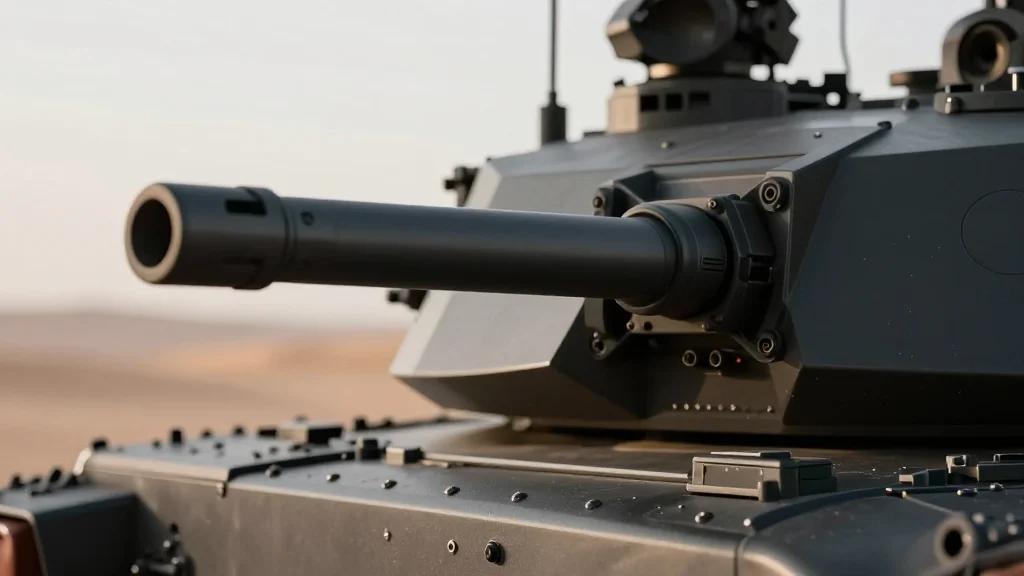
Erik Prince Sent Men, Drones to Help Congo's Army Secure Town
Staff, Reuters
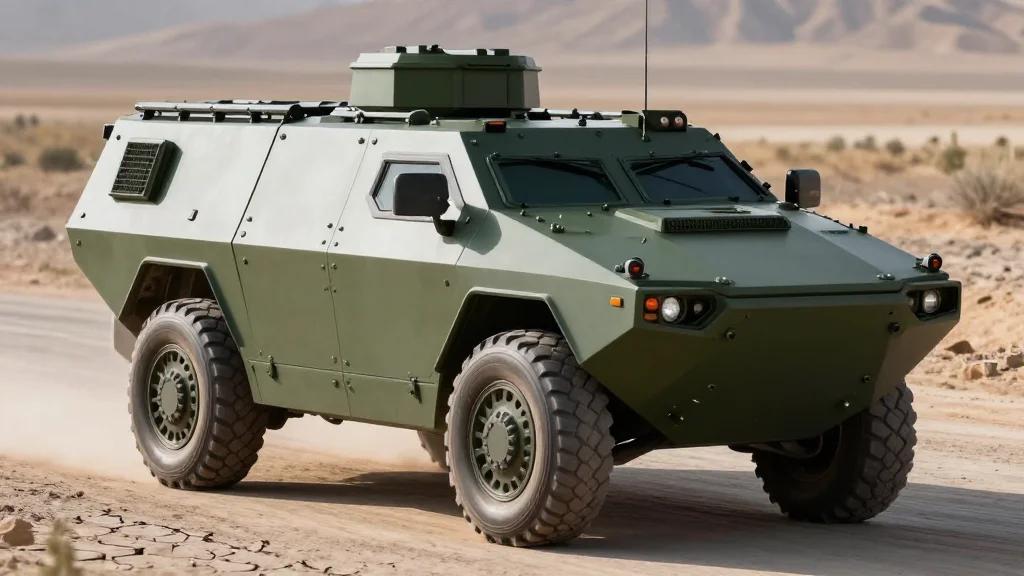
What War With Iran Would Look Like
Arash Reisinezhad, Foreign Policy

The End of Atlanticism
The article argues that a realist faction within the Trump administration is redirecting U.S. strategic emphasis from the traditional Atlantic alliance toward the Indo‑Pacific region. It suggests that Europe’s role in American security calculations is diminishing as policymakers prioritize countering...
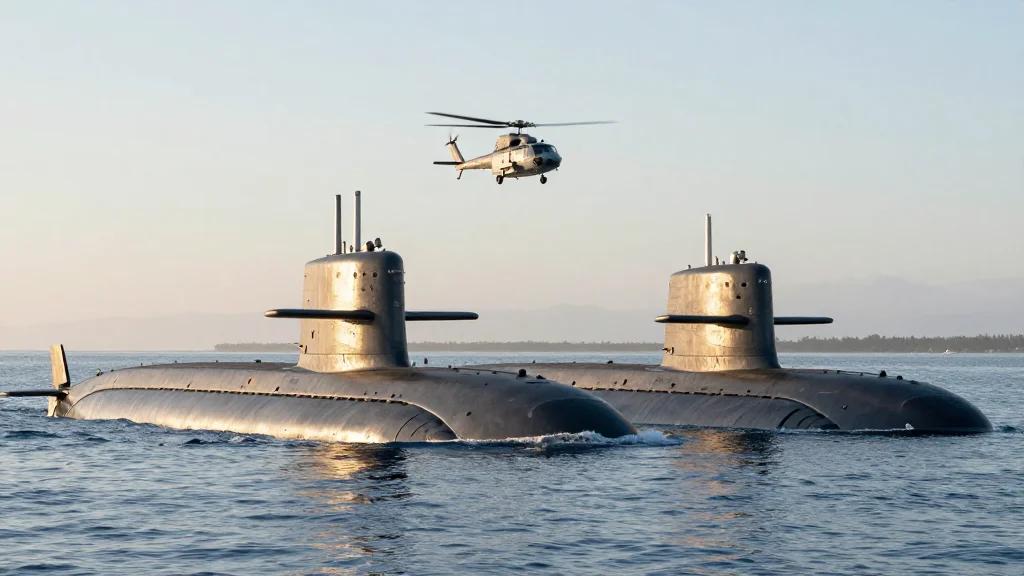
U.S. Navy Deploys Two Nuclear Attack Submarines Near Guam
On February 11, 2026, two U.S. Navy Los Angeles‑class nuclear attack submarines surfaced together off Guam in a tightly controlled formation exercise. The maneuver, supported by naval aviation, is a rare display of coordinated undersea operations. It underscores the forward‑deployed force’s...

Air Force Hones Its Hub-and-Spoke Approach to Basing
Jennifer Hlad, Defense One Today's Air Force leaders aren't <a...