
Can Open-Source Beat OpenAI?
The United States and China are locked in an AI rivalry that now hinges on engineering philosophy. While U.S. firms such as OpenAI and Anthropic keep model code proprietary, Chinese labs are rapidly releasing open‑source models that developers can download, inspect, and customize for free. These releases are being monetized through API services, licensing tweaks, and brand‑building rather than direct model sales. The shift could reshape talent acquisition, token economics, and the strategic choices of AI‑focused startups worldwide.

What the SpaceX IPO Reveals About Gulf Money in AI
SpaceX’s June 12 IPO filing shows a $1.75 trillion valuation and a potential $75 billion share sale, with Saudi Arabia’s Public Investment Fund negotiating a $5 billion stake. The prospectus also reveals Gulf sovereign‑wealth funds quietly financing AI leaders such as OpenAI, Anthropic and...

China Builds a Rival Satellite Constellation as SpaceX Goes Public
Chinese satellite firm Spacesail launched two satellites on a reusable rocket on June 1, bringing its constellation to 200 satellites within a week and directly targeting markets where SpaceX’s Starlink faces regulatory or service challenges. Backed by state financing, Spacesail has...

What to Read: A Summer Book List
Rest of World’s summer reading list spotlights eight new titles that dissect the political, social and environmental dimensions of today’s tech landscape. The selections range from Nick Srnicek’s analysis of AI power struggles between the United States and China to...
Scarcity Is Driving AI Innovation Outside Silicon Valley
Rising compute costs and energy constraints are prompting AI infrastructure development outside traditional hubs. India’s Yotta Data Services, Africa’s Cassava Technologies, Brazil’s sovereign AI factory, and the UAE’s Core42 are building large GPU clusters powered by renewable or local sources....
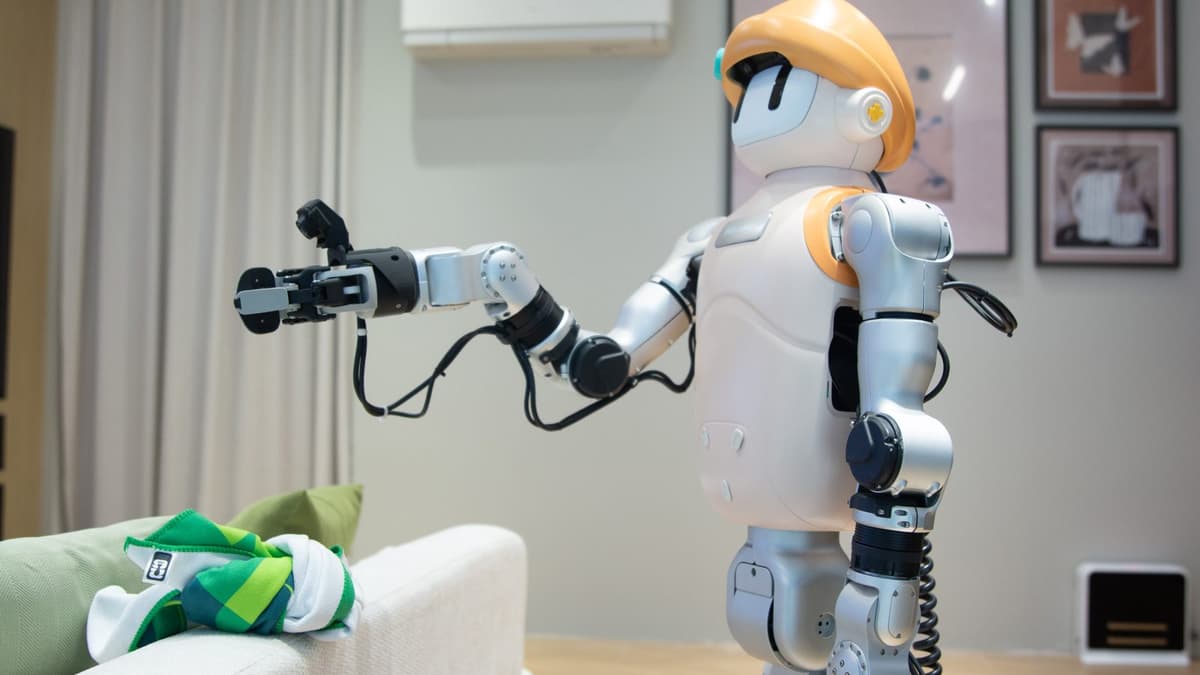
China Is Training a Robot Future — One Folded Shirt at a Time
Chinese robotics firms are tackling the data bottleneck by paying residents to film household chores, a strategy highlighted by JD.com’s plan to generate 10 million hours of training data over two years. Participants earn roughly $3 per hour, with the program...
India’s AI Deal with the UAE Challenges U.S. Cloud Dominance
India has signed a deal with UAE‑based G42 to deploy 64 Cerebras supercomputers on Indian soil, creating a non‑U.S. alternative to the dominant Amazon, Microsoft and Google AI clouds. The partnership, announced on May 15, adds a sovereign AI path...

U.S. Companies Have an AI Problem. Indian IT Wants to Be the Solution
U.S. firms are struggling to turn AI pilots into profit, with a 95% failure rate for generative‑AI projects. Indian IT giants such as TCS, Infosys, Wipro and Tech Mahindra are pivoting to capture the AI deployment layer, leveraging deep enterprise relationships...
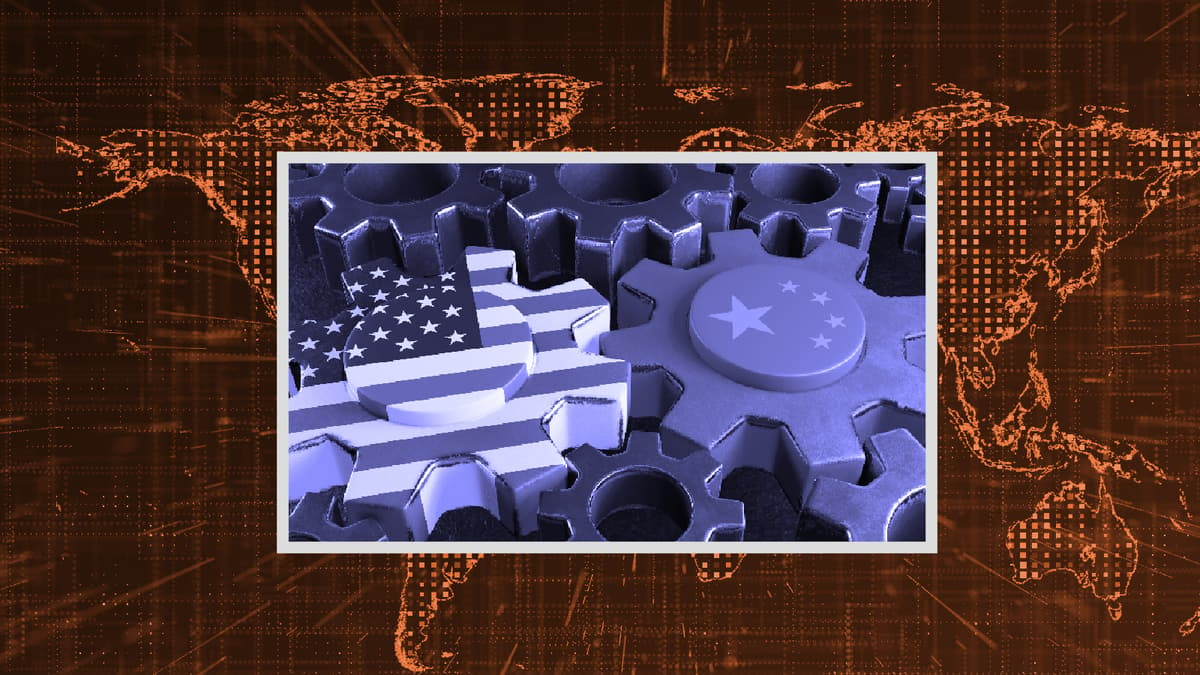
What AI Race? China and U.S. AI Worlds Are Tightly Connected
The U.S. and China’s AI sectors appear locked in a rivalry, yet they remain deeply interwoven through talent pipelines, joint research, and shared cultural touchstones. American firms lure top Chinese researchers with seven‑figure salaries, while Chinese labs produce open models...

The UAE’s OPEC Exit Frees up Oil Wealth as It Bets Big on AI
On May 1 the United Arab Emirates left OPEC, releasing a production gap worth over $61 billion annually at current Brent prices. State oil giant ADNOC responded with a $55 billion acceleration plan for oil, refining and petrochemical projects, freeing capital for AI‑focused...
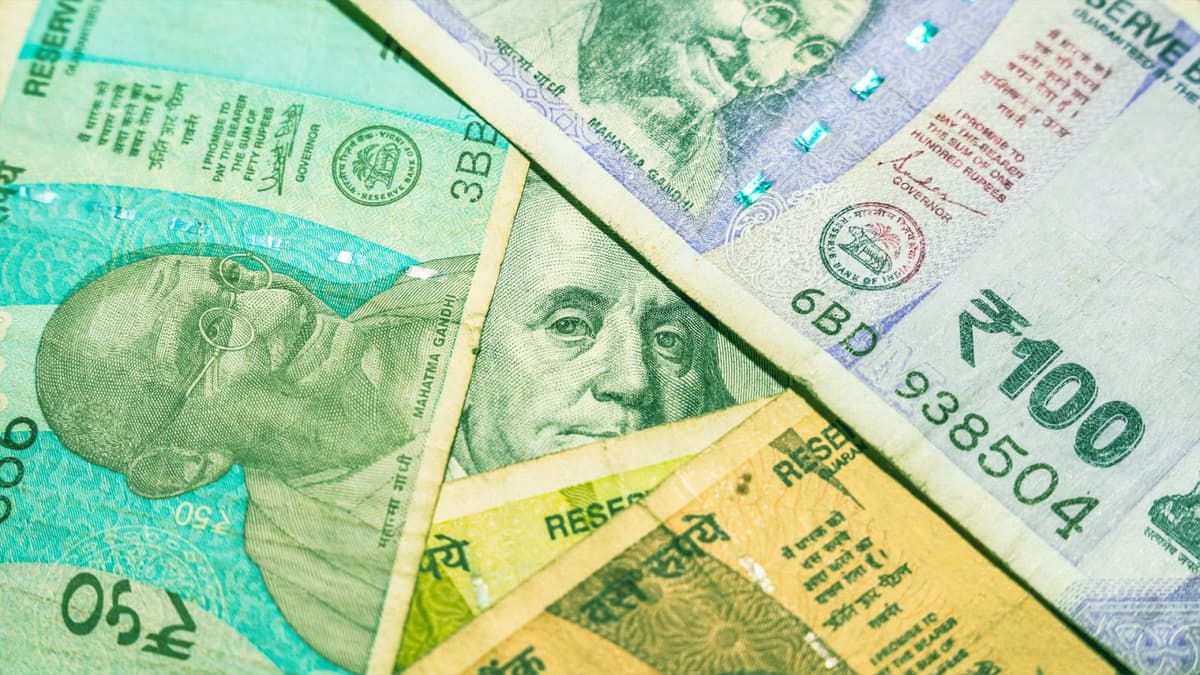
India’s VCs Are Beating Silicon Valley at Home
American venture capital once led early Indian startup rounds, but domestic investors now dominate the ecosystem. Indian funds, family offices and founder‑led firms occupy nine of the top ten investor slots in Indian tech, with Accel the only US name....

Taiwan’s Chips Power the Global Economy. China Holds the Leverage
Taiwan’s semiconductor champion TSMC supplies roughly 90% of the world’s most advanced chips and 99% of the AI‑training silicon that powers smartphones, electric vehicles and the global AI race. A serious disruption—whether from a blockade, customs inspections or outright conflict—could...
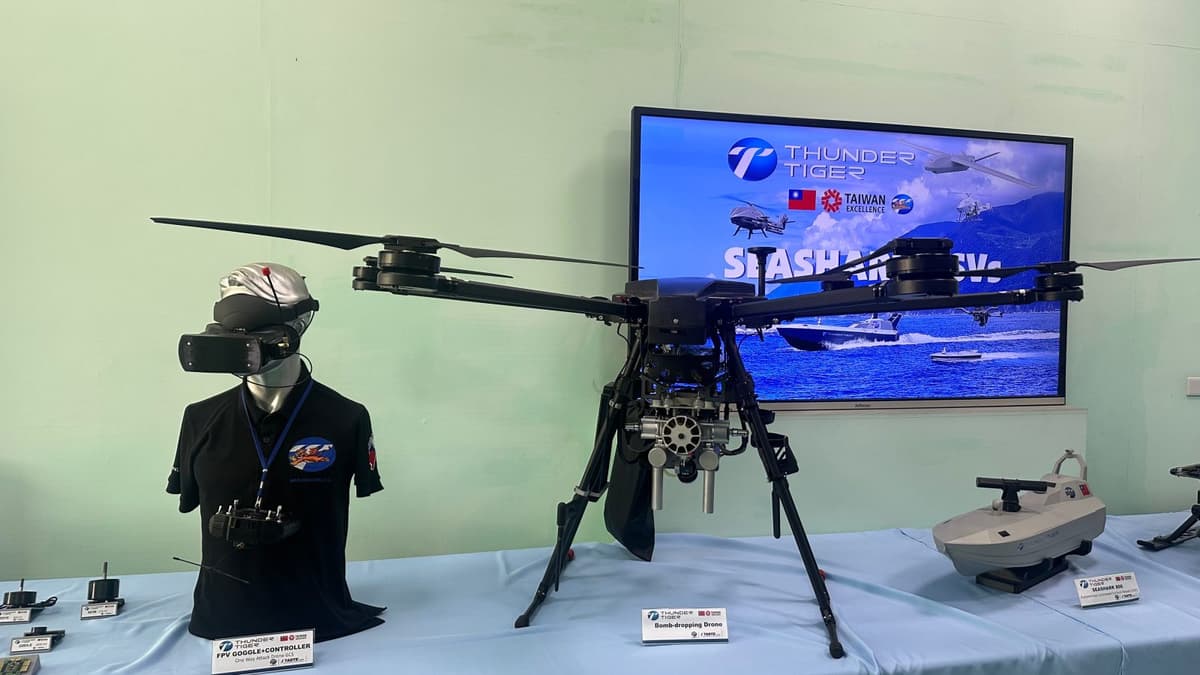
Some Taiwanese Drone Math Ahead of the Xi-Trump Visit
Thunder Tiger, a Taiwanese drone maker, earned U.S. Department of Defense clearance as the first Asian firm to supply China‑free drones to the military. Its AI‑enabled “Overkill” UAVs sell for $3,000‑$5,000, offering a low‑cost alternative to expensive missiles. Taiwan’s government...
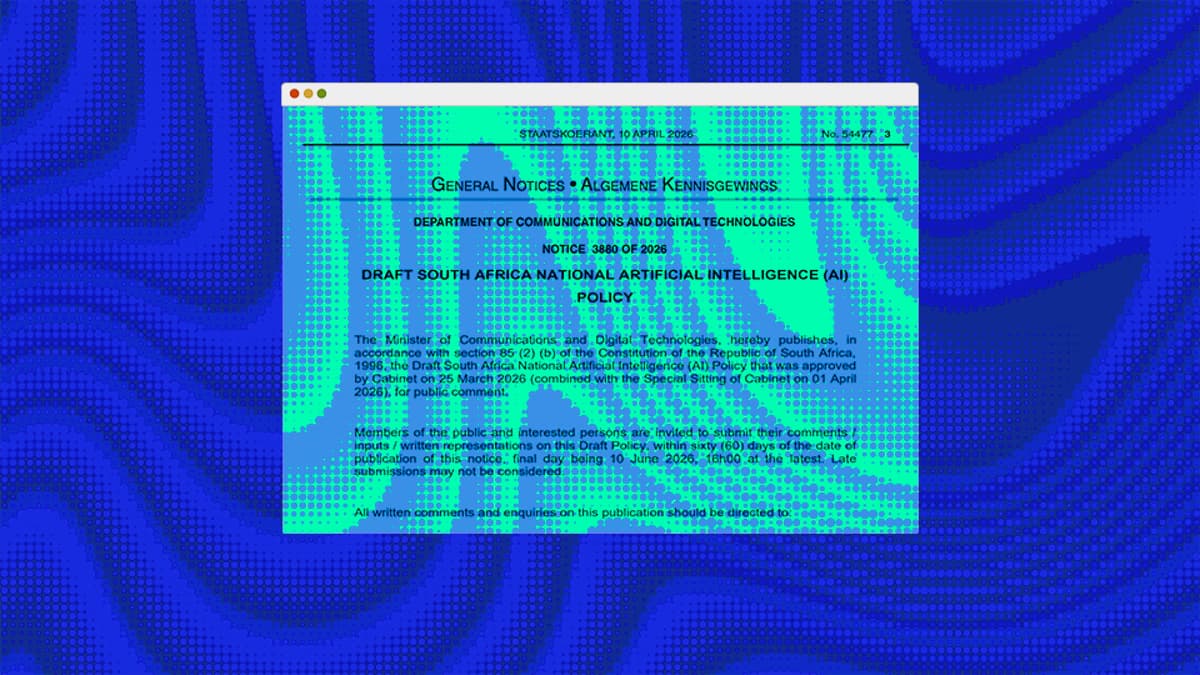
Five Times AI Hallucinations Embarrassed Governments
Over the past two years, multiple governments have been embarrassed by AI‑generated hallucinations in official documents. South Africa withdrew its draft AI policy after six fabricated citations were discovered, marking the first outright retraction due to AI errors. Similar incidents...
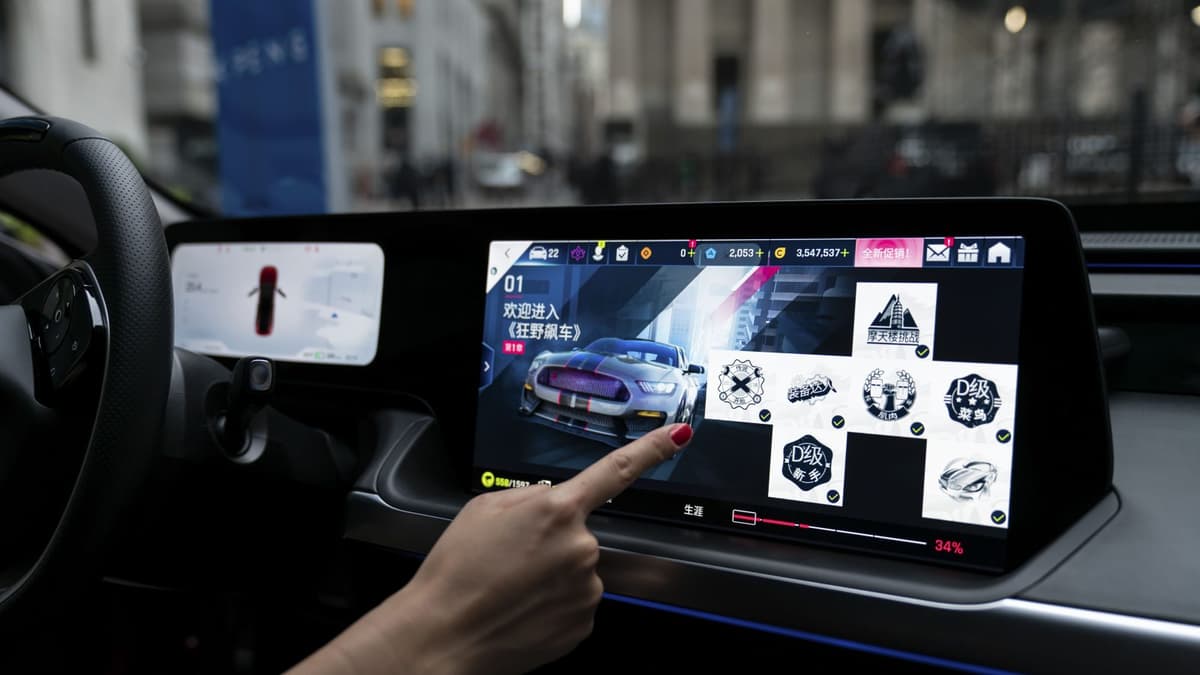
The Chinese EV Standard Winning Globally Is Banned in the U.S.
On March 17 the United States prohibited any vehicle with Chinese‑developed software from being sold domestically, a rule that takes effect for new models arriving in July 2025. Chinese EV makers, led by BYD, dominate global markets by integrating batteries, chips...