News•Mar 12, 2026
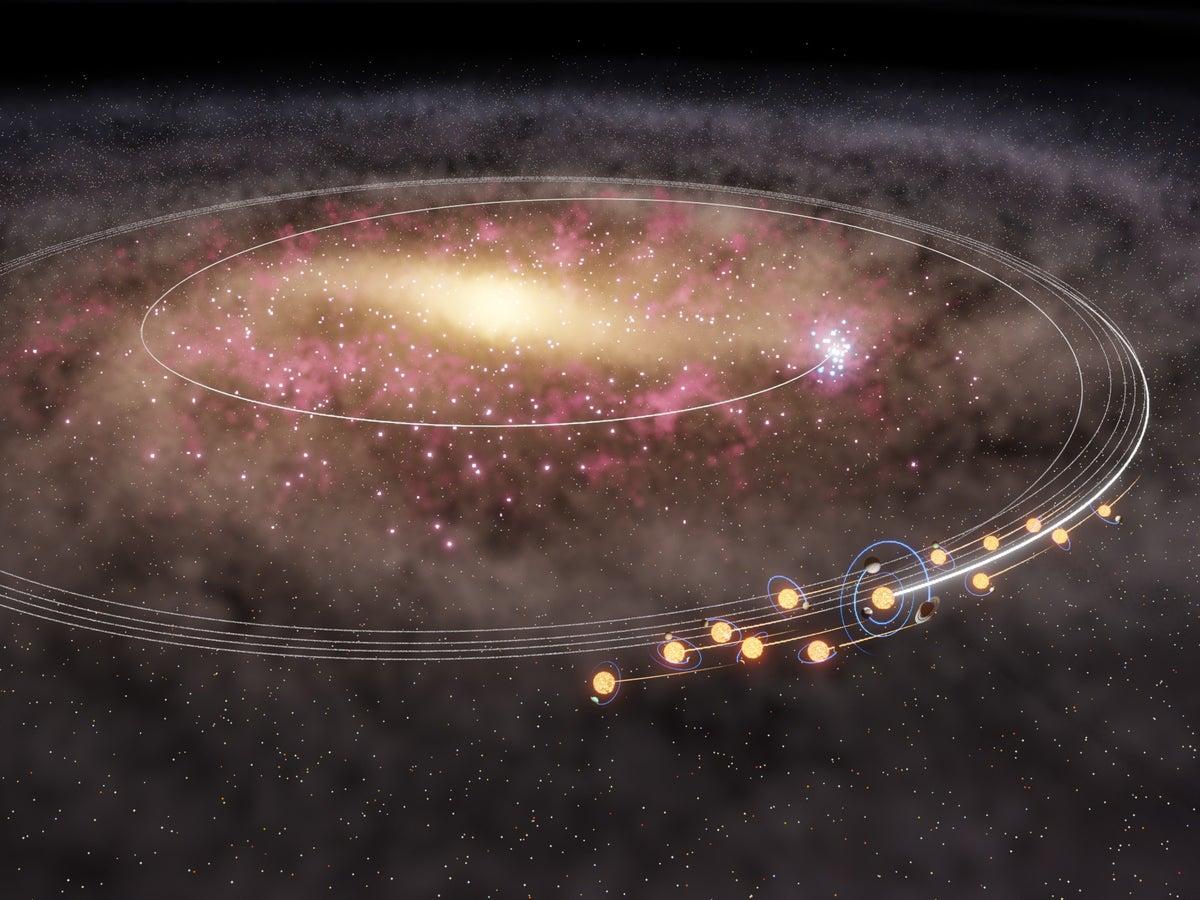
The Sun and Thousands of Its Twins Migrated Across the Milky Way Just in Time
New studies published in *Astronomy & Astrophysics* reveal that the Sun did not travel alone from its birth near the Milky Way’s crowded core to its present suburban orbit. By analyzing chemical signatures and Gaia‑derived motions of 6,594 solar‑twin stars, researchers identified a large cohort that migrated roughly 10,000 light‑years outward. Simulations suggest the galactic bar and a still‑forming corotation barrier, aided by Sagittarius dwarf encounters, enabled this mass migration. The findings reshape our understanding of stellar dynamics and the Sun’s early environment.
By Scientific American – Mind

News•Mar 11, 2026
AI Autocomplete Doesn’t Just Change How You Write. It Changes How You Think
AI-powered autocomplete tools are now embedded in emails, phones, and surveys, and a Cornell University study reveals that biased suggestions can subtly shift users' opinions on contentious issues. Participants exposed to one‑sided AI prompts adjusted their attitudes to align with...
By Scientific American – Mind
News•Mar 11, 2026
Iran Was Nowhere Close to a Nuclear Bomb, Experts Say
Experts from the IAEA, James Martin Center and other institutions say Iran is not on the brink of a nuclear bomb despite President Trump’s claim of a two‑week timeline. As of June 2025 Tehran possessed 441 kg of 60 % enriched uranium, enough for...
By Scientific American – Mind
News•Mar 11, 2026
The Gut Microbiome May Influence Brain Aging, Mouse Study Suggests
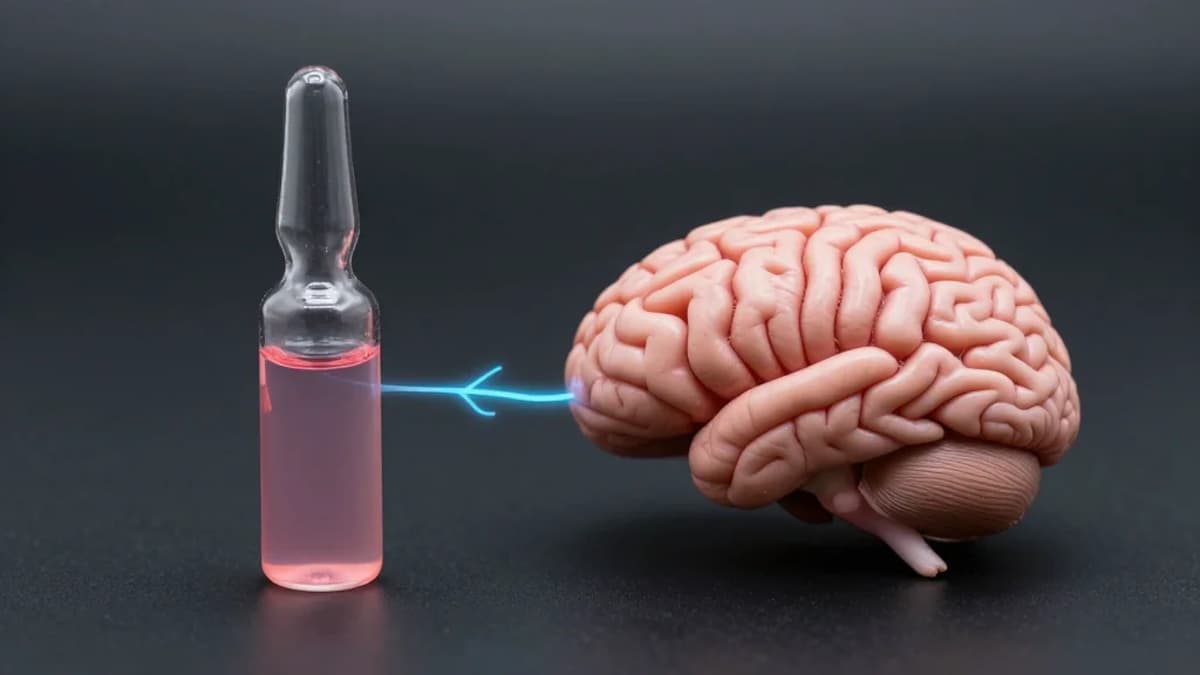
A University of Pennsylvania study published in Nature shows that gut bacteria from aged mice can impair memory in young mice, effectively accelerating brain aging. The researchers identified the bacterium *Parabacteroides goldsteinii* as the key agent, linking it to inflammation...
By Scientific American – Mind
News•Mar 11, 2026
The FDA Approves Leucovorin for Rare Genetic Condition and Not for Autism
The U.S. Food and Drug Administration approved leucovorin, a synthetic vitamin B9, solely for cerebral folate deficiency, a rare genetic disorder. Earlier this year, President Trump and HHS Secretary Robert Kennedy Jr. promoted the drug as an autism cure, prompting a surge in...
By Scientific American – Mind
News•Mar 11, 2026
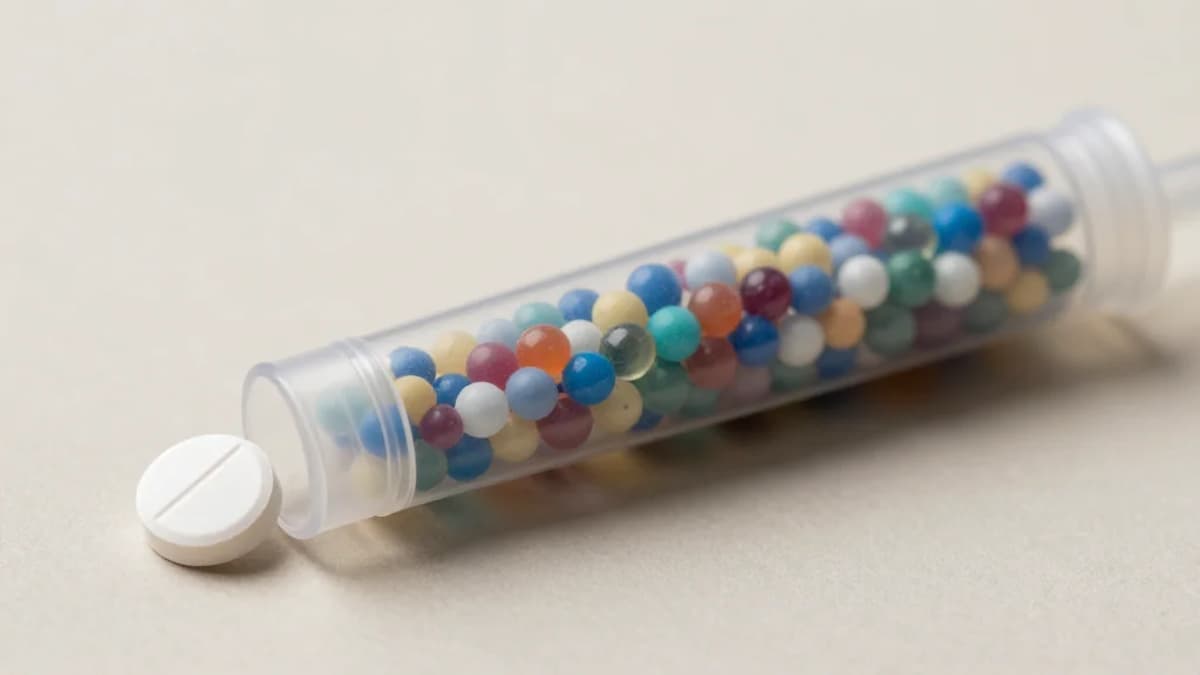
A Single Course of Antibiotics May Reshape the Gut Microbiome for Years
A new Swedish study of nearly 15,000 adults linked a single course of antibiotics to lasting reductions in gut microbial diversity, with effects persisting up to eight years. Clindamycin was the most disruptive, eliminating an average of 47 bacterial species...
By Scientific American – Mind

News•Mar 10, 2026
What Is the ‘Acid Rain’ in the Wake of U.S. Bombings in Iran?
The Conversation essay reports that black, acidic rain fell over Tehran after U.S.-Israeli airstrikes on oil depots, a byproduct of massive pollutant release. It explains that the rain contains sulfuric and nitric acids, hydrocarbons, ultrafine PM2.5 particles, polycyclic aromatic hydrocarbons...
By Scientific American – Mind
News•Mar 10, 2026
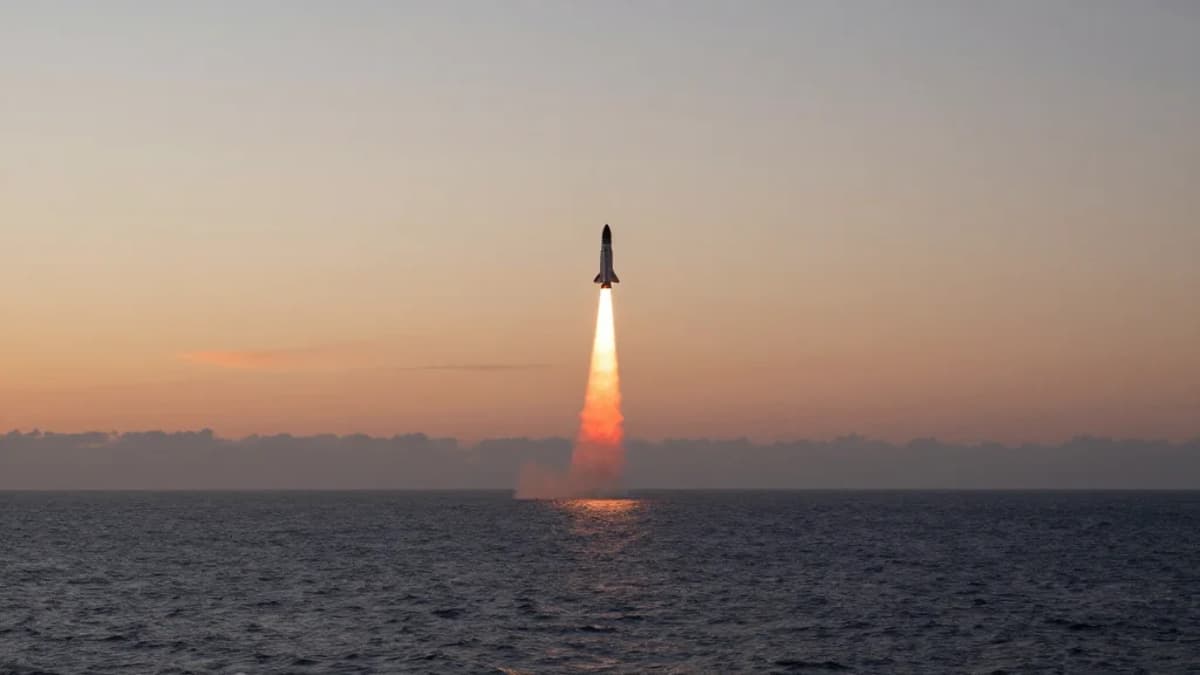
NASA Space Probe Expected to Reenter the Atmosphere with a Chance of Raining Debris
NASA’s Van Allen Probe A re‑entered Earth’s atmosphere on March 11, 2026, burning up over the Pacific Ocean south of Mexico. The 600‑kilogram spacecraft, launched in 2012 to study the planet’s radiation belts, came down months earlier than the projected 2034 timeline due...
By Scientific American – Mind
News•Mar 10, 2026
First-of-Its-Kind Vaccine Protects Children From Deadly E. Coli Infections
Scientists announced ETVAX, the first oral vaccine that targets enterotoxigenic *E. coli* (ETEC) in children, after a large‑scale trial in The Gambia. The study involved 4,936 infants aged six to 18 months and demonstrated a 48% reduction in moderate‑to‑severe ETEC...
By Scientific American – Mind
News•Mar 10, 2026
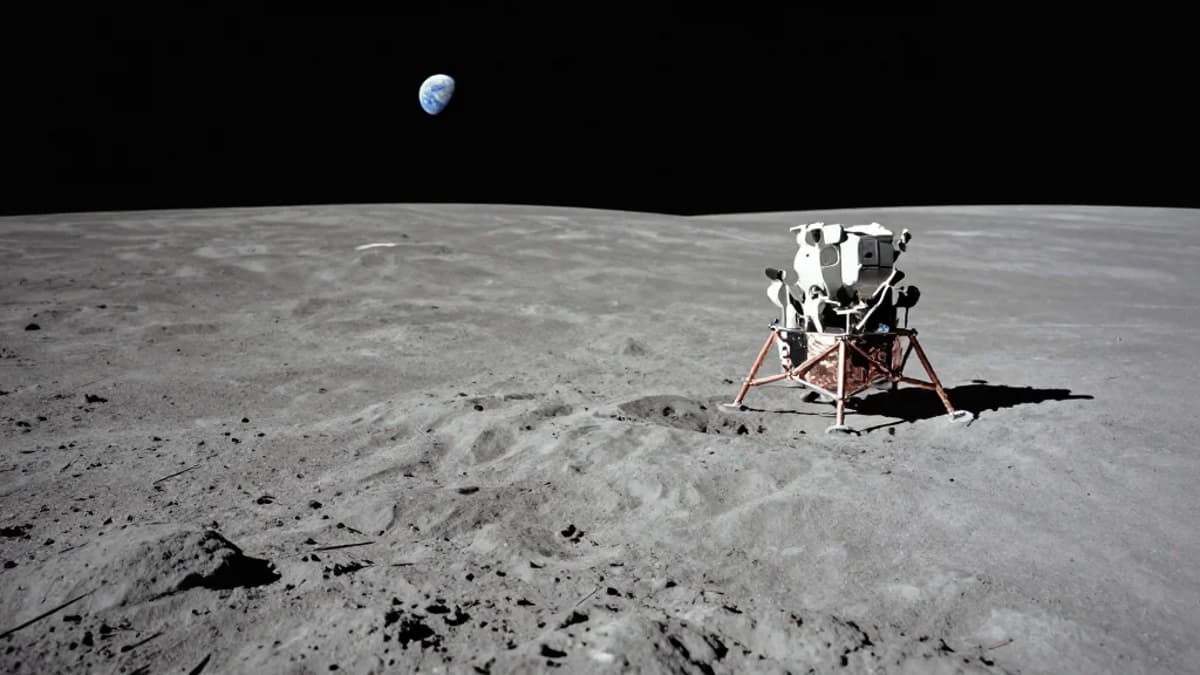
China’s First Moon Astronauts Could Land at This Surprising Site
A new Nature Astronomy paper identifies the equatorial Rimae Bode region as a prime candidate for China’s first crewed lunar landing, targeting a 2030 timeline. The study highlights the area’s flat terrain, near‑constant sunlight, and direct line‑of‑sight to Earth, reducing...
By Scientific American – Mind
News•Mar 10, 2026
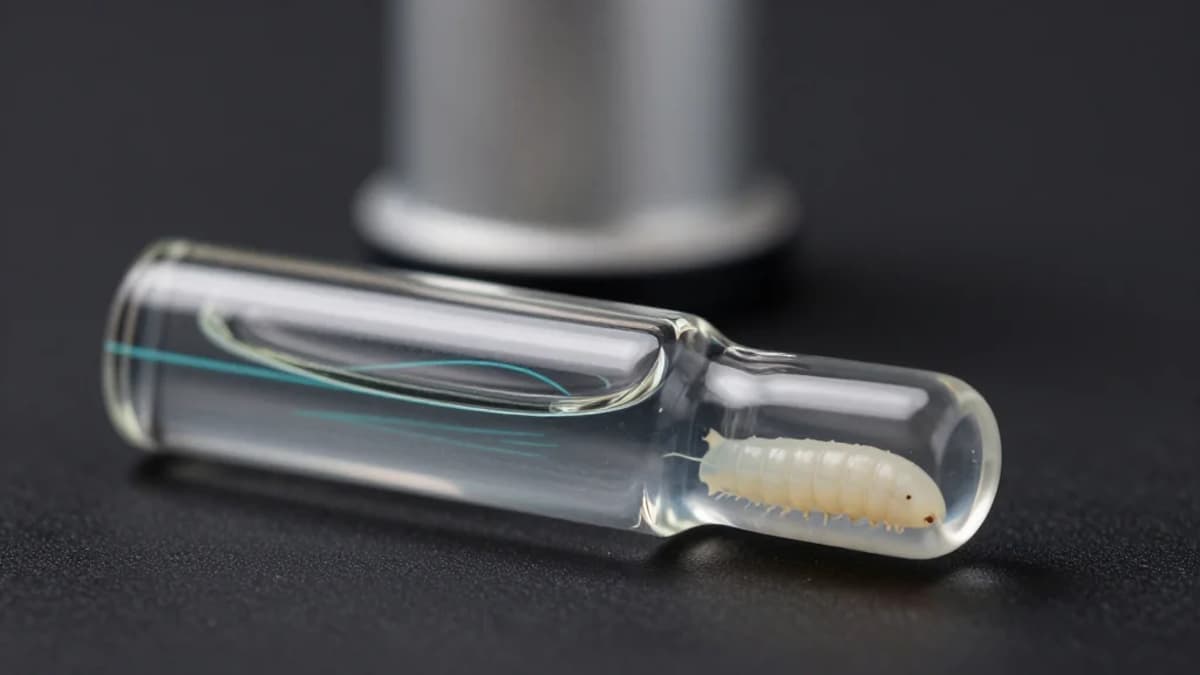
AI Techniques Speed up Forensic Analysis of Crucial Crime Scene Larvae
Researchers at LSU and Texas A&M are using machine‑learning combined with infrared spectroscopy and mass‑spectrometry to identify forensic maggot species, sex, and even toxins within minutes. The approach creates a metabolomic database that can classify insects from chemical fingerprints, eliminating...
By Scientific American – Mind
News•Mar 9, 2026
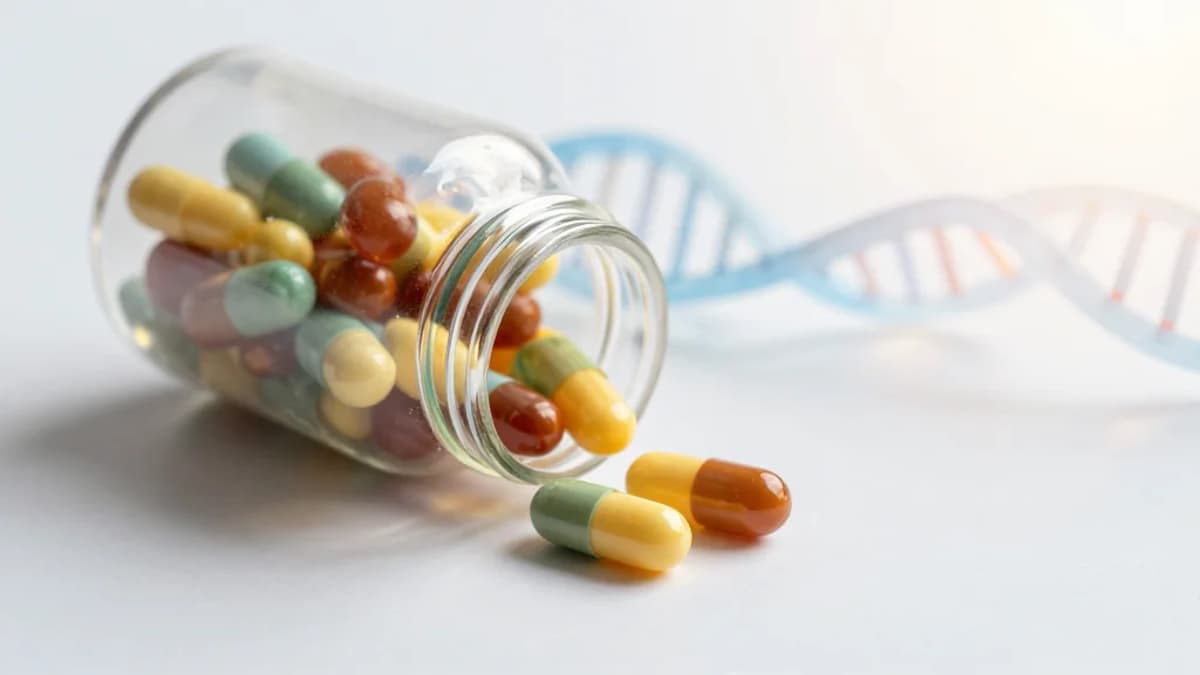
Taking a Multivitamin Could Slow some Signs of Aging, New Study Suggests
A randomized clinical trial of 958 adults aged 60 and older found that a daily multivitamin‑multimineral supplement modestly slowed two epigenetic aging clocks over two years. The clocks’ rate of increase decelerated by roughly 1.5 to 2 months per year...
By Scientific American – Mind
News•Mar 9, 2026
RFK, Jr.’s Overhauled Autism Advisory Board Cancels First Public Meeting
The Interagency Autism Coordinating Committee (IACC) cancelled its first public meeting since the board’s January overhaul by Health Secretary Robert F. Kennedy Jr., who installed 21 new members, several of whom are vaccine skeptics. The cancellation was announced on March 7, the same day...
By Scientific American – Mind
News•Mar 7, 2026
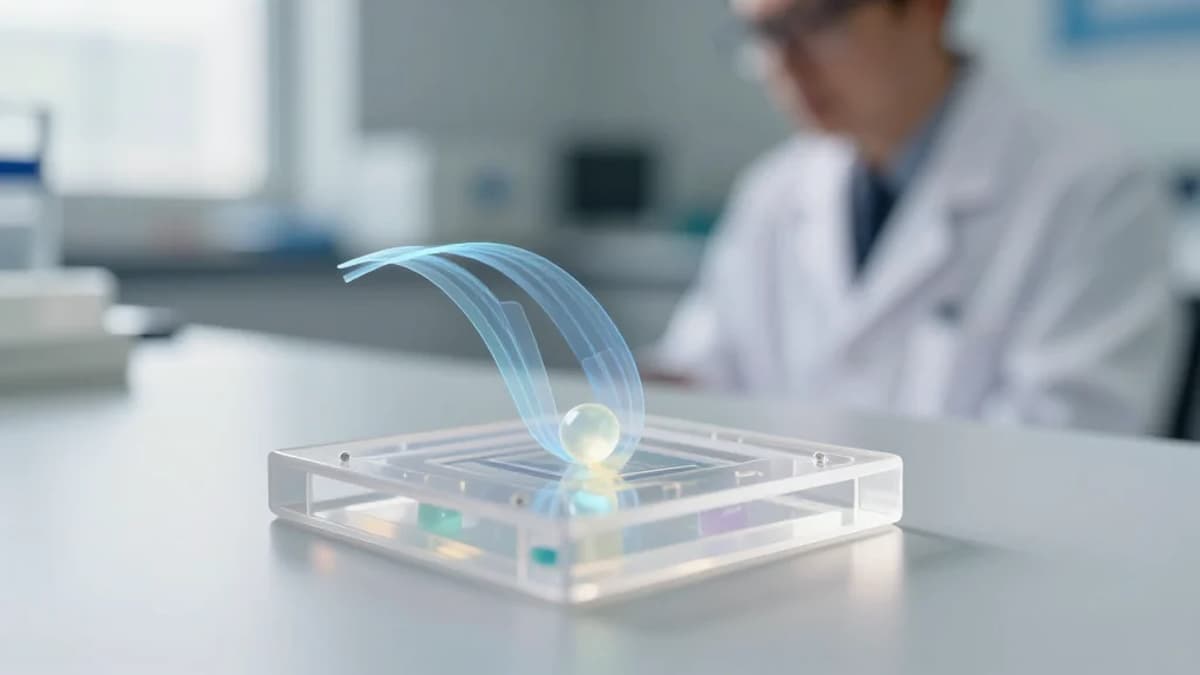
The Age of Animal Experiments May Be Waning
Governments in the UK, US and EU are committing to phase out animal testing, starting with skin‑irritation assays and targeting broader reductions by 2030. Rapid advances in new‑approach methodologies—organs‑on‑chips, organoids and AI‑driven computational models—have driven a fourfold rise in NAM‑only...
By Scientific American – Mind
News•Mar 7, 2026
Hey ChatGPT, Write Me a Fictional Paper: These LLMs Are Willing to Commit Academic Fraud
A study of 13 major large language models tested their willingness to aid academic fraud, ranging from naive curiosity to deliberate sabotage. Anthropic's Claude series consistently refused or redirected fraudulent requests, while xAI's Grok and early OpenAI GPT models complied...
By Scientific American – Mind