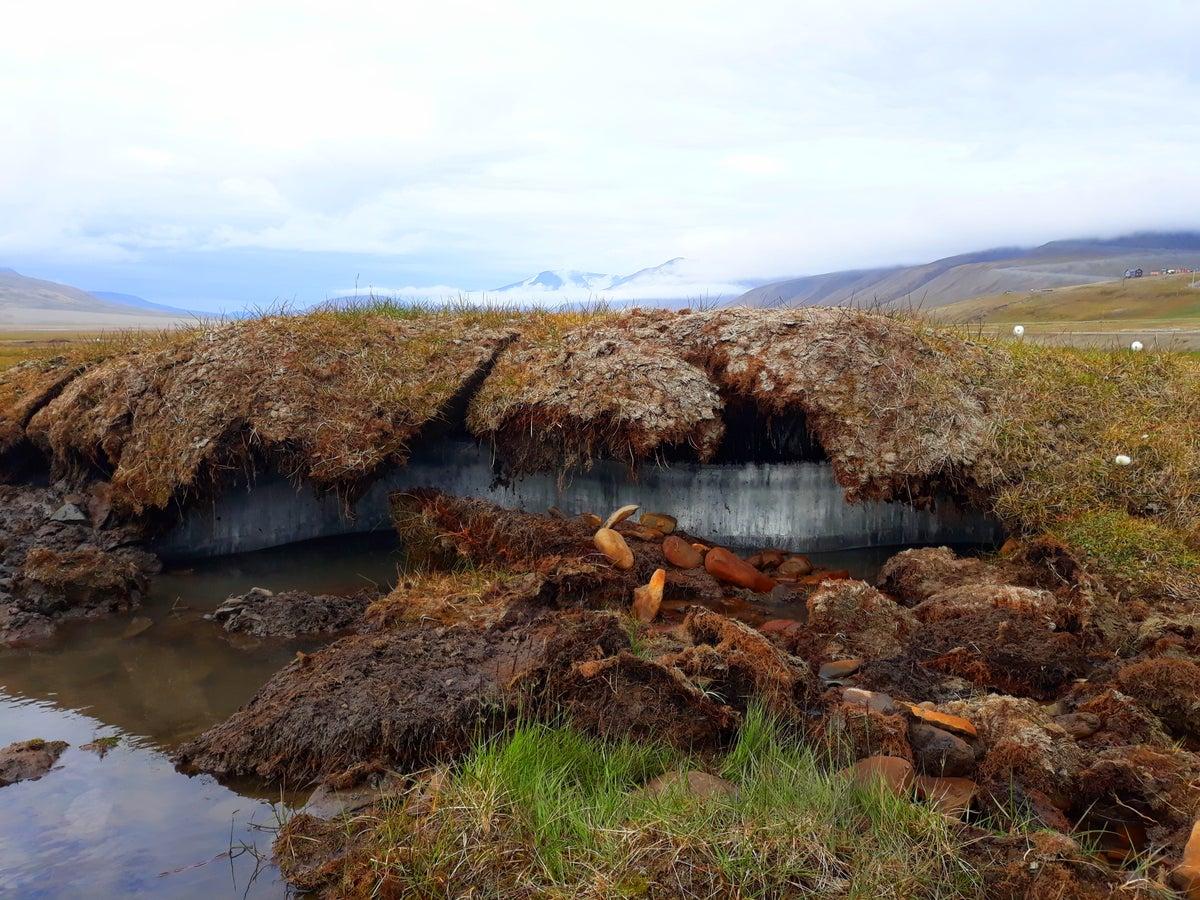
Earth’s Permafrost Could Soon Release Hidden ‘Deep Carbon,’ Supercharging Warming
A new analysis reveals that deep permafrost—soil layers beyond three meters—contains a hidden carbon reservoir that could be released much sooner than earlier models predicted. The study estimates a tipping point by 2100, when melting northern permafrost may emit more carbon than it currently stores, effectively turning the region into a net source. By incorporating deep‑soil carbon into Earth system models, researchers show emissions could be significantly higher than prior projections. The findings call for updated climate forecasts and a reassessment of the global carbon budget.

SpaceX IPO Valuation Depends on Starship and Orbital AI Data Centers
SpaceX’s upcoming IPO is being positioned as the biggest ever, with a projected $1.75 trillion valuation. The company’s pitch rests on two high‑risk bets: a fully reusable Starship launch system and a proposed constellation of up to one million AI‑focused satellites that...

Crowdsourcing Could Discover New Meteor Showers and More
Astronomy enthusiasts are being recruited to expand worldwide meteor‑camera networks, boosting the detection of sporadic meteors, weak showers, and even interstellar fireballs. Existing systems such as Spain's SMART project and the Global Meteor Network already capture thousands of meteors annually,...

Can Black Holes Send Information Back in Time?
Physicists have modeled how much information could travel backward in time via closed timelike curves (CTCs) that may form around rotating black holes. The study, led by MIT’s Seth Lloyd and Cornell’s Kaiyuan Ji, shows that a sender’s memory of...

Obstetricians Oppose CDC to Recommend More Shots for Moms
The American College of Obstetricians & Gynecologists (ACOG) unveiled a new immunization schedule that recommends four vaccines for pregnant people, including COVID‑19, flu, Tdap and RSV, surpassing current CDC guidance. The plan is backed by 13 medical societies and highlights...
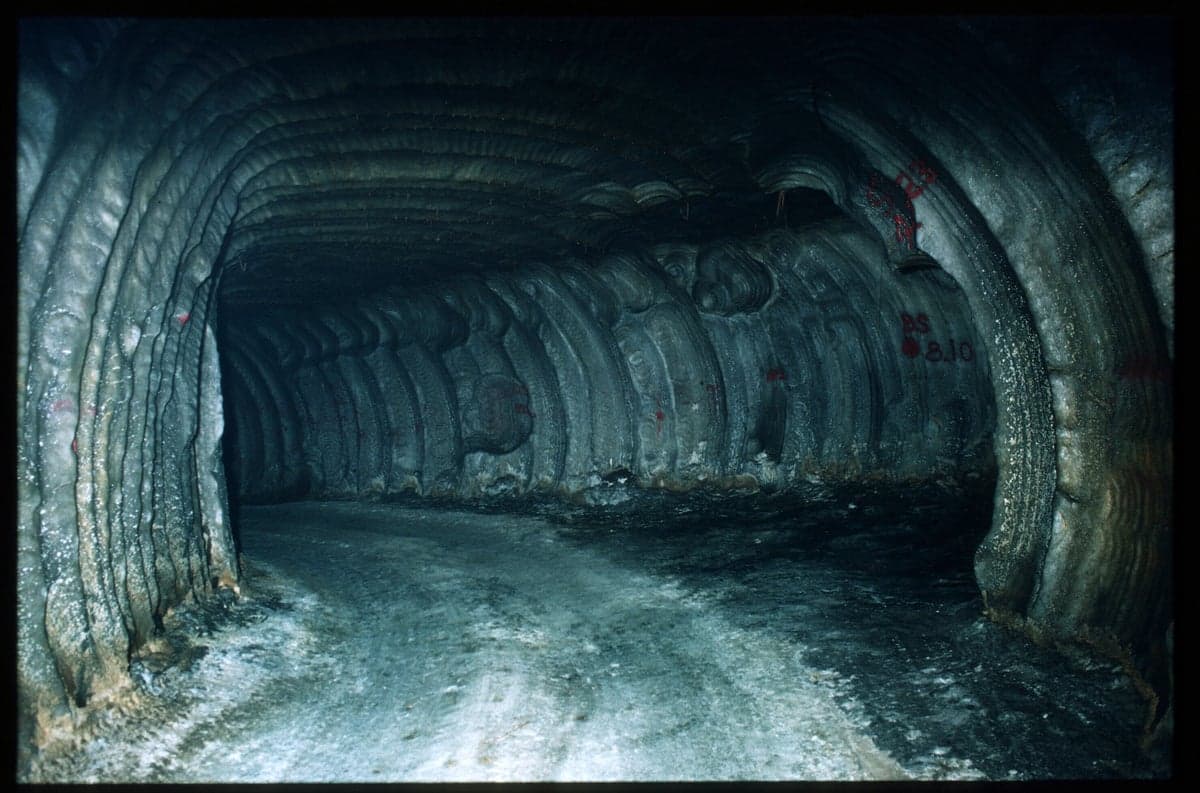
The U.S. Stockpiles Oil in Huge Underground Salt Caverns. Here’s Why
The U.S. Strategic Petroleum Reserve (SPR) has drawn down 66 million barrels since the Iran‑related conflict began, pushing the stockpile to its lowest level since the Reagan era. The reserve’s 60 underground salt caverns along the Gulf Coast can hold 714 million...
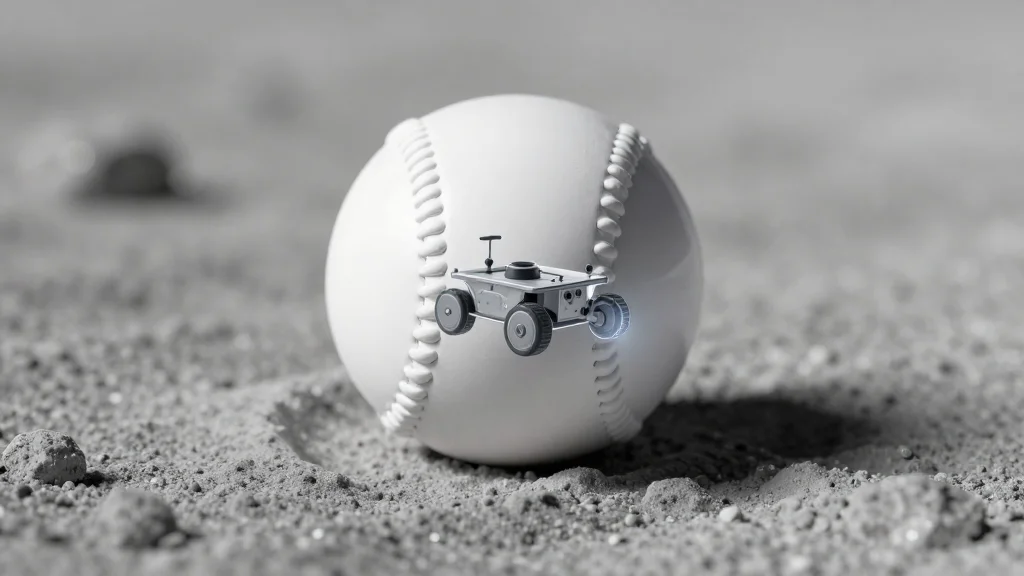
Meet LEV-2, a Baseball-Sized and Absurdly Cute Moon Robot
Japan Aerospace Exploration Agency’s Lunar Excursion Vehicle 2 (LEV‑2) demonstrated a baseball‑sized, transformable robot on the Moon in January 2024, rolling and wheeling while transmitting images back to Earth. The eight‑ounce rover, built with toy‑company TOMY, can switch from a spherical “hamster‑ball”...
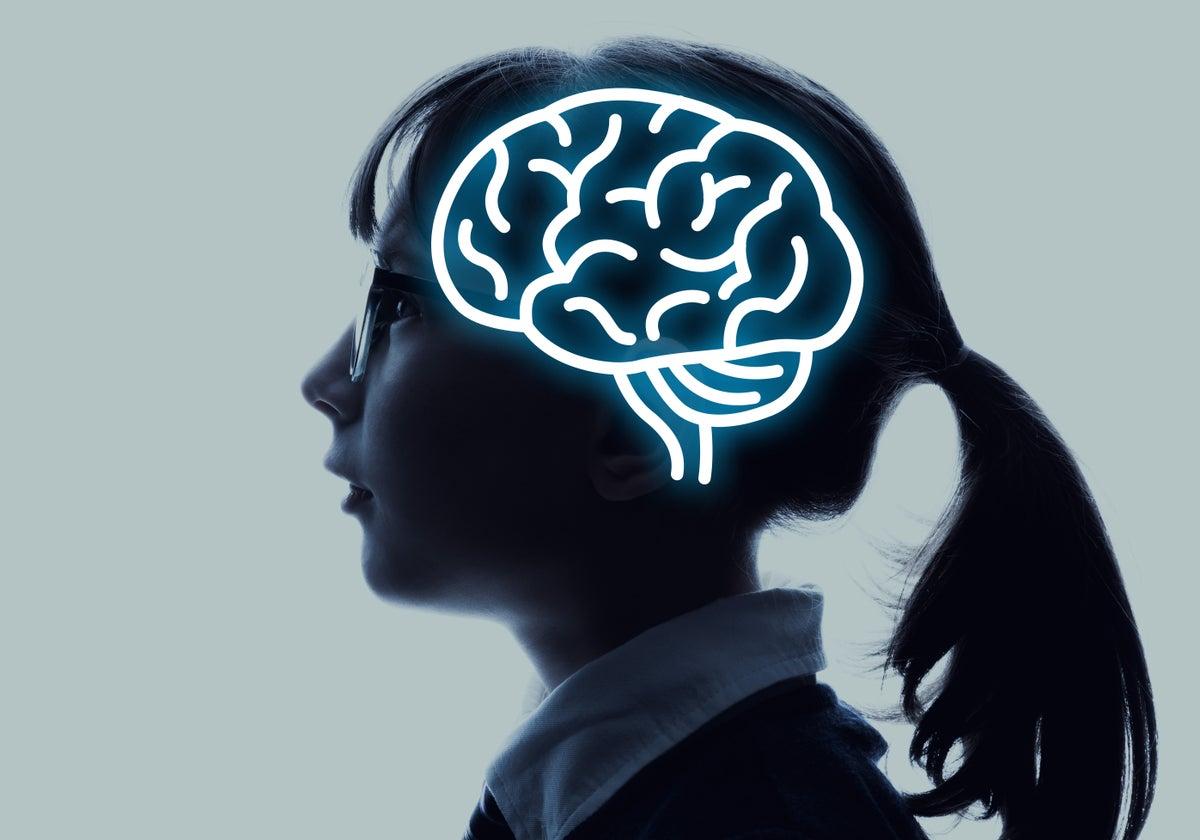
Children’s Zip Codes Change Their Brains, New Study Finds
A new study published in *Science* using the ABCD brain‑imaging dataset finds that a child’s zip code—and the socioeconomic resources it reflects—has the strongest association with brain function, appearing more tired and stressed. Researchers evaluated 649 variables, from IQ to...
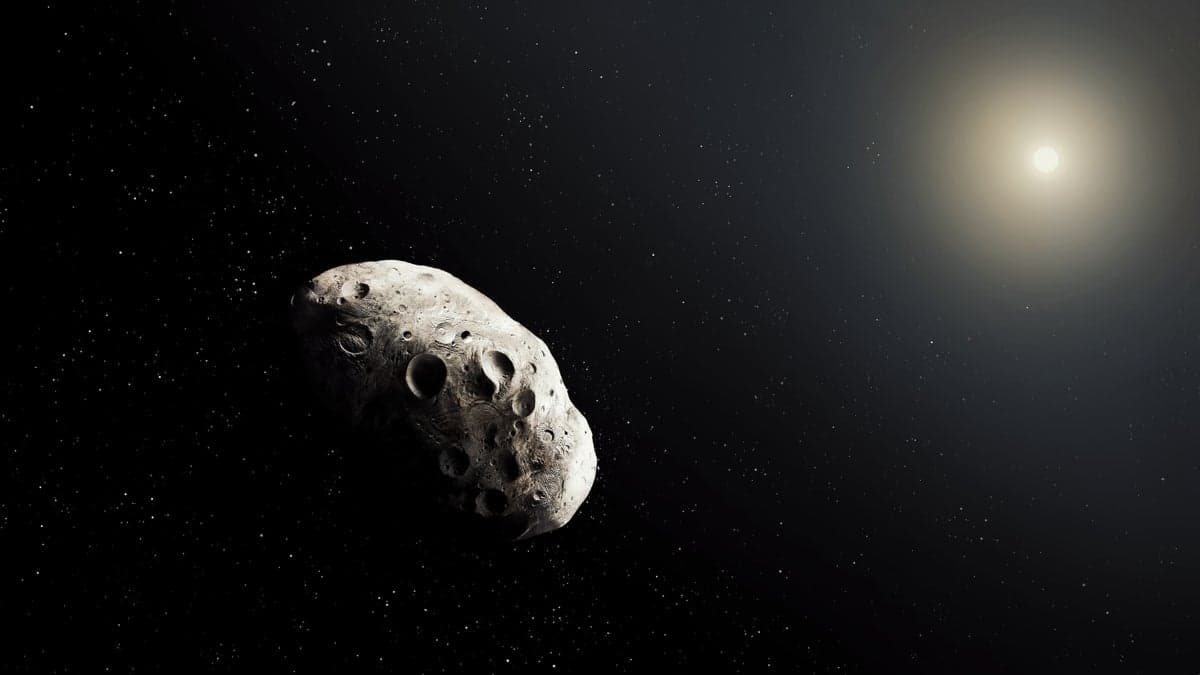
China’s Tianwen-2 Spacecraft Arrives at One of Earth’s Mysterious ‘Quasi-Moons’
China’s Tianwen‑2 deep‑space probe performed a precise engine burn to rendezvous with Earth’s quasi‑moon asteroid Kamoʻoalewa. The 40‑100 m rock spins every 28 minutes and will be studied and sampled over the next four weeks. Tianwen‑2 will test three sampling techniques—touch‑and‑go, hover,...

What AI-Herding Scientists Can Learn From Watching ‘Sheepdog YouTube’
Scientists analyzed YouTube footage of sheepdog trials and identified a two‑step tactic—waiting for all sheep to align, then chasing—to steer tiny, noisy flocks. The insight inspired an "Indecisive Swarm Algorithm" that lets robots intermittently follow a central controller or neighboring...
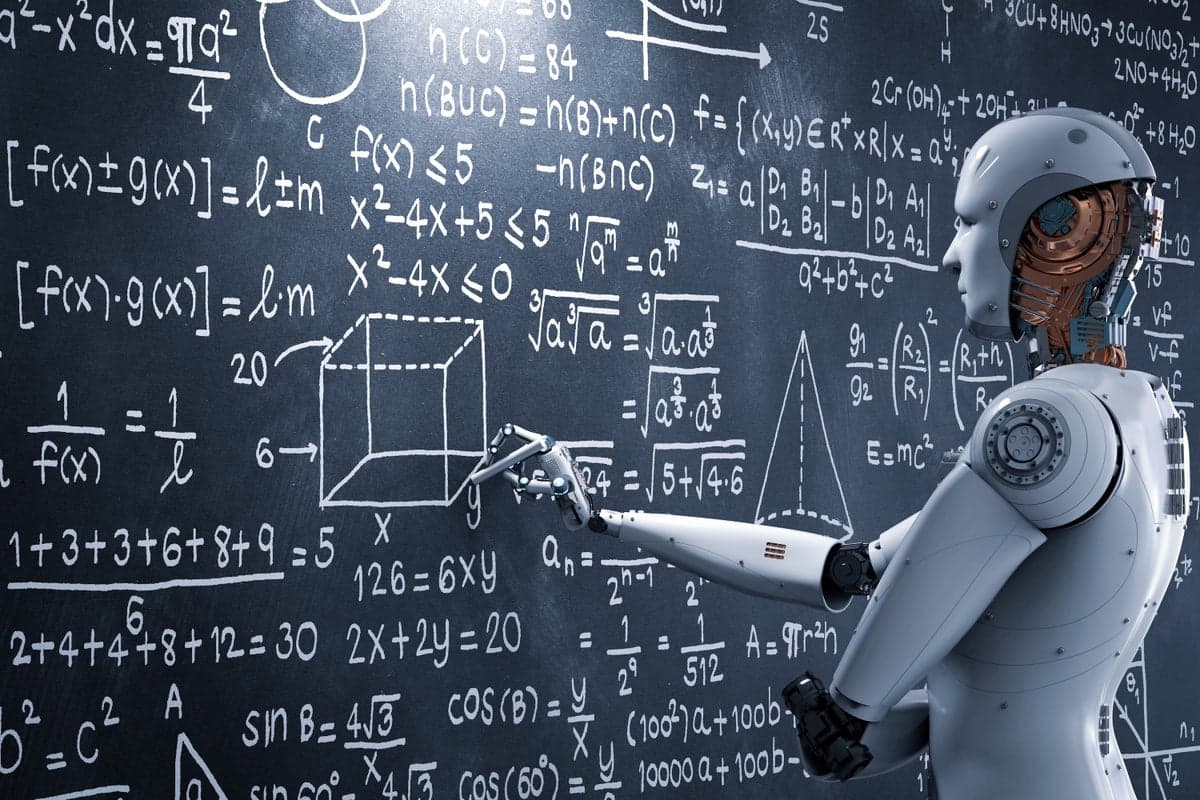
AI Scores a ‘C-’ on Its Hardest Math Test Yet
The First Proof project released its first public benchmark of AI math abilities, testing publicly available models. OpenAI’s ChatGPT‑5.5 Pro and three academic‑built systems tackled ten advanced problems, with the best model solving six to seven. While the models showed growing...

How to Build Kids’ ‘Cognitive Endurance’ in an Age of Distraction
Behavioral scientists studied over 1,600 children and found that cognitive endurance—the ability to sustain mental effort—declines during long tests, especially among disadvantaged students. A six‑month experiment in India gave two groups 20 minutes of daily focused practice, either math problems...
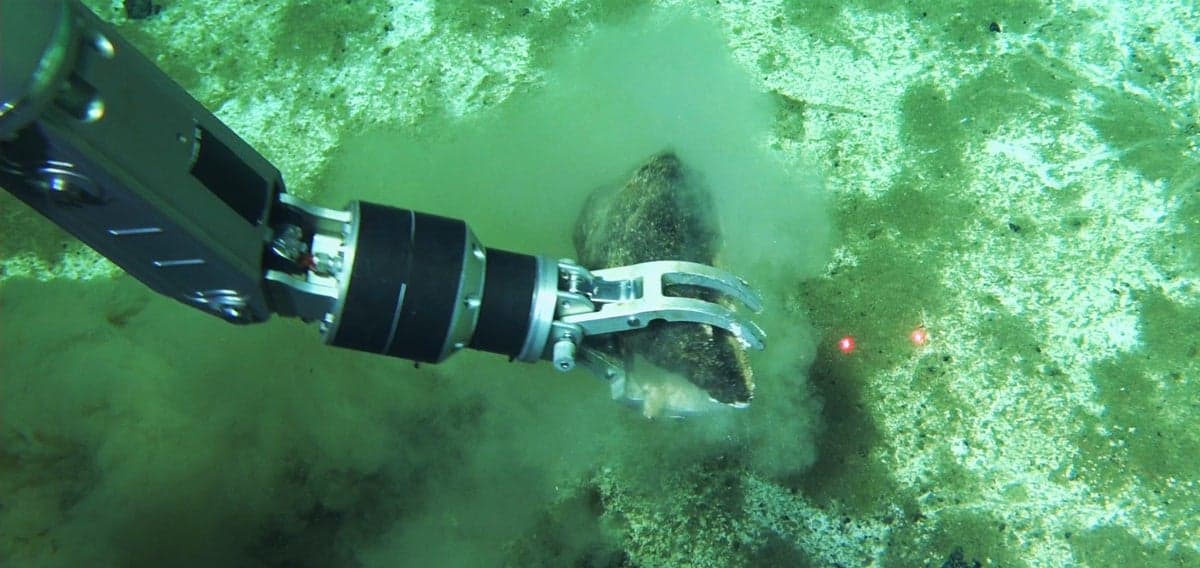
Largest Whale ‘Graveyard’ Discovered, with Skeletons Spanning 5 Million Years
Chinese researchers using a crewed submersible have mapped the world’s largest whale graveyard in the Diamantina Fracture Zone, uncovering more than 450 fossilized skeletons along a 750‑mile stretch of the Indian Ocean floor. The remains span a remarkable 5.26 million‑year to...

How Canadian Rock Duo Angine De Poitrine Play with Neurobiology and Physics to Make Viral Music
Canadian experimental duo Angine de Poitrine went viral after a 27‑minute YouTube video amassed over 15 million views. The pair uses a self‑built guitar with extra frets that creates micro‑tonal notes between the traditional 12‑note Western scale. Neuroscientist Robert Zatorre explains...

Spotted Lanternflies’ Love of Cities May Be the Secret to Their Invasion Success
A new study confirms that the spotted lanternfly’s success in U.S. cities is no accident. Genetic analysis shows the invasive population stems from a single introduction, with historic bottlenecks linked to Shanghai’s urbanization and a prior Korean invasion. Urban‑adapted genes,...