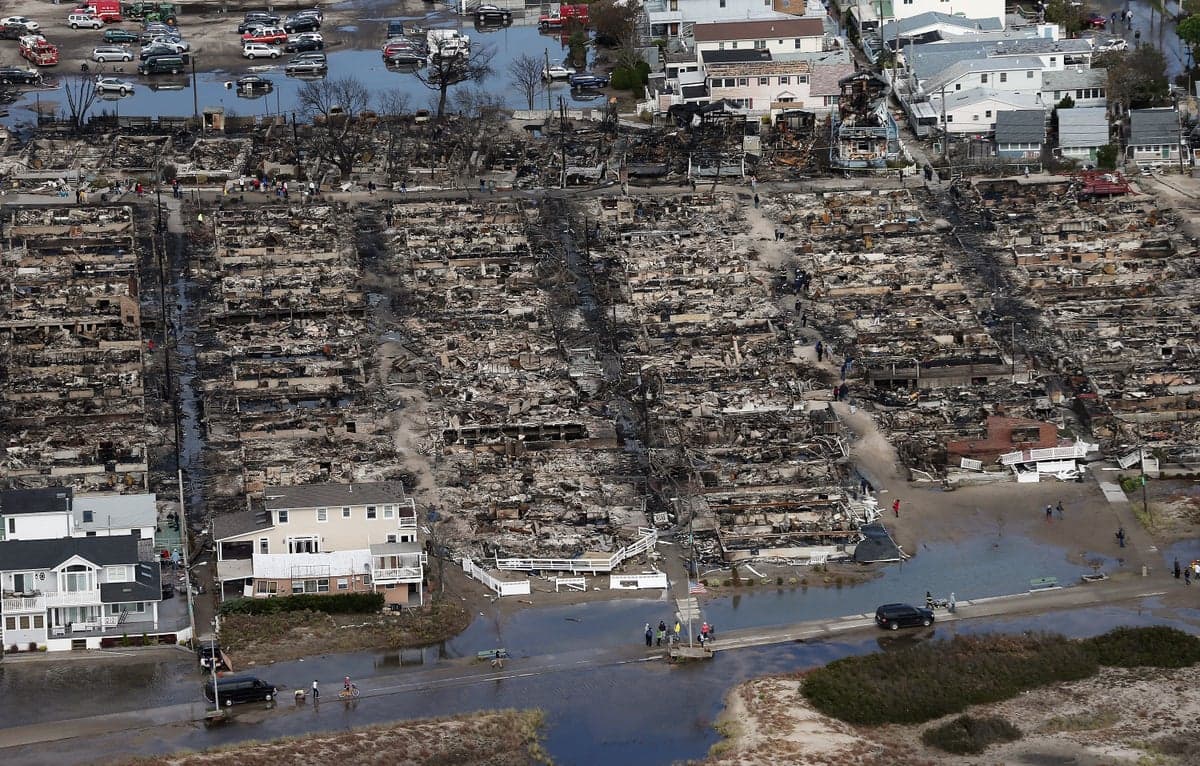
New York City, New Orleans at Greatest Risk of Extreme Damage From Floods, New Analysis Reveals
Why It Matters
The findings highlight a looming public‑health and economic crisis for America’s largest coastal cities, underscoring the urgency for equitable flood‑resilience policies.
Key Takeaways
- •4.7 million NYC residents face flood risk, 4.4 million extreme risk.
- •Over 98% of New Orleans population at extreme flood risk.
- •Low‑income, minority, young children, and elderly most vulnerable.
- •Mitigation includes levees, wetlands, permeable surfaces; high property values impede relocation.
Pulse Analysis
The study’s stark numbers come as climate scientists warn that a warming planet is amplifying the frequency and intensity of coastal storms. Warmer oceans generate more moisture, leading to heavier downpours that overwhelm drainage systems and floodplains. For New York City, the sheer volume of people—nearly 5 million—exposed to any flood event translates into a massive potential for infrastructure strain, insurance losses, and disrupted commerce. Meanwhile, New Orleans’ near‑total exposure reflects its low elevation and historic reliance on levee systems that may be insufficient under future sea‑level rise.
Beyond geography, the research spotlights a troubling equity gap. Communities already grappling with poverty, limited educational attainment, and racial disparities are clustered in the most flood‑prone neighborhoods. Children under five and seniors, who have limited mobility and higher health risks, face amplified danger during extreme events. This demographic concentration magnifies social costs, from emergency response burdens to long‑term displacement, and raises questions about environmental justice in climate adaptation planning.
Policymakers have a menu of mitigation tools, yet implementation faces steep obstacles. Traditional hard defenses—levees, floodwalls, and dikes—can buy time but often require costly upgrades and maintenance. Nature‑based solutions, such as restoring wetlands and creating permeable urban surfaces, offer sustainable water absorption while enhancing biodiversity. However, high waterfront property values and entrenched development patterns make large‑scale land‑use changes politically fraught. Effective resilience will depend on integrating engineering, ecological, and community‑driven approaches, backed by federal funding and clear regulatory incentives, to protect both the built environment and the most vulnerable residents.
New York City, New Orleans at greatest risk of extreme damage from floods, new analysis reveals
Comments
Want to join the conversation?
Loading comments...