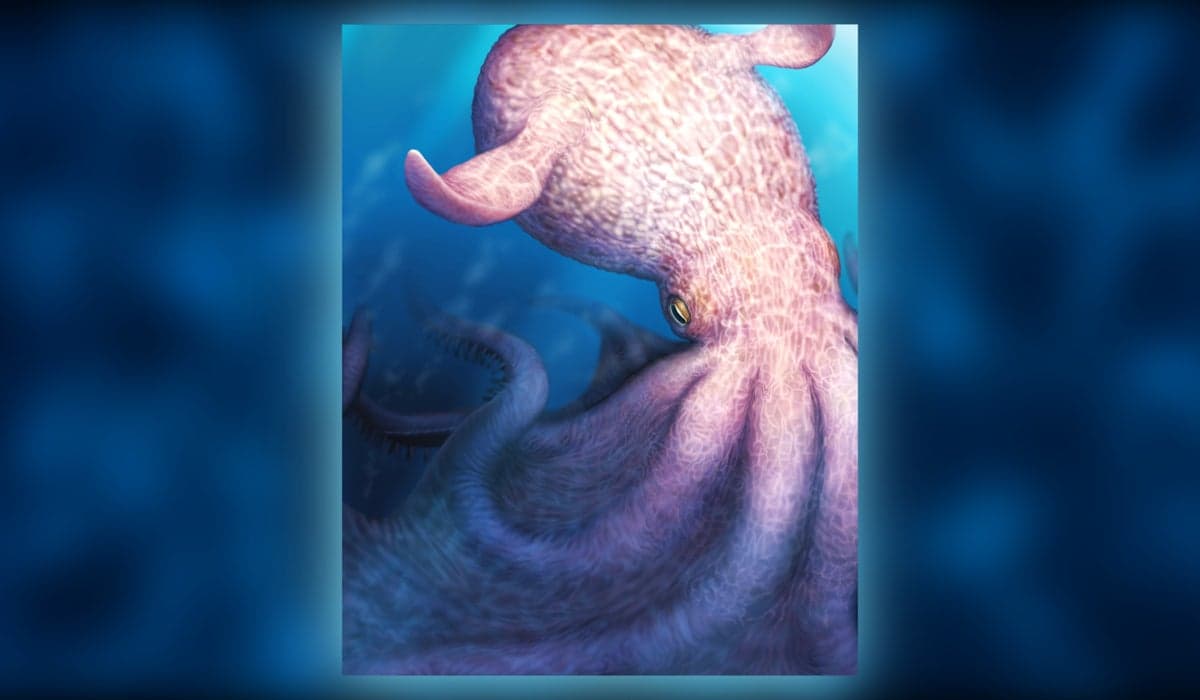
‘Kraken’ Fossils Show Enormous, Intelligent Octopuses Were Top Predators in Cretaceous Seas
Why It Matters
The discovery rewrites Cretaceous marine food‑web dynamics by placing giant octopuses at the top, prompting a reassessment of predator competition and evolutionary pathways among marine vertebrates and invertebrates.
Key Takeaways
- •Fossil beaks reveal octopuses up to 18.6 m long
- •Study identifies two new finned octopus species
- •Wear patterns indicate crushing hard‑shelled prey
- •Brain asymmetry suggests advanced cognition
- •Challenges view of invertebrates as only prey in Cretaceous seas
Pulse Analysis
The recent description of two gigantic finned octopuses from the Late Cretaceous reshapes our picture of ancient marine ecosystems. With an estimated total length of 18.6 meters, *Nanaimoteuthis haggarti* dwarfed the modern giant squid and rivaled the size of contemporary megafauna such as mosasaurs. The fossils, recovered from Japan and Vancouver Island, preserve the chitinous beaks that serve as the only hard parts of cephalopods, allowing scientists to infer body dimensions with unprecedented precision. This finding positions soft‑bodied cephalopods as potential apex predators alongside the era’s fearsome vertebrates.
The research team inferred diet and behavior by examining microscopic wear on the beak edges, a novel proxy for feeding mechanics when stomach contents are absent. Asymmetrical abrasion patterns indicate repeated crushing of hard shells and bones, implying a diet of armored fish, ammonites, and possibly juvenile marine reptiles. Moreover, the uneven wear hints at specialized neural control of different beak regions, suggesting a level of cognitive specialization previously attributed only to vertebrates. Such convergent evolution—both cephalopods and vertebrates developing powerful jaws and streamlined bodies—highlights parallel pathways to predatory dominance.
Recognizing giant octopuses as top‑tier hunters forces a revision of Cretaceous food‑web models that have long treated invertebrates as subordinate prey. It also raises questions about the ecological pressures that drove cephalopods to evolve larger sizes and sophisticated hunting strategies, perhaps in response to competition with mosasaurs and early marine mammals. Future excavations targeting beak material and isotopic analyses could refine our understanding of their trophic position and geographic distribution. Ultimately, this discovery underscores the dynamic interplay between vertebrate and invertebrate lineages in shaping marine biodiversity through deep time.
‘Kraken’ fossils show enormous, intelligent octopuses were top predators in Cretaceous seas
Comments
Want to join the conversation?
Loading comments...