A Volcanic Mystery Reveals that Rising Magma Has a Stealth Mode
Why It Matters
The research demonstrates that volcanic eruptions can approach the surface with minimal seismic warning, underscoring a gap in current monitoring systems and prompting a reassessment of hazard preparedness for communities near active faults.
Key Takeaways
- •Magma rose 12 miles in under 24 hours
- •Magma used pre‑existing fault, avoiding large earthquakes
- •Seismic swarm began after magma stalled near surface
- •Expanded sensor array recorded over 18,000 additional quakes
- •Study warns eruption alerts may lag magma intrusion
Pulse Analysis
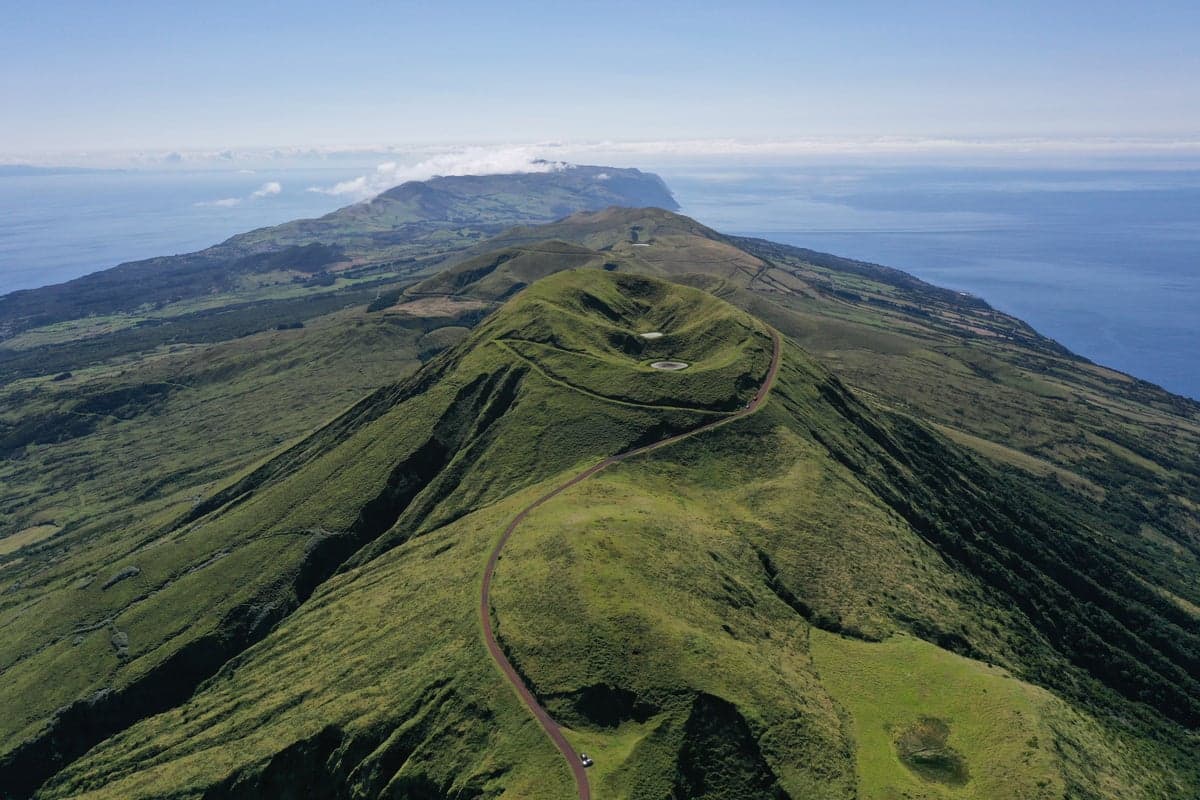
The 2022 São Jorge episode reshapes how volcanologists view magma dynamics. While traditional models assume that large, rock‑breaking quakes herald an imminent eruption, the new study shows that a massive magma sheet can exploit existing fault corridors, rising at unprecedented speed with only subtle tremors. By leveraging high‑resolution satellite, GPS, and an expanded seismic network, researchers captured the rapid ascent of a volume equivalent to 32,000 Olympic‑size swimming pools, revealing a stealthy pathway that bypassed the usual seismic signatures.
The Azores sit atop a complex tectonic setting where a mantle plume and divergent plate boundaries create abundant fracture networks. The Pico do Carvão fault system acted as a low‑resistance conduit, allowing magma to surge from the upper mantle to the crustal lid in hours. When the upward momentum met a rigid lithospheric barrier, the magma stalled, leaking gases into surrounding cracks and triggering a swarm of modest quakes. This fault‑guided intrusion illustrates that eruption forecasting must incorporate structural geology, not just seismic amplitude, to anticipate silent magma movements.
For emergency managers and insurers, the study signals a need for denser, real‑time monitoring on volcanic islands and fault zones worldwide. Deploying dozens of additional seismometers, as done on São Jorge, can capture thousands of low‑magnitude events that collectively reveal hidden magma pathways. Future research will likely focus on integrating continuous deformation data with machine‑learning models to flag rapid, quiet intrusions before they pose a surface threat, enhancing resilience for at‑risk communities.
A volcanic mystery reveals that rising magma has a stealth mode
Comments
Want to join the conversation?
Loading comments...