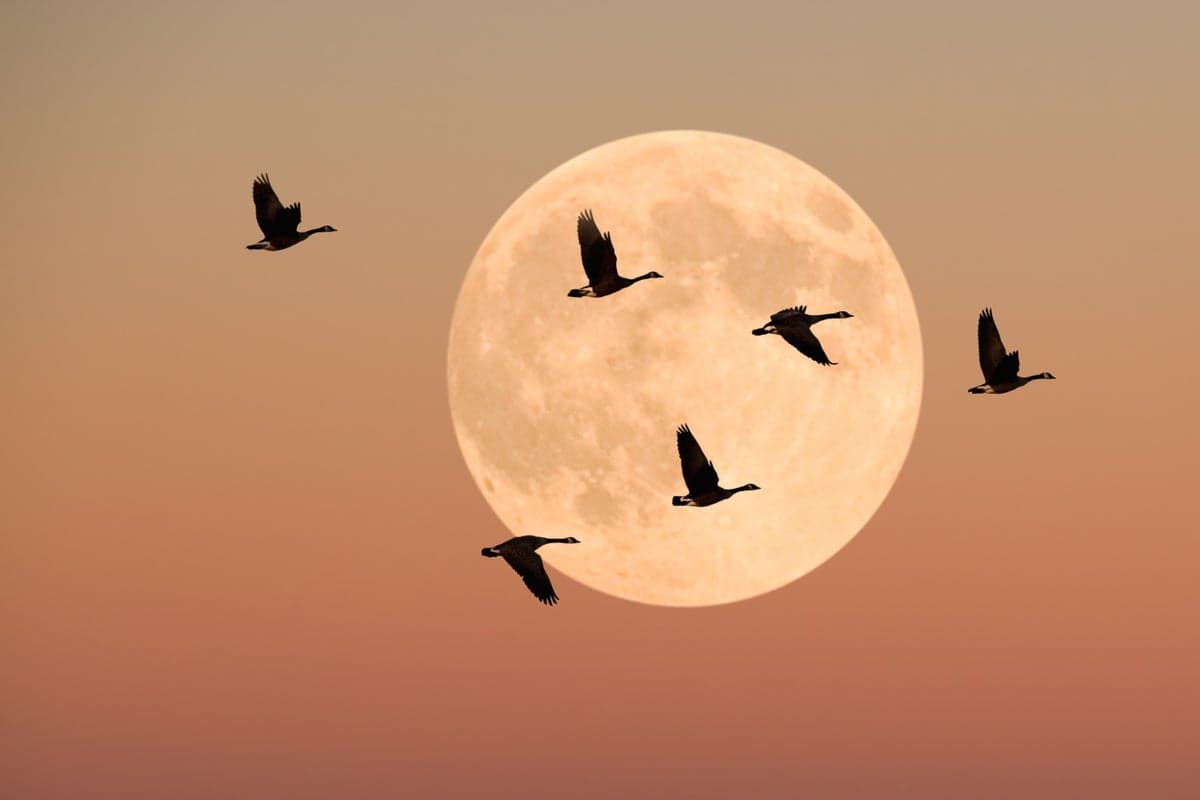
How Darkness Might Save Migratory Birds
Why It Matters
Light pollution adds a preventable mortality factor to already stressed bird populations, accelerating declines amid climate change and habitat loss. Reducing nighttime illumination offers an immediate, low‑cost conservation lever for cities and homeowners.
Key Takeaways
- •One billion birds die annually from window collisions in North America.
- •Peak migration occurs 2‑4 hours after sunset, heightening light‑pollution risk.
- •Turning off nonessential outdoor lights reduces disorientation and mortality.
- •Applying external markers or UV coatings makes glass visible to birds.
Pulse Analysis
Nighttime migration is a cornerstone of North America’s avian ecology, with billions of birds traversing the continent each spring and fall. Researchers estimate that roughly one billion individuals perish each year after striking illuminated windows, a figure that rivals other major threats such as habitat loss and climate‑driven range shifts. The problem stems from artificial skyglow that overwhelms the faint celestial cues birds use for orientation, scrambling their magnetic compass and leading them into urban traps. Understanding the scale of this mortality underscores why light pollution is now a focal point for conservation biologists.
Mitigation strategies are both straightforward and scalable. Turning off nonessential streetlights, porch bulbs, and commercial signage during the two‑to‑four‑hour window after sunset can dramatically cut disorientation rates. When illumination is necessary, fixtures should be shielded, directed downward, and equipped with timers or motion sensors to minimize upward spill. For glass structures, applying external markers—such as patterned dots, fritted films, or ultraviolet‑reflective coatings—creates visual cues that birds can detect without compromising human aesthetics. Municipalities across the United States are already adopting “lights‑out” ordinances, and nonprofit groups like Ohio Lights Out and NYC Bird Alliance provide toolkits for homeowners and businesses.
Beyond avian welfare, reducing artificial night lighting yields ancillary benefits for human health, energy consumption, and broader biodiversity. Darker skies restore circadian rhythms for people, lower electricity costs, and improve visibility for nocturnal insects and mammals. As cities grapple with climate resilience, integrating light‑pollution controls into urban planning emerges as a low‑cost, high‑impact measure. Continued public awareness and policy support can turn the current crisis into a model of collaborative, nature‑based solutions that protect migratory birds while enhancing urban livability.
How darkness might save migratory birds
Comments
Want to join the conversation?
Loading comments...