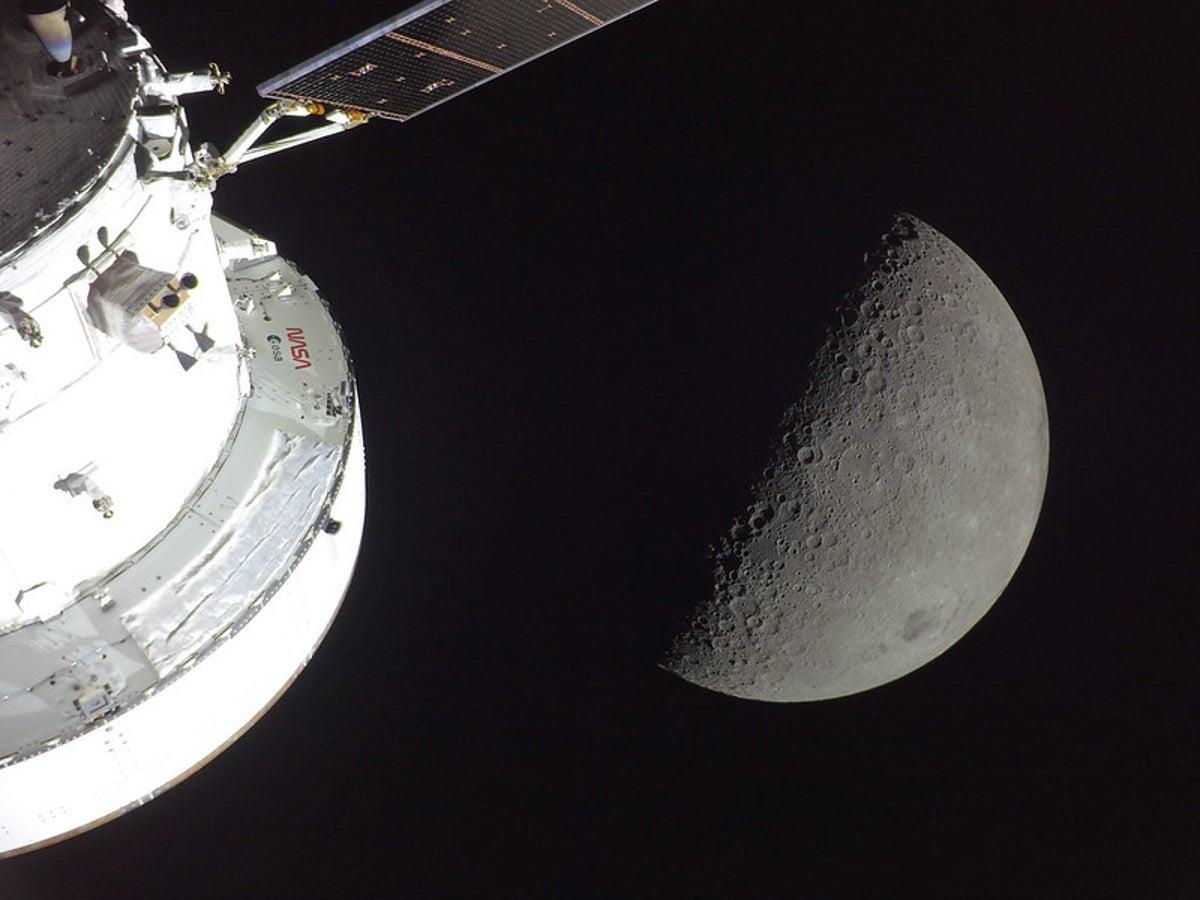
NASA’s Artemis II Was a Major Success—So Why Couldn’t the Crew Flush the Toilet?
Companies Mentioned

NASA
Why It Matters
A functional toilet is essential for crew health and mission duration, especially as NASA plans longer stays on the Moon and eventually Mars. Solving the UWMS issue will reduce risk and operational overhead for future deep‑space missions.
Key Takeaways
- •Orion’s UWMS toilet clogged urine vent halfway through mission.
- •Microgravity causes fluid to behave unpredictably, complicating waste removal.
- •NASA may add heaters or airflow tweaks for future Orion toilets.
- •Space toilets must handle extreme temperature swings and vacuum conditions.
- •Lessons from Artemis II will inform design of long‑duration lunar habitats.
Pulse Analysis
The Artemis II flight marked a milestone for NASA, delivering the first crewed test of the Orion capsule beyond low Earth orbit. While the mission’s navigation and re‑entry performance earned praise, the unexpected urine‑vent blockage drew attention to a less glamorous but critical subsystem. Spacecraft waste management has long been a pain point, from Apollo’s disposable bags to the International Space Station’s water‑recycling toilets. Orion’s Universal Waste Management System, a 3D‑printed titanium unit, was designed to vent liquid waste directly into space, a simpler approach than ISS’s closed‑loop system, yet it still wrestles with fluid physics that defy Earth‑based intuition.
In microgravity, liquids do not flow downhill; surface tension, capillary action and air‑bubble dynamics dominate. The vent line’s suspected freeze‑up or particulate buildup illustrates how temperature extremes—ranging from -150 °C in shadow to +120 °C in sunlight—can alter urine viscosity and cause blockages. Engineers must model these conditions with high‑fidelity simulations, but real‑world testing remains limited. Adding modest heaters, redesigning vent geometry, or fine‑tuning airflow could mitigate the risk without adding significant mass, a crucial consideration for deep‑space missions where every kilogram counts.
The broader implication is clear: reliable waste disposal is a prerequisite for sustained lunar habitation and future Mars expeditions. As NASA prepares Artemis III and the Lunar Gateway, lessons from Orion’s prototype will inform commercial partners developing next‑generation toilets for the Artemis program and beyond. Addressing the UWMS flaw now not only safeguards astronaut comfort but also enhances mission safety, operational efficiency, and the overall viability of long‑duration human spaceflight.
NASA’s Artemis II was a major success—so why couldn’t the crew flush the toilet?
Comments
Want to join the conversation?
Loading comments...