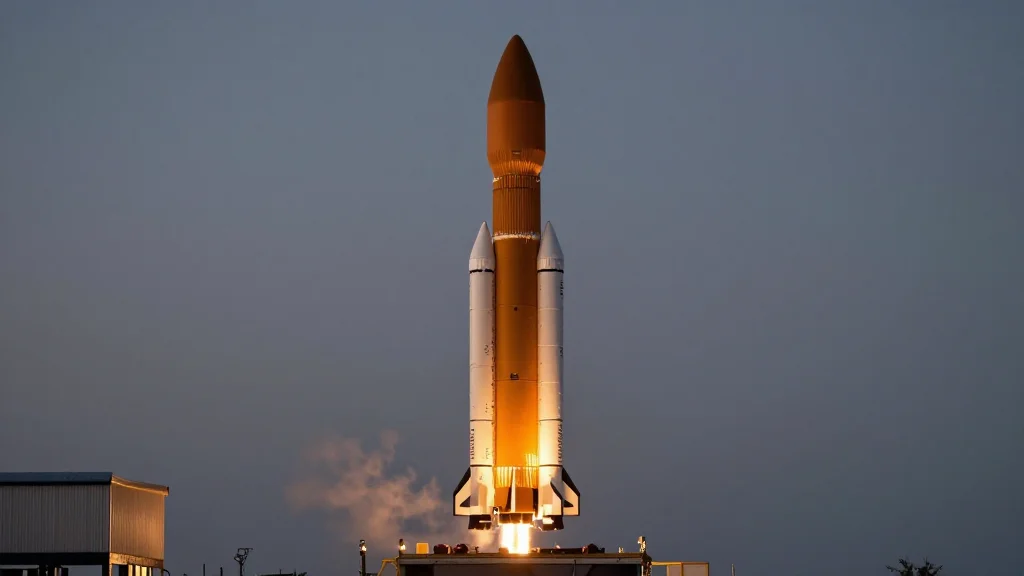
Loss of Blue Origin’s New Glenn Booster: Update
Blue Origin’s New Glenn heavy‑lift booster was destroyed during a static‑fire test at Launch Complex 36, prompting a rapid response from NASA. Administrator Jared Isaacman visited the blast site at Kennedy Space Center, meeting with Jeff Bezos, Dave Limp and engineers to assess damage. Blue Origin reported regained access to the pad and outlined a rebuild plan, emphasizing a swift, safe return to flight. The incident highlights the risks of on‑pad testing and the close partnership between NASA and commercial launch providers.

When Zhang Chenxing, Who Holds a PhD From MIT, Co-Founded Mega Engine Technology in Xi’an in Early 2024, China’s High-Pressure...
Chinese startup Mega Engine Technology, founded by MIT‑PhD Zhang Chenxing in early 2024, announced that its closed‑cycle kerolox engine “Chi” has accumulated 1,000 seconds of test time at rated conditions by May 2026. The engine delivers 35‑75 ton thrust at sea...
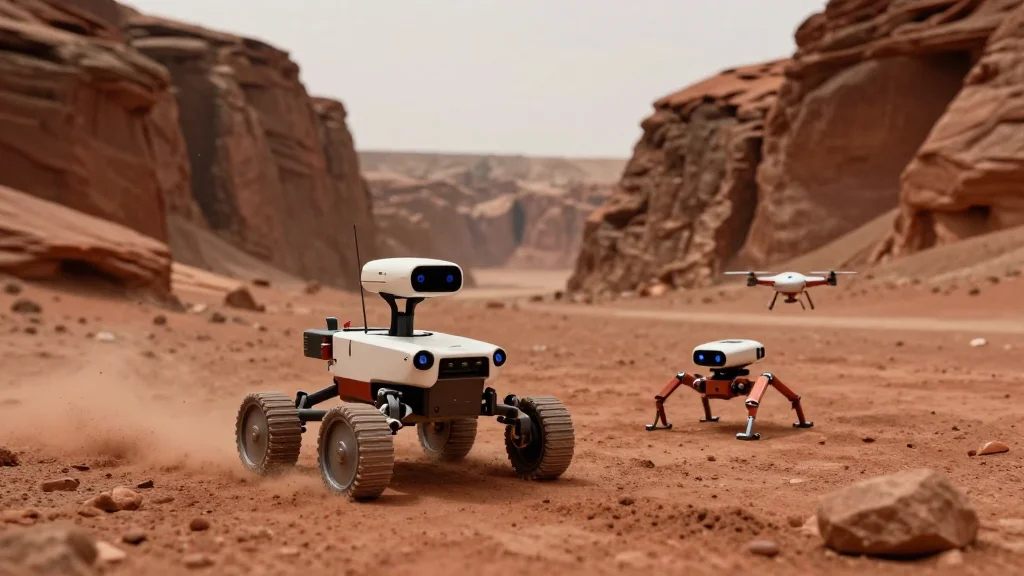
Take a Look at a Bio-Inspired Mars Robot
The German Aerospace Center (DLR) unveiled the Valles Marineris Explorer (VaMEx), a bio‑inspired robot swarm designed to scout Mars’ deepest canyon. The concept blends driving, walking and flying units, each equipped with curved wheels that let the rover "swim" through loose...
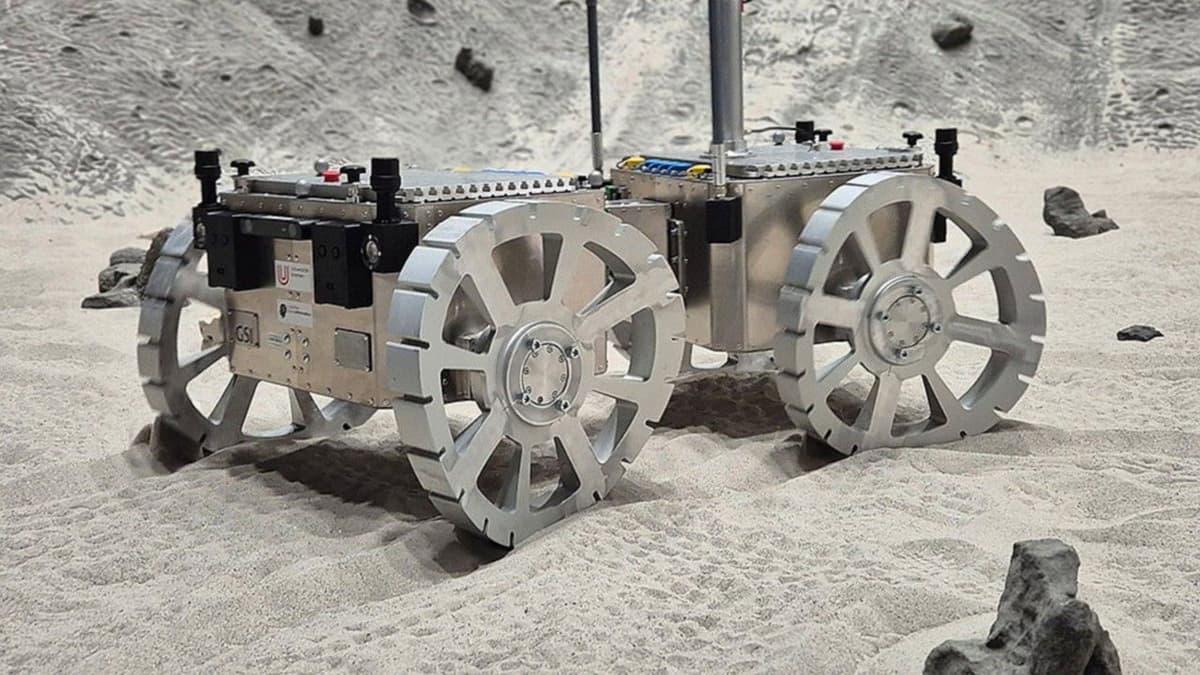
Watch This Bio-Inspired Mars Rover Concept 'Swim' Through Sand on Curved Wheels (Video)
The German Aerospace Center (DLR) and University of Würzburg unveiled a Mars rover concept that uses curved, sandfish‑inspired wheels to "swim" through loose sand. The prototype, part of the Valles Marineris Explorer (VaMEx) swarm initiative, demonstrated stable locomotion on granular terrain...

May 31, 1975: ESA Begins Operations
On May 31, 1975 the European Space Agency (ESA) began de facto operations after ten founding nations signed the ESA Convention the previous day. The agency emerged from the merger of the European Space Research Organization and the European Launcher Development Organization, ending...
The History of Soviet Human Spaceflight
The Soviet human‑spaceflight program launched with Yuri Gagarin’s 108‑minute Vostok 1 flight in April 1961, establishing the USSR as the first nation to put a person in orbit. It then pioneered multi‑crew flights, the first spacewalk, the first woman in space, and...
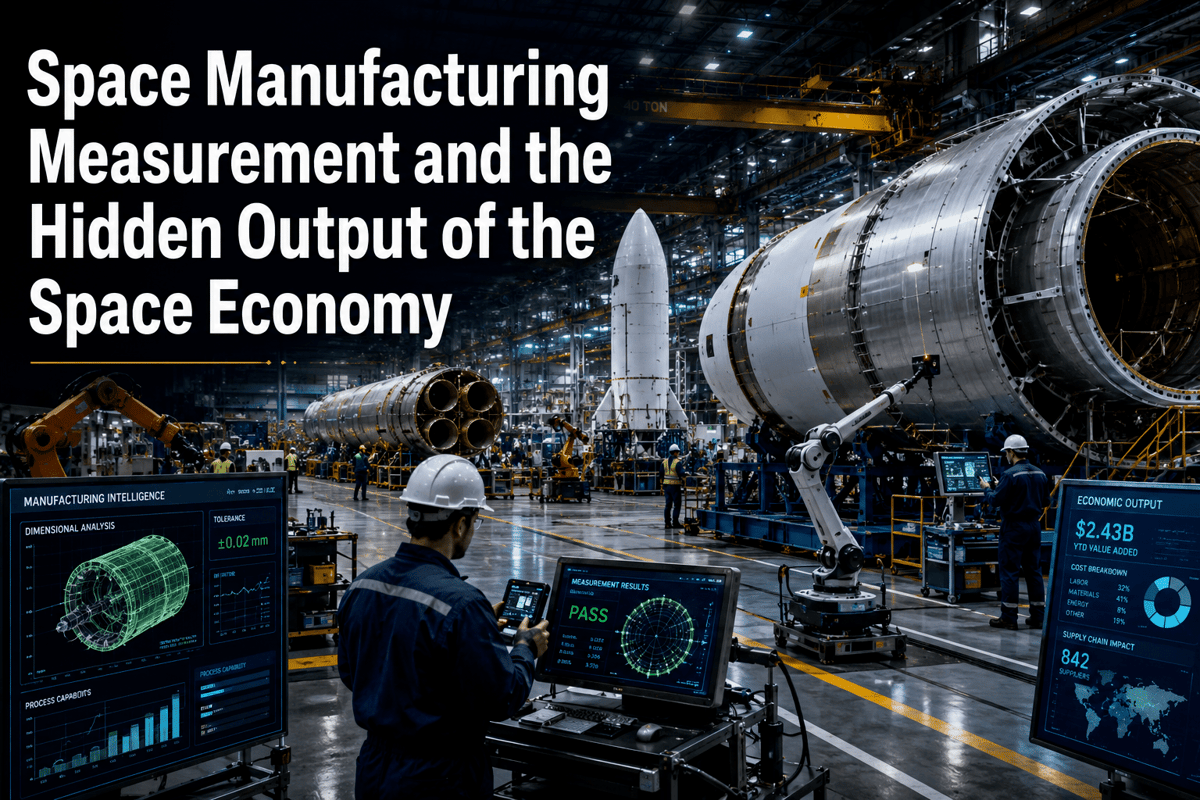
Space Manufacturing Measurement and the Hidden Output of the Space Economy
The Bureau of Economic Analysis (BEA) released a working paper introducing the Space Economy Manufacturing Plant Utilization Index (SEMPI), a tool that combines plant‑capacity data with space‑economy satellite accounts to gauge how fully space‑manufacturing facilities are being used. The paper...
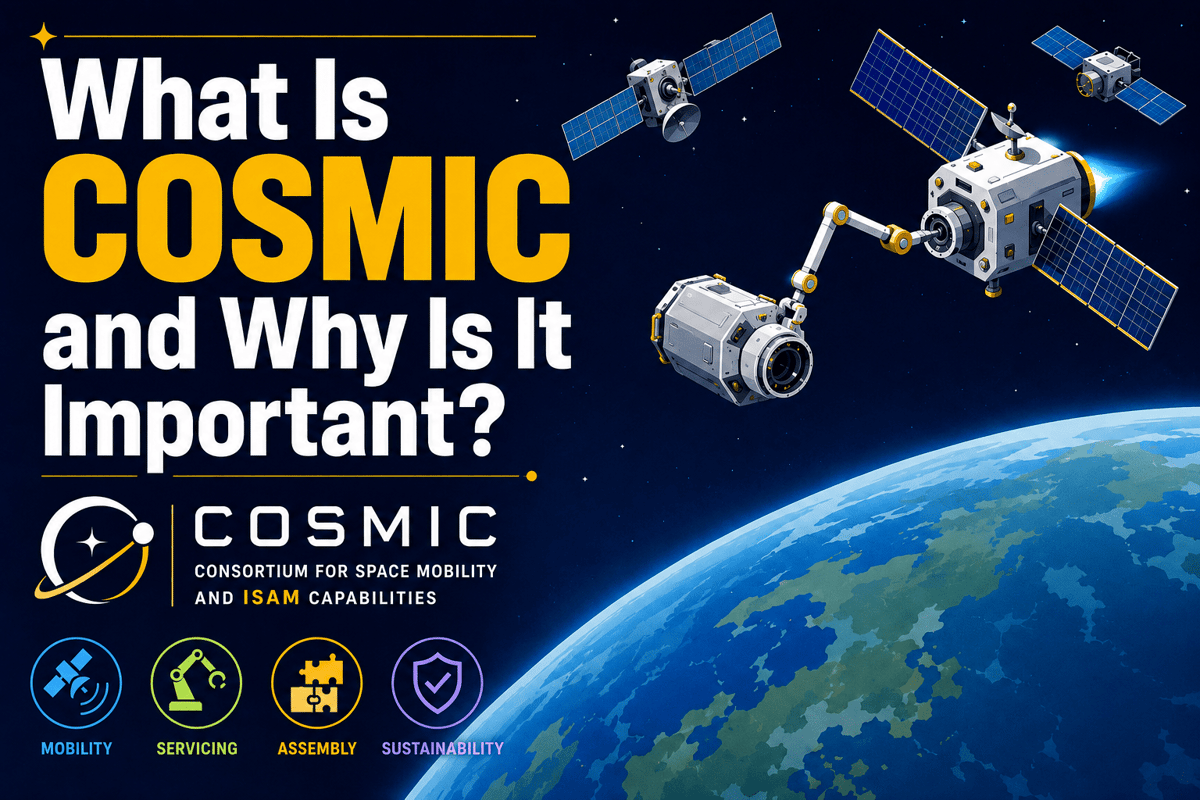
What Is COSMIC and Why Is It Important?
NASA’s Space Technology Mission Directorate launched COSMIC in April 2023 to coordinate U.S. efforts on in‑space servicing, assembly and manufacturing (ISAM). Operated by The Aerospace Corporation, the consortium now includes over 300 member organizations and 1,200 individual members from government, industry,...
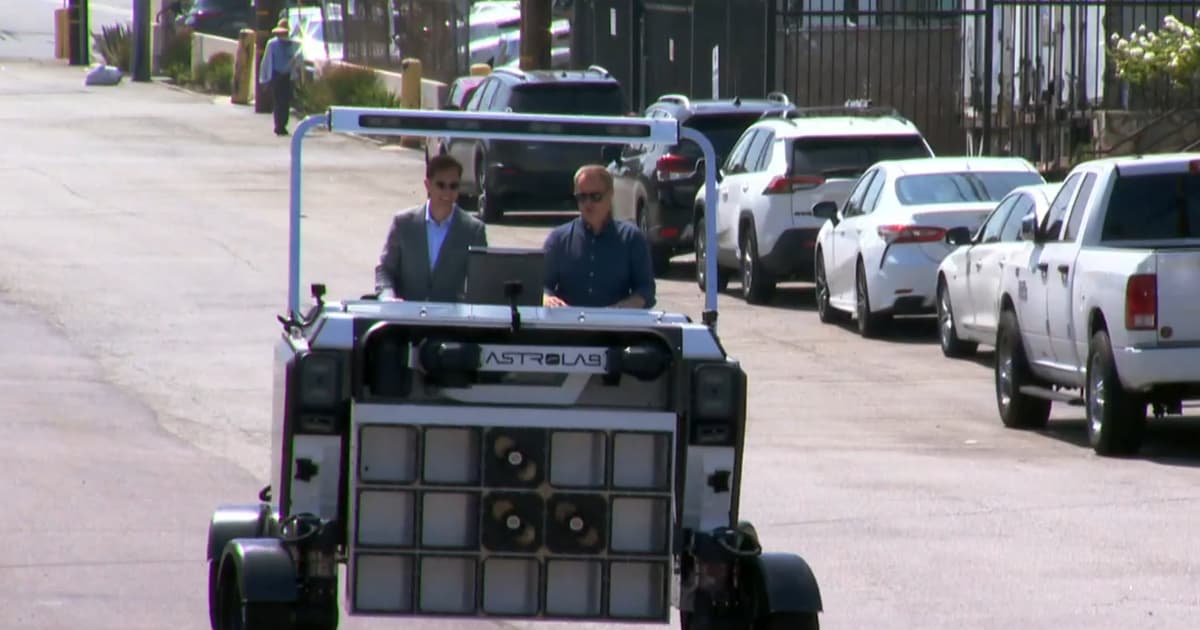
NASA Taps 2 Companies to Develop Buggies for Its Moon Base Program
NASA has selected Astrolab and Lunar Outpost to build the first lunar rovers for its Artemis moon‑base program, awarding each company roughly $220 million. The vehicles—named FLEX and Pegasus—are electric, four‑wheel‑drive buggies designed to transport two suited astronauts and supplies for...
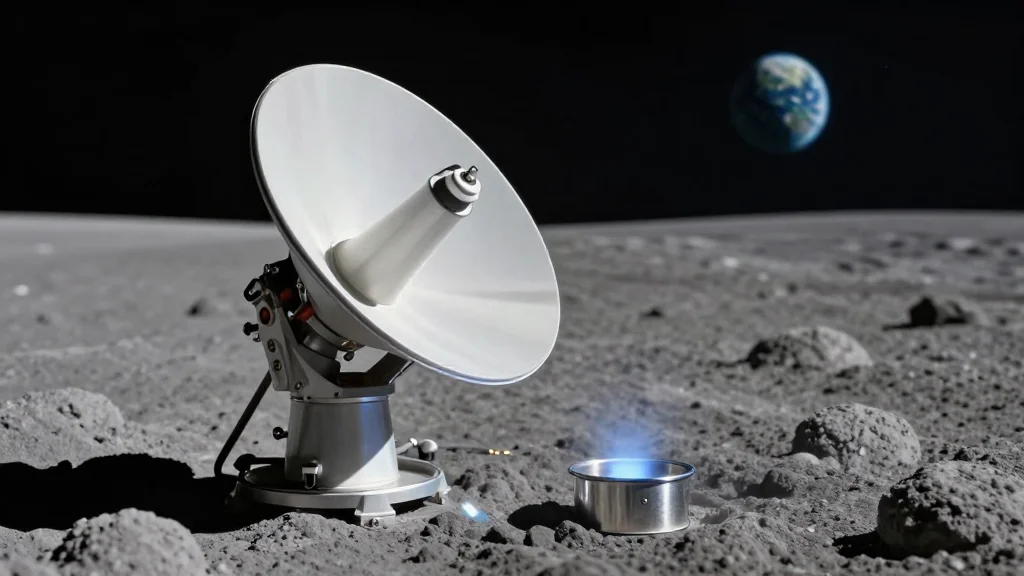
Is Extracting Oxygen From Lunar Soil the Future of Space Exploration?
A new wave of lunar exploration is focusing on in‑situ resource utilization (ISRU) to produce oxygen directly from regolith. Researchers at France’s PROMES‑CNRS have demonstrated solar‑vacuum pyrolysis, using concentrated sunlight to heat simulated moon dust and release oxygen. Initial lab...
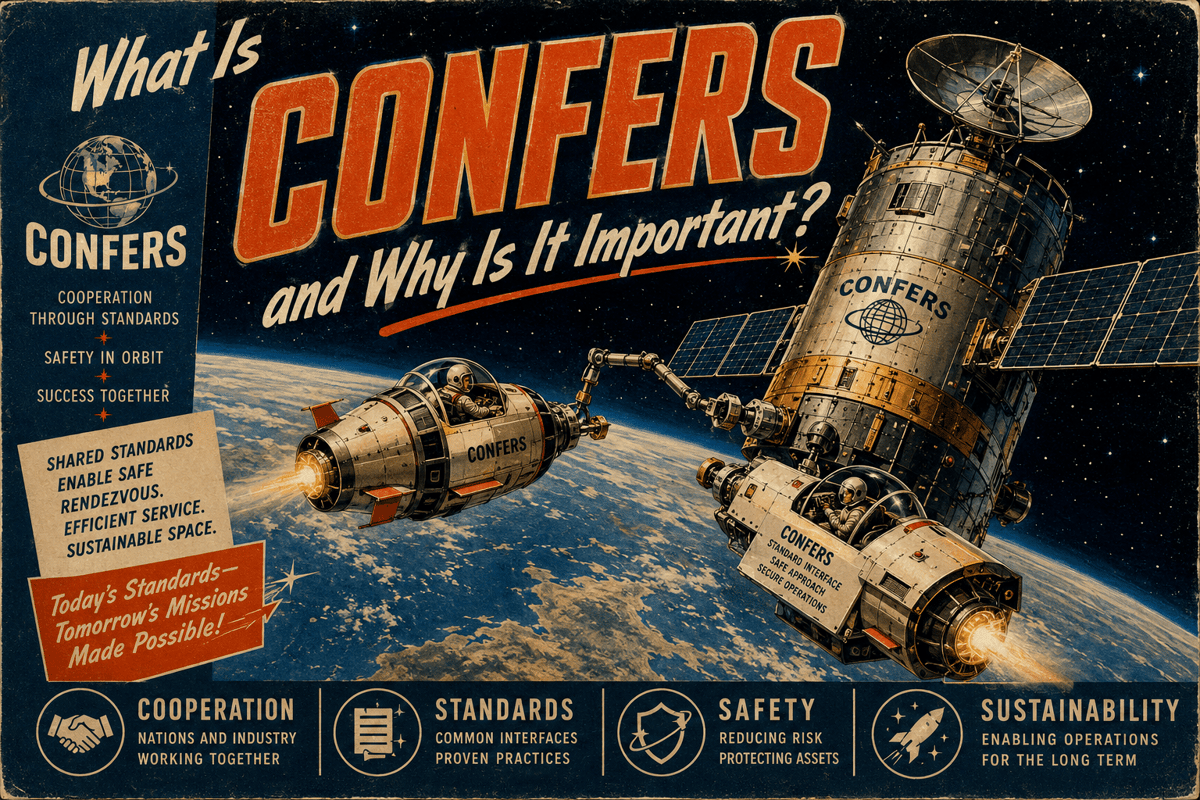
What Is CONFERS and Why Is It Important?
The Consortium for Execution of Rendezvous and Servicing Operations (CONFERS) began as a DARPA‑backed effort in 2017 and became an independent 501(c)(6) trade association in 2022. It brings together satellite operators, servicer manufacturers, insurers, regulators, and academia to create industry‑led...
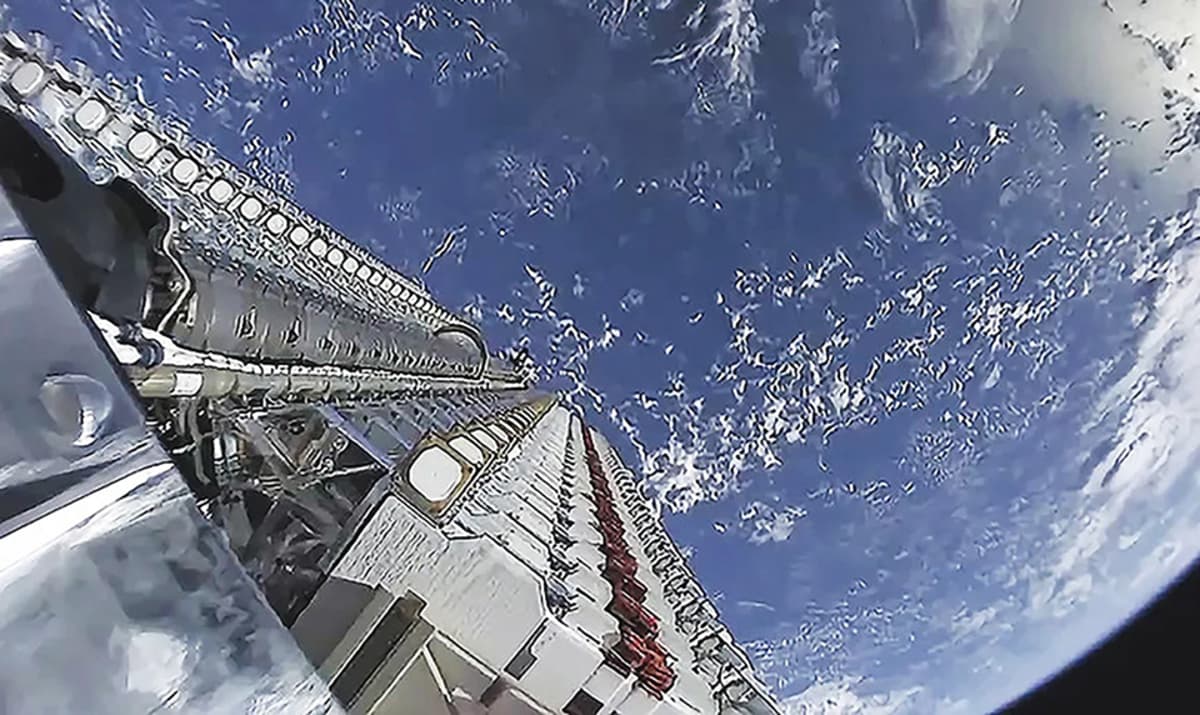
Starlink in the Crosshairs: How Nations Are Utilizing the Constellation for War and National Security
Starlink’s low‑Earth‑orbit network has become a tactical lifeline for Ukraine, enabling encrypted communications, real‑time reconnaissance and artillery coordination since Russia’s 2022 invasion. The U.S. Department of Defense funds the service for Kyiv, while reports suggest Russian forces have captured and...
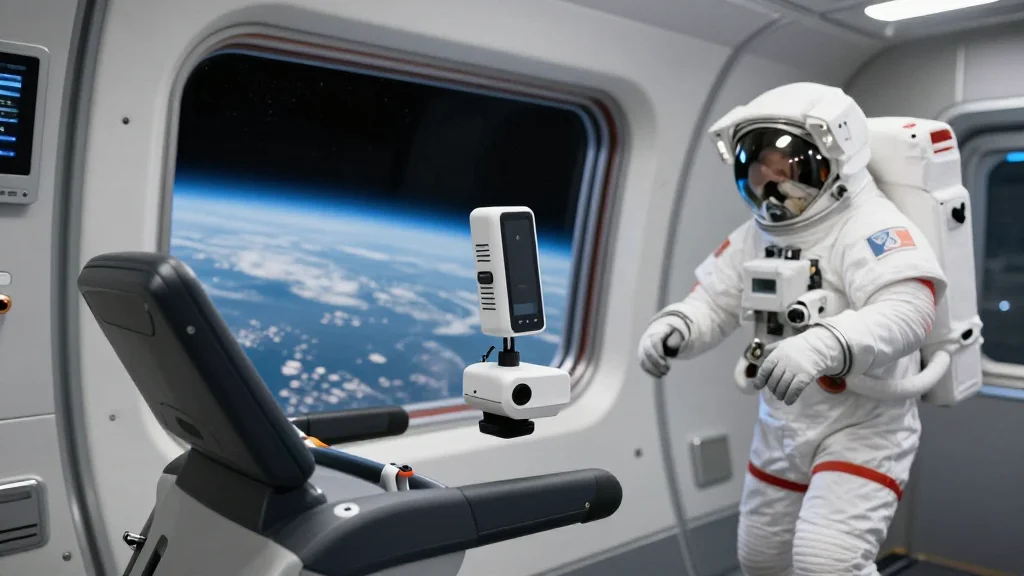
How Mobile Deep‑space Medical Systems Could Support Future Landings on the Moon and Mars
NASA’s Artemis II mission highlighted the return of humans to lunar orbit, but also exposed the medical challenges of deep‑space travel. Astronauts face bone loss, radiation‑induced disease risk, and limited emergency evacuation options as communication delays stretch to minutes. Researchers argue...
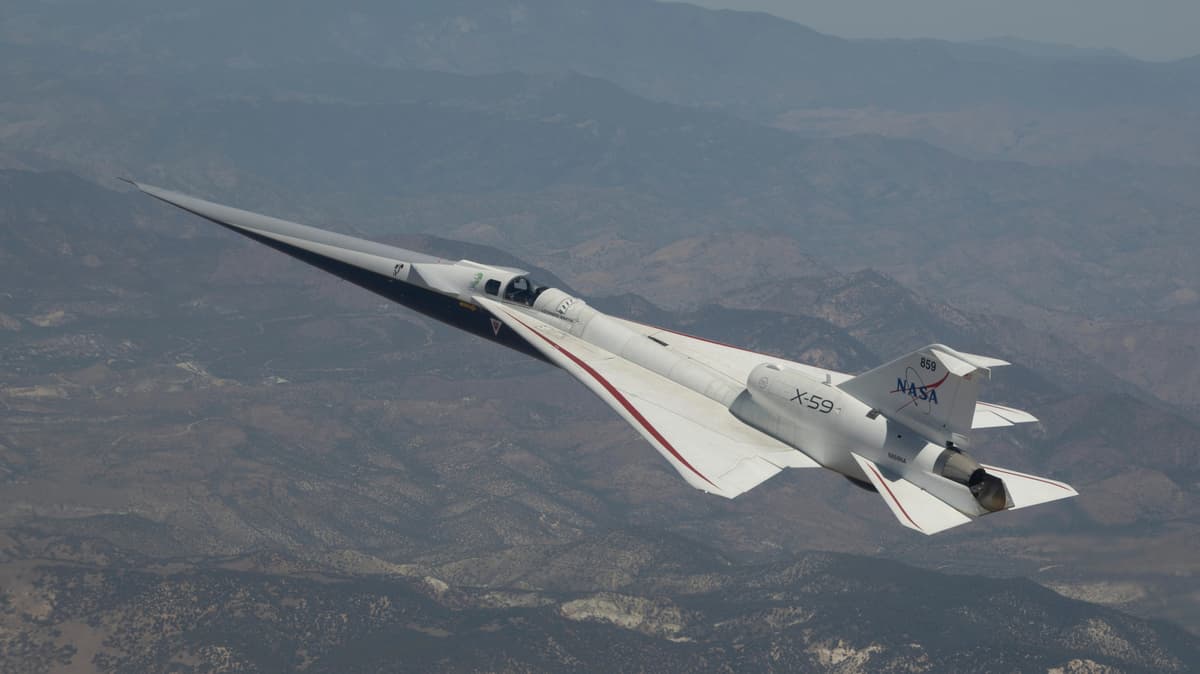
NASA Readies the X-59 for Its First Supersonic Flight, SpaceX's Starship Grounded and More Science Stories
NASA announced that its X‑59 quiet‑supersonic research aircraft will attempt its first supersonic flight in early June, targeting speeds up to Mach 1.6 at 60,000 ft. The agency will use a traditional chase plane, so any low‑level noise from the X‑59 will...

U.S. Space Force Admits Space Capabilities ‘Targeted and Destroyed’ in Epic Fury
During the recent Operation Epic Fury exercise, a senior U.S. Space Force officer confirmed that the service’s space capabilities were targeted and destroyed for the first time. Brig. Gen. Christopher Fernengel warned that such losses are likely to recur, underscoring...