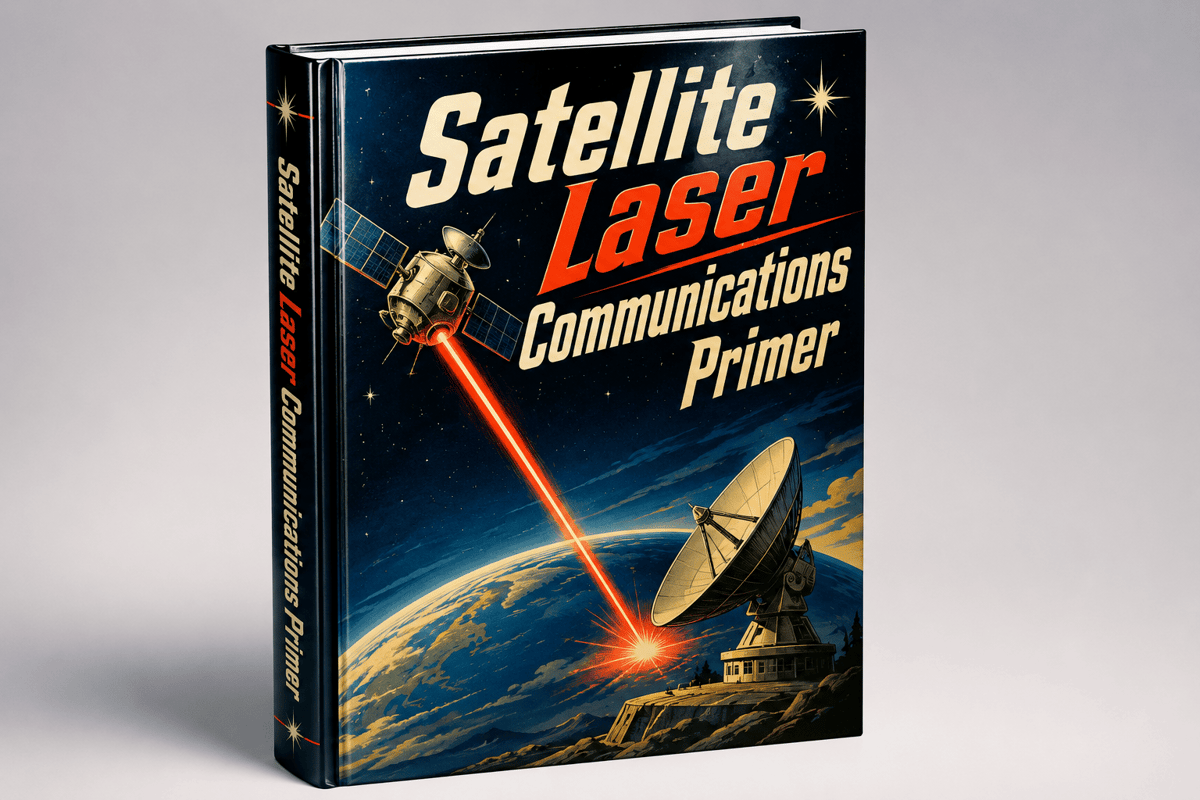
Satellite Laser Communications Primer
NASA’s Artemis II mission demonstrated a laser‑based optical terminal that moved 484 GB of high‑definition video, images, and telemetry between Orion and Earth, marking the first crewed lunar‑distance use of satellite laser communications. Recent demonstrations such as TBIRD’s 200 Gbps downlink (4.8 TB in five minutes) and inter‑satellite links on Starlink and Project Kuiper show the technology scaling from experiments to operational network layers. While optical links deliver dramatically higher data density, they coexist with RF systems that provide weather‑resilient command and safety links. Industry, defense, and civil agencies now treat laser communications as a practical, hybrid component of space data infrastructure.

The Propulsion Imperative Behind Golden Dome
Golden Dome redefines U.S. missile defense by centering propulsion in a massive satellite constellation equipped with sensors, interceptors, and AI‑driven command nodes. The program envisions thousands of orbiting assets that must maneuver quickly and survive contested environments, making propulsion the...

The Orbital Data Center Thesis Just Became an Economics Question.
At SmallSat Europe 2026, experts shifted the orbital data‑center debate from hype to hard economics. Dr. Paul Struhsaker argued that a megawatt‑class space data centre can only succeed with custom silicon, a plug‑in modular architecture, and launch costs under $300 per...

The Pixel War Is Over. The Integration War Is What Comes Next.
At SmallSat Europe 2026, industry leaders announced that Earth‑observation is entering an integration era, where fused multi‑physics data replaces the historic pixel‑by‑pixel model. ESA is issuing an invitation‑to‑tender to fund small‑sat missions that feed a common tasking and integration layer,...

AI Just Reached Production in European Space. The Trust Problem Is What Comes Next.
European space AI moved from demos to deployed products at SmallSat Europe 2026. Dublin‑based Ubotica demonstrated onboard hyperspectral processing that cut decision cycles from hours to ten minutes. Defence panel highlighted automation boundaries, stressing that sub‑second decisions must be automated...

Space Markets Emerges From Stealth With Coinbase Ventures Investment
Space Markets, a stealth‑mode startup founded in December, announced its public debut and secured investment from Coinbase Ventures. The platform will run on Coinbase’s Ethereum Layer‑2 network and aims to launch futures contracts for orbital commodities such as satellite bandwidth,...

UK Achieves First Laser Data Download From Satellite with Deployable Ground Station
On 27 May British engineers achieved the United Kingdom’s first optical downlink from space, using a deployable laser communications ground station built by Archangel Lightworks for Dstl. The TERRA‑M system, only 1.1 m tall and 0.7 m in diameter, transferred multiple gigabytes...

How to Tax Businesses in Orbit and Beyond
The Economist examines the emerging challenge of taxing commercial activities beyond Earth as private firms launch satellites, offer space‑based broadband, and plan asteroid mining and tourism. Governments in the United States and Europe are drafting tax rules, including income‑tax treatment...

Space, and Earth Observation
Private equity is rapidly moving into the space and earth‑observation sector as capital inflows hit historic highs. Recent transactions include DigitalBridge’s $1.05 billion acquisition of ArcLight and Alpine‑backed Apex Service Partners targeting a $10 billion valuation in a minority‑stake sale. ...
Russia Plans to Launch Crewed Spacecraft From Baikonur in July
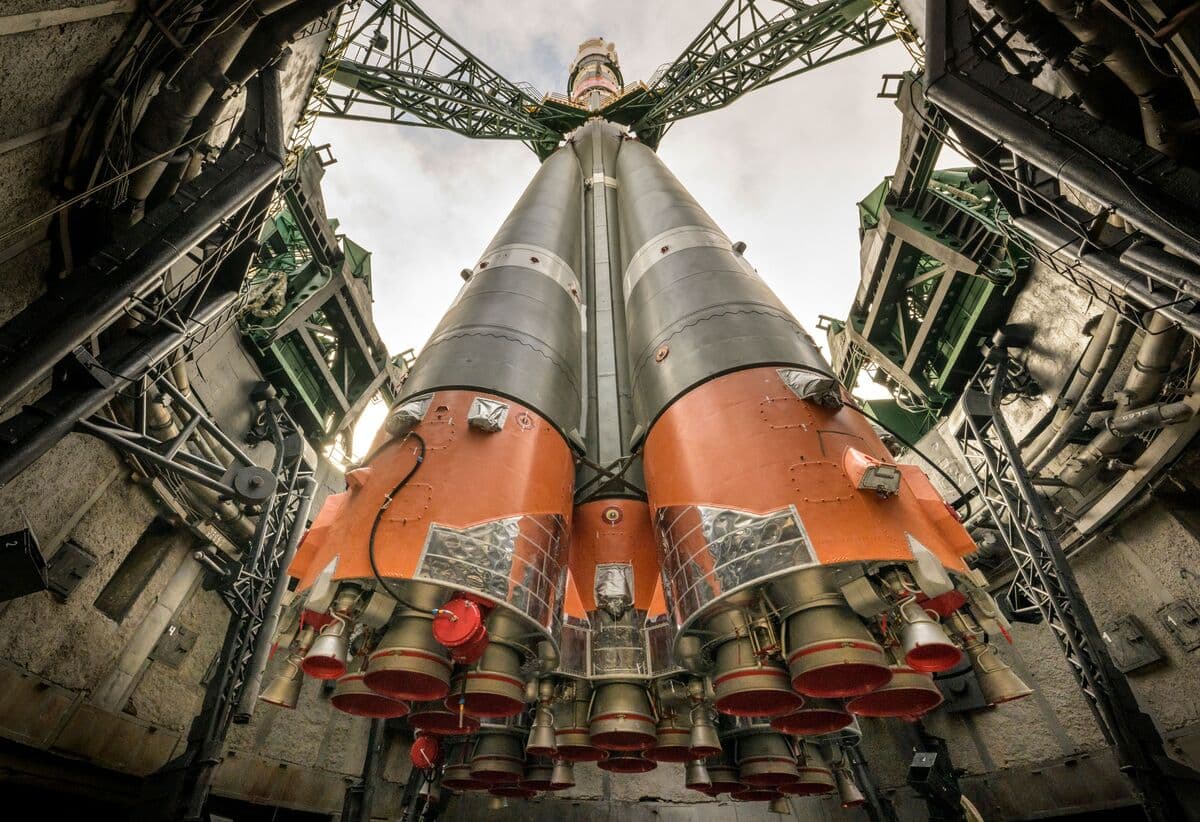
Russia announced its first crewed launch from the Baikonur Cosmodrome this year, slated for July 14, 2026. The mission will carry three astronauts, including two Russian cosmonauts and a NASA astronaut, marking the first joint Russian‑American crew launched from Kazakhstan...

NASA Picks Astrolab for Artemis Lunar Rover Mission
NASA has chosen California‑based Astrolab as one of two providers for a crewed lunar rover under the Artemis program. Astrolab’s CLV‑1 rover folds to about 2 m for launch, then expands to roughly 4 m on the Moon and can travel up...
Geespace’s Next Test Is Building a Business Case for Satellite Infrastructure
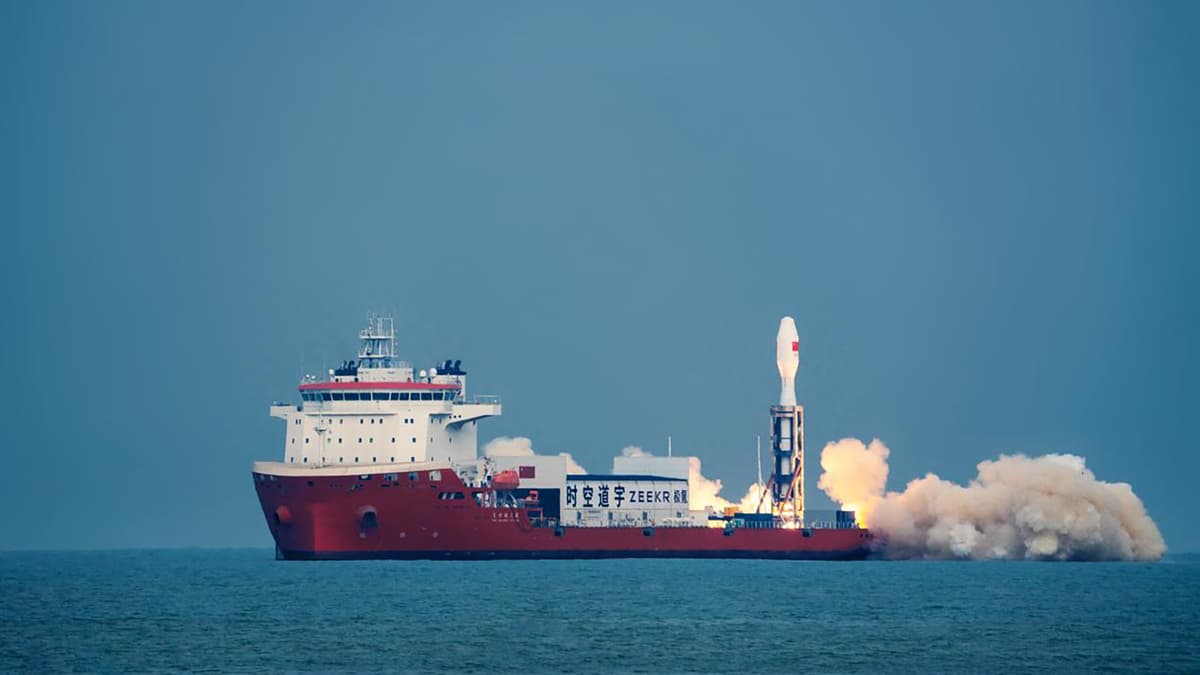
Geespace has moved from building and scaling its 64‑satellite LEO constellation to the value‑realization stage, securing commercial partnerships in over 20 countries and targeting 72 satellites by year‑end. The company focuses on medium‑ and low‑speed satellite services for IoT, automotive,...

Amazon Will Acquire Apple’s 20% Stake in Satellite Firm Globalstar
Amazon announced it will purchase Apple’s 20% equity and voting stake in Globalstar, the satellite communications provider. The acquisition follows Amazon’s $11.6 billion deal to buy Globalstar outright, adding roughly $1.1 billion of Apple‑owned shares to the transaction. Amazon will create a...

What Is the Van Allen Belt?
The Van Allen belts are two doughnut‑shaped zones of trapped protons and electrons held by Earth’s magnetic field. Discovered by Explorer 1 in 1958, they were later mapped in detail by NASA’s Van Allen Probes, which revealed rapid changes and even a temporary...
Moon Base: America’s Plan to Establish a Permanent Outpost on the Lunar South Pole
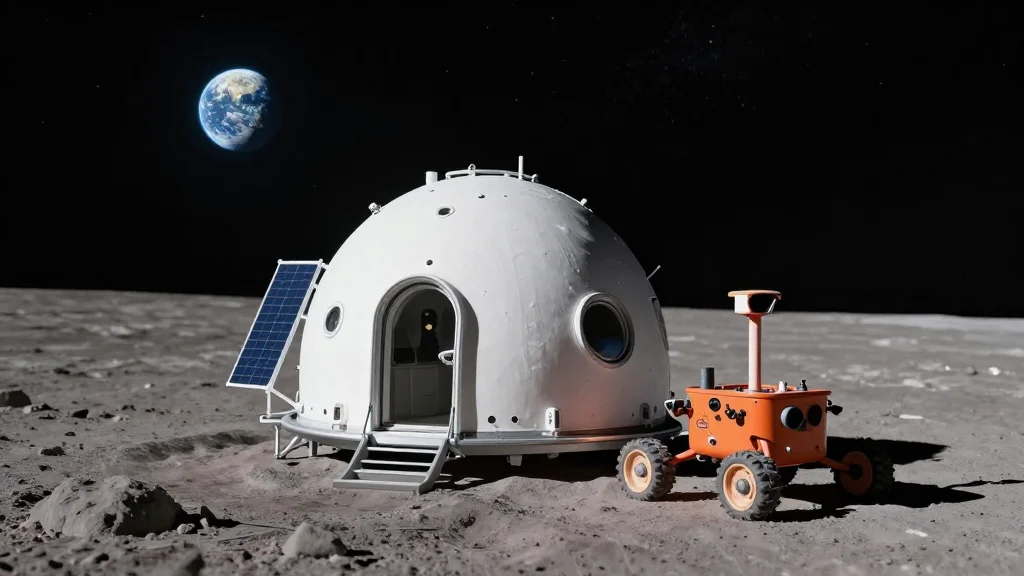
NASA Administrator Jared Isaacman announced the Moon Base program, a $30 billion effort to build a permanent U.S. outpost at the lunar South Pole. The plan unfolds in three phases starting in 2026, with Phase 3 delivering up to 150,000 kg of cargo...
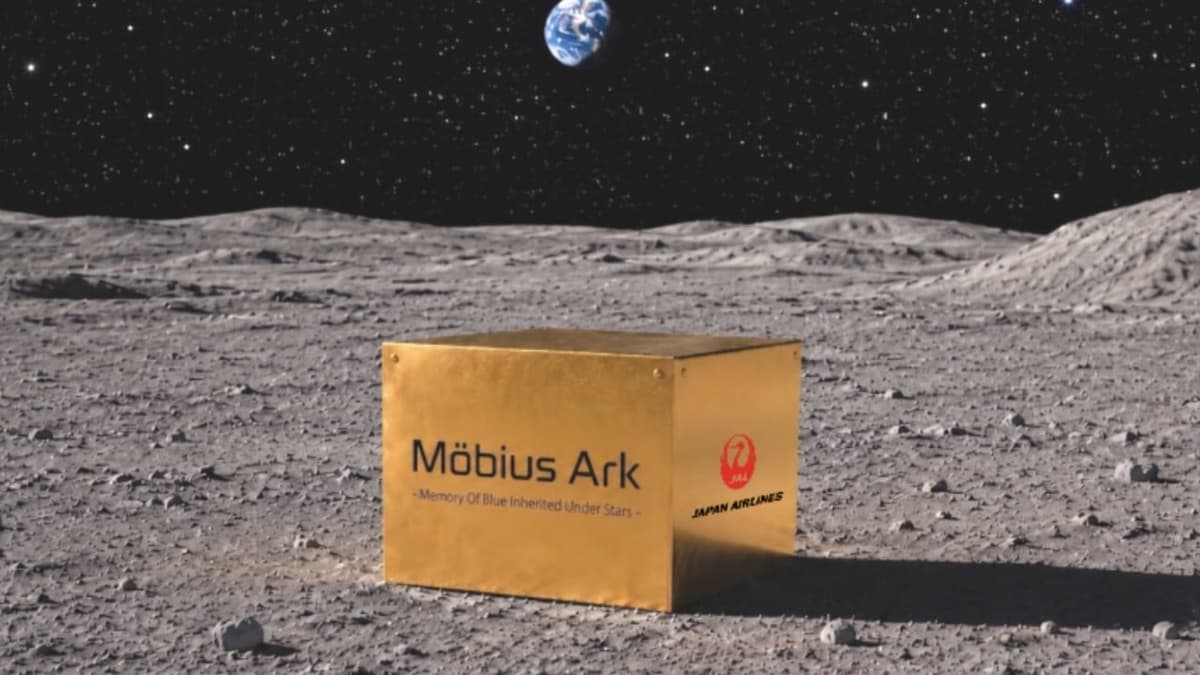
Japan Airlines Wants to Blast Human Culture Into Space and Land It on the Moon
Japan Airlines (JAL) has signed a memorandum of understanding with lunar‑landing start‑up ispace to launch the ARGO Trans‑Lunar Heritage Project, targeting a payload delivery to the Moon in 2028. The partnership will place Japanese cultural artefacts and regional specialties in...
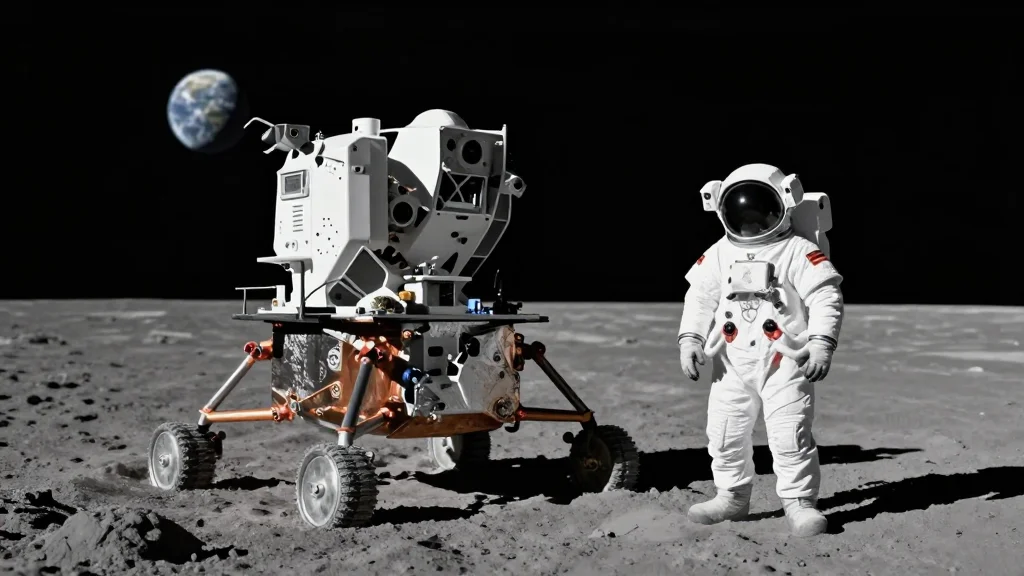
“We Will Spare No Effort”– China Blueprints Integration Plan for Human Moon Landing by 2030
China announced an integrated Lunar Exploration Program that merges its Chang'e robotic probes with the China Manned Space Agency’s human spaceflight efforts. The plan, unveiled by CMSA spokesman Zhang Jingbo at the Shenzhou‑23 pre‑launch event, sets a target of a...
FAA Grounds SpaceX’s Starship After Another Launch Mishap
The FAA has grounded SpaceX’s Starship after the Super Heavy booster failed its flip maneuver and boost‑back burn, ending up in the Gulf of Mexico. The mishap, declared formal on Wednesday, marks the 12th Starship launch and the sixth FAA...
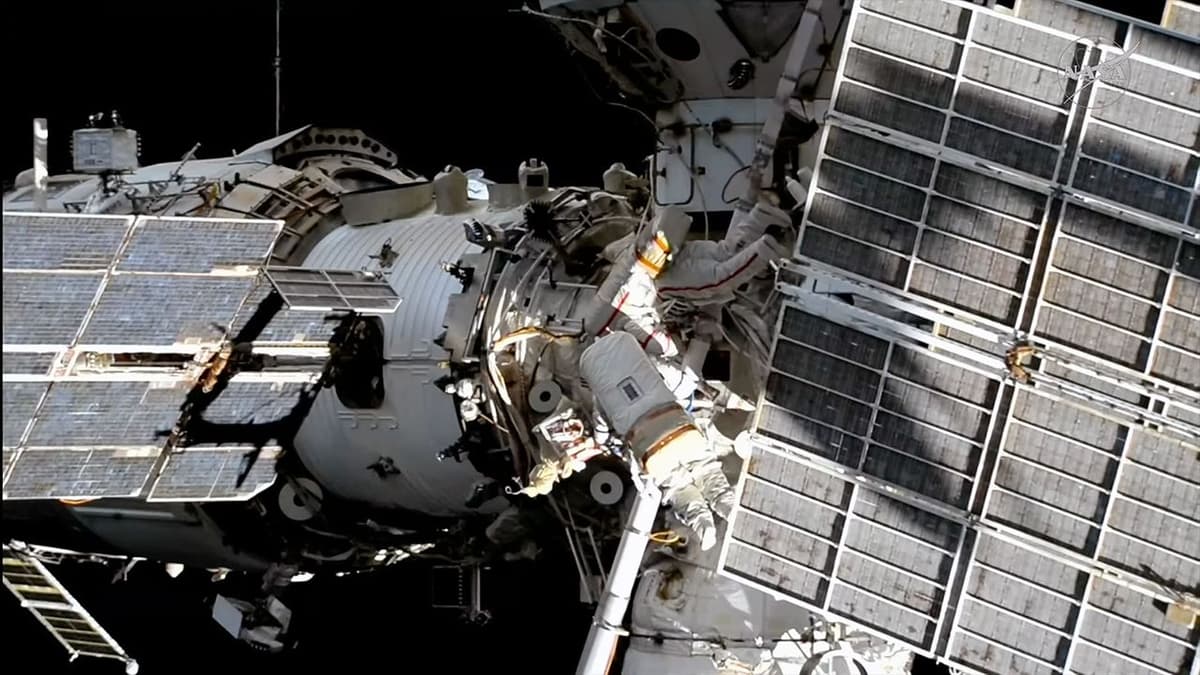
Russian Cosmonauts Install Sun-Watching Telescope on ISS During 6-Hour Spacewalk
Russian cosmonauts Sergey Kud‑Sverchkov and Sergei Mikaev completed a 6‑hour, 5‑minute EVA on May 27, 2026, installing the Solntse‑Teragerts solar‑radiation telescope on the Zvezda module and retrieving experiments from Poisk and Nauka. The new telescope will monitor solar flares to...
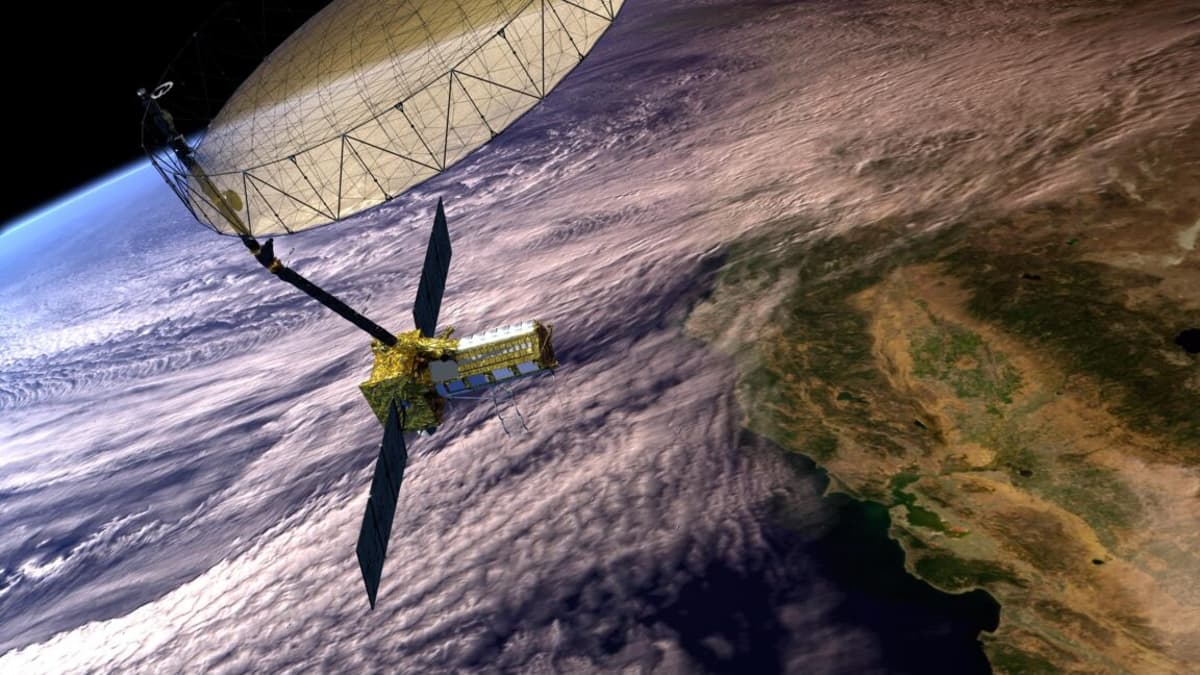
Mystery GPS Jammer in Iran Becomes Test for NASA Satellites’ Capabilities
NASA’s CYGNSS and NISAR Earth‑observing satellites were used in a controlled experiment to locate a mysterious GPS jammer near Shiraz, Iran. CYGNSS identified the jammer within 4.33 km (CEP 3.48 km) while NISAR achieved 6.26 km accuracy (CEP 6.88 km). A fused CYGNSS‑NISAR approach produced a...
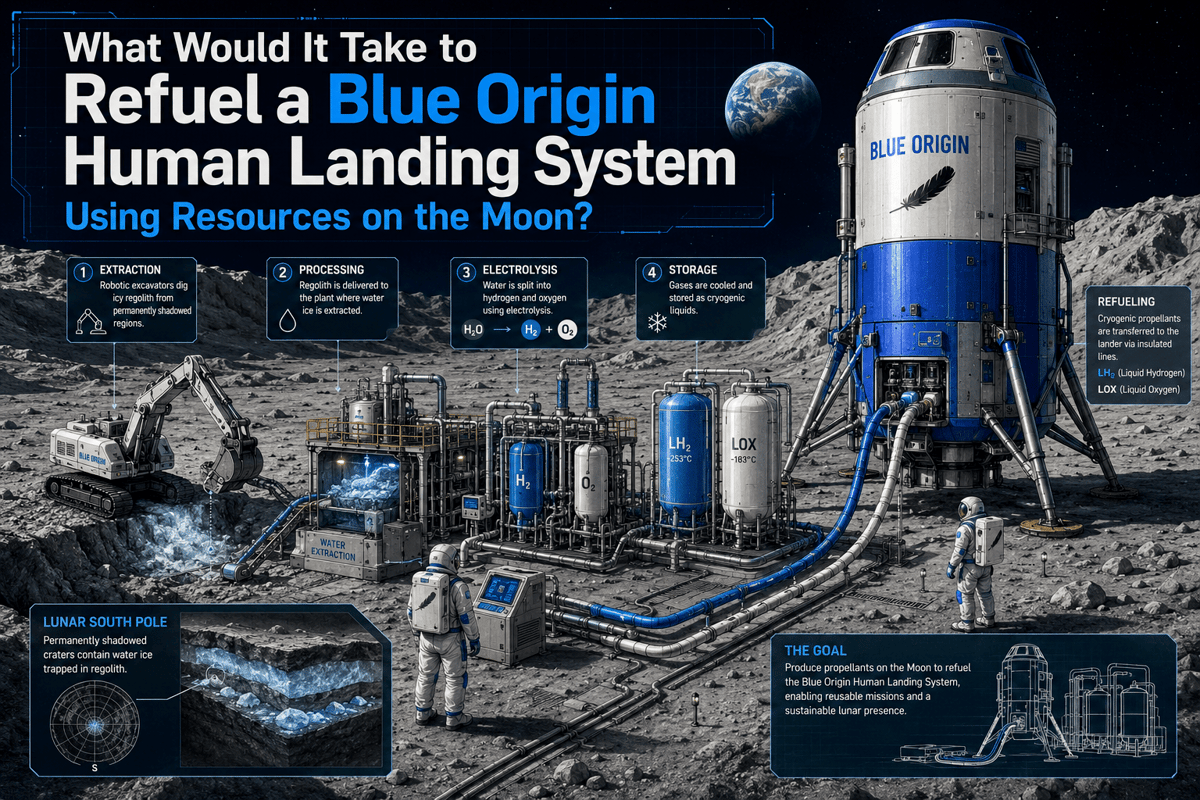
What Would It Take to Refuel a Blue Origin Human Landing System Using Resources on the Moon?
NASA’s $3.4 billion Blue Moon lander will need roughly 40 metric tons of LOX/LH₂ propellant for a crewed descent and ascent. Converting this to water means about 51 t of lunar ice must be extracted, with losses pushing the target to 57‑69 t. At...
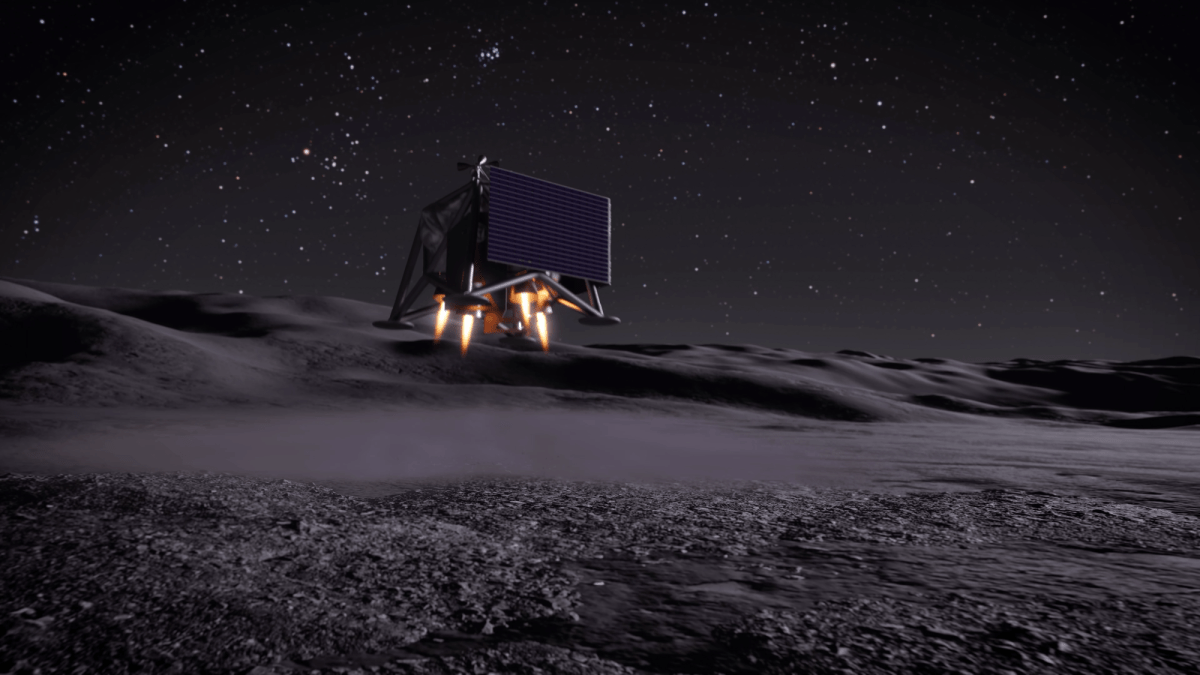
Four Drones Will Go Where No Astronaut Have Landed—Yet
NASA’s Jet Propulsion Laboratory is advancing the MoonFall mission, slated for a 2028 launch, which will deploy four 550‑pound drones to the Moon’s South Pole. Each drone will fly for up to a single lunar day (about 14 Earth days),...
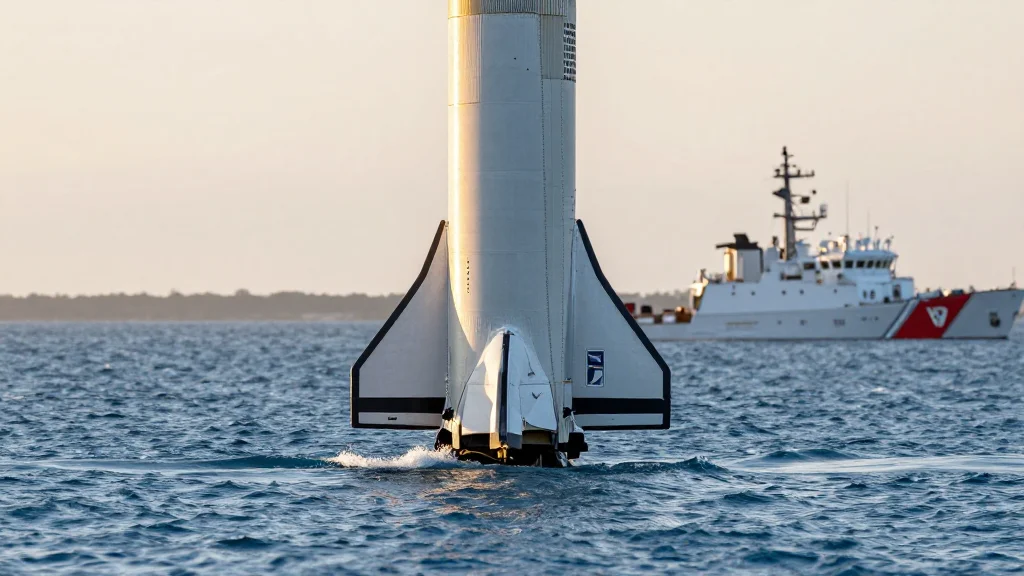
FAA Requires SpaceX-Led Mishap Investigation Before Resumption of Starship Launches
The FAA announced that SpaceX must complete a FAA‑overseen mishap investigation into the off‑nominal performance of Super Heavy booster B19 on Starship Flight 12 before it can launch Flight 13. During ascent, one of the 33 Raptor V3 engines shut down at...
Moon Base Missions Face an Unseen Threat, and These Simulations Show Where It Could Strike First
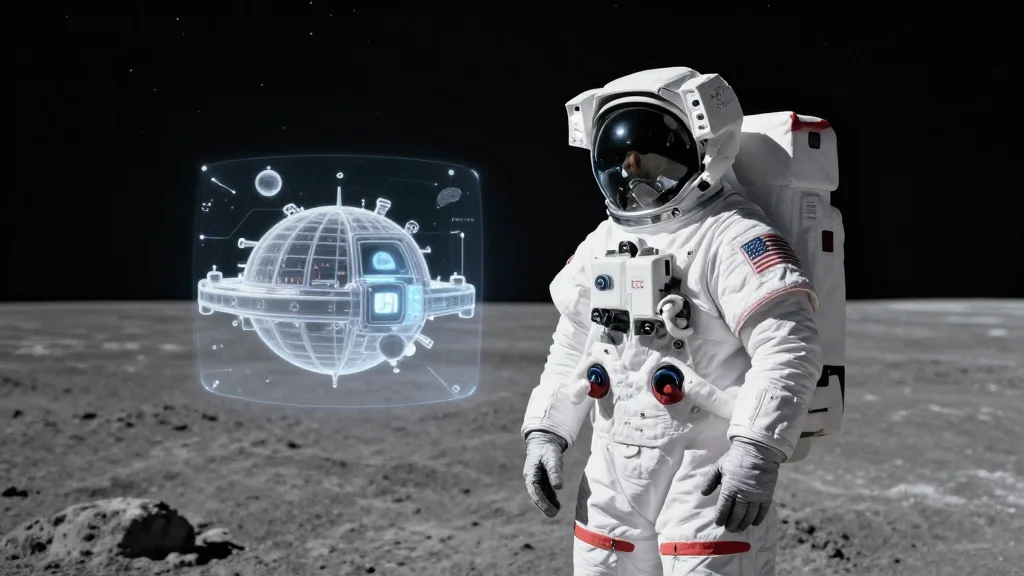
Researchers at George Mason University have created an agent‑based simulation that models astronaut cognitive, social, emotional, and environmental interactions during lunar base operations. Running tens of thousands of scenarios, the model shows that larger crews accelerate skill development and improve...
China Shakes up Its Space Programs to Land Astronauts on the Moon by 2030: 'We Will Spare No Effort'
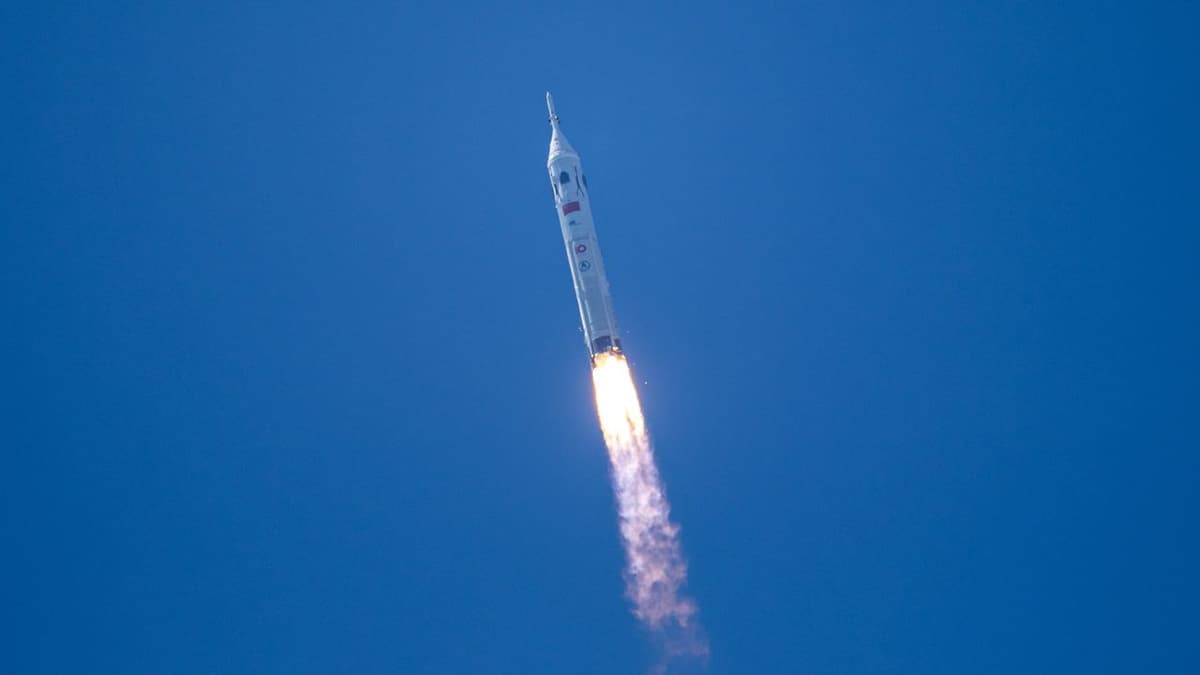
China announced an integrated Lunar Exploration Program that unites its Chang'e robotic probes with the China Manned Space Agency’s human‑spaceflight efforts. The plan targets a crewed lunar landing by 2030, leveraging the Long March‑10 carrier rocket, the Mengzhou crewed spacecraft, and...
FAA Grounds SpaceX's Starship V3 Megarocket After Flight 12 'Mishap'
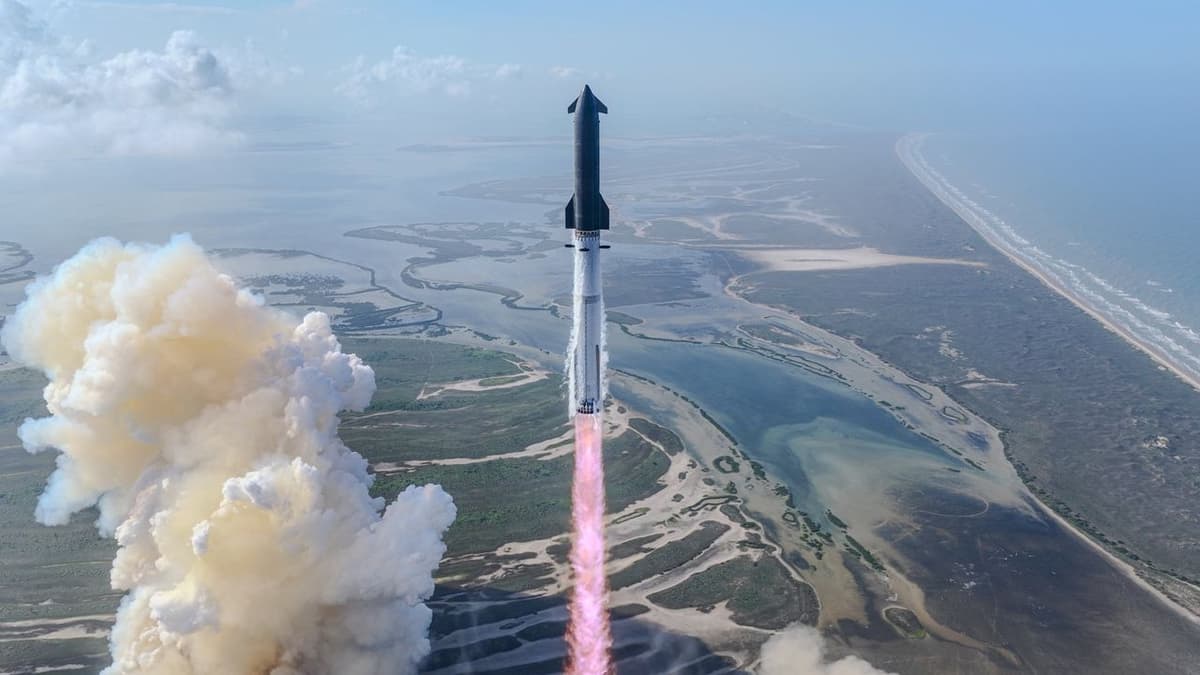
The FAA has grounded SpaceX’s Starship V3 after the vehicle’s 12th test flight on May 22 was deemed a mishap. While the upper stage successfully deployed 20 dummy and two camera‑equipped Starlink satellites and splashed down safely, the Super Heavy booster...
NASA Moon Base Plans: Artemis, the Lunar South Pole, and the Buildout of a Permanent Human Outpost
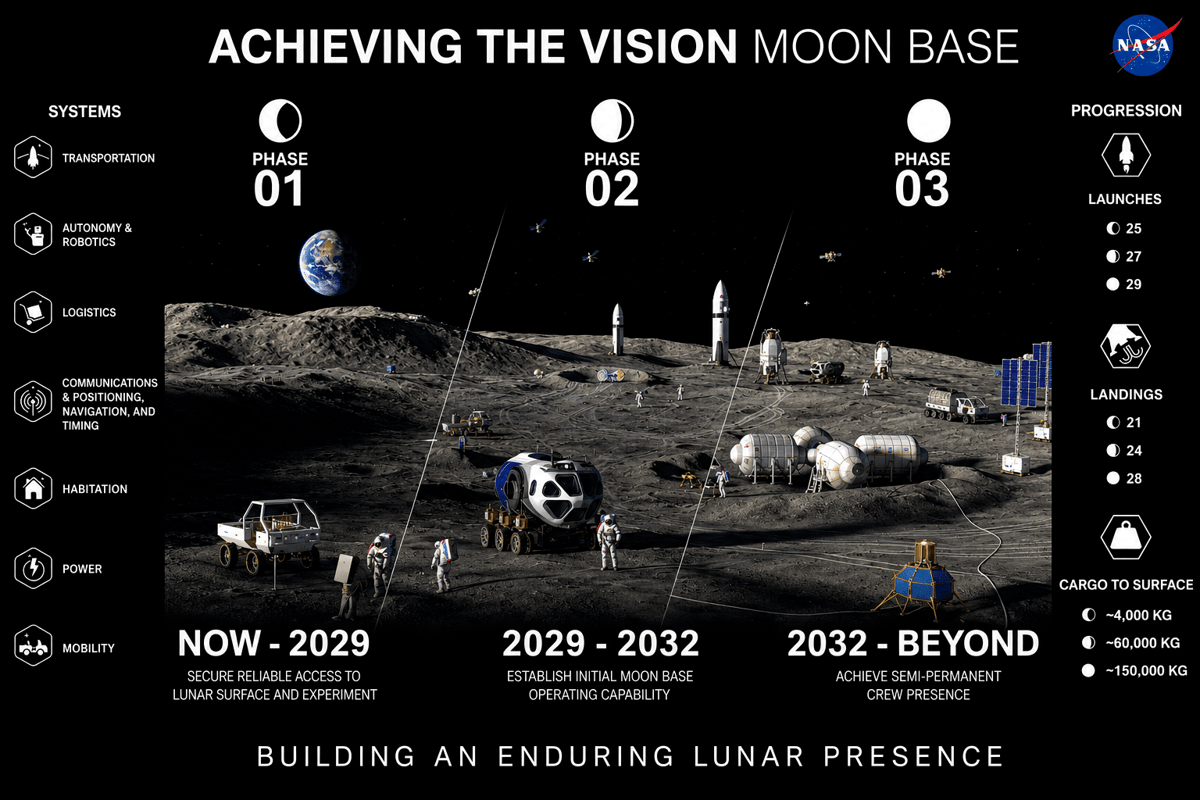
NASA’s Moon Base plan pivots to a phased, permanent outpost at the lunar South Pole, integrating robotic precursors, commercial landers, and the Artemis program. The strategy emphasizes extended solar illumination, water‑ice resources, and a distributed network of habitats, power, and...
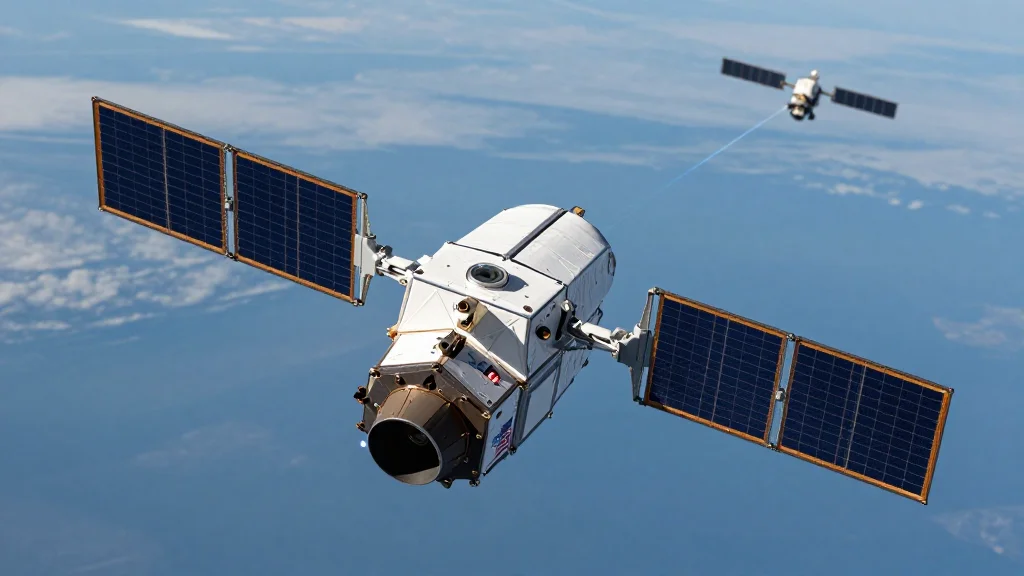
Space Force Awards SpaceX $2.29 Billion Contract for Military Data Constellation
The U.S. Space Force awarded SpaceX a $2.29 billion contract to expand its Starshield military variant of the Starlink constellation. The deal funds a low‑Earth‑orbit data‑transport constellation that will become the backbone of the Pentagon’s Space Data Network, linking sensors to...
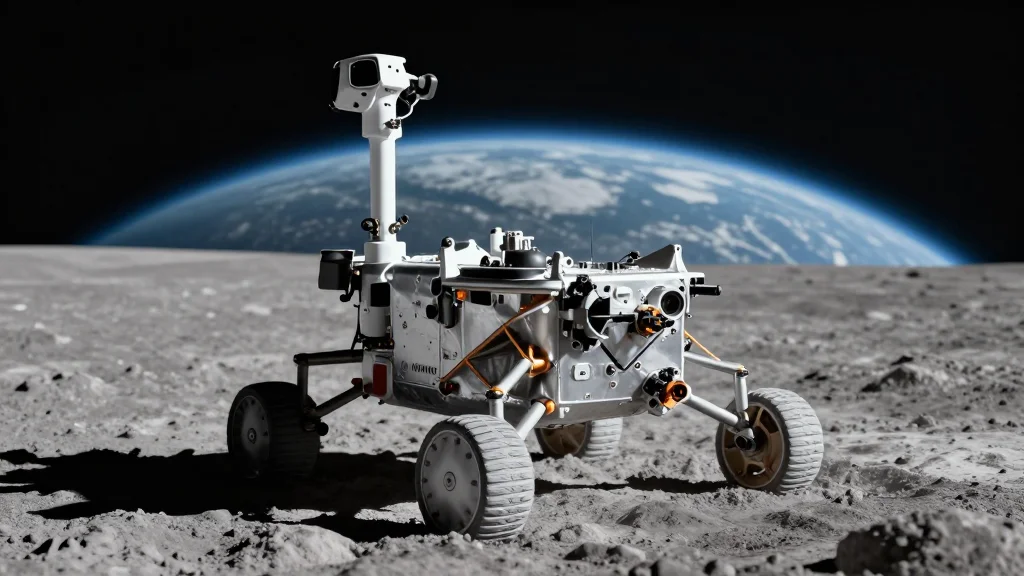
NASA Unveils New Lunar Base Developments as Artemis Efforts Expand
NASA announced contract awards for the first hardware elements of a lunar base, including two rovers that will give astronauts mobility on the Moon. Administrator Jared Isaacman highlighted that the agency will not slow down its Artemis‑driven return to the...
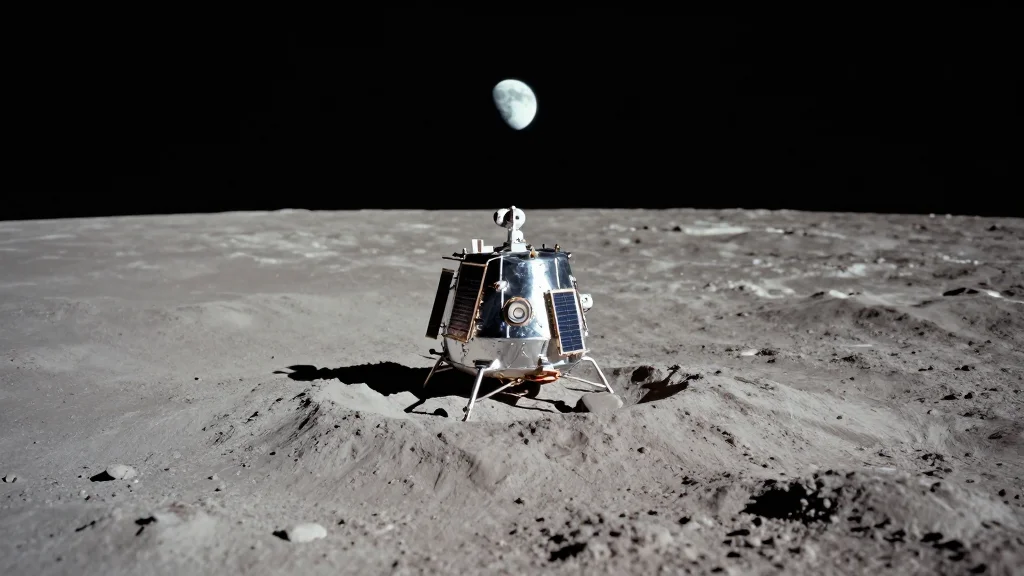
A Call to My Readers: Find the Location of NASA’s Lunar Base!
During a recent NASA press conference, program executive Carlos García‑Galán displayed a graphic of the agency’s planned unmanned lunar base near the Moon’s south pole. The map, however, omitted crater names, latitude‑longitude coordinates, and a scale, leaving its exact location...
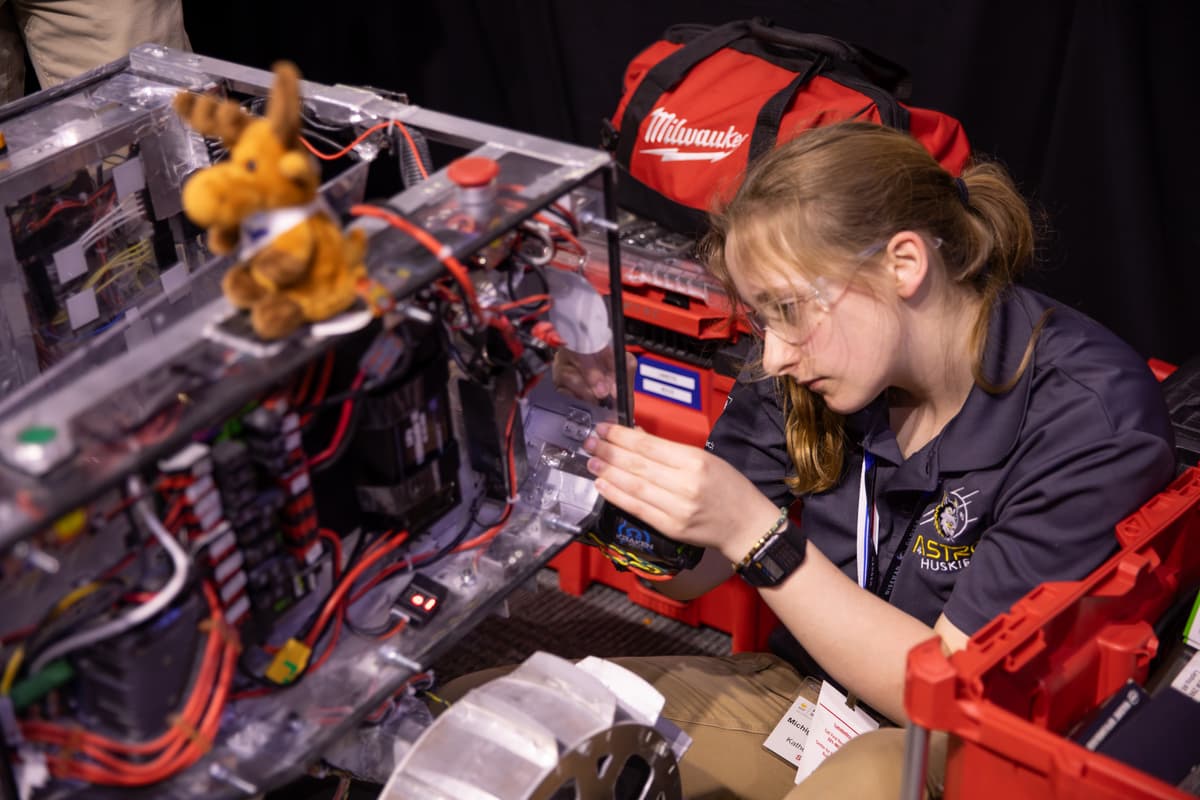
Students Build Moon Robots for NASA’s 2026 Lunabotics Challenge
NASA’s 2026 Lunabotics Challenge drew 47 university teams to design remote‑controlled robots that can navigate rough lunar terrain and build regolith‑based berms. The competition culminated in a finals showcase at the Kennedy Space Center Visitor Complex on May 19. Participants...
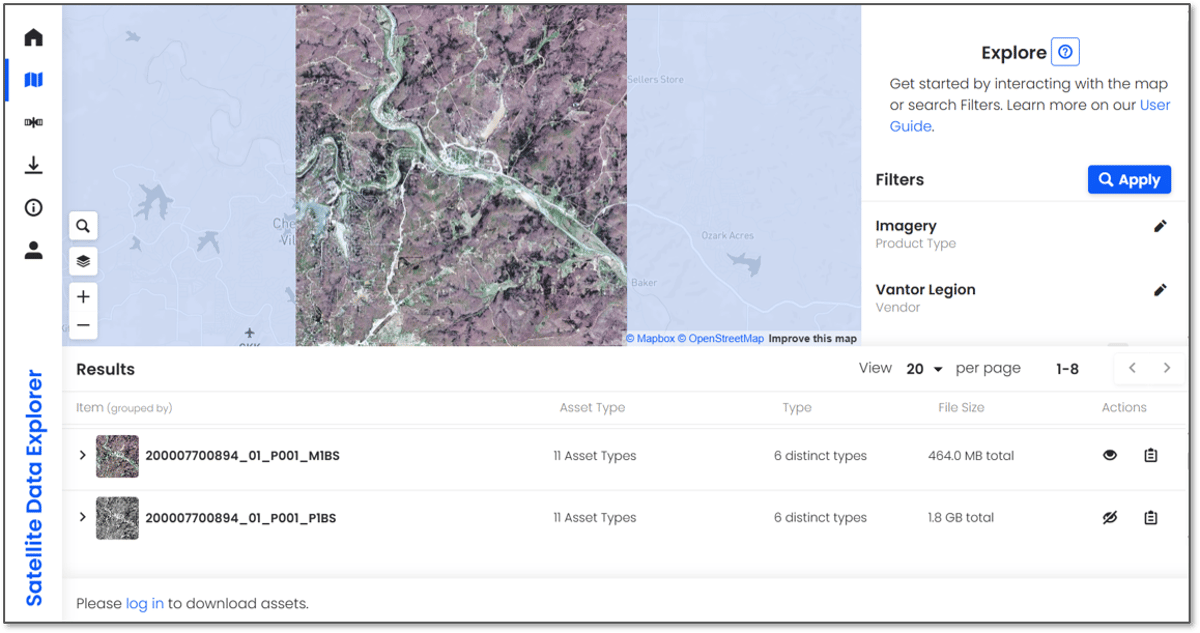
Webinar 6/17: Discover, Access, and Task Commercial Data with NASA’s Satellite Data Explorer
NASA’s Commercial Satellite Data Acquisition (CSDA) program will host a webinar on June 17, 2026 at 2:00 p.m. EDT to showcase the Satellite Data Explorer (SDX), a web‑based portal for discovering, accessing, and tasking commercial Earth‑observation imagery. The live demo will...
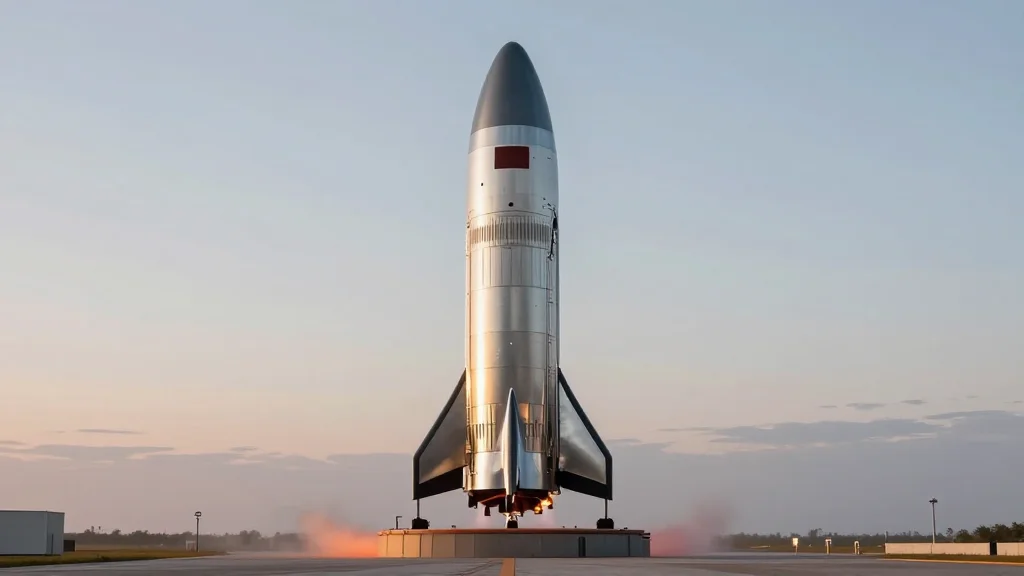
A Review of What Happened and What’s Next for Starship/Superheavy
SpaceX’s 12th Starship/Super‑Heavy test flight concluded last week with the Super‑Heavy booster separating cleanly and both stages completing their burns and re‑entries without major issues. The flight generated data that will inform refinements ahead of the next test, scheduled for...
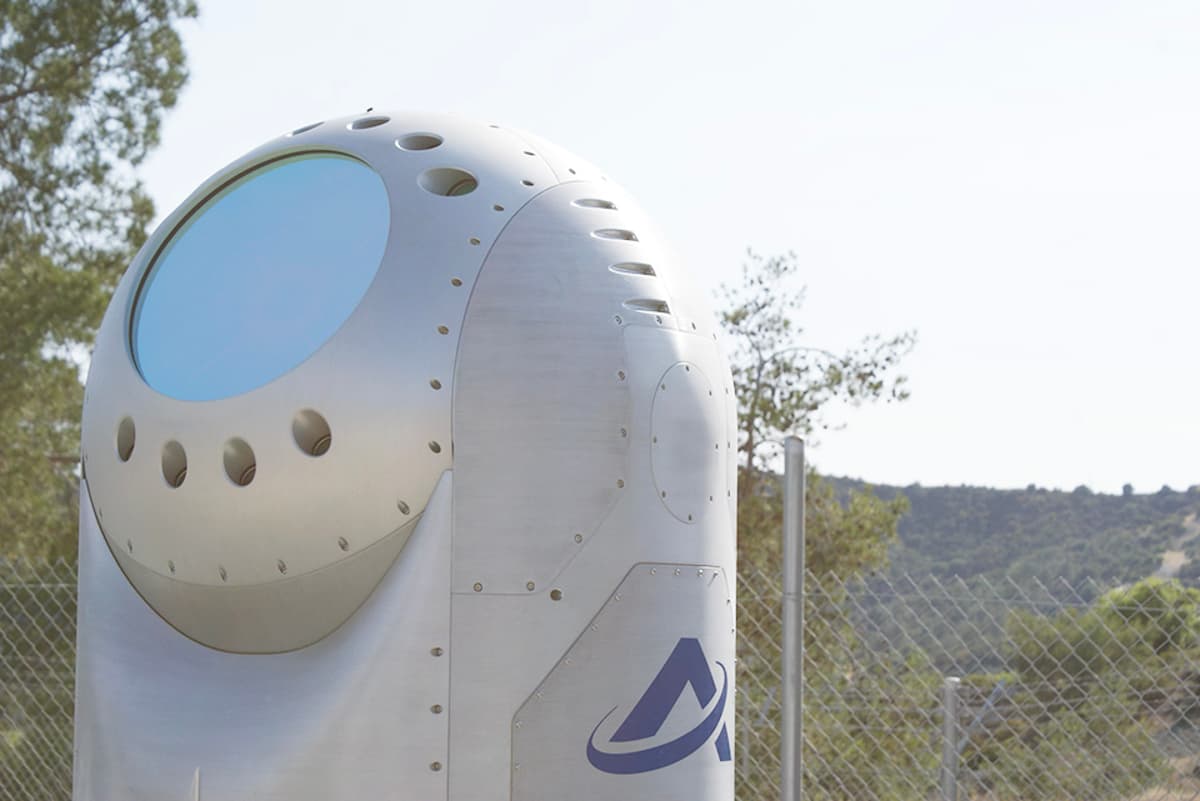
Archangel Lightworks Completes Successful Trials for Miniature Deployable Optical Ground Station
Oxford‑based Archangel Lightworks has completed multi‑day field trials of its TERRA‑M system, the world’s smallest deployable operational optical ground station. The miniature unit, only 1.1 m tall and 0.7 m in diameter, successfully exchanged data with a low‑Earth‑orbit satellite using the U.S....
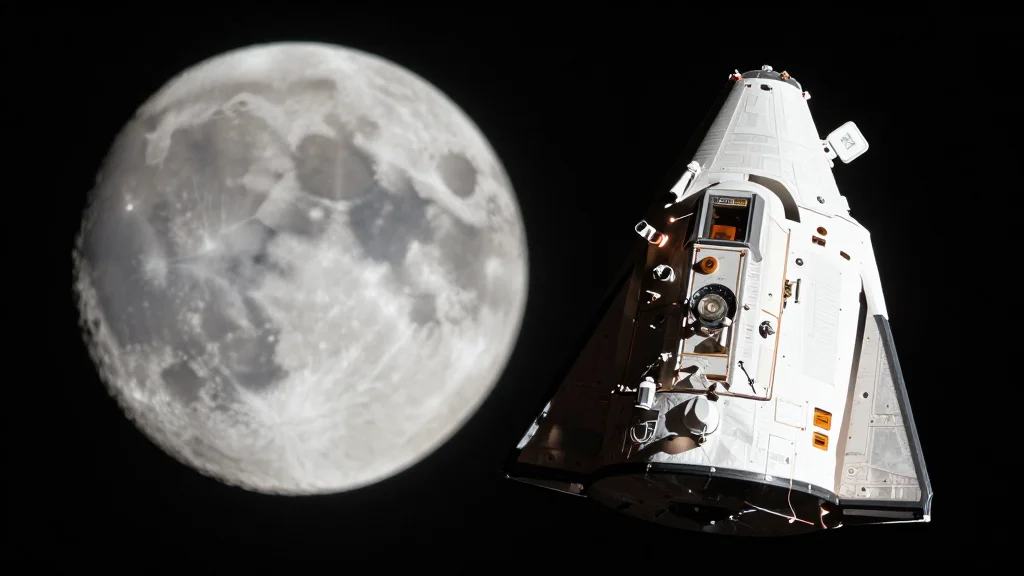
Congressional Leaders Laud NASA Moon Plans, But Fight Intensifies over Science Funding
Congressional leaders overseeing NASA praised Artemis II’s 10‑day lunar flyby and the public‑private model that enabled it, while warning that the administration’s FY 2027 budget request slashes NASA’s total funding to $18.8 billion—a 25% drop from the current $24.4 billion. The proposed cuts focus...
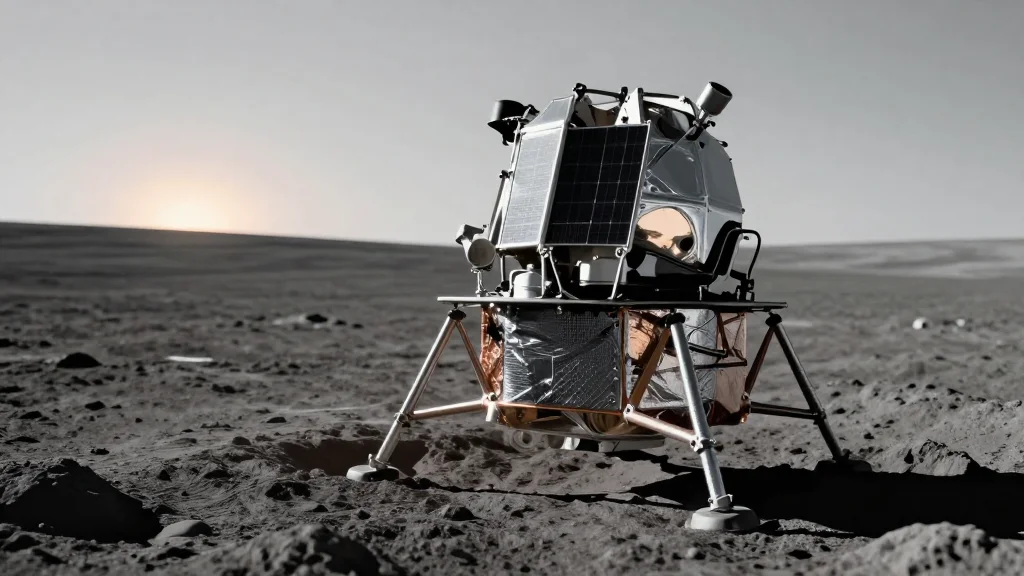
Blue Origin’s Moon Lander Update
Blue Origin announced its Blue Moon Mark 1 (MK1) lunar lander series will support NASA’s Moon Base at the lunar South Pole, beginning with the MK1‑101 Endurance mission slated for launch no earlier than fall 2026. The lander will touch down on...
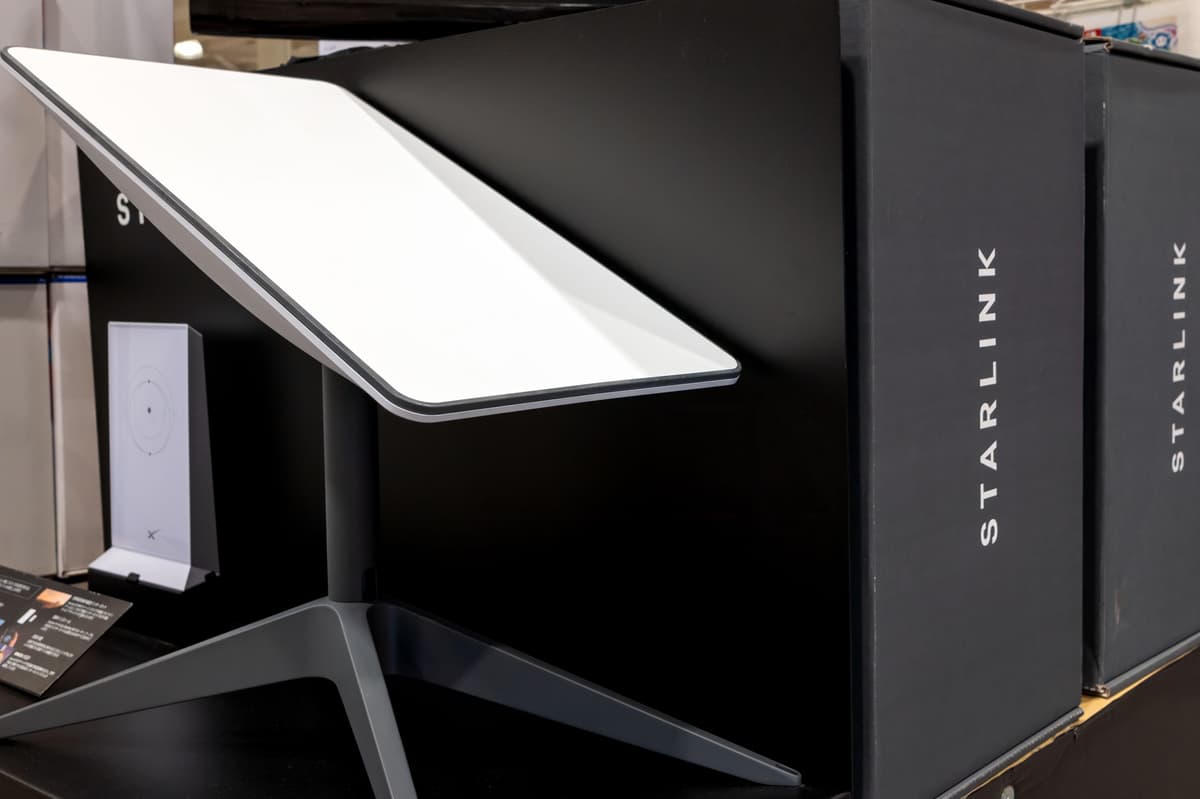
Starlink Could Reach 100M Subs by 2034 – Forecast
New Street Research projects Starlink could reach 100 million subscribers by 2034, up from about 10.3 million today. The forecast hinges on deploying up to 20,000 V3 1‑Tb/s satellites and eventually a 10‑Tb/s V4, expanding capacity roughly 29‑fold. SpaceX’s connectivity unit generated...
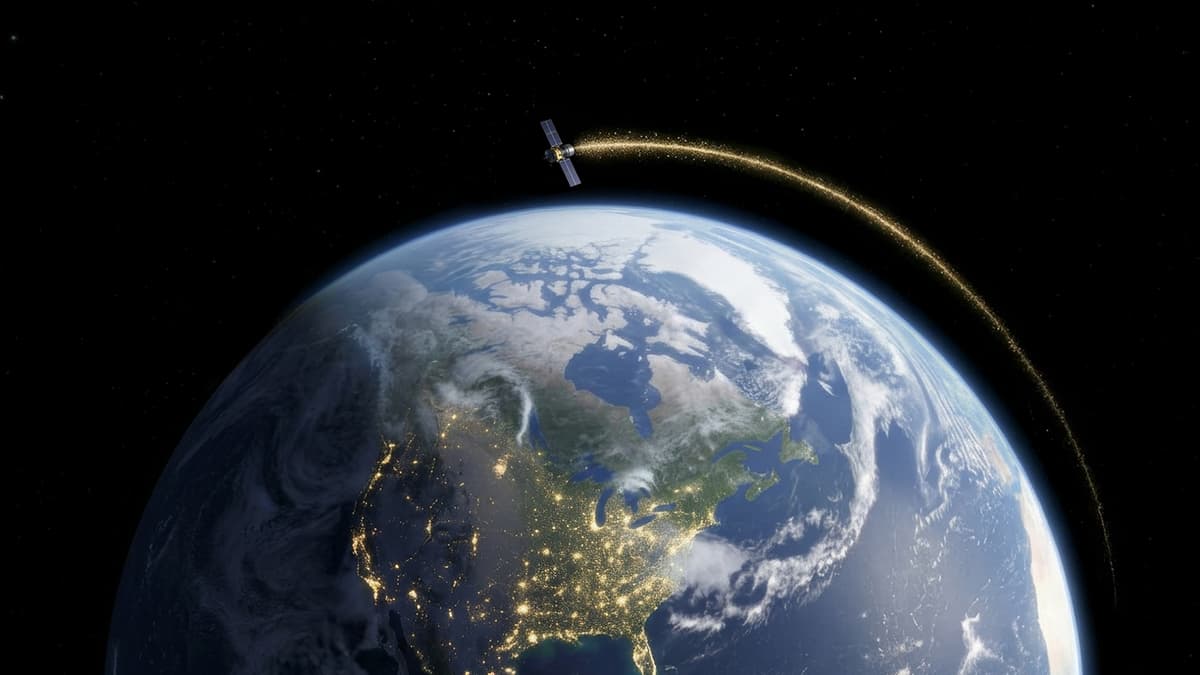
Aitech Upgrades Its Space Supercomputer
Aitech Systems announced that its S‑A2300 space‑rated supercomputer will be upgraded with NVIDIA’s IGX Thor platform, dramatically expanding in‑orbit AI processing capabilities. The move follows earlier generations, including the 2022 Venus‑class S‑A1760 that flew on a NASA decelerator mission and a...
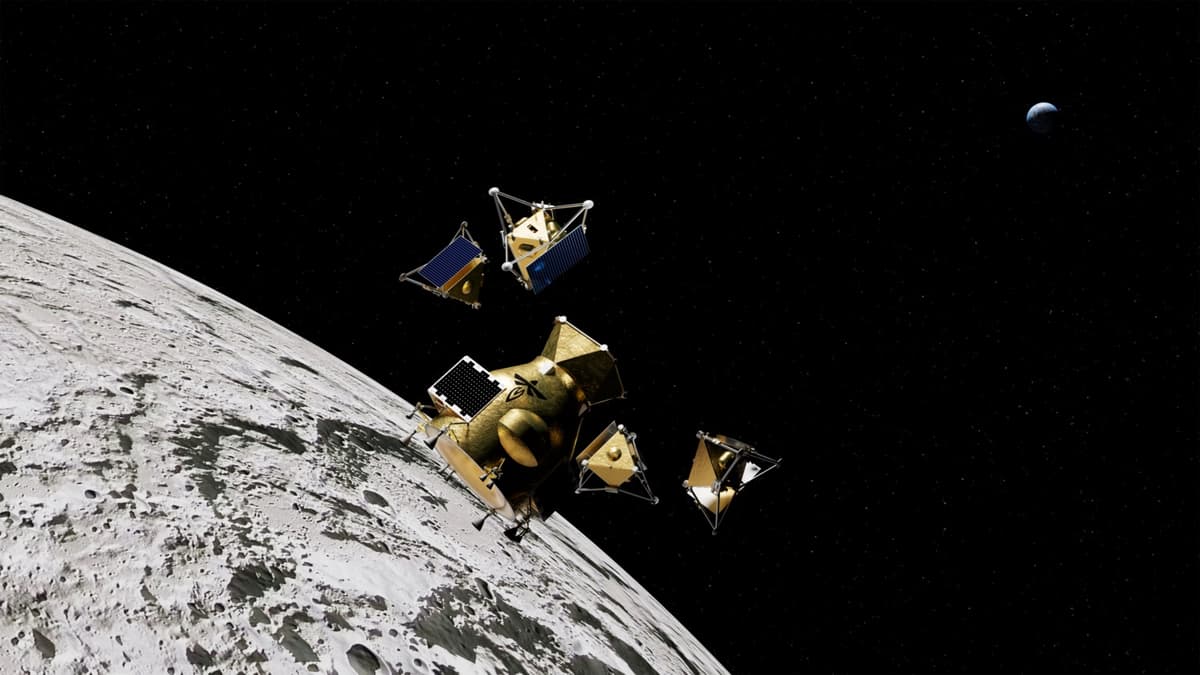
Firefly Aerospace Wins $75M Contract to Deliver Drones to Lunar South Pole
Firefly Aerospace secured a $75 million subcontract from NASA’s Jet Propulsion Laboratory to deliver four autonomous drones to the Moon’s south pole. The drones, built by JPL, will be launched aboard Firefly’s Elytra spacecraft on a 45‑day trajectory, targeting a launch...
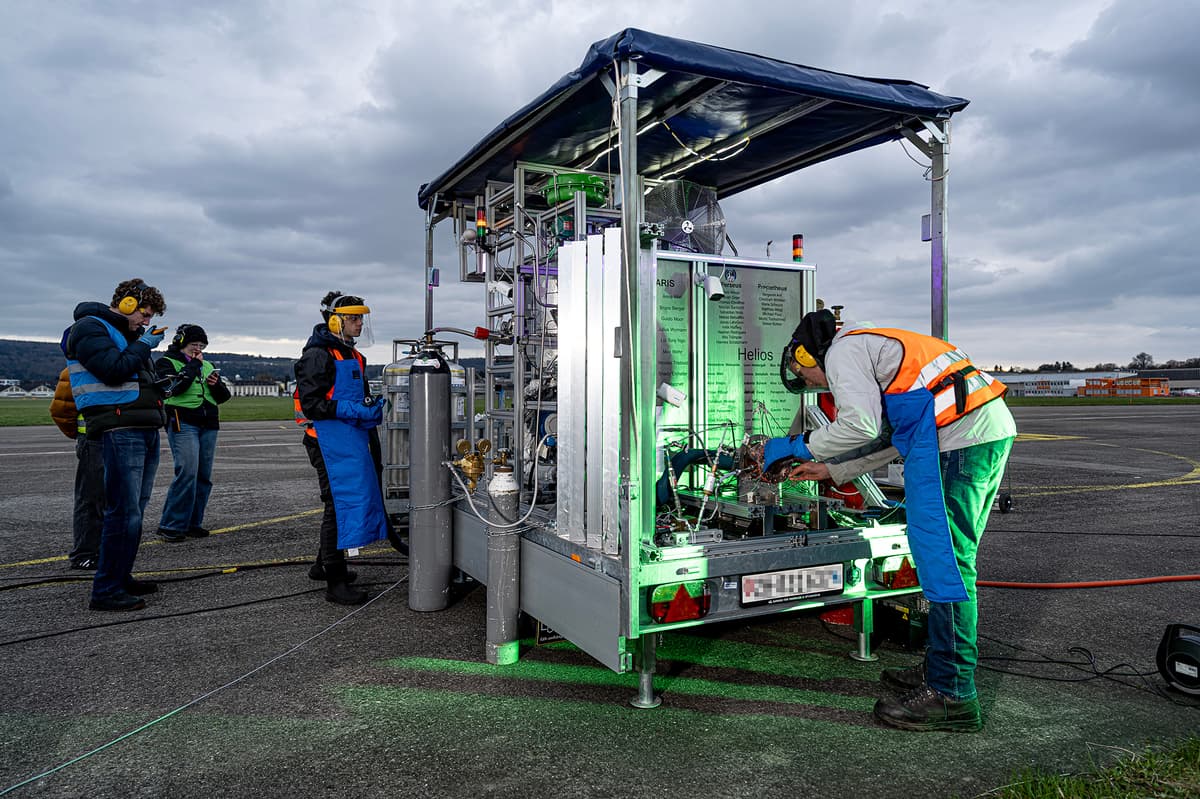
ETH Zurich Ignites Rotating Detonation Rocket Engine
A 20‑member student team from ETH Zurich’s Academic Space Initiative Switzerland ignited a liquid‑propellant rotating detonation rocket engine (RDRE) during a night test at Dübendorf Airfield in early April 2026. The test recorded three stable detonation waves rotating up to...
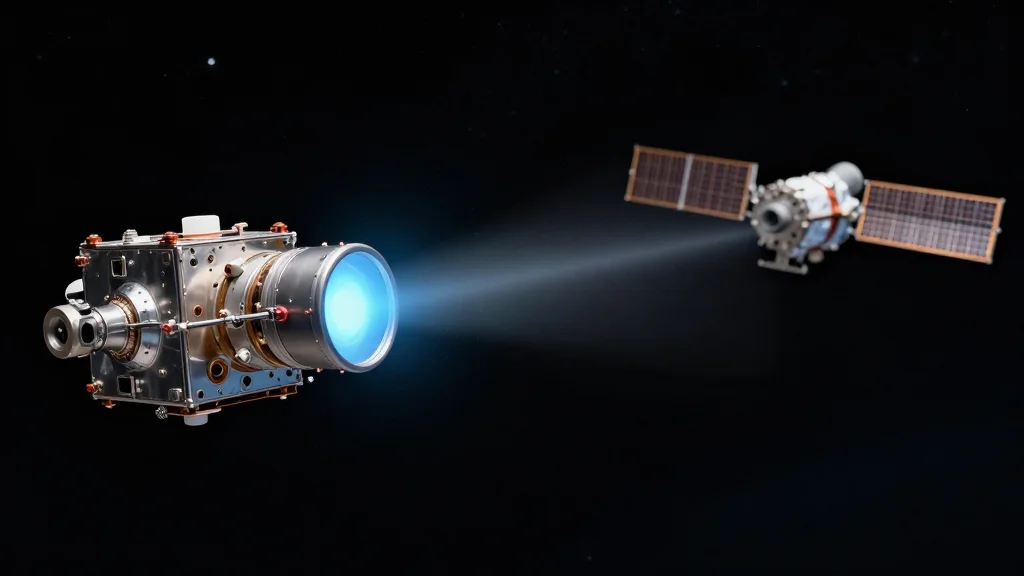
ThinkOrbital Preps for First On-Orbit X-Ray Scans
ThinkOrbital is preparing its ThinkX system to conduct the first on‑orbit X‑ray scans, capable of imaging spacecraft from distances up to 10 km. The demonstration will launch the receiver in July aboard Argo Space’s water‑propelled satellite, with the X‑ray source slated...

Procurement Is the Choke Point. Everything Else on Day 1 Is Downstream of That.
Day 1 of SmallSat Europe 2026 highlighted that Europe’s space boom is hamstrung by an outdated procurement system. Current defense‑space contracts are classified by default, letting cleared primes win without competition. The panel pointed to the UK MOD’s 13‑startup contract program and...

€131 Billion Is In. Now Europe Has to Build the Supply Chain that Can Absorb It.
European policymakers have locked in roughly €131 billion ($143 billion) for space‑defence in the EU Multi‑annual Financial Framework, complemented by Germany’s €35 billion ($38 billion) commitment, the €6.5 billion ($7.1 billion) Project Bromo merger, and Poland’s €730 million ($795 million) ESA boost. The funding surge aims to field a...
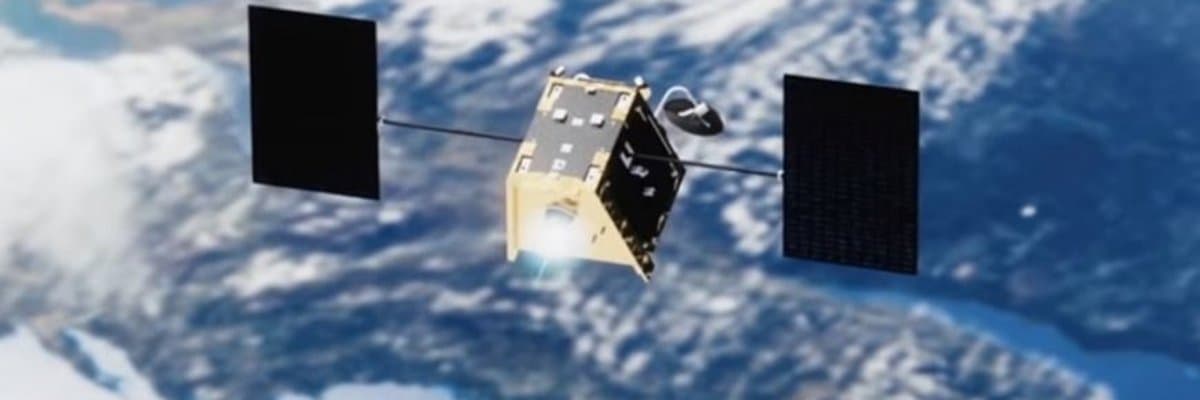
Viasat Hosts First Satellite-Enabled Phone Comms in Uzbekistan
Viasat demonstrated the first in‑country satellite‑enabled direct‑to‑device (D2D) messaging in Uzbekistan, sending native SMS between two Android smartphones—one via satellite and one on a terrestrial network. The trial, conducted with Uzbekistan's Ministry of Digital Technologies, UZ‑SAT and Uztelecom, used Viasat’s...

How Satellite Services Are Used by Autonomous Weapons
Satellite services are becoming the connective tissue for autonomous weapons, delivering command‑and‑control data, navigation, timing, imagery, and weather intelligence. A 2025 Starlink outage that paused two dozen U.S. Navy unmanned surface vessels highlighted how communication links, not the weapon itself,...
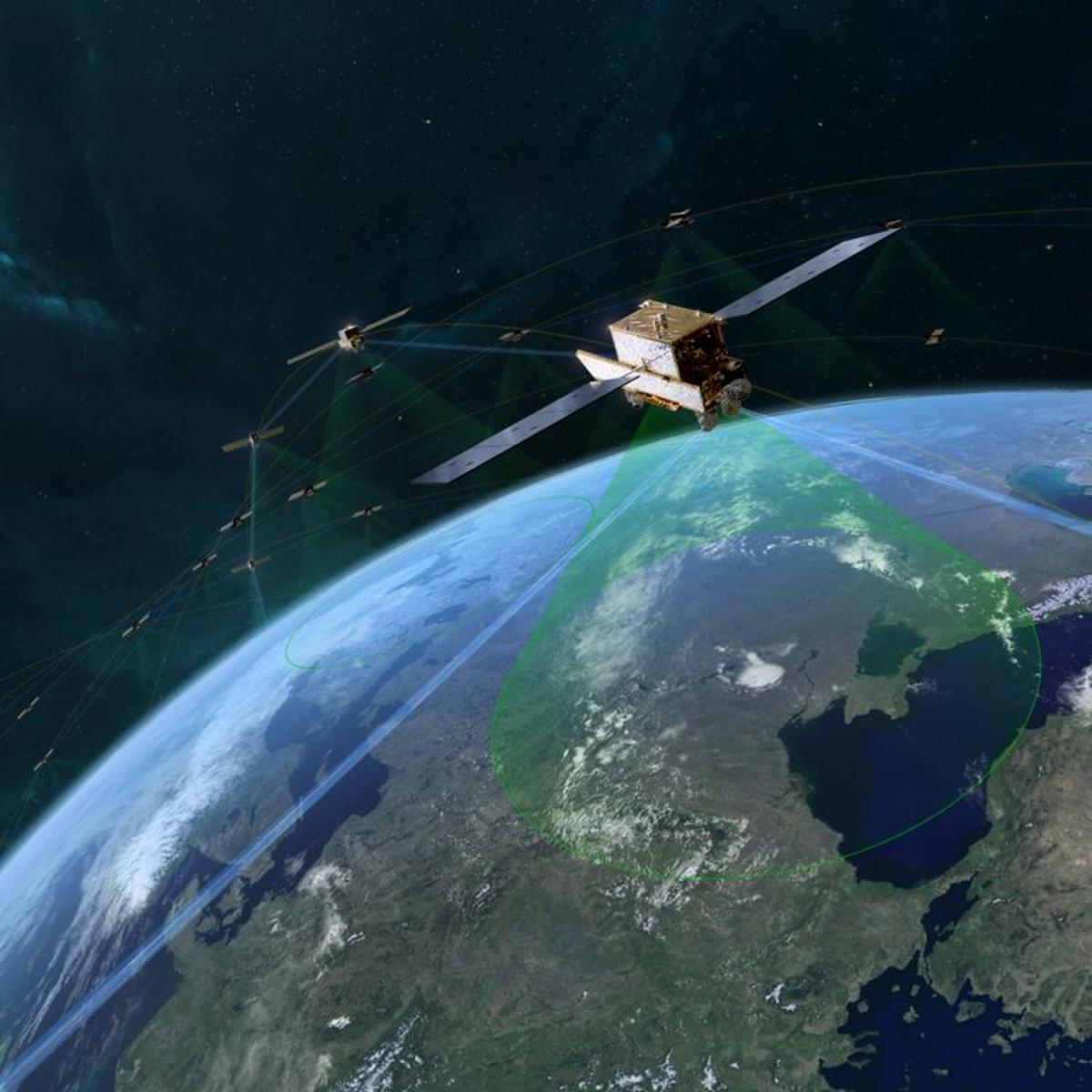
USSF Gives SpaceX $2.29 Billion for ‘Backbone’ of New Data Network
The U.S. Space Force’s Space Data Network (SDN) will serve as a low‑Earth‑orbit backbone for joint‑force data transport. Space Systems Command awarded SpaceX a $2.29 billion contract to build the SDN backbone, using its militarized Starshield satellites derived from Starlink. The...
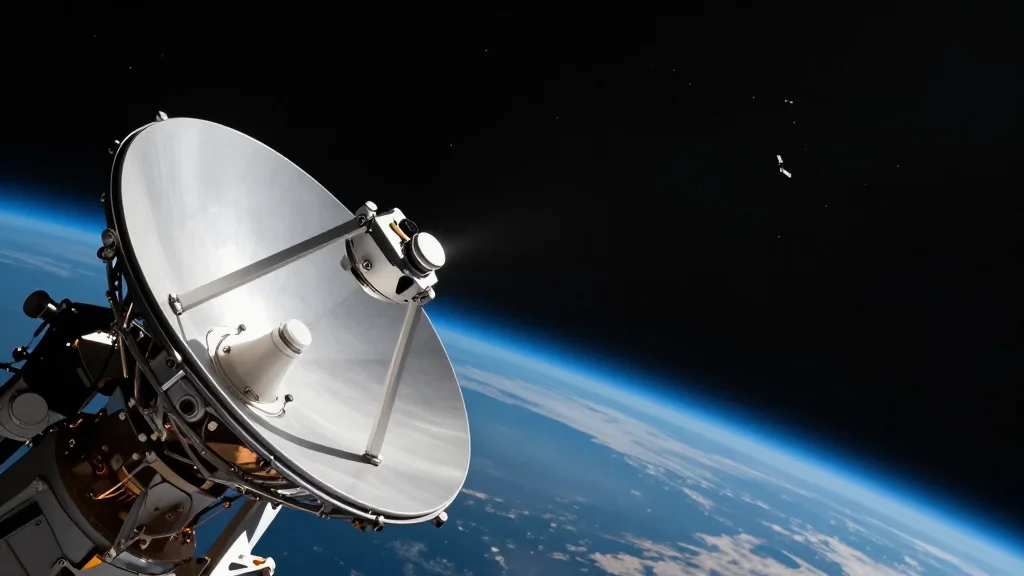
Author Correction: Satellite Megaconstellations Will Threaten Space-Based Astronomy
Nature published a correction to its December 2025 study on satellite megaconstellations, revealing that the original analysis used an incorrect Earth‑limb angle for the ARRAKIHS space telescope. The corrected minimum limb angle of 55.7° reduces the projected average satellite trails per...
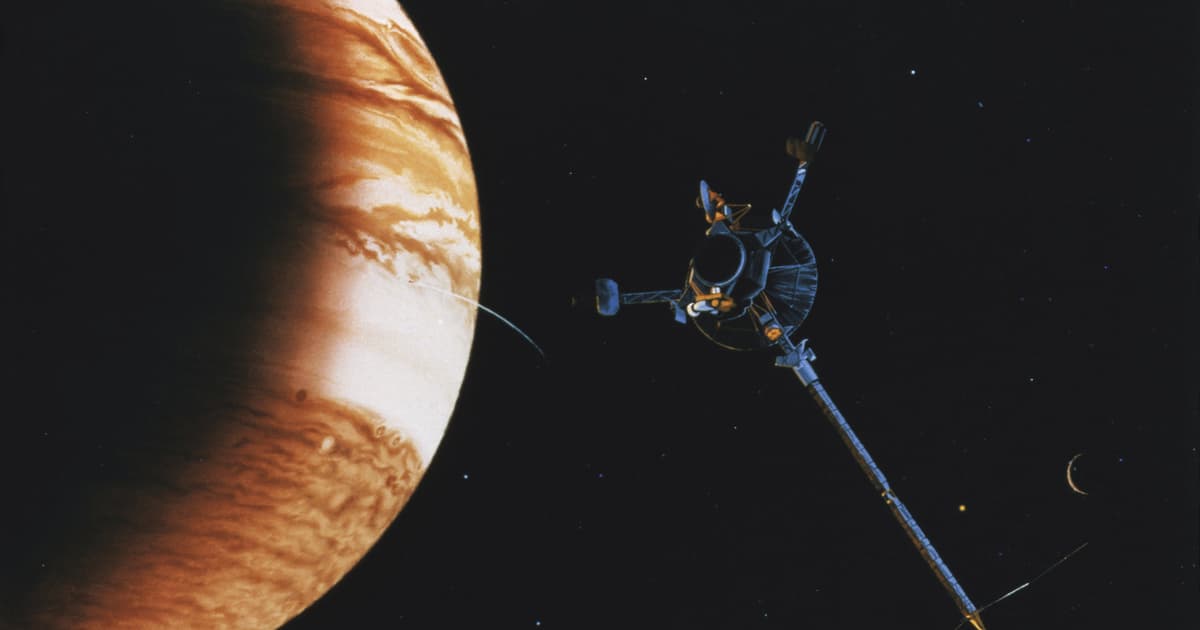
When the Galileo Spacecraft’s Main Antenna Failed to Unfurl on the Way to Jupiter, Engineers Salvaged the Mission by Rewriting...
NASA’s Galileo probe lost its 4.8‑metre high‑gain antenna in 1991, threatening the mission’s data return. Engineers responded by rewriting spacecraft software, adding aggressive data compression, and re‑architecting the Deep Space Network to combine multiple dishes. The low‑gain antenna, originally meant...
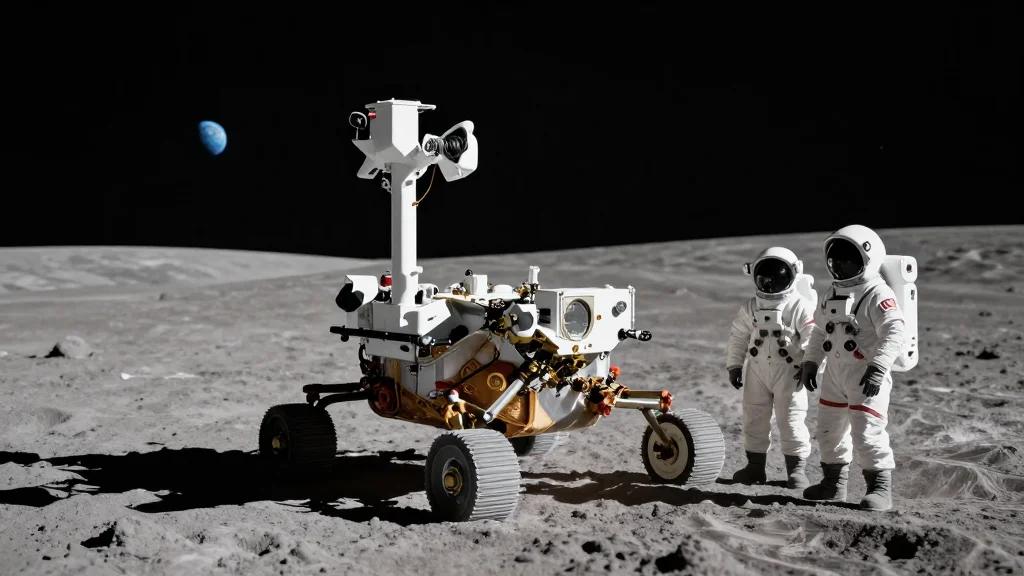
NASA’s Moon Base Plan Adds Two Rovers for Its Astronauts
NASA has awarded contracts worth about $220 million each to Lunar Outpost and Venturi Astrolab to build next‑generation lunar terrain vehicles (LTVs). The two rovers, each about one metric ton, will transport two astronauts and can navigate 20‑degree slopes, with autonomous...
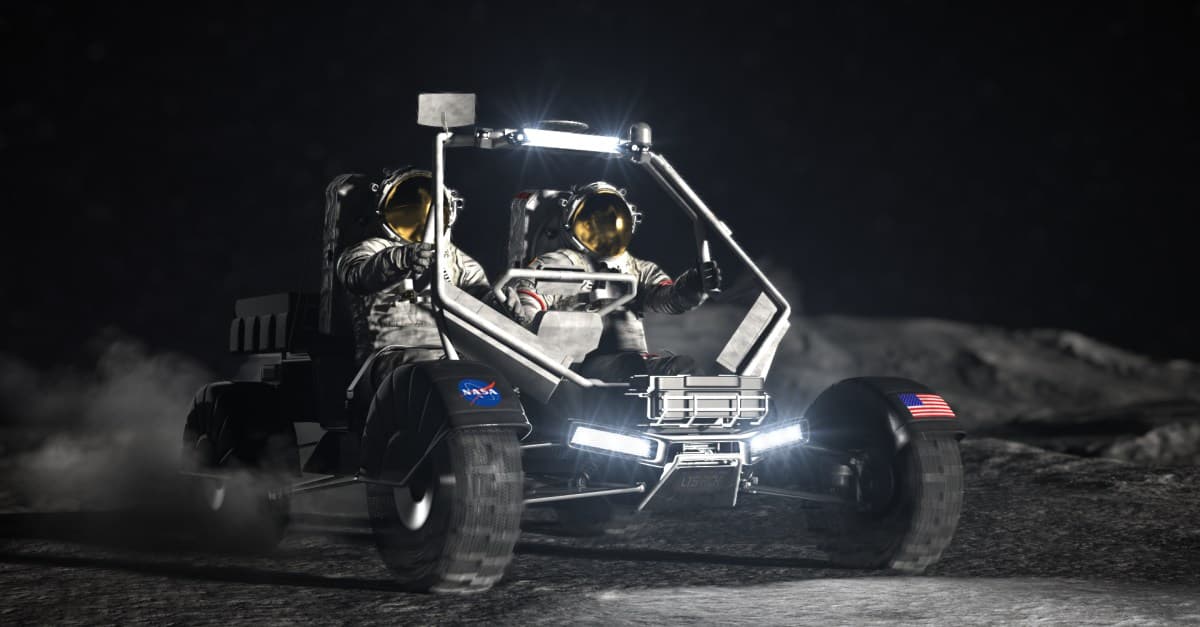
NASA’s Permanent Moon Base Plans Start with Three Missions This Year
NASA unveiled a trio of lunar missions slated for 2026‑27 that lay the groundwork for a permanent Moon base and the Artemis crewed landing in 2028. Moon Base I will launch in fall 2026 on Blue Origin’s Blue Moon Mark 1...