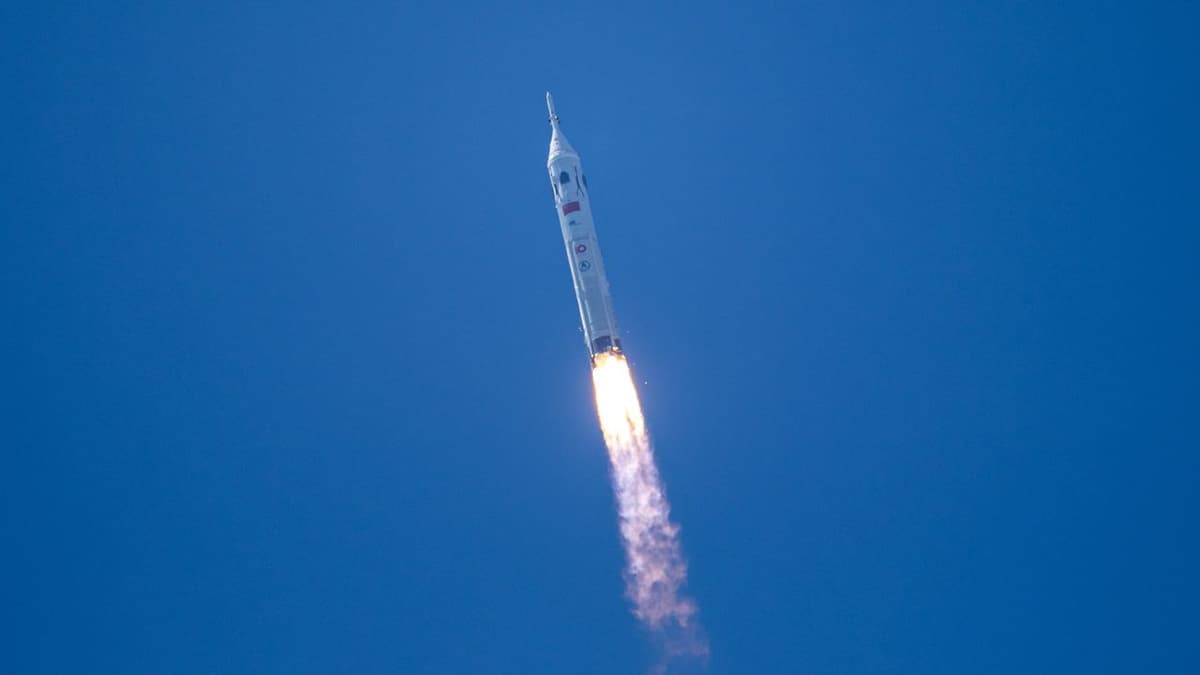
China Shakes up Its Space Programs to Land Astronauts on the Moon by 2030: 'We Will Spare No Effort'
Why It Matters
By consolidating robotic and crewed capabilities, China accelerates its path to a sustainable lunar presence, reshaping the geopolitical balance of the emerging space economy. The 2030 landing deadline forces rapid technology maturation that could spill over into commercial and scientific markets worldwide.
Key Takeaways
- •Integrated Lunar Exploration Program merges Chang'e probes with manned missions
- •Long March‑10 rocket and Mengzhou spacecraft slated for crewed moon flights by 2030
- •Chang'e‑7 will test orbit, landing, rover and hopper at lunar south pole
- •Tianzhou‑10 experiments advance fluid management and perovskite solar tech for lunar bases
- •Tiangong station training builds astronaut crew pool for future moon landing
Pulse Analysis
China’s decision to fuse its Chang'e robotic series with the China Manned Space Agency marks a strategic shift from parallel to synergistic lunar development. The integrated Lunar Exploration Program consolidates funding, engineering talent, and mission timelines, allowing the nation to reuse proven hardware across both domains. By aligning the Long March‑10 launch vehicle and the Mengzhou crew capsule with upcoming robotic missions, China reduces redundancy and shortens the learning curve that traditionally separates unmanned scouting from crewed landings. This approach mirrors the iterative model employed by NASA’s Artemis program but with a distinctly Chinese emphasis on rapid, home‑grown capability building.
Technical readiness is being demonstrated through a series of high‑profile tests. Low‑altitude abort trials for the Long March‑10 and dynamic‑pressure escape evaluations of the Mengzhou system validate crew safety under extreme conditions. Meanwhile, the Chang'e‑7 mission, slated for launch later this year, will perform a comprehensive suite of operations—orbital insertion, soft landing, rover traversal, and a lunar hopper hop—targeting the resource‑rich south pole. Parallel cargo flights of Tianzhou‑10 are probing fluid slosh dynamics and field‑testing perovskite solar cells, technologies that could lower the mass and cost of lunar habitats and surface power systems. These experiments collectively raise the technology readiness level of critical subsystems ahead of the 2030 crewed landing.
The broader implications extend beyond national prestige. An integrated program accelerates the creation of a domestic supply chain for lunar‑grade hardware, inviting private‑sector participation and potential export opportunities. As the Tiangong station matures into a training ground, a cadre of seasoned Chinese astronauts will be ready to transition to lunar missions, reinforcing human‑spaceflight expertise. Internationally, China’s open invitation for cooperation on Chang'e‑7 signals a willingness to share data and possibly joint research, positioning Beijing as a complementary partner rather than a sole competitor in the new era of lunar exploration. This momentum could reshape investment flows, stimulate innovation in related industries, and redefine the strategic calculus for other spacefaring nations.
China shakes up its space programs to land astronauts on the moon by 2030: 'We will spare no effort'
Comments
Want to join the conversation?
Loading comments...