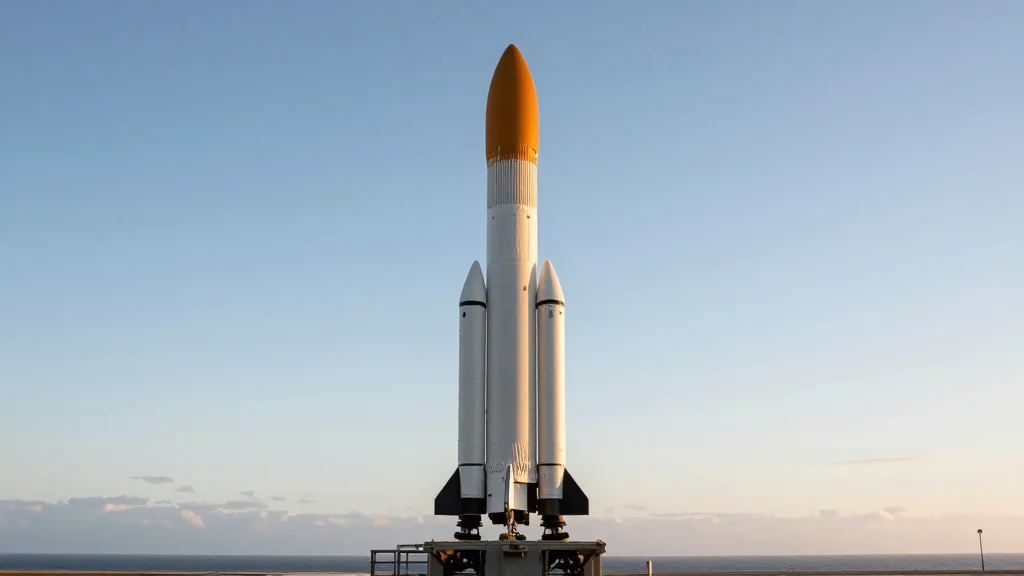
Live Coverage: SpaceX to Launch 50th Starlink Mission of 2026
SpaceX is set to launch the 50th dedicated Starlink mission of 2026 from Vandenberg Space Force Base at 8:25 a.m. PDT. The Starlink 17‑41 flight will deploy 24 broadband satellites, pushing the constellation past the 10,000‑satellite milestone. Falcon 9 booster B1082, on its 22nd flight, will attempt a drone‑ship landing on “Of Course I Still Love You,” which would mark the 199th touchdown on that vessel and the 617th overall for SpaceX.

Advanced Space Technologies and the National Security Space Economy
The Center for Security and Emerging Technology identified 91 U.S. firms working across five advanced‑space subsectors—PNT, SSA, exploration, in‑space satellite services, and in‑space manufacturing—signaling a shift from government‑only programs to commercial‑provided services. Commercial lunar landers such as Intuitive Machines’ IM‑1...

What Is the Lunar Surface Innovation Consortium, and Why Is It Important?
The Lunar Surface Innovation Consortium (LSIC), launched in 2018 with a $1 million seed grant to Johns Hopkins Applied Physics Laboratory, serves as NASA’s coordination hub for lunar surface technology development. It aggregates a community of roughly 4,000 members from over...

What Is Starlink’s Financial Performance?
SpaceX’s Connectivity segment, which houses Starlink, generated $11.39 billion in 2025 revenue—a 49.8% year‑over‑year increase—and posted a $4.42 billion operating profit with a 63% Adjusted EBITDA margin. The segment accounted for roughly 61% of SpaceX’s total 2025 revenue, while the launch and...

SPACECOM Explores Offensive Cislunar Space Technologies in Major Policy Shift
U.S. Space Command announced it is actively studying technologies for offensive operations in cislunar space, the region between Earth and the Moon. The disclosure at the State of the Space Industrial Base conference marks a major policy shift from protecting...
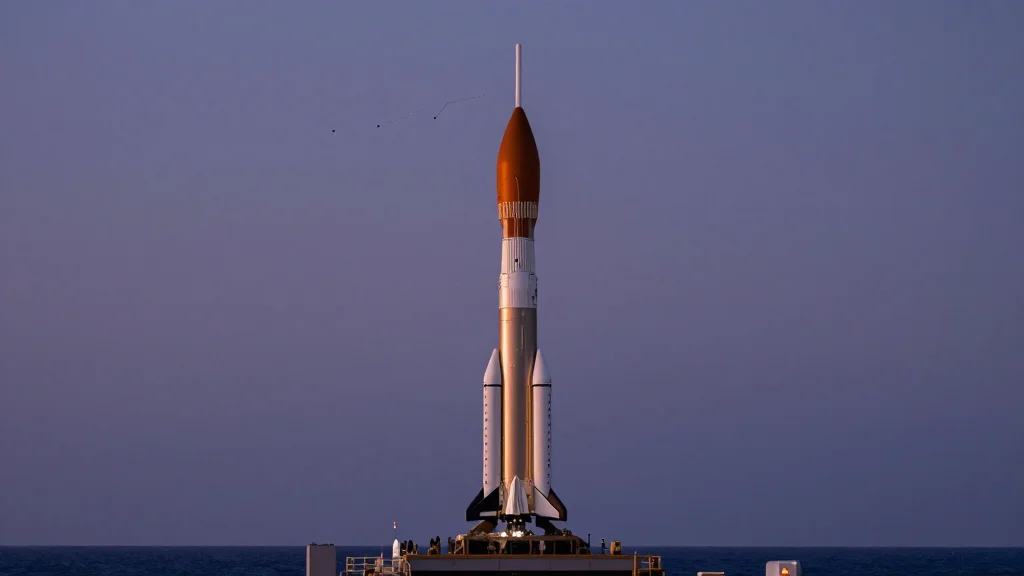
ULA’s Atlas-5 Rocket Launches 29 Leo Satellites for Amazon
United Launch Alliance successfully launched 29 additional low‑Earth‑orbit satellites for Amazon on an Atlas‑5 from Cape Canaveral. The launch brings Amazon’s total to 331 satellites, still far short of the 1,616 required by its FCC license deadline in July. With...

Direct-to-Device Satellite Services Market Analysis 2026
Direct‑to‑Device (D2D) satellite services are emerging as a niche coverage‑insurance product rather than a mass‑market broadband replacement. T‑Mobile reports usage at only 0.0002 % of its network, underscoring the gap between hype and actual traffic. Revenue is generated chiefly through carrier...

How Does Starlink Use Satellite Laser Communications?
SpaceX’s Starlink constellation now relies on optical inter‑satellite laser links, with each V2 Mini satellite carrying three 200 Gbps terminals. The laser mesh enables traffic to be routed in space, cutting dependence on ground gateways and boosting latency, capacity, and resilience,...

Jeff Bezos’ Blue Origin Rocket Erupts in Nuclear-Scale Fireball Off Florida Coast (Video)
Blue Origin’s 321‑foot New Glenn rocket suffered a catastrophic explosion during a static‑fire test at Cape Canaveral’s Launch Complex 36. The blast generated a fireball visible for miles, but no injuries were reported and all crew were accounted for. The company labeled...

What’s Next for Blue Origin After Rocket Explosion
Blue Origin’s heavy‑lift New Glenn rocket detonated on its launchpad during a static‑fire test, destroying a steel tower and damaging critical ground systems. The failure comes just after NASA expanded New Glenn’s role in the Artemis lunar program and Amazon prepared 48...

SpaceX Wins $4 Billion Contract for US Golden Dome Satellites
SpaceX has been awarded a contract exceeding $4 billion to build a constellation of satellites for the U.S. Golden Dome defensive shield, which will track foreign aircraft and cruise missiles from space. The program, launched under President Donald Trump, aims to...

Bloomberg Businessweek Daily: Big SpaceX Contract (Podcast)
SpaceX has been awarded a $4.16 billion contract from the U.S. Space Force to build a constellation of satellites that will track foreign aircraft and missiles as part of the Pentagon’s Golden Dome defensive shield. The system will fuse space‑based sensors,...

Space Force Races to Secure Its Systems as Orbit Grows More Crowded
The U.S. Space Force is accelerating efforts to harden its orbital assets as cyber threats evolve from isolated ground attacks to multi‑domain campaigns that target links, satellites, and ground stations. Legacy components and rapid integration of commercial technologies are widening...
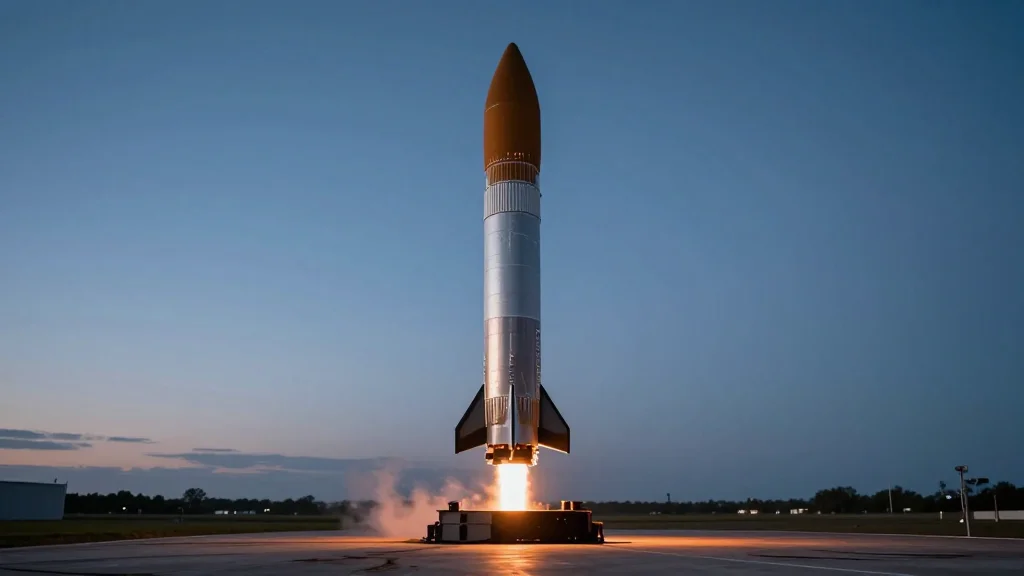
Beyond the Fireball: My Reflections on the New Glenn Explosion
Blue Origin’s New Glenn suffered a catastrophic explosion during a hot‑fire test at Space Launch Complex 36, though no one was injured. The blast destroyed the vehicle and heavily damaged the launch pad, prompting a thorough investigation into engines, propellant systems, avionics...
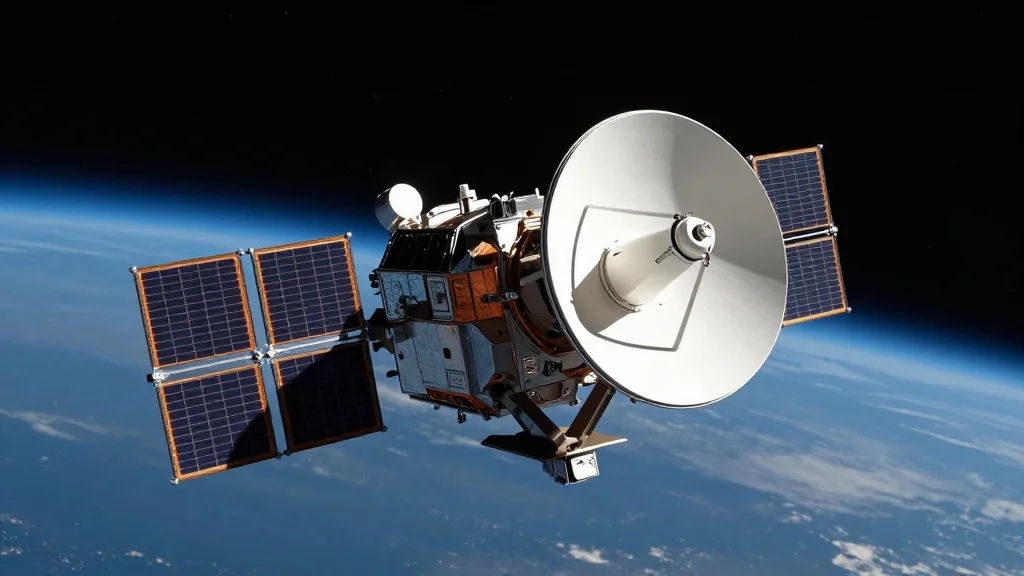
SpaceX Gets Nearly $4.2 Billion Nod From Space Force For Initial SB-AMTI
The U.S. Space Force Space Systems Command awarded SpaceX a nearly $4.2 billion Other Transaction Authority contract to field the initial Space‑Based Airborne Moving Target Indicator (SB‑AMTI) system, following a $2.3 billion contract for the Space Data Network Backbone. SB‑AMTI will deploy...
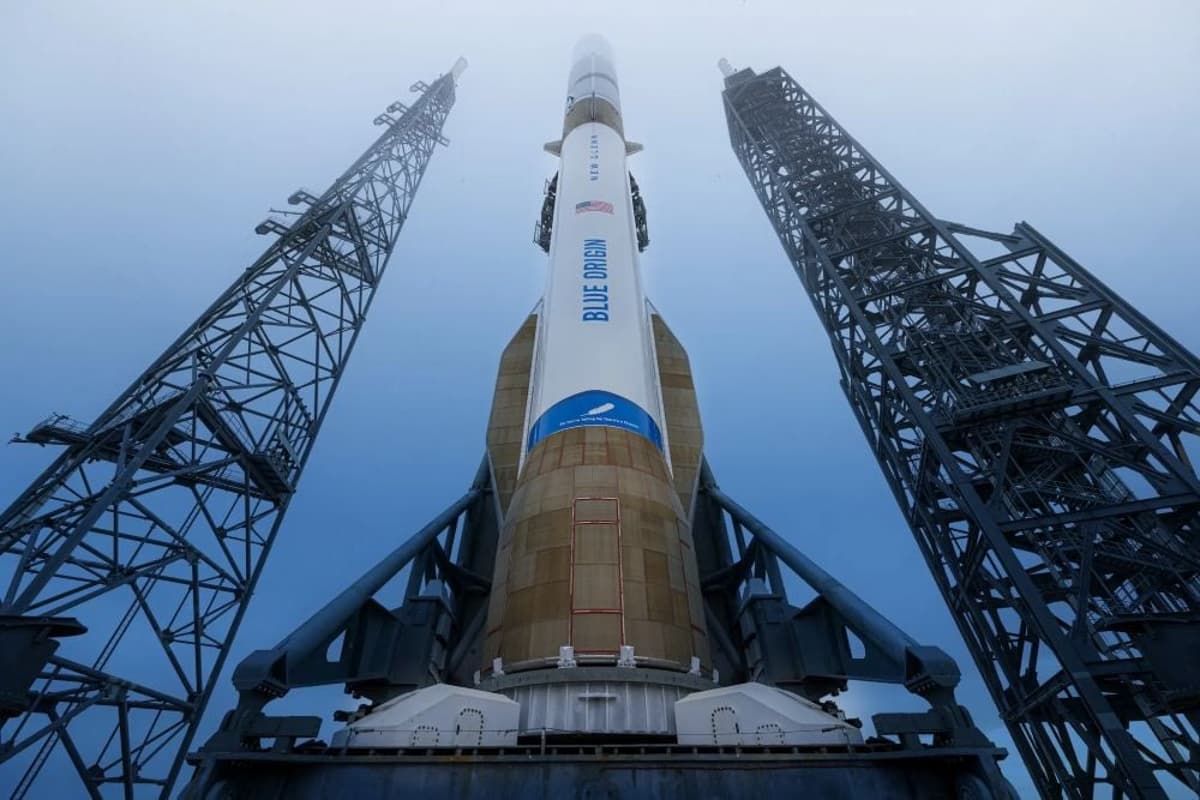
Jeff Bezos’ Blue Origin Faces Setback After New Glenn Rocket Explodes
Generative AI has become a core productivity tool, but its output hinges on how users prompt it. The article outlines ten practical prompting techniques—from assigning a clear role to iteratively refining queries—that dramatically improve relevance, accuracy, and format. By treating...
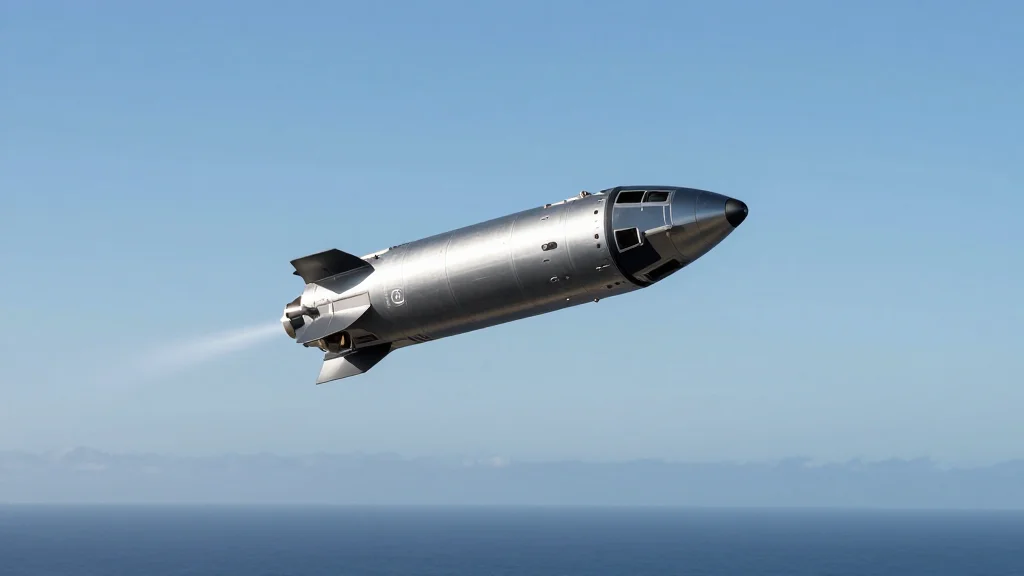
FAA Review: SpaceX “Starfall” Reentry Missions
The Federal Aviation Administration has issued a Final Environmental Assessment for SpaceX’s Starfall reentry vehicle, evaluating impacts from launch, splashdown and recovery. The assessment clears the way for SpaceX to request a license that would permit up to ten reentries...

Space Force Awards SpaceX $4.16 Billion to Build Satellite Network for Airborne Target Tracking
The U.S. Space Force awarded SpaceX a $4.16 billion contract to build the first increment of a low‑Earth‑orbit Air Moving Target Indicator (AMTI) satellite constellation. The network will detect, track and maintain custody of airborne threats—including fighters, bombers, cruise missiles and...
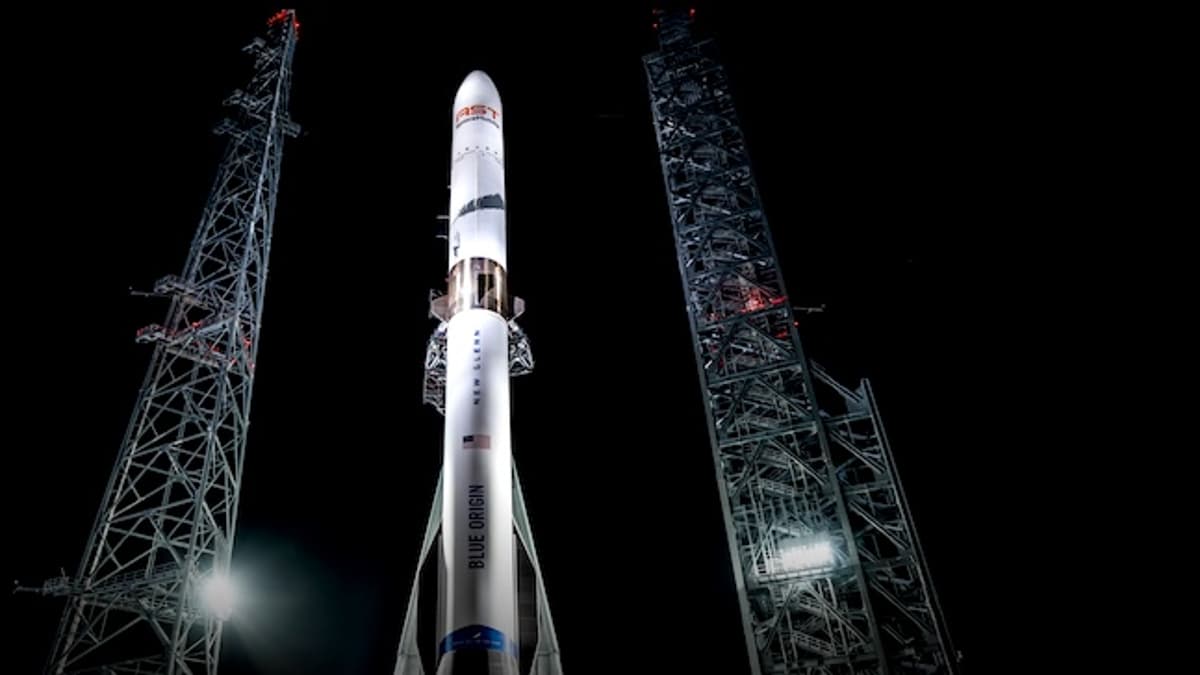
AST SpaceMobile Blue Origin Bet Hits Turbulence
Blue Origin’s New Glenn rocket exploded during a test on May 28, prompting an FAA and NASA investigation that will likely suspend future launches. AST SpaceMobile, which signed a multi‑launch agreement with Blue Origin for its large Block 2 BlueBird satellites, now faces a...
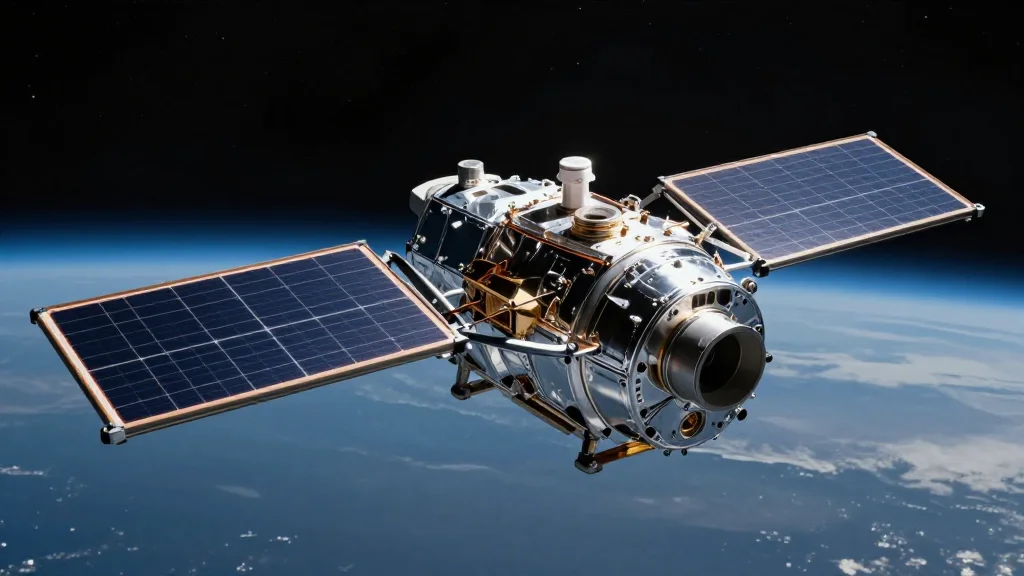
How to Accelerate the Space Industrial Base – And What Adversaries Can Teach Us
A panel of space‑industry leaders argued the United States must learn from China’s rapid build‑out of launch sites, satellite factories, and ground infrastructure to preserve its strategic edge. Speakers highlighted a mismatch between private investors’ short‑term return expectations and the...

Bellatrix and TelePIX Plan 2028 Air-Breathing VLEO Imaging Demonstration
South Korean optical payload developer TelePIX and Indian propulsion specialist Bellatrix Aerospace have announced a partnership to demonstrate a very low Earth orbit (VLEO) imaging satellite in 2028. The mission will integrate TelePIX’s VLEO‑optimized optical sensor with Bellatrix’s air‑breathing electric...
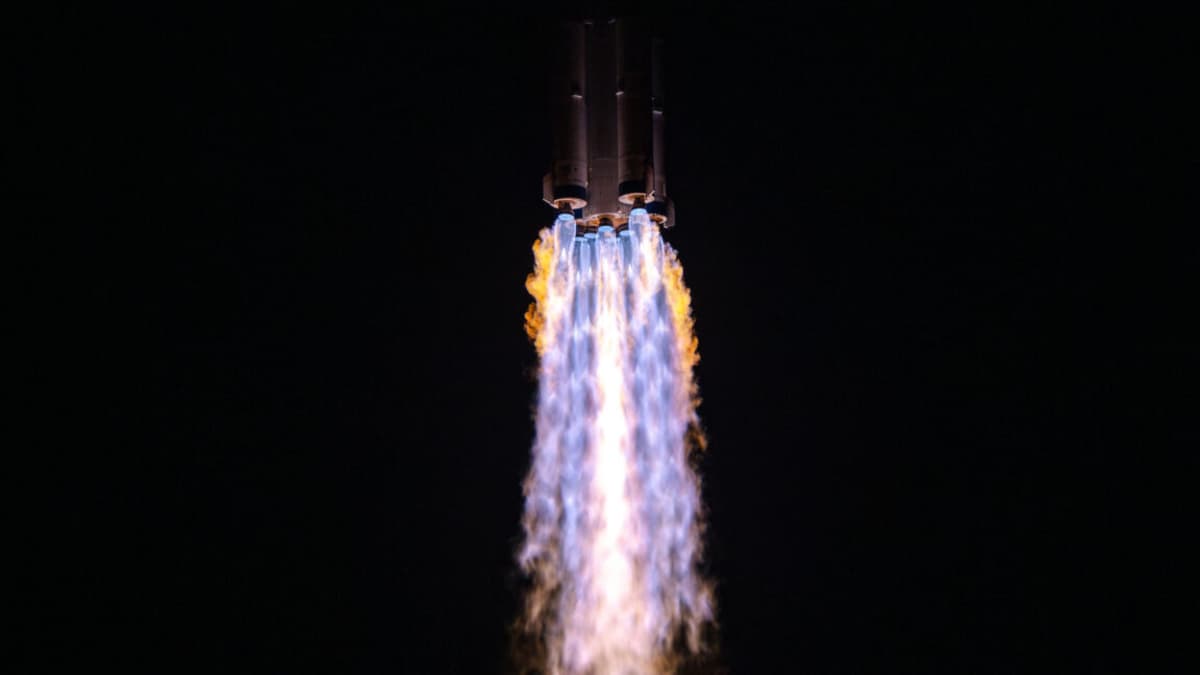
Rocket Report: A Dark Day for Blue Origin; Pentagon Eyes New Launch Site
The week’s space headlines were dominated by a dramatic setback for Blue Origin when its New Glenn super‑heavy rocket exploded during a static‑fire test, casting doubt on the company’s role in NASA’s lunar‑landing architecture. At the same time, the Pentagon warned...

Fiery Inferno Engulfs Blue Origin’s Giant Rocket – Shared Engines Threaten ULA’s Entire Program
On May 28 2026, Blue Origin’s New Glenn heavy‑lift rocket exploded during a static‑fire test at Cape Canaveral’s Launch Complex 36, destroying the fully stacked first stage and toppling a 600‑foot lightning tower. The blast involved all seven BE‑4 methane engines, prompting an FAA‑led investigation...
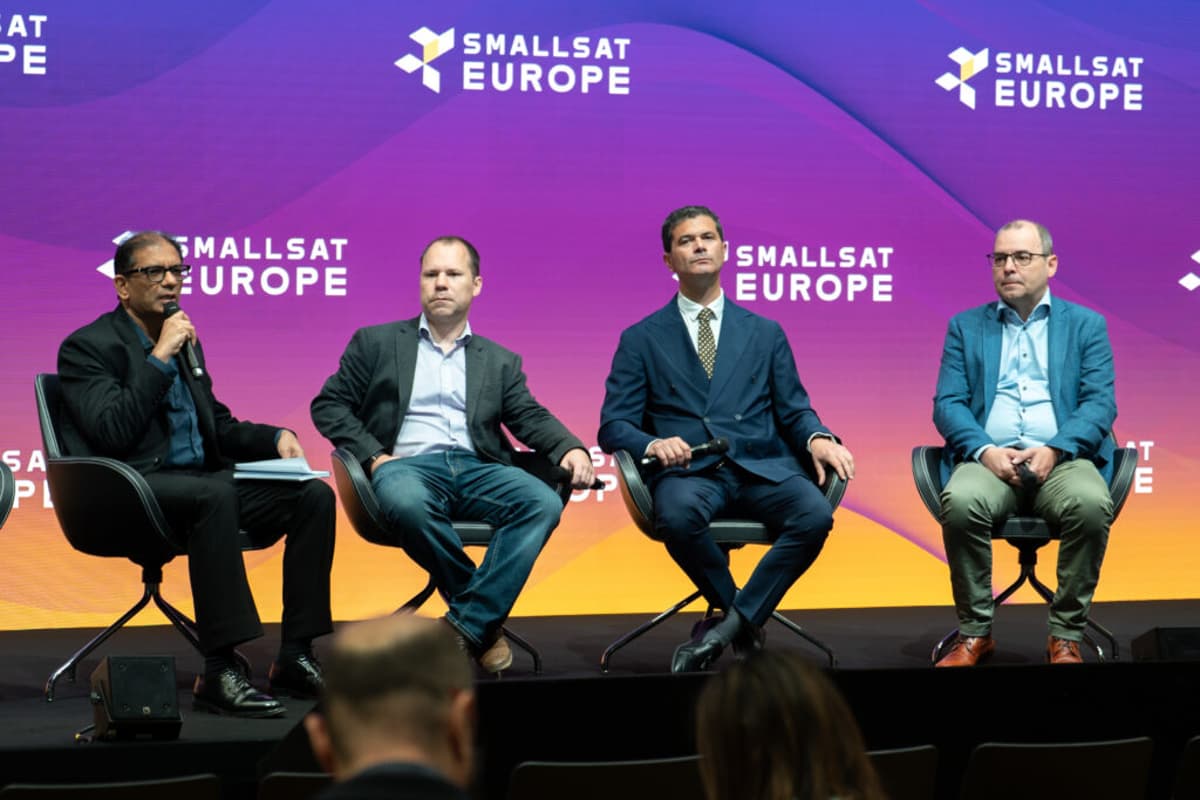
“Dual-Use” Is the Funding Word. It’s Also the Label Operators Want Off.
European Commission and EUSPA have built EU space procurement around a "dual‑use" label, forcing companies to claim both civilian and defence value to access funding. Operators at SmallSat Europe 2026 warned that this label now creates legal friction, turning their...

Sovereignty Got an Answer on Day 3. Two Answers, Actually, and a Commercial Veto.
Day 3 of SmallSat Europe 2026 delivered three practical definitions of space sovereignty: Spain’s model of full‑stack capability ownership backed by 85% public funding and the upcoming Miura 5 launch; Poland’s portfolio‑diversification approach that leverages its 4.8%‑of‑GDP defence budget to avoid single‑source dependence;...

A Head-to-Head Comparison BE-4 Vs. Raptor
Blue Origin’s BE‑4 and SpaceX’s Raptor 3 are the United States’ two flagship methalox engines, but they follow opposite design philosophies. BE‑4 uses an oxygen‑rich staged‑combustion cycle that emphasizes proven reliability and high per‑engine thrust, while Raptor 3 employs a full‑flow staged‑combustion...

Spatial Data Has Become a Weapon of War in the US-Iran War
The United States‑Iran conflict has entered a geospatial era where commercial satellite data is a decisive weapon. Iran is reported to be using Chinese‑linked Earth Eye and Emposat constellations to gather targeting intelligence, while Planet Labs has restricted real‑time imagery over...

Amazon Leo Satellite Network Coming to Taiwan Through Far EasTone Partnership
Amazon Leo, the low‑Earth‑orbit broadband venture formerly known as Project Kuiper, has appointed Far EasTone Telecommunications as its authorized distributor in Taiwan. The deal hinges on regulatory clearances that could take nine to twelve months, with a target commercial launch...

Exploding Rocket Casts Doubts over Nasa's Moon Plans
Blue Origin’s New Glenn heavy‑lift rocket exploded during a routine engine test at Kennedy Space Center, destroying the sole launch pad (LC‑36) built for the vehicle. The blast halts New Glenn flights for months, jeopardizing NASA’s Moon Base 1 lander, the agency’s lunar...
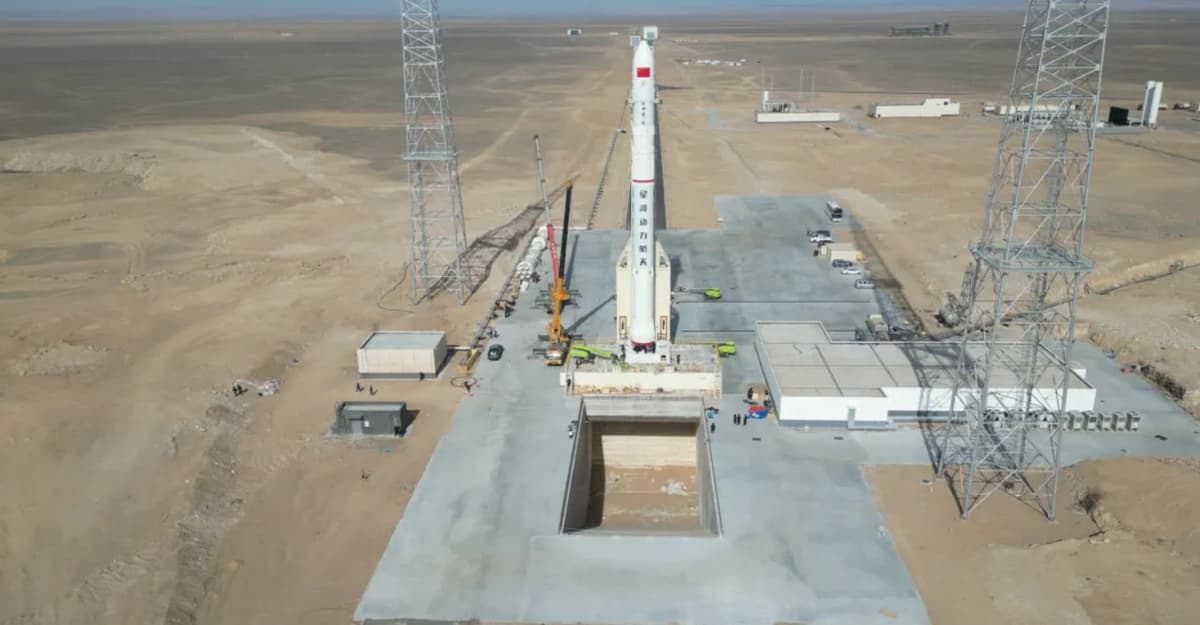
China’s Latest Batch of New and Reusable Rockets Are Close to Launch
China is preparing a wave of new rockets from state‑run CASC and private firms such as Galactic Energy, iSpace and Landspace, with most slated for launch or recovery tests in the first half of 2026. The Long March 12B, a 20‑ton LEO...
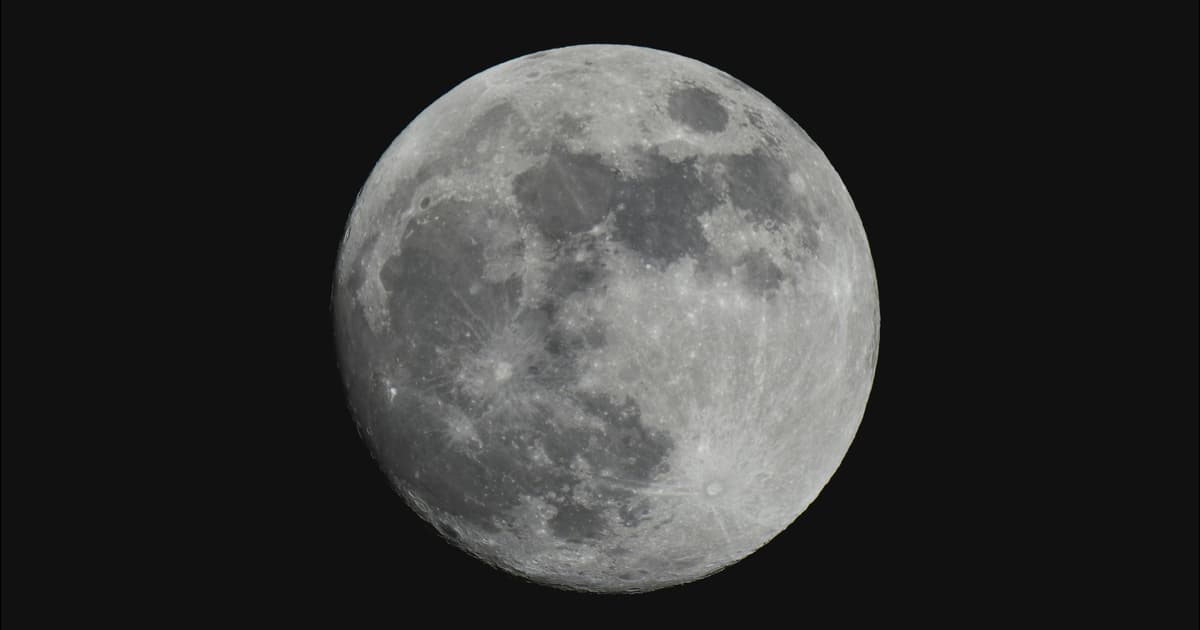
When NASA Deliberately Crashed Apollo Hardware Into the Moon, the Seismometers Left Behind Recorded Vibrations for Nearly an Hour —...
Between 1969 and 1972 NASA deliberately crashed spent Apollo hardware—lunar module ascent stages and Saturn V third stages—onto the Moon to create known seismic sources for the four‑station ALSEP network. The Apollo 12 module impact generated a vibration that rose over minutes,...

Flight Path to Profits: American Airlines Bets on SpaceX
American Airlines announced a partnership with SpaceX to equip more than 500 narrow‑body Airbus jets with Starlink satellite Wi‑Fi, with installation slated to start in the first quarter of 2027. The upgrade targets the A319, A320, A321, A321XLR and A321neo...
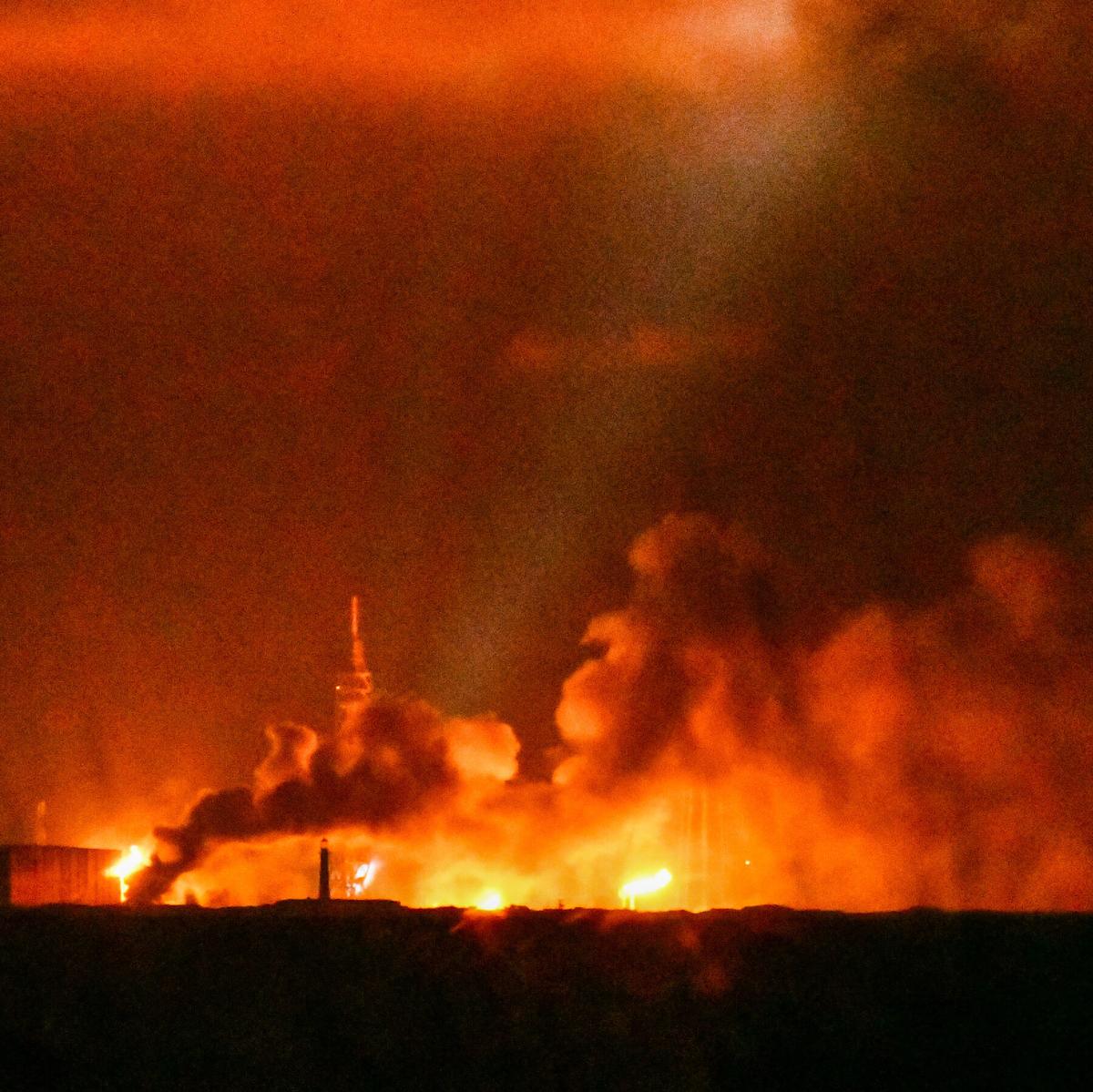
Blue Origin Rocket Blows Up on Florida Launchpad During Test
Blue Origin’s New Glenn rocket suffered a catastrophic explosion during a hot‑fire test on a Florida launchpad Thursday night. The blast damaged the company’s sole launch infrastructure at Cape Canaveral, though all personnel were accounted for. The vehicle was slated to...

Europe Celebrates Its Sovereignty Progress at SmallSat
At SmallSat Europe in Amsterdam, EU officials unveiled a suite of initiatives to cement European sovereignty in orbit. The European Commission proposed reserving at least two‑thirds of satellite spectrum for EU operators, while Italy, Germany and a pan‑European effort announced...
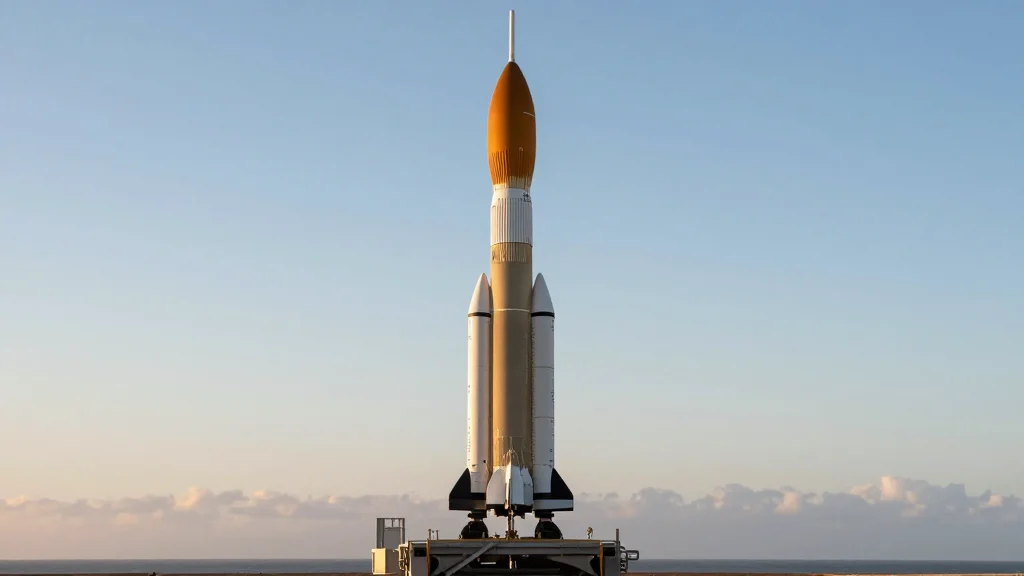
Live Coverage: SpaceX to Launch 29 Starlink Satellites on Falcon 9 Rocket From Cape Canaveral
SpaceX will lift off on Oct. 22, 2024 at 8:57 a.m. EDT from Cape Canaveral to deploy 29 Starlink broadband satellites as part of the 10‑53 mission, expanding its low‑Earth‑orbit network beyond 10,000 spacecraft. The launch will use Falcon 9 booster B1085...

Cobham Satcom Expands GMDSS Choice with New SAILOR 7200 Terminal
Cobham Satcom unveiled the SAILOR 7200 terminal, its first Iridium‑based GMDSS solution, at Posidonia 2026. The new unit joins the existing SAILOR mini‑C for Inmarsat, giving shipowners the ability to select between two satellite safety ecosystems without network lock‑in. Featuring an omni‑directional...
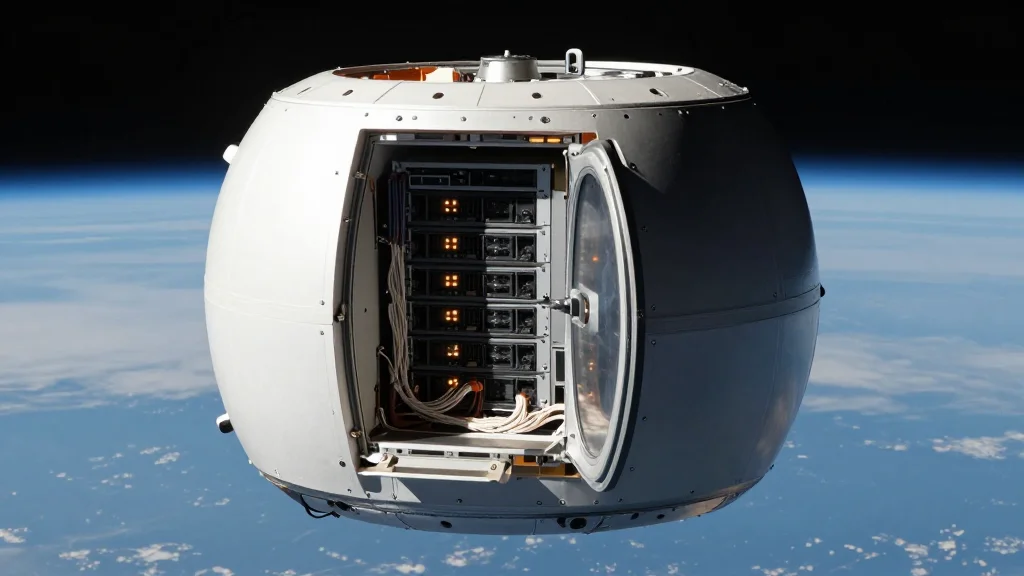
Orbital Data Centers Must Tackle Chip Lifespan, Launch Availability, and Cybersecurity Challenges
Experts at SmallSat Europe examined the hype around orbital data centers, noting that space‑based compute promises unlimited energy but requires custom silicon and massive launch capacity. Dr. Paul Struhsaker warned that rapid AI ASIC turnover shortens chip lifespans to two...

Space Solar Teams Up With Lonestar For Orbital Data Storage
Space Solar, a UK‑based in‑space power developer, signed a Letter of Intent with U.S. data‑in‑space pioneer Lonlonestar on 27 May 2026. The agreement creates a joint technical team to explore missions, investments and joint ventures for orbital data storage. Lonestar recently...

Canadian Consortium Led by NordSpace Awarded $3.2M From NGen for AI-Powered Space Propulsion Manufacturing
Markham‑based NordSpace Corp. is leading a Canadian consortium that secured CAD $3.2 million (≈US $2.4 million) from Next Generation Manufacturing Canada to fund an $8 million (≈US $5.9 million) AI‑powered hybrid additive‑subtractive manufacturing line for space propulsion. The partnership with Miltera, Pegmatis, Prime Powders and Bear Paw...

NASA Astronaut Andrew Morgan Retires
Former NASA astronaut and Army Brig. Gen. Andrew R. Morgan announced his retirement from NASA after a 12‑year tenure that included 272 days aboard the International Space Station. Morgan logged more than 115 million miles, completed 4,300 Earth orbits and performed seven...

Revolv Space Enters In-Orbit Servicing Market with Infinite Orbits Deal
Revolv Space, the Italian‑Dutch satellite hardware firm, has secured a contract with French in‑orbit services provider Infinite Orbits to supply its Solar Array Drive Assemblies (SADAs) for geostationary orbit (GEO) servicing missions. The deal marks Revolv’s first entry into the...

More Opposition to the EU’s New Space Law, This Time From European Companies
European aerospace leaders at SmallSat Europe voiced strong opposition to the EU’s draft Space Act, calling it monopolistic, slow and overly rigid. They warned that a twelve‑month licensing process would cripple the fast‑moving commercial space sector. Critics argue the legislation...
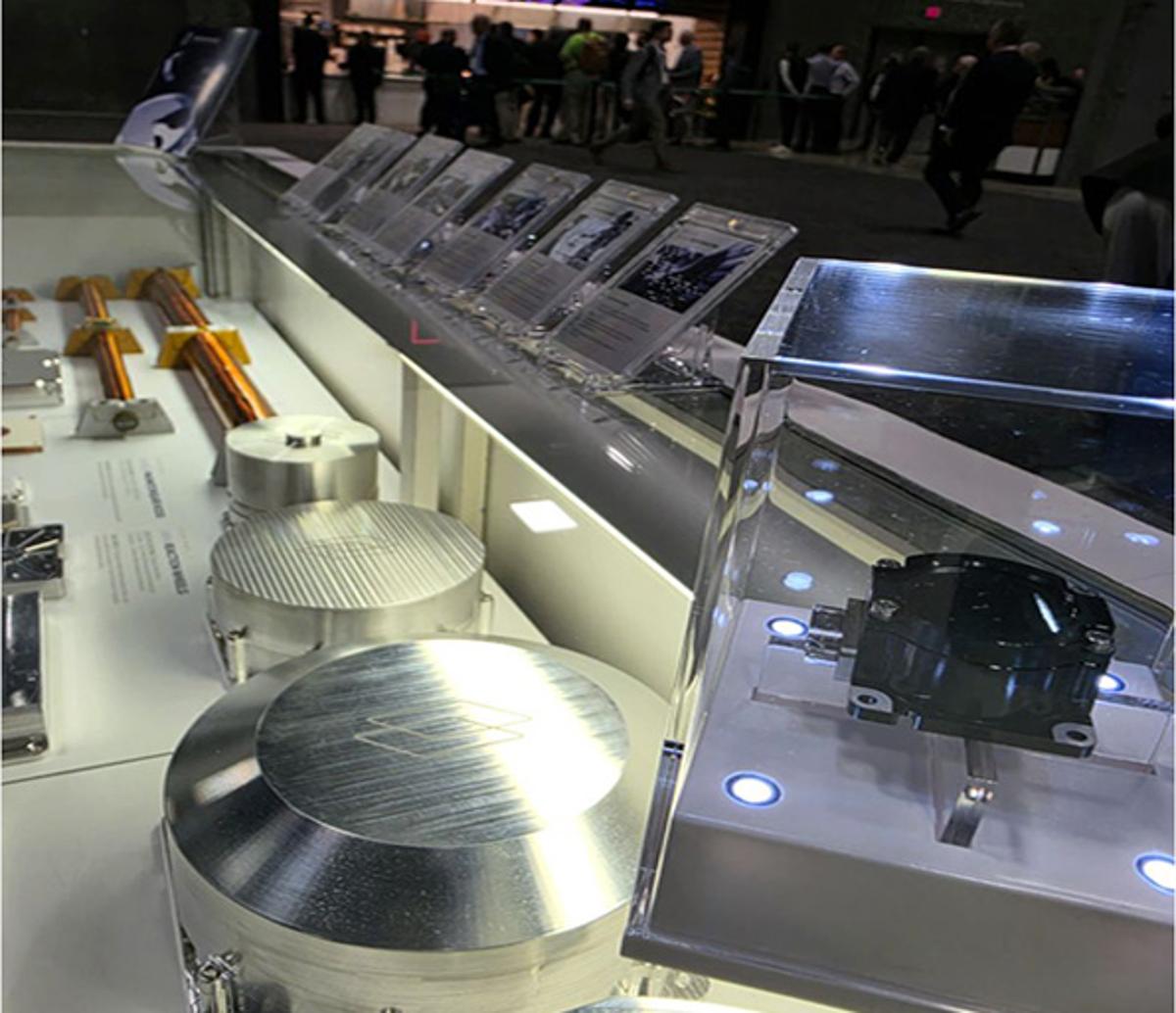
NewSpace Systems Announces European Expansion with New Netherlands Subsidiary
NewSpace Systems announced the creation of a European subsidiary in the Netherlands during the SmallSat Europe conference, marking a key step in its continental growth strategy. The new entity will initially focus on business development, customer engagement, and technical support...
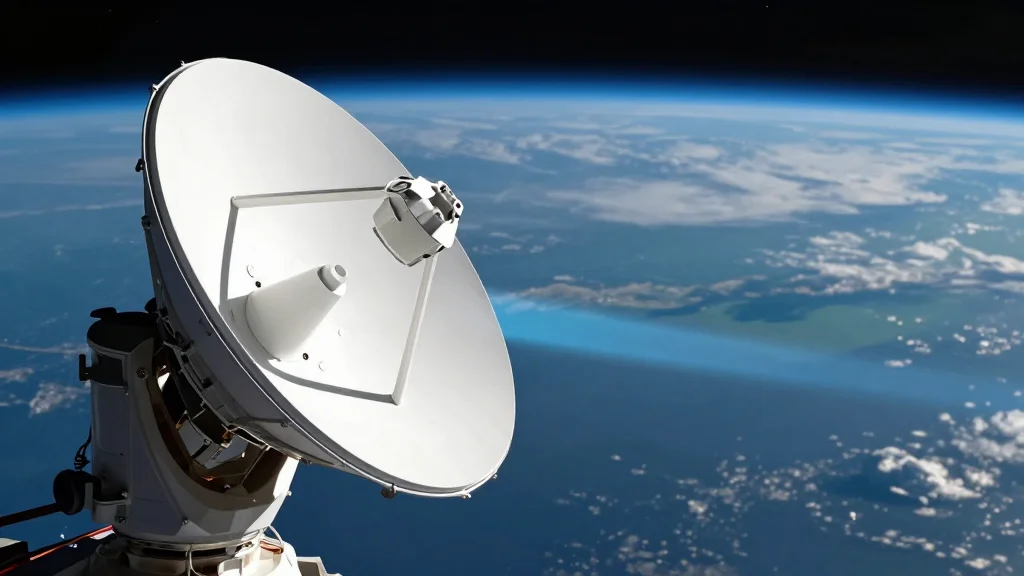
Japan’s IHI Begin to Benefit From ICEYE SAR Imagery
Japan’s IHI corporation will start using ICEYE’s synthetic‑aperture‑radar (SAR) imagery as the first two of a four‑satellite constellation become operational. The procurement, signed in October 2025, covers four Japan‑built SAR satellites with an option for 20 more. The high‑resolution radar data...

Germany Pushes European Military Space Command Initiative
Germany has unveiled a proposal to create a European Space Component Command, to be hosted in Germany and open to allied participation. The plan seeks to coordinate military space operations across Europe, preventing redundant capabilities such as multiple satcom constellations...
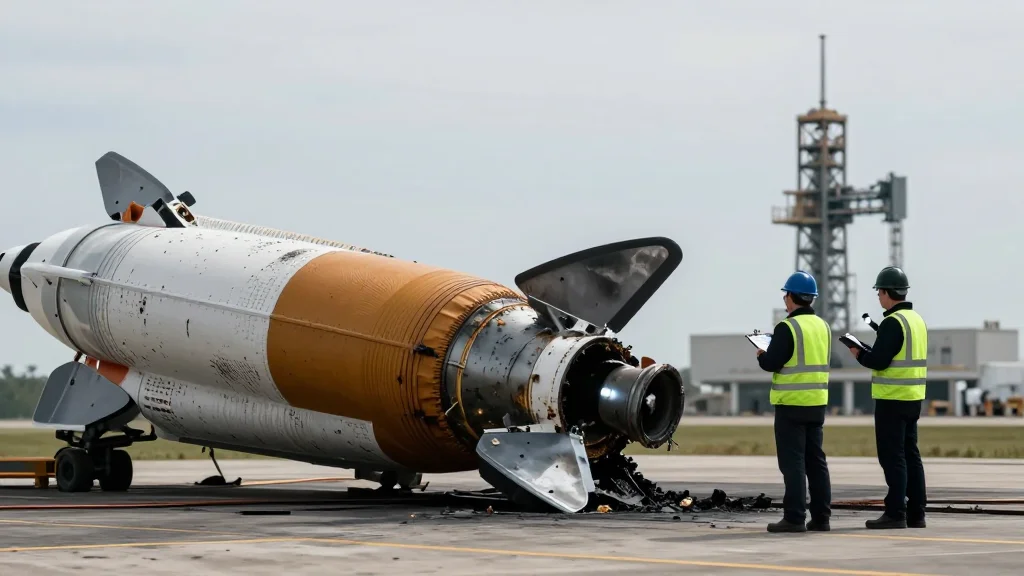
FAA Grounds Starship/Superheavy Pending Completion of SpaceX’s Investigation
The FAA has grounded SpaceX's Starship and SuperHeavy launch system following a mishap on the May 22 Flight 12 mission, where the SuperHeavy booster experienced engine failure during its return to the Gulf of America. The agency requires SpaceX to conduct a...
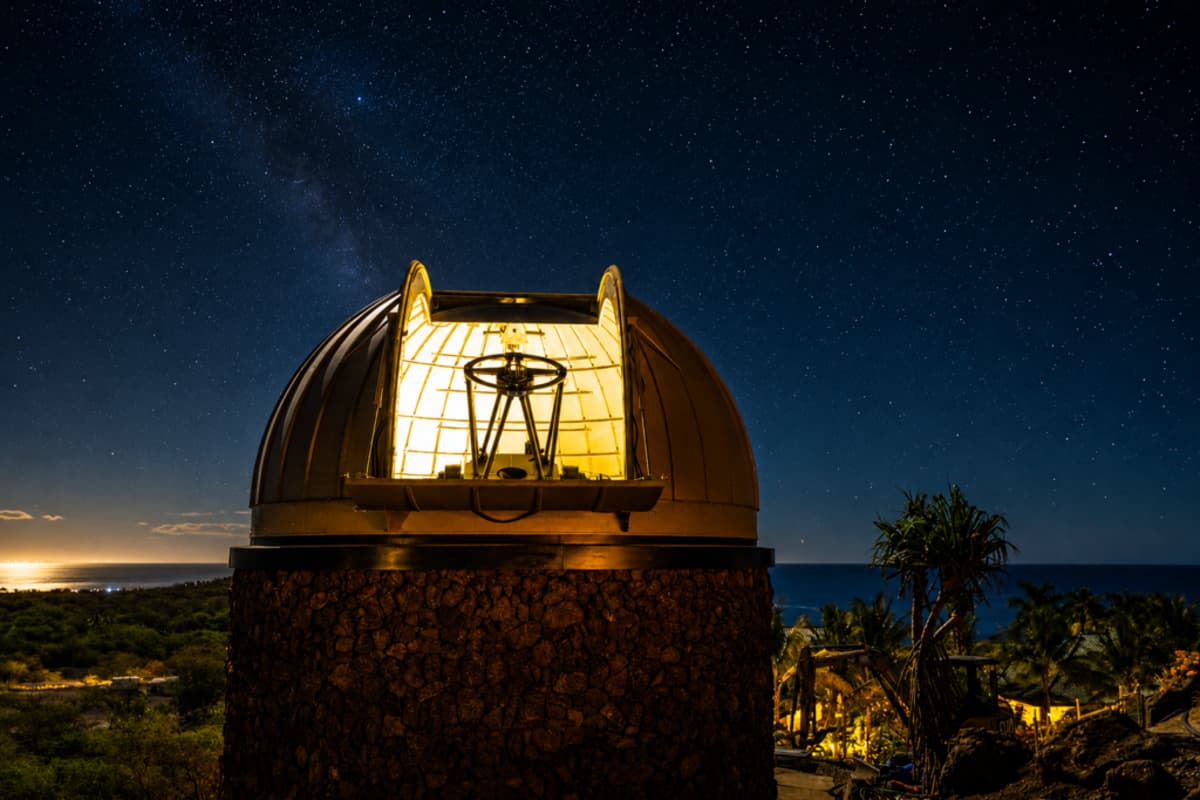
Observable Space Raises $90M Series A
Observable Space, formed by the merger of PlaneWave Instruments and OurSky, closed a $90 million Series A round led by Lux Capital. The funding will expand laser‑communication ground stations, ground‑based sensing, and in‑space optical payload production, including new manufacturing capacity in Detroit....
Inside Nasa's Plans for a Lunar Base
NASA’s Artemis program is moving toward a permanent lunar presence, with a crewed landing slated for 2025 and a surface habitat to follow by the late 2020s. The agency plans to use the Lunar Gateway as an orbital staging point,...
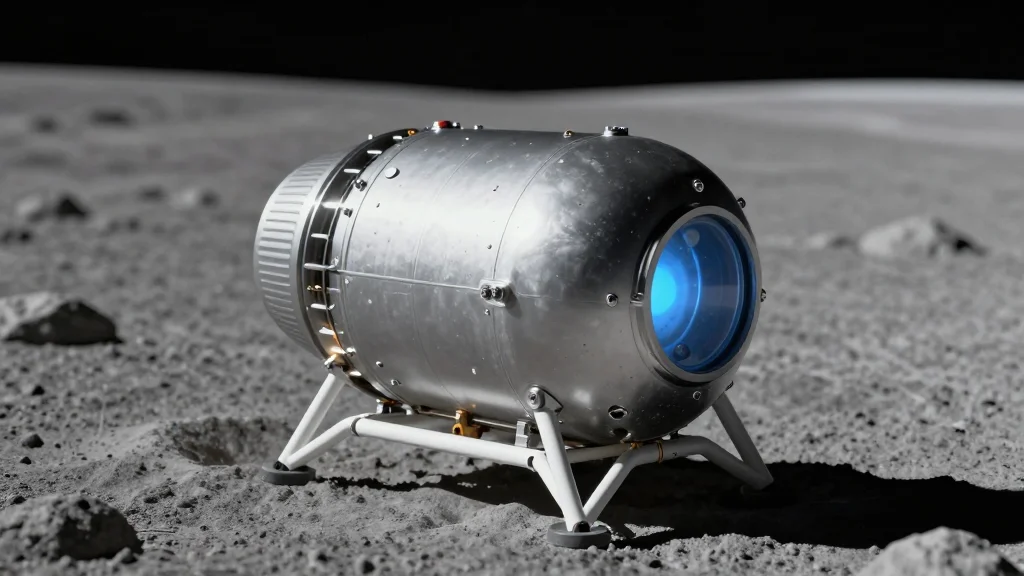
Experts Say Space Nuclear Power’s Biggest Obstacles Are Logistical, Not Technical
A workshop at AIAA’s ASCEND event highlighted that the primary barriers to space nuclear power are logistical, not technical. Experts noted that despite $20 billion spent over six decades, mission planning, policy continuity, and regulatory frameworks have repeatedly stalled progress. The...
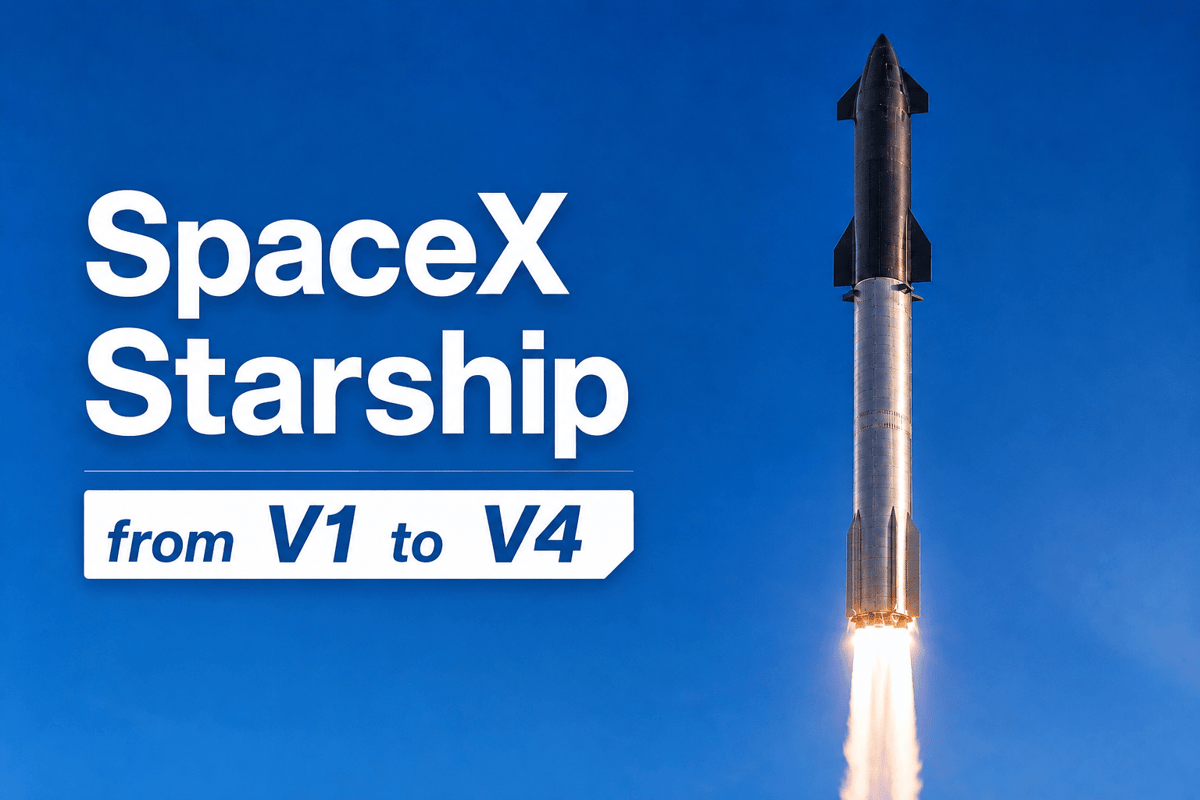
SpaceX Starship From V1 to V4
SpaceX’s Starship program has progressed through four distinct vehicle families, moving from early atmospheric prototypes to the V3 configuration that debuted on May 22 2026. V3 introduced Raptor 3 engines, a redesigned Super Heavy booster, docking interfaces and propellant‑transfer hardware, marking a shift...