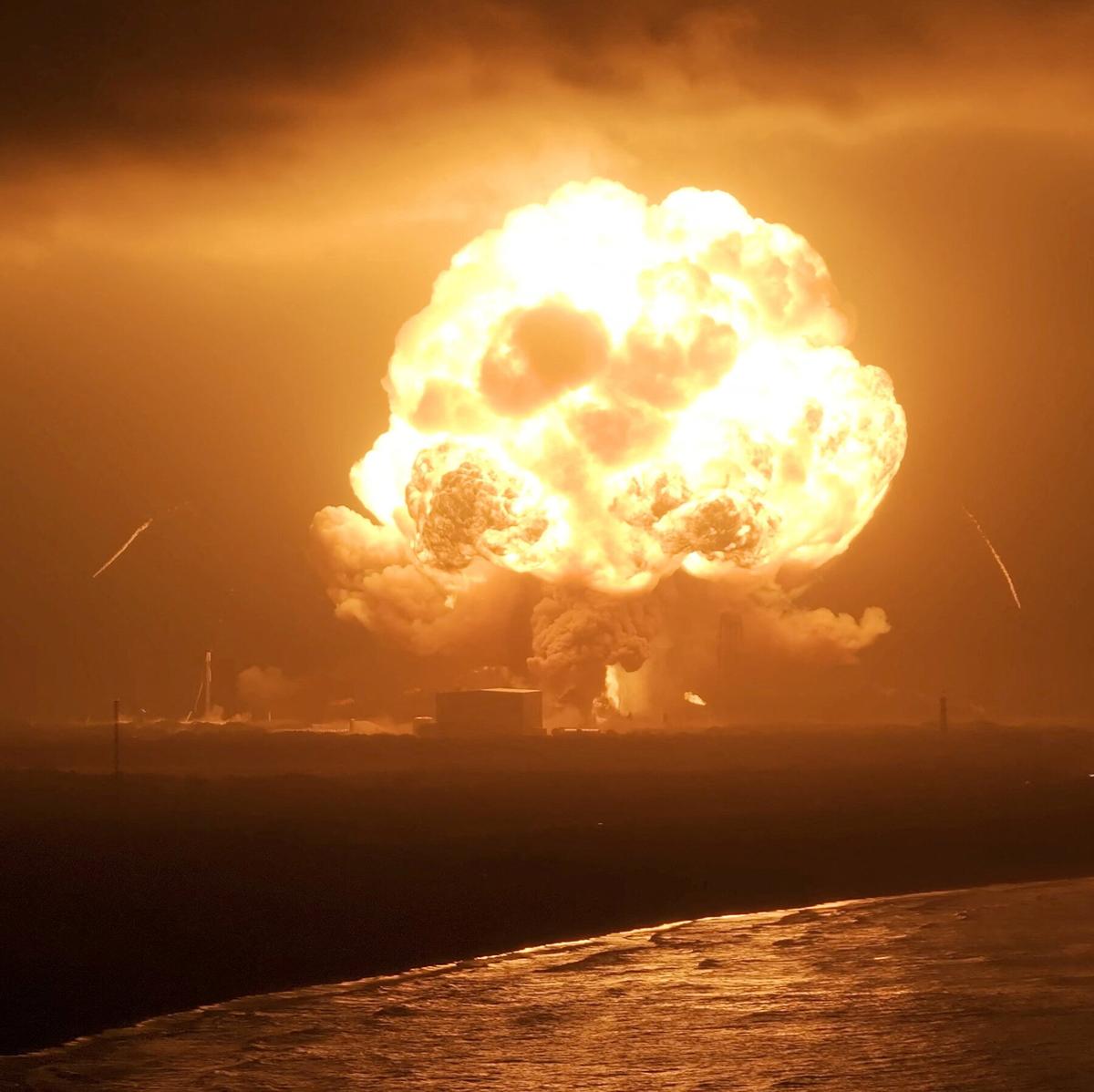
What’s Next for Blue Origin After Rocket Explosion
Companies Mentioned


Why It Matters
The explosion jeopardizes Blue Origin’s bid for heavy‑lift contracts, potentially rerouting NASA and Amazon launch business to competitors and reshaping the commercial launch market ahead of SpaceX’s high‑valued IPO.
Key Takeaways
- •New Glenn exploded on launchpad, destroying a steel launch tower.
- •NASA expanded New Glenn's role in Artemis before the test failure.
- •Amazon had 48 satellites ready for New Glenn, now delayed.
- •Delay gives SpaceX a competitive edge ahead of its $1.25 trillion IPO.
Pulse Analysis
Blue Origin has long been the quiet contender in the U.S. space launch arena, but the New Glenn program promised to change that narrative. Designed to lift over 45 metric tons to low‑Earth orbit, New Glenn would have filled a capacity gap between SpaceX’s Falcon Heavy and the nascent Starship, offering NASA and commercial customers a domestic heavy‑lift alternative. The recent test was meant to validate the vehicle’s propulsion and ground‑support systems, a critical step before the first orbital flight slated for late 2026.
The fireball that erupted on Thursday ripped through the launchpad’s infrastructure, flattening a massive steel tower and likely compromising the complex hydraulic and fueling networks buried beneath the concrete slab. Repairing the pad could take months, pushing back the schedule for NASA’s Artemis logistics and Amazon’s Project Kuiper satellite deployments. Both customers now face potential cost overruns and timeline shifts, while Blue Origin must allocate additional resources to root‑cause analysis, safety redesigns, and stakeholder communication.
In the broader market, the incident sharpens the competitive dynamics with SpaceX, which is gearing up for a blockbuster IPO that could value the company at more than $1.25 trillion. Investors and launch customers may view the New Glenn setback as a signal to favor the more proven, rapidly iterating SpaceX platform, especially for time‑sensitive missions. For Blue Origin, regaining confidence will require transparent remediation, accelerated testing, and perhaps strategic partnerships to demonstrate that its heavy‑lift capability can still meet the growing demand for lunar and satellite infrastructure.
What’s Next for Blue Origin After Rocket Explosion
Comments
Want to join the conversation?
Loading comments...