
Kepler Communications Company Profile
Kepler Communications launched ten Aether‑series optical relay satellites on a SpaceX Falcon 9 in January 2026, marking the first commercial LEO constellation built for real‑time, SDA‑compatible laser links. In March 2026 the company commissioned 40 NVIDIA Jetson Orin GPUs across the new fleet, creating a distributed edge‑compute platform that can run AI workloads in orbit. The firm has raised more than $233 million since its 2015 founding, including a $92 million Series C round, and now serves 18 customers while securing U.S. defense contracts through the SDA HALO program.
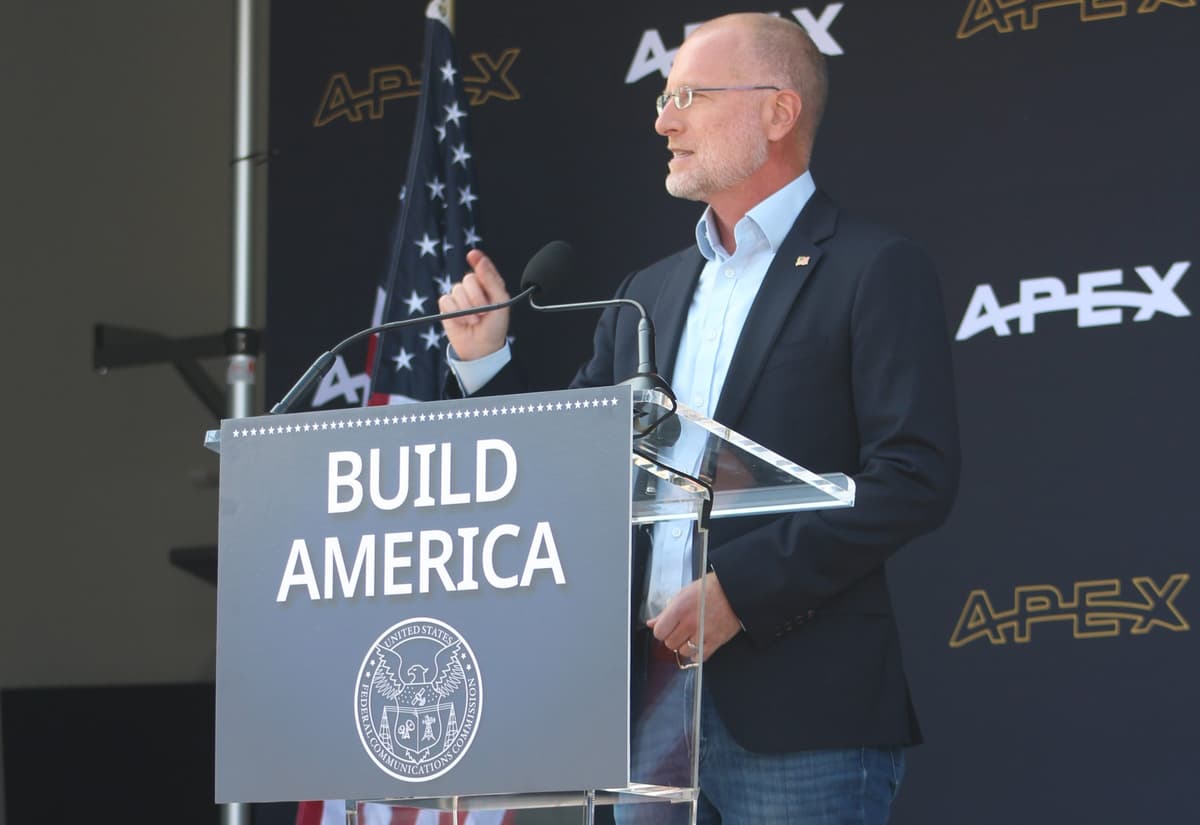
FCC Throws Out Satellite Spectrum Challenges as D2D Dealmaking Heats Up
The FCC issued a sweeping order on April 23 that preserves incumbent rights to Mobile Satellite Service (MSS) spectrum and dismisses petitions from SpaceX, Iridium, Kepler and others seeking access to the coveted Big LEO and 2 GHz bands. The move comes...

Moon Dust Could Stop Being a Nuisance and Start Reshaping How Humans May Build Beyond Earth
Researchers at Rice University and Iowa State have shown that lunar regolith simulant can be incorporated into fiber‑reinforced polymer composites, delivering strength and toughness gains of up to 40 percent. The breakthrough flips the narrative on moon dust, turning an...
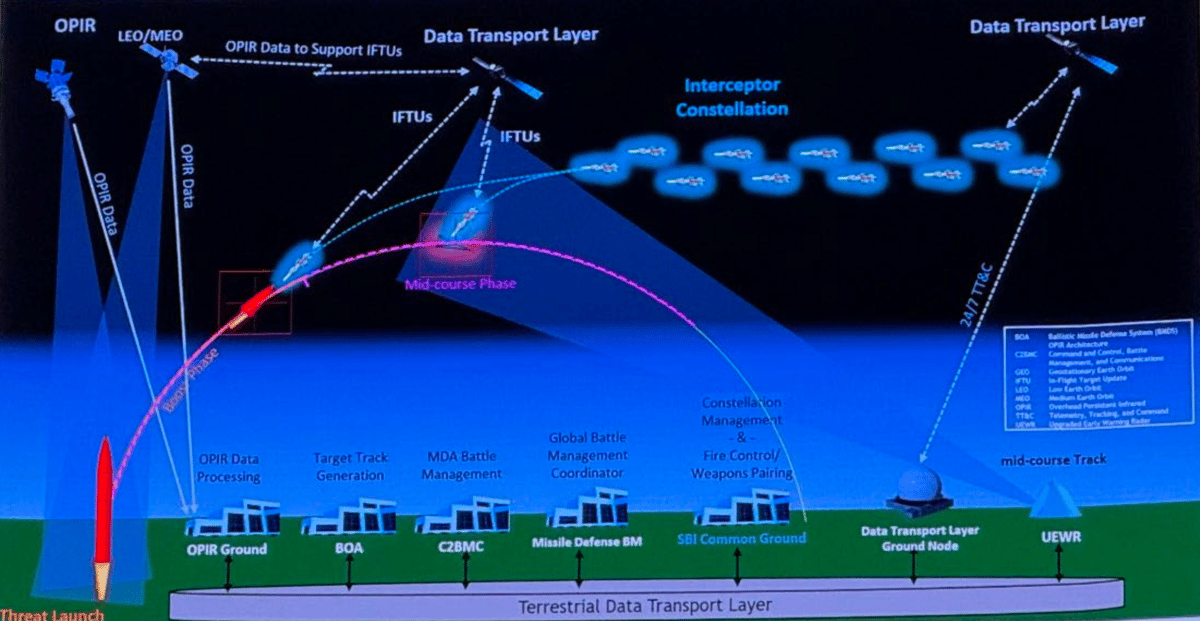
SpaceX Wins $57 Million U.S. Military Contract for Satellite Crosslink Demo
Space Systems Command awarded SpaceX a $57 million contract to demonstrate Link‑182 satellite‑to‑satellite communications for the MILNET data‑relay constellation. The two‑year demo must be completed by April 2027 and will validate the RF link that underpins the Pentagon’s Golden Dome missile‑defense concept....
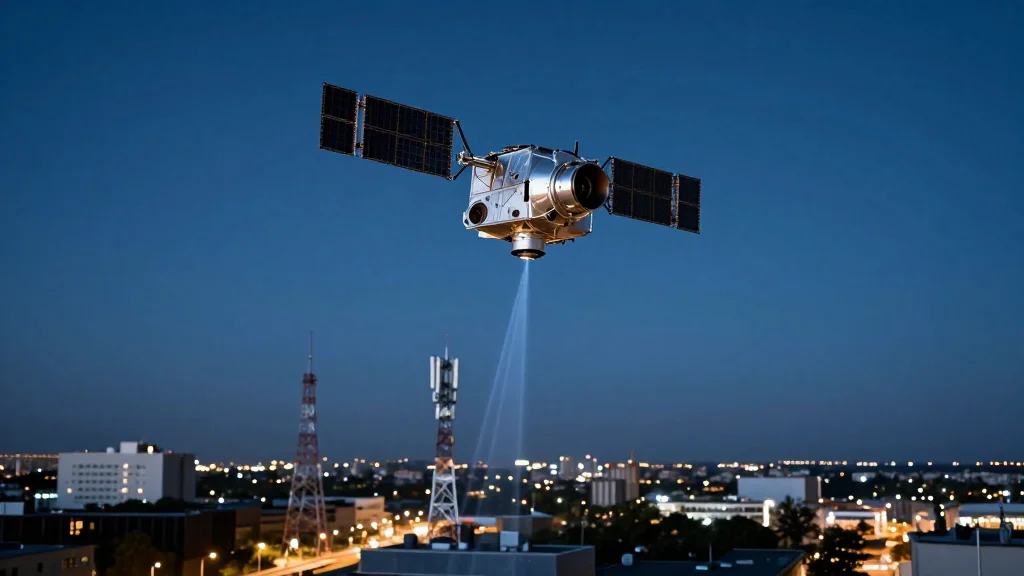
The FCC Announces 2 Big Rule Changes to Make Sure Your Cellphone Always Has A Signal
The FCC announced two pivotal actions to accelerate direct‑to‑device (D2D) satellite services. It granted AST SpaceMobile a permanent license for a 248‑satellite constellation that will operate with AT&T, Verizon and FirstNet, and it upheld existing exclusive spectrum rights to keep...
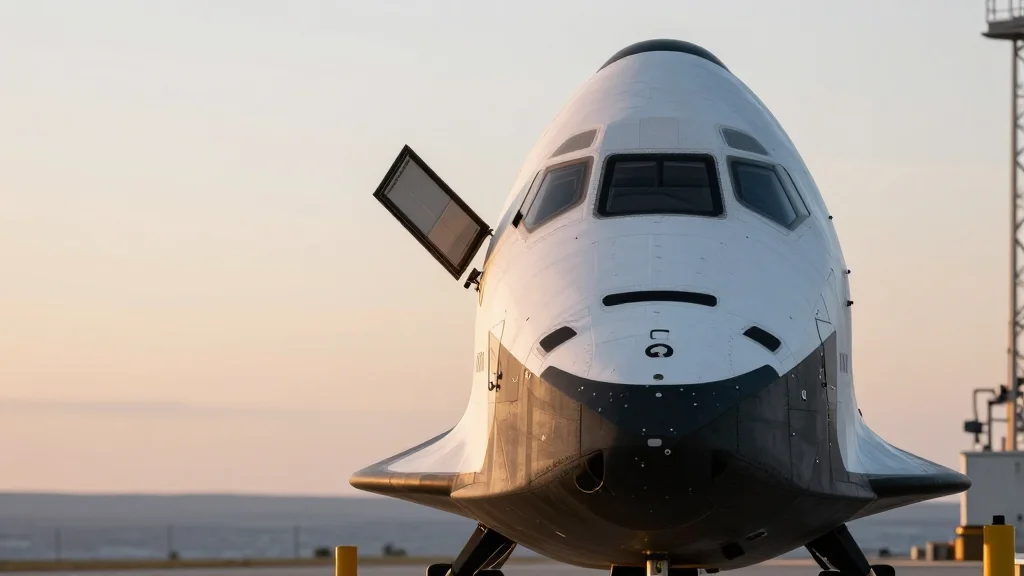
NASA Shares SpaceX Crew-13 Assignments for Space Station Mission
NASA announced the crew assignments for the upcoming SpaceX Crew-13 mission, slated to launch no earlier than mid-September. The four-person team includes NASA commander Jessica Watkins and pilot Luke Delaney, joined by Canadian astronaut Joshua Kutryk and Russian cosmonaut Sergey...
Untitled
Artemis II commander Reid Wiseman released a rare video of Earth setting behind the Moon, captured on an iPhone at 8× zoom during the mission’s lunar flyby. The clip, posted on NASA’s Astronomy Picture of the Day, illustrates how the spacecraft’s motion,...
The Smartest Money in the Room Is Looking Up
Private investors have poured roughly $3 billion into commercial low‑Earth‑orbit (LEO) station platforms, with Vast raising about $500 million and Redwire $350 million. Industry leaders argue the market already exists, pointing to 166 paying payloads for Axiom and early sovereign research contracts as...
Isaacman Before Congress: Speaking the Truth to Power
NASA Administrator Jared Isaacman testified before the House Science Committee, urging the cancellation of the Lunar Gateway and supporting President Trump’s proposed budget reductions. He downplayed concerns about alleged corrosion in two Gateway modules, emphasizing that Congress would not challenge...

Space Force Budget Cuts SDA’s Data Transport Funding
The Space Force’s FY2027 budget request drops future funding for the Space Development Agency’s dedicated data‑transport layer, moving roughly $1.5 billion of procurement and an equal R&D line into a new “Proliferated Low‑Earth‑Orbit” account. The service proposes a hybrid Space Data...
Iridium Continues IoT Subscriber Growth in Q1, Desch Talks NTN Direct Launch and Spectrum
Iridium reported a modest 2% year‑over‑year revenue rise in Q1 2026, reaching $219.1 million, while adding 18,000 new subscribers to total 2.434 million commercial users. IoT data revenue grew 5% to $46 million, now accounting for 83% of its subscriber base, even as...
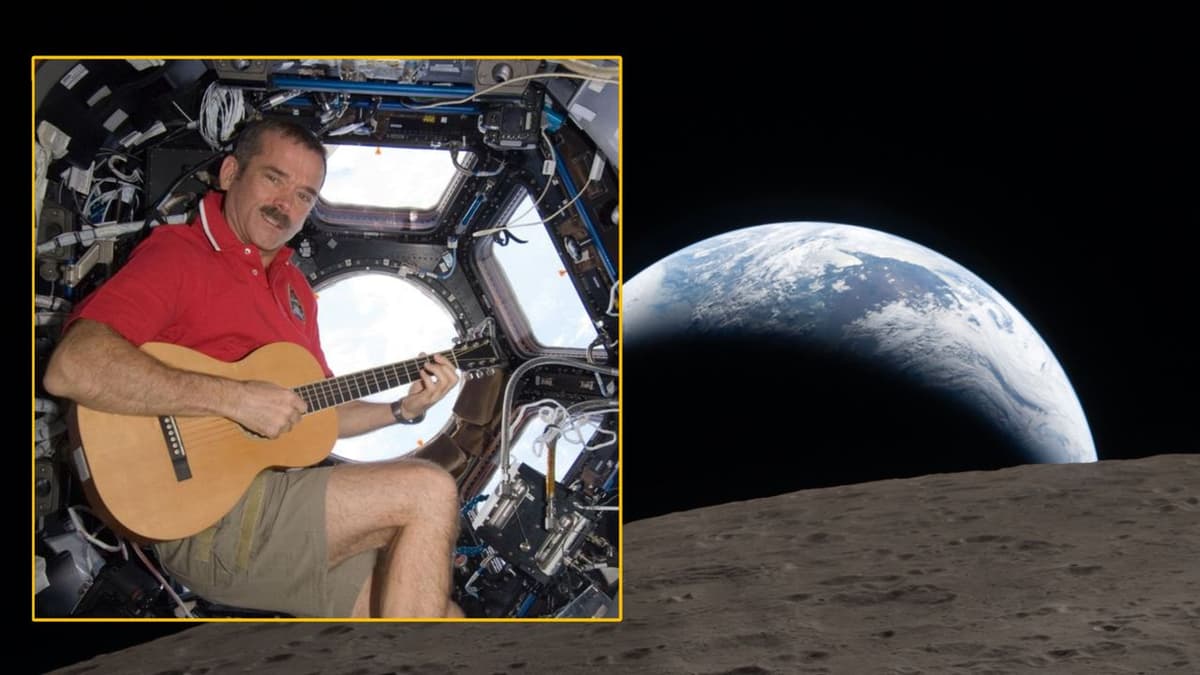
'Strong, Undeniable Public Examples of Something Positive': Astronaut Chris Hadfield on Why Artemis II Hit Him Hard, and Why We...
Veteran astronaut Chris Hadfield praised NASA’s Artemis II mission, saying it struck an emotional chord for him and underscored the public’s willingness to embrace high‑risk exploration. He drew parallels to Apollo 8, noting how both missions offered a collective sense of awe...
Orbiting Space Junk Poses Threat to GPS, Satellites
Space debris now exceeds 45,000 trackable objects, weighing about 9,000 metric tons, and threatens a cascade of collisions known as the Kessler effect. Recent satellite crashes, including two Starlink incidents, have added to the clutter, with Starlink alone accounting for...

SmallSat Europe Speaker Focus: Giovanni Pandolfi Bortoletto, Leaf Space
Leaf Space, an Italian ground‑segment‑as‑a‑service provider, now operates over 40 stations in 19 locations, handling more than 22,000 satellite passes each month. Its proprietary Leaf Line hardware and Leaf Key software platform support 170 low‑Earth‑orbit satellites, with 18 new stations...
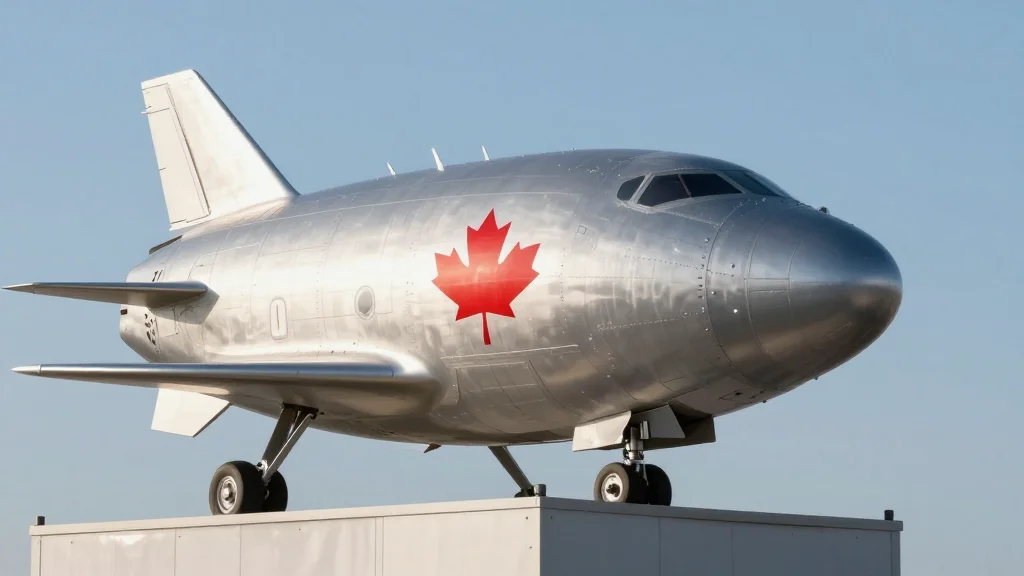
CSA Awards $5.4 Million in 2025 FAST Grants, Concentrating Capital on High-Value Projects
The Canadian Space Agency (CSA) has allocated $5.4 million CAD (≈$4 million USD) to 15 university‑led FAST grants for 2025, concentrating funds in high‑value Category A and B projects while awarding no Category C micro‑grants. Category A caps rose to $450,000 CAD (≈$330,000 USD) and Category B to...
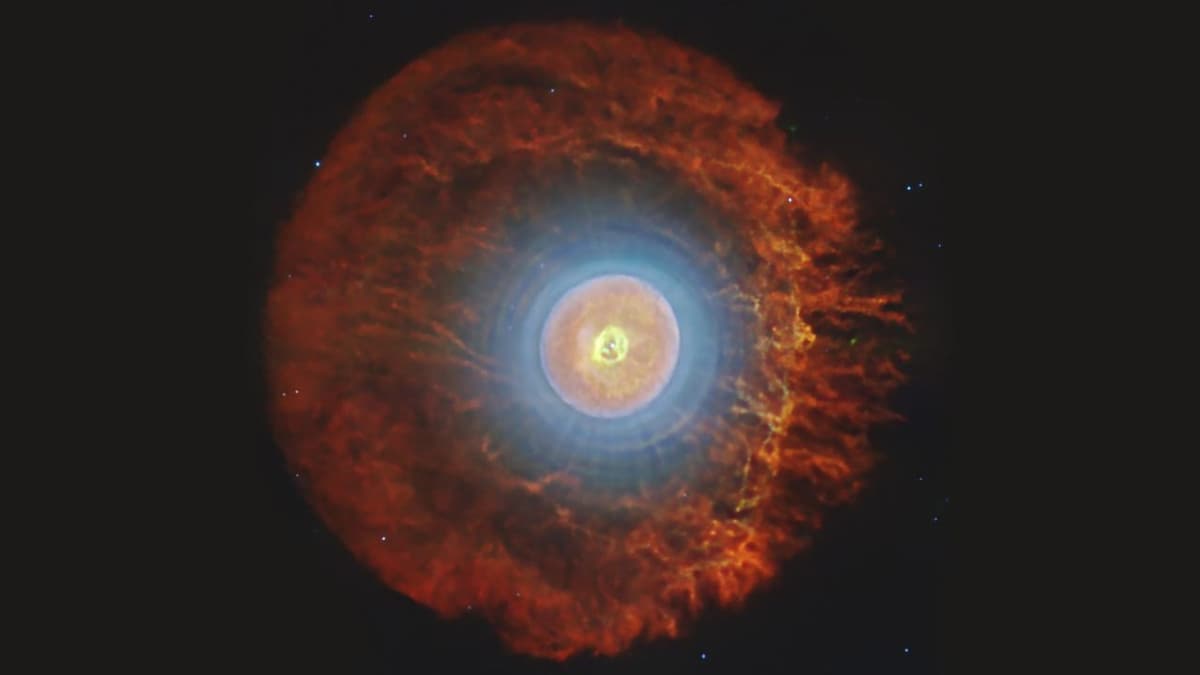
James Webb Space Telescope Peers Into a Dying Star Surrounded by Mysterious Buckyballs: 'The Structures We're Seeing Now Are Breathtaking'
NASA’s James Webb Space Telescope has captured the first high‑resolution infrared view of planetary nebula Tc 1, a dying star 10,000 light‑years from Earth, revealing the distribution of buckminsterfullerene (buckyballs) around its central white dwarf. The MIRI image shows an upside‑down...
US Space Command: Russia Is Now Operationalizing Co-Orbital ASAT Weapons
U.S. Space Command announced that Russia’s Nivelir co‑orbital anti‑satellite system is now operational, targeting high‑value U.S. National Reconnaissance Office (NRO) satellites in low‑Earth orbit. The nesting‑doll architecture releases smaller craft capable of high‑velocity impacts, a capability first tested in 2020...
Russia Launches the Smallest Version of Its Angara Rocket
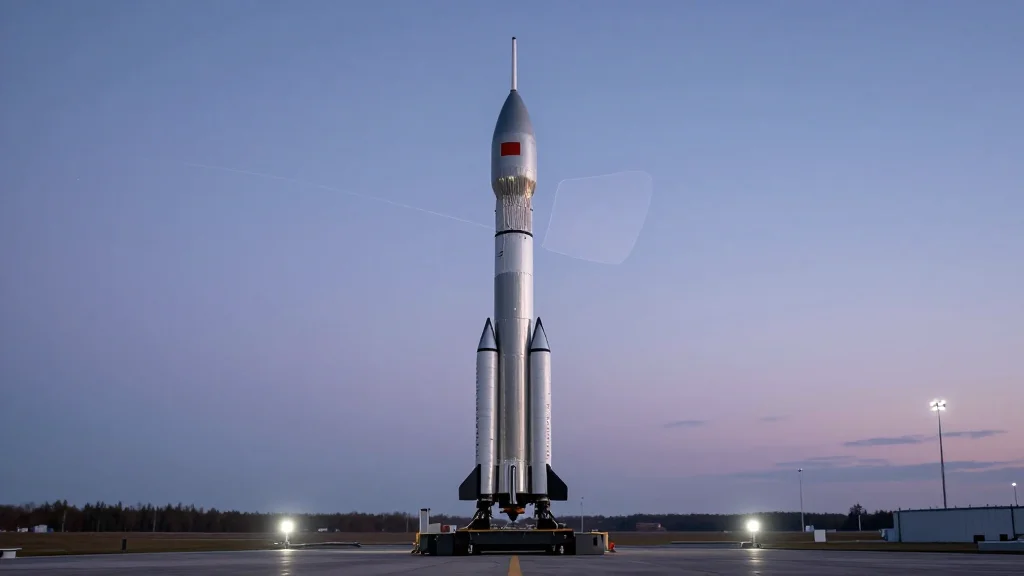
Russia successfully launched the Angara‑1.2, the smallest member of its modular Angara family, from the Plesetsk spaceport in the north‑east. The mission placed several classified payloads into orbit, underscoring its military relevance. Russian officials released scant details, citing the secretive...
China Picks Two Pakistanis to Train for a Future Tiangong-3 Mission
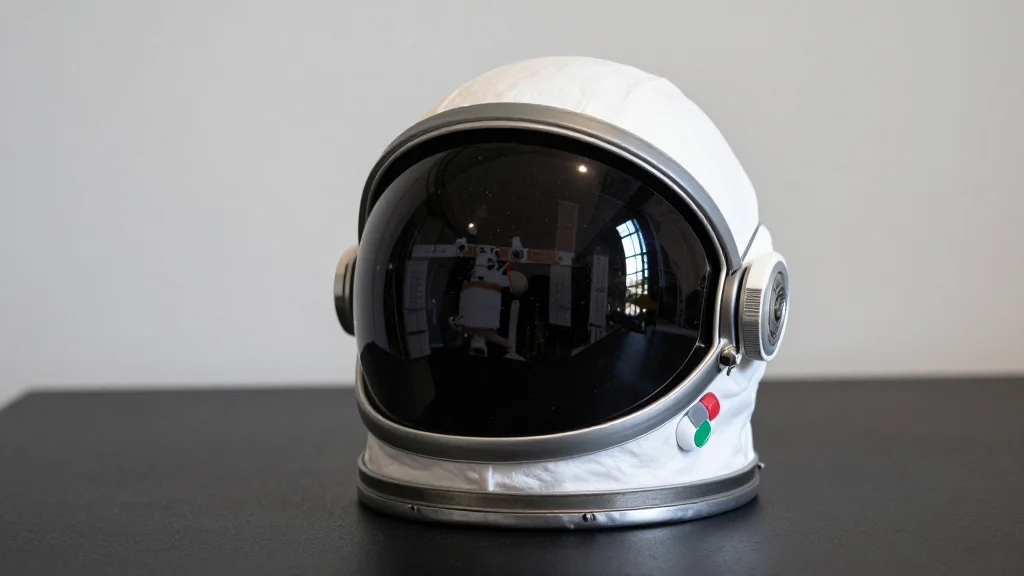
China announced that two Pakistani citizens, Muhammad Zeeshan Ali and Khurram Daud, will train as reserve astronauts for a future short‑duration mission to the Tiangong‑3 space station. After completing training, one will fly as a payload specialist, becoming the first...

Eutelsat, MTN Add Satellite to Ivory Coast Coverage
MTN Côte d’Ivoire has signed a multi‑year agreement with satellite operator Eutelsat to use its Konnect high‑throughput GEO satellite positioned at 7° East. The satellite will complement MTN’s terrestrial broadband, enabling community Wi‑Fi hotspots in rural and underserved areas of...
Starlink Wi-Fi Makes In-Flight Calls And Video Now Possible On British Airways Flights
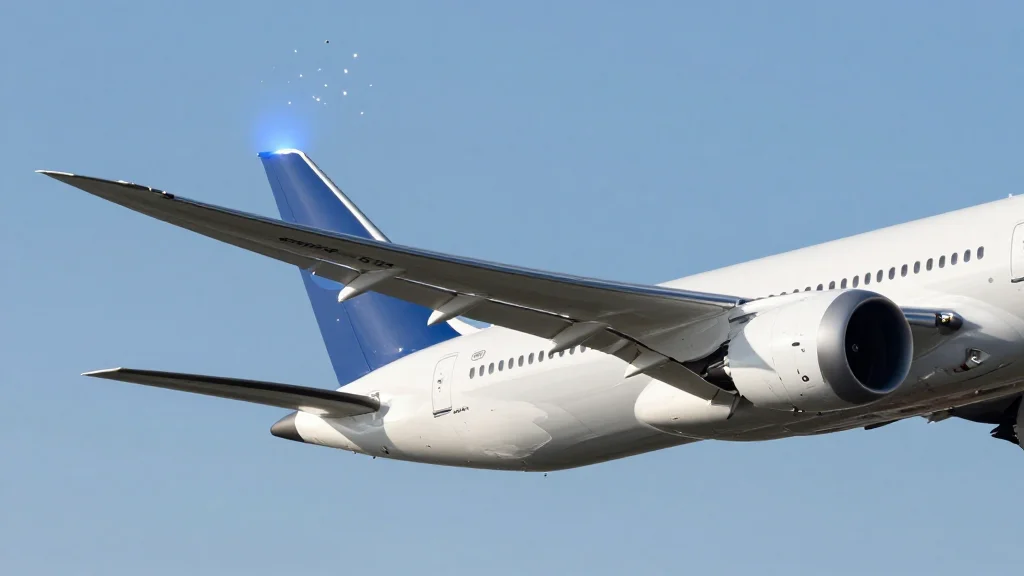
British Airways launched its first flight equipped with complimentary Starlink Wi‑Fi on March 19, enabling passengers to make phone and video calls at 38,000 feet. The service, initially rolled out on a London‑Houston route, allows multiple devices per seat and is...

Jordan Signs the Artemis Accords
Jordan became the 63rd nation to sign NASA’s Artemis Accords, joining Latvia as the latest signatories. Ambassador Dina Kawar signed the agreement at NASA Headquarters, framing it as a step toward turning Jordan into a regional and global science‑technology hub....
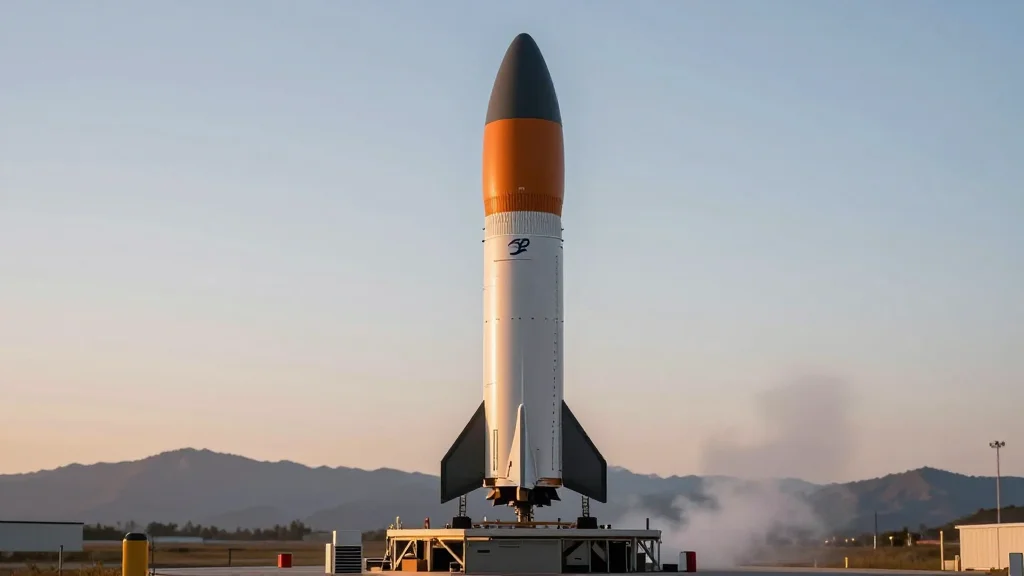
Rocket Lab Launches Eight Japanese Satellites, Including Origami-Inspired Payload
Rocket Lab successfully launched the “Kakuchin Rising” mission from its New Zealand site on April 22‑23, placing eight Japanese satellites into low‑Earth orbit. The payloads rode aboard an Electron rocket that lifted off at 11:09 p.m. EDT. One of the satellites featured an...

NASA's TESS Spacecraft Discovers a Weird System of Exoplanets Unlike Anything Seen Before
NASA’s TESS mission, together with the Antarctic ASTEP observatory, identified the TOI‑201 system—a trio of planets ranging from a super‑Earth to a 16‑Jupiter‑mass giant—exhibiting rapid, observable orbital shifts. The outer planet’s tilted, elliptical path is tugging on the inner worlds,...
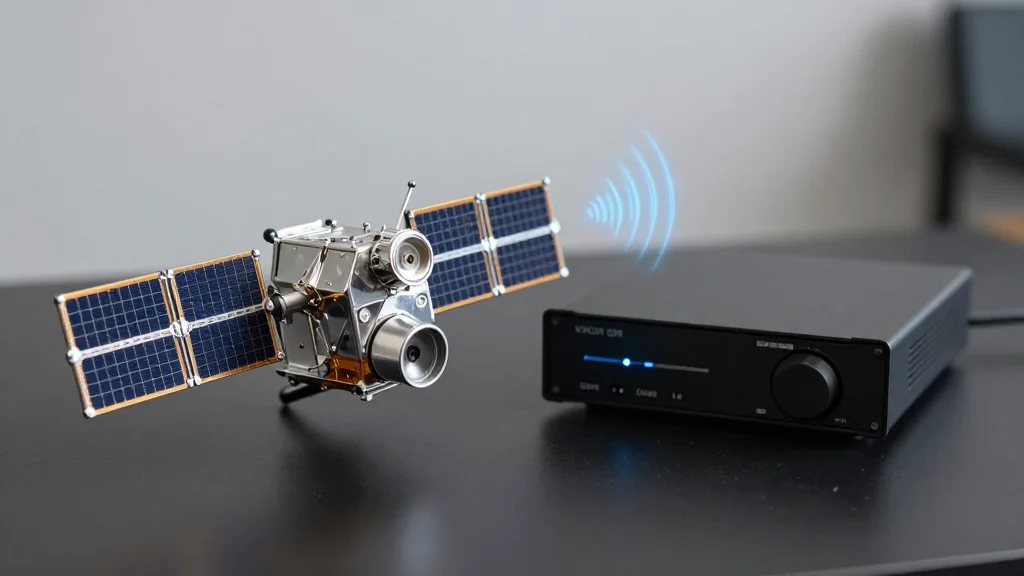
Signal Generators Enable Pulsar Signal Testing
Rohde & Schwarz has released a software option for its SMBV100B and SMW200A vector signal generators that can simulate Xona Space Systems’ Pulsar LEO satellite signals. Pulsar is a planned low‑Earth‑orbit constellation delivering high‑precision positioning, navigation and timing services while...
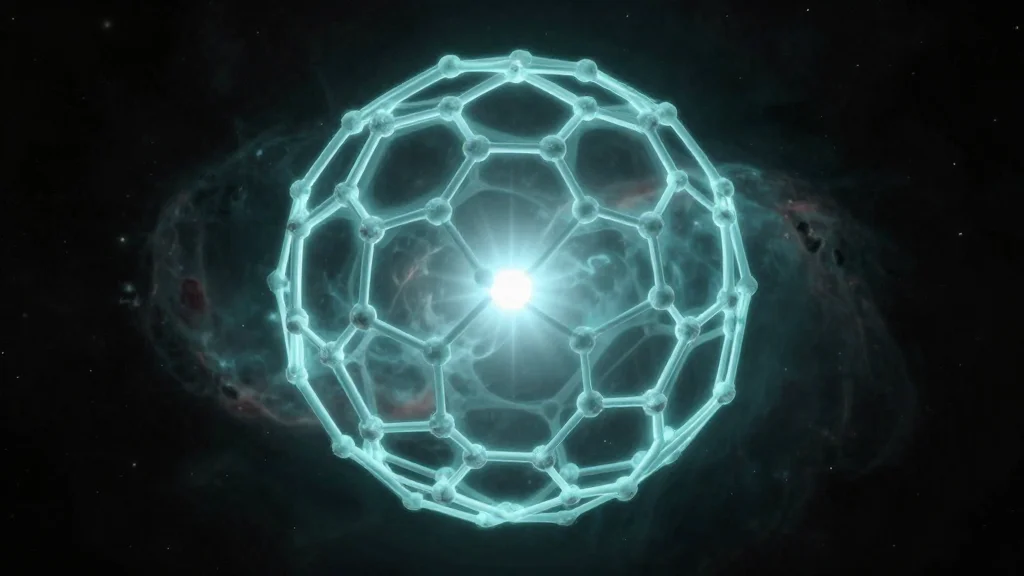
Canada’s Latest JWST Observation Shows ‘Buckyballs’ in Space
A Western University team using the James Webb Space Telescope has produced the first high‑resolution image of a shell of buckminsterfullerene (C₆₀) molecules surrounding the dying star in nebula Tc 1. The observation, captured with JWST’s Mid‑Infrared Instrument, builds on the...

Smile Set to Launch on 19 May
The European‑Chinese Smile mission is slated to launch on 19 May 2026 at 05:52 CEST aboard a Vega‑C rocket from Kourou, French Guiana. After a brief delay caused by a Vega‑C subsystem issue, ESA and the Chinese Academy of Sciences confirmed the new date...
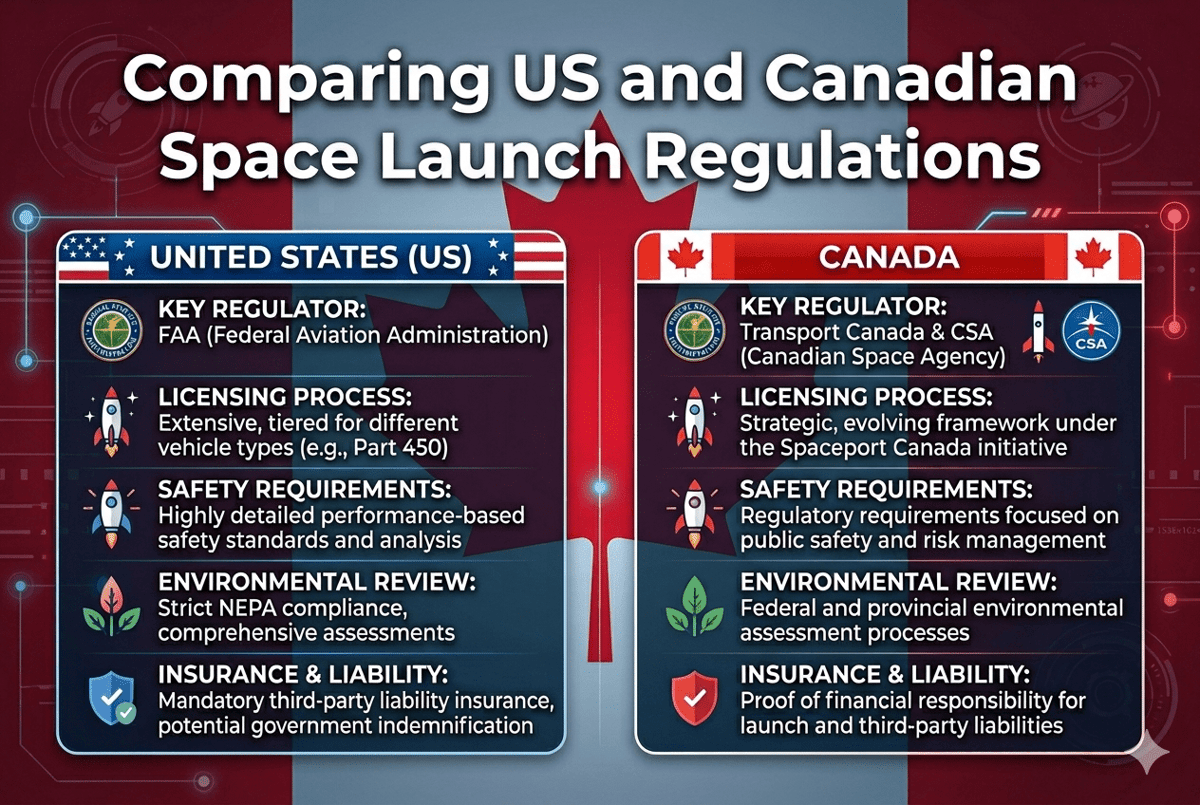
Comparing US and Canadian Space Launch Regulations: A Path to Sovereign Orbital Access
The United States’ FAA has long operated a performance‑based, single‑license framework for commercial space launches, recently consolidated under 14 CFR Part 450. Canada introduced the Space Launch Act (Bill C‑28) on April 21, 2026, creating its first permanent statutory regime that deliberately aligns with...
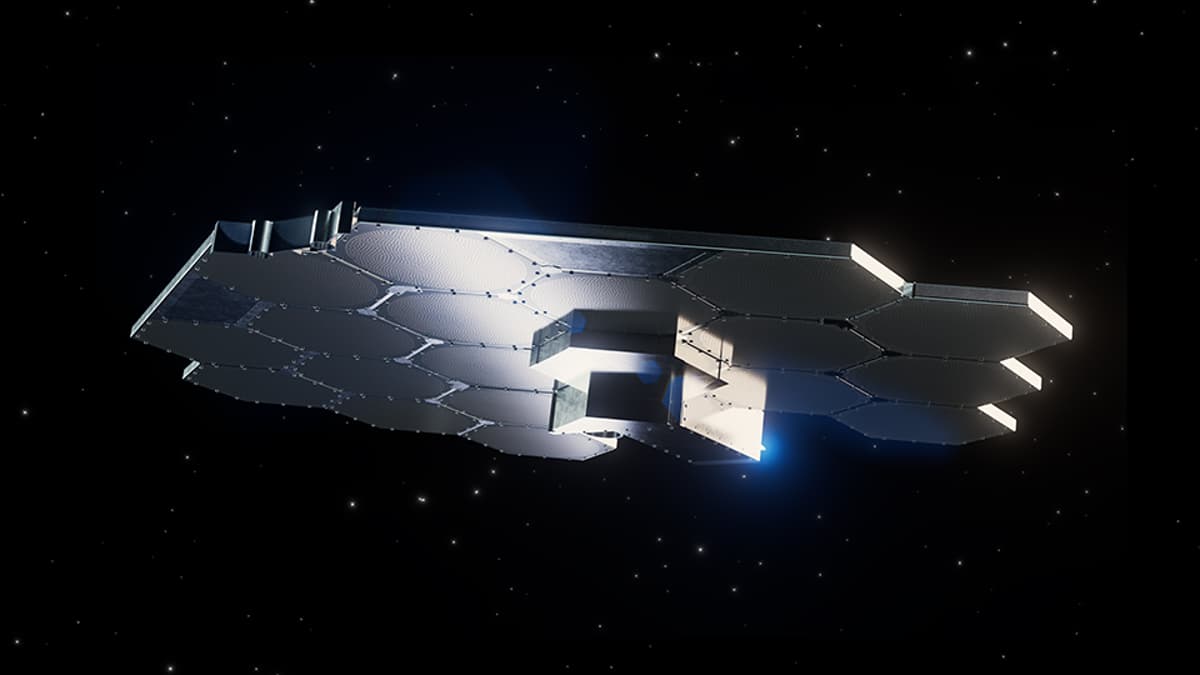
SpinLaunch Selects Equinix to Deploy Global Ground Infrastructure for Meridian Space Constellation
SpinLaunch announced a partnership with Equinix to build a global ground‑segment for its Meridian Space LEO broadband constellation. The deal leverages Equinix’s Platform Equinix and over 280 data centers to deliver a cloud‑integrated ground‑station‑as‑a‑service (GSaaS) model. Meridian’s first phase includes...

STMicroelectronics Targets $3 Billion in LEO Satellite Revenue; Announces Dedicated Investor Call
STMicroelectronics announced a strategic push into the Low Earth Orbit (LEO) satellite market, aiming to generate more than $3 billion in cumulative revenue from 2026 to 2028. The company reported Q1 2026 net revenues of $3.1 billion, up 23% year‑over‑year, helped by...

Keeping GPS Free From Interference: An Interview with Lisa Dyer
Lisa Dyer, executive director of the GPS Innovation Alliance, warned that GPS—critical to billions of users and essential for transportation, finance, and defense—is increasingly vulnerable to jamming and spoofing. With 32 medium‑Earth‑orbit satellites transmitting low‑power signals, both foreign actors and...
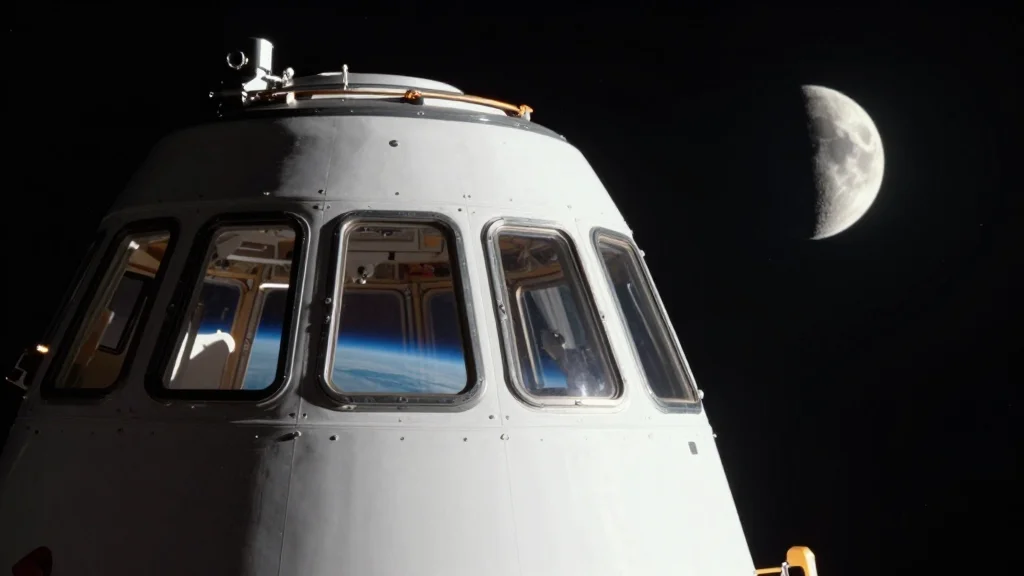
NASA’s Post-Artemis II Mission Assessment
NASA’s post‑flight assessment of Artemis II confirms the crewed lunar flyby met its core objectives, validating Orion’s performance and the Space Launch System’s delivery capability. The heat‑shield char loss was markedly lower than on Artemis I, indicating that material fixes are effective....
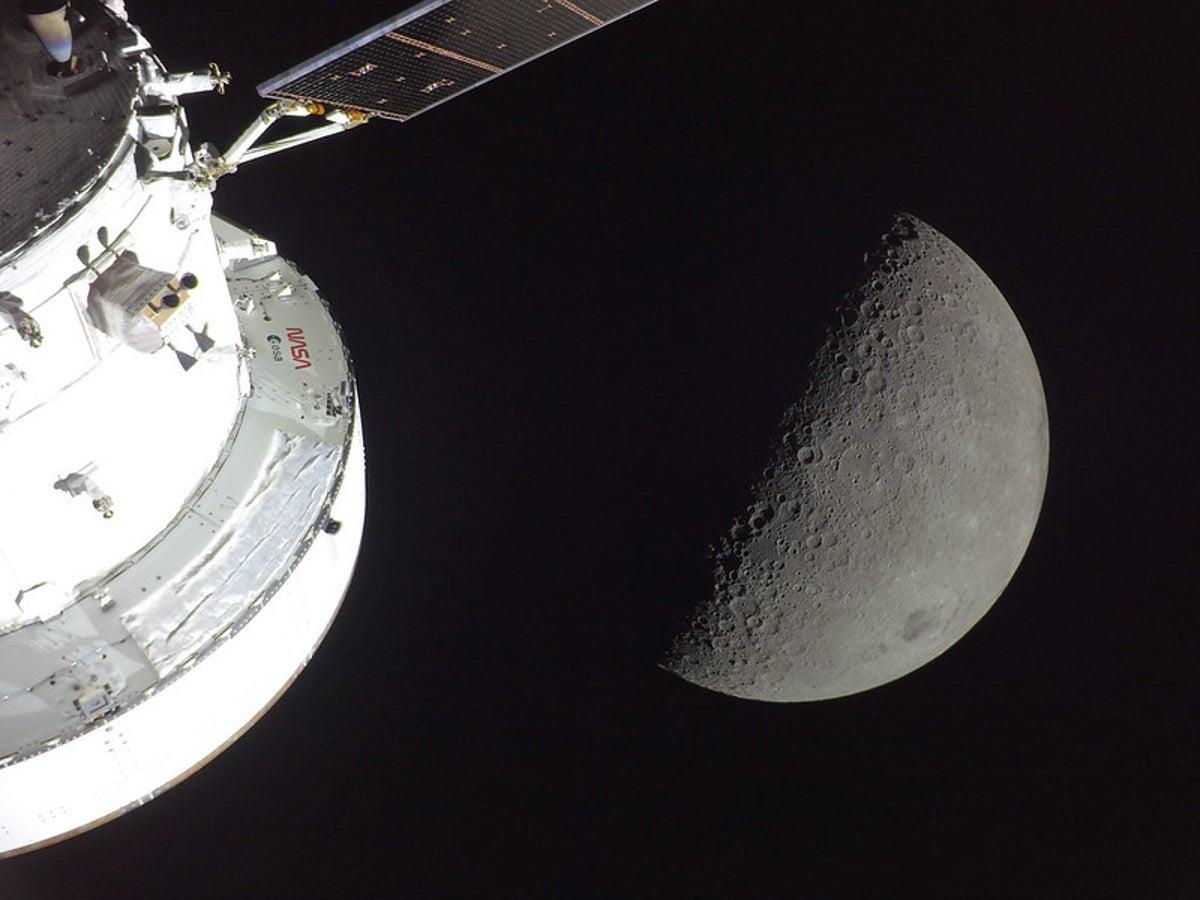
NASA’s Artemis II Was a Major Success—So Why Couldn’t the Crew Flush the Toilet?
NASA’s Artemis II mission completed a flawless 10‑day lunar flyby, proving Orion’s navigation, propulsion and life‑support systems work in deep space. The crew, however, reported a malfunction in the Universal Waste Management System when the urine vent line appeared to clog...
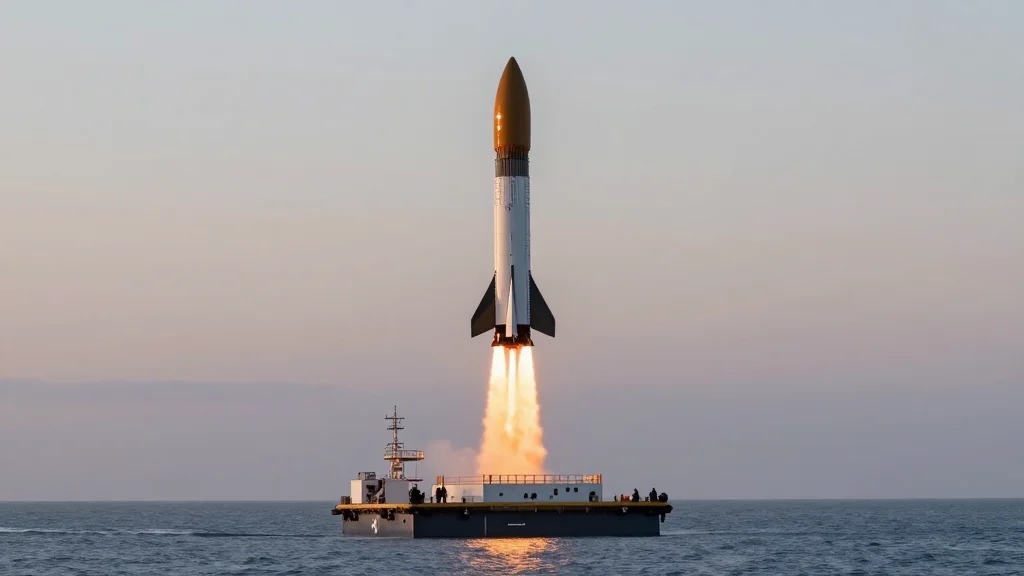
Jeff Bezos Is Raising His Game in Space
Jeff Bezos is intensifying his space ambitions as Blue Origin successfully flew its New Glenn rocket for the third time on April 19, with the first stage executing a controlled ocean‑barge landing. The launch demonstrated the company’s reusable‑rocket capability but highlighted the...

How the SpaceX-EchoStar Relationship Extends Beyond Spectrum and D2D
EchoStar is transferring roughly $20 billion of spectrum to SpaceX, enabling Starlink’s next‑generation direct‑to‑device (D2D) service with 5G‑like performance. The deal includes a fee‑based referral program that lets EchoStar steer HughesNet and new Starlink customers toward SpaceX offerings. Boost Mobile has...

AI Galaxy Hunters Are Adding to the Global GPU Crunch
NASA will launch the Nancy Grace Roman Space Telescope in September 2026, eight months early, promising to return roughly 20,000 TB of data over its lifespan. Combined with the James Webb telescope’s 57 GB daily downlink and the upcoming Vera C. Rubin Observatory’s 20 TB nightly stream,...
April 23, 1967: Soyuz 1 Suffers a Fatal Crash
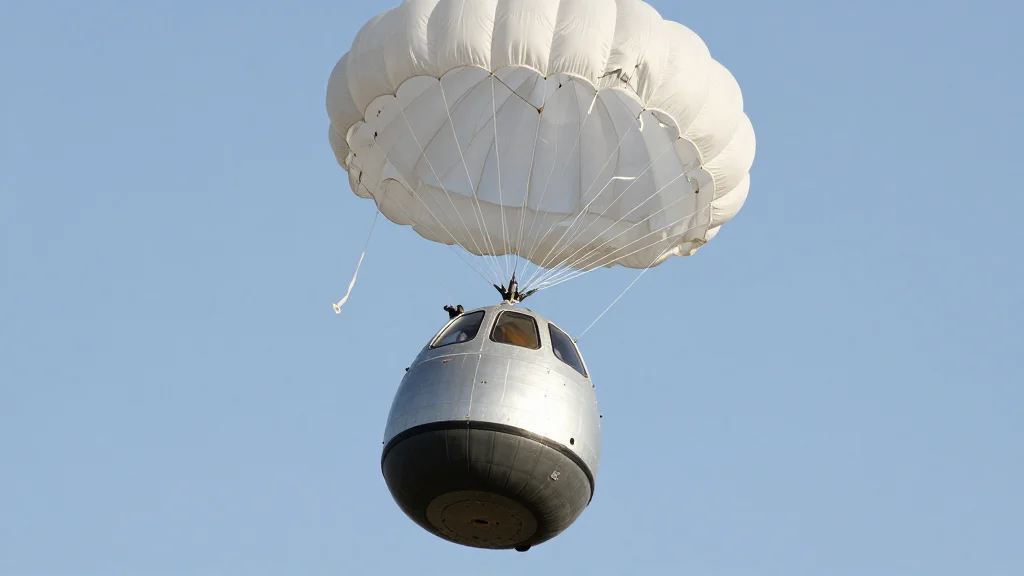
On April 23, 1967 Soviet cosmonaut Vladimir Komarov died when Soyuz 1 crashed after a parachute failure during re‑entry. The mission, launched despite known mechanical flaws, marked the first fatality in space, occurring just months after the Apollo 1 fire. The tragedy exposed...

Canada’s New Space Race Aims to Cut US Reliance and Unlock $40 Billion
Canada unveiled the Canadian Space Launch Act (C‑28), granting the government authority to regulate commercial launches and re‑entries from Canadian soil, ending its status as the only G7 nation without domestic launch capability. The legislation is paired with a $200 million...

Astrobotic Hotfires Engine That Could Power Moon Missions
Astrobotic Technology announced a record‑setting 300‑second hot‑fire of its Chakram rotating detonation rocket engine (RDRE) at NASA’s Marshall Space Flight Center. The test, completed on a budget of less than $1.5 million, demonstrated continuous operation of one of two prototypes. Astrobotic...
Scientists Focus on the Challenges of Working and Living in Outer Space
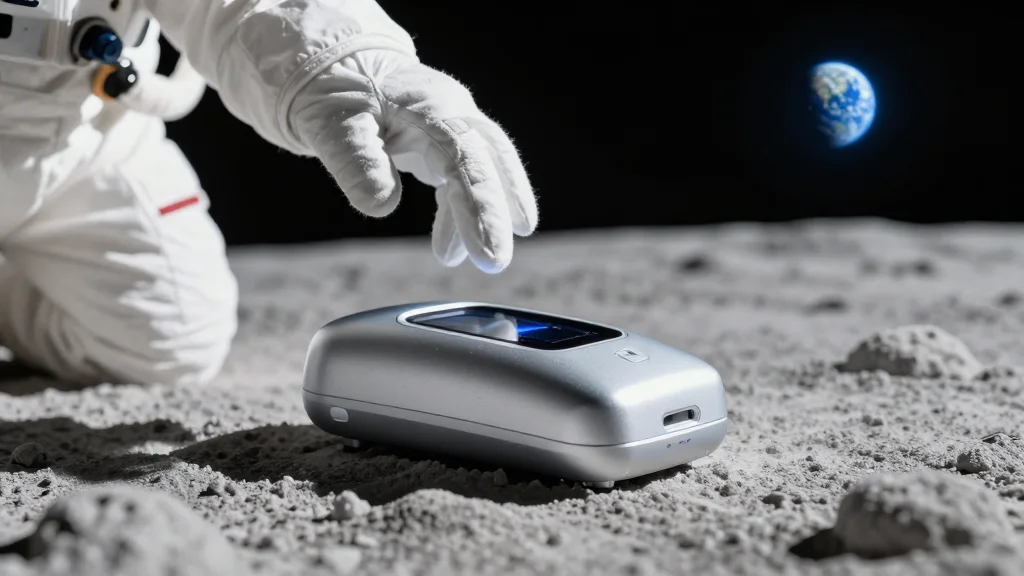
Scientists convened at Ohio State University to address health and engineering hurdles of long‑duration spaceflight. Keynote speaker Scott Parazynski highlighted radiation, microgravity, and isolation as major risks, noting the recent first medical evacuation from the ISS. Panels explored emergency medical...
3 Space Stocks Flying Under the Radar and Worth Buying This Month
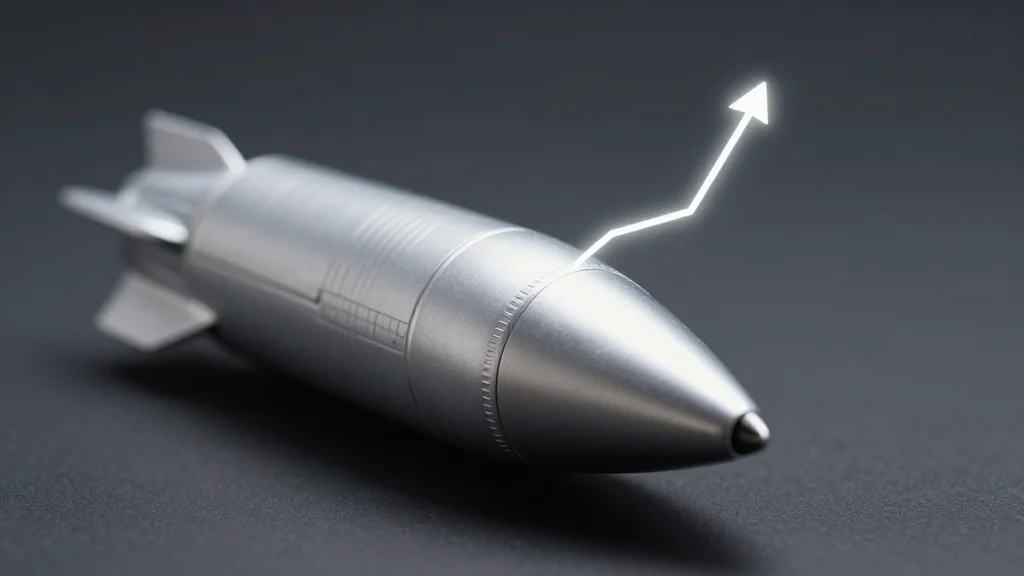
The space‑sector rally sparked by Artemis II and SpaceX’s IPO filing has pushed most space stocks into lofty price‑to‑sales multiples, with Rocket Lab near 75× and Firefly Aerospace around 19×. Amid this overvaluation, three companies remain relatively cheap: Redwire at roughly...

Electron Launches Japanese Cubesats
Rocket Lab’s Electron lifted off from New Zealand on April 22, deploying eight JAXA‑backed cubesats for the Innovative Satellite Technology Demonstration‑4 mission. The payload reached a 540‑kilometer sun‑synchronous orbit, showcasing technologies such as a multispectral camera, earthquake‑precursor sensors, and an origami‑based deployable...

Orbital Vs. Terrestrial Data Center Cost Analysis
A new analysis from Payload compares the total cost of operating orbital data centers with traditional terrestrial facilities. While space‑based hubs promise lower latency and greener power sources, they require roughly 2.5 times higher capital expenditures and face steep regulatory...
Plato Aces Space-Like Tests
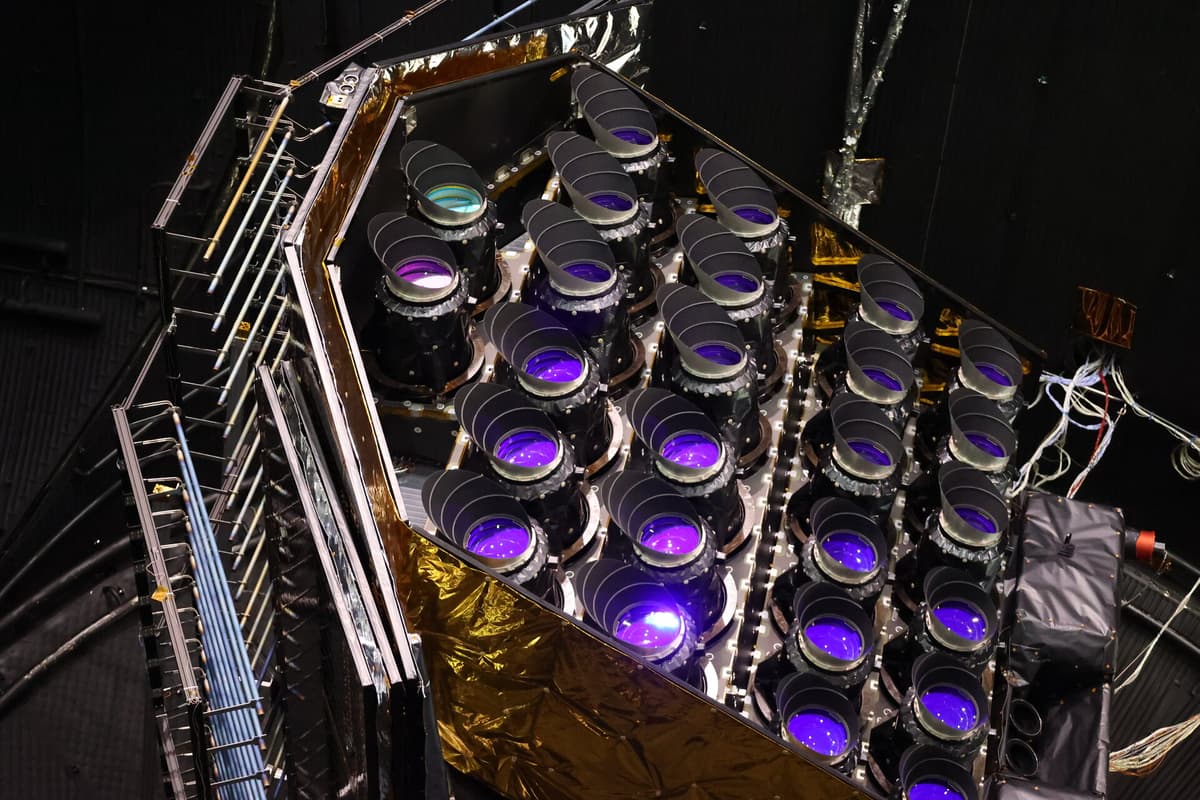
ESA’s PLATO mission has completed a series of rigorous thermal‑vacuum and thermal‑extreme tests in the Large Space Simulator, confirming the spacecraft’s readiness for launch. The 26 ultra‑sensitive cameras were shown to maintain focus and detect brightness changes under 80 ppm while...
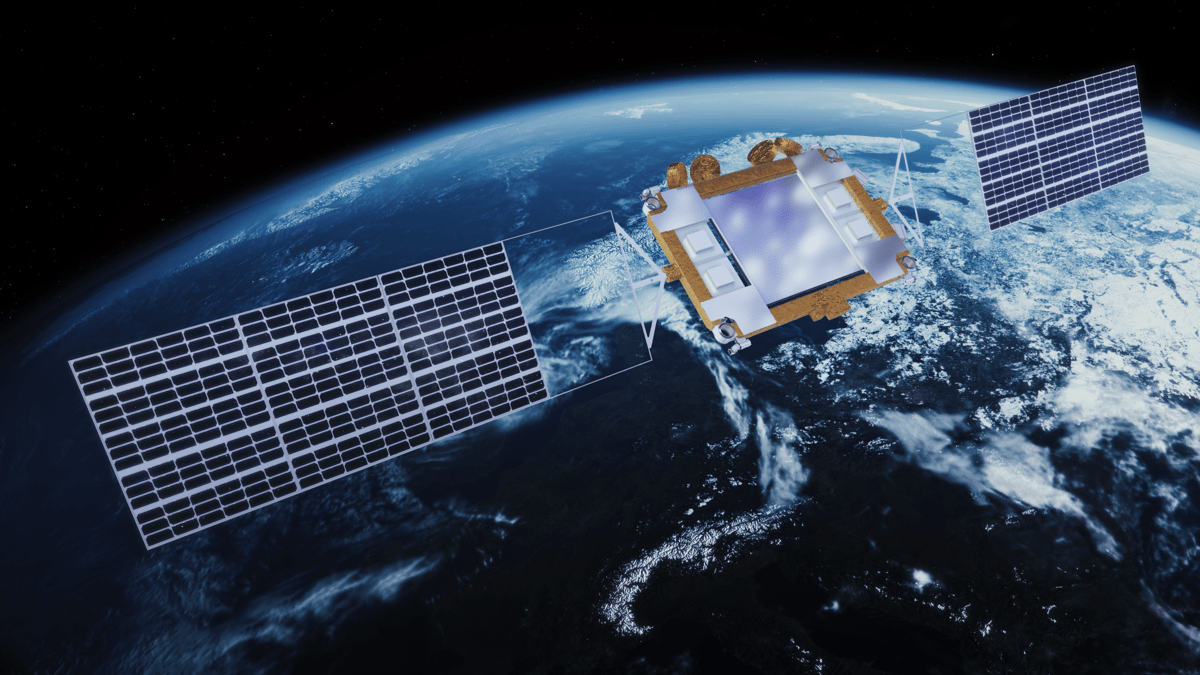
Univity Funds VLEO 5G Demonstrators with $32 Million Series A
French startup Univity announced a $32 million Series A round to launch two very low Earth orbit (VLEO) 5G demonstrators next year. The prototypes, each weighing 350 kg, will showcase hybrid broadband and direct‑to‑device services and test optical inter‑satellite links. Univity aims to...
![[Y-Insight] Semiconductor Reliability Emerges as Decisive Factor in New Space Era](/cdn-cgi/image/width=1200,quality=75,format=auto,fit=cover/http://www.thelec.net/news/thumbnail/202604/6747_7080_66_v150.jpg)
[Y-Insight] Semiconductor Reliability Emerges as Decisive Factor in New Space Era
Semiconductor reliability is becoming a decisive factor as the space sector moves into a privately driven New Space era, where launch costs have fallen and commercial off‑the‑shelf (COTS) components are increasingly used. Lee Kwan‑hoon of Korea’s KETI warns that space...
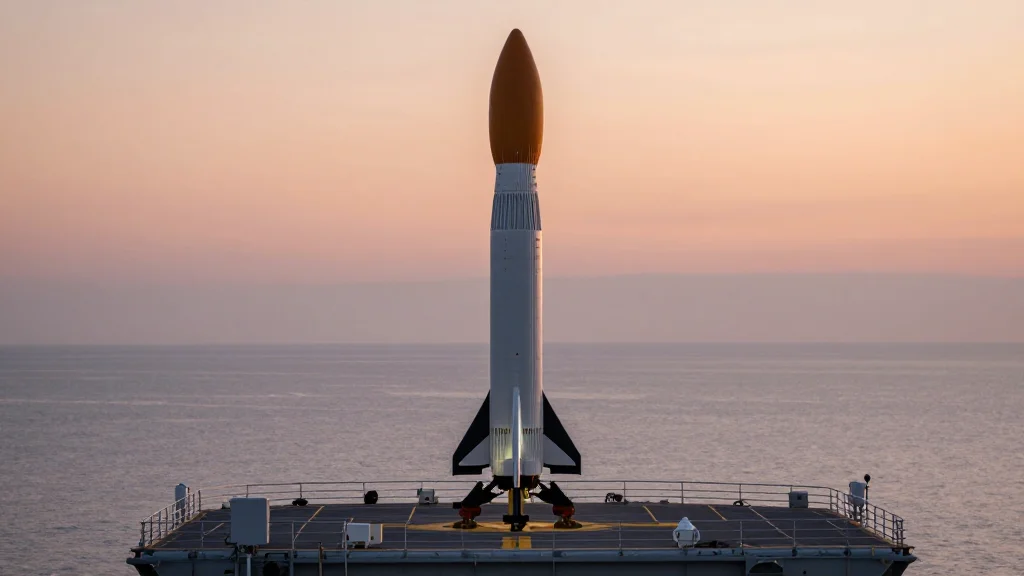
SpaceX Launches 24 More Starlink Satellites
SpaceX lifted off from Vandenberg Space Force Base, deploying 24 additional Starlink satellites on a Falcon 9. The rocket’s first stage achieved its fifth successful landing on a Pacific‑based drone ship, underscoring the company’s reusable‑launch capability. In the 2026 launch race,...
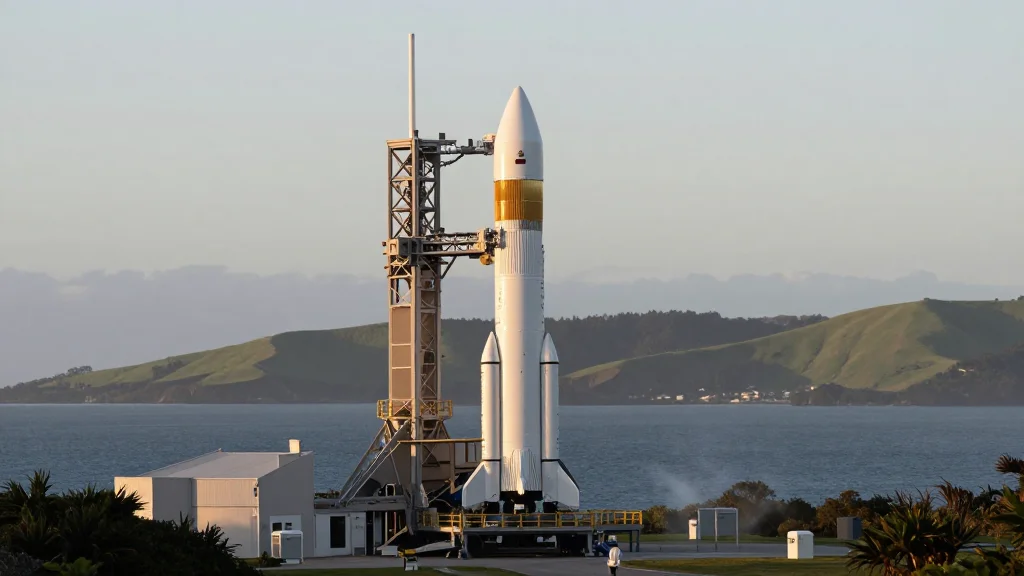
Rocket Lab Launches Satellites for Japan’s Space Agency JAXA
Rocket Lab successfully launched eight JAXA small satellites on its Electron rocket from New Zealand after Japan’s own launchers were grounded. The payload had originally been slated for JAXA’s Epsilon‑S rocket, which remains offline following a December explosion. The same...

NordSpace Company Profile
Canadian launch startup NordSpace, founded in 2022 by engineer‑entrepreneur Rahul Goel, has raised roughly CAD$10 million (~US$7.4 million) of personal capital and recently secured a CAD$8.33 million (~US$6.2 million) DND “Launch the North” grant to accelerate its orbital Tundra vehicle. The company is developing...

GomSpace and STETMAN Establish UASAT Joint Venture for Ukrainian Sovereign Communications
Danish small‑satellite maker GomSpace and Ukrainian tech firm STETMAN announced a joint venture, UASAT, at the EU‑Ukraine Business Summit on April 22, 2026. The partnership will develop sovereign, dual‑use satellite communications for Ukraine, leveraging GomSpace’s National & Defense Solutions unit and STETMAN’s wartime communications...