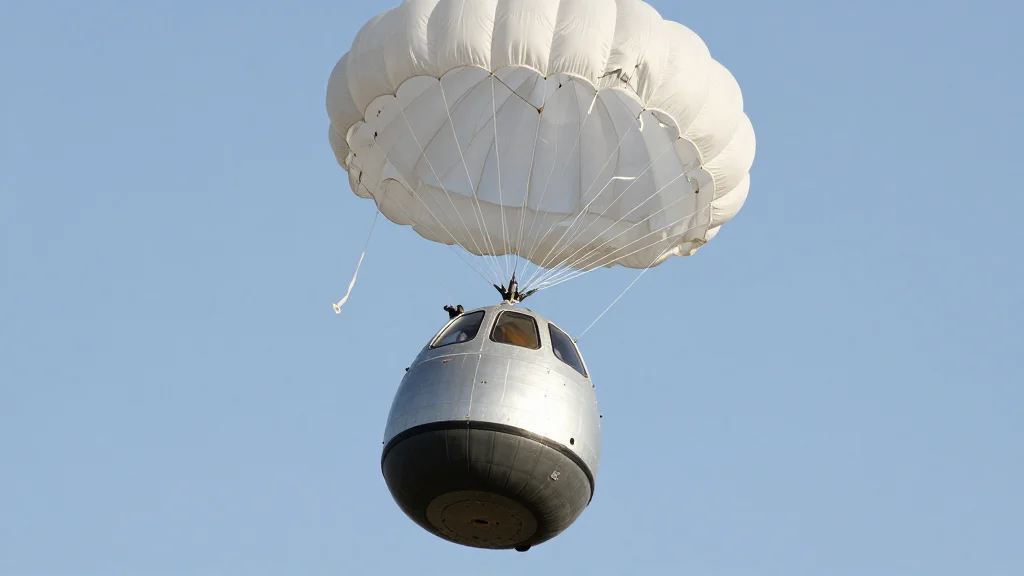
April 23, 1967: Soyuz 1 Suffers a Fatal Crash
Why It Matters
The Soyuz 1 disaster highlighted the dangers of rushed crewed missions, prompting sweeping safety reforms that shaped future spaceflight. It also intensified the Space Race, influencing both Soviet and U.S. approaches to astronaut protection.
Key Takeaways
- •Soyuz 1 crash killed Vladimir Komarov, first spaceflight fatality
- •Parachute malfunction caused capsule to hit ground at high speed
- •Mission proceeded despite known design flaws and political pressure
- •Disaster spurred extensive redesign of Soyuz and safety standards
Pulse Analysis
The Soyuz 1 flight unfolded against a backdrop of intense Cold‑War competition, where Soviet leadership prioritized a rapid demonstration of crewed capability. Engineers at OKB‑1 were aware of multiple design shortcomings—faulty attitude control thrusters, unreliable solar panels, and a problematic parachute system—but political pressure to outpace the United States led to the mission’s launch despite these red flags. Komarov, a seasoned test pilot, was acutely aware of the risks yet accepted the flight, embodying the era’s heroic yet perilous ethos.
When Soyuz 1 re‑entered the atmosphere, its main parachute failed to deploy fully, triggering a cascade of malfunctions that sent the capsule into a high‑velocity ground impact. The crash not only claimed Komarov’s life but also exposed systemic flaws in Soviet risk management. In response, the Soviet space agency instituted a rigorous review process, grounding subsequent flights until the Soyuz design was overhauled. The revamped Soyuz featured redundant parachute systems, improved structural integrity, and more thorough pre‑flight testing—changes that proved vital for the vehicle’s later success as a workhorse of crewed missions.
The legacy of Soyuz 1 extends beyond engineering lessons; it reshaped international perceptions of space safety. The disaster, occurring shortly after the Apollo 1 fire, underscored that both superpowers faced lethal hazards, prompting a broader industry shift toward safety culture and transparent reporting. Modern crewed programs, from NASA’s Artemis to private ventures like SpaceX, trace part of their safety protocols to the hard‑earned insights of early tragedies. Understanding Soyuz 1’s impact helps stakeholders appreciate the balance between ambition and prudence that defines today’s space exploration landscape.
April 23, 1967: Soyuz 1 suffers a fatal crash
Comments
Want to join the conversation?
Loading comments...