Scientists Focus on the Challenges of Working and Living in Outer Space
Why It Matters
Ensuring astronaut health is essential for the viability of permanent lunar bases and deep‑space missions, while innovations born in space can improve healthcare on Earth.
Key Takeaways
- •Radiation, microgravity, isolation degrade astronaut physiology
- •First ISS medical evacuation signals need for onboard care
- •Advanced tools aim for autonomous space surgeries
- •Space health research benefits remote Earth medical services
Pulse Analysis
Long‑duration missions expose crews to a suite of hazards that go beyond launch stresses. Continuous exposure to high‑energy radiation, the loss of gravity‑induced muscle and bone loading, and the psychological strain of isolation can lead to cardiovascular strain, sleep disruption, and musculoskeletal decline. As agencies like NASA and commercial partners push toward lunar outposts and eventual Mars voyages, understanding these physiological impacts becomes a prerequisite for mission success, prompting a surge in biomedical research focused on prevention, early detection, and in‑situ treatment.
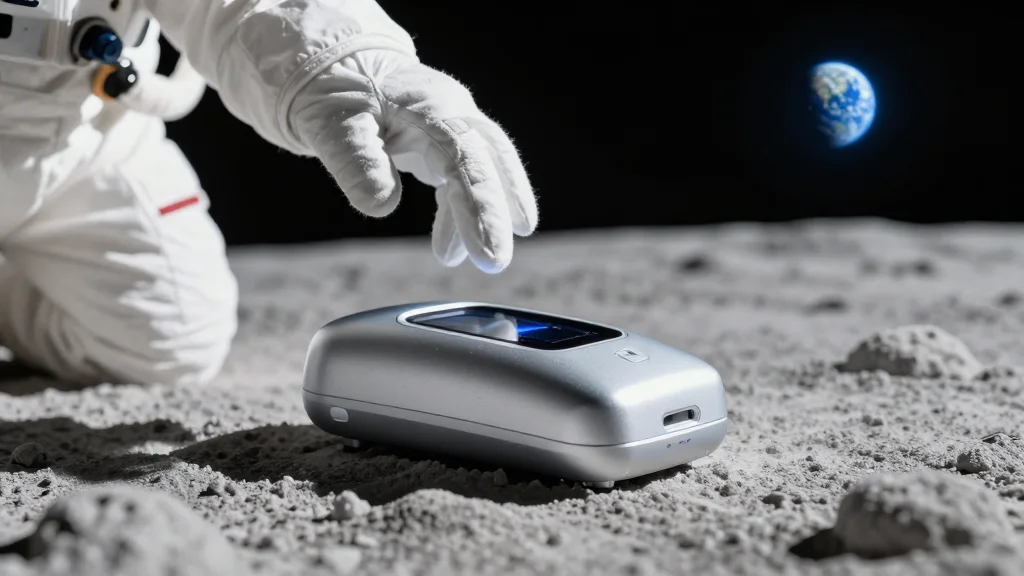
At the Ohio State conference, experts emphasized the need for autonomous medical capabilities far from Earth. Innovations under development include compact diagnostic devices, tele‑operated surgical platforms, and drug‑stability solutions that can endure extreme environments. Researchers are also engineering smart habitat systems that monitor air quality, microbial loads, and crew vitals in real time, enabling rapid response before conditions become critical. These technologies not only safeguard astronauts during emergencies but also lay the groundwork for a new generation of portable, resilient healthcare tools.
The ripple effects extend well beyond spaceflight. Technologies refined for the vacuum of space—such as miniaturized imaging, robust sterilization methods, and AI‑driven health analytics—are being adapted for remote clinics, disaster zones, and underserved regions on Earth. By investing in space health, governments and private firms are simultaneously bolstering global health security and fostering cross‑industry innovation. As the line between extraterrestrial and terrestrial medicine blurs, the next decade promises breakthroughs that will benefit both explorers and patients worldwide.
Scientists focus on the challenges of working and living in outer space
Comments
Want to join the conversation?
Loading comments...