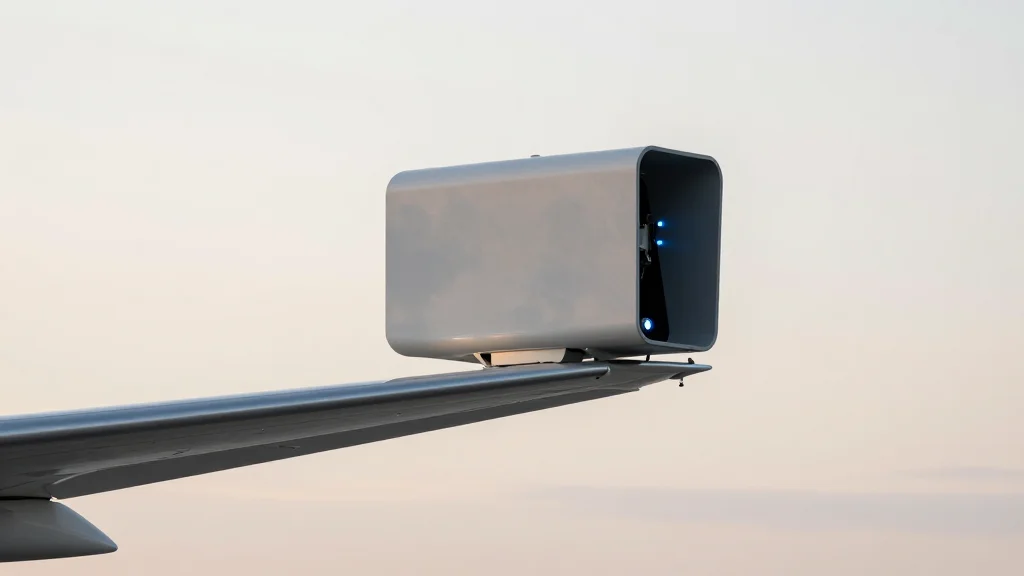
Intellian Details New Terminals for Aviation and WGS Network
Intellian Technologies unveiled two new satellite terminals at SATShow Week: the OW11FA, its first aviation‑focused flat‑panel terminal delivering up to 195 Mbps and sub‑100 ms latency on OneWeb’s Ku‑band network, and the ARC‑M4‑L24, a tactical flyaway system for Wideband Global Satcom (WGS) that combines X‑band and Mil Ka‑band capability. The aviation unit is a single‑module, self‑contained solution with an embedded modem, and Eutelsat has pledged type‑approval within three months. The ARC‑M4‑L24 features a 2.4 m reflector that breaks down into transport cases for rapid, tool‑free deployment. Both products signal Intellian’s push into high‑growth aviation and defense markets.
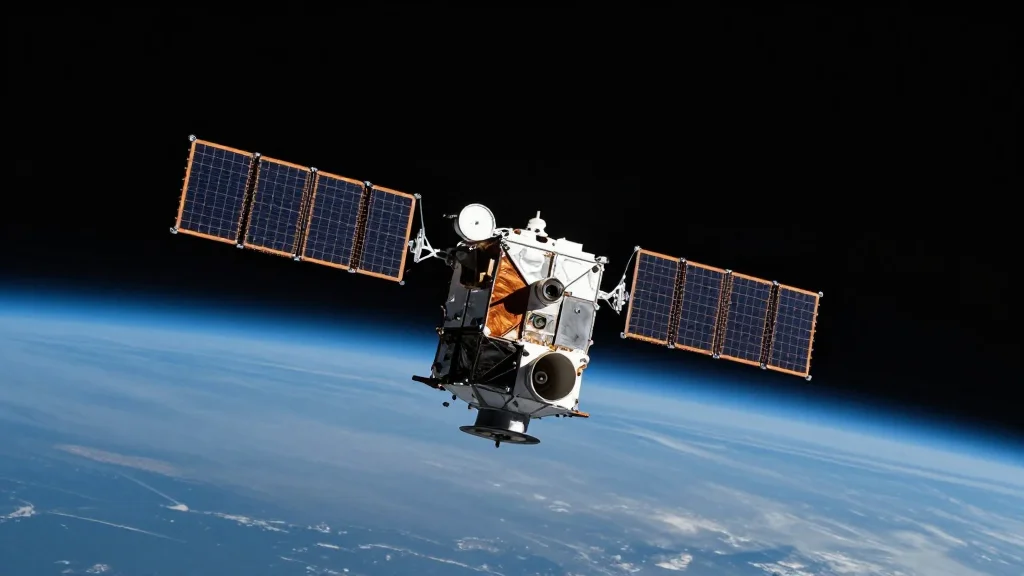
Eutelsat Retires GEO Satellite 139 West A to Graveyard Orbit
Eutelsat has decommissioned its geostationary communications satellite, Eutelsat 139 West A, after 22 years of operation. The spacecraft, launched in March 2004 on the Eurostar 3000 platform, was transferred to a graveyard orbit on April 12 following final orbit‑raising maneuvers....
Satellite Services for Maritime Organizations
In April 2026 the maritime satellite market reorganized into three distinct service layers—safety and compliance, operational broadband, and data‑visibility. The International Maritime Organization’s new digitalization strategy and VDES rollout push shipowners to buy layered packages rather than single‑network solutions. Larger fleets...

NASA Invests in Small Businesses Innovating for Space and Earth
NASA announced the selection of more than 30 small firms for its SBIR and STTR programs, committing roughly $16.3 million in seed funding. Fifteen companies received up to $150,000 each under the SBIR Ignite Phase I to prove concept feasibility, while seventeen...
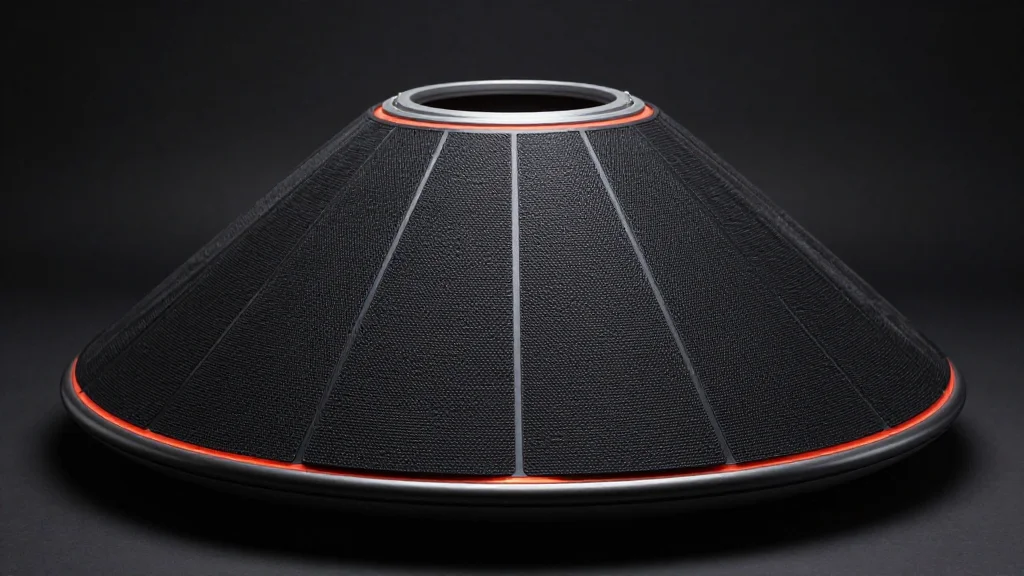
NASA on Track for Future Missions with Initial Artemis II Assessments
NASA’s Artemis II crewed test flight returned safely on April 10, 2026, and engineers have begun a deep‑dive into Orion, the Space Launch System (SLS) rocket, and launch‑pad data. Early assessments show the Orion heat shield performed as expected, with significantly less...
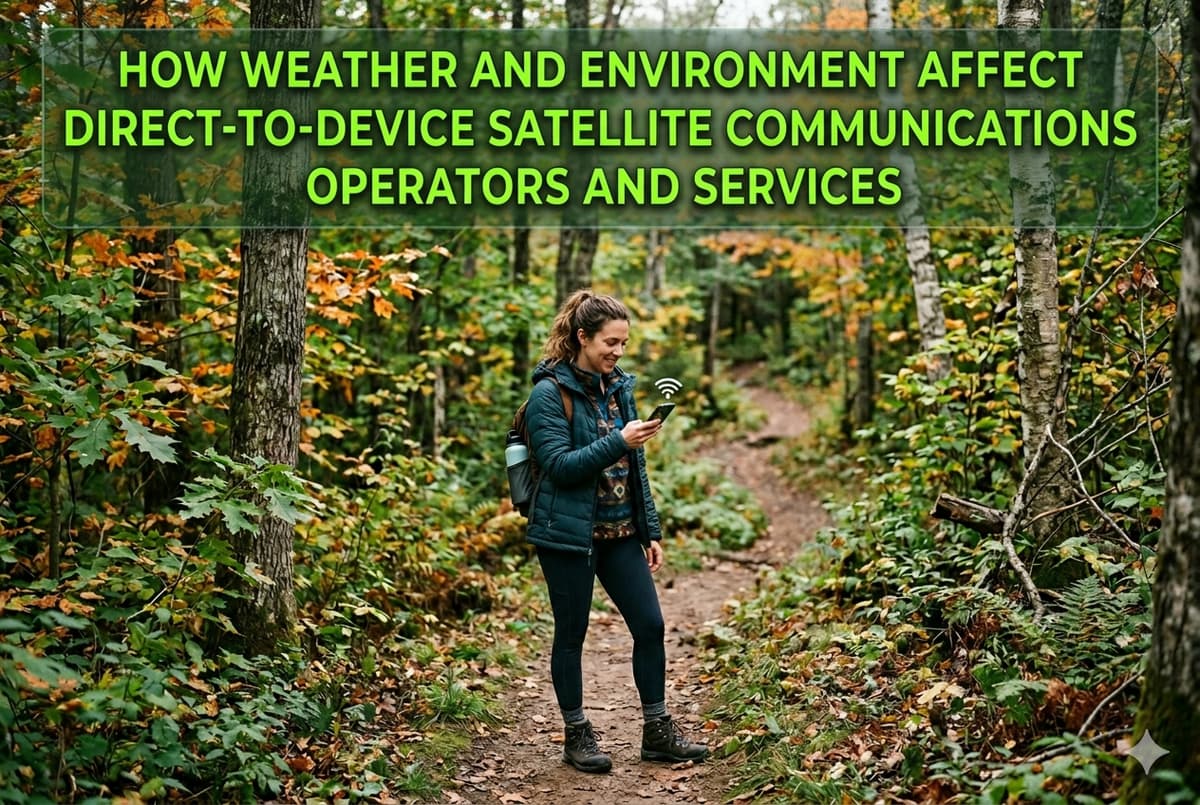
How Weather and Environment Affect Direct-to-Device Satellite Communications Operators and Services
Direct‑to‑device (D2D) satellite services let standard smartphones connect to LEO constellations without a dish, but weather and environment affect them far more than classic rain‑fade. T‑Mobile reported over 1 million users, 650 000 SMS and 200 emergency alerts during early‑2026 wildfires and...

Consumer Purchasing Guide for Satellite Broadband Services in the United States 2026
The April 2026 Consumer Purchasing Guide maps the U.S. satellite broadband landscape, which is now limited to three retail providers—Starlink, Hughesnet and Viasat. Starlink leads with low‑earth‑orbit latency, a broad catalog and month‑to‑month pricing, while Hughesnet relies on geostationary capacity and...

Business Purchasing Guide for Satellite Broadband Services in the United States 2026
The 2026 Business Purchasing Guide maps the U.S. satellite broadband market into two buying paths: a retail‑style self‑serve model for SMBs and a quote‑driven enterprise process. Starlink, Hughes and Viasat dominate the publicly priced segment, while SES, Eutelsat OneWeb, Iridium...

Persistent Engagement in Orbit and the Coming Shape of Space Conflict
A new paper by Clémence Poirier warns that the failure of multilateral space arms‑control could usher in a regime of “persistent engagement” in orbit, mirroring U.S. cyber doctrine. The concept envisions continuous, below‑threshold actions—shadowing, inspections, cyber intrusion, and electronic interference—to shape...

The Story of NASA’s Troubled Spacesuits…
NASA’s April 2026 OIG audit confirms the International Space Station still depends on the 1970s‑era Extravehicular Mobility Unit, with 203 spacewalks logged through March 2026. After years of in‑house development, NASA moved to the Exploration Extravehicular Activity Services (xEVAS) model,...

ISS National Lab Launches 2026 Orbital Edge Accelerator to Scale Space-Based R&D
The ISS National Laboratory has launched its 2026 Orbital Edge Accelerator, the second year of a program that pairs early‑stage startups with in‑orbit testing and private funding. The accelerator offers two tracks—Sentinel for space‑specific and dual‑use technologies, and Disrupt for...

SmallSat Europe Speaker Focus: Carsten Drachmann, GomSpace
GomSpace reported 441.8 million SEK (≈$48.6 million) revenue for 2025, a 72% jump and its first profitable full year as a public small‑sat maker. CEO Carsten Drachmann, a former Nokia executive, has re‑engineered the firm from a bespoke lab into an industrial‑scale serial producer,...
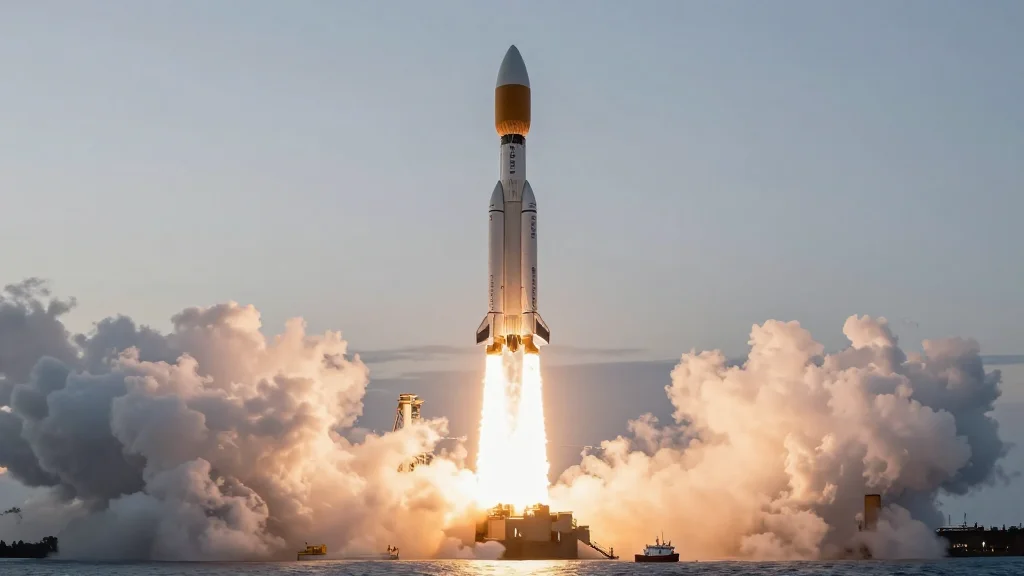
New Glenn Mission Falls Short, Raising Questions for NASA’s Artemis Plans
Blue Origin’s New Glenn rocket lifted off flawlessly on Sunday and its first‑stage booster touched down on a recovery barge in the Atlantic. However, the mission failed to place its commercial communications satellite into the intended orbit, marking a significant performance...
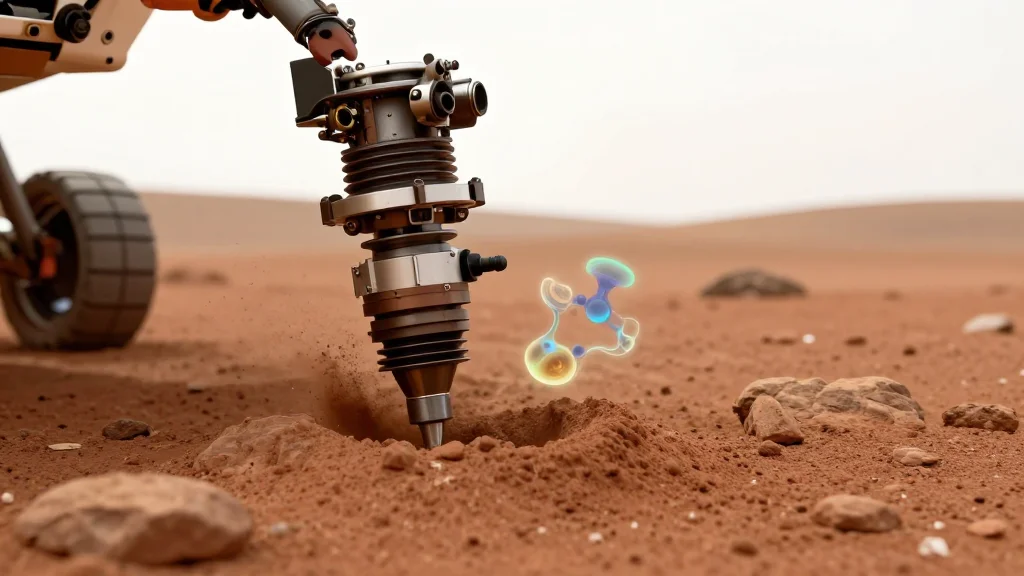
NASA’s Curiosity Finds Organic Molecules Never Seen Before on Mars
NASA’s Curiosity rover has identified a suite of organic molecules in Gale Crater that have never been observed on Mars before. The detection was made using the rover’s Sample Analysis at Mars (SAM) instrument during a 2025‑2026 drilling campaign. The...

RF-Design Launches FiberLink CompactLine FCLR1811S4 for Ground Segment Optimization
RF-Design GmbH unveiled the FiberLink CompactLine FCLR1811S4, a 1RU 19‑inch modular platform that merges RF‑over‑Fiber transmission and system monitoring. Designed for teleports, satellite earth stations and broadcast facilities, it handles frequencies up to 2.5 GHz and links up to 20 km. The...

Kymeta Chief Scientist Discusses Metamaterial Antenna Evolution and Orbital Sustainability
On April 21, 2026, Kymeta Chief Scientist Ryan Stevenson announced the company’s first antenna that simultaneously operates on Ku‑ and Ka‑band using metamaterial technology. The flat‑panel device employs holographic beam‑forming, eliminating moving parts and enabling rapid switching between LEO and...

Elon Musk’s SpaceX Endgame
Elon Musk’s SpaceX has asked U.S. regulators for permission to launch up to one million additional satellites, a move tied to his vision of orbital data centers that would harvest solar power for AI workloads. The plan coincides with a...

USSF Finalizes GPS III Constellation with Successful SV-10 Deployment
On April 21, 2026, the U.S. Space Force launched the SV‑10 mission aboard a SpaceX Falcon 9, marking the final satellite of the GPS III Block III modernization effort. The launch completed a ten‑satellite constellation that now totals 32 operational GPS III satellites, delivering...

The U.S. Must Defend the Final Frontier Against Cyberattacks
The United States faces a rapidly expanding cyber threat to its space assets as the orbital environment swells to roughly 17,000 satellites. Recent incidents, including the 2022 ViaSat breach and low‑cost interception of unencrypted signals, illustrate how adversaries can exploit...
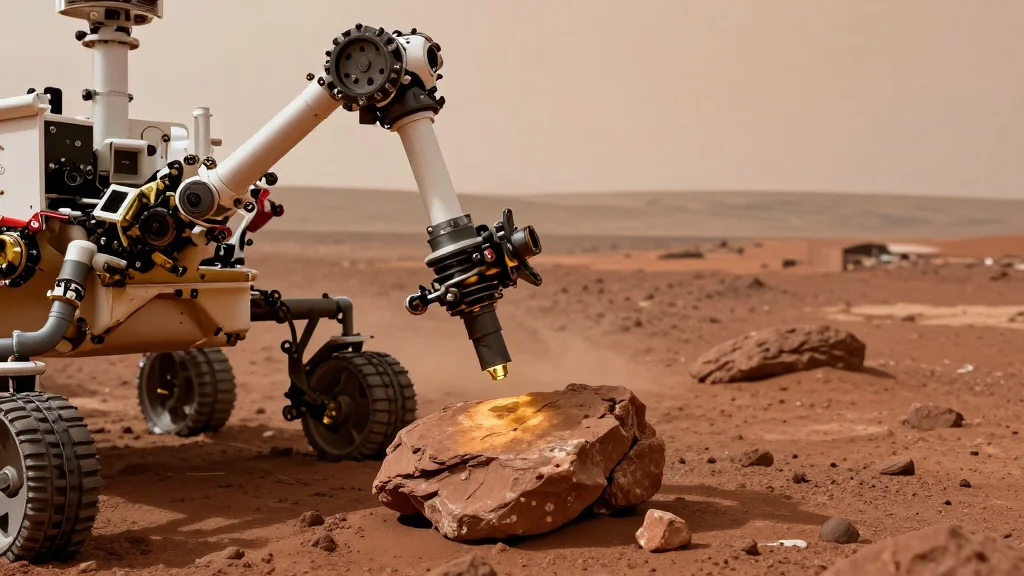
Curiosity Mars Rover: Life Associated Chemical Experiment Finding
NASA’s Curiosity rover has identified more than 20 distinct organic molecules within clay‑bearing sandstones at Glen Torridon in Gale crater. The detection was made using the Sample Analysis at Mars (SAM) suite, which performed a novel chemical experiment never before conducted...

Opportunities Beyond the Moon Opened by CLPS
NASA’s Commercial Lunar Payload Services (CLPS) program will launch monthly uncrewed lunar missions starting next year, opening a steady rideshare market for private space firms. Astroforge, an asteroid‑mining startup, says its $3.5 million deep‑space spacecraft could only reach its target by...

DISH Customers Can Now Get Starlink Internet for Just $50 a Month With Unlimited Data
DISH Network is now selling Starlink satellite internet for $50 a month with unlimited data, adding professional installation for its TV subscribers. The plan promises speeds up to 400 Mbps across most of the continental United States, targeting rural and underserved...

NordSpace Nets Canadian Defense Funding for VLEO Satellite Development
NordSpace secured a one‑year, CAD $183,000 (≈ $133,000 USD) contract from Canada’s Department of National Defence to advance very low Earth orbit (VLEO) satellite technologies. The funding targets the Kestrel constellation, which aims to deliver 10‑centimeter resolution imaging from altitudes below traditional low‑Earth...

Space Force Considers Using The Vulcan For Lower-Risk Missions
The U.S. Space Force is evaluating the United Launch Alliance Vulcan rocket for lower‑risk, lower‑mass missions, even though the vehicle remains grounded after a February 2026 launch anomaly that caused a spark and axial twist. Officials said the plan would...

NAB 2026: Cadena Tres Selects Eutelsat for Television Signal Distribution in Mexico
Cadena Tres, a division of Grupo Imagen, has signed a distribution agreement with satellite operator Eutelsat to carry its television signals on the EUTELSAT 117 West A satellite. The partnership places Cadena Tres in Eutelsat’s 117° West video neighbourhood, enabling content delivery to cable...
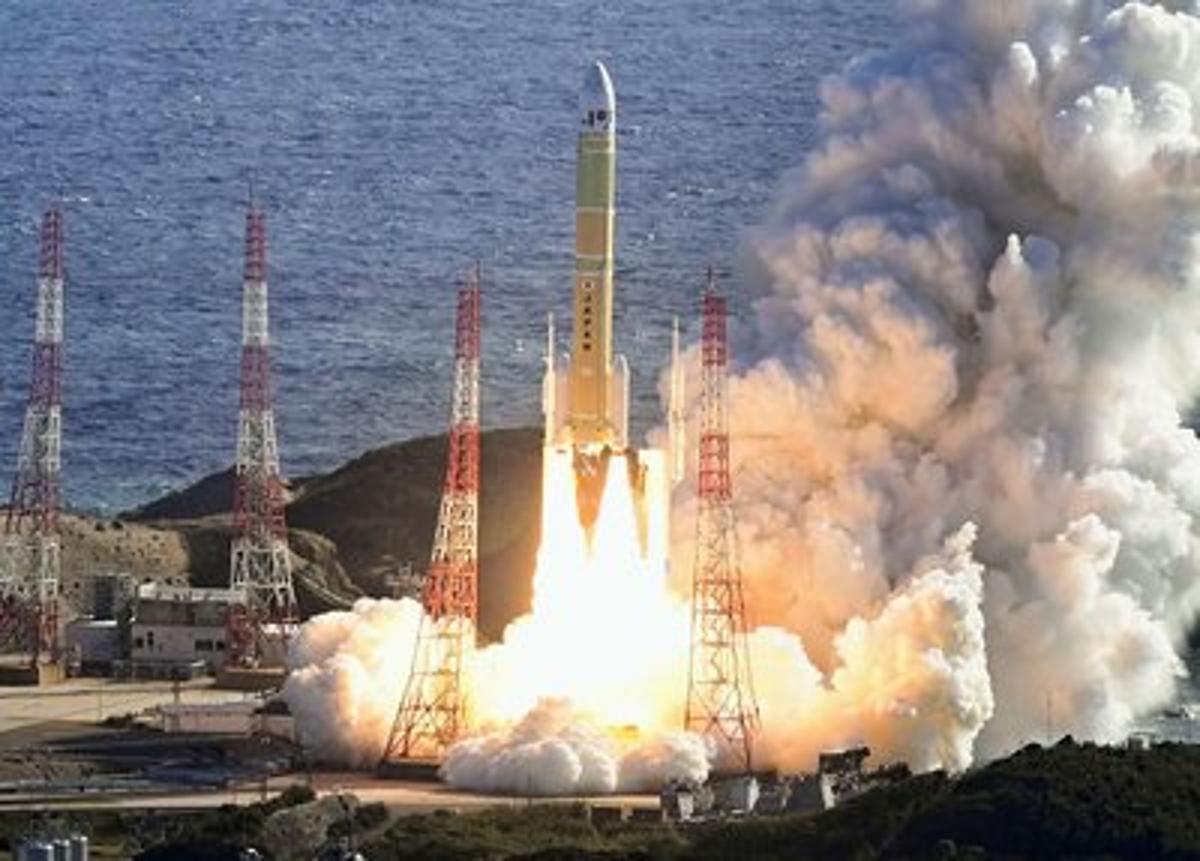
JAXA Mulls Launching H3 Test Rocket in June After Last Year's Failure
Japan's aerospace agency JAXA is weighing a June 10 test launch of its H3 rocket after a December 22 failure that broke the vehicle mid‑flight. The investigation pinpointed an adhesion problem in the satellite‑mounting structure, prompting repairs across affected components. The...

Curiosity Rover Finds Signs of Ancient Life on Mars
NASA’s Curiosity rover, using its Sample Analysis on Mars (SAM) suite, identified more than 20 organic compounds in clay-rich rocks at Glen Torridon, Gale crater. Among the detections were a nitrogen‑containing molecule resembling proto‑DNA and benzothiophene, a sulfur‑bearing compound linked...

Euclid Space Warps: Help Spot Galaxies Bending Spacetime
The Zooniverse‑hosted Space Warps project invites volunteers to hunt for strong gravitational lenses in new images from ESA’s Euclid telescope. In its first tiny slice of data, AI‑assisted citizen scientists uncovered 500 galaxy‑galaxy lenses, and the upcoming Data Release 1 will present...
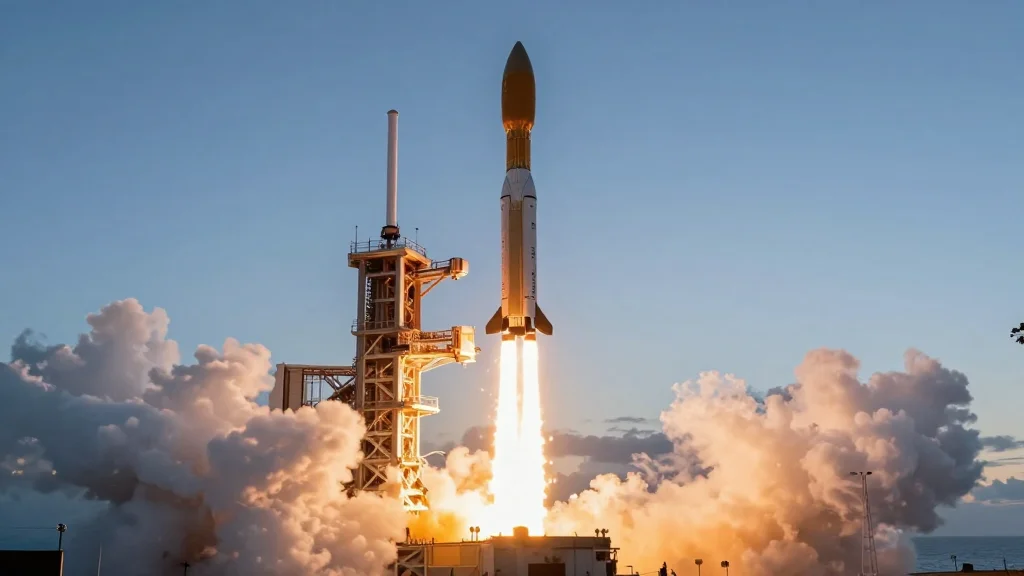
Two Launches by SpaceX
SpaceX conducted two Falcon 9 launches in the past 48 hours, deploying 25 additional Starlink satellites from Vandenberg and a GPS III satellite for the U.S. Space Force from Cape Canaveral. The first stage of the Vandenberg launch marked its eighth...

IPhone Video Shows 'Earthset' From Space
NASA astronaut Reid Wiseman posted an iPhone video from the Artemis II mission showing Earth set behind the Moon at 8× zoom. The clip is uncut, uncropped and matches the view of the human eye, according to Wiseman. The New York Times notes...
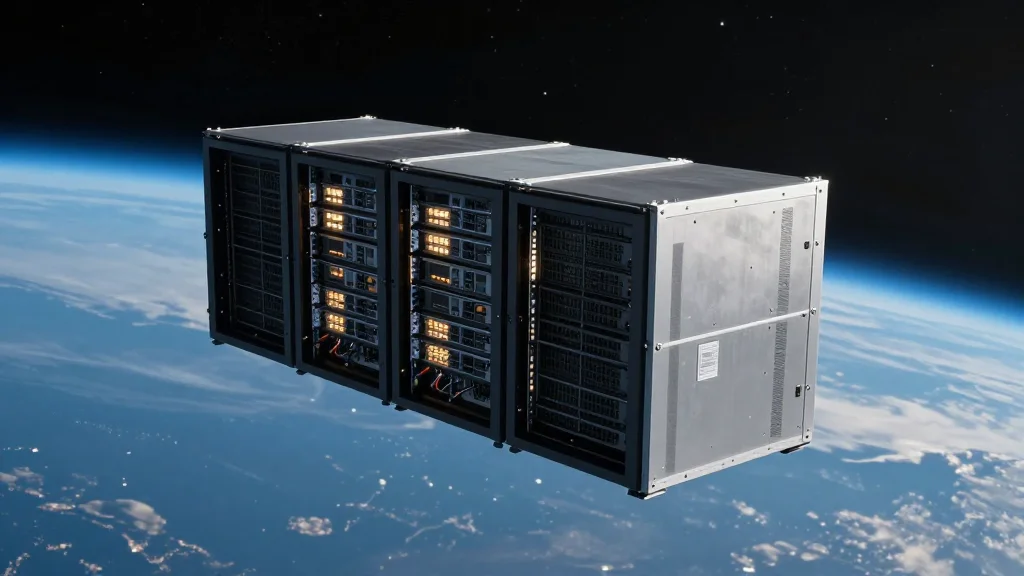
Economics of Orbital Data Centers Report: Part 1
Payload’s new report examines the economics of placing data centers in orbit as terrestrial infrastructure strains under rising power demand and cooling costs. It highlights that global data‑center electricity consumption could reach 500 TWh by 2030, while launch prices have dropped...

Chinese Launch Daqi-2 On Long March-4C Rocket
On April 17, 2026, China launched the Daqi-2 greenhouse‑gas detection satellite aboard a Long March-4C rocket from Jiuquan. Developed by the Shanghai Academy of Spaceflight Technology, the payload carries five advanced instruments, including lidar and hyperspectral sensors, and is the...
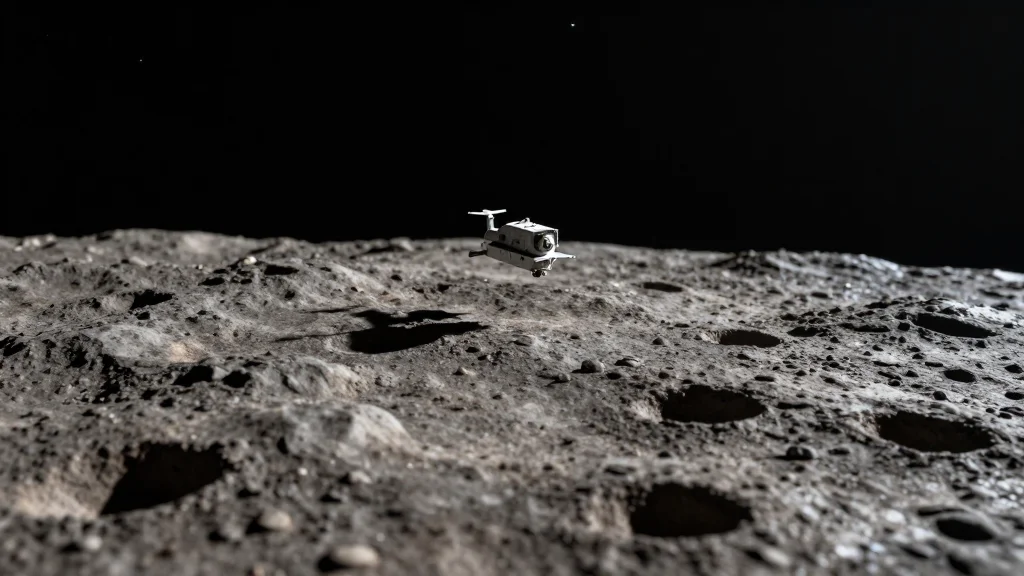
April 20, 2025: Visiting Asteroid Donaldjohanson
NASA’s Lucy spacecraft performed a secondary flyby of main‑belt asteroid 52246 Donaldjohanson on 20 April 2025, capturing a continuous time‑lapse from roughly 1,600 to 1,100 km. The high‑resolution L’LORRII images revealed a peanut‑shaped contact binary about 8 km long and 3.5 km wide, larger than...

Starlink Struggling for Approval on South Africa, India
Elon Musk’s Starlink service is stalled in South Africa because the country’s Black Economic Empowerment law demands a 30% black ownership stake, prompting the cancellation of service for 5,000 users while approvals linger. Musk has pledged roughly 2 million Rand (about...
Telecom News: MDA Space, OneWeb, Eutelsat, LG Innotek, Verizon
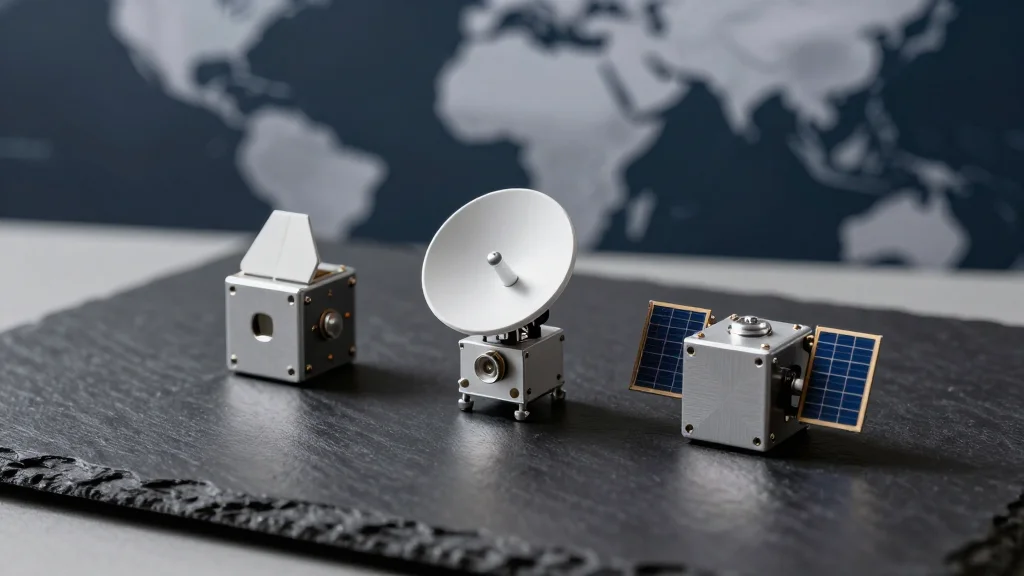
MDA Space secured a repeat Airbus contract to deliver more than 1,300 Ka‑band and Ku‑band antennas for OneWeb’s expanding low‑Earth‑orbit broadband constellation, now operated by Eutelsat. LG Innotek landed a $68 million deal to supply Wi‑Fi 7 automotive modules, promising three‑fold speed...
NASA IG Raises More Questions About Readiness for Human Lunar Landings
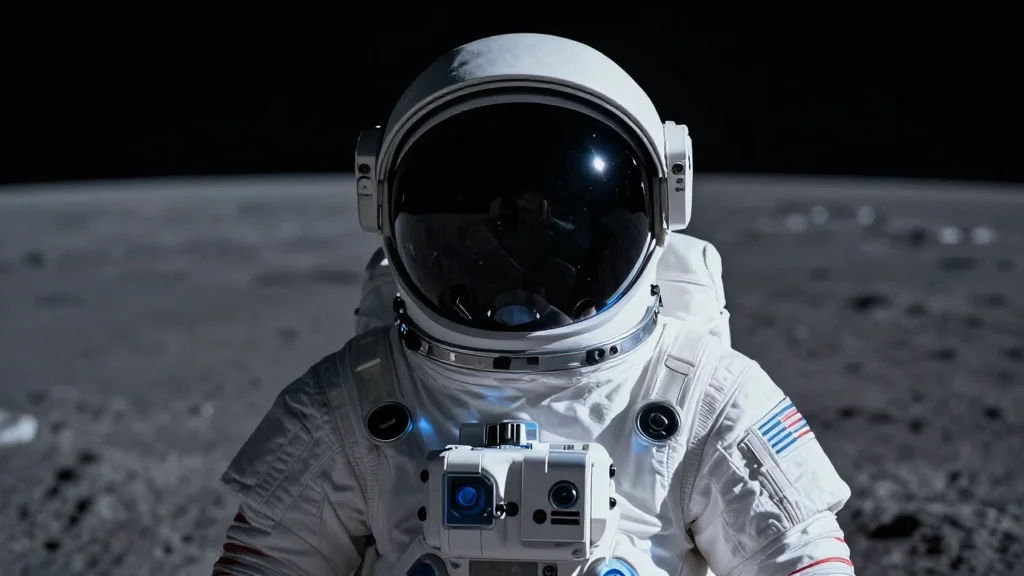
A NASA Office of Inspector General report warns that next‑generation spacesuits for Artemis and the International Space Station are unlikely to be flight‑ready until 2031, far past the agency’s 2028 lunar landing target. The review highlights Axiom Space as the...
Pentagon Cancels $6B GPS Ground System Contract
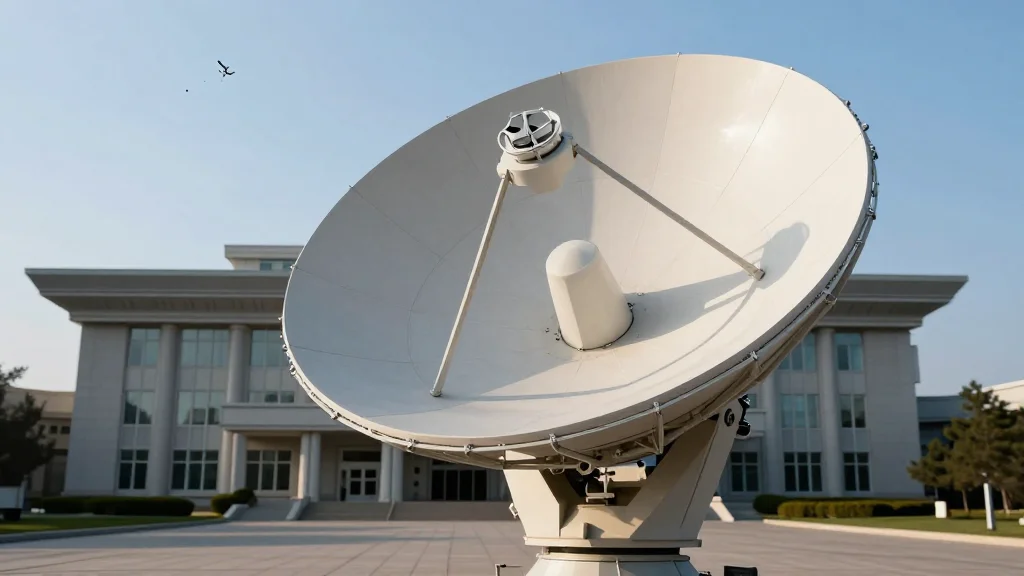
The Pentagon has terminated its $6.27 billion contract with RTX for the Next‑Generation GPS Operational Control Segment (OCX), a ground system meant to manage the modernized GPS III constellation. The program, launched 15 years ago, fell 10 years behind schedule and...
SpaceX Launches Final GPS III Satellite for the U.S. Space Force
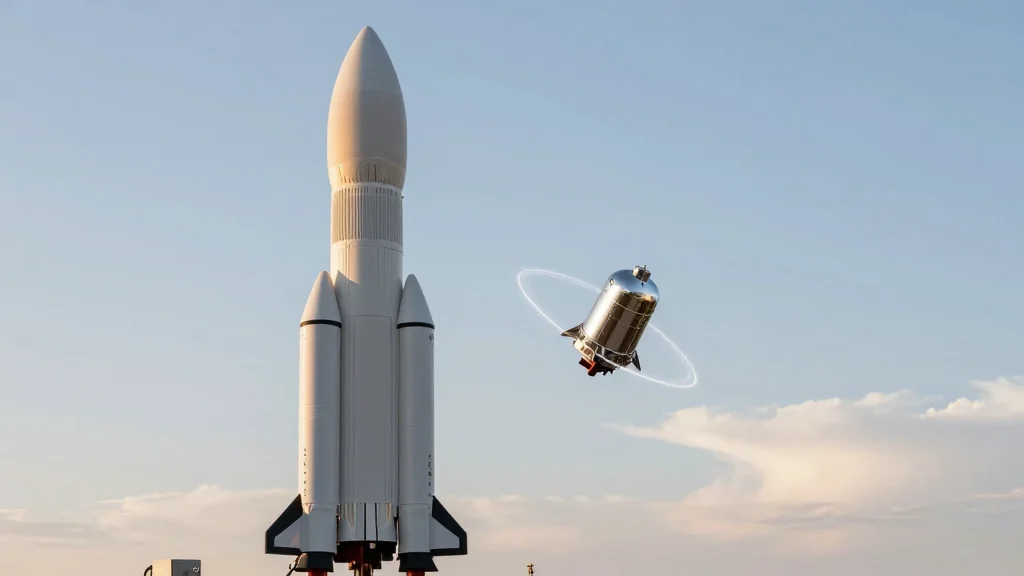
SpaceX successfully launched the final GPS III‑8 satellite, designated SV10 and named “Hedy Lamar,” for the U.S. Space Force on April 21, 2026. The Falcon 9 booster B1095, on its seventh flight, delivered the payload to medium‑Earth orbit and landed on the drone ship “Just...
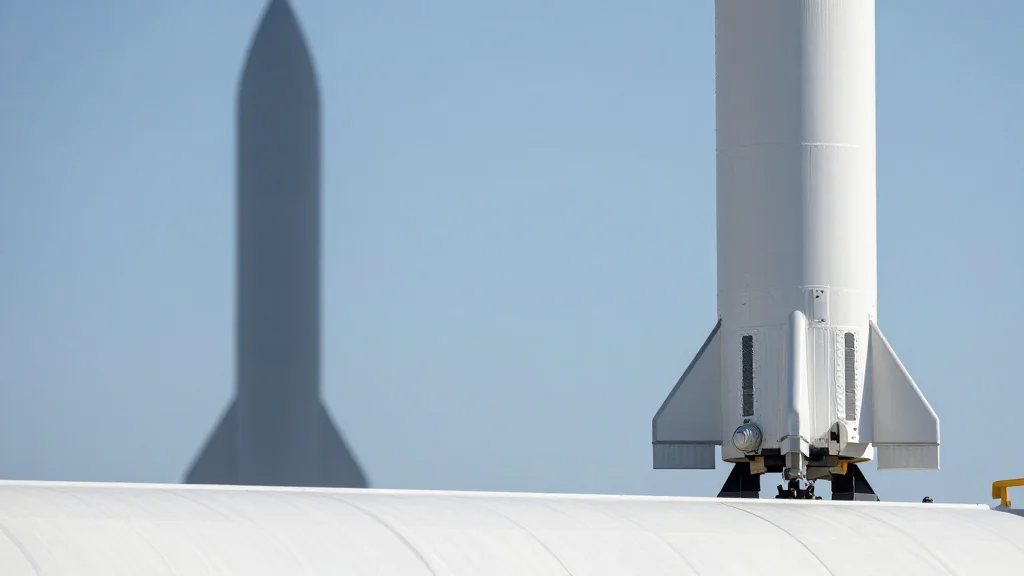
The New Glenn 3 Anomaly in Historical Perspective
Blue Origin’s New Glenn 3 (NG‑3) mission saw its first-stage booster land successfully, marking a milestone in reusability, but the upper stage failed to deliver the payload to orbit, leaving the satellite stranded. The anomaly has sparked social‑media speculation about...

India: IITs Advance Space Science and Global Research Partnerships
The Indian Institute of Technology Roorkee signed an MoU with the Uttarakhand Space Application Centre to deepen collaboration on space science, geospatial technology, climate and disaster management. Simultaneously, IIT Delhi entered a partnership with the University of Liverpool to pursue...

USSF Objective Force 2040 And USAF Satellite Purchases: What It Means For Europe
At Space Symposium 2026 the U.S. Space Force released its Objective Force 2040 roadmap, while the Air Force announced a shift to multi‑year satellite procurement contracts. The new acquisition model aims to cut costs and give manufacturers longer‑term certainty. Objective...

Meink: Space Force Programs Ready to Execute Once FY27 Budget Lands
At Space Symposium 2026, Secretary of the Air Force Troy Meink announced that a slate of Space Force programs, including the AMTI rapid‑development effort, are fully funded‑ready and will move forward once FY27 budget authority is received. The department is standardizing acquisition...

‘Earthset’ Is Captured on Video for First Time
Astronaut Reid Wiseman captured the first video of Earth setting behind the Moon during NASA’s Artemis II mission, using an iPhone. The 53‑second clip, posted online, quickly went viral, garnering 11 million views by Monday morning. The footage offers a rare perspective...
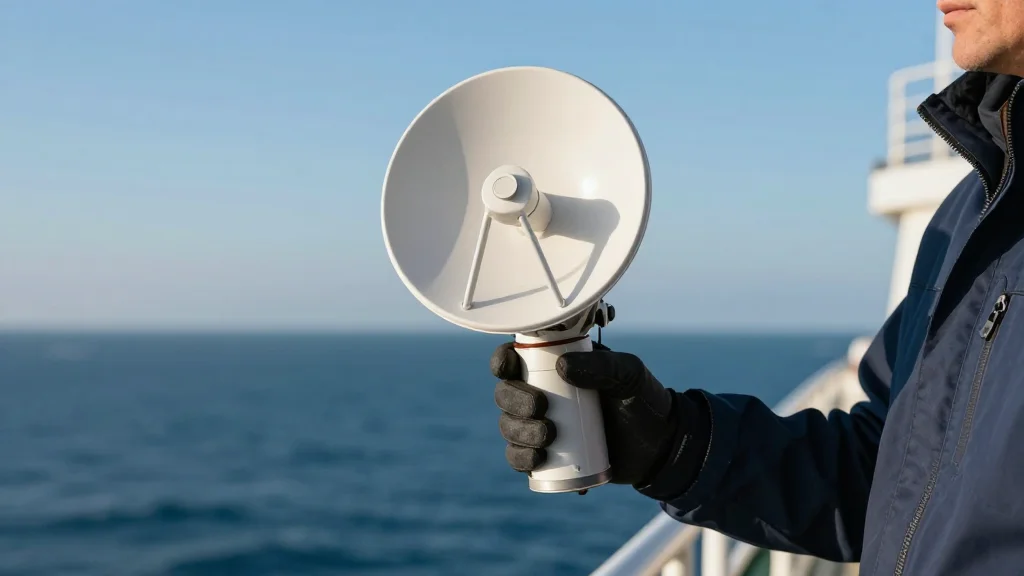
Ovzon Launches New Mobile Terminal in Small Form Factor
Swedish satellite operator Ovzon unveiled the T8, an ultra‑compact mobile satellite terminal measuring 7.3 × 5.1 inches and weighing 4.6 lb, the smallest in its class. Despite its size, the device delivers up to 6 Mbps uplink and 96 Mbps downlink and runs on low power....
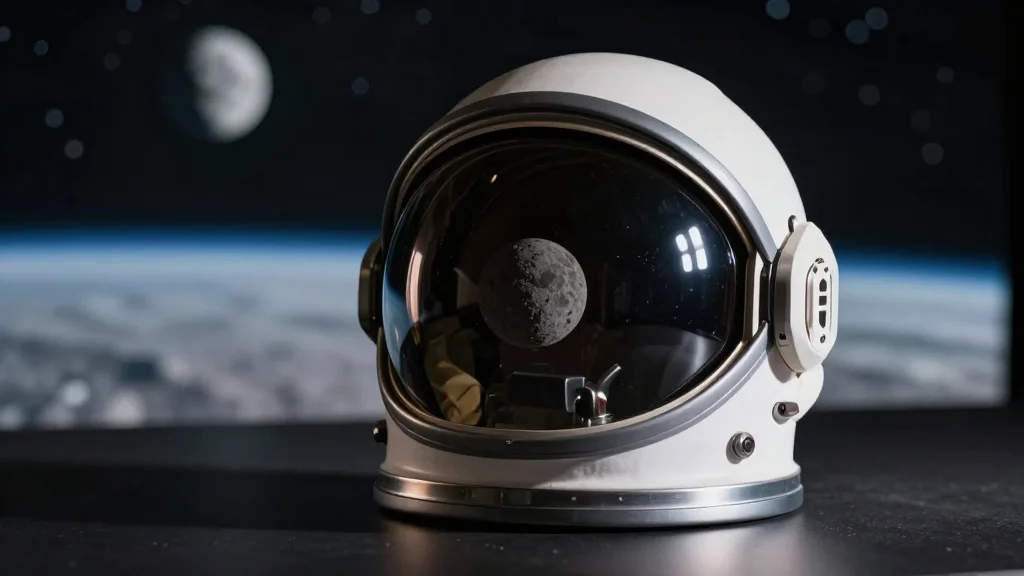
NASA’s IG: With only Axiom Building NASA’s Future Spacesuits, the Agency’s Lunar Program Faces Great Scheduling Risk
NASA’s inspector general warned that the agency’s next‑generation lunar spacesuit program hinges on a single contractor, Axiom, creating a significant scheduling risk for Artemis. The report notes that NASA has not yet established standard suit requirements, limiting the ability to...

Sat-Lite Technologies Adds Richard Rader to Spearhead Sales Expansion
Sat‑Lite Technologies announced the hiring of veteran satellite executive Richard Rader to spearhead its sales expansion into multi‑orbit communications and electronic warfare markets. Rader brings more than three decades of experience from roles at Radiation Systems, Convergent Media Systems and...
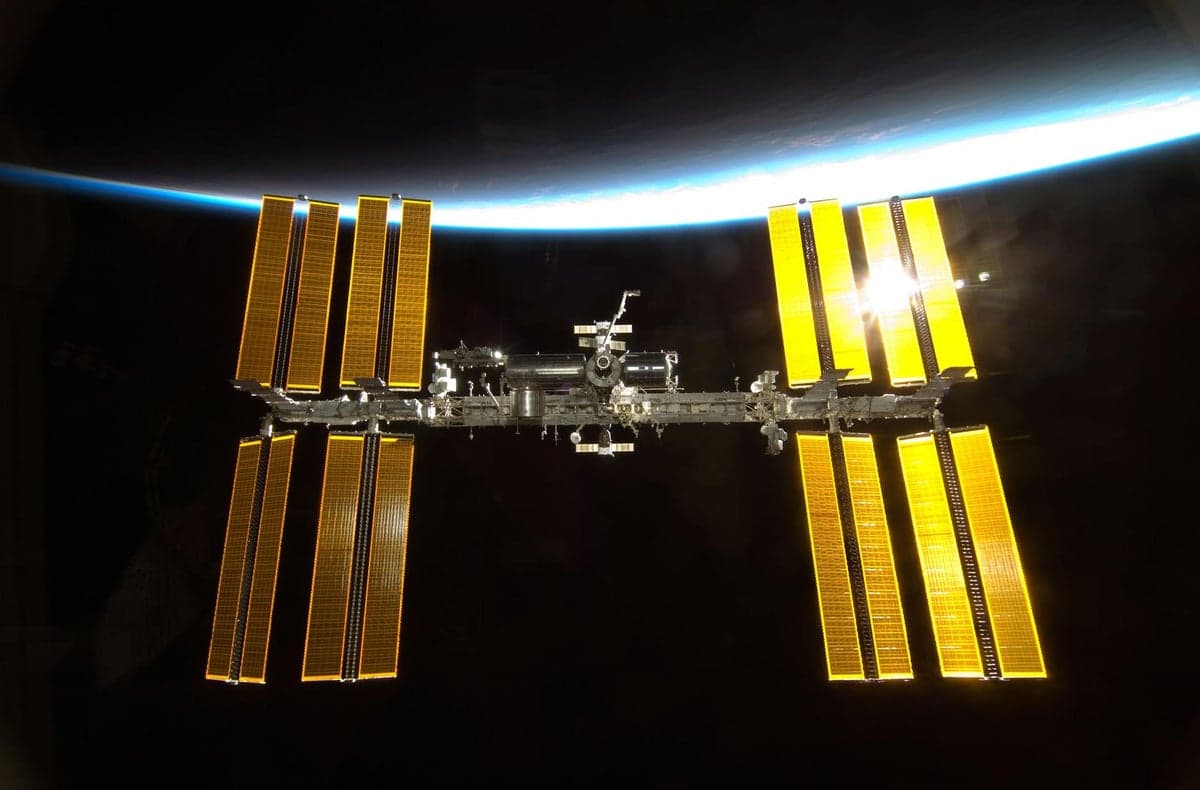
Astronauts’ Brains Don’t Fully Adapt to Life in Microgravity, New Study Finds
A new Journal of Neuroscience study of 11 International Space Station crew members shows astronauts grip objects up to 20% tighter and move about 15% slower in microgravity, indicating the brain does not fully recalibrate to weightlessness. Grip strength and...

Canadian Strategic Missions Corporation Takes One Small Step to Support Life on the Moon
Canadian Strategic Missions Corp (CSMC) secured $1.2 million CAD (≈$876 K USD) in federal grant to scale its nuclear micro‑reactor, and a $400 K CAD (≈$292 K USD) prize for its LunaPure lunar‑water purification system. The funding is part of NGen’s $63 million CAD (≈$46 million...
AST to De-Orbit Satellite After Failed Launch
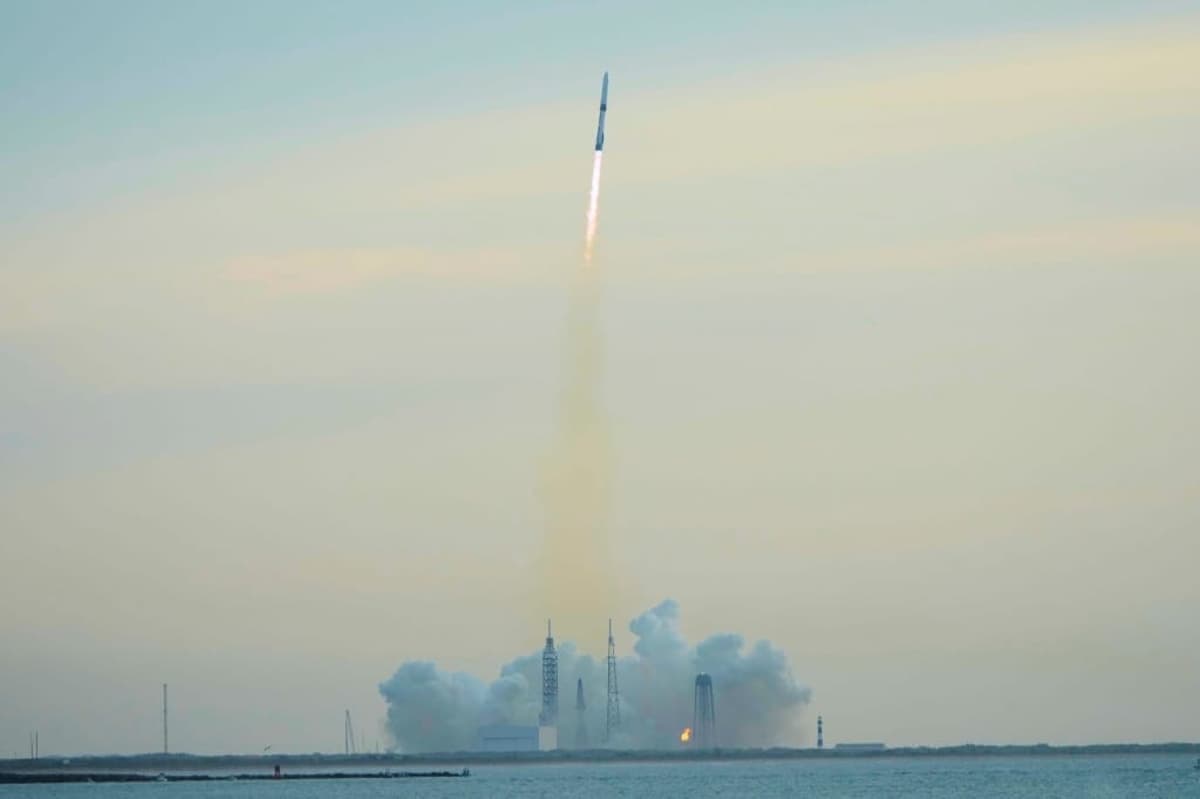
AST SpaceMobile announced that its BlueBird satellite, launched on Blue Origin’s New Glenn rocket, failed to reach a usable orbit and will be de‑orbited. The company expects the satellite’s cost to be recovered through its insurance policy. The Federal Aviation Administration...

How Do Astronauts Adapt Their Grip and Move Objects when Transitioning Between Earth and Space?
A new study in the Journal of Neuroscience examined how astronauts adjust hand grip when moving between Earth’s gravity and microgravity. Researchers found that even after months in space, the brain’s internal model of gravity causes astronauts to over‑compensate their...