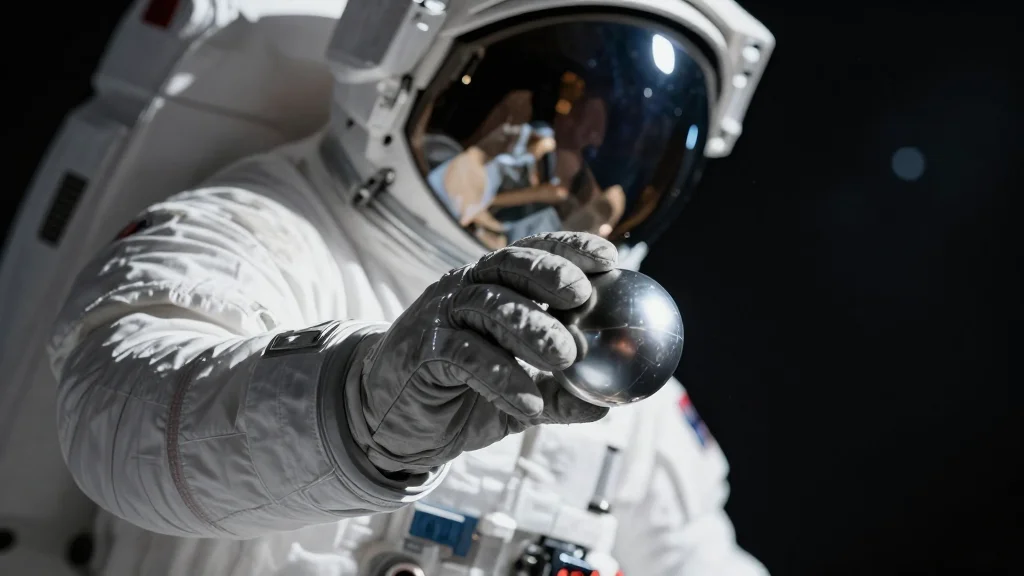
How Do Astronauts Adapt Their Grip and Move Objects when Transitioning Between Earth and Space?
Why It Matters
Understanding how gravity shapes grip strategies is critical for astronaut safety, tool design, and training as commercial and deep‑space missions expand.
Key Takeaways
- •Astronauts over‑compensate grip strength in microgravity
- •Brain retains gravitational priors after months in space
- •Grip errors on return to Earth correct gradually
- •Findings inform astronaut training and robotic assistance
- •Research spans two decades of data collection
Pulse Analysis
The study led by Philippe Lefèvre reveals that the human brain carries a persistent "gravitational prior"—a predictive model of how objects should behave under Earth’s pull. In microgravity, this model leads to an over‑compensation of grip force, causing astronauts to grasp objects more tightly than necessary. The effect is most pronounced during dynamic movements, where inertia can send objects drifting if the grip is not steady. By documenting these neural adjustments, the research underscores the brain’s remarkable plasticity while also exposing a source of inefficiency that can affect mission performance.
For space agencies and private operators, the findings have immediate practical implications. Training protocols can now incorporate targeted sensorimotor drills that deliberately counteract the brain’s gravity‑based expectations, accelerating the re‑adaptation period after landing. Tool designers can also leverage this insight by creating handles and surfaces that provide tactile cues, reducing the need for excessive grip and minimizing fatigue. Moreover, the data support the development of robotic assistants that anticipate human grip errors, enhancing collaborative tasks on the International Space Station and future lunar habitats.
Looking ahead, the research opens avenues for longer‑duration missions where sustained microgravity exposure may deepen the neural imprint. Ongoing studies will explore point‑to‑point movement accuracy, collision responses, and the role of skin friction in grip modulation. As commercial spaceflight democratizes access to orbit, translating these neuroscientific insights into user‑friendly training modules and adaptive equipment will be essential for both astronaut health and mission success.
How do astronauts adapt their grip and move objects when transitioning between Earth and space?
Comments
Want to join the conversation?
Loading comments...