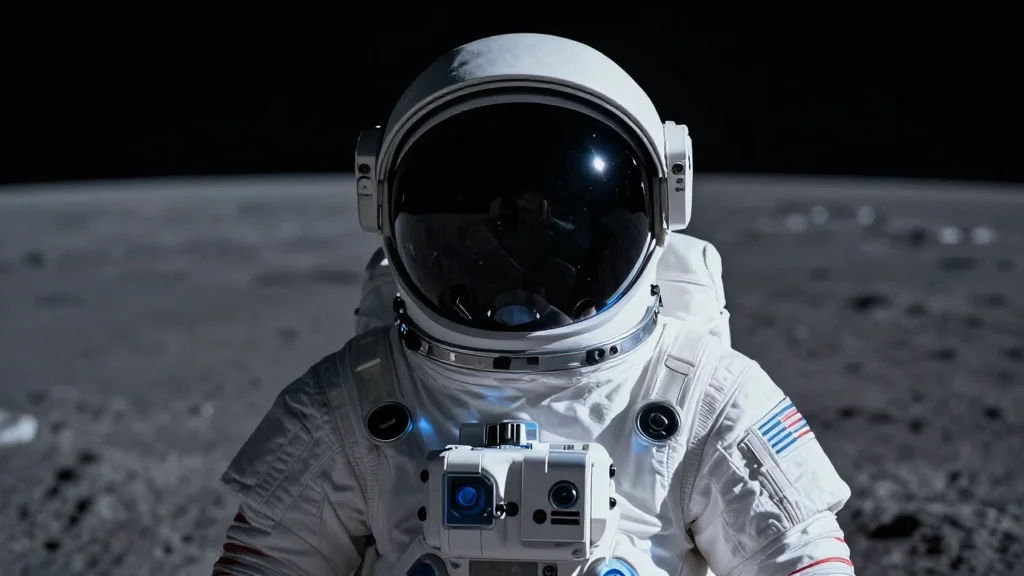
NASA IG Raises More Questions About Readiness for Human Lunar Landings
Why It Matters
Delayed suit certification jeopardizes the 2028 Artemis landing, threatens U.S. leadership in lunar exploration, and could increase program costs and schedule overruns.
Key Takeaways
- •OIG predicts Artemis and ISS suit demos delayed to 2031.
- •Axiom sole provider after Collins exit, faces design and testing delays.
- •Fixed‑price contracts restrict NASA’s flexibility to address schedule overruns.
- •Suit interface mismatch may force Blue Origin to redesign lander airlock.
- •$350 million Axiom financing still falls short of 2028 lunar landing timeline.
Pulse Analysis
The latest NASA Inspector General report shines a spotlight on a less‑publicized but equally critical component of the Artemis program: the spacesuits astronauts will wear on the Moon and aboard the ISS. While the agency has made headlines for its ambitious Human Landing System contracts, the OIG found that both lunar and ISS suit demonstrations, originally slated for 2025‑2026, are now projected for 2031. This delay stems from design complexities, extensive testing requirements, and a historical average of schedule slips in comparable spaceflight programs. The report underscores that the current fixed‑price, service‑based procurement model leaves little room for corrective action once delays emerge.
Axiom Space now holds the exclusive contract for both lunar and ISS suits after Collins Aerospace withdrew, citing an inability to meet the agreed schedule. Although Axiom secured $350 million in financing and passed a contractor‑led technical review, the OIG notes that supply‑chain risks and a divergent suit‑interface design could force Blue Origin’s Blue Moon MK2 lander to undergo costly airlock redesigns. The lack of a common standards framework threatens interoperability and could fragment the Artemis ecosystem, reducing competition and inflating costs. The report recommends that NASA solicit broader industry input and establish clear interface standards to preserve flexibility.
The broader implication for U.S. space policy is stark: without timely suit certification, the 2028 Artemis III lunar landing—intended to re‑establish American presence on the Moon before China—faces a realistic postponement. Delays could ripple through downstream commercial opportunities, from lunar habitats to in‑space manufacturing, and may necessitate additional congressional funding to keep the program on track. Stakeholders are watching closely as NASA balances accelerated development with safety, budget constraints, and the geopolitical imperative to maintain leadership in deep‑space exploration.
NASA IG Raises More Questions About Readiness for Human Lunar Landings
Comments
Want to join the conversation?
Loading comments...