
Senators Seek Increased Funding for NASA Mars Missions
Senators are urging the Senate Appropriations Committee to allocate at least $400 million to NASA’s Mars Future Missions account for FY 2027, warning that the $110 million provided in FY 2026 is insufficient and could cause irreversible damage to U.S. Mars capabilities. NASA’s own FY 2027 request mirrors the $110 million figure, shifting focus to lower‑cost science missions rather than the technology needed for a Mars Sample Return. The push comes as the administration proposes a 47% cut to NASA’s overall science budget, threatening dozens of missions and U.S. leadership against a rising Chinese program. Industry players such as Lockheed Martin claim they can deliver a sample‑return architecture for under $3 billion, underscoring the urgency of stable funding.

Report: OCI TerraSus Of Malaysia And SpaceX In Talks For Polysilicon Supply
OCI TerraSus, the Malaysian arm of South Korea's OCI Holdings, is reportedly in multi‑year talks with SpaceX to supply high‑purity solar‑grade polysilicon. The material is essential for both solar panels and the semiconductor components SpaceX plans to develop as it...
Lonestar Expands Launch Plans for Orbital Data Storage Payload
Lonestar announced the launch date for StarVault, the first commercially operational space‑based sovereign data storage platform, targeting an autumn 2026 debut on Sidus Space’s LizzieSat‑4 mission. Growing demand from governments, banks and critical‑infrastructure firms prompted Lonestar to double its payload commitment,...
Amazon Satellite Deal Takes the Battle of the Billionaires Into Orbit
Amazon secured a multi‑year, roughly $1.5 billion launch contract with SpaceX to deploy its Project Kuiper broadband satellites, marking a decisive step toward commercial service. The agreement covers up to 1,000 launches over the next decade, enabling Kuiper’s planned constellation of...

Canadian Strategic Missions Corporation Awarded $400K in Aqualunar Challenge
The Canadian Space Agency, together with Impact Canada, awarded Toronto‑based Canadian Strategic Missions Corporation (CSMC) a $400,000 grand prize in the Aqualunar Challenge. CSMC’s winning concept, LunaPure, is a self‑sustaining system that filters raw lunar ice and produces drinkable water....

SmallSat Europe Speaker Focus: Col. Marcin Mazur, Polish Space Agency
Poland’s nascent space sector recorded its first profitable year in 2026, buoyed by a surge in defense procurement and a ten‑fold rise in ESA contributions. The growth is overseen by Col. Marcin Mazur, POLSA’s Vice‑President, who brings a military‑intelligence background to...

Artemis II Quiz: Is Your Knowledge of NASA's Historic Moon Mission Out of This World?
NASA’s Artemis II mission marked humanity’s first crewed lunar flyby in over five decades, completing a ten‑day Orion flight that looped around the Moon and returned safely to Earth. The crew of four, including Canada’s Jeremy Hansen, tested critical life‑support, navigation...

What Can Space Lasers Do for Business Broadband?
NASA’s Laser Communications Relay Demonstration (LCRD) achieved a 1.2 Gbps laser link from the International Space Station, showcasing speeds ten times faster than typical broadband. The same laser technology later enabled the Artemis II mission to transmit 4K video at 260 Mbps from...
SpaceX Launches Two Starlink Missions 19 Hours Apart
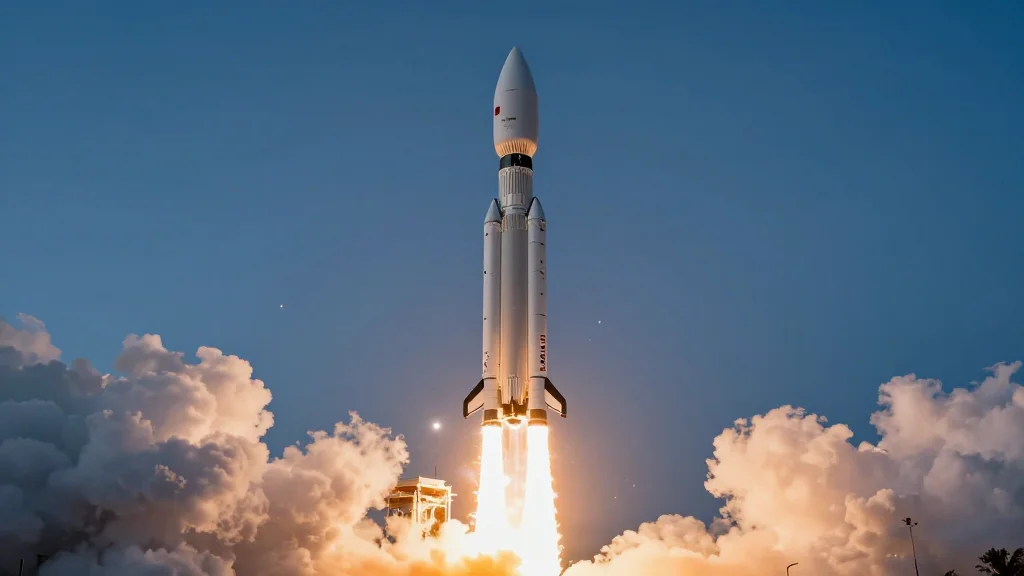
SpaceX conducted two Starlink missions on April 14, launching Falcon 9 rockets from Cape Canaveral and Vandenberg within a 19‑hour window. Both flights were successful, deploying dozens of broadband satellites into low‑Earth orbit. The back‑to‑back launches underscore SpaceX’s ability to...

Amazon Buys Globalstar Satellite Constellation
Amazon has finalized an $11 billion acquisition of the Globalstar satellite constellation, bringing the operator that powers Apple’s iPhone Emergency SOS feature under its Leo internet‑satellite umbrella. The deal secures a new fleet of low‑Earth‑orbit satellites, valuable mobile spectrum, and a high‑profile...

Why Amazon Is Buying Globalstar—And What It Means for Your iPhone
Amazon announced a $11.57 billion acquisition of Globalstar, securing low‑Earth‑orbit spectrum and satellite assets for its Project Leo network. The deal gives Amazon direct‑to‑device connectivity capabilities and a partnership with Apple to power emergency SOS features on iPhones and Apple Watches. Globalstar’s...
New Image Shows Ash Creeping Across Mars
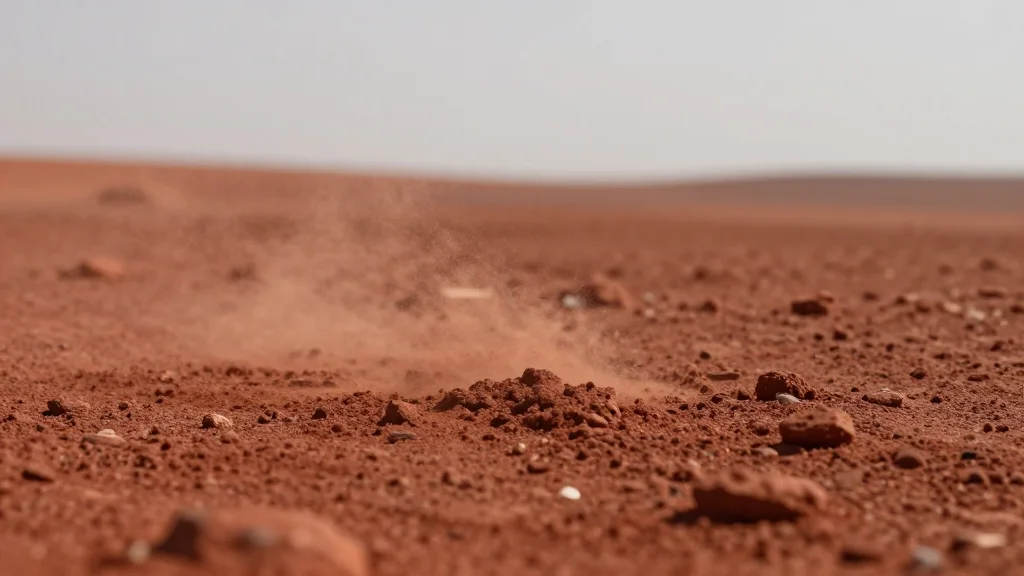
The European Space Agency released a new high‑resolution image from its Mars Express orbiter that shows ash creeping across the Martian surface. The photo captures fine, dark deposits moving downstream of a suspected volcanic vent, suggesting either recent volcanic activity...
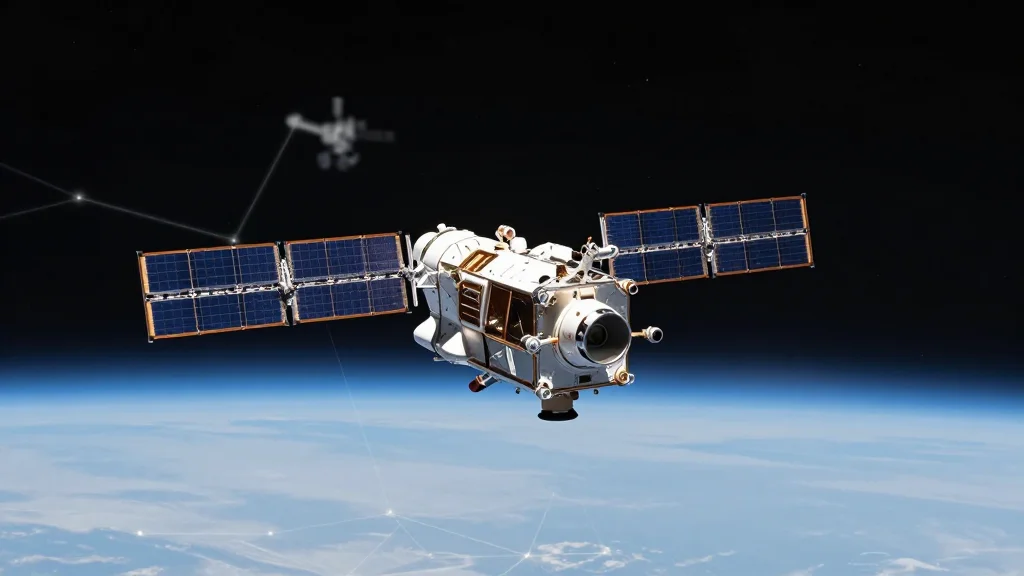
Defense Firms Target Next Phase of Space Warfare With Agile Satellite Designs
U.S. defense giants BAE Systems and Lockheed Martin are ramping up internal investments in maneuverable satellite designs. At the Space Symposium each company outlined plans to fund and launch demonstration spacecraft that can maneuver on‑orbit, shadow other assets, and operate...

Interstellar Invader 3I/ATLAS Is Spraying Tons of Water Into Space Every Second. Jupiter-Bound Spacecraft JUICE Discovers
The European Space Agency’s Jupiter Icy Moons Explorer (JUICE) has measured the interstellar comet 3I/ATLAS ejecting roughly two tons of water vapor each second—equivalent to 70 Olympic‑size swimming pools per day. The detection was made with JUICE’s MAJIS spectrometer and...
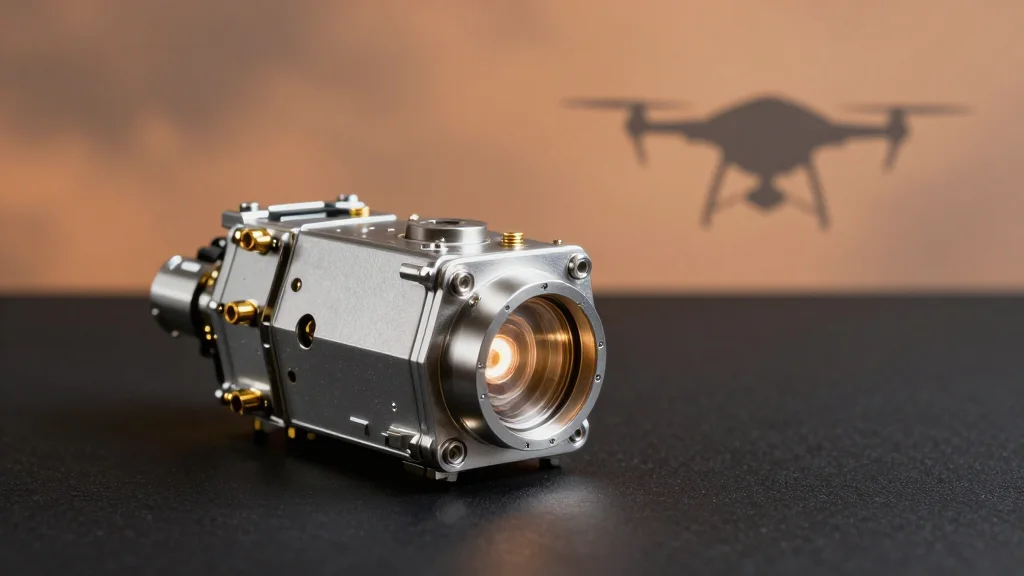
Advanced Gamma-Ray Spectrometer Delivered for NASA’s Dragonfly Mission to Explore Titan
Lawrence Livermore National Laboratory has handed over an Advanced Gamma‑Ray Spectrometer to NASA for the Dragonfly mission, the first rotorcraft lander destined for Saturn’s moon Titan. The instrument, weighing less than 5 kg, is engineered to survive Titan’s extreme cold and...

2026 NSTA Hyperwall Schedule
NASA will host a three‑day Hyperwall showcase at the NSTA conference from April 16‑18, 2026, located at Booth #1265 in the exhibit hall. The agenda features 20+ expert‑led sessions covering space weather, 5E StoryMaps, Earth‑observing data, the NISAR satellite, and flagship...

NASA Shifts Focus to Permanent Lunar Base and Nuclear Propulsion
NASA Administrator Jared Isaacman announced the "Ignition" initiative, redirecting resources from the Gateway station to build a permanent lunar south‑pole outpost by 2030. The plan also includes launching the SR‑1 Freedom, the first nuclear‑powered interplanetary spacecraft, slated for 2028 with...

Go Behind the Scenes of NASA's Artemis 2 Moon Mission with NOVA's 'Return to the Moon' Documentary Tonight (Interview)
NASA’s Artemis 2 mission returned safely to Earth last week, marking the first crewed flight of the program. PBS’s science series NOVA is releasing a one‑hour documentary, *Return to the Moon*, that gives viewers an inside look at the mission’s engineering...

Artemis II Crew Returns to Houston
NASA’s Artemis II crew returned to Houston on April 11, 2026 after a nearly 10‑day lunar flyby, landing at Ellington Airport near Johnson Space Center. The mission marked the first crewed flight of the Orion spacecraft, testing life‑support, navigation and re‑entry systems...

ORBX ETF Launches Amid Wave of Space Tech IPOs
Global X launched the Global X Space Tech ETF (ticker ORBX), a passively managed fund that tracks companies earning more than half of their revenue from space technology. The ETF will rebalance up to four times a year to add...

ThinKom Secures SES Open Orbits Type Approval for ThinAir Ka2517 Antenna
ThinKom Solutions and satellite operator SES have secured type certification for the ThinAir Ka2517 Ka-band antenna on the SES Open Orbits network. The terminal, integrated with RAVE Aerospace’s ModMan, supports Taurus HB and Jupiter 3 waveforms across SES’s GEO fleet and its O3b...

JAXA H3 Rocket Failed Due To A Weakened Component
In December 2025 JAXA’s H3 launch suffered a catastrophic failure when an adhesive‑bonded component delaminated during fairing opening. The loss of the component caused the satellite to shift, rupturing a fuel pipe and delaying ignition, which led to the loss...

73 Moon Landings? NASA's 'Moon Base User's Guide' Reveals the Agency's 'Most Ambitious Space Project' Will Be Fraught with Challenges
NASA released a nine‑page "Moon Base User’s Guide" outlining a plan for 73 lunar landings and a $20 billion permanent base by the early 2030s. The roadmap splits the effort into three phases, beginning with 21 robotic landings by 2029 and...

Sea Launch Revisited: Can We Launch Rockets From the Ocean Again?
Sea‑based launch platforms are re‑emerging as a potential answer to crowded land‑based spaceports. The original Sea Launch venture, which operated from the converted Odyssey rig in the late 1990s and early 2000s, filed for bankruptcy after technical setbacks and geopolitical...

The Cameras Behind Artemis II’s Stunning Lunar Images
NASA enlisted two professional photography instructors to give Artemis II astronauts 20 hours of hands‑on training before the April 1 launch, focusing on composition, lighting and equipment handling. The crew relied on a Nikon D5 DSLR—renowned for radiation tolerance and low‑light performance—as the...
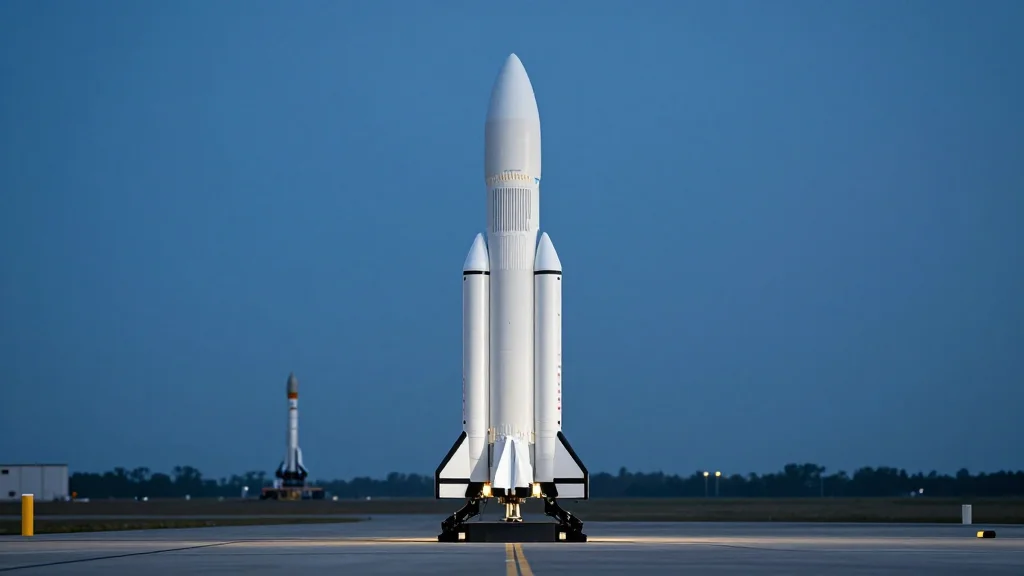
Firefly’s Delays Launch of Its Eclipse Rocket to 2027
Firefly Aerospace announced that the inaugural flight of its new Eclipse launch vehicle has been pushed back to no earlier than 2027, slipping past the original 2026 target. The medium‑lift rocket is being developed in partnership with Northrop Grumman and is...

How Space-Based Monitoring Supports Pipelines, Grids, Ports, and Energy Infrastructure
Space‑based monitoring is becoming a core tool for operators of pipelines, power grids, ports, and other energy assets. By fusing optical imagery, synthetic‑aperture radar and analytics, satellites pinpoint vegetation encroachment, flood, ground movement and congestion across vast, remote networks. The...

US Must Adjust to Iran’s Use of Commercial Satellite Photos, Space Command Says
Gen. Stephen Whiting, head of U.S. Space Command, warned that Iran’s use of commercial satellite imagery to strike U.S. and allied targets forces the Pentagon to adapt its operations. While the U.S. has declared space superiority over Iran, the conflict...
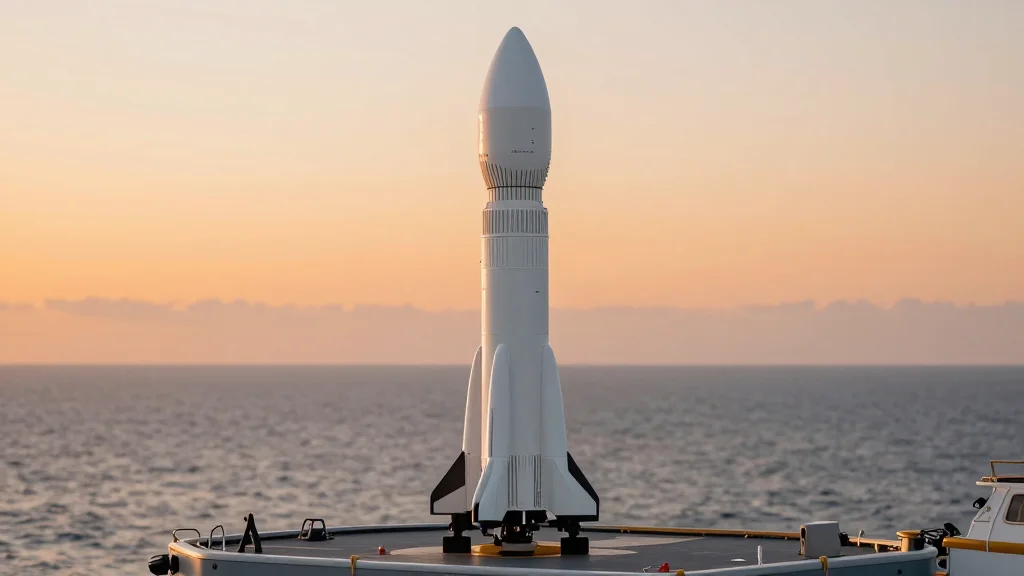
West Coast SpaceX Falcon 9 Mission Launches 25 Starlink Satellites
SpaceX lifted off a Falcon 9 from Vandenberg Space Force Base on Tuesday night, deploying 25 Starlink V2 Mini satellites. The launch, designated Starlink 17‑27, was the company’s 46th Falcon 9 mission of 2026 and used booster B1082 on its...

Space Force Urges Industry to Invest in Satellite Production Capacity
The U.S. Space Force is seeking a dramatic expansion of its satellite‑production capability as it prepares a $71 billion FY 2027 budget request, a 77 percent increase over the prior year. The procurement portion swells to $19 billion, up from $3.6 billion in FY 2026, and...

Beyond Connectivity: Elevate the Passenger Experience and Aircraft Operations
Airbus is rolling out its Connected Aircraft program, featuring the HBCplus modular connectivity system that can link to multiple satellite constellations—including LEO, MEO and GEO—without requiring structural airframe changes. The open, end‑to‑end digital platform aggregates onboard and ground data, enabling...
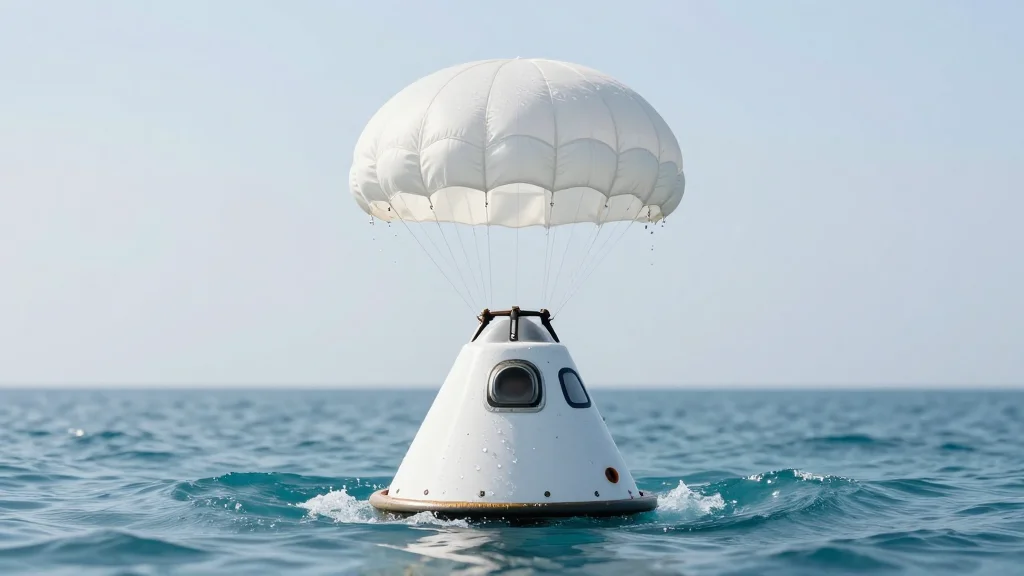
Research Helps Power Safe Return of Astronauts in Historic Orion Splashdown
NASA’s Orion capsule completed a historic splashdown on April 10, 2026, concluding the Artemis II mission. The safe descent relied on a three‑parachute system whose final design was shaped by Rice University’s fluid‑structure interaction (FSI) simulations. Researchers Tayfun E. Tezduyar and Kenji Takizawa provided the...
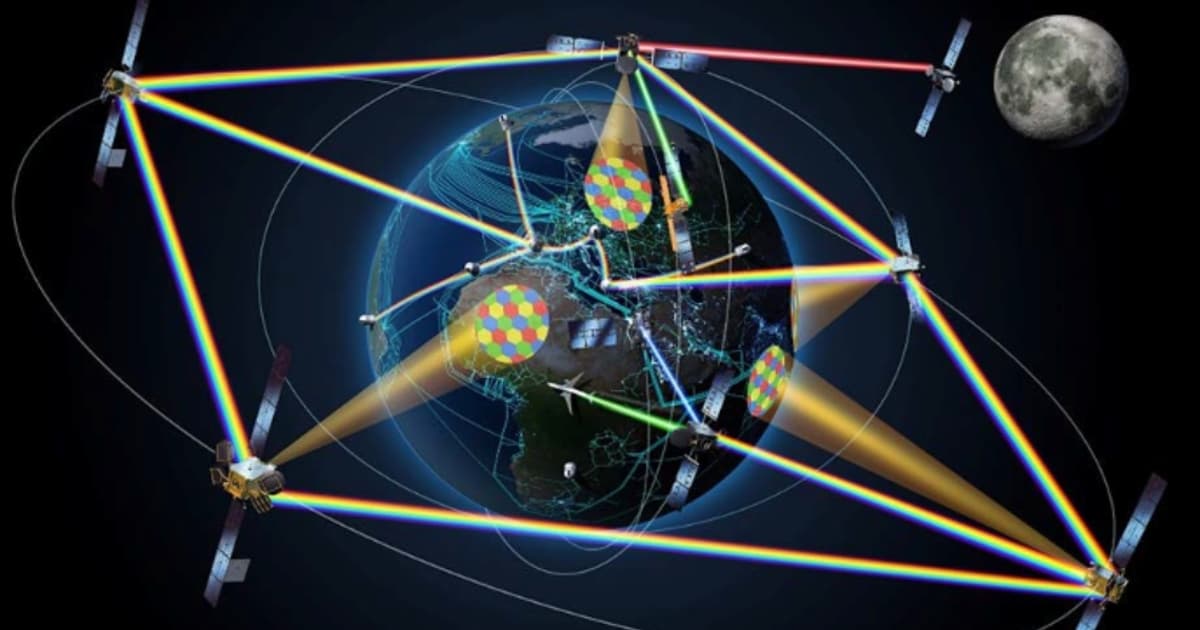
Kepler Awarded $30.1 Million Prime Contract for European Space Agency HydRON Optical Network
Kepler Communications, a Toronto‑based satellite operator, has been awarded a €18.6 million ($30.1 million) prime contract from the European Space Agency to deliver HydRON Element 3, a hosted‑payload mission that will validate the interoperability of multiple European optical communication terminals. The satellite bus,...

Kepler, Astrolight to Test ESA’s ‘Fiber in the Sky’
The European Space Agency has chosen a Kepler Communications‑led team to test its HydRON "fiber in the sky" optical network. Kepler will launch a satellite in 2027 carrying Astrolight’s ATLAS‑X laser communications terminal, which will operate as a third‑party user...
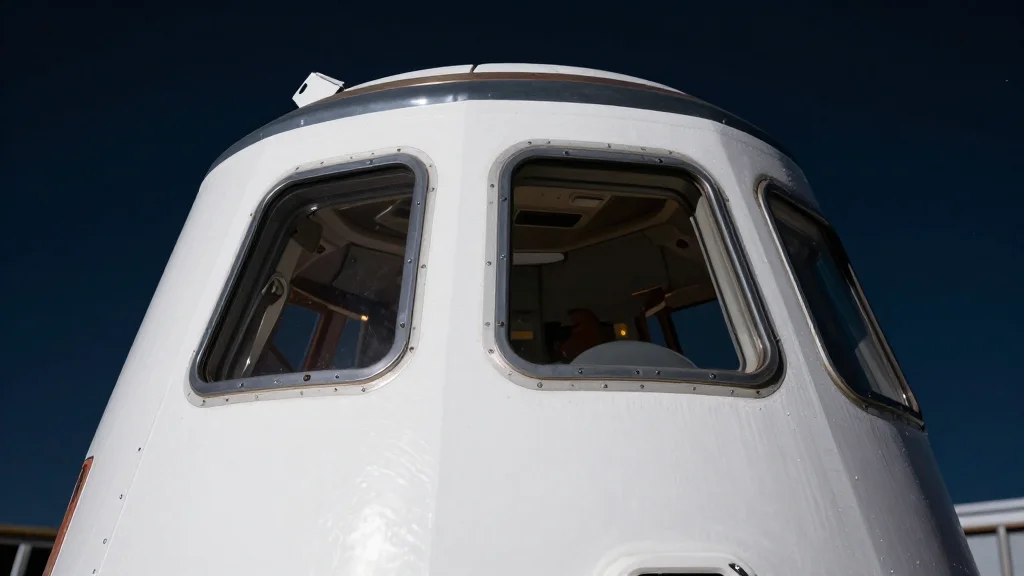
Interview With Karman Director, Space & Launch Market Renee Frohnert at Space Symposium
Karman Space & Defense Director Renee Frohnert told Via Satellite that the firm played a pivotal role in supporting NASA’s Artemis II lunar flyby, providing launch‑integration expertise and on‑orbit services. She highlighted Karman’s modular payload adapters, which shave up to 30% off...
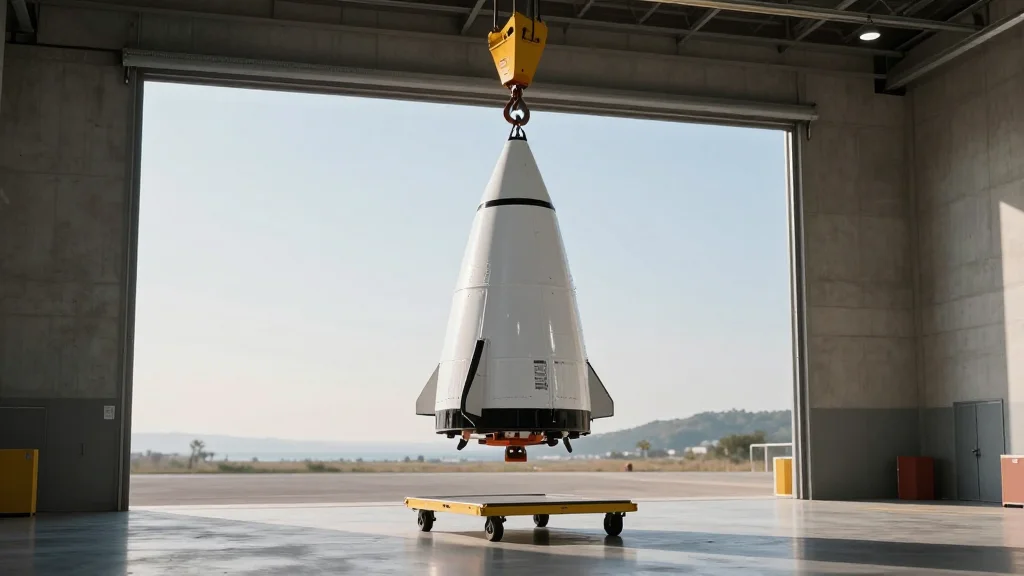
Space Force Selects Blue Origin as Possible Lessor of “Sudden Flats” Site at Vandenberg for Future Heavy Lift Rocket Launches
The U.S. Space Force has chosen Blue Origin to develop and potentially lease the Sudden Flats site, also known as Space Launch Complex‑14, at Vandenberg Space Force Base for future heavy‑lift commercial rockets. The decision follows a December 2025 request...
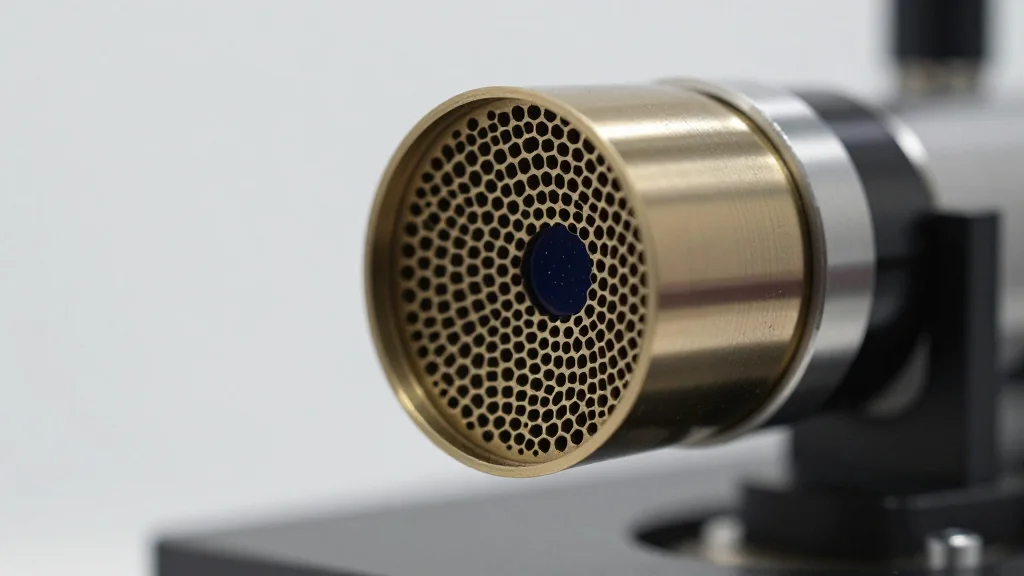
Catching Distant Gamma-Ray Explosions with Precisely Aligned X-Ray Optics
Researchers at Kanazawa University have demonstrated a practical alignment technique for the Micro Pore Optics (MPO) used in the EAGLE wide‑field X‑ray monitor, a key instrument on JAXA’s upcoming HiZ‑GUNDAM satellite. By fine‑tuning the tilt of individual lobster‑eye segments with...
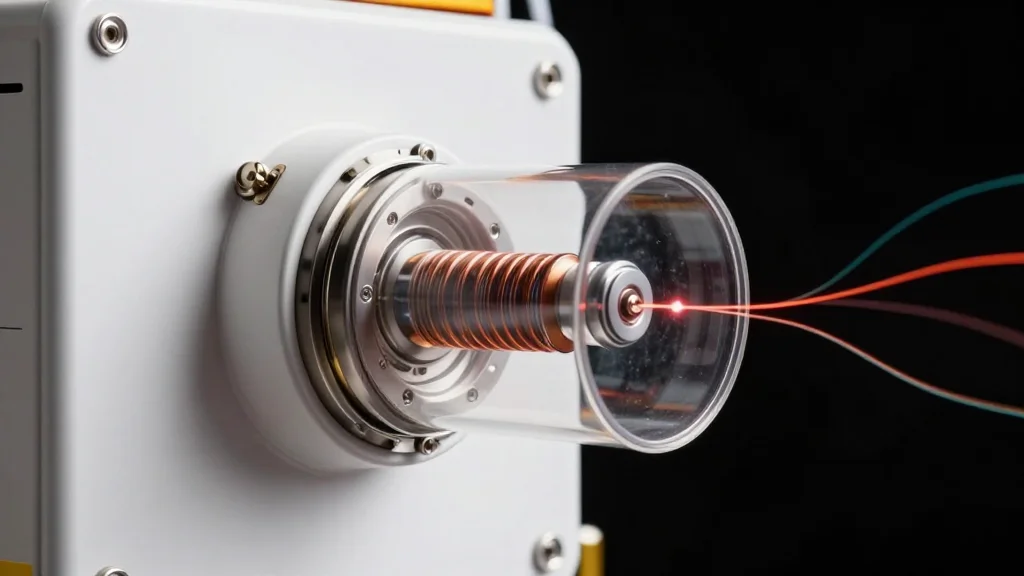
Scientists: First Data From Europe’s Proba-3 Satellites Suggest the Sun’s Slow Solar Wind Is Faster and More Chaotic than Expected
Europe’s Proba‑3 twin‑satellite mission has delivered its first measurements of the Sun’s slow solar wind, revealing that plasma blobs can travel at 250‑500 km/s—far faster than the 100 km/s speeds predicted near the solar surface. The data also show that these blobs...

NRO Highlights Government and Industry Partnerships
The National Reconnaissance Office announced at the Space Symposium its drive to broaden partnerships with industry, academia, allies and the Space Force to accelerate next‑generation intelligence, surveillance and reconnaissance capabilities. Over the past five years the agency has awarded contracts...

Oklahoma Positions as Commercial Space Manufacturing Hub at Space Symposium
At the 41st Space Symposium, Oklahoma’s Department of Commerce pitched the state as the next manufacturing hub for the commercial space sector. Leveraging an existing aerospace base that sustains 120,000 jobs and generates roughly $44 billion annually, officials highlighted recent contributions...

Update on Superheavy/Starship: Both Ships Doing Final Static Fire Testing
SpaceX is conducting final static‑fire tests on both the Superheavy booster and Starship vehicle, following major upgrades to its Boca Chica launch pads. Pad 2’s expanded LOX and methane pump capacity now loads a full Superheavy in about 30 minutes, faster...

Ensign-Bickford Hardware Supports Successful Artemis II Lunar Mission
On April 13, 2026 Ensign‑Bickford Aerospace & Defense confirmed its separation and initiation hardware performed flawlessly during NASA’s Artemis II mission, the first crewed flight beyond low Earth orbit in five decades. The company’s pyrotechnic and mechanical systems managed every critical staging event...

The Bra-and-Girdle Maker That Fashioned the Impossible for NASA
In the early 1960s, bra‑and‑girdle maker ILC Dover won a NASA contract to build the Apollo spacesuit, leveraging its expertise in rubber, nylon and precision sewing. Its seamstresses achieved tolerances tighter than a 64th of an inch by using modified...

Saudia and Neo Space Group Launch Advanced IFC
Saudia has partnered with Neo Space Group to roll out an advanced inflight connectivity (IFC) service that will provide complimentary high‑speed internet across its global network. The system is powered by NSG’s Skywaves platform and SES’s Open Orbits multi‑orbit satellite...

SES and Boeing Move Toward Factory-Installed Multi-Orbit Inflight Connectivity
SES and Boeing have agreed to integrate SES’s multi‑orbit inflight connectivity hardware into aircraft production, starting with Boeing 737s and later 787s, moving away from retrofit installations. The hardware will become fully line‑fit by 2028 after an initial phase that...

A Dimmer Blue Marble? What Artemis II Photo Really Shows About Earth
In April 2026 astronauts on Artemis II captured a full‑disk view of Earth that quickly went viral alongside the iconic 1972 Apollo 17 "Blue Marble." Observers noted the newer picture appears dimmer and less saturated, sparking debate over whether the change reflects...

Commercial Space Federation (CSF) Welcomes ispace-U.S. To Board of Directors
The Commercial Space Federation announced that ispace‑U.S., a U.S.-based lunar exploration firm, has joined its Board of Directors. ispace‑U.S. has been an associate member and will now help shape CSF’s strategic priorities and policy engagement. The move aligns with NASA’s...

NASA Administrator Jared Isaacman On Artemis, Budget, And Establishing a Lasting Space Vision
NASA Administrator Jared Isaacman defended the White House’s FY2027 budget proposal, emphasizing fiscal responsibility amid growing congressional scrutiny. He highlighted Artemis II’s largely successful flight, noting a pristine heat shield and only minor system glitches such as a small helium leak....

Seagate Space and Oceaneering Join Forces to Build the Future of Offshore Launch Infrastructure
Oceaneering International and Seagate Space have signed a memorandum of understanding to co‑develop an offshore launch platform, dubbed the Gateway concept. The partnership leverages Oceaneering’s maritime and space systems heritage, including work on the Space Shuttle and Artemis, to accelerate...

Apple Chooses Amazon Satellites for iPhone, Years After Rejecting Starlink Offer
Amazon announced a $11.6 billion acquisition of Globalstar and a partnership that makes it the primary satellite service provider for iPhone and Apple Watch. The deal gives Amazon access to Globalstar’s existing low‑Earth‑orbit constellation, spectrum and Mobile Satellite Service licenses. Amazon...