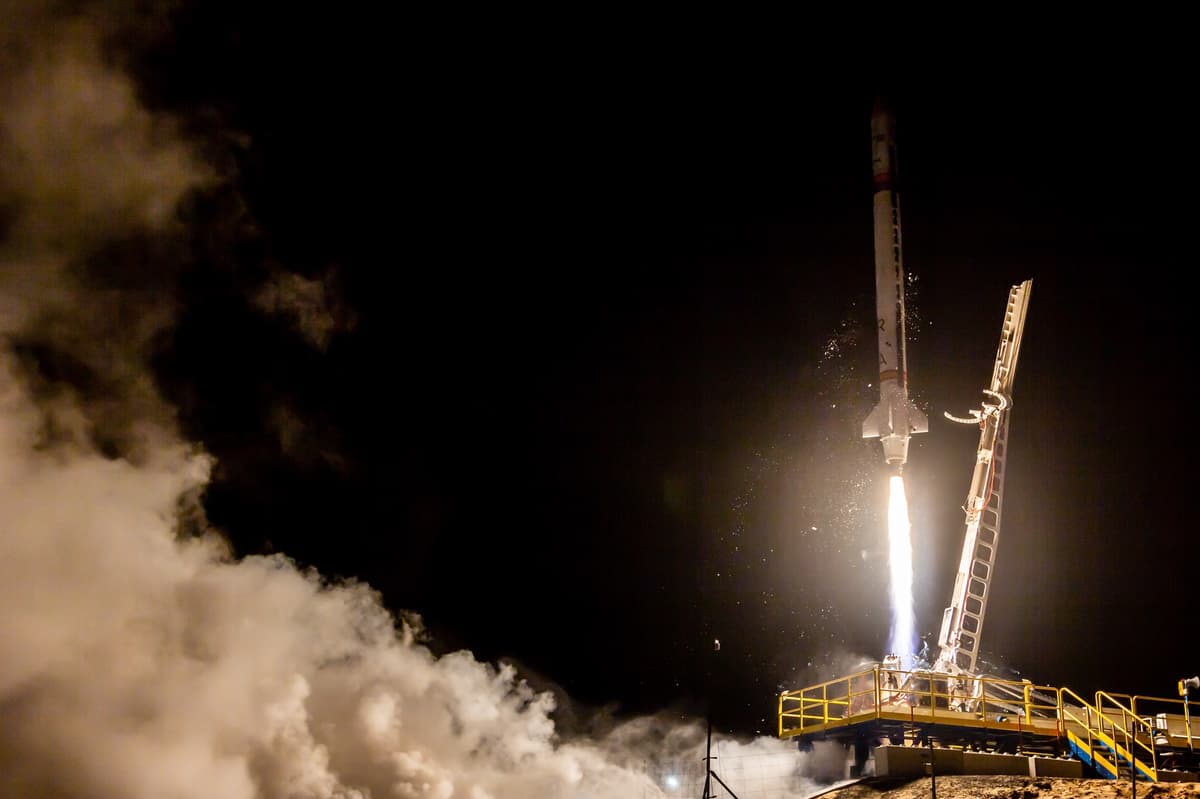
PLD Space Raises $209 Million to Shift Into Serial Rocket Production
PLD Space announced a €180 million Series C round, the largest European space funding this year, to accelerate serial production of its Miura 5 launch vehicle. The round was led by Japan’s Mitsubishi Electric, which will receive priority launch access for its satellite services. Miura 5 aims for its maiden orbital flight in 2024 with commercial missions slated for 2027, including a dedicated launch for Spain’s Sateliot. The company plans to scale to over 30 launches per year by 2030, leveraging facilities in Spain, French Guiana, Oman and Japan.
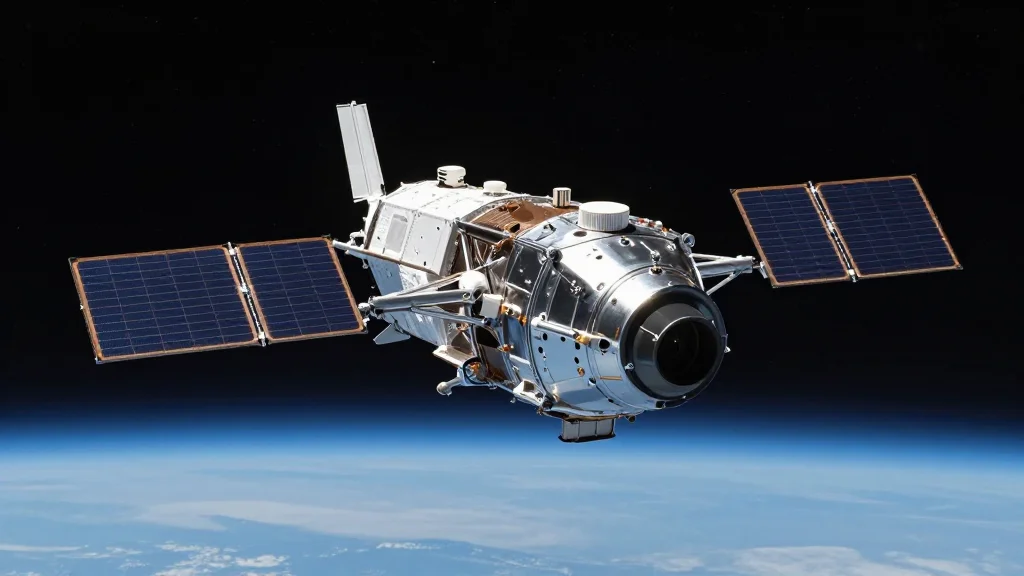
Book Review: Space Shock
The review of *Space Shock: 18 Threats That Will Define Space Power* examines China’s surge in space capabilities in 2025, from asteroid sampling to lunar lander tests, and frames them as strategic challenges for the United States. The authors, Garretson...
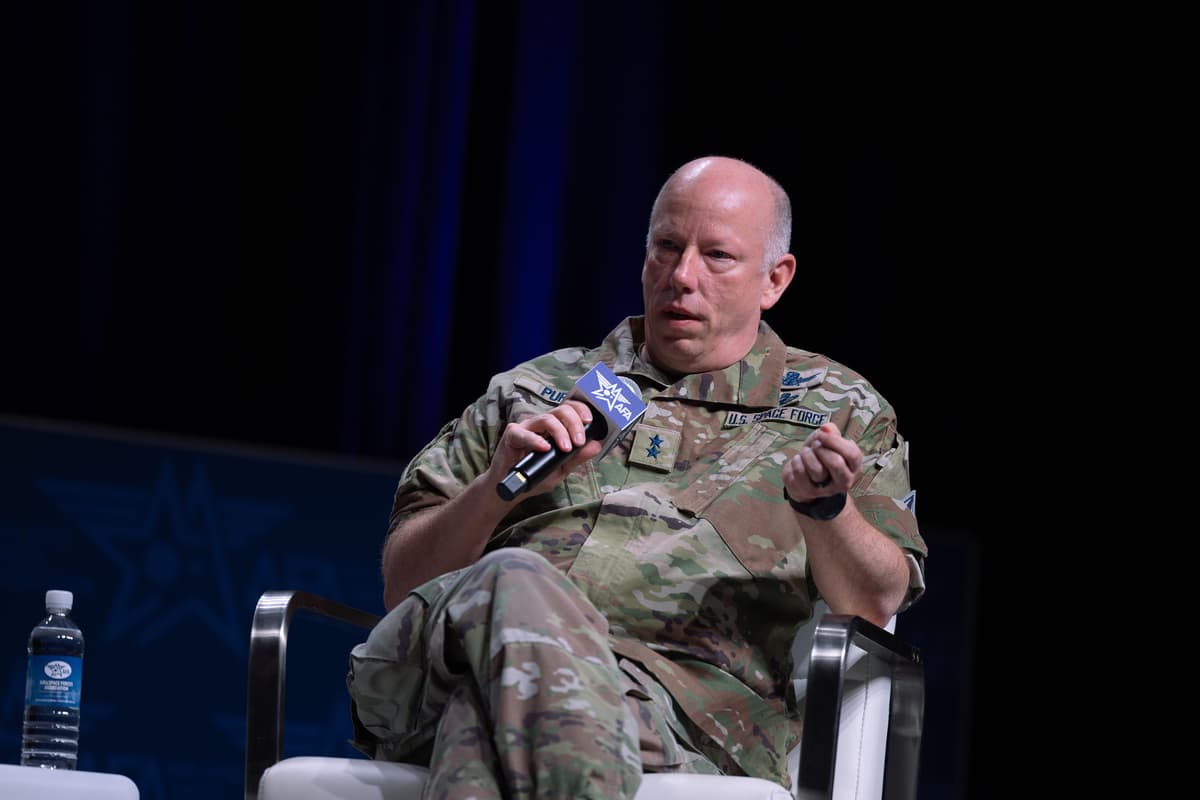
Space Force Modernization Push Runs Into Acquisition Workforce Shortfall
The Space Force’s push to modernize its space capabilities is being hampered by a critical shortage of contracting officers and financial managers. As the service moves from buying discrete hardware to fielding integrated warfighting systems, it needs acquisition professionals with...

Artemis II: What’s on the Menu?
NASA has finalized a shelf‑stable menu for Artemis II, the first crewed flight around the Moon, ensuring all meals are safe, nutrient‑dense, and ready‑to‑eat without refrigeration or resupply. The menu was co‑developed with the astronauts, who sampled and ranked each item...
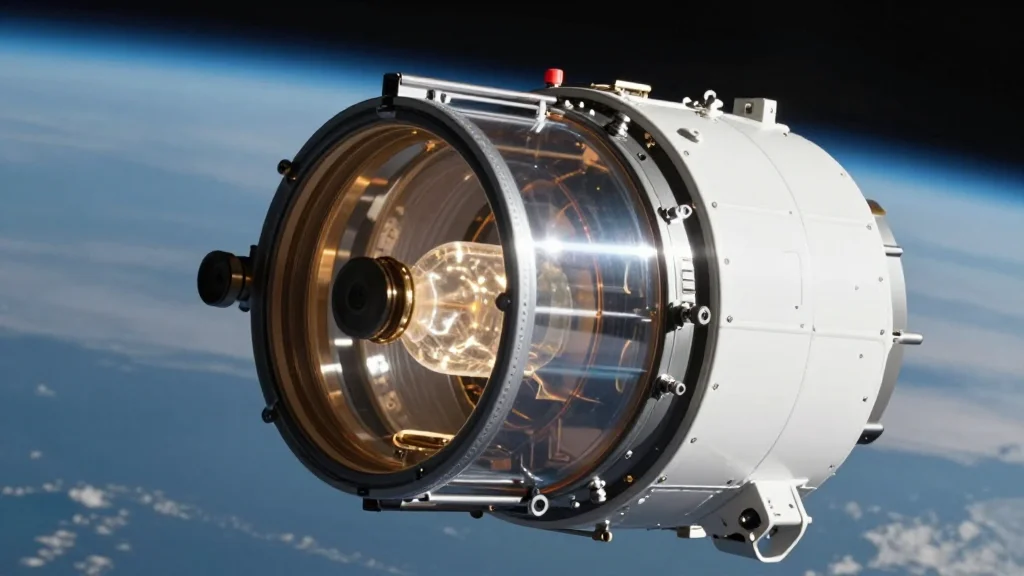
United Semiconductors Reserves Payload Space with Starlab to Advance Commercial-Scale In-Space Semiconductor Manufacturing
United Semiconductors has secured payload space on Starlab’s commercial space station to transition its micro‑gravity semiconductor crystal growth from the International Space Station to sustained, commercial‑scale production in low Earth orbit. The partnership leverages Starlab’s rapid, no‑assembly launch architecture and...
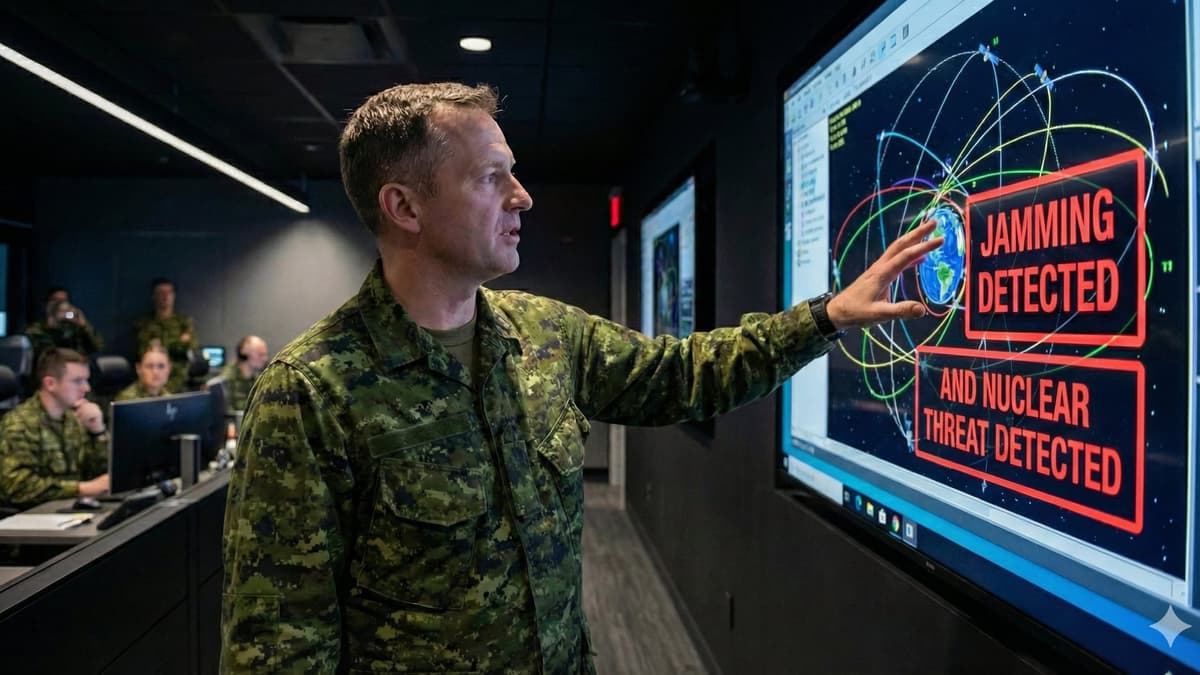
Canada’s Space Commander on Protecting Satellites From Jamming and Potential Nuclear Risks
Brigadier‑General Christopher Horner, commander of Canada’s 3 Space Division, warned that a nuclear detonation in low‑Earth orbit would generate an electromagnetic pulse capable of crippling global satellite services. He highlighted that Russia’s electronic‑warfare jamming already extends into space, threatening commercial...

Senate Tees Up NASA Reauthorization, Deputy Hearings
The Senate Commerce, Science, and Transportation Committee will markup the NASA Transition Authorization Act of 2025, a bipartisan reauthorization bill that extends the International Space Station to 2032 and directs NASA to build a permanent lunar base. A separate hearing...

NASA Invites Proposals to Lease Land Parcels at Sandusky Facility
NASA’s Glenn Research Center is inviting proposals to lease land parcels at the Neil Armstrong Test Facility in Sandusky, Ohio. The agency offers five parcels totaling about 1,736 acres, ranging from 184 to 516 acres, under a Model Enhanced Use...
Galaxy 1 Partners with Viasat to Deliver Rapid, Scalable and Securecommunications for Uncrewed Aircraft
Galaxy 1 Communications has teamed with Viasat to extend the Velaris satellite service for uncrewed aerial vehicles and Advanced Air Mobility (AAM) platforms. The partnership leverages Galaxy 1’s Distribution Partner‑as‑a‑Service (DPaaS) model, providing a managed layer that simplifies provisioning, billing,...
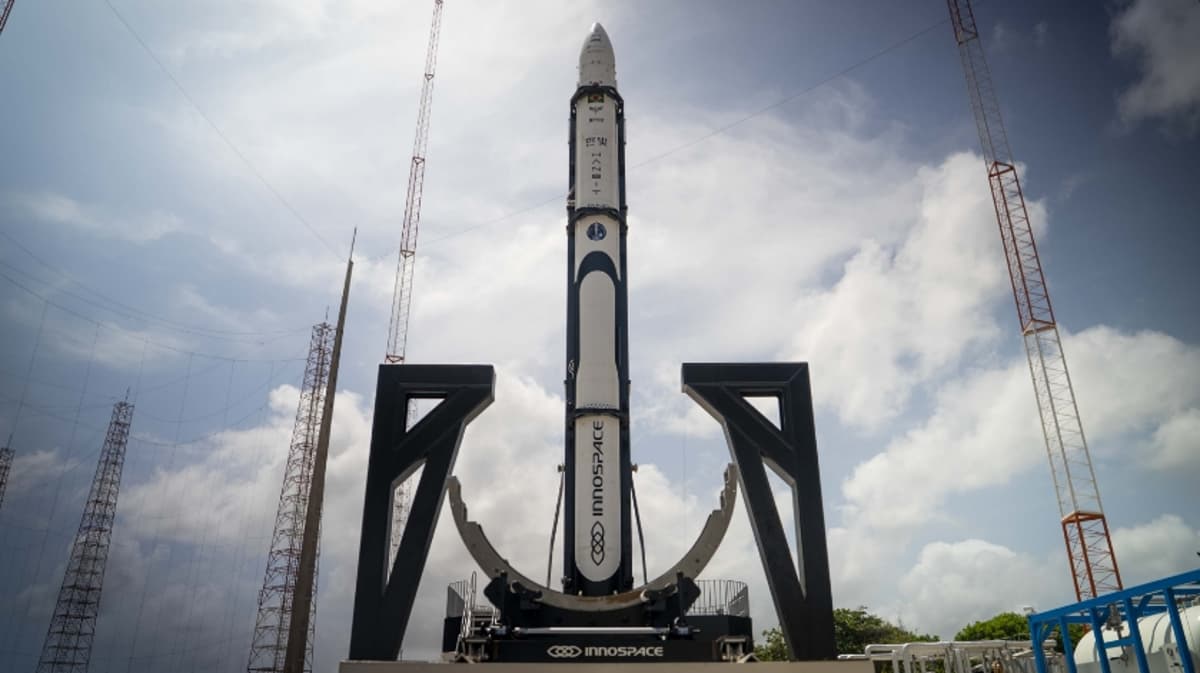
South Korean Launch Provider INNOSPACE Eyes Canadian Expansion via Spaceport Nova Scotia
South Korean launch provider INNOSPACE has signed a Letter of Intent with Maritime Launch Services to explore hosting its HANBIT hybrid‑rocket system at Spaceport Nova Scotia. The partnership aims to bypass Naro Space Center’s slot scarcity and trajectory restrictions, giving...
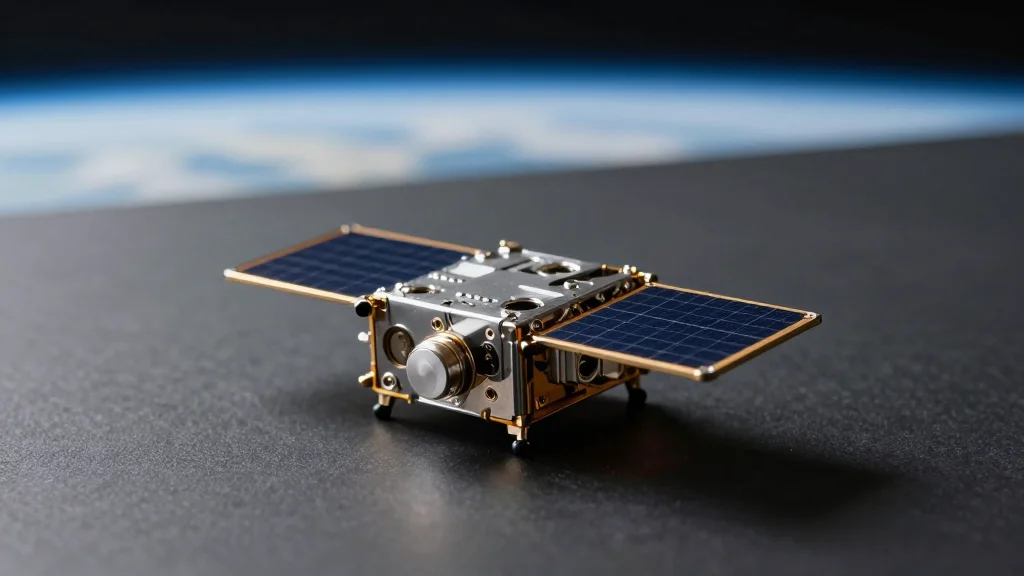
A 690-Million-Kilometer Journey Through Space Ends for Australia's SpIRIT Mission
Australia’s University of Melbourne‑led SpIRIT nanosatellite has concluded its on‑orbit phase after more than 25 months, traveling roughly 690 million kilometres – the distance to Jupiter – and completing about 16,000 Earth orbits. The 11.5‑kg spacecraft outperformed its two‑year design life,...
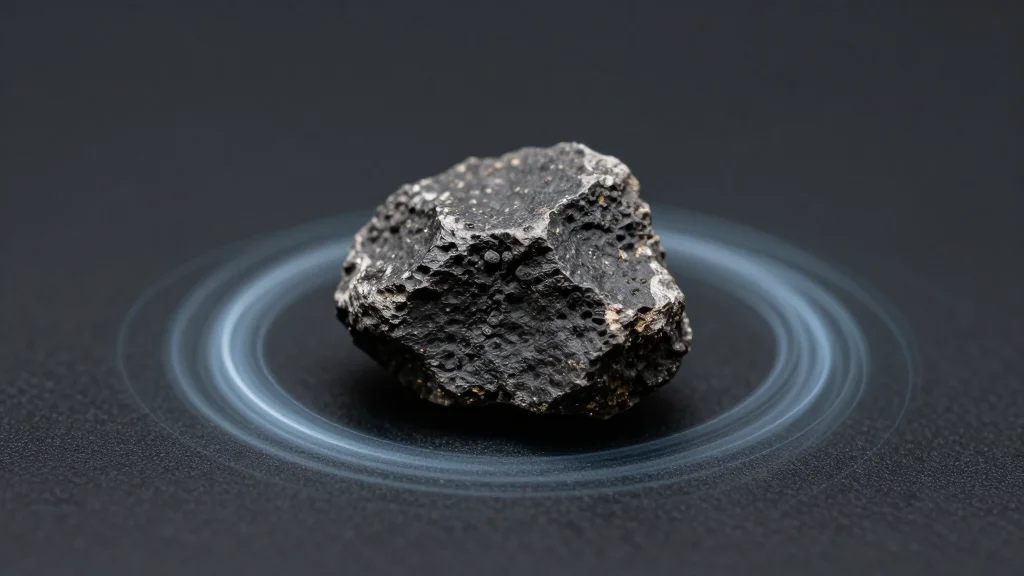
Asteroid Ryugu Samples Offer New Insights Into Early Solar System Magnetism
Japanese researchers led by Masahiko Sato have measured natural remanent magnetization in 28 Ryugu asteroid particles, expanding previous work from seven samples. Twenty‑three particles show stable magnetic components, with evidence pointing to chemical remanent magnetization acquired during framboidal magnetite formation....
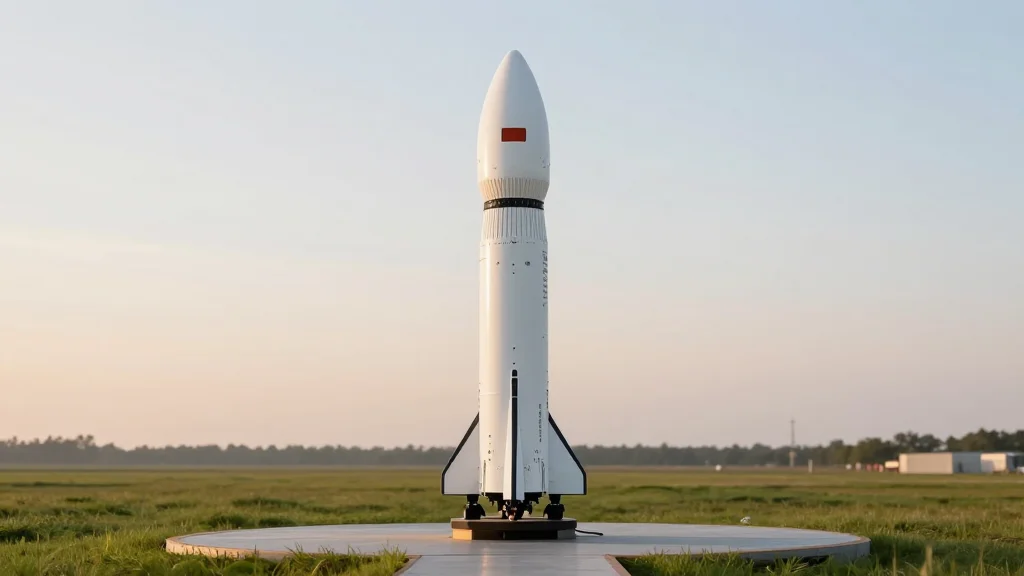
Japan to Do Vertical Tests of Its Own Grasshopper-Type Demo Stage This Month
Japan’s space agency JAXA is set to conduct two vertical take‑off and landing (VTVL) test flights of its 24‑foot RV‑X demonstrator later this month. The first hop, scheduled for March 6, will take place at the Noshiro Rocket Testing Center on...

When Space Is Hot, Washington Holds a Match
Private equity is pouring capital into space and defense, reviving investor enthusiasm, but firms still depend on steady government funding to realize long‑term value. AE Industrial Partners, which backs Redwire, Firefly Aerospace and York Space Systems, highlighted that government contracts...
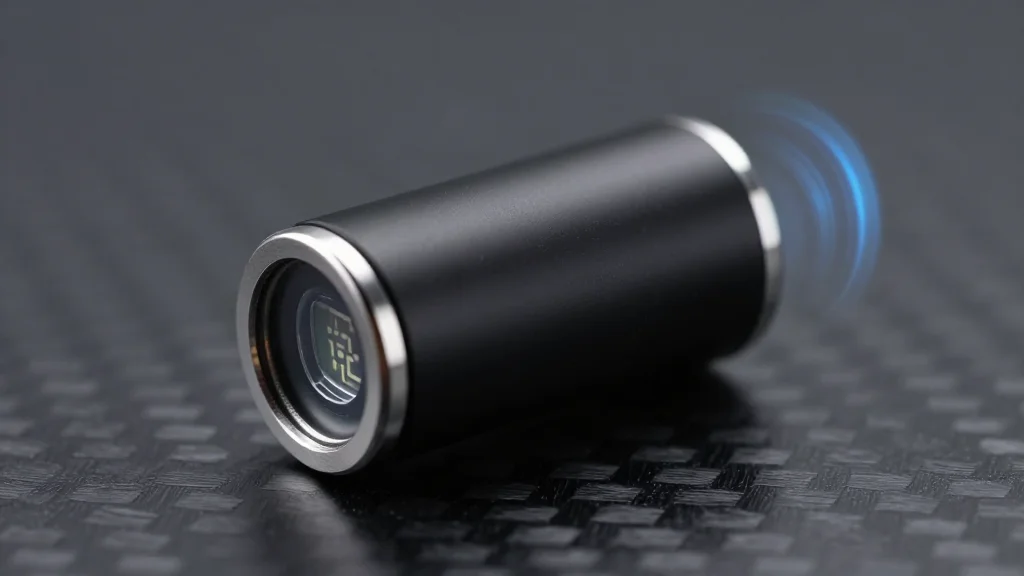
Kongsberg Discovery and Silicon Sensing Unveil Tactical-Grade North-Seeking MEMS Gyroscope
Silicon Sensing and Kongsberg Discovery have unveiled a tactical‑grade north‑seeking MEMS gyroscope, the SGH03, delivering navigation‑grade performance in a compact, solid‑state package. The device operates without GNSS or magnetometer assistance, making it resilient in GPS‑denied or magnetically hostile environments. Developed...
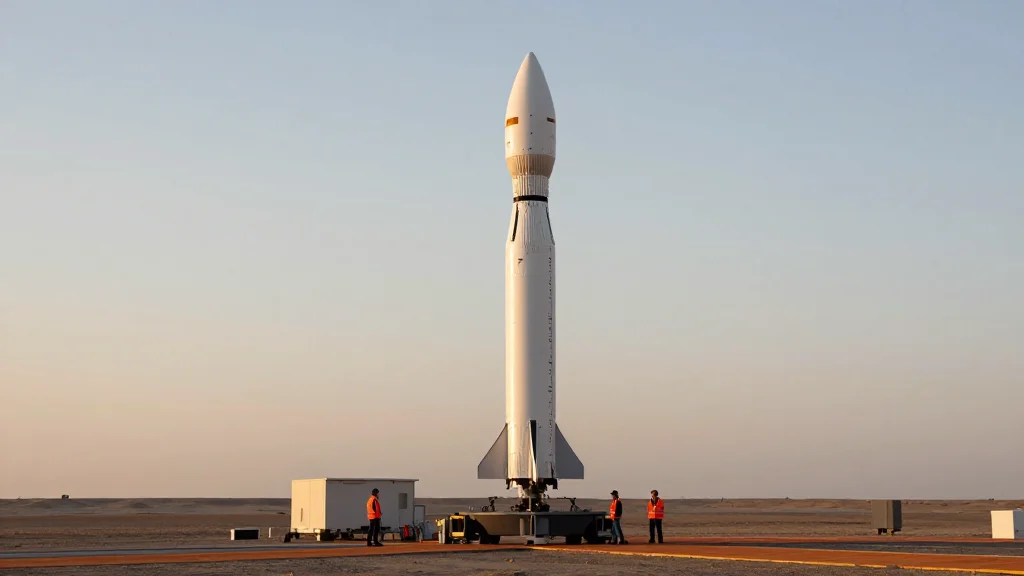
Russia Completes Repairs to Soyuz-2 Launchpad at Baikonur
Roscosmos announced that repairs to the Soyuz‑2 launchpad at Baikonur’s Site 31 are complete, enabling a Progress MS‑33 cargo flight to the International Space Station on March 22, 2026. The refurbishment involved 150 workers from four contractors, who painted 2,350 m², replaced attachment devices, overhauled...
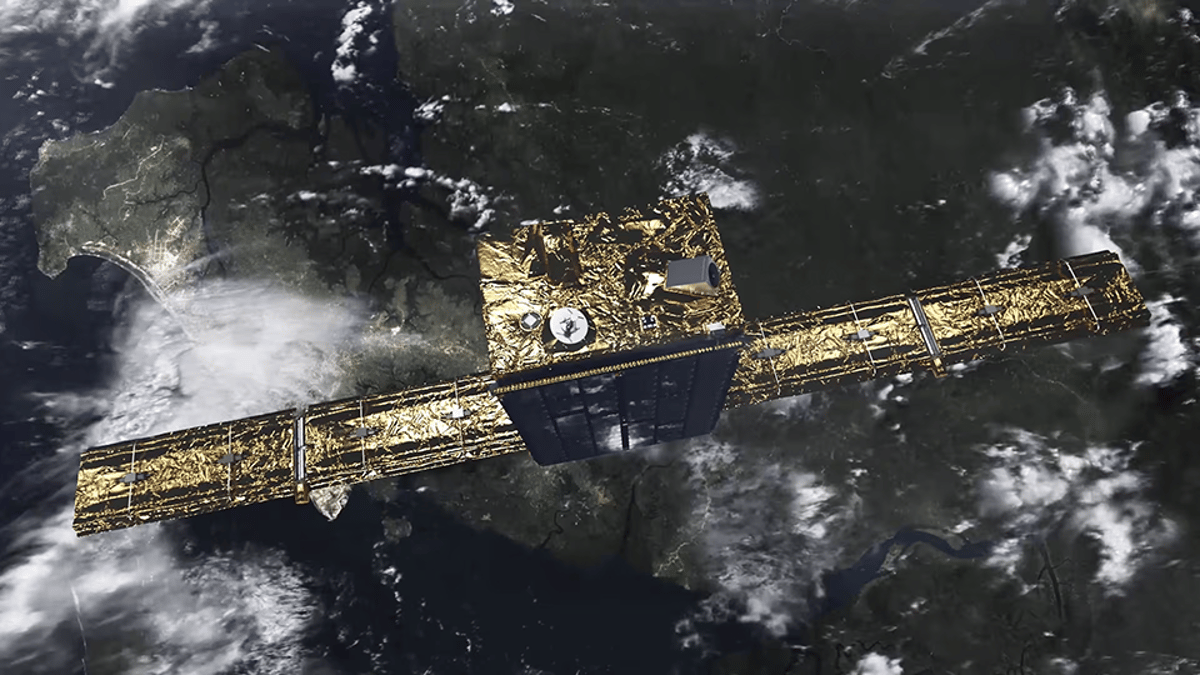
ICEYE Launches SAR-Powered Deforestation Monitoring to Counter Tropical Forest Loss
ICEYE launched a dedicated deforestation monitoring solution on March 3, 2026, using its synthetic aperture radar (SAR) constellation. The SAR‑based service delivers near‑real‑time, cloud‑penetrating imagery for the Amazon, Congo and other tropical basins, filling the gap left by optical satellites....
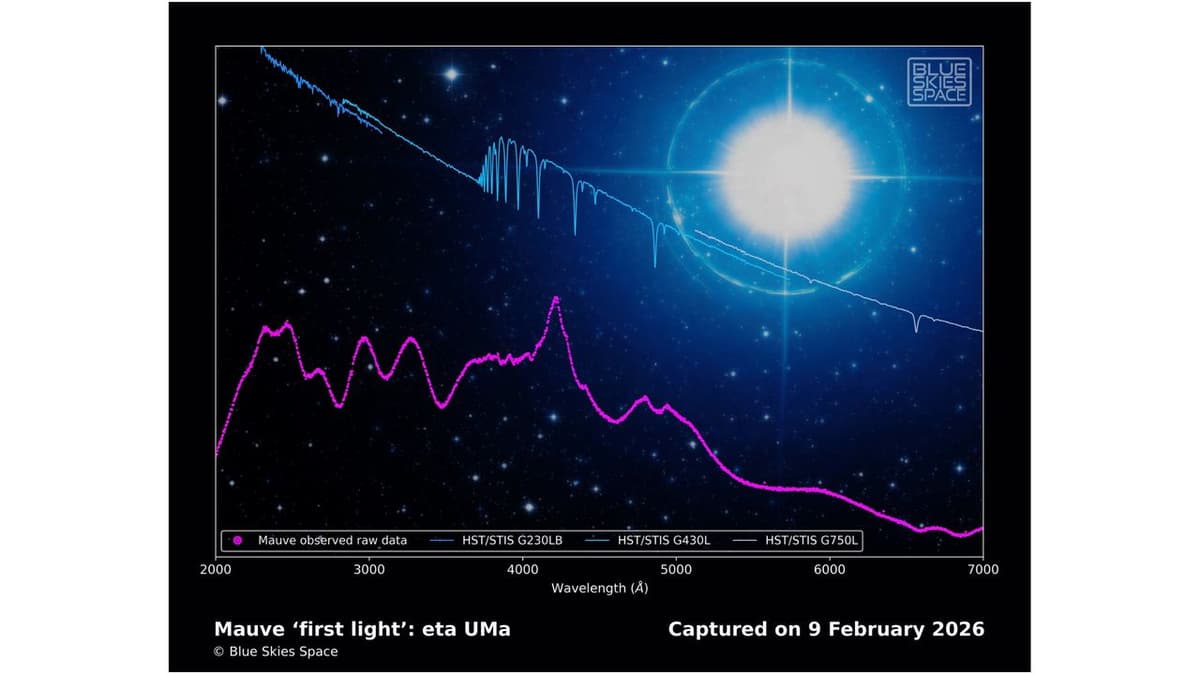
The World's 1st Private Space Telescope Just Spotted Its 1st Star. Here's What It Saw.
London‑based Blue Skies Space launched Mauve, the world’s first privately funded space telescope, on a SpaceX Falcon 9 in November. On Feb 9 the satellite recorded its inaugural five‑second observation of the bright UV‑rich star η Ursa Majoris, demonstrating its capability to capture visible...
Top Trump Ally Threatens Retaliation over EU Space Tech Law
Washington signaled it will retaliate if the EU adopts a Space Act that favors European satellite operators over U.S. firms. FCC Chairman Brendan Carr warned that the United States would mirror any restrictive EU measures, potentially barring European satellites from...

PwC Projects $127 Billion Moon Economy by 2050; Energy Infrastructure Cited as Primary Bottleneck
PwC’s latest Lunar Market Assessment projects the Moon’s annual revenue will reach $127.3 billion by 2050, roughly the size of Poland’s GDP. The report highlights that energy infrastructure, not transportation, is the chief obstacle to scaling surface operations. NASA’s Artemis program...

The Coldest "Stars" In the Galaxy Might Actually Be Alien Megastructures
Physicist Freeman Dyson’s megastructure concept gains fresh focus as a new arXiv pre‑print by Amirnezam Amiri identifies red dwarfs and white dwarfs as the most promising hosts. The study shows that a Dyson swarm would absorb visible light and re‑radiate it...
March 3, 1959: Pioneer 4 Launches
On March 3 1959 the United States launched Pioneer 4, the first American spacecraft to escape Earth’s gravity and enter heliocentric orbit. Intended to fly by the Moon and capture images, a prolonged second‑stage burn diverted it 60,000 km beyond the lunar surface, preventing...

Marlink Rolls Out Fleet-Wide Multi-LEO Hybrid Connectivity Service
Marlink launched Sealink Multi-LEO, a hybrid connectivity service that unifies Starlink and Eutelsat OneWeb low‑Earth‑orbit satellite networks under a single managed data allowance. The offering provides 500 GB to 10 TB of monthly data, with carrier‑agnostic orchestration that dynamically selects the best...

GSMA Calls for Regulatory Readiness for Direct-to-User LEO Satellite Services
The GSMA released a position paper urging governments to modernise regulatory frameworks for direct‑to‑user Low‑Earth‑Orbit (LEO) satellite services. It highlights that existing rules are fragmented and often unsuitable for new satellite‑only offerings, creating uncertainty for operators and investors. The paper...
Spectrum Showdown
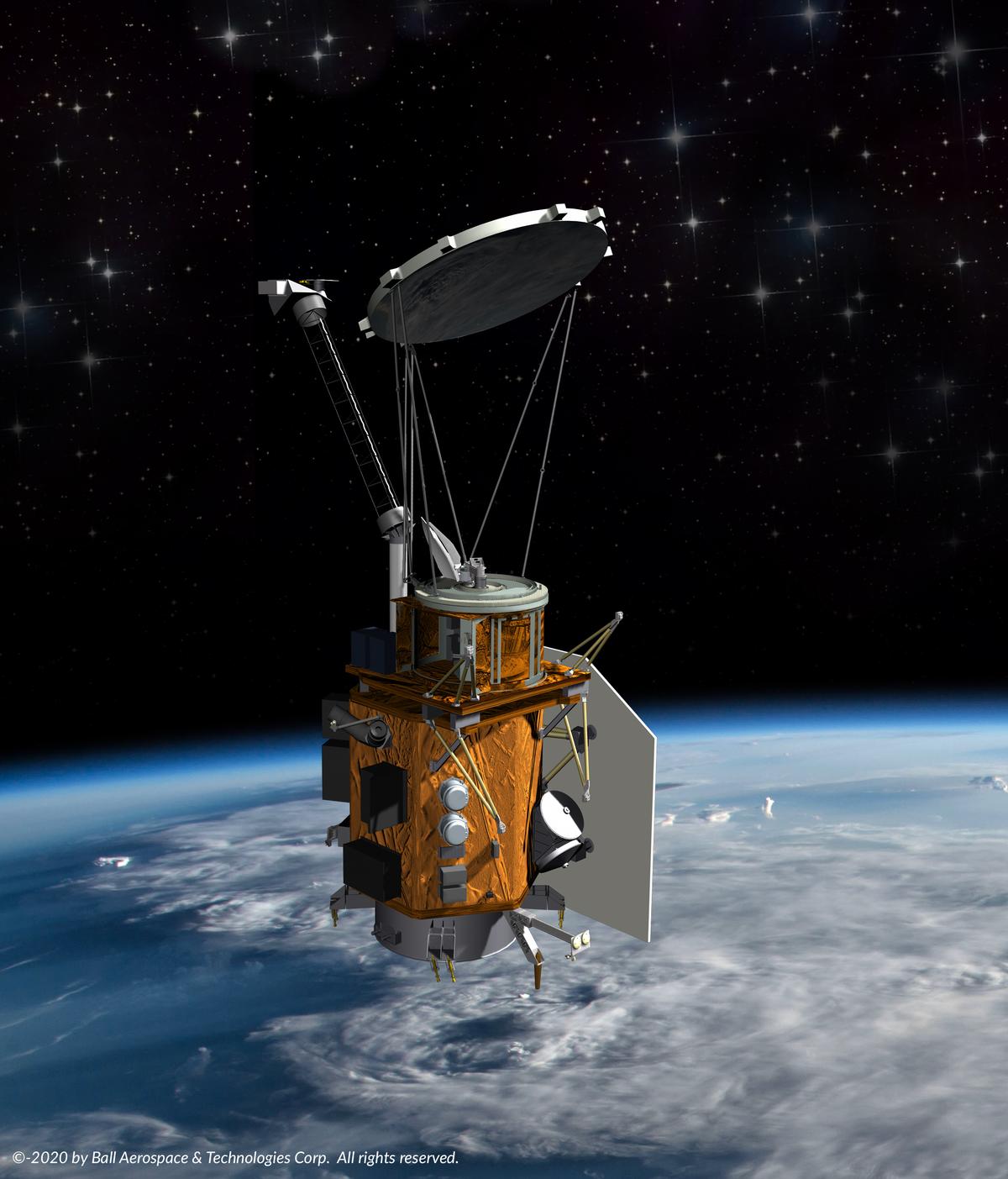
Satellite communications constellations are crowding the microwave bands used for weather monitoring, raising concerns about radio‑frequency interference (RFI). NOAA scientists warn that emissions from broadband satellites could corrupt data from instruments like the Advanced Technology Microwave Sounder (ATMS) on JPSS...

SDA And The Outer Space Treaty: Why Worry About Legal Gaps In Space Tech?
The 1967 Outer Space Treaty, drafted when space activity was limited, now faces criticism for its vague language amid exploding low‑Earth‑orbit constellations, AI‑driven satellite services, and emerging directed‑energy weapons. Legal scholar Cybel Ekpa argues that these technological advances create gaps...
How Russia Is Intercepting Communications From European Satellites
Russia’s secret Luch 1 and 2 satellites have been conducting prolonged proximity and rendezvous operations (RPOs) against European geostationary communications satellites since 2014. By positioning themselves within five kilometres of targets, they can intercept downlink signals and potentially capture command uplinks. While...
Scaling Earth and Space AI Models with Red Hat AI Inference Server and Red Hat OpenShift AI
Red Hat announced that its AI Inference Server now natively serves Earth and space foundation models such as NASA’s Prithvi‑EO, Prithvi‑WxC, and IBM’s TerraTorch models. The server leverages a hardened vLLM distribution and integrates with OpenShift AI to provide dynamic...
Semiconductors, Satellites, and Scale With Spirit Electronics CEO Marti McCurdy
Spirit Electronics CEO Marti McCurdy discussed how the company’s semiconductor expertise underpins modern satellite operations, from communications payloads to propulsion control. The firm offers end‑to‑end services including ASIC design, foundry work, wafer processing and qualification, traditionally serving defense customers but...

IEC Telecom Establishes Malaysia Hub to Accelerate Starlink-Powered Digital Inclusion
On March 3 2026 IEC Telecom Group launched its first operations centre in Kuala Lumpur, becoming an authorized Starlink reseller for Malaysia. The hub targets the persistent “last‑mile” connectivity gap in rural Sarawak and Sabah and supports the country’s maritime and energy...
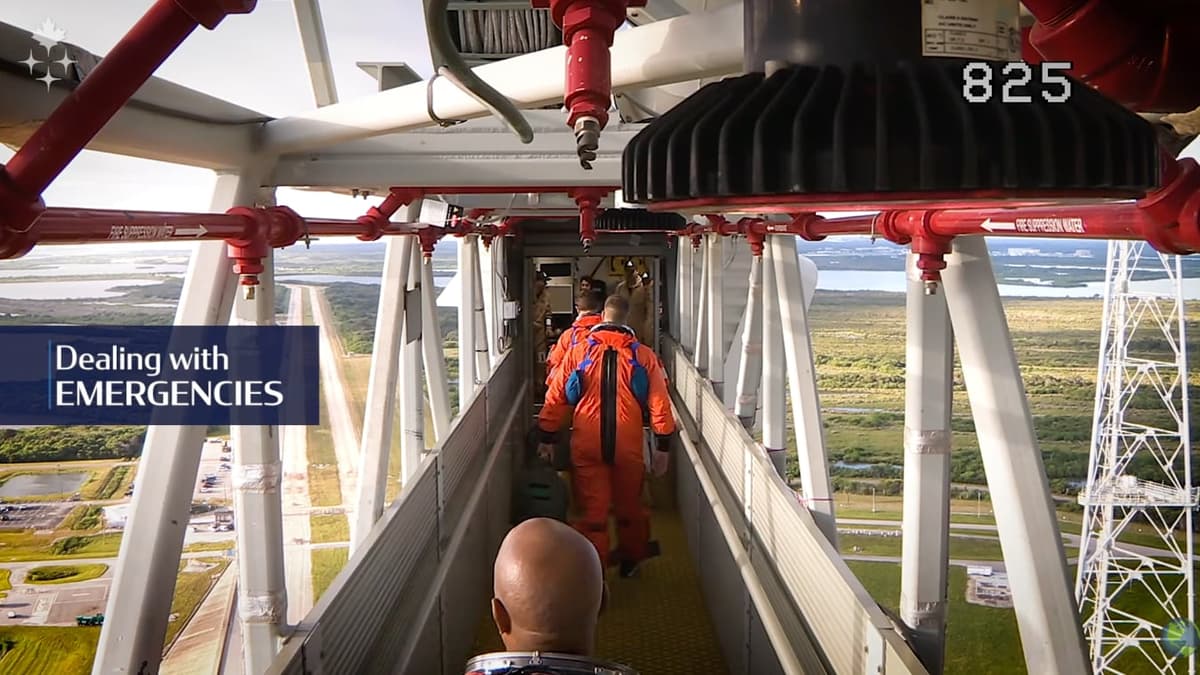
Jeremy Hansen on Dealing with Artemis 2 Emergencies
Canadian Space Agency astronaut Jeremy Hansen outlined Artemis 2’s emergency protocols, emphasizing two pre‑launch abort options: a rapid egress from the launch pad or an abort‑seat‑style capsule ejection within five minutes of liftoff. He detailed post‑abort survival steps, including suit donning,...
Combined Business of SES and Intelsat Dips 1.6% in 2025
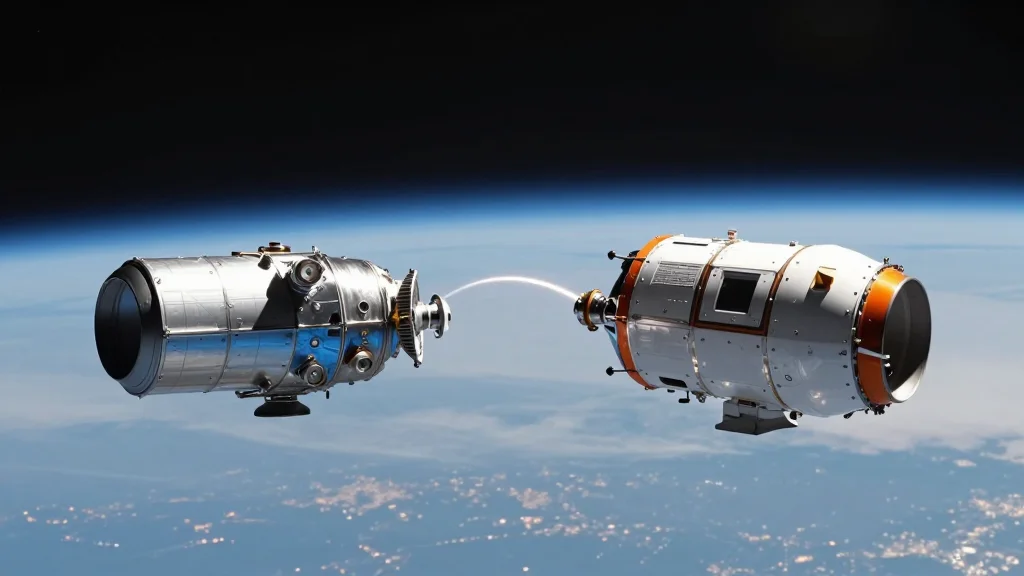
SES reported 2025 revenue of €2.6 billion, a 34% increase over its own prior year, but when the Intelsat acquisition is factored in the combined revenue would have been €3.5 billion – a 1.6% decline versus the two firms’ 2024 total. The...

Space Was ‘First Mover’ In Iran Conflict, Top General Says
U.S. Space Command, alongside USCYBERCOM, launched non‑kinetic operations that disabled Iran’s satellite‑based communications and sensor networks during the opening hours of Operation Epic Fury, which began on Feb. 28. Chairman of the Joint Chiefs Gen. Dan Caine said these coordinated space‑and‑cyber actions prevented...

Kelli Kedis Ogborn Joining Commercial Space Federation as Strategic Advisor for Global Markets and Industry Engagement
The Commercial Space Federation announced that Kelli Kedis Ogborn will serve as Strategic Advisor for Global Markets and Industry Engagement. Ogborn will spearhead efforts to broaden CSF’s international presence, forge strategic partnerships, and launch initiatives that accelerate commercial space growth....
Pilots Petition Starlink Following Shift to New Speed Tiers
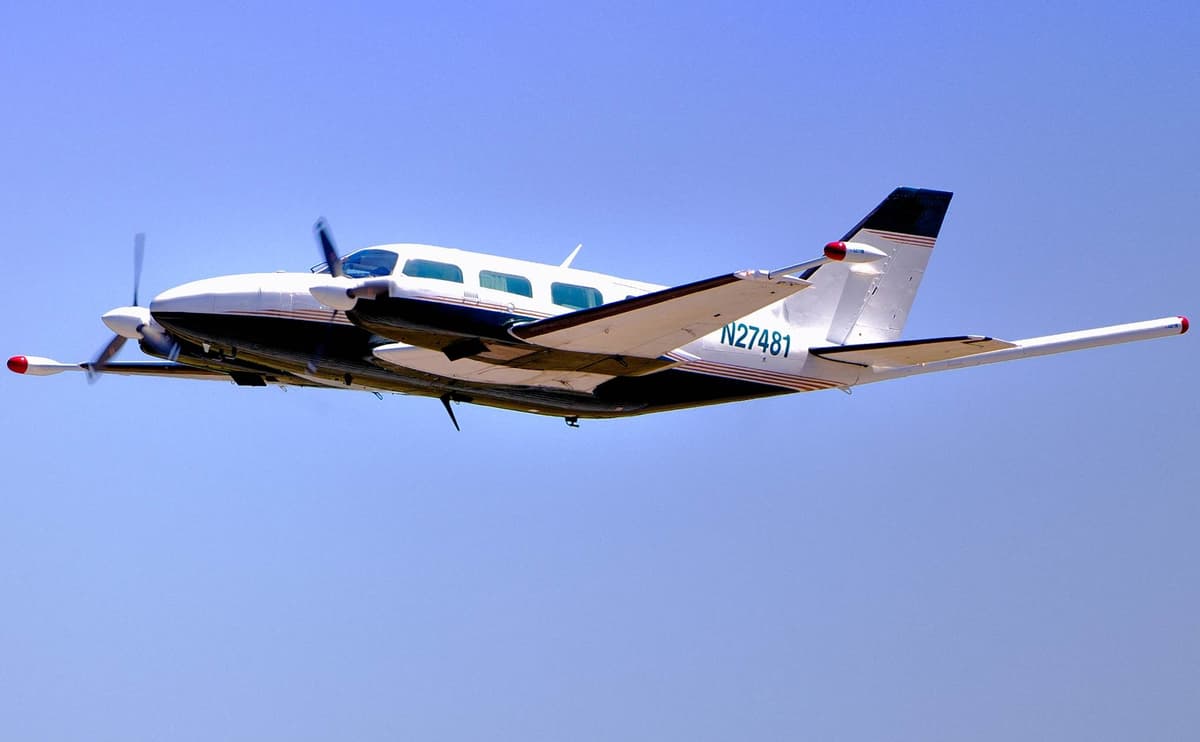
Starlink has restructured its in‑motion service, capping standard Roam and Priority plans at 100 mph ground speed and launching two aviation‑specific tiers. The Aviation 300MPH tier costs $250 per month for 20 GB, while the Aviation 450MPH tier is $1,000 per month...
Data Centres in Space: Less Crazy than You Think
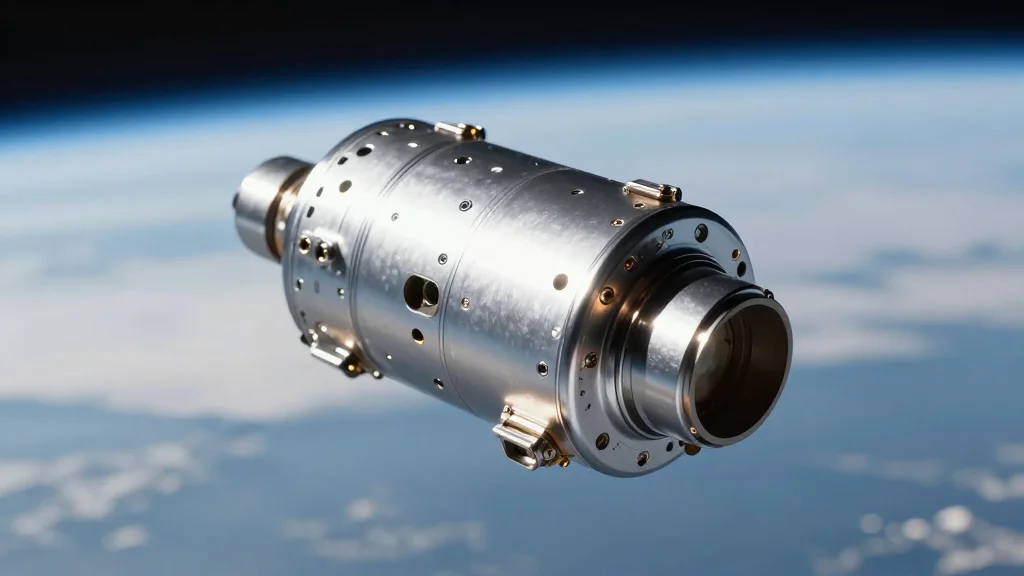
Tech giants are exploring space‑based data centres to power AI workloads. Elon Musk predicts feasibility within two to three years, while OpenAI’s Sam Altman dismisses the idea as premature. Google plans a test launch next year, and former Google CEO...
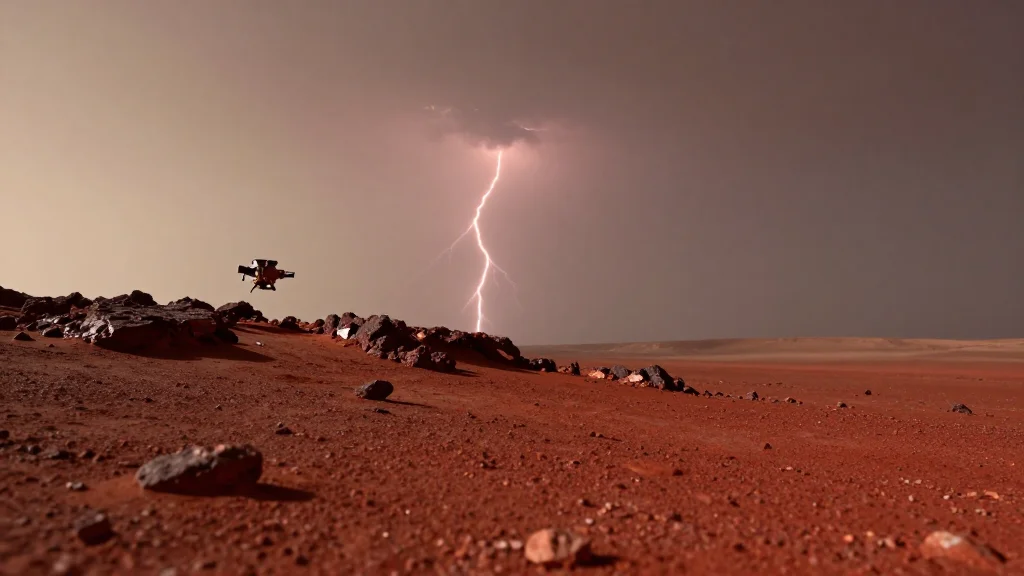
NASA's MAVEN Detects First Evidence of Lightning-Like Activity on Mars
NASA's MAVEN spacecraft captured the first direct evidence of lightning‑like activity on Mars by identifying a single, 0.4‑second whistler wave spanning up to 110 Hz in its ionospheric data. The signal, found among more than 108,000 measurements, required a rare combination...
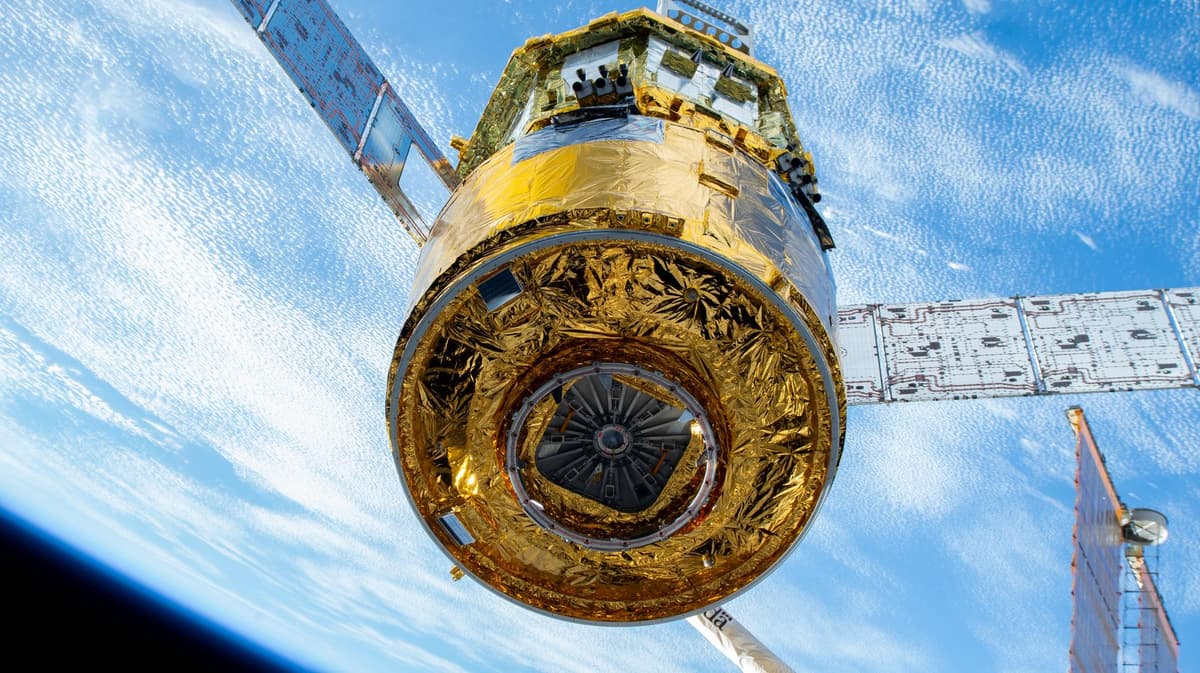
NASA, JAXA to Cover HTV-X1 Spacecraft Departure From Space Station
NASA and Japan’s JAXA will broadcast the departure of the uncrewed HTV‑X1 cargo spacecraft from the International Space Station on March 6, 2026. The vehicle delivered roughly 12,000 lb of scientific experiments, supplies and hardware after launching on an H3 rocket from...

How to Weigh a Killer Asteroid at 22 Kilometers per Second
A new study proposes measuring the mass of small potentially hazardous asteroids by exploiting the inverse relationship between spacecraft velocity change and flyby distance. The technique calls for a main spacecraft to pass within a few asteroid diameters while deploying...
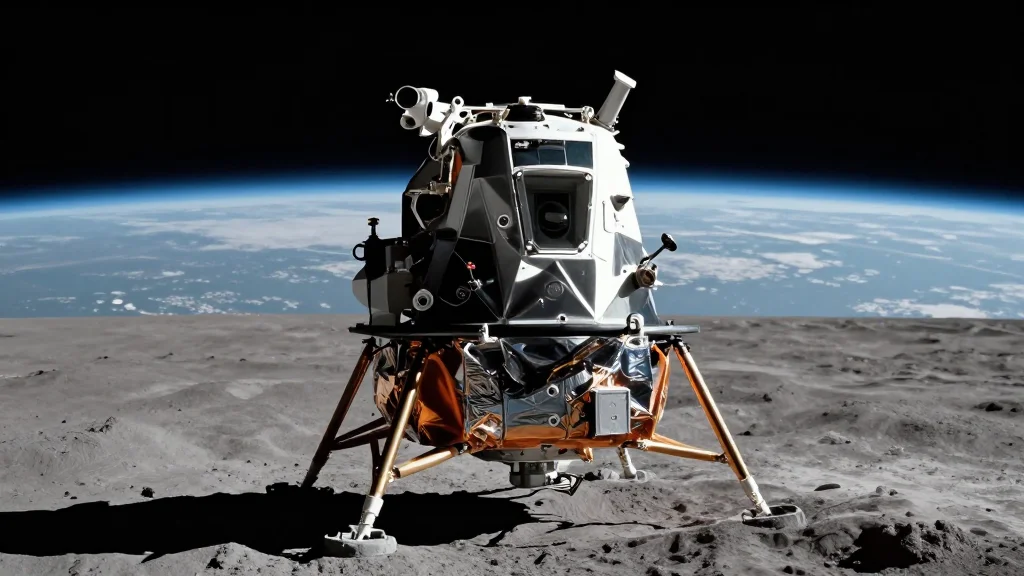
NASA Adds Mission to Artemis Lunar Program, Updates Architecture
NASA announced an accelerated Artemis schedule, adding a 2027 Artemis III mission and committing to at least one lunar surface landing each year. The agency will standardize the SLS‑Orion vehicle to a Block 1 configuration and test docking with commercial landers from...

Stargazing Into the Future of SSA
SpaceX unveiled Stargaze, a space situational awareness service that taps the star‑tracker cameras on its roughly 10,000 Starlink satellites to monitor LEO objects. The company claims the constellation can generate up to 30 million observations per day, delivering hundreds of detections...
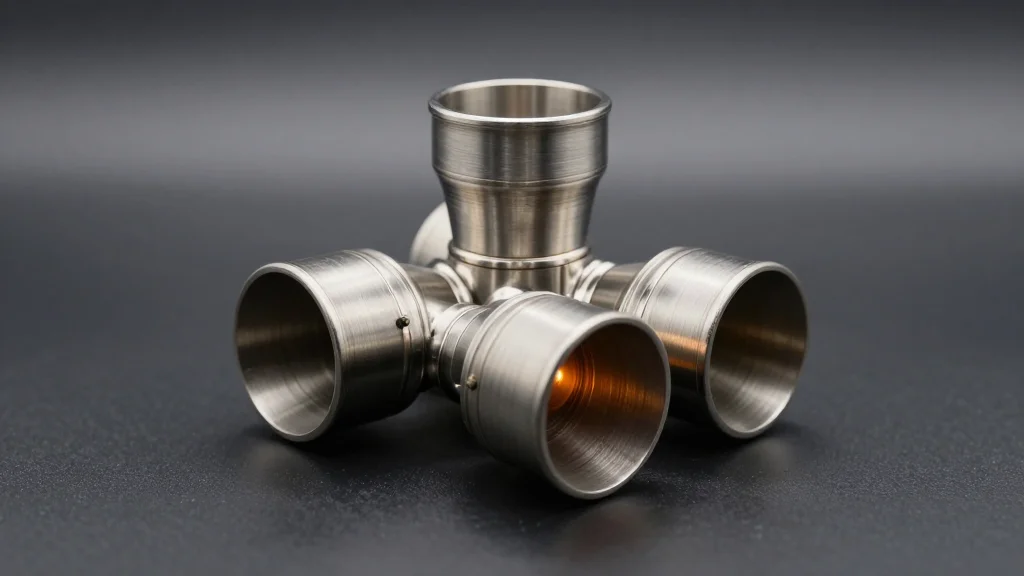
Indian Rocket Startup Agnikul Completes Static Fire Test of Three-Engine Cluster
Indian private launch firm Agnikul released a 40‑second static‑fire video of its three‑engine cluster for the Agnibaan orbital rocket. The engines, fully 3D‑printed and driven by electric‑motor pumps, were calibrated to synchronize six pumps, six motors and six control algorithms....
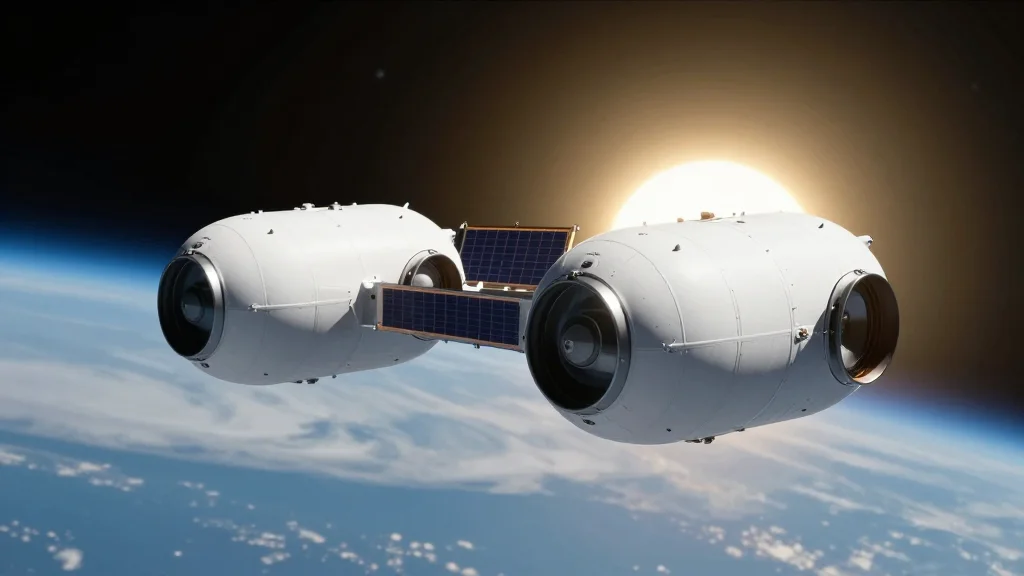
Rocket Lab Completes In-Space Commissioning of Two Escapade Mars Orbiters
Rocket Lab has finished in‑space commissioning of the twin ESCAPADE Mars orbiters, now operating at Earth‑Sun Lagrange Point 2. The company will hand operational control to the University of California Berkeley Space Sciences Laboratory, which will conduct science activities before the...
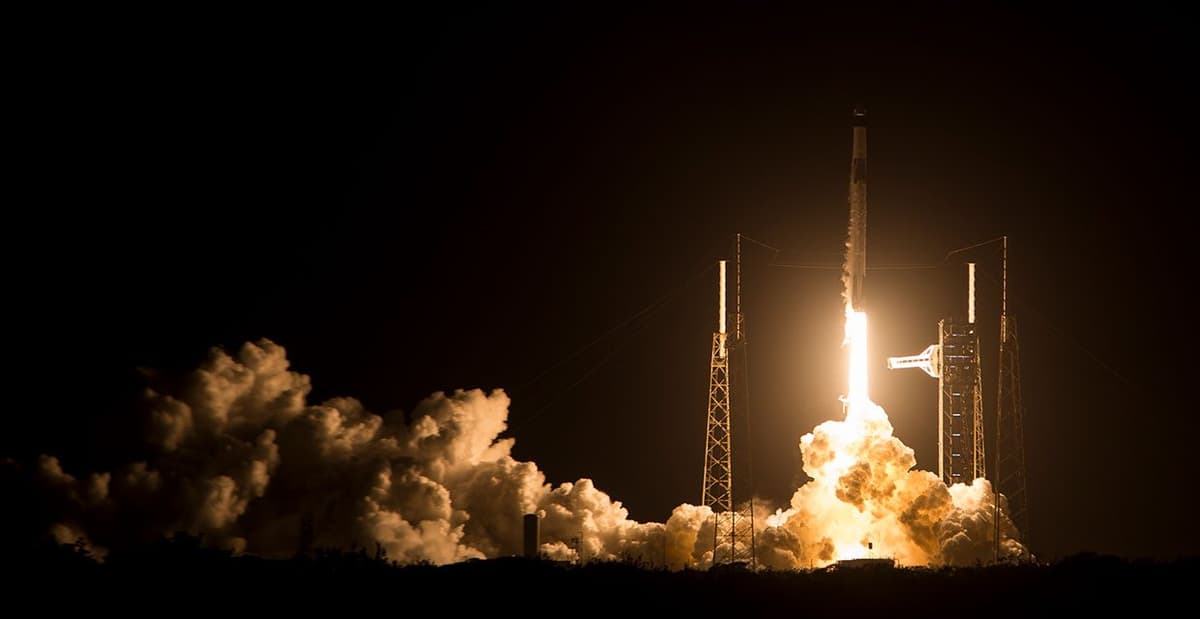
New Space-Based Photovoltaics Industry Growth Driven by Commercial Aerospace, AI Power
Space‑based photovoltaics are poised for rapid expansion as commercial aerospace launches and AI‑driven data centers create new demand. Triple‑junction GaAs cells dominate today, but their reliance on scarce gallium, germanium and indium drives costs sky‑high. Industry leaders, especially in China,...

Geopolitical Scrutiny: The Strategic Implications of APT Satellite’s Chinese State Ownership
APT Satellite Holdings Limited is directly linked to China Satellite Communications Corp., a state‑owned subsidiary of the China Aerospace Science and Technology Corporation. This ownership places the commercial operator at the heart of the sovereign‑commercial nexus, raising concerns that Chinese...

SpaceX Lunar Manufacturing Proposal Triggers Surge in APT Satellite Shares
On March 2, 2026, APT Satellite Holdings shares jumped more than 7% after reports that SpaceX is planning a permanent lunar manufacturing facility. The proposed moon‑based plant would use a multi‑kilometer electromagnetic catapult to launch satellites, potentially reducing launch costs...
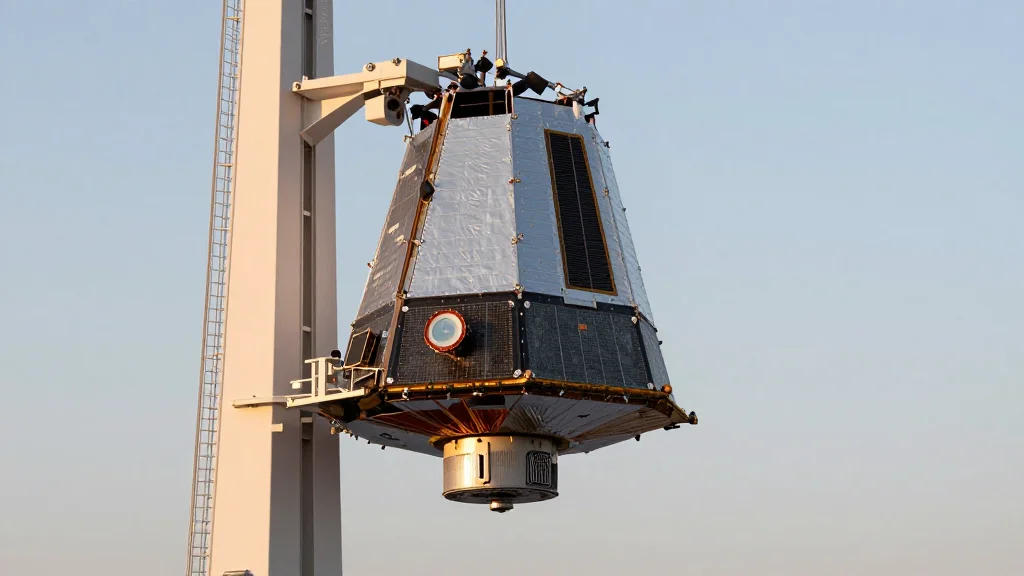
March 2, 2004: Rosetta Launches
On March 2, 2004 the European Space Agency launched the Rosetta‑Philae mission from French Guiana to rendezvous with comet 67P/Churyumov‑Gerasimenko. The spacecraft spent a decade traveling, using three Earth and one Mars gravity‑assist flybys to reach its target. In August 2014 Rosetta entered orbit,...

Exclusive: Starpath Unveils New Ultra-Thin Space Solar Panels
Starpath Space introduced Starlight Air, an ultra‑thin space solar panel that weighs just 73 g per square meter and sells for about $15 per watt. The panel uses a nanometer‑scale crystalline photovoltaic layer printed on a fabric substrate, delivering the same...
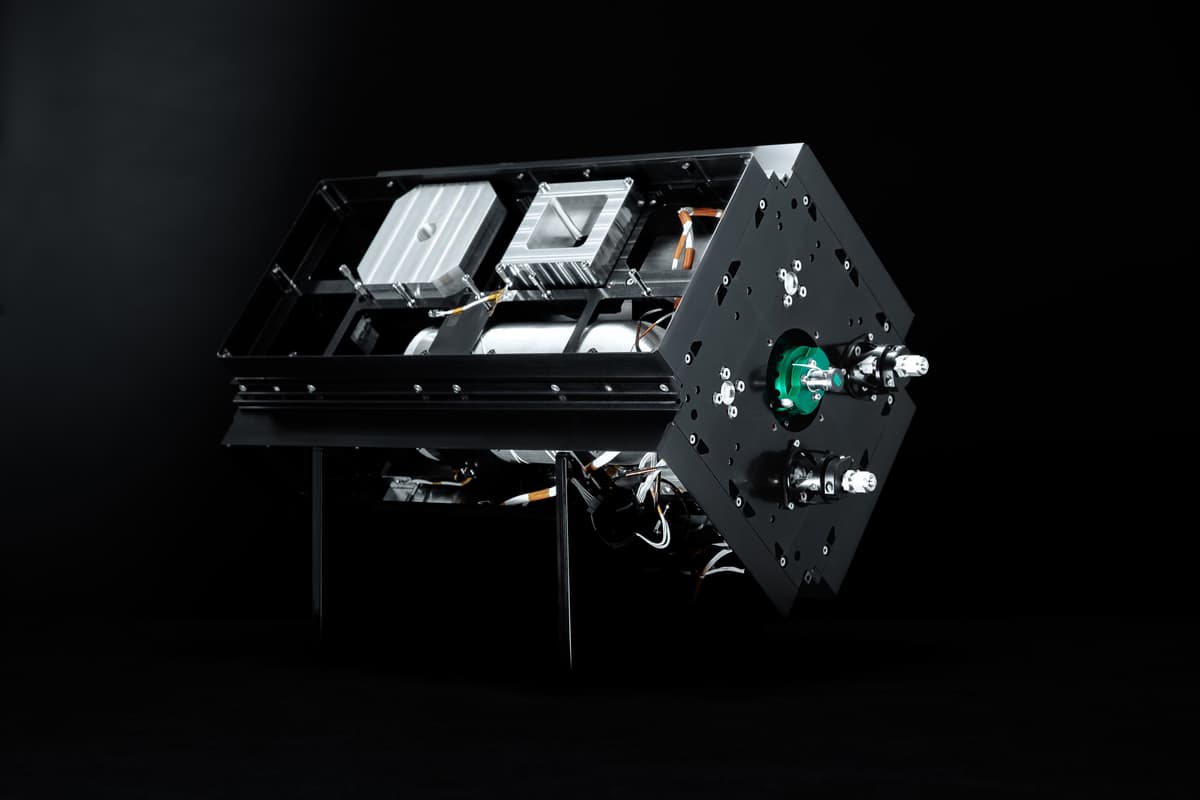
Austria Commissions Its First Military Sat
Austria has commissioned BEACONSAT, its first military‑operated satellite, slated for launch on a SpaceX Falcon 9 in February 2027. The one‑year mission will monitor GNSS signals to detect jamming and spoofing, addressing growing navigation interference threats. The project is financed by a...

World Space Week 2025 Set Record With 50,000 Events in 102 Countries
World Space Week 2025 set a participation record with nearly 50,000 activities in 102 countries. The surge reflects a shift from a niche sector to a global priority, as educators, governments and industry rally to prepare the next generation for...