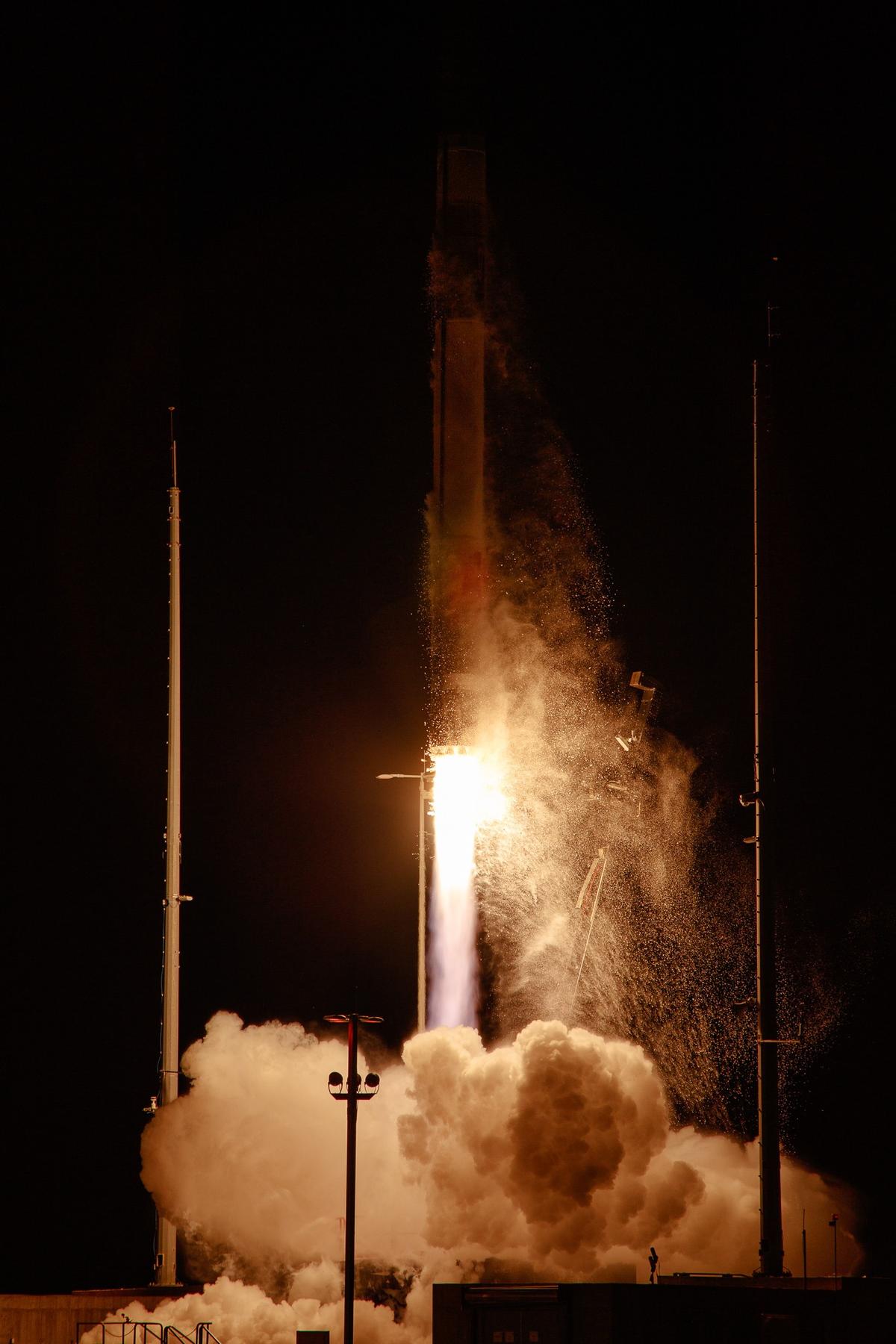
NASA Wallops Supports First Rocket Lab HASTE Launch of 2026
NASA’s Wallops Flight Facility provided tracking, telemetry and range‑safety services for Rocket Lab’s HASTE suborbital launch on Feb. 27, 2026. The mission, dubbed Cassowary Vex, carried a hypersonic test platform for the Department of Defense’s Defense Innovation Unit. This was the first HASTE launch of 2026 conducted from Wallops’ Launch Complex 2. The partnership underscores NASA’s expanding role in supporting national‑security and commercial space operations.

HEO And SATLANTIS Sign MoU To Better Provide Sovereign Space Domain Awareness
On 3 March 2026 HEO Space and Spain’s SATLANTIS signed a memorandum of understanding to deliver sovereign space domain awareness (SDA) capabilities to government and defence clients. The deal merges HEO’s non‑Earth imaging software, analytics and operational expertise with SATLANTIS’s high‑performance optical...

Asteroid 2024 YR4 Will Not Impact the Moon
Asteroid 2024 YR4, a 60‑metre near‑Earth object, once carried a 4 % chance of striking the Moon in December 2032. New observations with JWST’s NIRCam in February 2026 precisely measured its orbit, eliminating the lunar‑impact risk. The asteroid will safely miss the Moon by...
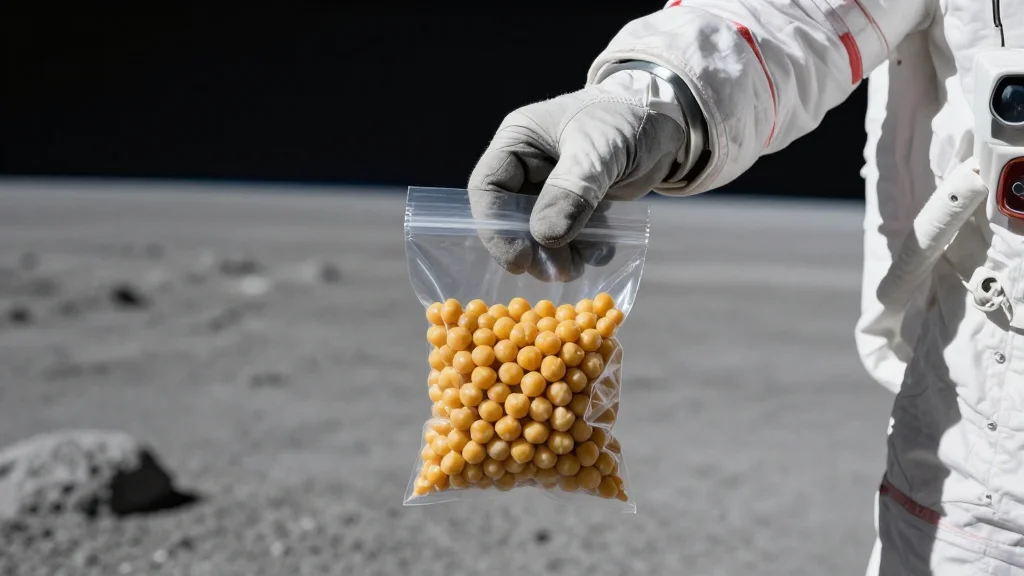
Scientists Successfully Harvest Chickpeas From 'Moon Dirt'
Scientists at the University of Texas and Texas A&M have successfully grown and harvested the Myles chickpea variety using a simulated lunar regolith mix. By blending up to 75% moon‑dirt with vermicompost and inoculating seeds with arbuscular mycorrhizal fungi, the team...
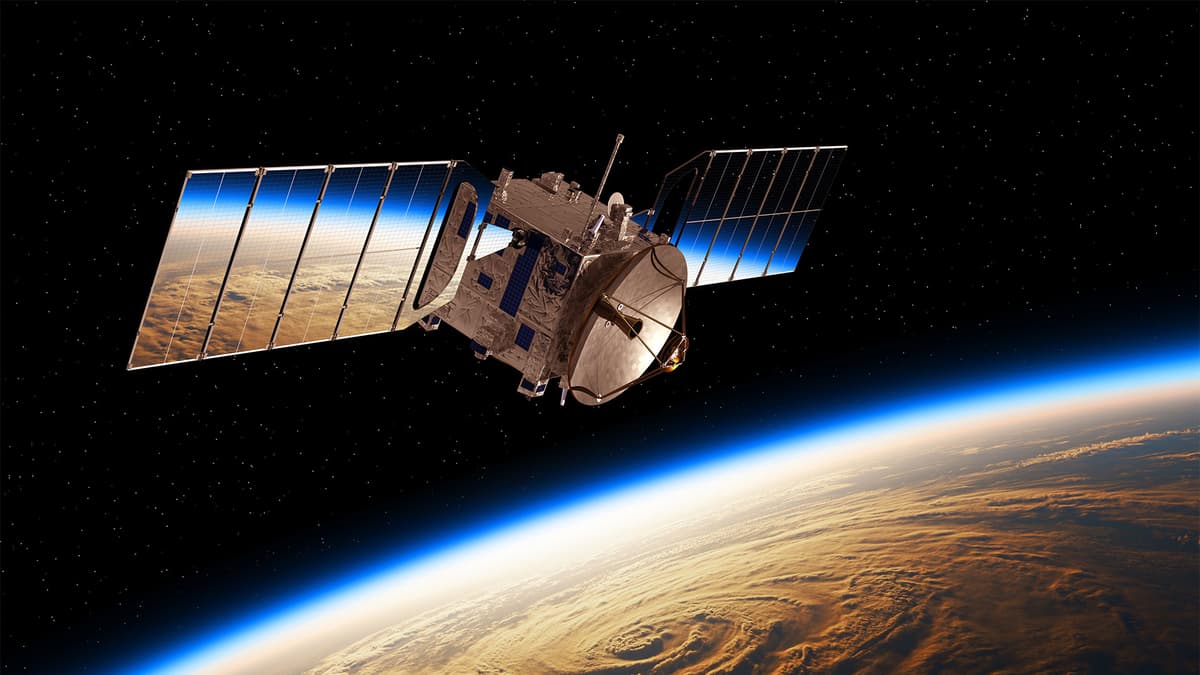
Unlocking AI in Space: The Case for Greater Industry and Space Agency Collaboration
Artificial intelligence is poised to reshape space exploration, offering real‑time data analysis, autonomous navigation, and predictive health monitoring for spacecraft. To realize these gains, AI hardware must survive radiation, extreme temperatures, and power constraints while delivering sufficient compute throughput. The...
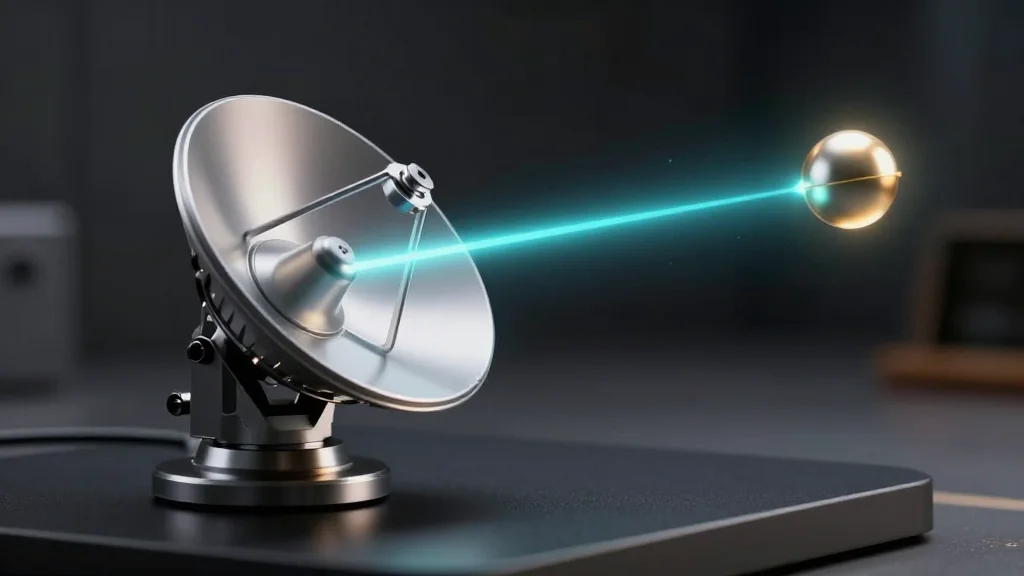
Circuits Integrated Hellas and Reach Power Sign Multi-Year Strategic MOU
Circuits Integrated Hellas (CIH) and Reach Power have signed a multi‑year memorandum of understanding to co‑develop integrated RF/mmWave and wireless power‑at‑a‑distance (WPDT) solutions. CIH will supply custom semiconductor designs, beamforming architectures and heterogeneous integration, while Reach contributes its proven power‑beaming...

UK Announces £500 Million Package for Industrial Growth and National Security
The United Kingdom unveiled a £500 million space funding package aimed at accelerating economic growth and national security. The money targets seven sub‑sectors, with priority given to satellite communications, assured access, in‑orbit servicing, assembly, manufacturing and space domain awareness. The package...
Roundhill Launches Pure-Play Space ETF
Roundhill Investments announced the launch of the Roundhill Space & Technology ETF (ticker MARS) on March 5, 2026, offering active exposure to pure‑play space companies. McKinsey projects the global space economy to swell to $1.8 trillion by 2035, up from $630 billion...

Government Throws Weight Behind Space-Manufactured Drugs
The UK government announced a new package of measures to accelerate space‑based pharmaceutical manufacturing, offering regulatory clarity and a sandbox for companies developing drugs in microgravity. The initiative, led by the Department for Science, Innovation and Technology, brings together the...
The Promise Of A World of Low Launch Prices Is Still Far Off
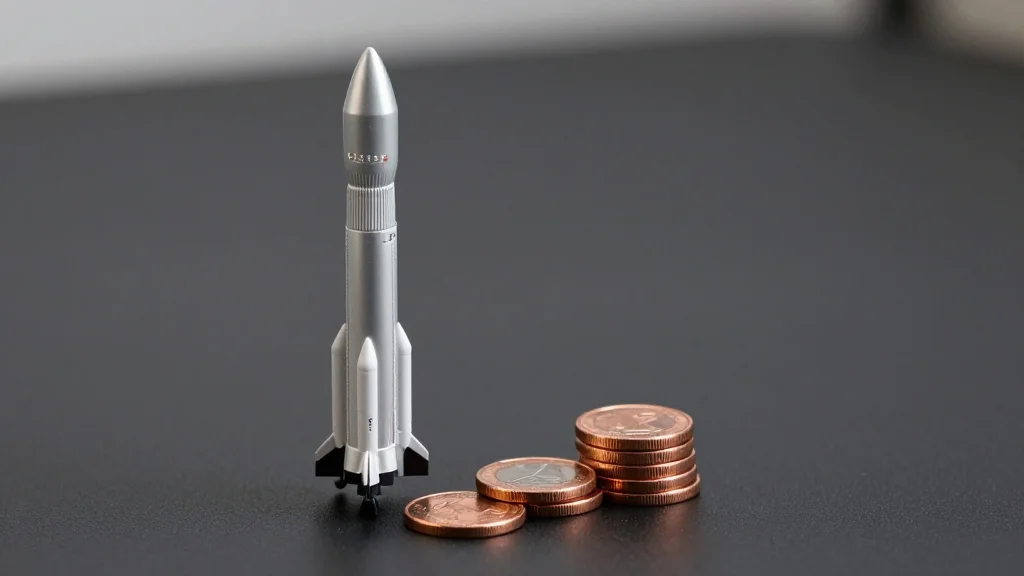
The article argues that despite hype around reusable rockets, truly low‑cost launch prices remain elusive. It examines why SpaceX’s sub‑$5 kg target is still out of reach for most customers, citing technical bottlenecks, limited launch cadence, and regulatory hurdles. The piece...
Chinese Astronauts Hone Extreme Cave Survival Skills
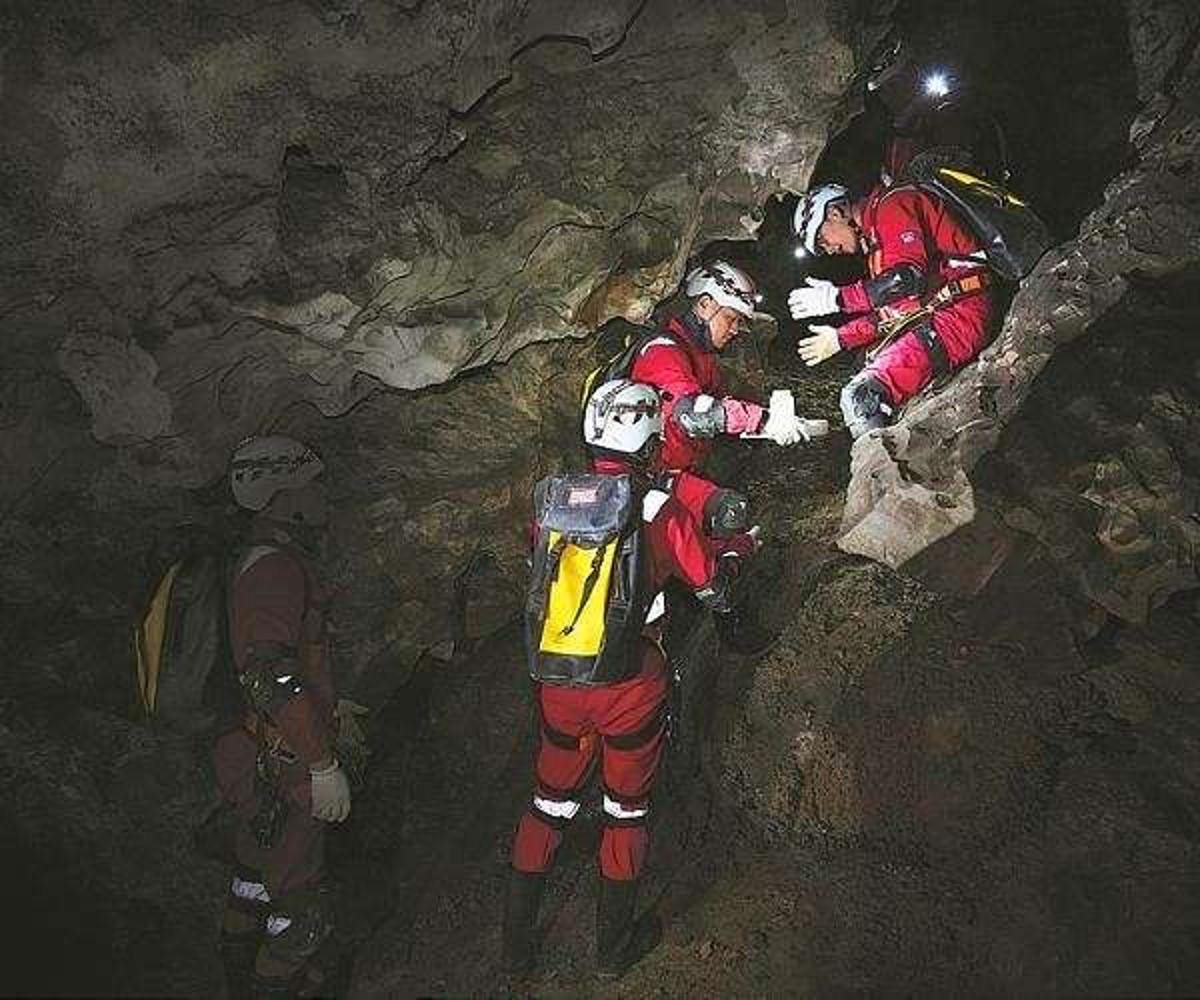
China’s Astronaut Center completed its first cave‑survival training, involving 28 astronauts and trainees in a month‑long program in Chongqing’s Wulong district. Participants endured 8 °C temperatures, 99 % humidity, darkness and confined spaces while conducting mapping, scientific tasks and emergency drills. The...
Lunar Dust Study Links Space Weathering to Changes in Moon Ultraviolet Brightness
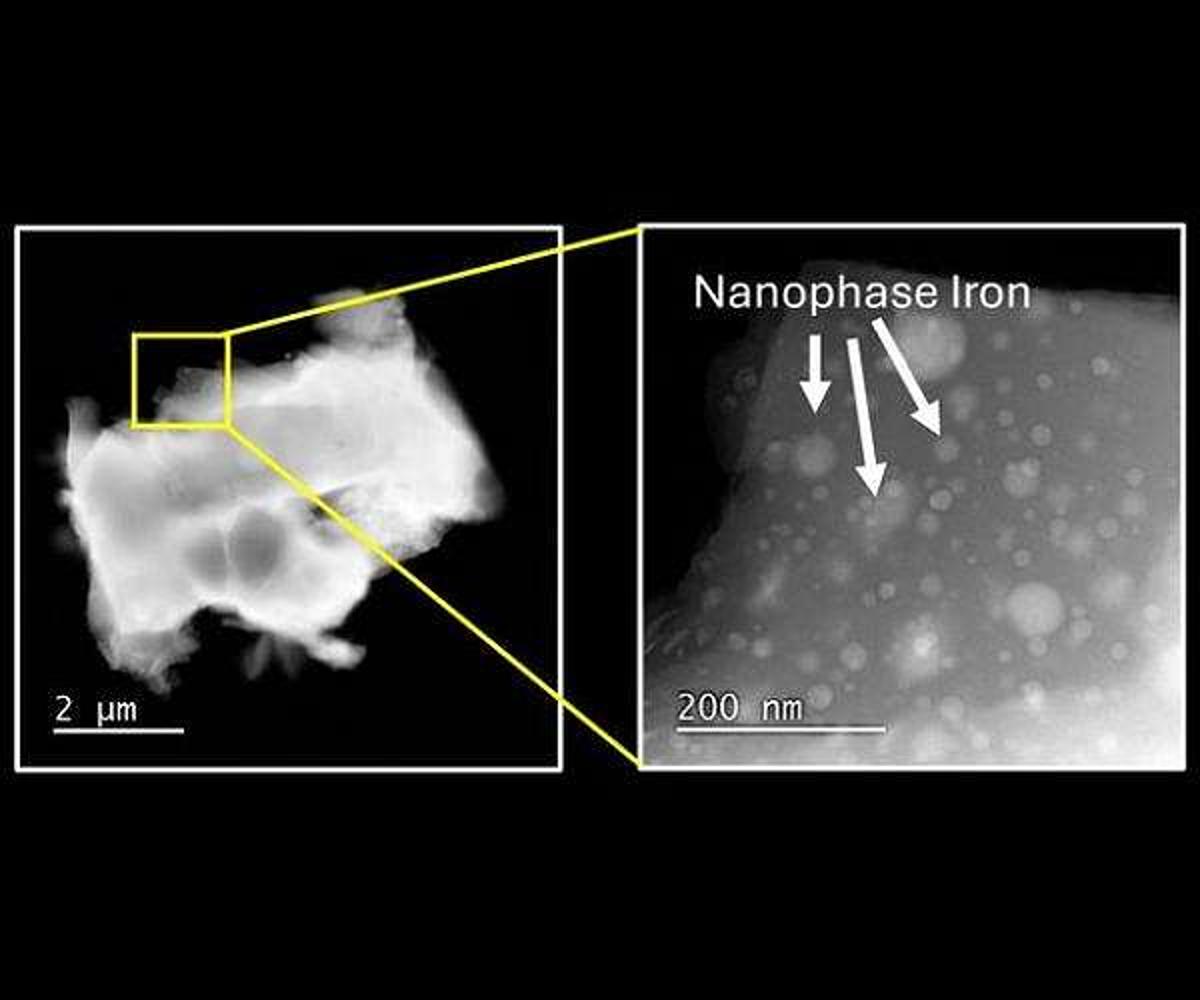
Southwest Research Institute and UT San Antonio re‑examined Apollo 11, 16 and 17 lunar soils with modern transmission electron microscopy to quantify how space weathering alters far‑ultraviolet (FUV) reflectance. The study linked the presence of nanophase‑iron particles in grain rims...
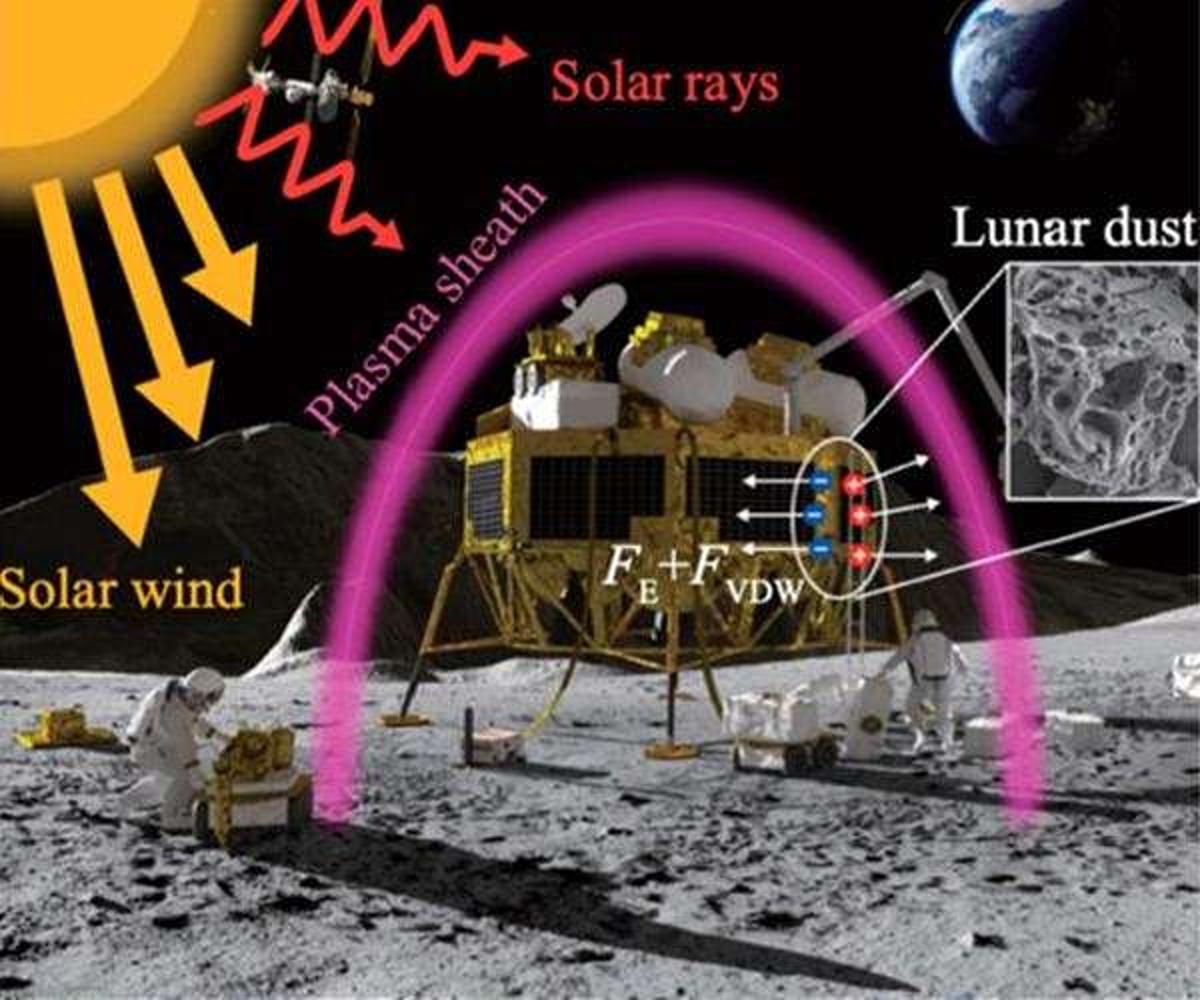
Lunar Dust Model Maps How Charged Grains Stick to Spacecraft
Researchers from the Beijing Institute of Technology, the China Academy of Space Technology and the Chinese Academy of Sciences have introduced a theoretical model that couples electrostatic forces with contact‑mechanics to predict whether low‑velocity charged lunar dust grains stick to...
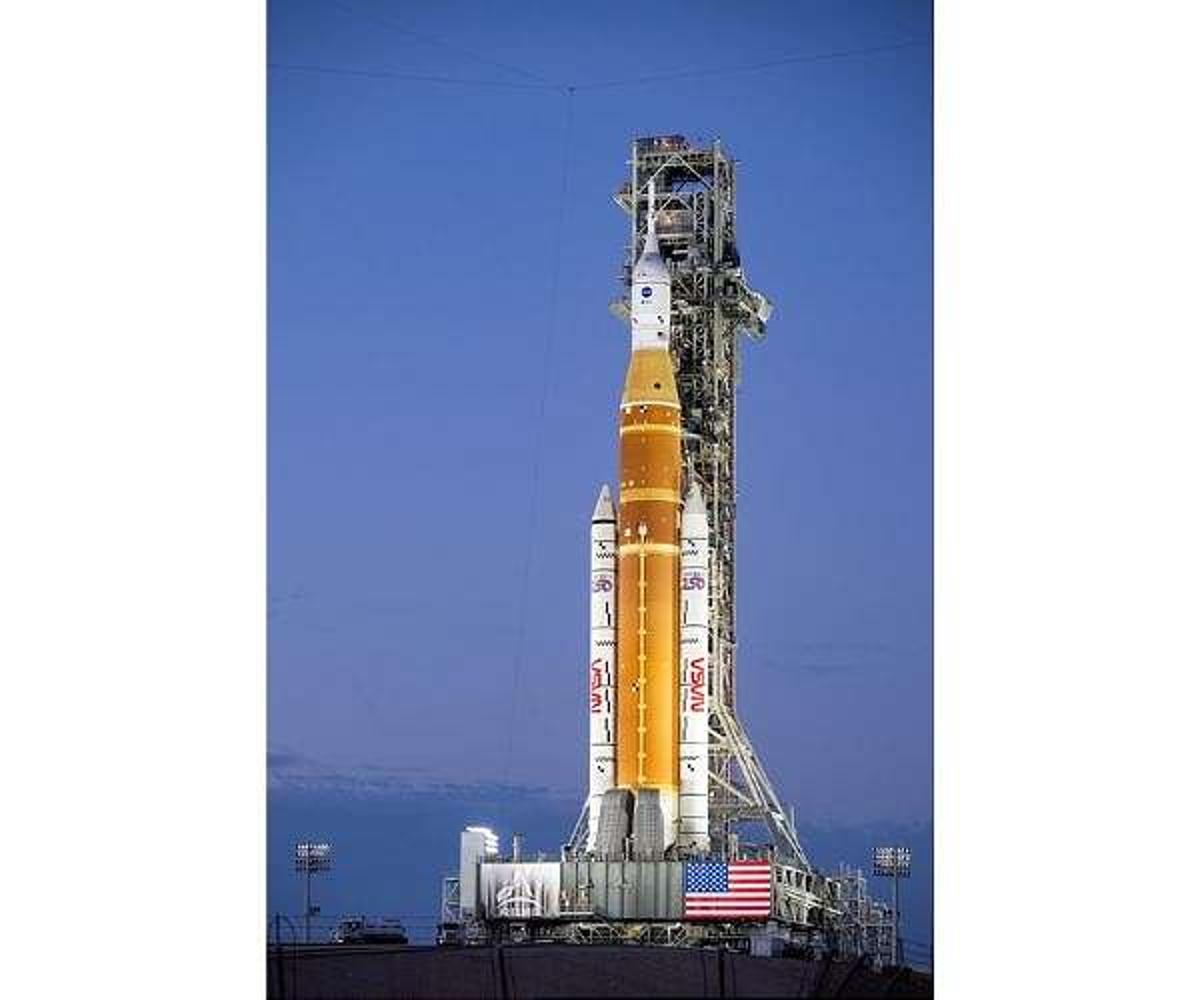
Northrop Grumman Boosters Set For First Crewed Lunar Voyage Of Artemis Era
Northrop Grumman's new five‑segment solid rocket boosters will power NASA's Artemis II launch, the first crewed mission of the Space Launch System, slated for early February 2026. Each 177‑foot booster delivers 3.6 million pounds of thrust, together providing 7.2 million of the SLS’s...
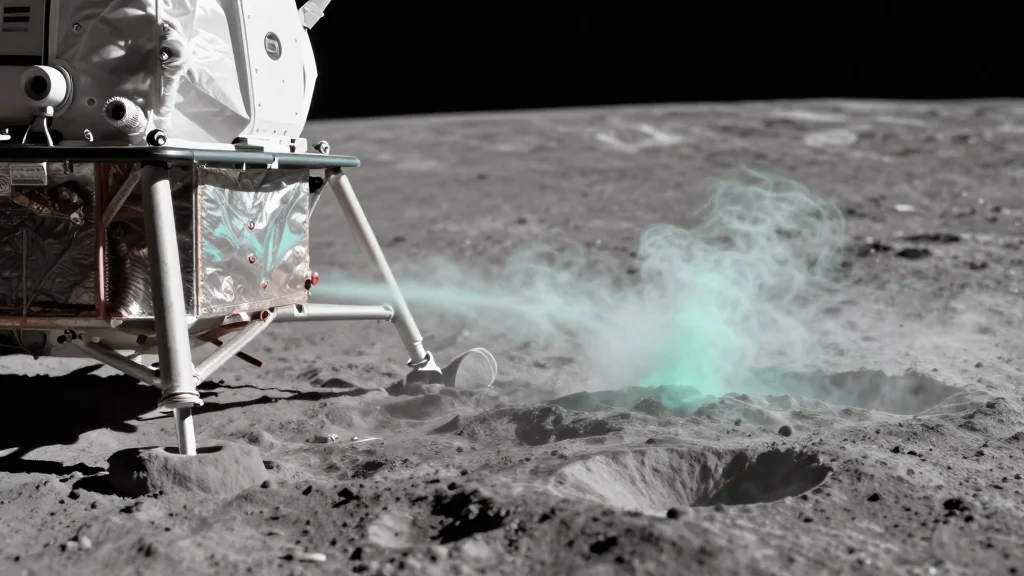
Lunar Spacecraft Exhaust Could Obscure Clues to Origins of Life
Over half of methane exhaust from lunar landers can migrate across the Moon, reaching the opposite pole within two lunar days and becoming trapped in permanently shadowed regions. Simulations of ESA’s Argonaut mission show 42 % of exhaust settles at the...
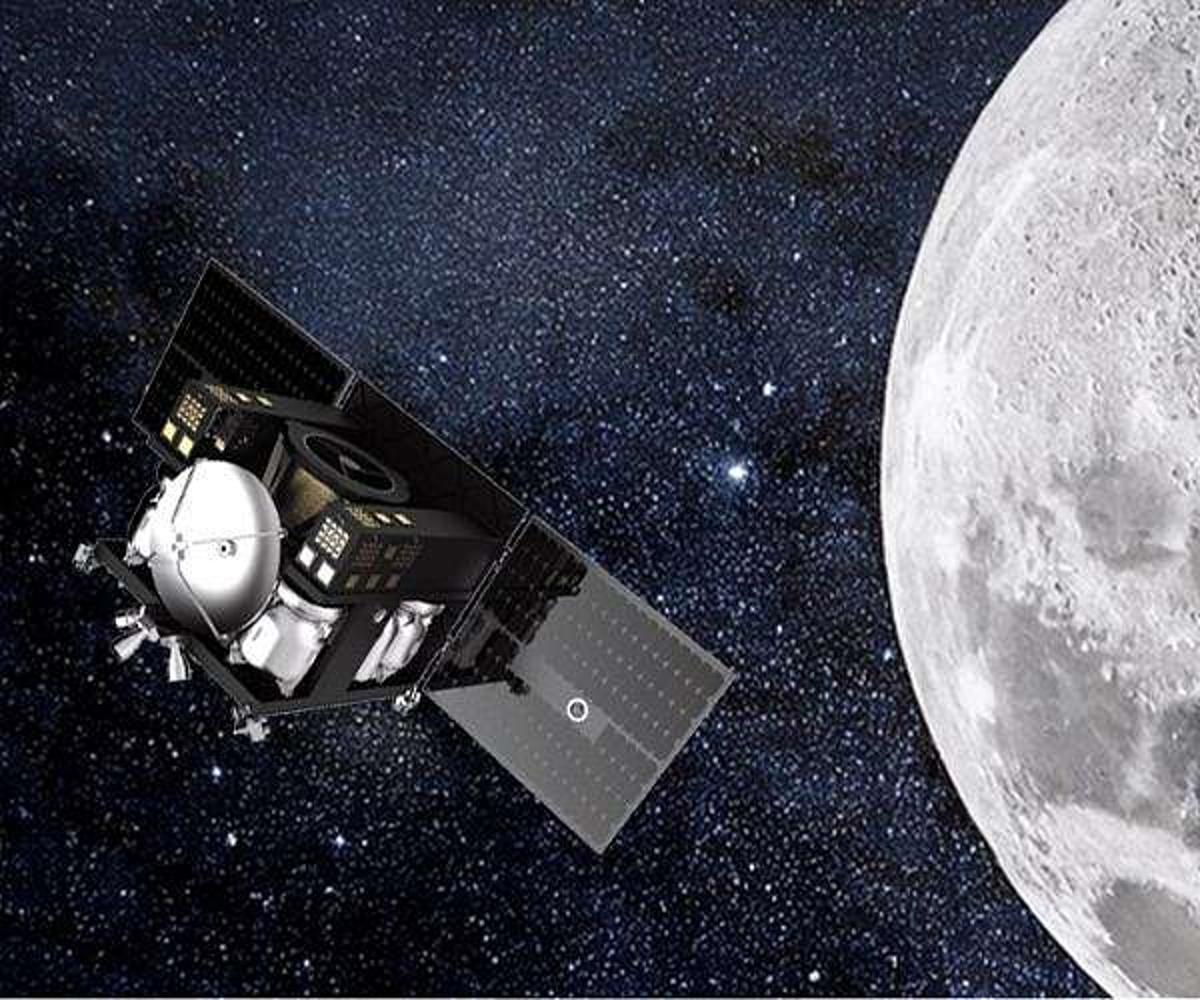
Danish Mani Mission to Chart Lunar Terrain in 3D
Denmark’s University of Copenhagen will lead the ESA‑backed Mani mission, slated for a 2029 launch, to map the Moon’s north and south polar regions in three dimensions. The satellite will capture high‑resolution images from multiple angles, using shadow analysis to...

Where Is the Baikonur Cosmodrome, the World’s Largest Space Launch Facility?
The Baikonur Cosmodrome, the world’s largest space launch facility, sits in southern Kazakhstan about 200 km west of the city of Baikonur. Operated by Russia’s Roscosmos under a 1994 lease, it has supported more than 400 orbital launches since its first...
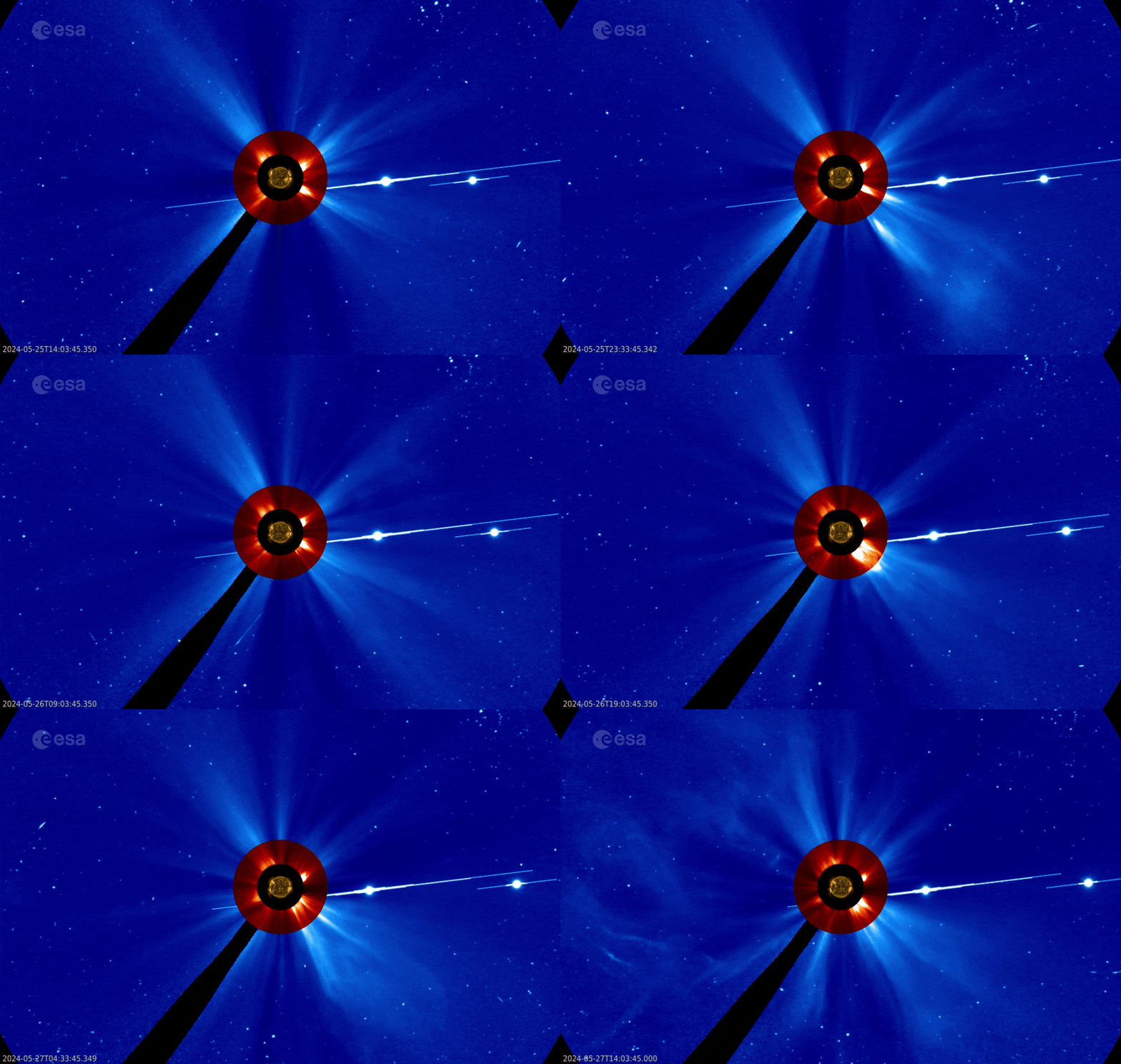
ESA’s Mars Orbiters Watch Solar Superstorm Hit the Red Planet
ESA’s Mars Express and ExoMars Trace Gas Orbiter captured the May 2024 solar superstorm’s effects on the Red Planet, revealing unprecedented electron spikes in the upper atmosphere. A radiation monitor on TGO logged a dose equivalent to 200 Earth days in...

Ursa Major Successfully Hot Fires Latest Variant of AM-Enabled Hadley Engine
Ursa Major announced the successful hot‑fire of its upgraded Hadley H13 liquid rocket engine, marking the first flight test of the latest variant. The company has integrated additive manufacturing across roughly 80% of the engine’s parts, streamlining production and cutting...

A History of the Deep Space Network
The Deep Space Network (DSN), established in 1963 under JPL, provides continuous 360‑degree coverage through three antenna complexes in the United States, Spain, and Australia. Over six decades it has evolved from 26‑meter dishes to 70‑meter giants, supporting iconic missions...
Space: The Final Frontier for Standards
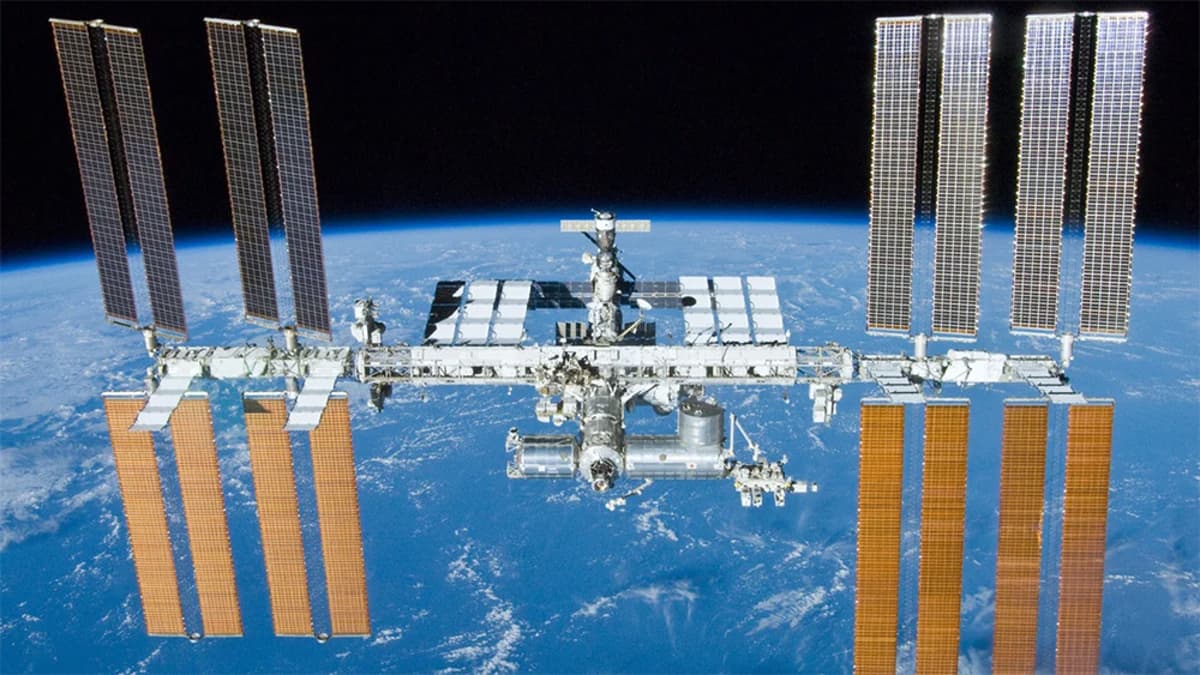
In August 2025, NIST, NOAA and biotech firm Rhodium launched seven reference materials—including cholesterol, house dust and a freeze‑dried human liver—on a Falcon 9 to the International Space Station. Six of the samples are NIST standard reference materials (SRMs) that meet...
March 4, 2026 Zimmerman/Batchelor Podcast
Robert Zimmerman’s new release, *Genesis: the Story of Apollo 8*, chronicles the historic 1968 mission that first took humans to another world. The book launches in three formats—print, ebook, and audiobook—each featuring a foreword by Valerie Anders and a fresh introduction...

SatNews Launches New Website: 52,000 Stories, Zero Left Behind
SatNews unveiled a fully redesigned website that preserves its entire 52,000‑story archive while delivering current headlines such as SpaceX’s pending IPO and Germany’s €35 billion LEO commitment. The platform is divided into seven dedicated channels—Missions & Constellations, Business, Defense, Government, Launch,...

With Bezos’s Blue Origin Bowing Out of Space Tourism, Richard Branson Wants to Step Up
Virgin Galactic has become the sole commercial sub‑orbital tourism operator after Blue Origin announced it will cease space‑tourism activities. The company’s newly upgraded Delta spacecraft, designed for a two‑day turnaround, is slated for its inaugural flight by the end of...
Is SDA Getting Ahead of Itself on Missile-Warning Satellites?
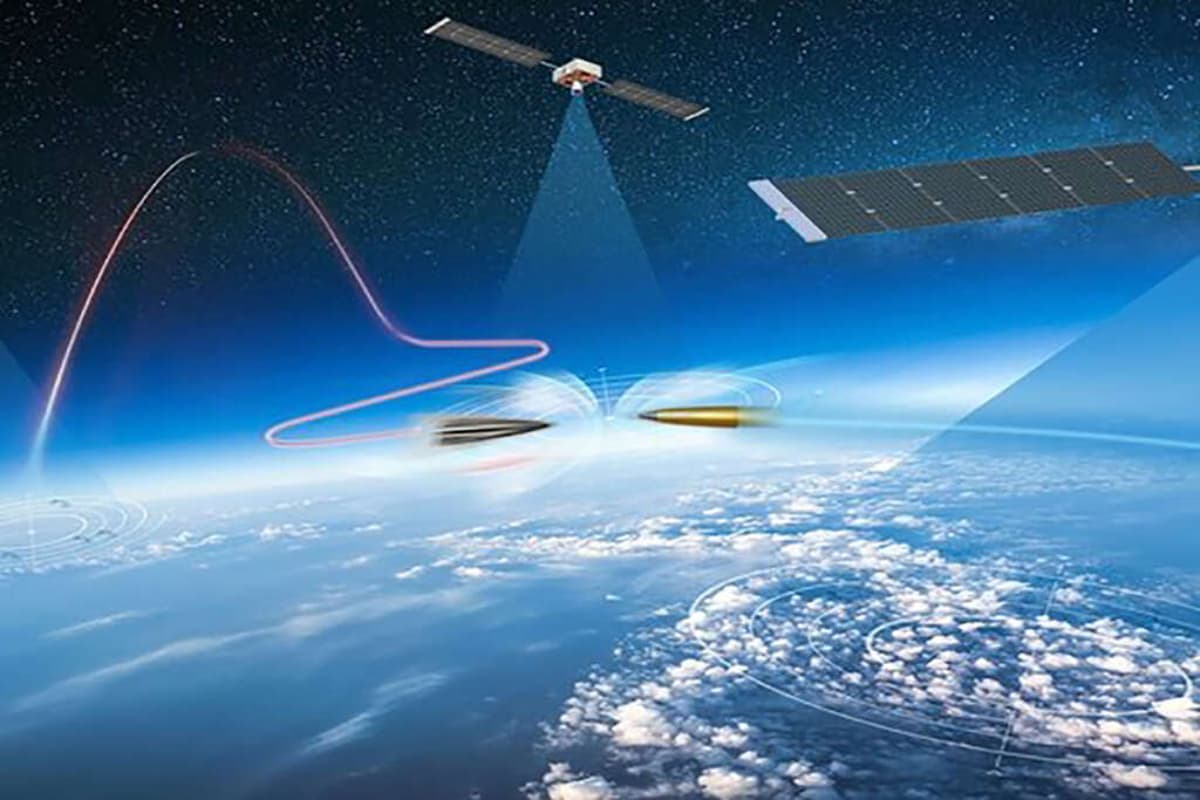
The Government Accountability Office released a critical review of the Space Development Agency’s missile‑warning satellite program, highlighting a heavy reliance on contractor‑provided technology‑readiness assessments and an aggressive two‑year acquisition cadence. GAO found that SDA lacks an enterprise‑wide schedule, has limited...
NASA Initiates New Program to Grab Talent From the Private Sector
NASA has launched the NASA Force program, in partnership with the Office of Personnel Management, to recruit high‑impact technical talent from the private sector for two‑year federal assignments. The initiative mirrors OPM’s Tech Force effort and offers participants a pathway...

Nvidia Hiring for Orbital Data Center System Architect, as Space Compute Market Grows
Nvidia announced a senior hire for an orbital data‑center system architect, offering a base salary between $224,000 and $356,500. The role will design end‑to‑end AI compute solutions that operate from the GPU chip through satellite platforms and inter‑satellite links. The...

The Iran Precedent: Operation Epic Fury and the Law of Armed Conflict in Space
Operation Epic Fury, a joint U.S.–Israeli strike against Iranian infrastructure, relied on coordinated space‑based uplink/downlink jamming and cyber disruption before kinetic weapons were employed. The campaign highlighted how militaries exploit a legal gray zone where non‑kinetic effects avoid the traditional...

Thursday Morning Conversation with Viasat CEO Mark Dankberg
Viasat CEO Mark Dankberg discussed the rollout of the ViaSat-3 constellation in a Thursday Morning Conversation with Via Satellite. The second ViaSat-3 satellite is set to enter service within weeks, with a third slated for a spring launch and later...
Female Astronauts Face Clotting Risks, Five-Day Weightlessness Simulation Suggests
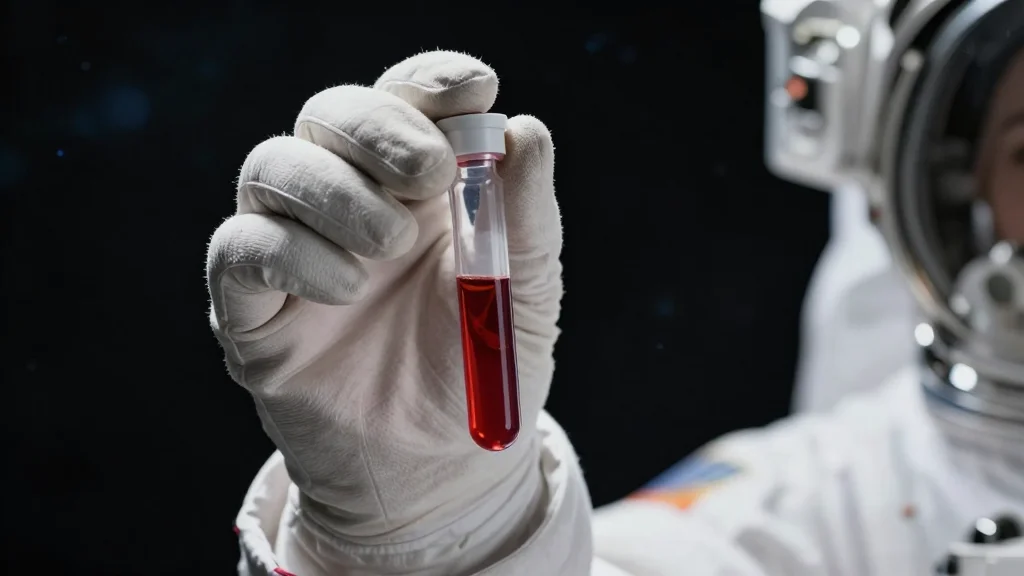
A five‑day dry‑immersion simulation revealed that healthy female participants experience altered blood‑clotting dynamics in microgravity, with delayed initiation but faster, more stable clot formation. The study, published in Acta Astronautica, examined 18 women using rotational thromboelastometry and found no hormonal...
HawkEye 360 Adds $23M to Series E Funding
HawkEye 360 announced a $23 million addition to its Series E round, attracting new investors Ghisallo, Principia Growth and Sixty Degree Capital alongside existing backer Strategic Development Fund. The infusion follows a $150 million debt‑equity package used to acquire Innovative Signals Analysis (ISA)...
NASA’s Eclipse Megamovie Project Releases Full Data on 2024 Solar Eclipse
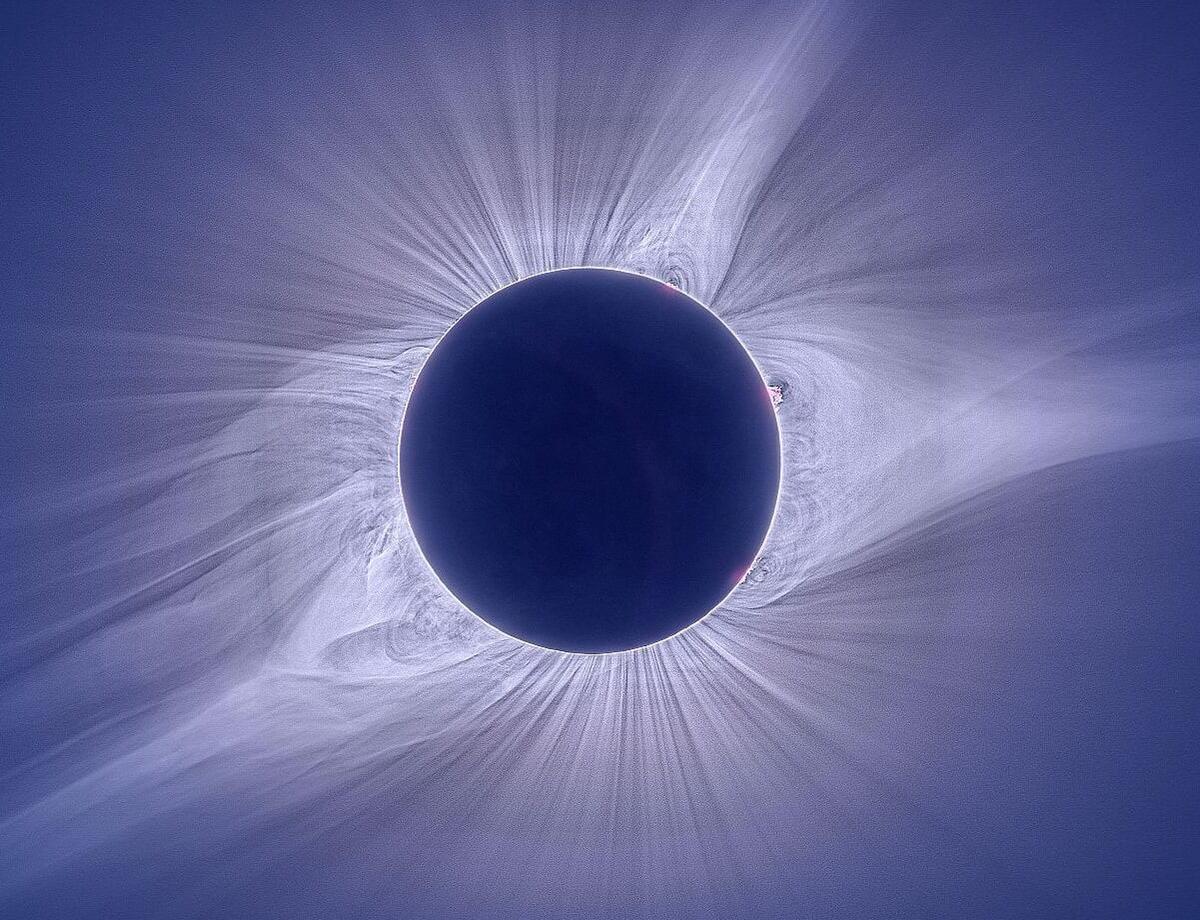
NASA’s Eclipse Megamovie project has released its full dataset from the April 8 2024 total solar eclipse. The collection comprises 52,469 photographs taken by volunteers at 143 U.S. observatories, creating the first white‑light eclipse dataset covering over 90 minutes of coronal observations....
Canada and India Move to Update Decades-Old Space Ties
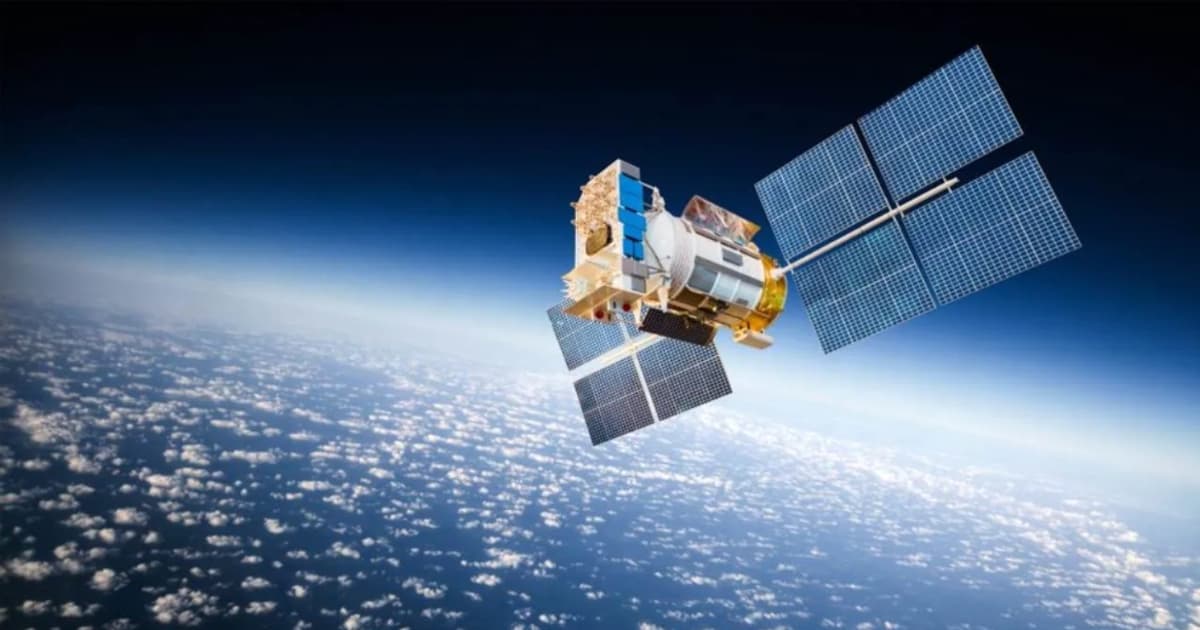
Canada and India marked the 30th anniversary of their space collaboration by agreeing to a new Implementing Arrangement that expands joint work in atmospheric science, space robotics, human spaceflight, quantum communications and AI‑driven aerospace. The deal builds on agreements from...
Introducing the 'Interplanetary Habitable Zone'
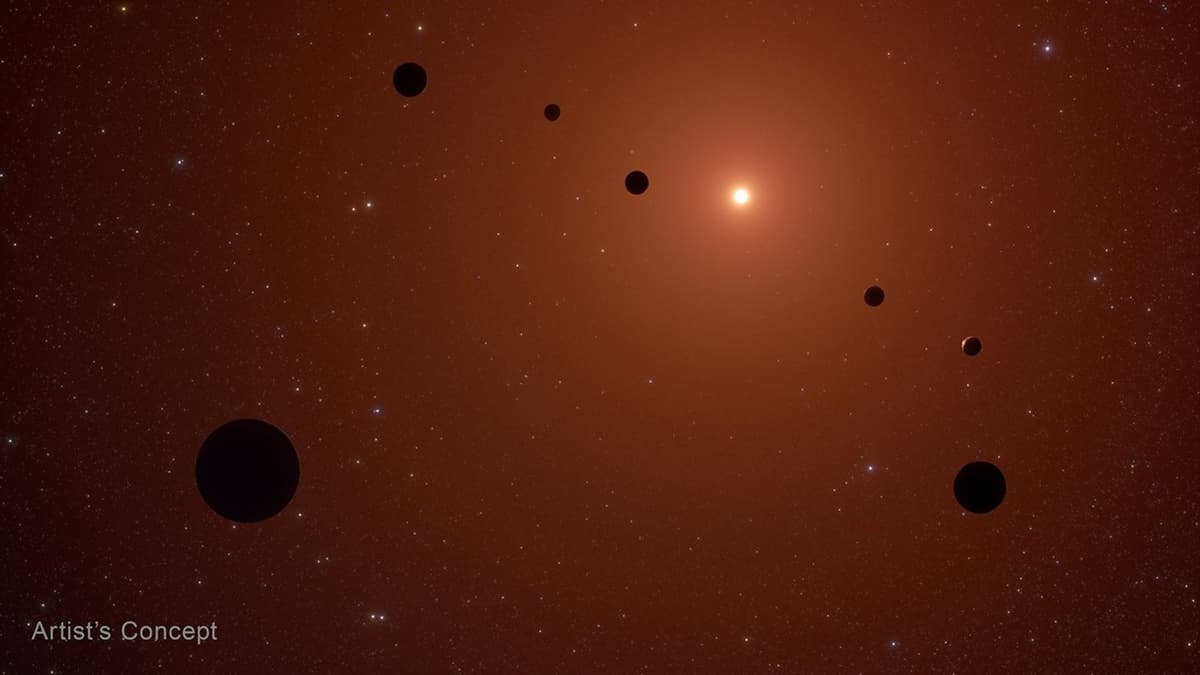
NASA astrobiologist Dr. Caleb Scharf introduces the Interplanetary Habitable Zone (IHZ), a multidimensional extension of the classic Goldilocks concept that incorporates power availability, radiation risk, transport difficulty, and material resources. His agent‑based simulation shows how a technological civilization might migrate...
MDA Space Reports Record Revenue Again in 2025, Driven by Satellite Manufacturing Progress
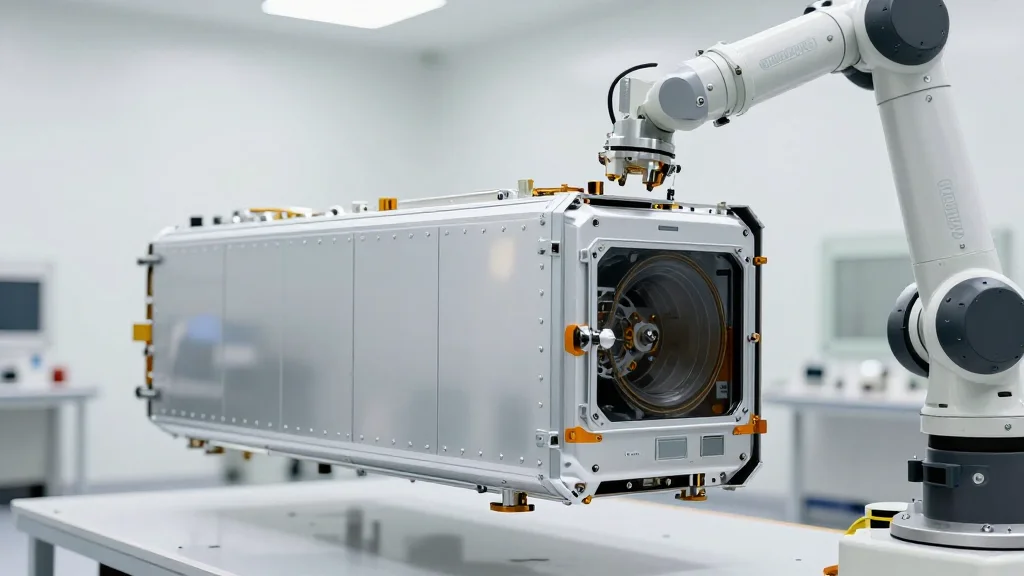
MDA Space posted a record C$1.63 billion in 2025 revenue, a 51% year‑over‑year jump, driven largely by its Satellite Systems division. That segment surged 85.5% to C$1.1 billion, fueled by contracts for Low‑Earth‑Orbit constellations with Globalstar and Telesat Lightspeed. Adjusted net income...
SWOT Satellite Takes Stock of World's River Water
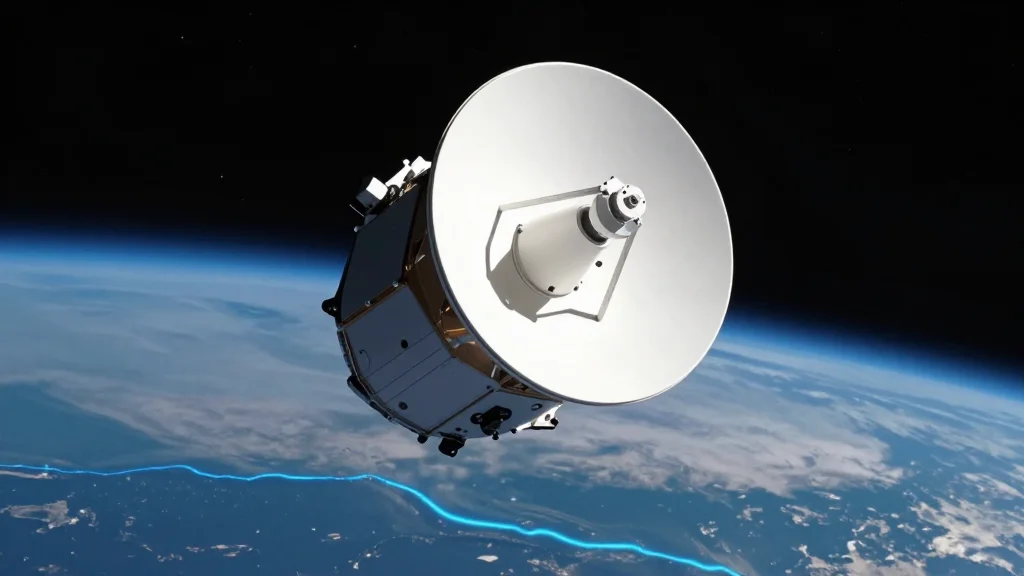
NASA and CNES’s SWOT satellite has completed its first year of global river monitoring, analyzing nearly 1.6 million observations across 127 000 river segments. The study, published in Nature, shows total river volume fluctuations of about 83 trillion gallons—roughly 28 % less than previous...
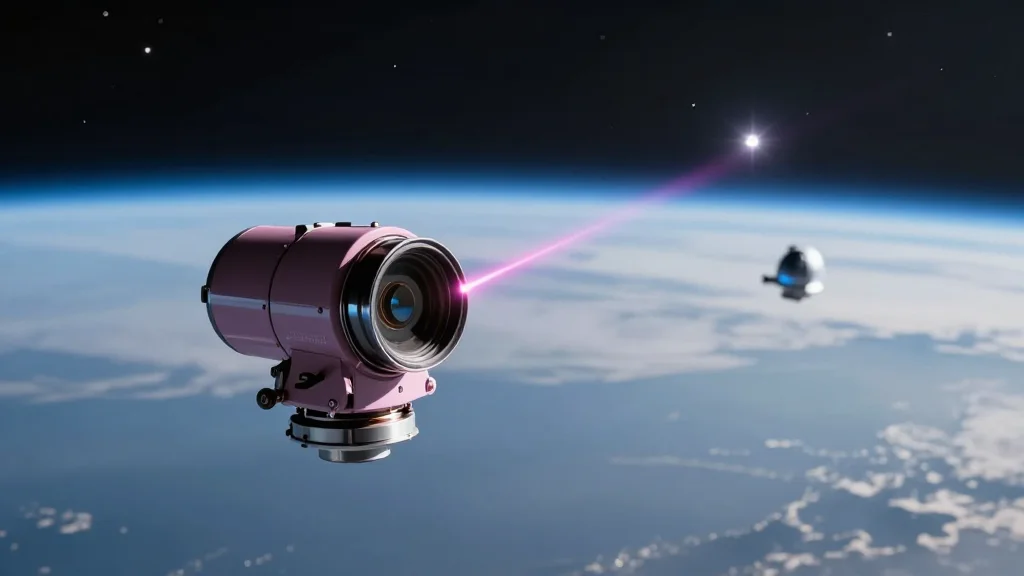
The First Orbiting Private Space Telescope Releases “First Light” Image
Blue Skies Space’s privately owned telescope Mauve has achieved its first‑light observation, capturing a five‑second ultraviolet exposure of the bright star eta Ursae Majoris. Although its 5‑inch mirror is far smaller than Hubble’s, the space‑based platform delivers clarity beyond any ground‑based instrument....
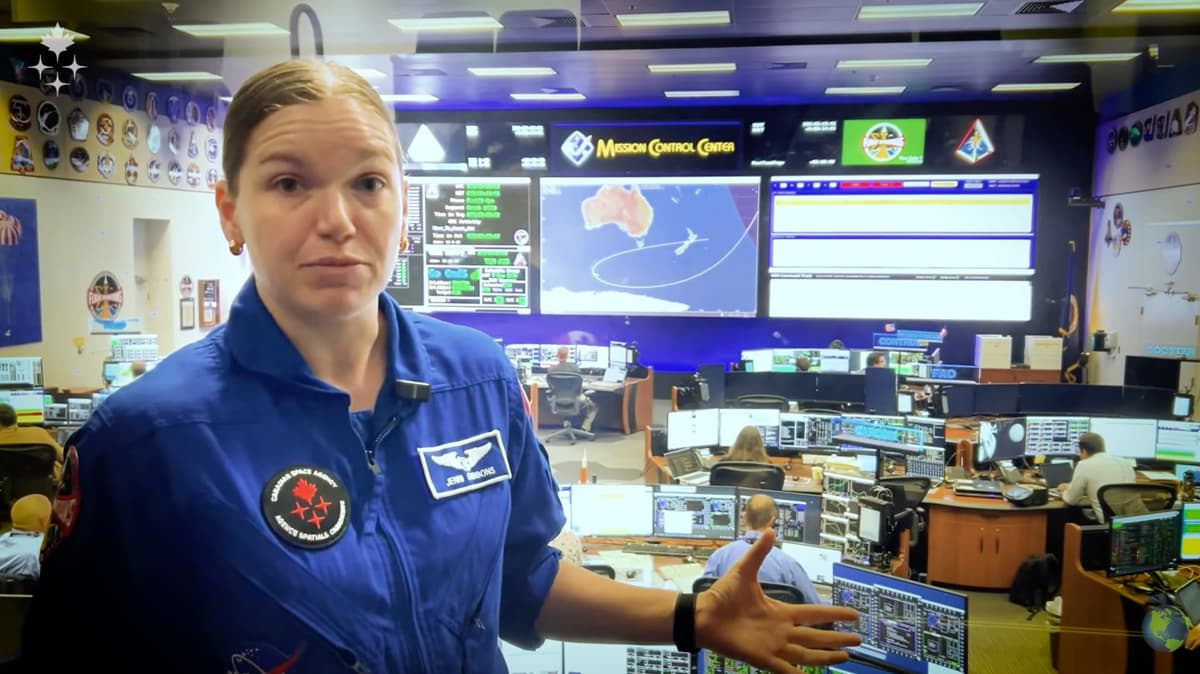
The Voice of Mission Control: Jenni Gibbons on Guiding Artemis 2 to the Moon
Canadian astronaut Jenni Gibbons has been appointed Capsule Communicator (Capcom) for NASA’s Artemis II mission, the first crewed lunar flight in over five decades. As the sole voice from Mission Control to the four‑person crew, she will translate complex flight‑control data...

Mutable Tactics Raises $2.1 Million for AI Drone Coordination in Satellite-Denied Environments
Mutable Tactics, a British AI startup, secured $2.1 million in pre‑seed funding to build software that lets swarms of military drones operate autonomously when satellite navigation and communications are unavailable. The round was led by Seraphim Space, with participation from the...
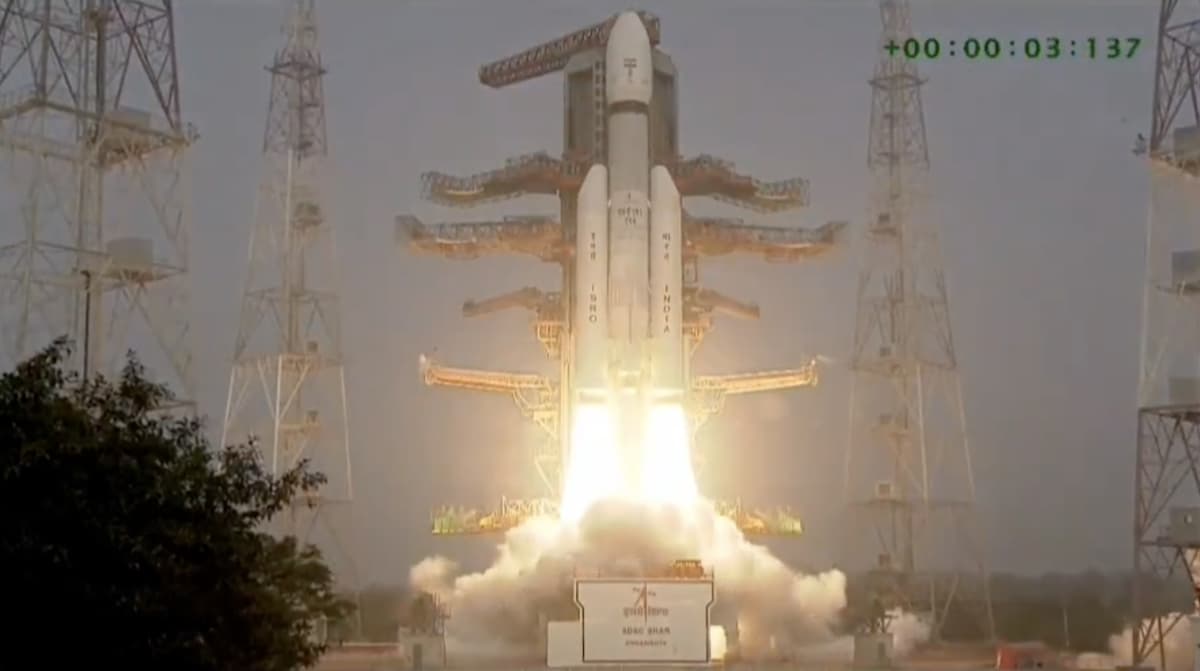
Return of the (Space) SPAC
Former investment banker Raphael Roettgen revived a space‑focused SPAC in early 2026 after a four‑year hiatus, raising about $230 million in trust to seek a merger with a space‑related company. The new vehicle, Space Asset Acquisition Corp., reflects a broader revival...

GomSpace Secures €7.6 Million Contract for Defense-Grade RF Monitoring Cluster
GomSpace announced a €7.6 million contract with Rome‑based VirtuaLabs to deliver a satellite cluster for space‑based RF environment monitoring. The partnership blends GomSpace’s modular satellite platforms with VirtuaLabs’ electronic‑warfare payload expertise, targeting institutional‑grade ISR capabilities. Delivery of the fully integrated cluster...

UK Space Agency Unveils £30m Satellite Funding Pot
British firms developing satellite communications will share £30 million from the UK Space Agency’s Connectivity in Low Earth Orbit (C‑LEO) programme. The second funding round is designed to move technologies from testing to deployment, emphasizing smarter hardware, AI‑enhanced data delivery, and...

Russia Fixes Launch Pad Damaged by Thanksgiving Astronaut Launch to the International Space Station
Russia’s Baikonur Cosmodrome Site 31, the only pad used for crewed Soyuz flights, was out of service after a Nov 27, 2025 launch damaged its service cabin and infrastructure. Roscosmos announced on March 3 that a 150‑person team completed extensive repairs, replacing 2,350 square meters...

Telespazio Deploys LEO-Based Mobile Satcom for Brazil’s Presidential Security Office
Telespazio Brasil, a Leonardo‑Thales joint venture, has rolled out VELOCE, a low‑Earth‑orbit mobile satellite communications system for Brazil’s Institutional Security Office. The solution offers high‑speed, low‑latency voice and data links across the entire country, including the remote Amazon region where...
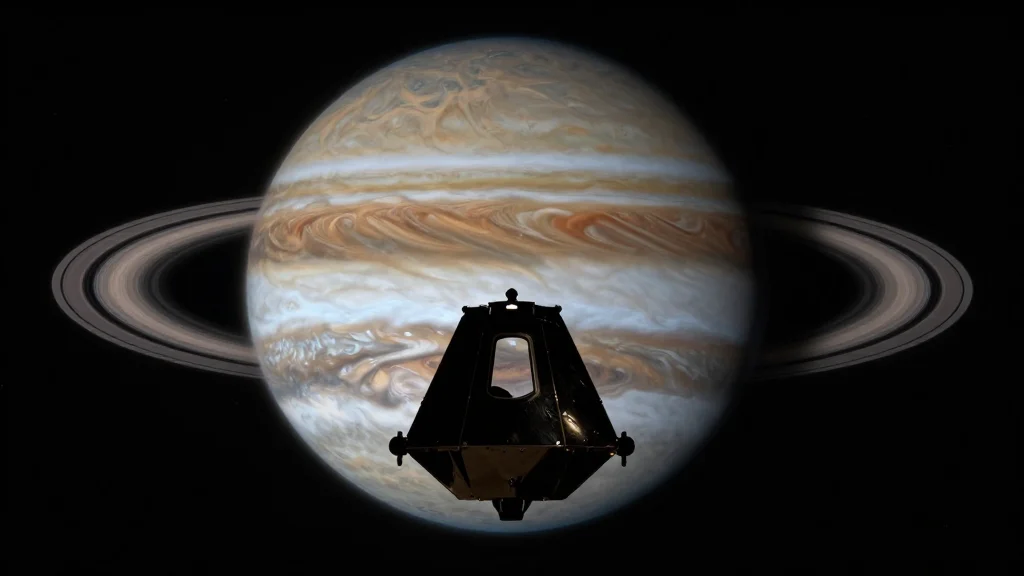
March 4, 1979: Voyager 1 Images Jupiter’s Ring
On March 4, 1979 Voyager 1 captured a landmark photograph that revealed Jupiter’s previously unseen ring system. The image required an 11‑minute‑12‑second exposure as the spacecraft swept past the planet, causing background stars to appear as zigzag streaks. The faint, thin ring proved...

Reliable Space Rescue Is a Prerequisite for Continued Economic Opportunity in Space and We Have a Long Way to Go
SpaceX Crew 11’s emergency return in January 2026 marked the first crew rescue from orbit, proving that a rapid LEO evacuation is possible. The rescue highlighted a stark gap: no reliable, on‑demand capability exists for commercial missions beyond low Earth orbit. As...

Heritage Foundation Rates Space Force ‘Marginal’
The Heritage Foundation’s 2026 Index of US Military Strength gave the U.S. Space Force a marginal overall grade, citing severe shortfalls in resources, capacity, and readiness for contested space operations. The report highlights deficiencies in communications, weather forecasting, space domain...
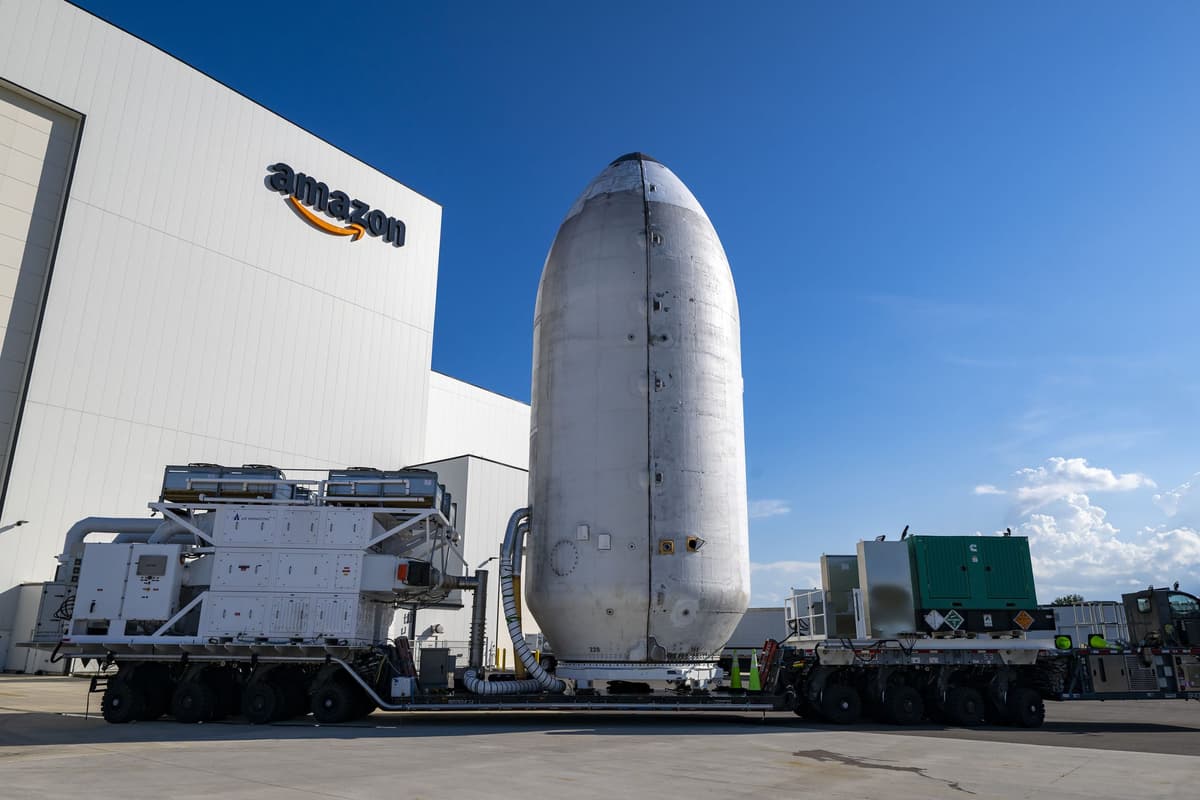
Blue Origin’s Surprise TeraWave Constellation Jolts LEO Broadband Race
Blue Origin filed an FCC application for a hybrid LEO‑MEO broadband system called TeraWave, proposing 5,280 low‑Earth orbit satellites operating in Q‑ and V‑bands and 128 medium‑Earth orbit satellites linked by lasers. The architecture promises point‑to‑point links delivering up to...
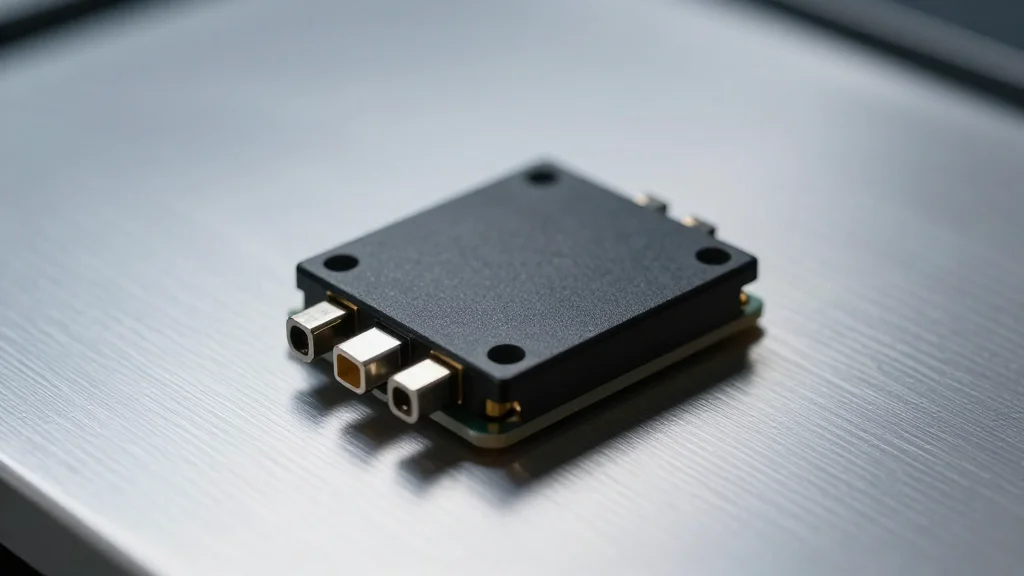
Circuits Integrated Launches Ka-Band Integrated Switch Power Amplifiers
Circuits Integrated Hellas has introduced the CI-ONE family, a small‑form‑factor Ka‑band module that combines a high‑performance power amplifier with a single‑pole double‑throw switch. The integrated solution delivers 5 ns switching, up to 36 dBm output, and about 22% efficiency at the 1 dB...
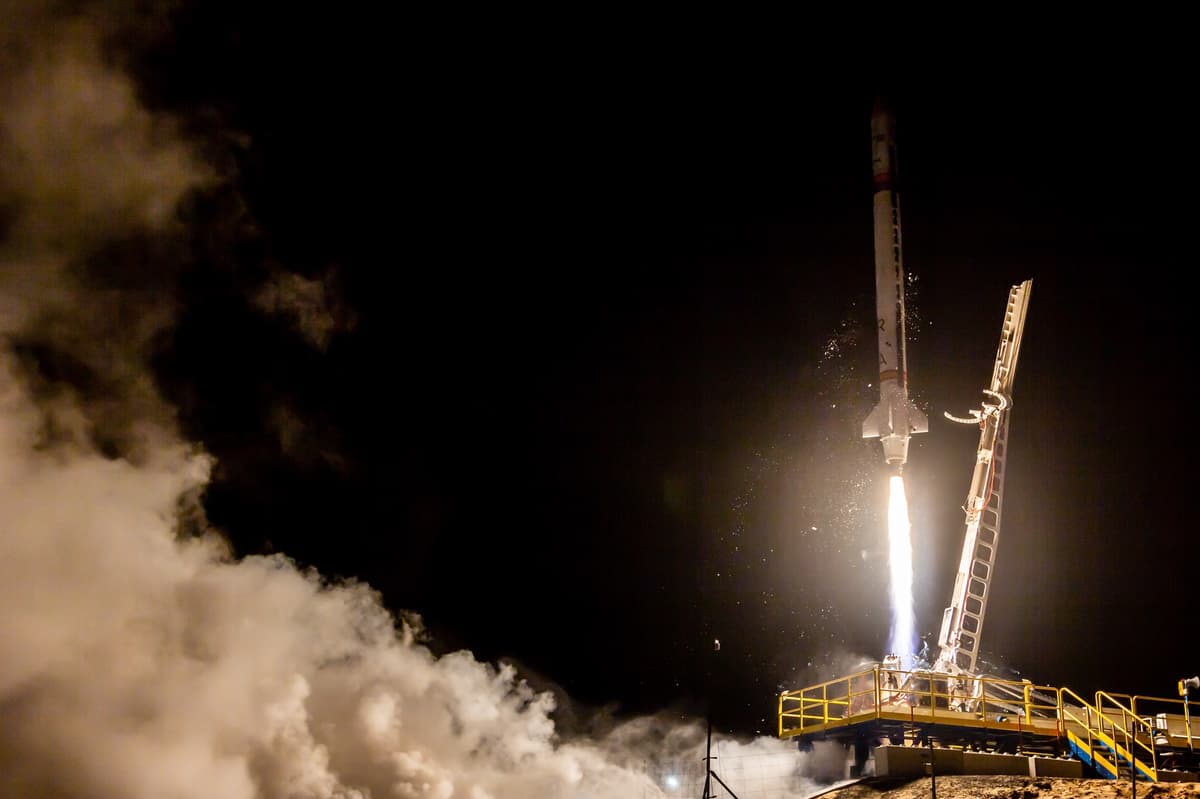
PLD Space Raises $209 Million to Shift Into Serial Rocket Production
PLD Space announced a €180 million Series C round, the largest European space funding this year, to accelerate serial production of its Miura 5 launch vehicle. The round was led by Japan’s Mitsubishi Electric, which will receive priority launch access for its satellite...