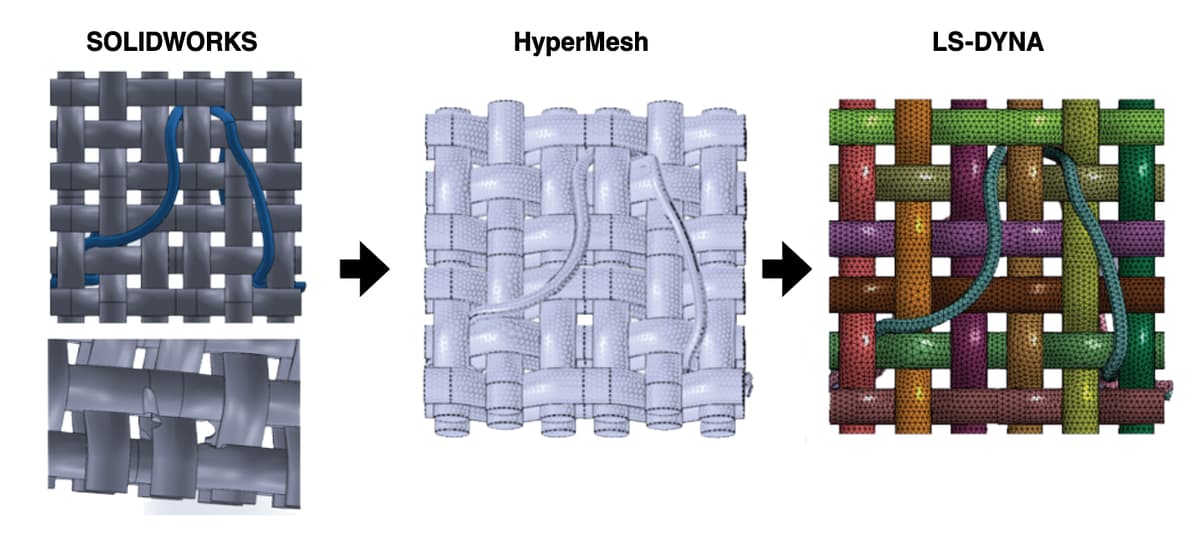
Computational Modeling of Failure at the Fabric Weave Level in Reentry Parachute Energy Modulators
NASA researchers developed a high‑fidelity computational model of re‑entry parachute energy modulators (EM) at the fabric‑weave level using LS‑DYNA. The model represents each Kevlar and nylon thread as solid elements and includes a Python script that replicates the unit stitch along an entire EM ear, eliminating large CAD assemblies. Preliminary simulations captured the interaction and progressive failure of stitching, shedding light on the previously observed EM shredding phenomenon. The workflow also streamlines design iterations for future EM variants.

Leicester Space Nuclear Firm Lands Blue Origin Partnership For Deep Space Power
Perpetual Atomics, a University of Leicester spin‑out, has signed a memorandum of understanding with Blue Origin to explore americium‑241 radioisotope power systems for space missions. The partnership aims to develop nuclear generators that can supply continuous electricity where solar panels...

EoPortal: The World’s Most Complete Reference for Earth Observation Satellite Missions
ESA’s eoPortal has become the world’s most comprehensive free reference for Earth‑observation satellite missions, hosting detailed articles on more than 600 missions from 1959 to present. Built on Dr. Herbert Kramer’s three‑decade research, the portal now benefits from a dedicated...

Expanding the Human Factors Toolbox: An Approach to Balancing Crew and Mission Design Parameters
NASA’s Human Factors team has created a quantitative methodology to guide crew‑size decisions for future crewed Mars missions. The approach adapts Department of Defense manpower models and introduces four human‑performance models that evaluate EVA support, robotic arm operation, transit workload,...
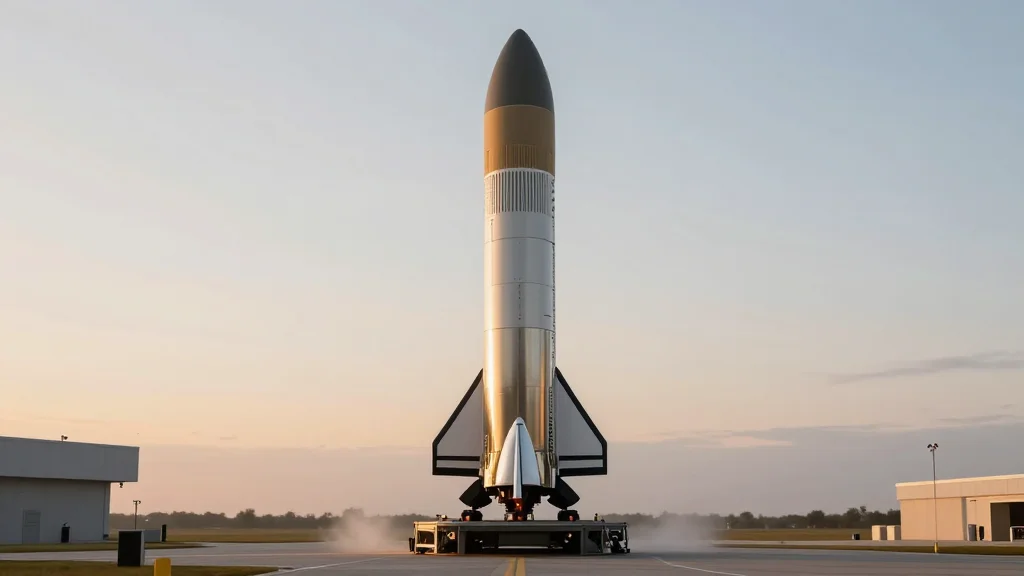
SpaceX Now Targeting Early April for Next Starship/Superheavy Test Flight
SpaceX announced on March 7 that it is targeting early April for the 12th Starship/Superheavy orbital test flight. Booster 19, the first Block 3 Superheavy prototype, has been rolled to Pad 2 and is undergoing fueling‑system checks, ambient pressure tests, and static‑fire rehearsals with...
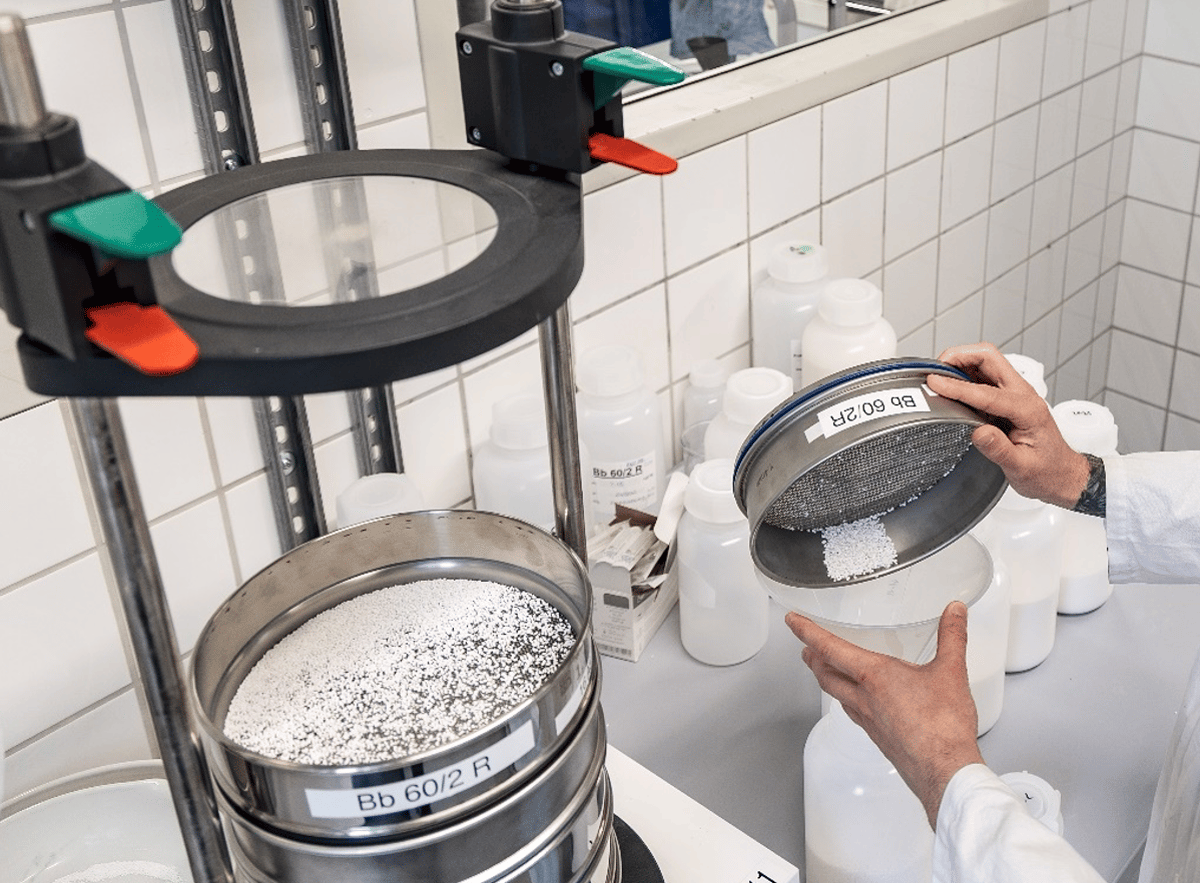
Precision in Orbit: Heraeus Catalysts Safeguard Satellite Control
Heraeus Precious Metals supplies the iridium‑based H‑KC12GA catalyst for hydrazine thrusters that provide precise orbit control on satellites. The catalyst enables rapid, repeatable hydrazine decomposition and survives thousands of firings and extreme temperatures. NASA JPL’s 57‑day SMAP test recorded only...

COPV Damage Tolerance Life Demonstration Guidelines
NASA's NESC released new guidelines for damage‑tolerance life demonstration of composite overwrapped pressure vessels (COPVs). The guidance aligns with AIAA S‑081 and NASA‑STD‑5019, applying a four‑times life factor to ensure detectable cracks remain subcritical throughout service. It outlines procedures for...

Celebrating NASA’s Mars Reconnaissance Orbiter’s 20th Anniversary: Crater Near Sirenum Fossae
NASA’s Mars Reconnaissance Orbiter celebrated its 20th anniversary by releasing a high‑resolution image of a relatively fresh impact crater near Sirenum Fossae. The crater, captured on June 3 2015, displays a sharp rim, well‑preserved ejecta and steep gullied walls that may host...

Impulse Space Expands Colorado Presence
Impulse Space has opened a 20,000‑square‑foot manufacturing facility near Boulder, Colorado, dedicated to developing guidance, navigation and control (GNC) systems and precision‑machined components for its Mira and Helios transfer vehicles. The plant will scale in‑house production of valves, pumps, and...
NASA Space Probe Expected to Reenter the Atmosphere with a Chance of Raining Debris
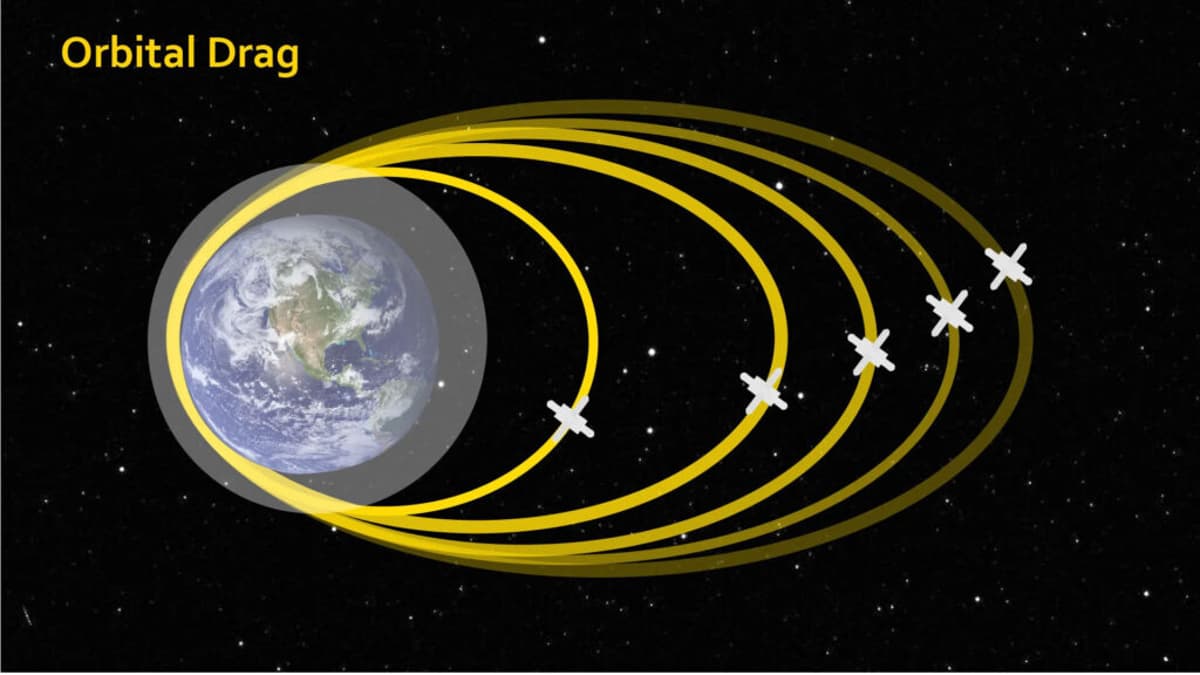
NASA’s Van Allen Probe A re‑entered Earth’s atmosphere on March 11, 2026, burning up over the Pacific Ocean south of Mexico. The 600‑kilogram spacecraft, launched in 2012 to study the planet’s radiation belts, came down months earlier than the projected 2034 timeline due...
A Satellite Crashes Home a Bit Too Soon
NASA’s Van Allen Probe A re‑entered Earth’s atmosphere on March 10, 2026, ending a 14‑year mission that was originally slated to last until 2034. Intensified solar activity during Solar Cycle 25 heated and expanded the upper atmosphere, increasing drag and accelerating the satellite’s...
GPS Attacks Near Iran Are Wreaking Havoc on Delivery and Mapping Apps
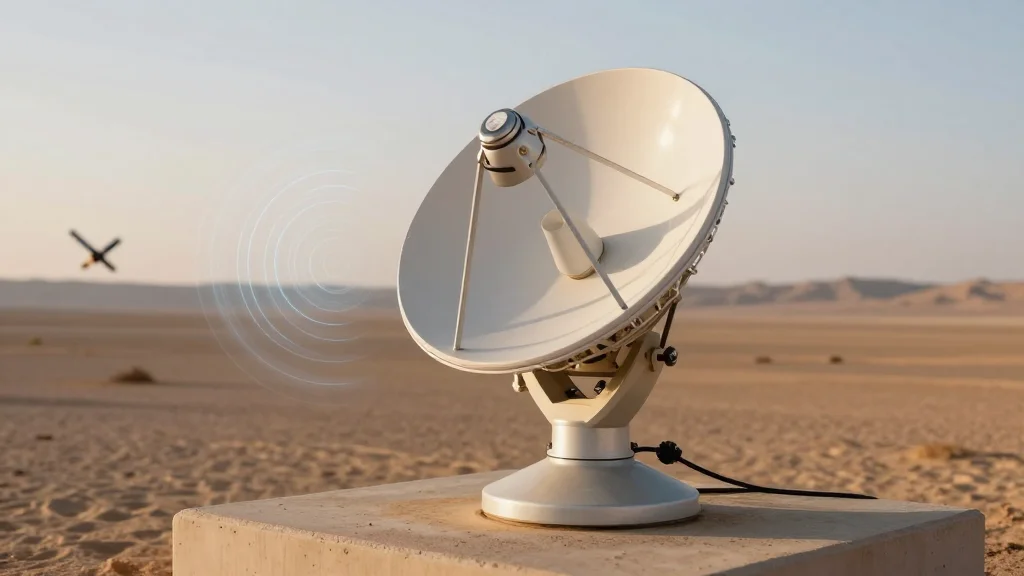
Electronic warfare near Iran is jamming and spoofing GPS signals, causing delivery and navigation apps to misplace drivers and inflate travel times. The interference stems from low‑cost jammers and sophisticated spoofers that either drown out satellite signals or broadcast false...
Commercial Space Law Takes Center Stage at DC Moot Court
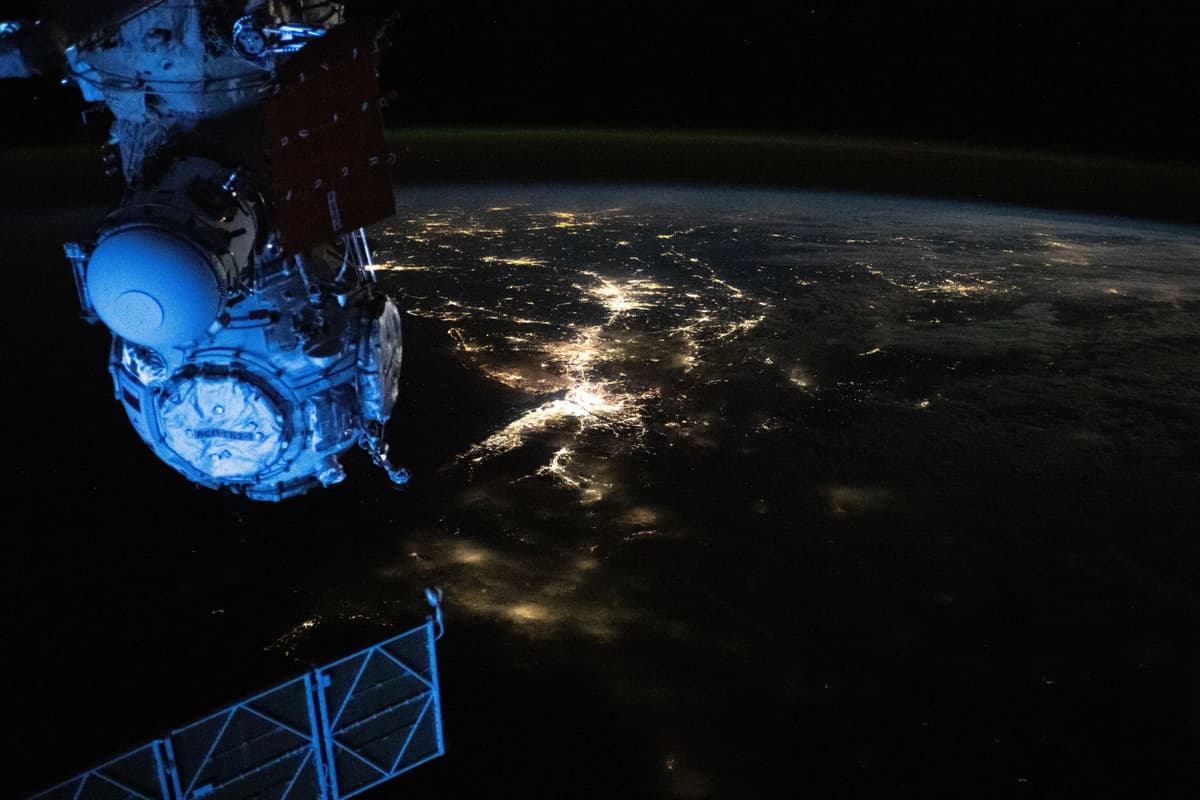
The American Space Law Foundation will host its inaugural moot court in Washington, D.C., on March 20‑21, where law students will argue a realistic commercial space law dispute. The hypothetical case involves Interra LLC, a fictional megaconstellation operator, challenging an...

High-Frequency EO Constellations Target Southeast Asia’s “Gray-Zone” Maritime Security Gap
A new market analysis released on March 10, 2026 identifies Southeast Asia as the next growth engine for Earth Observation and Synthetic Aperture Radar constellations, driven by rising territorial disputes and illegal maritime activity. Traditional AIS‑based maritime domain awareness is being undermined...
SSC Space Inaugurates Next-Generation Optical Ground Station in Santiago, Chile
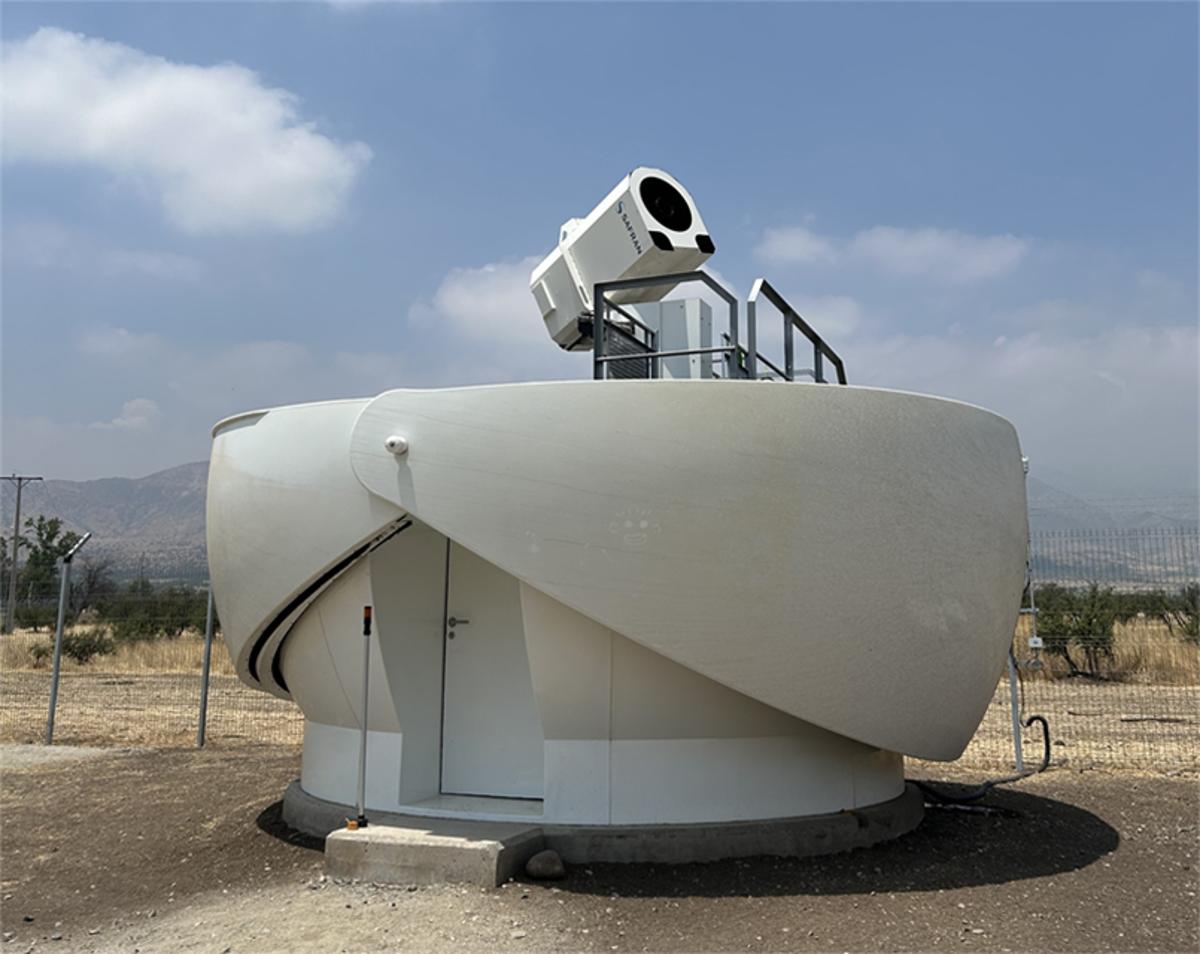
SSC Space announced that its new Optical Ground Station (OGS) in Santiago, Chile, is now operational and integrated into the NODES network. The Safran‑built facility delivers up to 10 Gbit/s data rates, a tenfold increase over typical RF links, and operates...
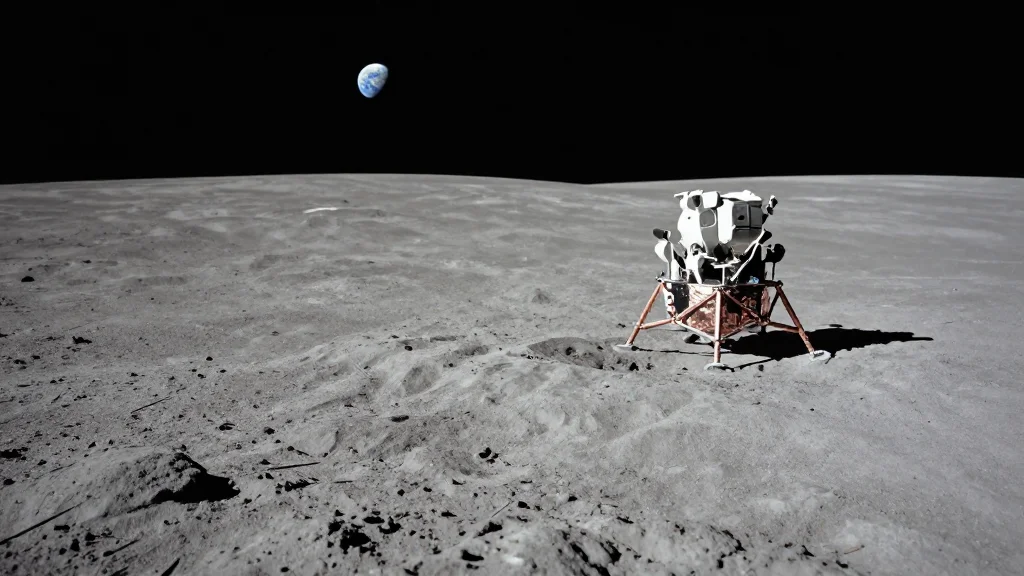
China’s First Moon Astronauts Could Land at This Surprising Site
A new Nature Astronomy paper identifies the equatorial Rimae Bode region as a prime candidate for China’s first crewed lunar landing, targeting a 2030 timeline. The study highlights the area’s flat terrain, near‑constant sunlight, and direct line‑of‑sight to Earth, reducing...

Lux Aeterna Raises $10 Million Ahead of 2027 Reusable Satellite Demo
Lux Aeterna, a Denver startup founded by former SpaceX engineer Brian Taylor, announced a $10 million seed round led by Konvoy, bringing its total capital to $14 million. The funding will support development of Delphi‑1, a 200 kg reusable satellite with a 30 kg...
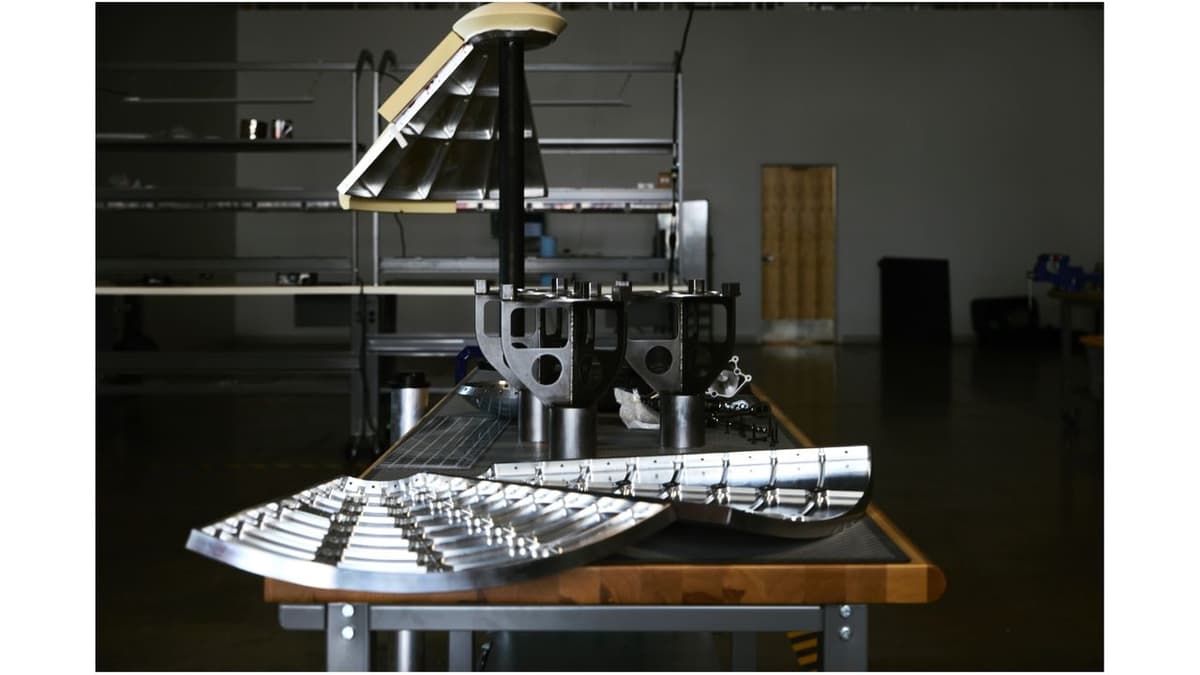
'The Future of the Space Economy': Colorado Startup Lux Aeterna Raises $10 Million to Develop Reusable Satellites
Colorado startup Lux Aeterna announced a $10 million seed round to accelerate its fully reusable satellite program. The funding, led by Konvoy, brings total capital to $14 million and will support the 2027 test flight of its Delphi prototype on a SpaceX...
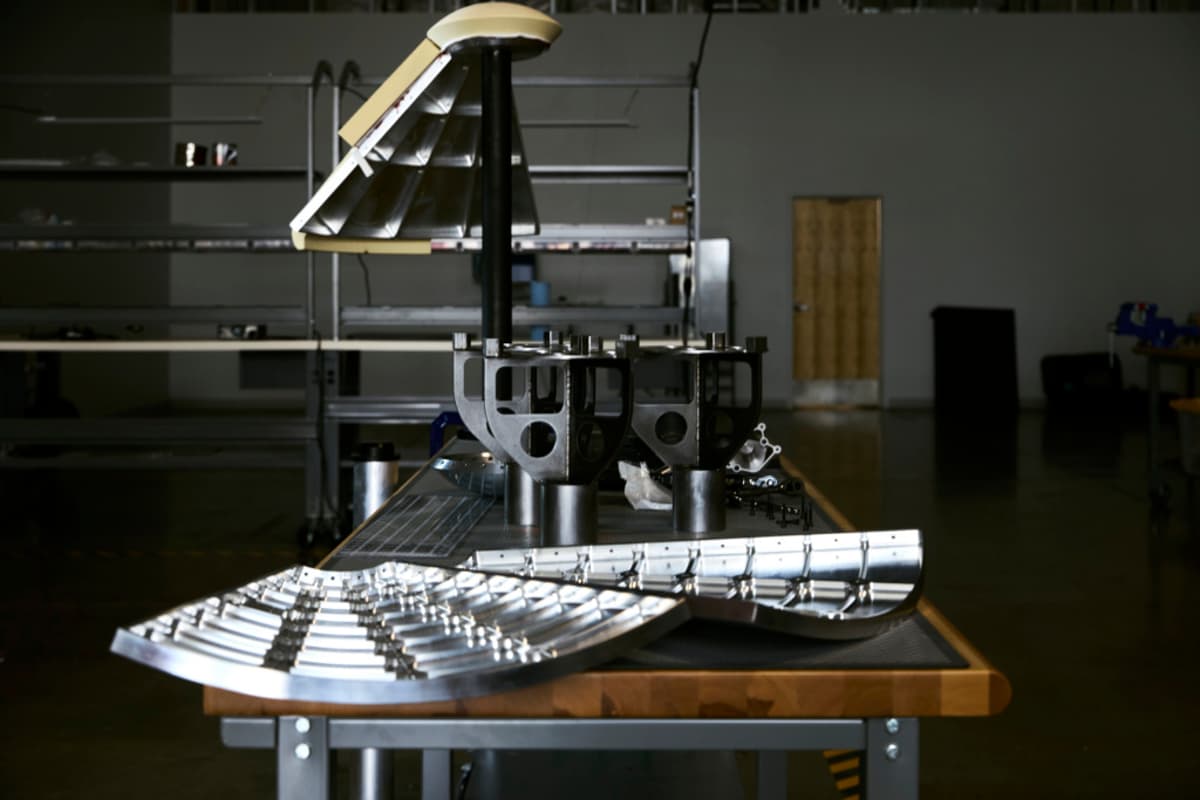
Lux Aeterna Closes $10M Seed to Build Reusable Sats
Lux Aeterna, a Colorado‑based startup founded by former Starlink engineer Brian Taylor, closed a $10 million seed round led by Konvoy Ventures to develop its reusable satellite platform Delphi. The 200‑kg demo satellite, built with COTS parts and a NASA‑partnered heat...

WISPA Raises Interference Concerns About SpaceX's Mega Constellation
SpaceX has filed an FCC application for a mega‑constellation of up to one million low‑Earth‑orbit satellites that would host space‑based AI data centers. The system would operate in the 18.8‑19.3 GHz (space‑to‑Earth) and 28.6‑29.1 GHz (Earth‑to‑space) bands, relying on narrow‑beam optical links....
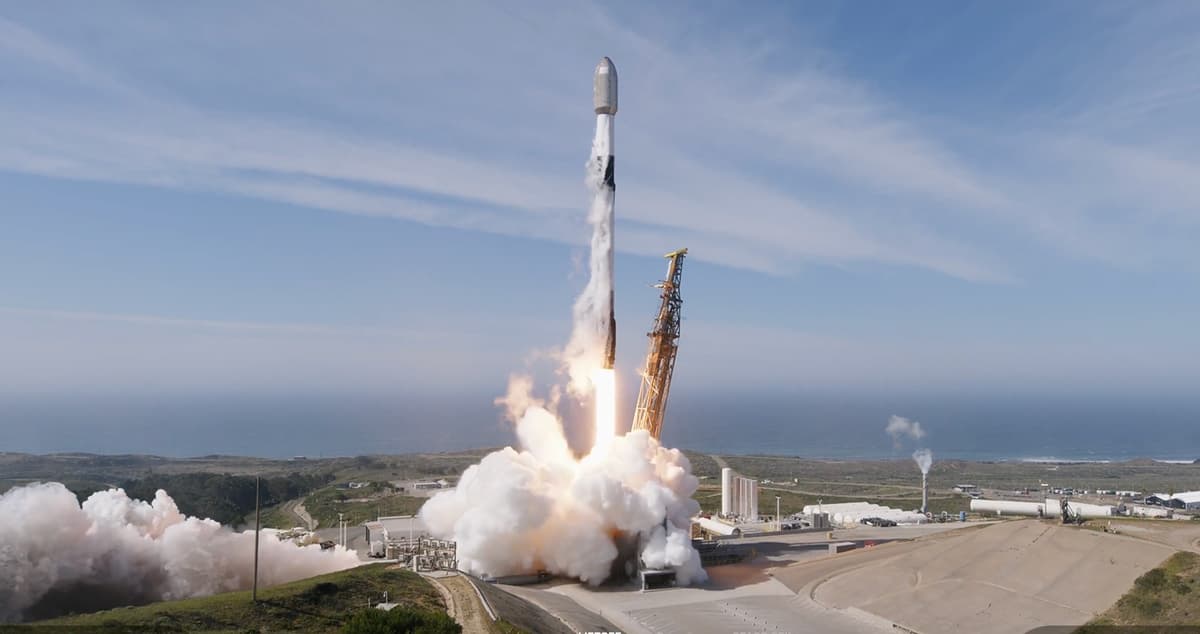
Starliner and Artemis: Commercial Label Vs. Commercial Discipline
NASA classified Boeing's 2024 Starliner crewed test flight as a Type A mishap, pinpointing decision‑making and leadership failures rather than hardware flaws. The investigation revealed a pattern of closing anomalies without full root‑cause analysis, exposing a gap between the program’s commercial...

SpaceX Is 'About 4 Weeks' Away From Launching Its Most Powerful Starship yet, Elon Musk Says
SpaceX announced that its upgraded Starship V3 is slated for a test flight in early April, roughly four weeks away. The version features taller Super Heavy and upper stages powered by the new Raptor 3 engine, delivering higher thrust and efficiency....

Landspace Tests 220-Ton Methane Engine for Future Heavy-Lift Launchers
Chinese launch startup Landspace announced a successful long‑duration hot‑fire test of its BF methane‑liquid oxygen engine, which generates roughly 220 metric tons of thrust. The full‑flow staged combustion (FFSC) cycle engine is intended as the core propulsion unit for the company’s...
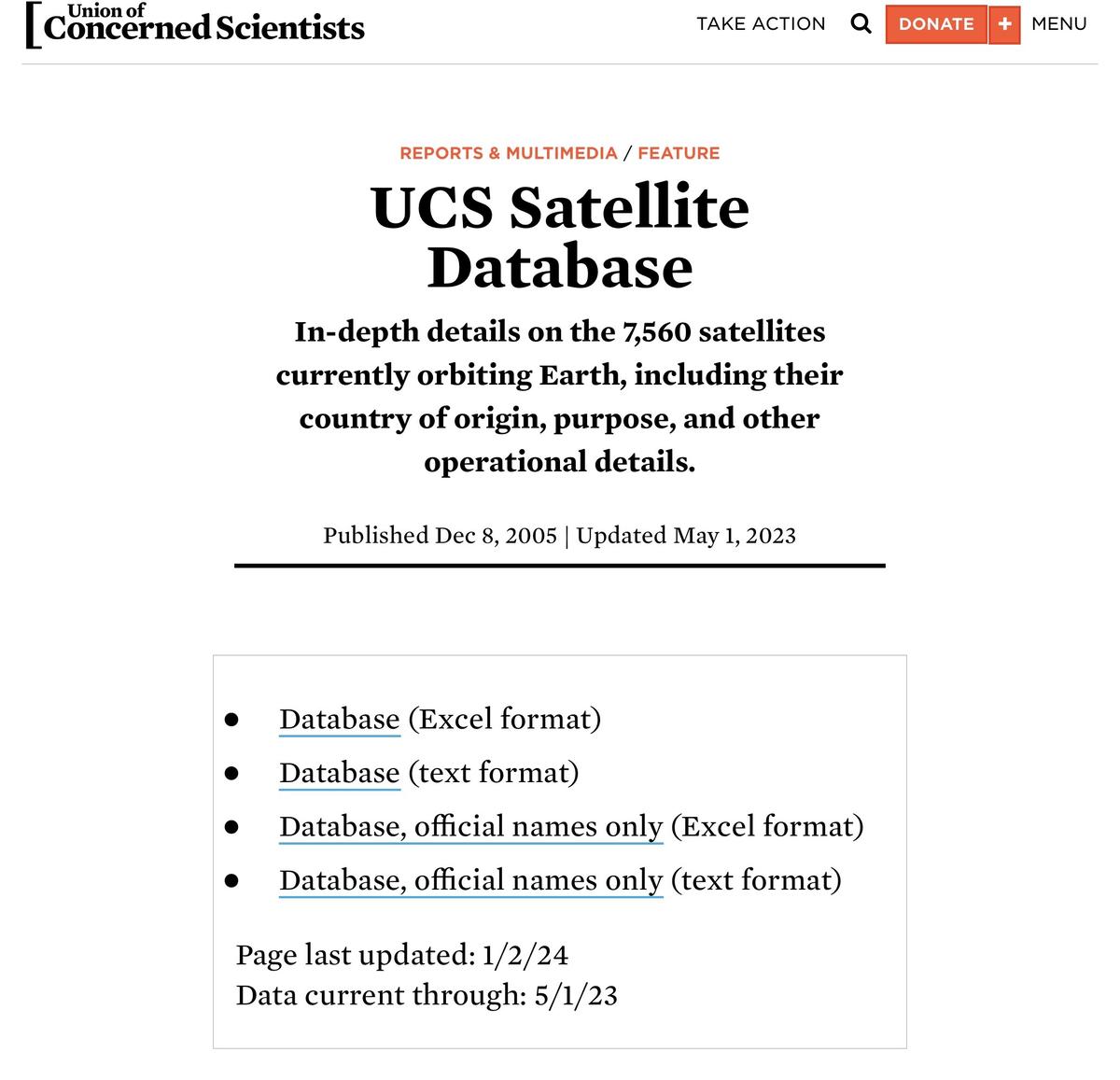
What Is the UCS Satellite Database, and Why Is It Important?
The Union of Concerned Scientists (UCS) Satellite Database is a publicly available catalog of 7,560 active Earth‑orbiting satellites, with data current through May 1 2023. It uniquely combines 28 technical and operational fields—including ownership, purpose, and orbital parameters—allowing users to sort satellites...
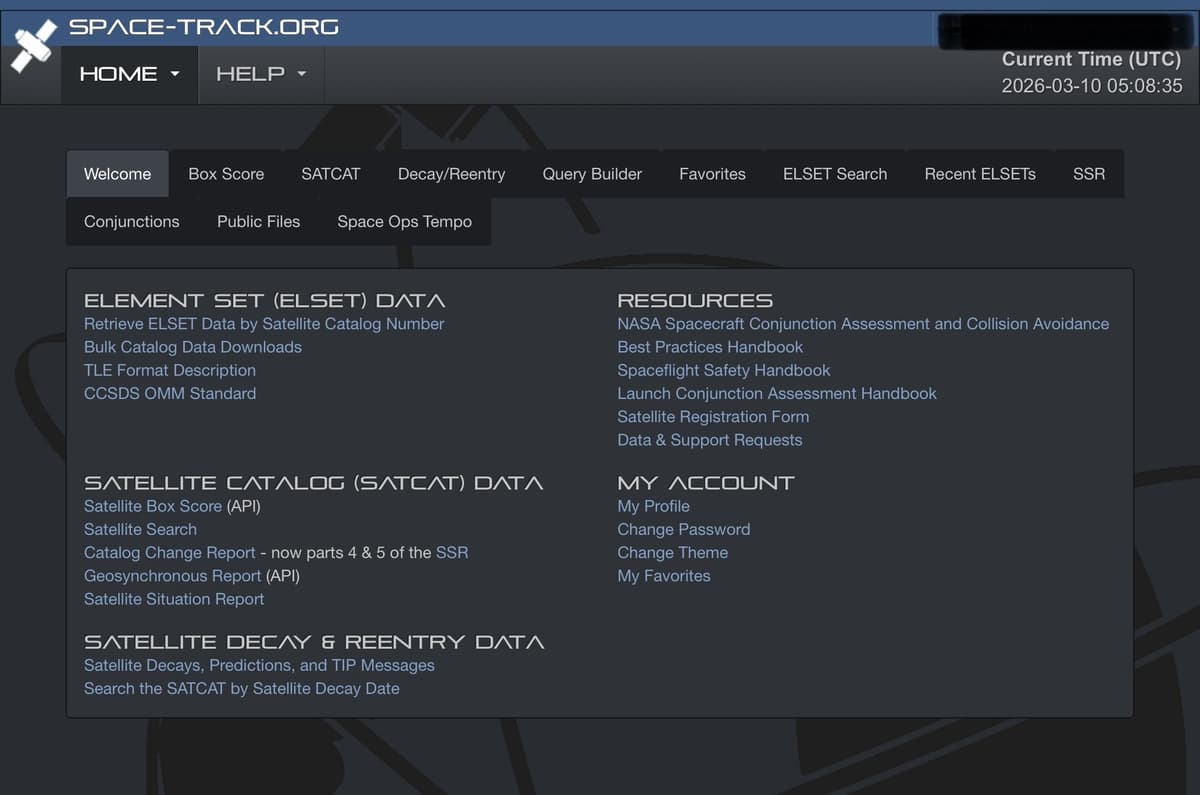
What Is Space-Track, and Why Is It Important?
Space‑Track is the U.S. government’s public portal for space situational awareness, offering satellite catalog data, two‑line element sets, decay predictions, and conjunction support. Its REST‑style API enables operators, researchers, and developers to integrate real‑time orbital information into automated workflows. Though...

WA Innovation Booster Grants Reopen With $50,000 Available Per Applicant
Western Australia has reopened its Innovation Booster Grants, offering up to $50,000 per applicant, as part of a broader $2 million funding push. The state also launched a $1.75 million Spaceport Establishment Support grant to lure commercial launch operators. In parallel, AI‑tax...

Kenya Reviews Airtel–Starlink Satellite-to-Phone Deal
Kenya’s Communications Authority has opened a review of Airtel’s partnership with SpaceX to launch Starlink Direct‑to‑Cell, assessing potential interference with 3G, 4G and 5G networks. The regulator’s decision could set precedent for satellite‑to‑phone services across Africa, where the technology promises...

Airbus CSO on Supply Chain Blind Spots, Space Threats, and the Limits of AI Red-Teaming
Airbus Chief Security Officer Pascal Andrei warns that the aerospace and defense supply chain’s deepest vulnerabilities now reside in sub‑tier suppliers and the digital threads linking them. He highlights Airbus’s shift toward a collaborative, intelligence‑led model, tighter integration of security...

Ground Control & ArduPilot Demonstrate MAVLink Telemetry over Iridium Certus
Ground Control and the ArduPilot team demonstrated that MAVLink telemetry can operate reliably over Iridium Certus 100 satellite service using the RockREMOTE UAV OEM modem. Tests showed round‑trip latencies between 600 ms and 1,600 ms, keeping data flow within a sub‑2‑second window. The...

University Joins UK's £17bn Space Sector
The University of Southampton has launched the Southampton Space Institute, positioning the city as a hub for the UK’s rapidly expanding £17 bn annual space sector. The institute consolidates decades‑long aerospace expertise and partners with the Space South Central cluster, linking...

Metalysis Garners Nearly €1m From ESA For Titanium Processing
Metalysis, a South Yorkshire firm, secured nearly €1 million from the European Space Agency for a two‑year initiative to commercialise a continuous or quasi‑continuous titanium production method using its patented FFC process. The funding reflects ESA’s drive to create a greener,...
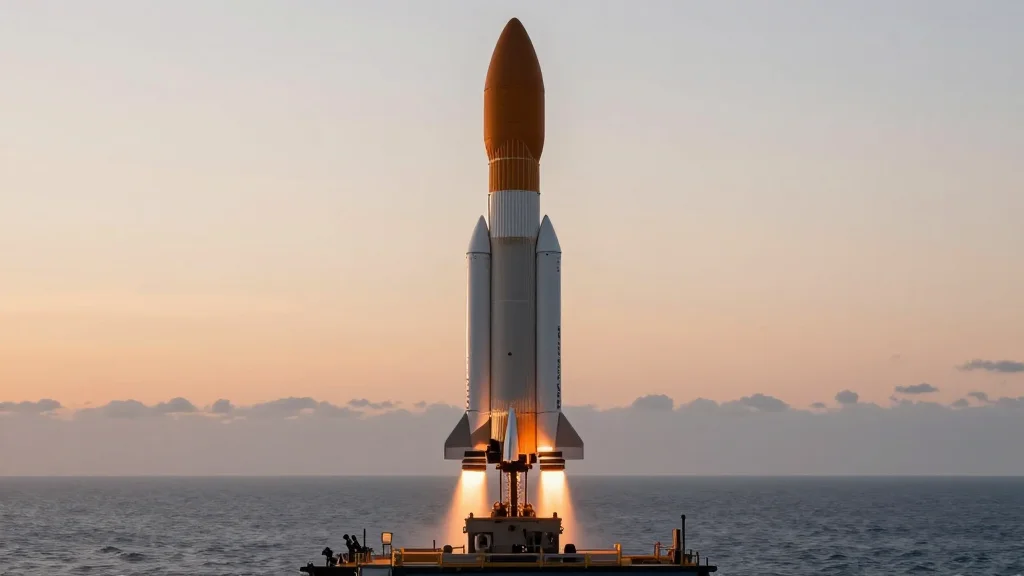
SpaceX Launches Direct Television Satellite for EchoStar
SpaceX lifted off a Falcon 9 from Cape Canaveral on March 9, 2026, deploying EchoStar‑25, a direct‑to‑home television satellite for Dish Network. The booster, B1085, completed its 14th flight and landed on the drone ship A Shortfall of Gravitas, marking the vessel’s 146th...
Designing for the Next Generation of GEO With Swissto12 CEO Emile De Rijk
Swissto12, founded by Emile de Rijk, is reshaping geostationary orbit (GEO) access by building smaller, more flexible satellites that cut launch costs and delivery times. The CEO discussed the company’s advanced payload technology, its relevance to sovereign space initiatives, and...

Hughes Network Systems Tapped for AFRL Space Data Networking Experimentation
The Air Force Research Laboratory awarded Hughes Network Services a contract under its RAPID program to support the STAR‑FISH procurement for space data networking experimentation. The effort targets resilient, hybrid satellite‑terrestrial networks that can dynamically route data across multiple domains....

China's 1st Moon Astronauts Could Land in Rimae Bode, a 'Geological Museum' On the Lunar Near Side
China is targeting a crewed lunar landing before the decade ends, and a new Nature Astronomy study highlights the Rimae Bode region on the near‑side as a prime candidate. The volcanic‑rich area meets engineering constraints—flat terrain, low latitude, and reliable communications—while...
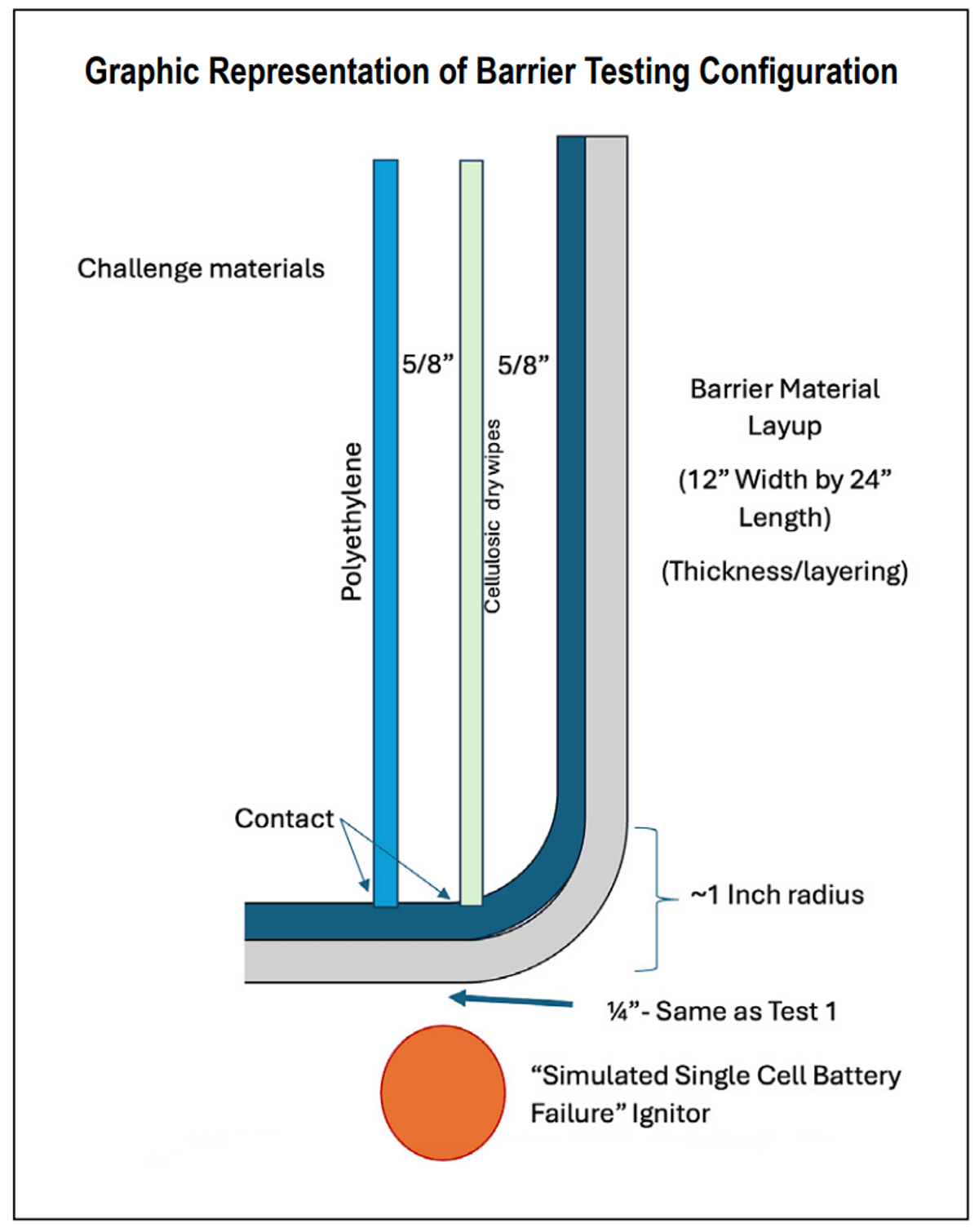
Flammability Testing Configuration and Approach of Barrier MaterialAssemblies Designed for Space Flight Applications
NASA’s Engineering and Safety Center teamed with Johnson Space Center, White Sands Test Facility, and Marshall Space Flight Center to create a dedicated flammability test for barrier material assemblies. The test evaluates how effectively these barriers can isolate a cabin...

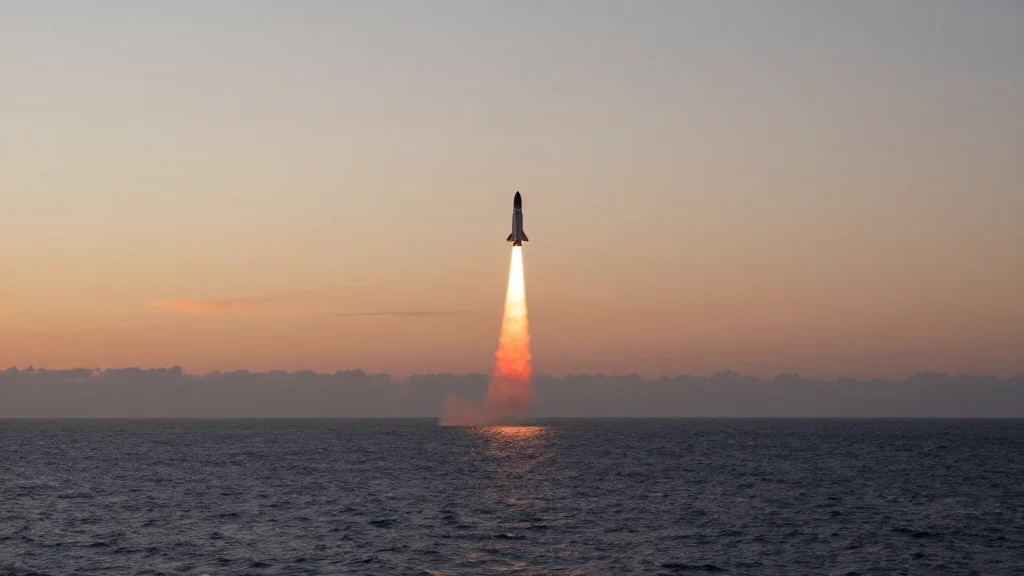
North Korea Is Getting Serious About Space Weapons
North Korea’s latest five‑year defense plan formally prioritizes “special assets for attacking enemy satellites,” marking its first official commitment to counter‑space weapons. Analysts see this as a potential move toward kinetic or nuclear anti‑satellite (ASAT) systems that could threaten the...

Webb Studies Cranium Nebula
NASA’s James Webb Space Telescope captured Nebula PMR 1, nicknamed the “Exposed Cranium” nebula, in near‑infrared light, emphasizing its uncanny brain‑like shape within a transparent skull. The image shows an outer hydrogen‑rich shell and a structured inner cloud separated by a...

Skylo's Trajectory Toward the 'Standardized Sky' Looks to Include Multiple Orbits
Skylo is pursuing a partner‑centric satellite messaging model, leasing capacity from Viasat and EchoStar rather than building its own constellation. At Mobile World Congress the CEO highlighted a network that now spans 36 countries, supports over 20 carrier interfaces and...
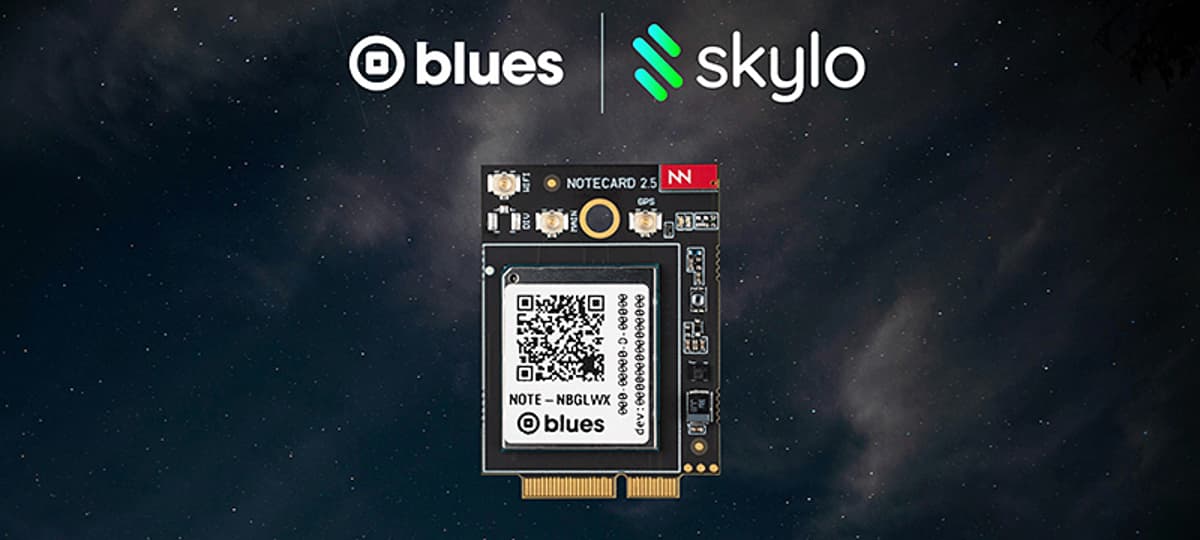
Blues Integrates Skylo NTN Satellite with Cellular and Wi-Fi in a Single Notecard IoT Module
Blues and Skylo unveiled Notecard for Skylo, a single IoT module that merges NTN satellite, narrowband cellular, and Wi‑Fi connectivity with automatic failover. The device eliminates the need for separate radios and satellite contracts by offering pay‑as‑you‑go satellite usage. It...

Terraforming Mars Isn't a Climate Problem—It's an Industrial Nightmare
A new pre‑print by NASA JPL’s Slava Turyshev outlines five terraforming milestones for Mars and quantifies the massive resources required at each stage. To raise surface pressure to just 1 mbar would need roughly the mass of Mars’s moon Deimos, while...
Astrobotic Wins Lunar Wheel Contract For Italian Habitat
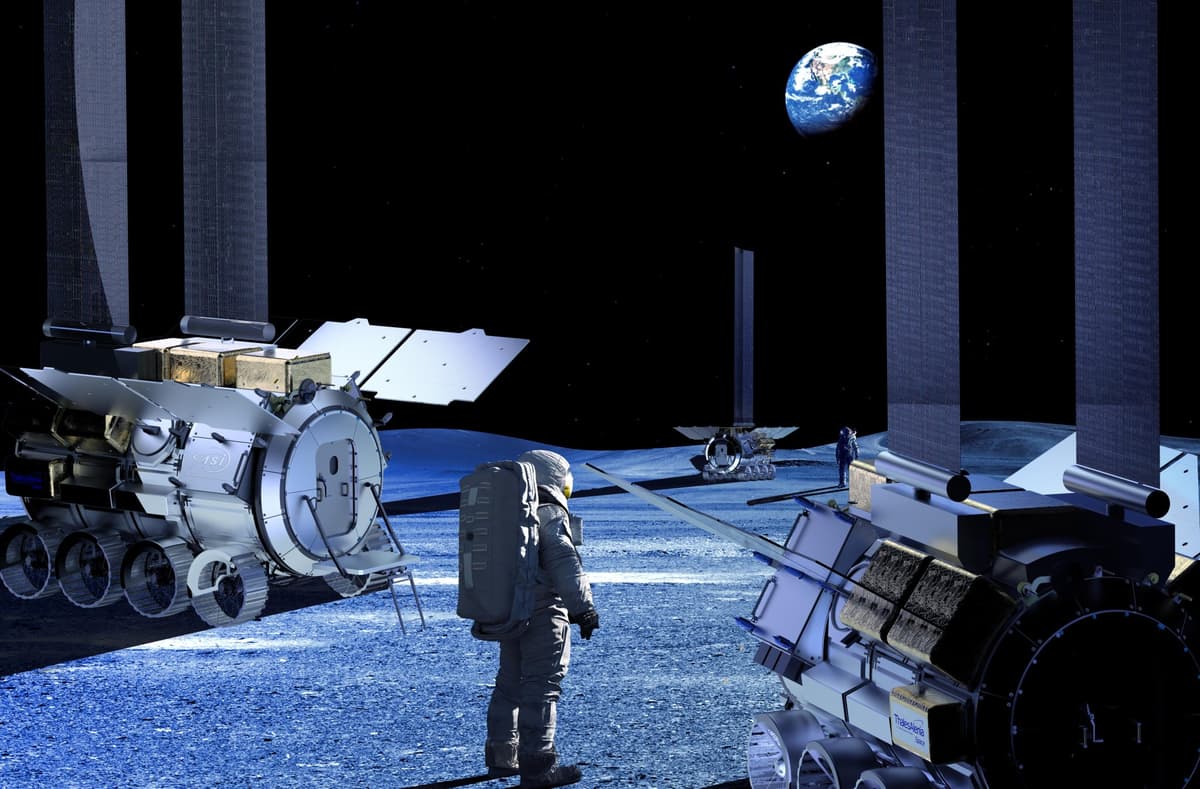
Astrobotic has won a contract from Thales Alenia Space to build the wheel assemblies for the Italian Space Agency’s Multi‑Purpose Habitation, a driveable lunar habitat designed for a ten‑year mission. The undisclosed‑value deal pairs Astrobotic’s lunar‑mobility expertise with Thales Alenia’s...

Open Cosmos Announces ConnectedCosmos
Open Cosmos unveiled ConnectedCosmos, a sovereign low‑Earth‑orbit (LEO) constellation delivering secure broadband and direct‑to‑device IoT connectivity for enterprises and governments. The network integrates real‑time Earth observation data from the Open Constellation, creating an “active” resiliency service that enables rapid threat...

How Nasa Contractors Are Pressing on to Bring Humans to the Moon with Artemis
NASA has shifted its Artemis lunar landing schedule, pushing the first crewed landing to Artemis IV in 2028. The delay follows cost overruns and technical setbacks, prompting a restructuring of the program’s strategy. Private contractors like Lunar Outpost see new opportunities,...
Reforging Vulcan
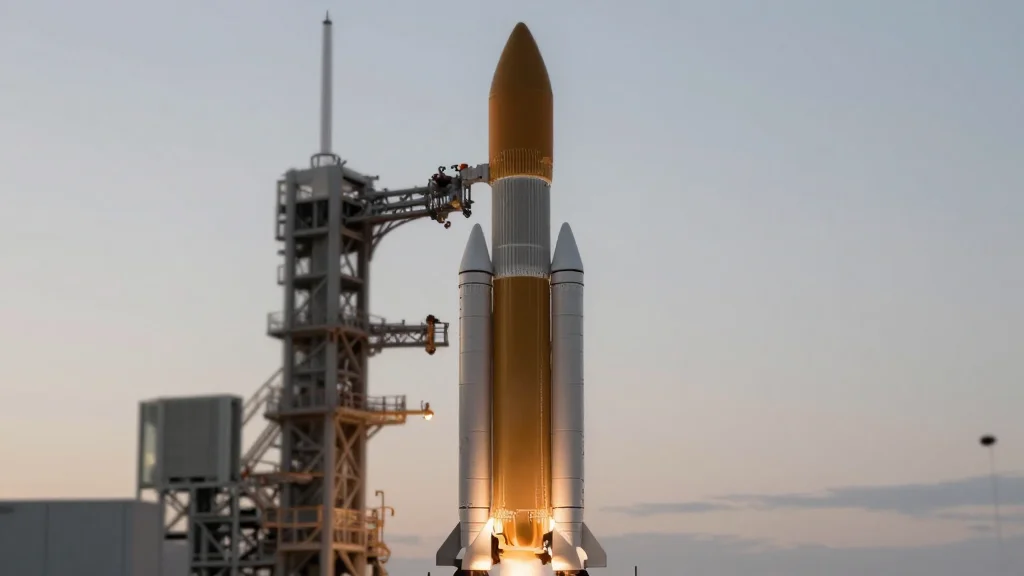
On February 12, United Launch Alliance’s Vulcan Centaur lifted off on the USSF‑87 mission but displayed a significant performance anomaly in one of its four solid rocket boosters. The anomaly, similar to the nozzle‑loss issue on the October 2024 Cert‑2 flight, prompted...

Review: Why Space?
Rick Tumlinson’s new book *Why Space?* argues that humanity’s purpose is tied to expanding life beyond Earth, leveraging the rapid growth of commercial space. He frames this mission through three "Principles of Purpose": protecting life, evolving humanity, and exploring the...
Smile Arrives at Europe’s Spaceport
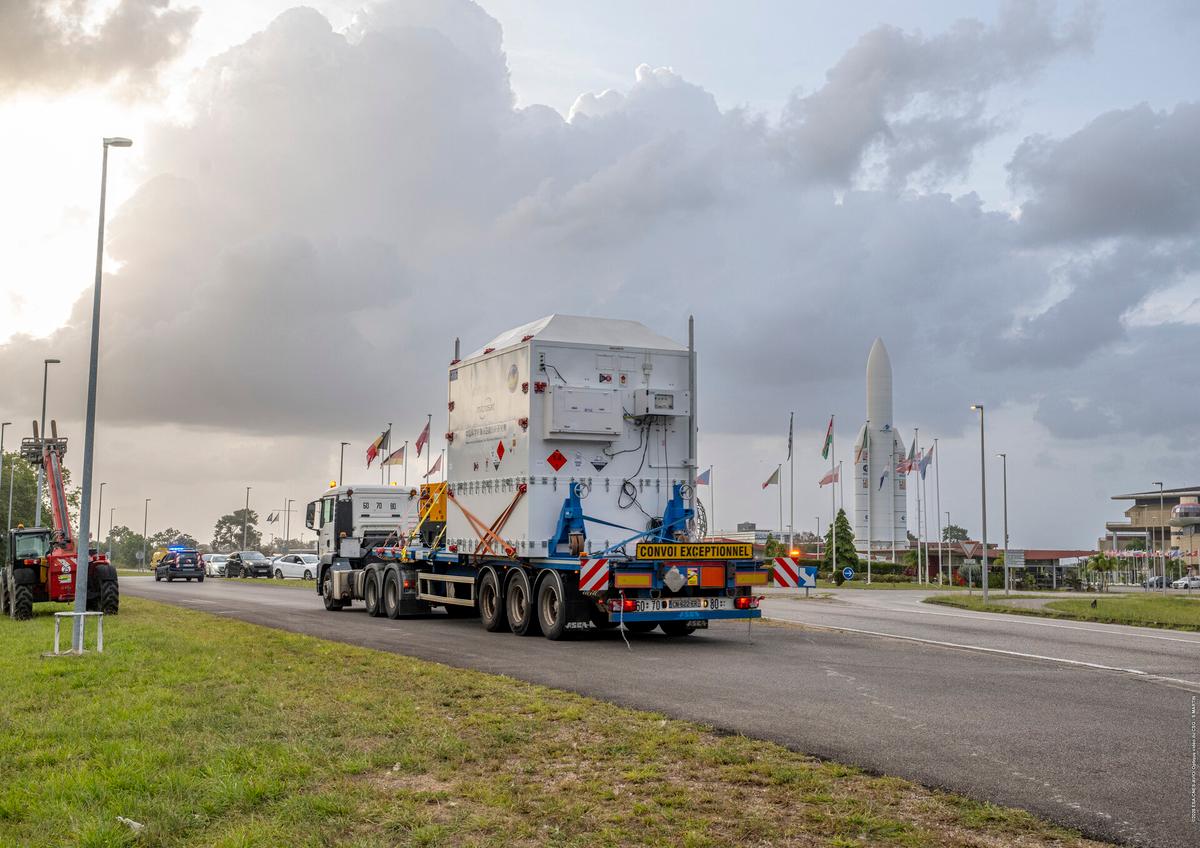
The ESA‑CAS Smile spacecraft landed at the Guiana Space Centre on 26 February after a two‑week sea voyage aboard the cargo ship Colibri. Over the next weeks the probe will undergo health checks, propellant loading and integration with the Vega‑C launch...

"She Flies Satellites. One Day, I Can Too."
ESA’s European Space Operations Centre (ESOC) spotlighted five senior women who lead spacecraft missions such as JUICE, EarthCARE, and the ExoMars rover, sharing their daily skills and career paths. They highlight the importance of interpersonal communication, calm decision‑making, and human‑centred...

ESA and CDL-Milan to Host the 3rd CommEO Award Selection Round in Milan
ESA’s Φ‑lab and Creative Destruction Lab‑Milan are hosting the third CommEO Award selection round in Milan, targeting early‑stage downstream Earth Observation startups in resilience, climate and infrastructure. The live pitch and demo event will choose five winners who advance to...
Swift Observatory Changes Operations Ahead of Planned Orbit Reboost
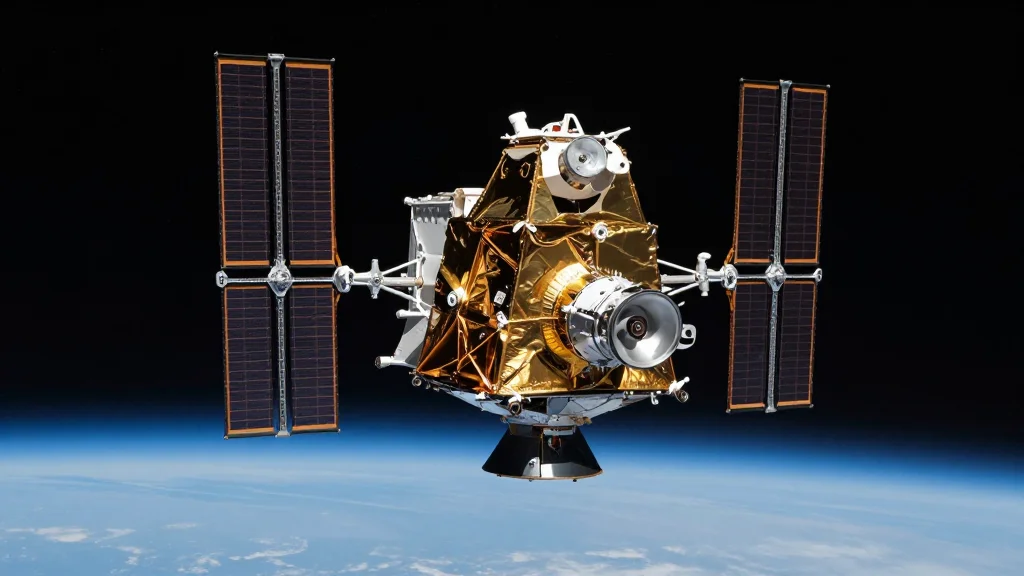
NASA has altered the Neil Gehrels Swift Observatory’s operating mode to reduce atmospheric drag and preserve its altitude ahead of a scheduled orbit‑raising mission. Since February 11, most science activities have been paused, with the spacecraft held in a drag‑minimizing attitude and...