
How Governments Buy Commercial Earth Observation Data
Governments are increasingly integrating commercial Earth observation (EO) data into their core operations, moving beyond one‑off pilots to repeatable contracts. Agencies such as NOAA and NASA now procure raw imagery, processed analytics, and managed services to fill mission gaps in weather forecasting, disaster response, and environmental monitoring. Licensing, data rights, and operational trust have become decisive factors, often outweighing pure sensor performance. This shift creates a stable market for private EO providers while allowing public entities to maintain a hybrid observation architecture that blends sovereign satellites with commercial capabilities.
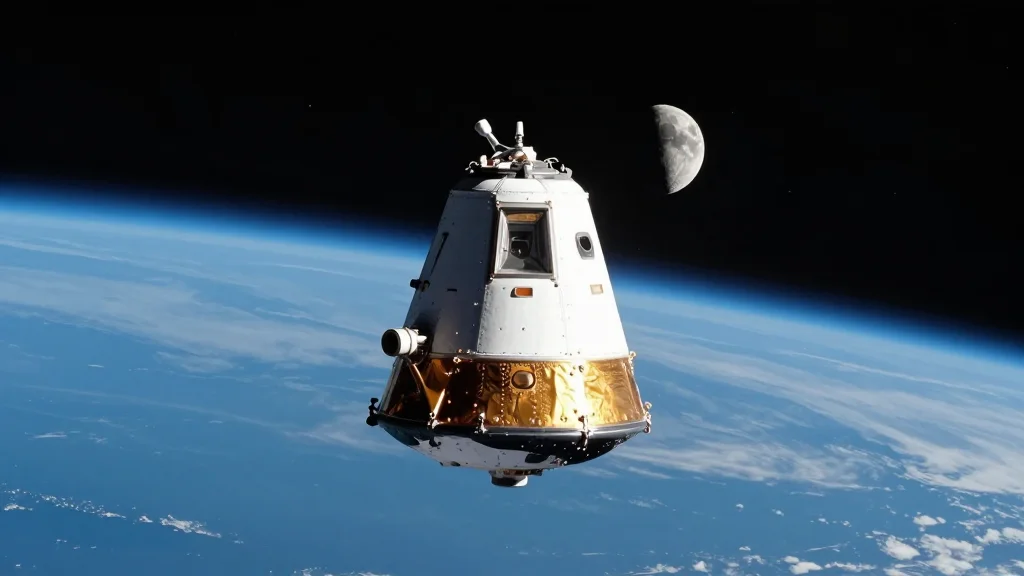
The National Space Society Welcomes the Crew of Artemis 2 Home
Artemis 2 returned to Southern California on April 10 after a flawless nine‑day flight that included launch, high‑Earth orbit, trans‑lunar injection, a lunar flyby and safe splashdown. The mission proved Orion’s systems operated as planned, earning praise from NASA veterans and the...

Ground Stations as a Service: The Quiet Infrastructure Behind the Space Economy
Ground stations as a service (GSaaS) are turning the traditionally hidden ground segment into a commercial platform. Satellite operators now purchase global antenna access, telemetry delivery, and integrated cloud workflows from providers such as AWS Ground Station, KSAT, and Atlas...
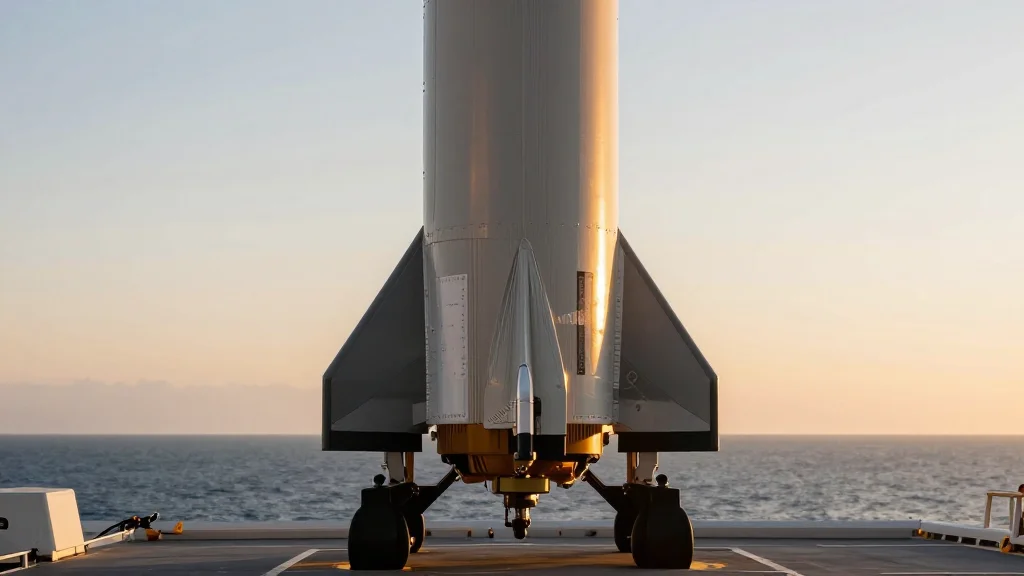
Three Launches, Two by SpaceX and One by China
SpaceX conducted two launches on April 11, 2026, placing 25 Starlink satellites from Vandenberg and sending Northrop Grumman’s Cygnus cargo capsule to the ISS from Cape Canaveral. The Falcon 9 booster B1063 completed its 32nd flight, tying for fourth‑most‑flown launch vehicle,...

ESA’s Celeste Mission First Signal Sets New European PNT Records
On 8 April 2026 ESA’s Celeste IOD‑1 transmitted the first dual‑frequency L‑ and S‑band navigation signal from a European low‑Earth‑orbit satellite, marking a historic milestone for Europe’s positioning, navigation and timing (PNT) ambitions. The Celeste pair, launched by Rocket Lab on...

Falcon 9 Launches Cygnus Cargo Spacecraft to the ISS
On April 11, a SpaceX Falcon 9 lifted off from Cape Canaveral carrying Northrop Grumman’s Cygnus NG‑24 cargo spacecraft, named S.S. Steven R. Nagel, to the International Space Station. The launch, delayed by weather, placed the 5‑ton XL‑class vehicle into low‑Earth orbit, where it will dock...

Trump Hires Orbital Towing Company to Build Space Interceptors
Donald Trump’s team has selected Impulse Space, a fledgling orbital‑tug firm founded by former SpaceX engineer Tom Mueller, to build the orbital layer of his “Golden Dome” missile‑defense concept. The contract pairs Impulse with Anduril Industries and a Pentagon prototype...

SPARTA Countermeasures: The Complete Guide to Defending Spacecraft From Cyber and Counterspace Threats
The Aerospace Corporation’s SPARTA Countermeasures guide (v3.2) presents a comprehensive, eight‑layer defense‑in‑depth framework for protecting spacecraft against cyber and counter‑space threats. It catalogs 90 specific countermeasures, aligns each with NIST SP 800‑53, ISO 27001, NASA best practices and MITRE D3FEND, and introduces...

Boeing’s Moon Rocket Faces Uncertain Future Under Trump’s NASA
NASA’s $24 billion Space Launch System (SLS) propelled Artemis II crew around the Moon, yet the Trump administration is already soliciting commercial alternatives, casting doubt on the rocket’s future. The White House budget request and a direct outreach to rivals aim to...

New Era For Space Dawns, As Artemis II Returns
Artemis II successfully splashed down, confirming Orion’s heat shield endured the high‑speed, 400,000‑foot re‑entry despite earlier concerns from Artemis I. NASA reaffirmed its commitment to the Space Launch System and Orion through the “Ultimate 5” flights, even as the program faces cost overruns...
Anthony Scaramucci Says He Owns SpaceX Stock And Won't Miss Out On The IPO Despite Elon Musk's 'Cult Of Personality'...
Anthony Scaramucci announced he will buy into SpaceX’s upcoming IPO, despite acknowledging that Elon Musk’s personal brand inflates the company’s valuation. He already owns SpaceX from a private round and points to Starlink as a massive revenue engine. The launch‑pad...

NASA Science, Cargo Launch Aboard Northrop Grumman CRS-24
NASA launched the Commercial Resupply Services‑24 (CRS‑24) mission on April 11, 2026, using a Northrop Grumman Cygnus XL mounted on a SpaceX Falcon 9. The spacecraft carried roughly 11,000 lb of scientific experiments, crew provisions, and hardware to the International Space Station....
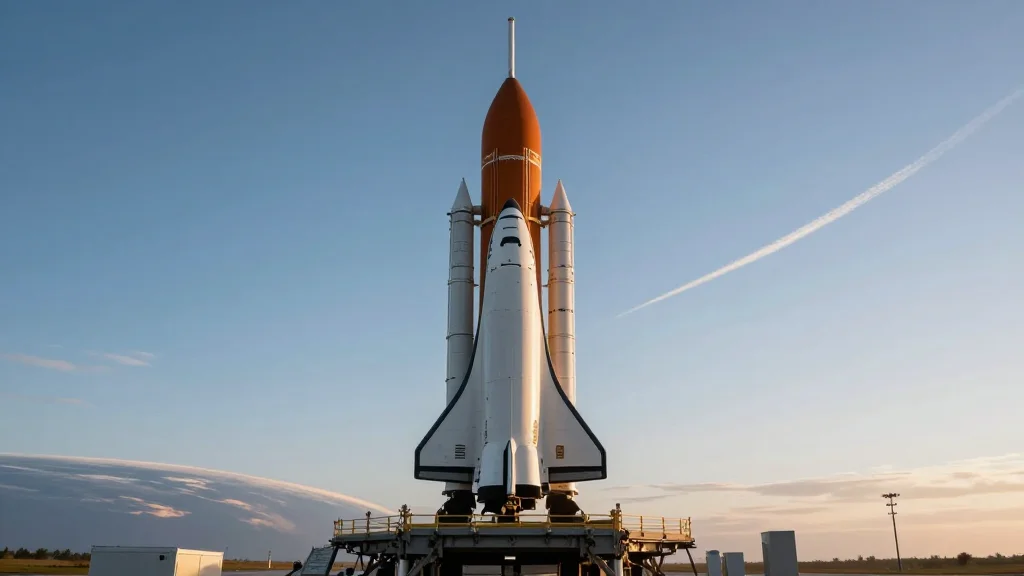
The Final Frontier Is Becoming Big Business. Here Are 3 Space Stocks to Buy Now.
The global space economy, now valued at $613 billion, is set to hit $1.8 trillion by 2035, driven by rapid advances in launch services, satellite imaging, and defense contracts. Rocket Lab, the second‑most‑used U.S. launch provider, has completed 85 launches and is...

Another Giant Leap Reminds Us How Small We Are
NASA’s Artemis II mission concluded on Friday with a clean splashdown in the Pacific after a ten‑day lunar orbit. The four‑person crew gathered scientific data, photographed the Moon and tested life‑support systems, marking a critical step toward sustained lunar exploration. Beyond...

The SPARTA Matrix: A Complete Guide to Space System Attack Tactics, Techniques, and Sub-Techniques
The Aerospace Corporation released SPARTA version 3.2, a publicly available matrix that catalogs more than 85 techniques and hundreds of sub‑techniques used to attack spacecraft and their supporting infrastructure. Modeled on MITRE ATT&CK, the framework spans cyber intrusion, electronic warfare, and...
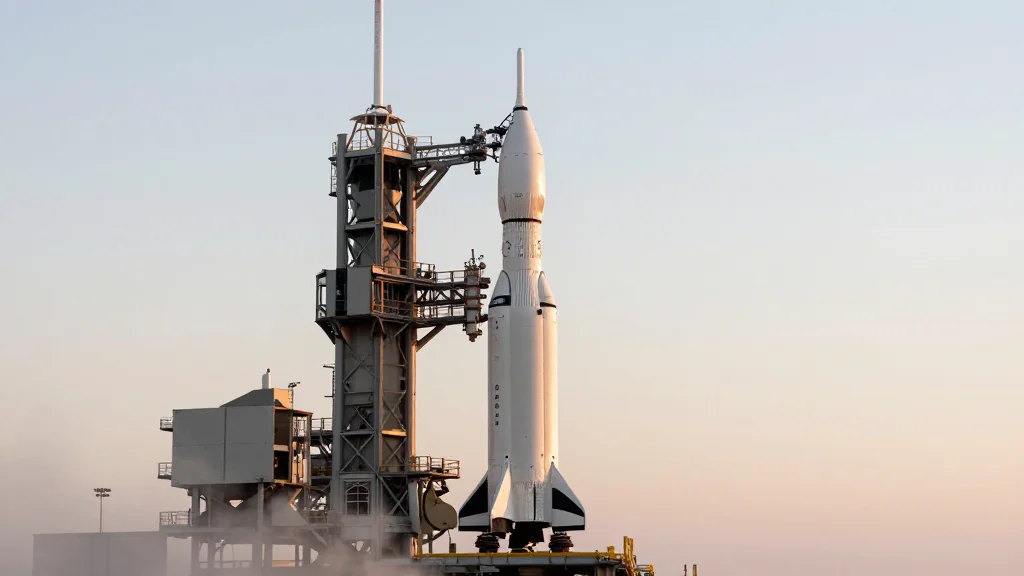
April 11, 1970: Apollo 13 Blasts Off for the Moon
On April 11, 1970 Apollo 13 launched as NASA’s third attempted lunar landing, crewed by Jim Lovell, Fred Haise and last‑minute replacement Jack Swigert. Ten minutes after a live TV broadcast, an oxygen tank in the Service Module exploded, crippling the spacecraft’s power and...

Original Apollo 11 Code Open-Sourced by NASA — Original Command Module and Lunar Module Code Repos Are Now Public Domain...
NASA has released the original Apollo 11 Guidance Computer software for the Command Module (Comanche 055) and Lunar Module (Luminary 099) as public‑domain code on GitHub. The repositories were digitized by Virtual AGC and the MIT Museum, providing full machine‑code listings and build tools....

Artemis II Splashes Down
NASA’s Orion spacecraft safely splashed down in the Pacific Ocean on April 10, 2026, concluding the ten‑day Artemis II mission. The crew set a new distance record for human spaceflight, surpassing Apollo 13, and returned with unprecedented images of the Moon’s far...

Artemis 3 and Beyond: What's Next for NASA After Artemis 2 Moon Success
NASA’s Artemis 2 crew safely returned on April 10, 2026, marking the first U.S. crewed lunar mission since 1972. The agency has now redirected Artemis 3 from a lunar landing to an Earth‑orbit test of Orion’s docking with SpaceX’s Starship and Blue Origin’s...

Congratulations to the Artemis II Crew – but the Case for Sending Astronauts Into Space Is Rapidly Shrinking | Martin...
NASA’s Artemis II mission marked the first crewed flight of the new lunar system, returning astronauts safely after a 10‑day lunar loop. The program has already consumed roughly $100 billion, with Congress earmarking an additional $9.9 billion for Artemis IV and V. While the scientific...

Artemis II Splashdown Gives NASA Momentum in Renewed Moon Race
NASA’s Artemis II mission splashed down safely in the Pacific on April 11, 2026, concluding the first crewed deep‑space flight since 1972. The four‑person crew—three Americans and a Canadian—completed a lunar‑orbit trajectory that demonstrated the Space Launch System’s performance and re‑entry capabilities....

The Artemis II Mission Has Ended. Where Does NASA Go From Here?
NASA’s Artemis II mission successfully completed a 700,000‑mile lunar flyby and splash‑down, marking humanity’s first deep‑space crewed flight in over 50 years. The Space Launch System delivered a near‑perfect orbit insertion, while Orion returned safely, providing valuable data on heat‑shield performance and...

NASA’s Artemis II Mission Was a Historic Success
NASA’s Artemis II mission returned safely on 10 April after a historic crewed flyby of the Moon, the first human trip beyond low Earth orbit since Apollo 17 in 1972. The Orion capsule traveled to a record‑breaking 406,771 km from Earth, surpassing Apollo 13’s distance...

How Recovery Personnel Will Secure Artemis II Capsule at Sea After Splashdown
NASA’s Artemis II Orion capsule splashed down in the Pacific off San Diego, leaving four astronauts afloat in a vessel that survived re‑entry temperatures near 5,000 °F. Five airbags on the capsule’s top automatically inflated, righting the spacecraft and stabilizing it against waves...

Elon Musk's Next Big Bet: Inside the Rise of SpaceX
Fox Business aired a panel titled “Elon Musk's next big bet: Inside the rise of SpaceX,” where analysts examined the company’s rapid growth and its pivotal role in NASA’s Artemis II mission. The discussion highlighted SpaceX’s Starship development, expanding Starlink broadband...

NASA Artemis II Splashes Down in Pacific Ocean in ‘Perfect’ Landing for Moon Mission
NASA’s Artemis II mission successfully returned the four‑person crew to Earth after a ten‑day lunar flyby. The Orion capsule, named Integrity, splashed down in the Pacific off San Diego at 5:07 p.m. PT, with all astronauts in good health. The flight marked the first...

Back to Earth: What Happens to the Artemis II Astronauts Now?
The Artemis II crew safely splashed down off California after re‑entering at 25,000 mph, completing the first crewed flight to travel farther than any human before – roughly 4,000 miles beyond Apollo 13’s record. Upon landing, the astronauts were examined on a U.S. warship,...
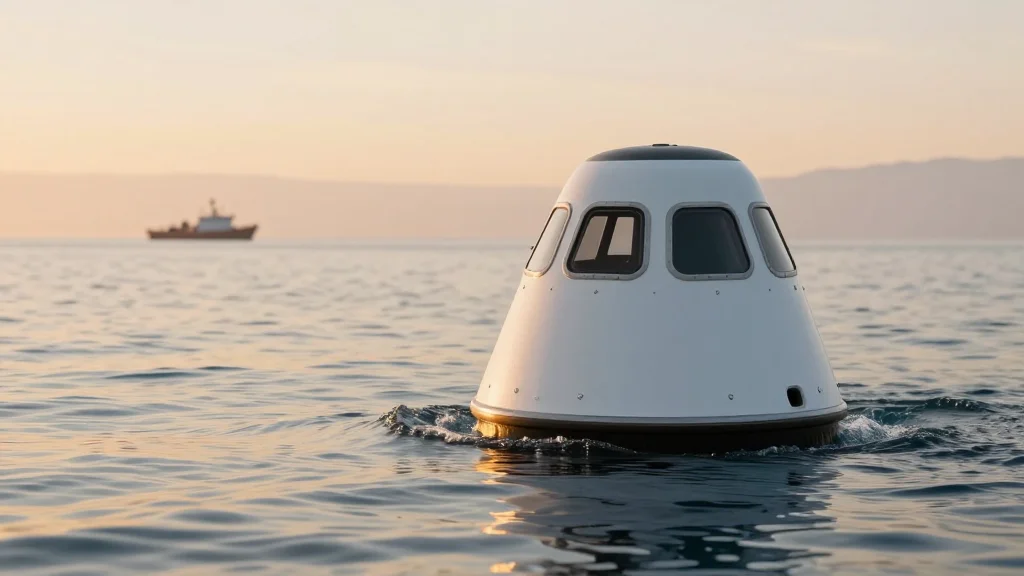
Orion Survives Re-Entry, Crew Splashes Down Safe
Orion’s Orion capsule survived a high‑energy re‑entry and splashed down off California, with all four astronauts remaining inside the capsule as recovery crews arrived. The Artemis‑2 mission, a three‑day lunar fly‑by, is now complete, though analysis of the heat‑shield performance...

‘It’s 13 Minutes of Things that Have to Go Right’: Artemis II Splashes Down Despite Faulty Heat Shield
NASA’s Artemis II mission returned safely to the Pacific after a historic 10‑day lunar flyby, despite a known flaw in the Orion heat shield. Engineers discovered the shield’s internal layers could trap gas during reentry, risking chunk loss. To mitigate, NASA...
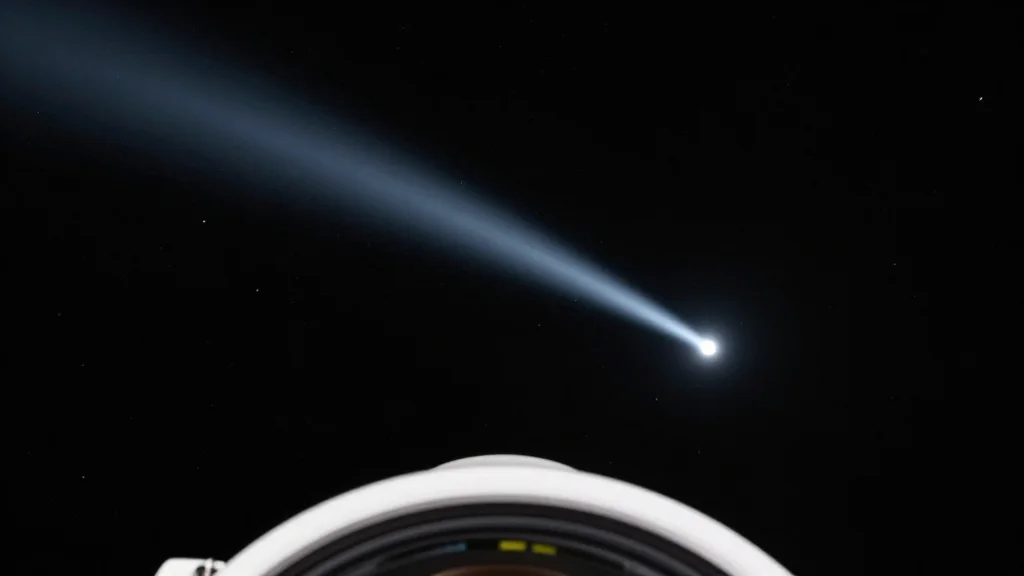
Chance Encounter in Space: JANUS Camera Captures Interstellar Comet 3I/ATLAS
The European Space Agency’s JANUS camera captured high‑resolution images of interstellar comet 3I/ATLAS during a close flyby in early 2026. The observations were made when the comet passed within 0.3 AU of Earth, revealing an elongated nucleus and active gas jets....

Under One Moon
NASA’s Artemis II crew completed a historic lunar flyby, capturing striking images of Earth rising behind the Moon and collecting data on previously unseen craters, a solar eclipse and meteor impacts. The mission demonstrated Orion’s deep‑space capabilities and reinforced the United...
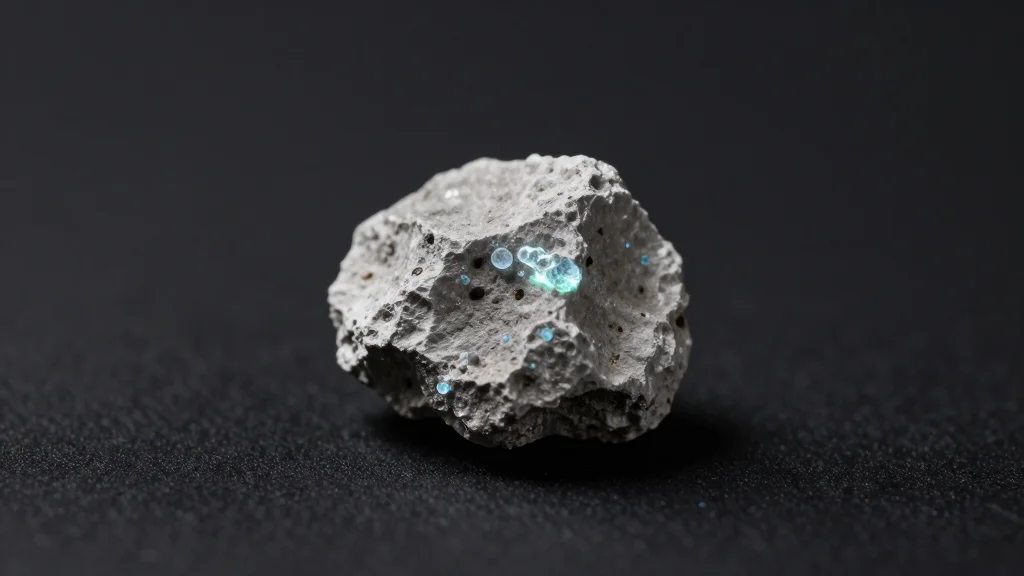
Chang'e Mission Samples Reveal How Exogenous Organic Matter Evolves on the Moon
China’s Chang’e‑5 and Chang’e‑6 lunar sample returns have, for the first time, revealed nitrogen‑bearing organic compounds embedded in moon soil grains. The study shows these organics exist as particles, surface‑adhered films, and mineral inclusions, and bear isotopic signatures that point...
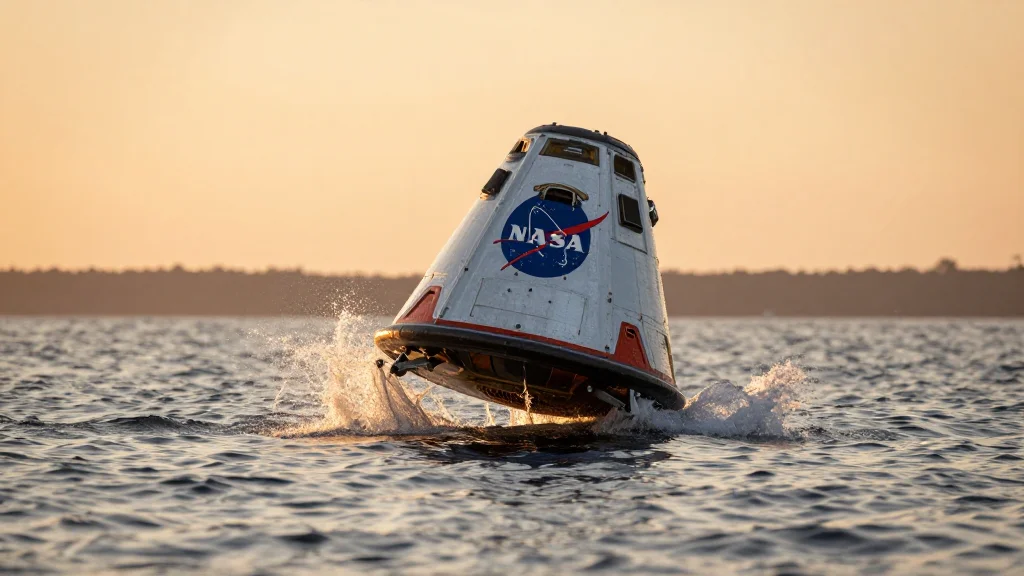
After More than 9 Days in Flight, NASA's Artemis II Is Set to Return to Earth
NASA’s Artemis II crew completed a nine‑day lunar flyby and splashed down in the Pacific off San Diego. The Orion capsule re‑entered at over 24,000 mph, enduring temperatures near 5,000 °F before deploying three parachutes. Four astronauts—including the first woman and the first person...

Artemis II and the Surprisingly Earth-Bound Problem of IP
Artemis II’s launch highlighted not only NASA’s return to lunar missions but also the massive patent portfolios behind the hardware. Boeing, Northrop Grumman, Aerojet Rocketdyne, Lockheed Martin and Airbus together hold seven‑figure numbers of patents covering propulsion, life‑support and communications systems. The article explains...
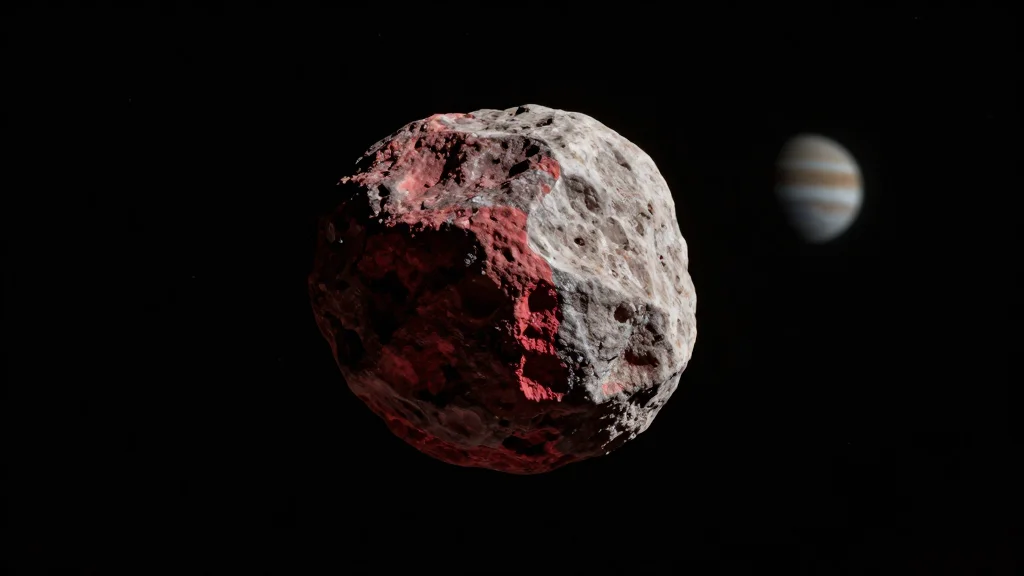
Subaru Telescope Sheds Light on Jupiter Trojan Asteroids' Color Mystery
Using the Subaru Telescope’s Suprime‑Cam, researchers observed 120 small Jupiter Trojan asteroids and found that, unlike larger Trojans, the smaller bodies lack a clear red/less‑red color bimodality and share identical size distributions across color groups. The study, published in *The...

How Vandenberg’s Range Is Scaling to Meet Launch Demand
Vandenberg Space Force Base is gearing up for a dramatic increase in launch activity, targeting 150 launches in the next five years and over 200 by 2036. The effort is backed by $1.3 billion in federal funding through FY2028 and a...

How Will NASA Get the Artemis II Crew Safely Back on Earth? Here's the Science Behind Splashdown
NASA will bring the Artemis II crew back to Earth on 10 April 2026 with a splashdown in the Atlantic Ocean. The Orion capsule’s heat shield, redesigned after unexpected damage on the uncrewed Artemis I flight, will endure re‑entry temperatures near 1,500 °C before a...
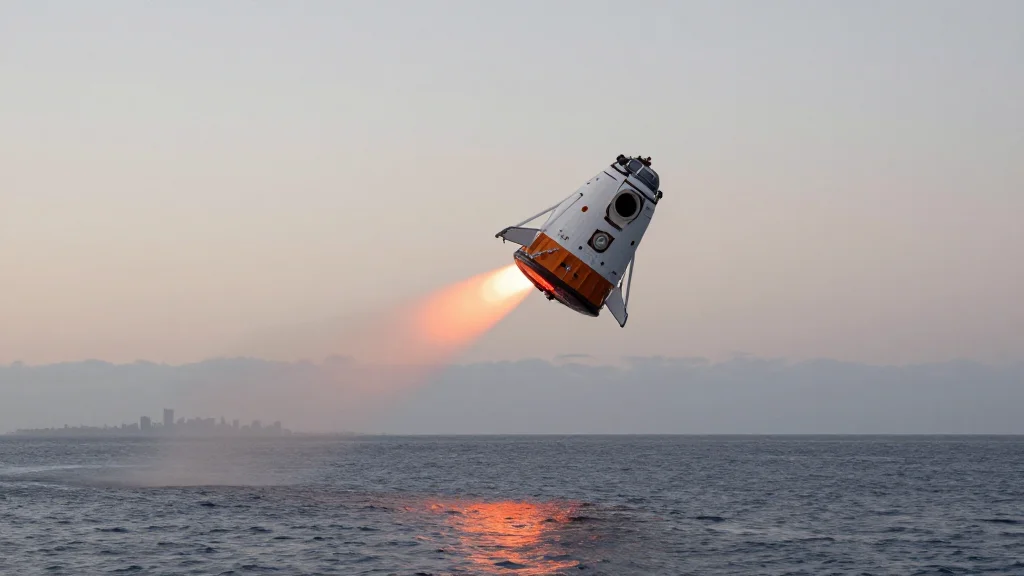
Did You Feel It? As Artemis II Nears Reentry, Scientists Want to Know How Far the Sonic Boom Travels
NASA’s Artemis II moon‑flyby mission will splash down off San Diego on Friday, generating a sonic boom as the Orion capsule decelerates at roughly 30 times the speed of sound. The U.S. Geological Survey is inviting Californians to report whether they heard the...
BryceTech Report Shows SpaceX Accounted for 50% of Launches in 2025
BryceTech’s 2025 Year in Review reports 325 orbital launches and 4,544 spacecraft, a 25% rise in launches and 54% more spacecraft than 2024. SpaceX led the market with 165 launches, representing roughly 51% of all global launches and 85% of...
EnduroSat and Shield Space Strike European Partnership for Defense Missions
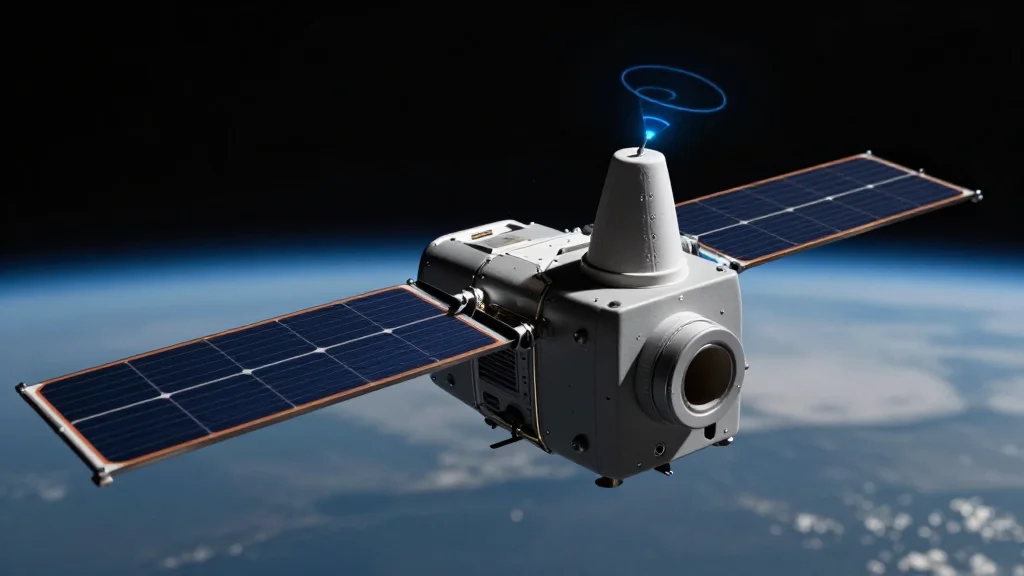
EnduroSat and UK‑based Shield Space announced an all‑European partnership to deliver rapid space‑defense missions. By merging Shield Space’s autonomous guidance systems with EnduroSat’s fixed‑cost satellite services, the duo claims they can field operational missions in nine months instead of years....
Study: Broadcasters Must `Prepare Now’ for Impact of FCC C-Band Auction
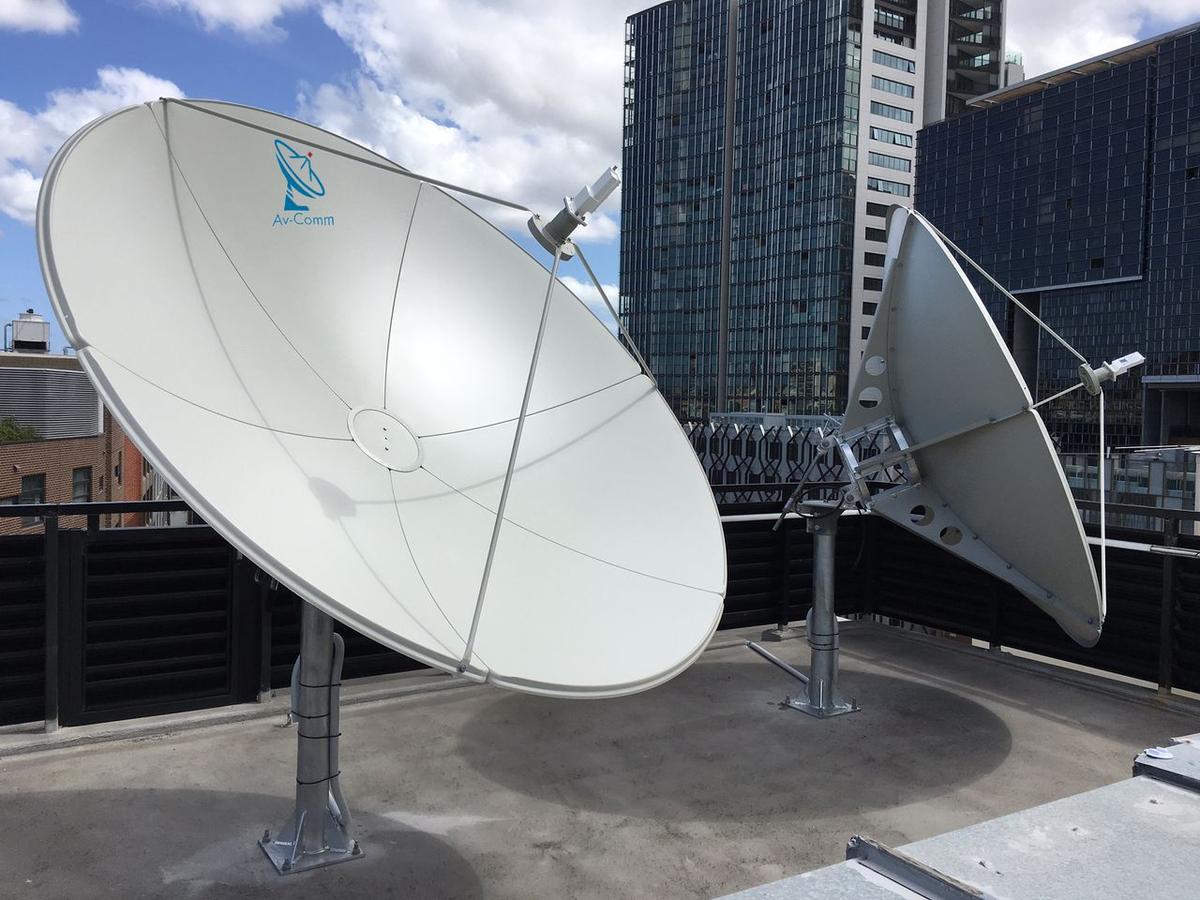
The FCC plans to auction the remaining 100‑180 MHz of upper C‑band spectrum by July 2027, effectively ending broadcasters’ long‑standing satellite option. Unlike the 2020 reallocation, this auction leaves no like‑for‑like replacement, forcing stations to consider Ku‑band, managed IP or hybrid delivery...

Nigeria’s NIGCOMSAT Says It Earned $1.6 Million Amid Satellite Dispute
Nigerian Communications Satellite Limited reported ₦2.2 billion ($1.6 million) revenue for 2025, more than triple its 2024 earnings. Broadcasting still generates over half of that income, but the firm is pivoting toward broadband to reach a projected ₦8 billion ($5.8 million) target. CEO Jane...
Parachutes: A Vital Part of Artemis II's Trip Home
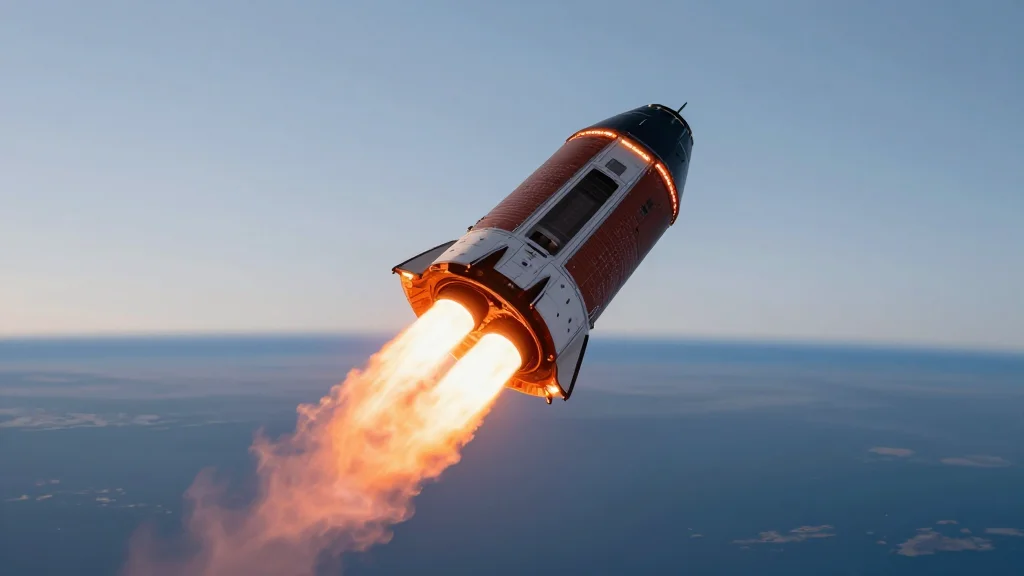
NASA’s Artemis II will return the Orion crew to Earth using a sophisticated parachute suite. Eleven parachutes, arranged in four deployment stages, slow the capsule from 350 mph after heat‑shield deceleration to a gentle 17 mph splashdown off Southern California. The system begins...

See Photos From All 10 Days of NASA’s Artemis II Moon Mission
NASA launched Artemis II on April 1, 2026, sending three Americans and a Canadian on a 10‑day lunar flyby after multiple launch delays. The crew—Reid Wiseman, Victor Glover, Christina Koch and Jeremy Hansen—traveled farther from Earth than any humans before, capturing unprecedented images...

Artemis II Is Showing How Federal Education and Operational Experience Come Together in Space
Artemis II marked the first crewed flight of NASA’s Orion capsule atop the Space Launch System, taking four astronauts on a lunar flyby and returning for splash‑down. The mission served both as a flight‑test of new hardware and procedures and as...

Chang’e-7’s Water-Ice Hunt Could Redraw the Map of Lunar Resource Politics
China’s Chang’e‑7 mission, slated for a 2026 launch, will deploy a hopping probe equipped with the Lunar Soil Water Molecule Analyzer to drill into permanently shadowed craters near the lunar south pole. A positive detection of usable water‑ice would turn...

New Perspective of Home
NASA’s Artemis II mission captured a striking image of the Moon and Earth aligned during its April 6, 2026 lunar flyby, showing both bodies partially illuminated by the Sun. The crew—NASA astronauts Reid Wiseman, Christina Koch, Victor Glover, and CSA astronaut Jeremy Hansen—are...

Launch Aggregators and the Business of Bundled Access to Space
Launch aggregators have evolved from simple rideshare brokers into full‑service mission‑access providers, handling integration, compliance, and post‑launch logistics. The model accelerated after SpaceX’s Transporter‑16 flew 119 payloads in March 2026, proving that high‑volume rideshare can be a repeatable commercial product. Companies...
A Fiery Re-Entry Awaits the Artemis Astronauts
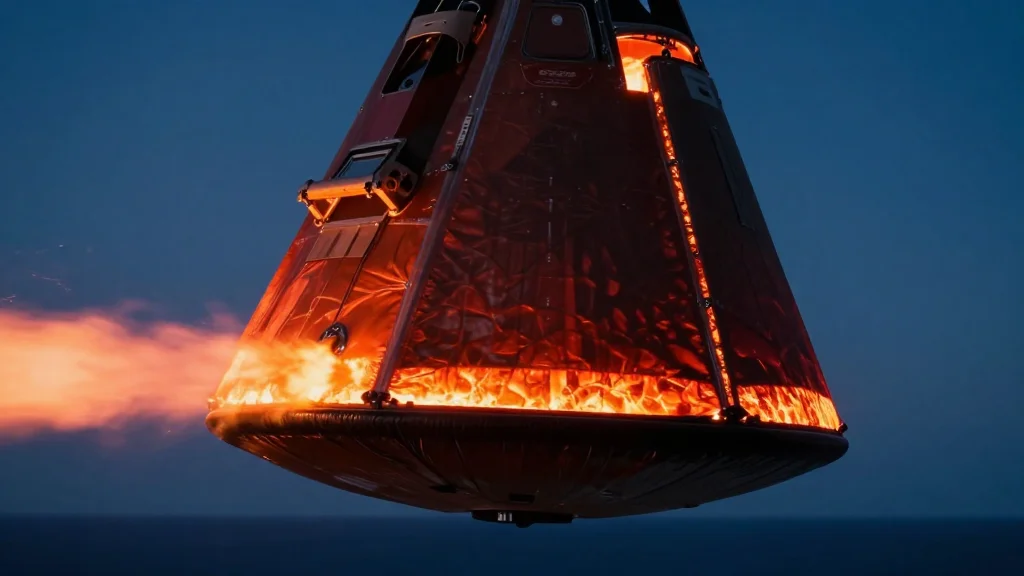
NASA’s Artemis II crew of four is set to begin the most demanding phase of their mission—re‑entry into Earth’s atmosphere. The Orion capsule will encounter a fireball of roughly 5,000 °F as it descends, testing the heat‑shield technology that faltered on the...

SmallSat Europe Speaker Focus: Chiara Manfletti, Neuraspace
Neuraspace, a Portuguese space‑traffic‑management startup now operating in Portugal and Luxembourg, has rolled out an AI‑driven platform that predicts collision probabilities days ahead of traditional methods. The system, enhanced by machine‑learning prediction plots, star‑tracker debris detection, and an autonomous maneuver...