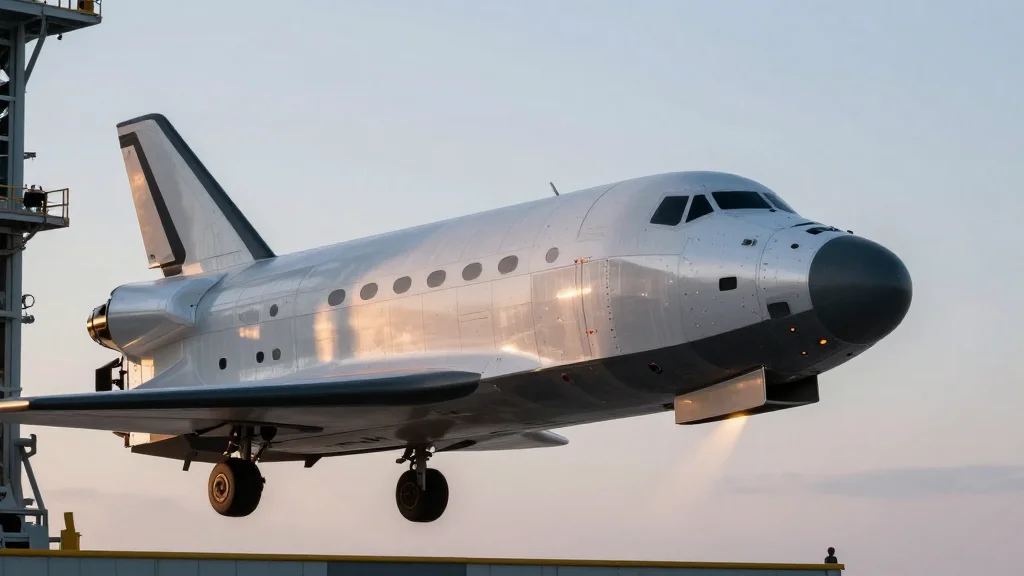
BryceTech Report Shows SpaceX Accounted for 50% of Launches in 2025
Companies Mentioned
Why It Matters
SpaceX’s overwhelming share reshapes launch competition and accelerates the shift toward small‑satellite constellations, influencing investment and policy in the rapidly expanding orbital economy.
Key Takeaways
- •SpaceX performed 165 launches, ~51% of 2025 global total
- •Small satellites (<1,200 kg) comprised 98% of all spacecraft launched
- •U.S. providers executed nearly 60% of worldwide launches in 2025
- •CASC led China with 68 launches; Rocket Lab, Roscosmos under 20 each
- •Total spacecraft mass launched reached ~2.7 million kg, showing orbital economy growth
Pulse Analysis
The BryceTech 2025 launch market analysis underscores a historic surge in orbital activity, with 325 missions and over 4,500 spacecraft—a clear indicator that the commercial space sector is entering a new growth phase. This uptick reflects broader trends such as lower launch costs, proliferating small‑satellite platforms, and heightened demand for broadband and Earth‑observation services. By quantifying a 25% increase in launch cadence and a 54% rise in deployed spacecraft, the report provides investors and policymakers a data‑driven snapshot of where capital is flowing in the space ecosystem.
SpaceX’s dominance is the most striking takeaway, accounting for roughly half of all launches and the vast majority of satellites placed in orbit. With 165 missions, the company’s market share eclipses traditional providers, and its Starlink constellation alone contributed 122 launches, or 74% of SpaceX’s activity. This concentration raises competitive concerns but also drives innovation, as rivals scramble to offer differentiated services, such as dedicated rideshare slots for small payloads. The small‑satellite boom—98% of all spacecraft under 1,200 kg—highlights a shift toward cost‑effective, modular designs that can be rapidly deployed, reshaping satellite manufacturing and ground‑segment strategies.
Geopolitically, the data reaffirms U.S. leadership, with nearly 60% of launches originating from American firms, while China’s CASC secured the second‑largest launch count at 68 missions. The modest numbers from Rocket Lab and Roscosmos suggest a more fragmented competitive landscape beyond the two superpowers. As launch capacity continues to expand and payload mass totals about 2.7 million kg, the orbital economy is poised for further consolidation and diversification, prompting regulators to balance national security interests with the commercial momentum driving the next wave of space services.
BryceTech Report Shows SpaceX Accounted for 50% of Launches in 2025
Comments
Want to join the conversation?
Loading comments...